Roof Insulation and Cover Board in Glendale, AZ
Home / Commercial Roofing Services / Roof Insulation and Cover Board
Request A
Roof Assessment
Tell us about the building and the roof. We reply with the next practical step for your property.
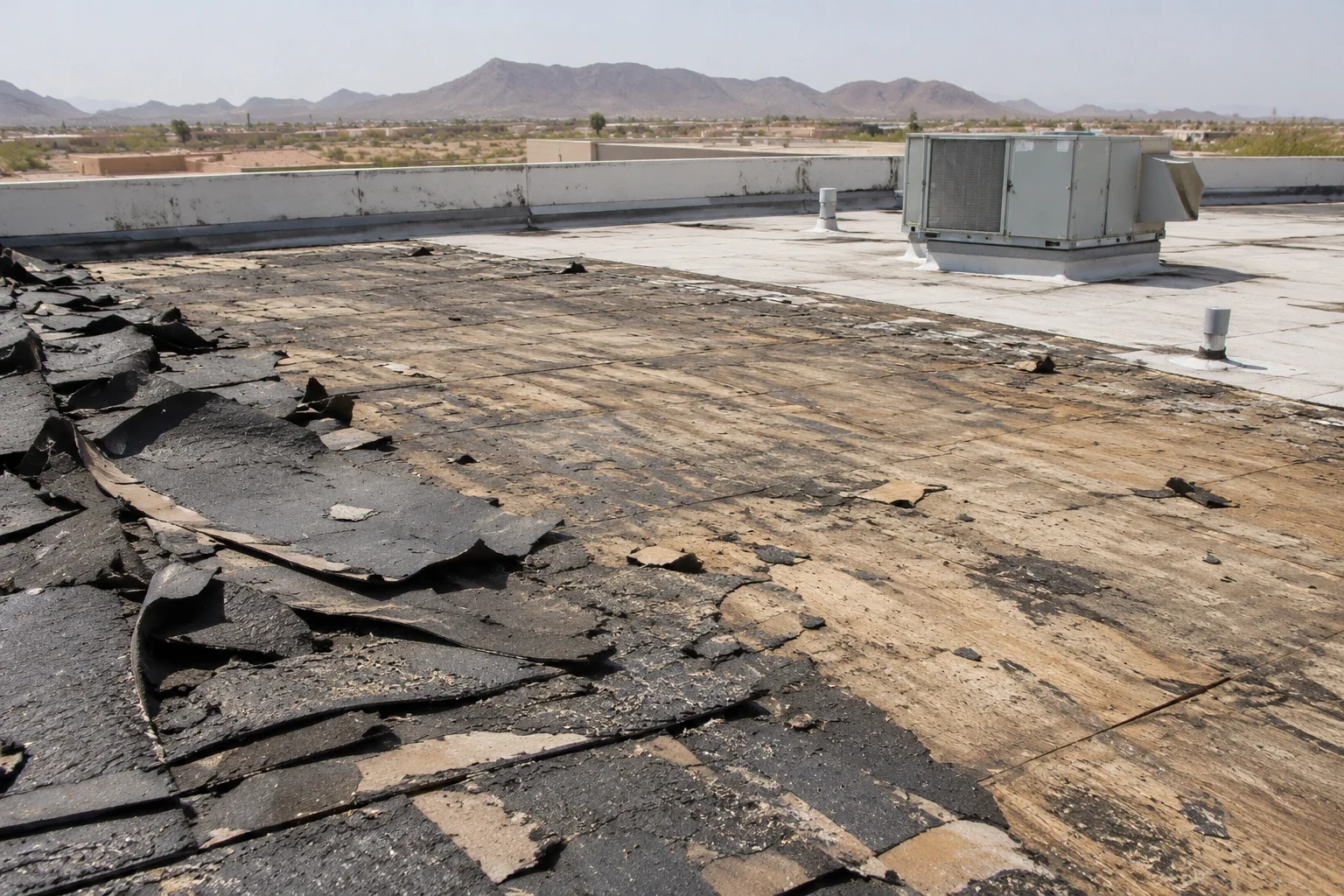
Glendale insulation and cover-board work develops retained layers, selected boards, attachment and detail levels before the GC advances the roof package.
Develop the board work and protection plan before releasing the next roof area during monsoon season. The Desert Southwest experiences periodic seasonal showers and thunderstorms. In Glendale, the GC needs to know which layers remain, which materials are replaced and how the prepared construction supports the selected roof assembly. We examine that arrangement before assigning insulation or cover-board work.
The roof package should distinguish the insulation task from the board receiving the membrane. Identify each selected layer and its purpose in the developed assembly. A product name alone cannot establish the condition beneath it or the attachment arrangement. Review existing construction, supporting condition and adjoining detail levels so the subsequent membrane installation has a clear starting point.
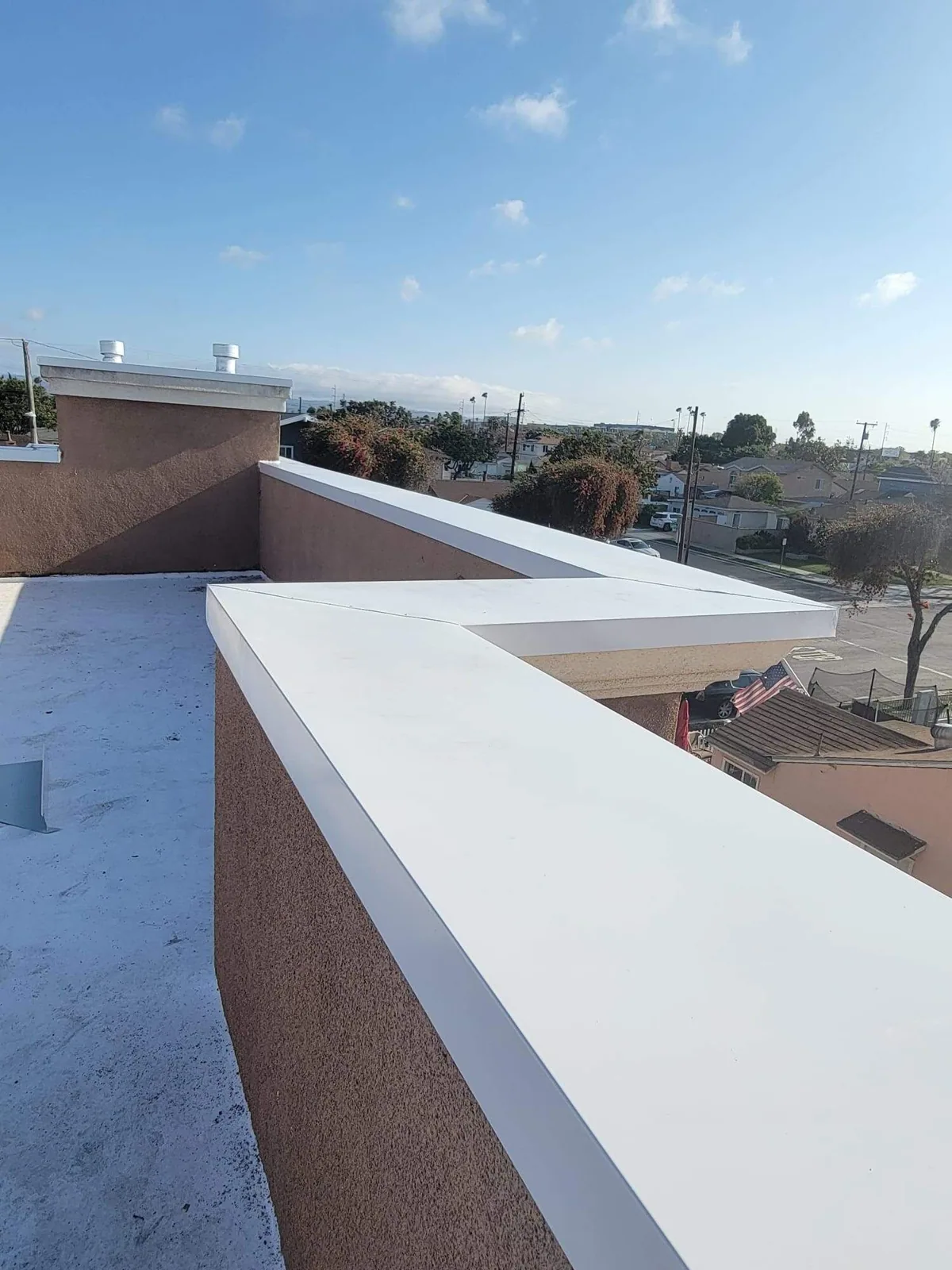
Establish the layers proposed to remain
Obtain available roof records and review the designated construction areas with the representative. Identify material changes and earlier repairs where they affect retention. Locate questions requiring exposure or another investigation. We develop the retained-layer assessment before describing a new board installation over construction whose condition is still unresolved.
An investigation of concealed moisture may contribute where material condition affects the option. Review the method and confirmation needed for the actual construction decision. Keep examined positions and unresolved areas identifiable so the board work follows the findings established for that roof.
For layer work requested at Glendale Main Library, establish the assigned roof through the representative. Associate 5959 West Brown Street with that material assessment in the project account. We review the available construction information and develop the investigation needed before recommending retention or replacement at the assigned area.
Where exposure is required, identify its position and the question it must resolve. Arrange the work and closure with the GC. Record the material observed and supporting concern established there, allowing the next task to be developed from the actual roof rather than a generic layer description.
Identify each selected board within the roof assembly
Develop the insulation and cover-board selection through the requirements of the intended roof assembly. Identify the product proposed for each layer and the construction it will meet. Review applicable installation information before choosing attachment or membrane preparation. The scope should show how the selected boards fit the particular roof package.
Georgia-Pacific describes DensDeck Prime Roof Board as a fiberglass-mat, high-density gypsum-core product for mechanically fastened, adhered and partially adhered roofing systems. That is a specific board description, rather than a substitute for assembly selection. We review the chosen board and selected roofing-system requirements applicable to the proposed installation.
A retained-roof option requires review of its existing construction and the layers being added. Identify the preparation and material correction preceding installation. Keep the selected board task separate from acceptance of concealed material that has not yet been examined.
Where the assembly option changes, review the board selection and affected connections again with the GC. Preserve the product information used to develop the task. A changed membrane or supporting arrangement should have an updated layer account so the crew receives the construction now proposed.
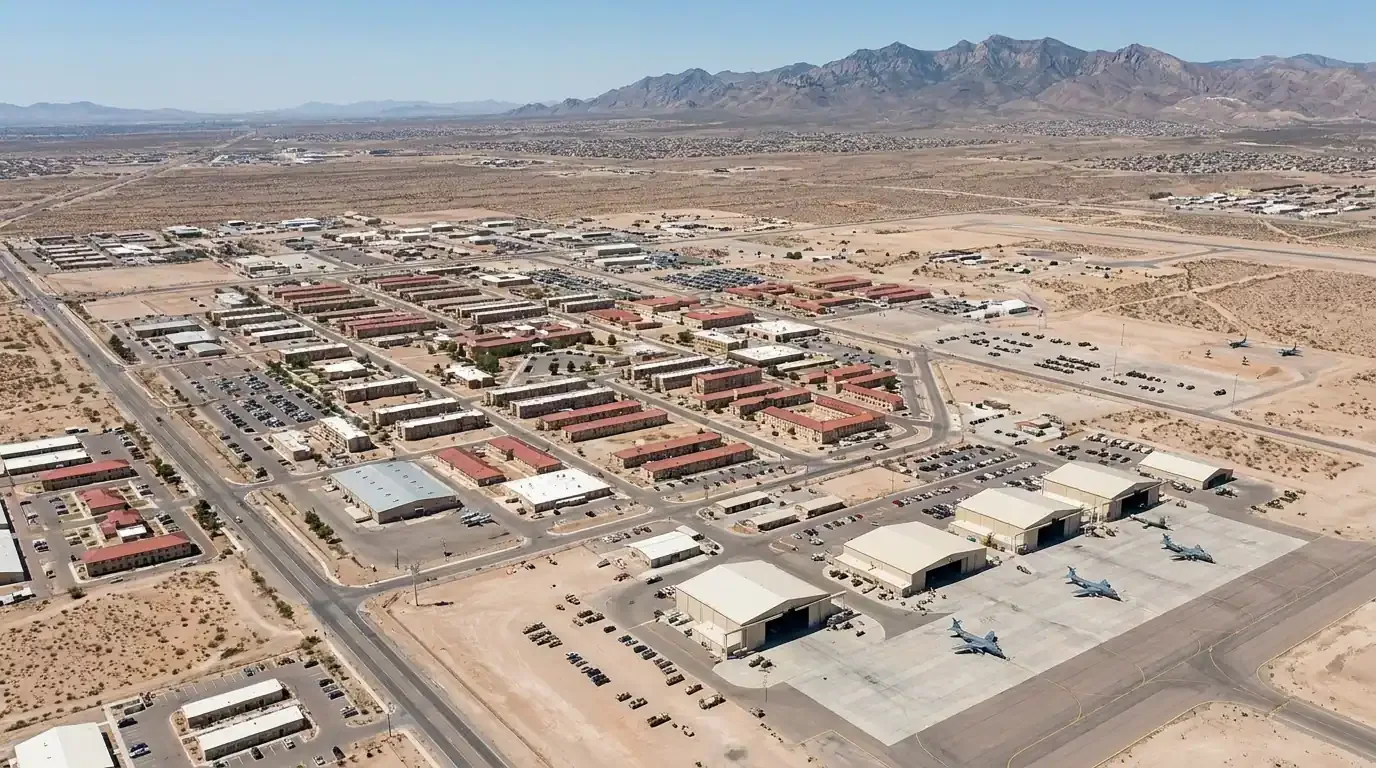
Develop attachment through the supporting construction
Review the deck and other retained construction relevant to the selected attachment method. Identify the assessment needed where supporting condition is unresolved. Obtain the applicable assembly instructions before developing the fastening or adhesive task. We keep that decision tied to the actual materials instead of choosing attachment from the board name alone.
Locate supporting corrections needed before installation and identify the trade or task completing them. Review the resulting prepared area with the GC. The board work should begin from an understandable handoff, with outstanding construction questions recorded rather than hidden beneath the next layer.
For board work requested in the Loop 303 roof assignment, confirm the building and designated areas with its representative. Review the supplied deck and assembly information for that roof. We develop the attachment task through the appropriate examination and selected installation requirements there.
Record the selected materials and method within the construction scope. If removal exposes another supporting concern, update the affected work before continuing installation at that position. The GC needs to understand the correction and its effect on the board task scheduled to follow.
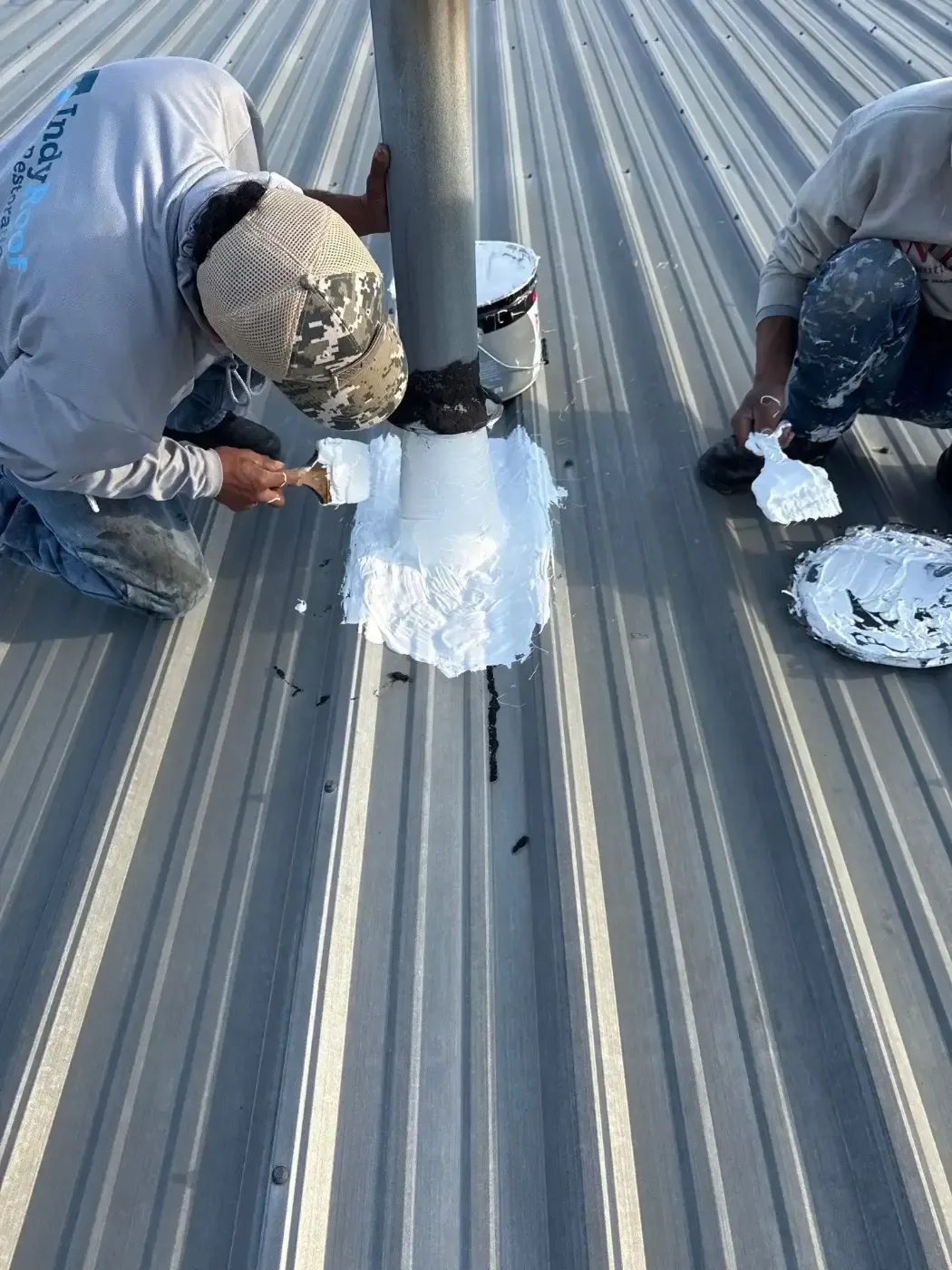
Review new layer levels at drains and openings
Examine how the proposed layers meet existing drains, edges and curbs. Identify the level changes introduced by the developed assembly and the component questions they create. We review those positions before installing the board work, allowing adjoining corrections to be arranged alongside the roof field.
Drainage component coordination should establish the outlet arrangement and roofing connection affected by the layer work. Obtain the relevant component information and develop supporting correction where needed. Keep a proposed drainage alteration within its own assessment rather than assume the board installation resolves the outlet geometry.
At an opening, review the adjoining flashing task with the layer account. Identify backing, component and termination questions before developing the permanent connection. The GC needs the board work and detail correction coordinated where the selected roofing material changes plane.
For requested layer correction at State Farm Stadium, have the representative identify the affected roof position and connect it with 1 Cardinals Drive. We review the assigned detail levels and component information there. Locate the preceding work needed before the new supporting layers meet those existing roof connections.
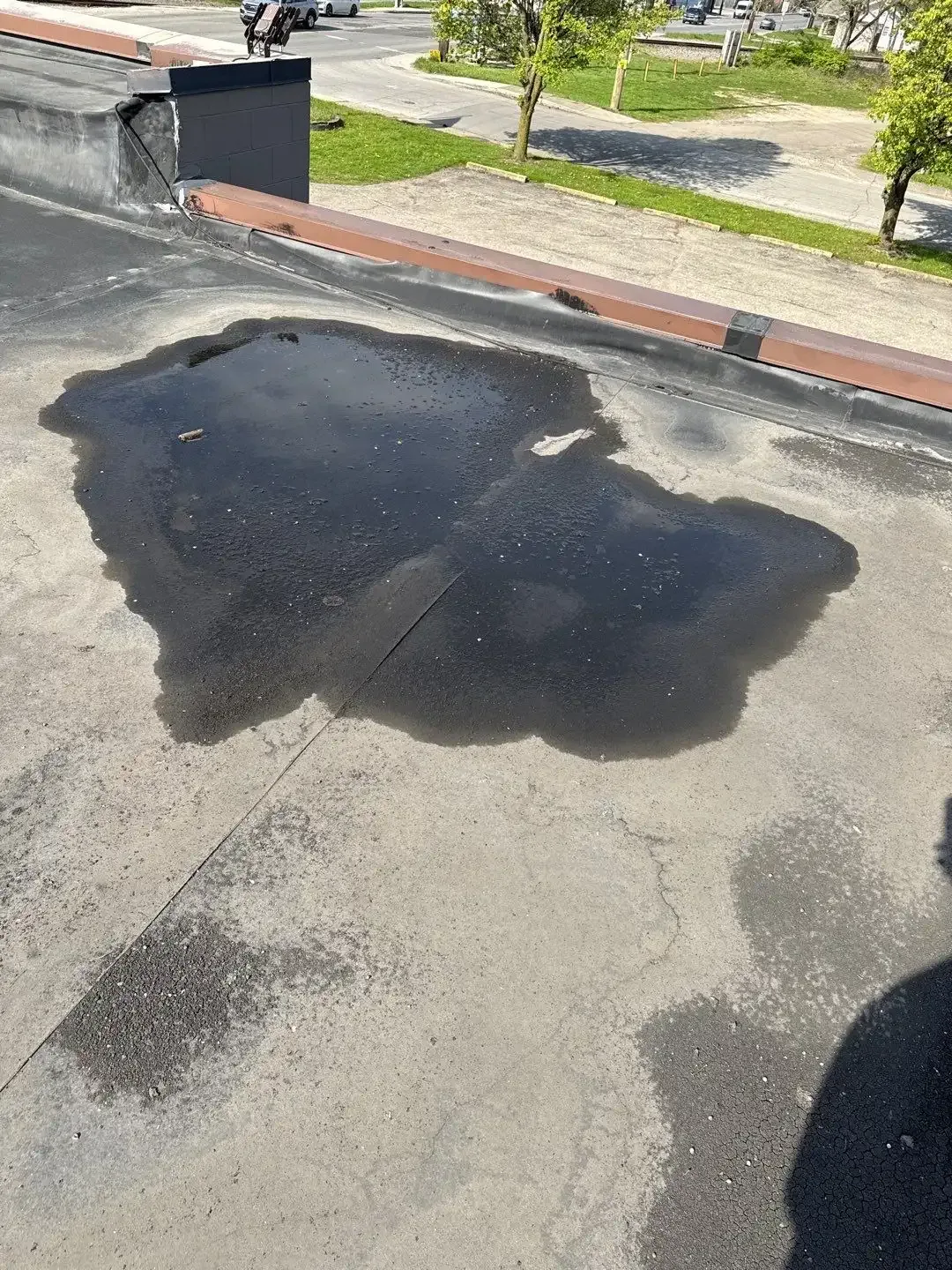
Protect prepared areas and preserve the installed-layer record
Arrange material handling and exposed-area protection through the selected-product instructions and project conditions. Develop the day's task with the GC so the construction awaiting subsequent roofing is identifiable. Review conditions again when the monsoon contingency changes the planned installation or closure work.
A removal-and-rebuild scope should show the layer boundary and supporting tasks that precede the new assembly. Where the assignment is localized, identify its connection to retained work. Keep the intended construction and exposure questions clear before the crew advances into another roof area.
Preserve examined layers, installed boards and the relevant attachment account in the assembly work record. Locate corrections and outstanding positions. Keep useful product information with the completed work so a later assessment can distinguish installed construction from an earlier proposed option.
At turnover, review remaining component or supporting questions with the representative. Identify the next examination where work remains outside the completed board task. The current layer account should make the subsequent membrane and detail work understandable to the GC and to crews returning to that roof.
More on Roof Insulation and Cover Board
Commercial Roofing Questions
What establishes the Glendale insulation and cover-board task?
The deciding factor is the developed roof assembly and condition of the construction it retains. Identify layers and supporting questions before selecting the board work.
How should a concealed material question be resolved?
Locate the investigation needed for that construction decision. Keep confirmed findings separate from areas still requiring examination before retention is recommended.
Why review attachment separately from the board product name?
The selected method must address the actual supporting construction and assembly requirements. Develop that information before assigning installation.
Where do drains and curbs enter the layer review?
Examine the proposed levels and affected connections before board work proceeds. Coordinate the component and flashing tasks needed at those positions.
Which layer records should remain at turnover?
Preserve installed products, attachment information and corrected roof areas. Identify supporting or component examinations left outside the completed task.
Develop the supporting layers with the GC
Bring the intended roof option and existing records. We will review retention, board selection, attachment and the component connections needing coordination.
Next steps for your building:
Related Roofing Work
More commercial roofing work for Glendale and West Valley properties.