Infrared Moisture Surveys in Glendale, AZ
Home / Commercial Roofing Services / Infrared Moisture Surveys
Request A
Roof Assessment
Tell us about the building and the roof. We reply with the next practical step for your property.
Glendale infrared roof surveys connect thermal patterns with confirmation, retained-layer condition and the repair or replacement decisions a GC needs.
Plan the moisture investigation around the roof question and monsoon contingency. Periodic showers and thunderstorms occur during the Desert Southwest season. A Glendale GC considering retained insulation needs to know which areas have been examined, how suspect patterns will be checked and what remains unresolved before the roof package advances. We would develop that investigation before recommending a retained-layer decision.
Infrared imaging belongs within a moisture assessment with a stated method and confirmation plan. It can direct attention toward areas needing closer examination. The useful result connects that investigation with a construction choice, whether localized material removal, a recover assessment or a broader replacement study. Begin with the particular roof assembly and the decision the GC needs to make.
Define the material question before the survey
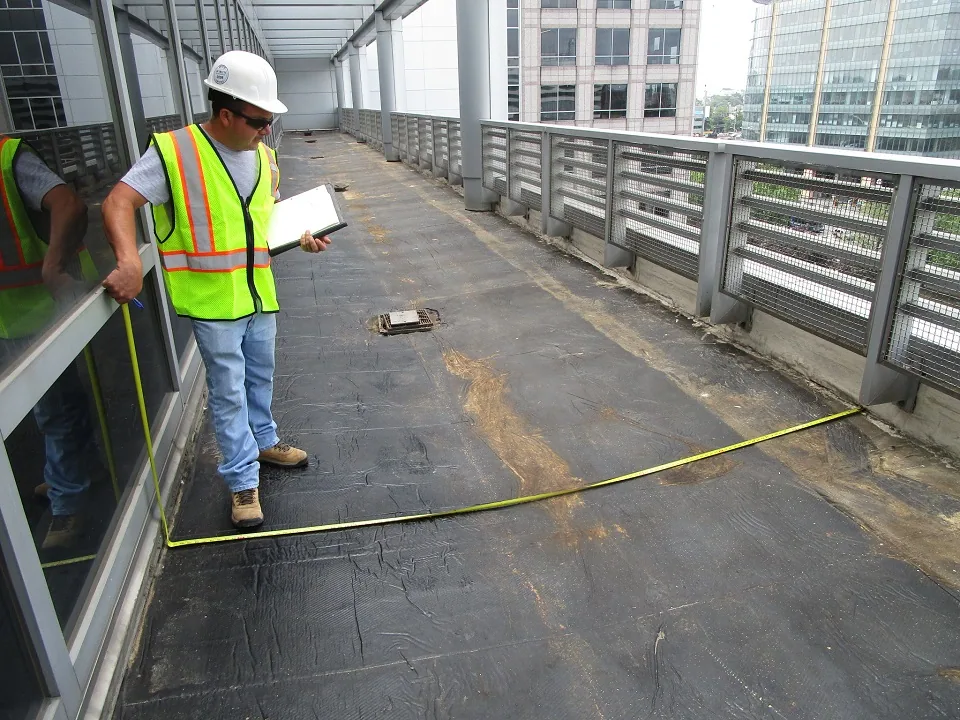
Review the existing roof information with the project representative. Identify the areas proposed for retention and the material condition that must be established. Obtain available assembly records and locate known changes in construction. A survey intended to inform retained insulation needs a scope different from a visual review of an exposed seam.
A surface and detail examination helps put that question in context. Locate reported concerns, previous patches and changes visible at the roof. Review where further investigation is appropriate rather than treat every recorded roof position as the same assembly. Explain the information that the proposed method can contribute.
For an investigation requested at Glendale Main Library, obtain the roof assignment through its representative. Use 5959 West Brown Street to identify the property with the requested examination. We would review the particular retention question and the roof information available for that assignment before selecting the investigation scope.
Discuss the result needed at the pre-roofing meeting. A GC comparing options should know which material decision remains open and what additional examination could affect the recommendation. Keep that decision tied to the designated roof areas so survey findings can be carried into the subsequent construction work.
Interpret thermal patterns within the examined assembly
WBDG describes infrared thermography as an interpretive method using differences in heat gain and retention between wet and dry building components. Its guidance discusses favorable conditions, assembly variation and confirmation through test cuts. It also distinguishes a thermal pattern from locating a membrane breach. We would develop the method with those limits understood before collecting roof data.
Identify the construction areas to be examined and record the conditions relevant to interpretation. Review differences in material or thickness that may affect the account. Keep the investigator's method and examined positions clear. A pattern should be interpreted within its actual roof context, with the next confirmation step identified where needed.
A reported drainage problem needs its own component and geometry examination. Locate it alongside the moisture investigation when both affect the recommendation. Do not replace the drainage task with a thermal outline; the GC needs to know which question each part of the assessment addresses.
Where an area cannot be usefully examined through the selected method, record that limitation and review another appropriate investigation. Revise the schedule if current conditions prevent the planned task. An incomplete thermal account should remain identifiable when the GC reviews the remaining information required for the roof package.
Confirm suspect areas before assigning retained material
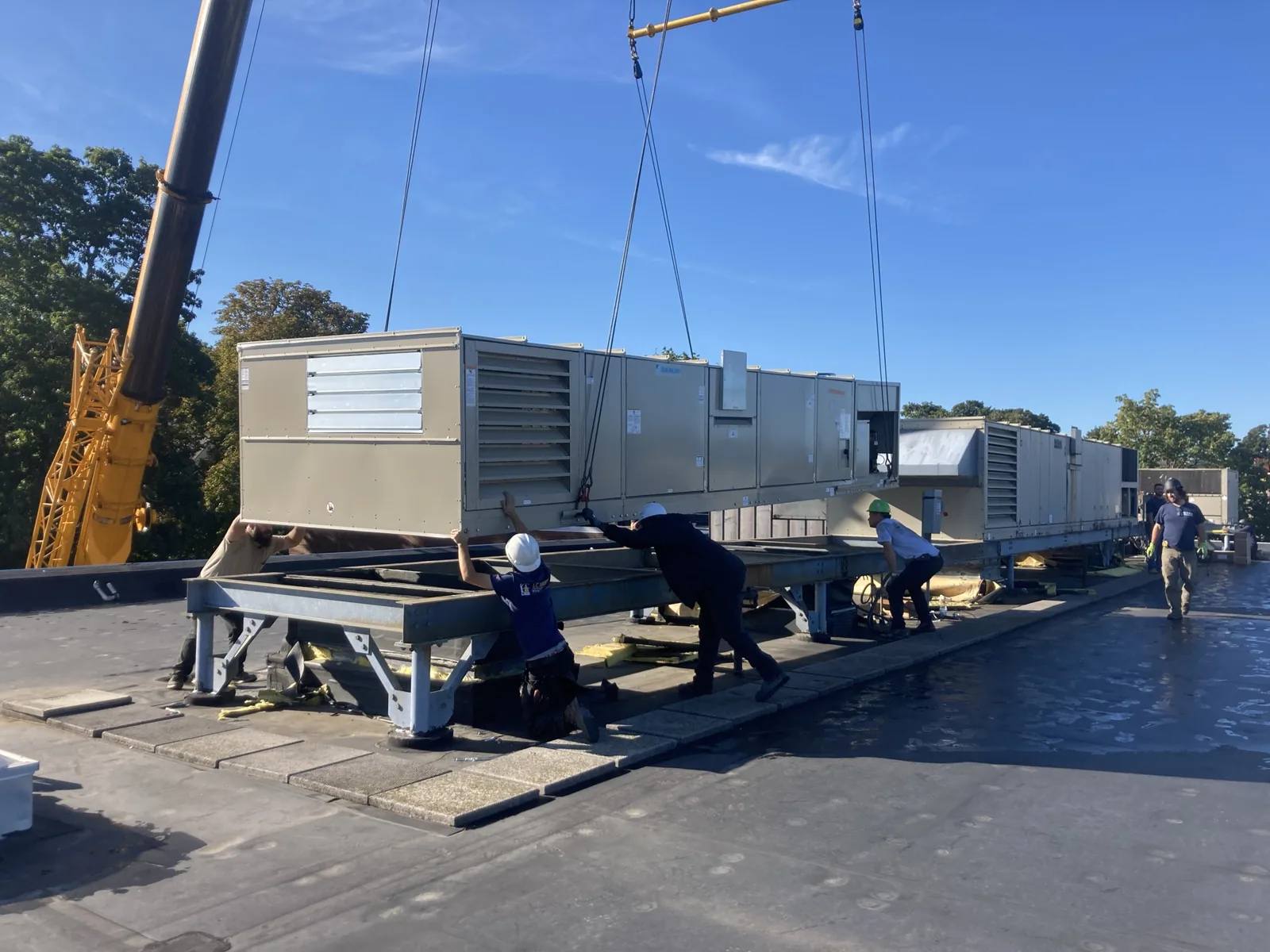
Develop the confirmation task from the findings and the roof question. Locate positions needing further examination and identify what must be established there. Review the proposed exposure or supplemental method with the representative before proceeding. The confirmation account should show how the material finding relates to the thermal pattern under review.
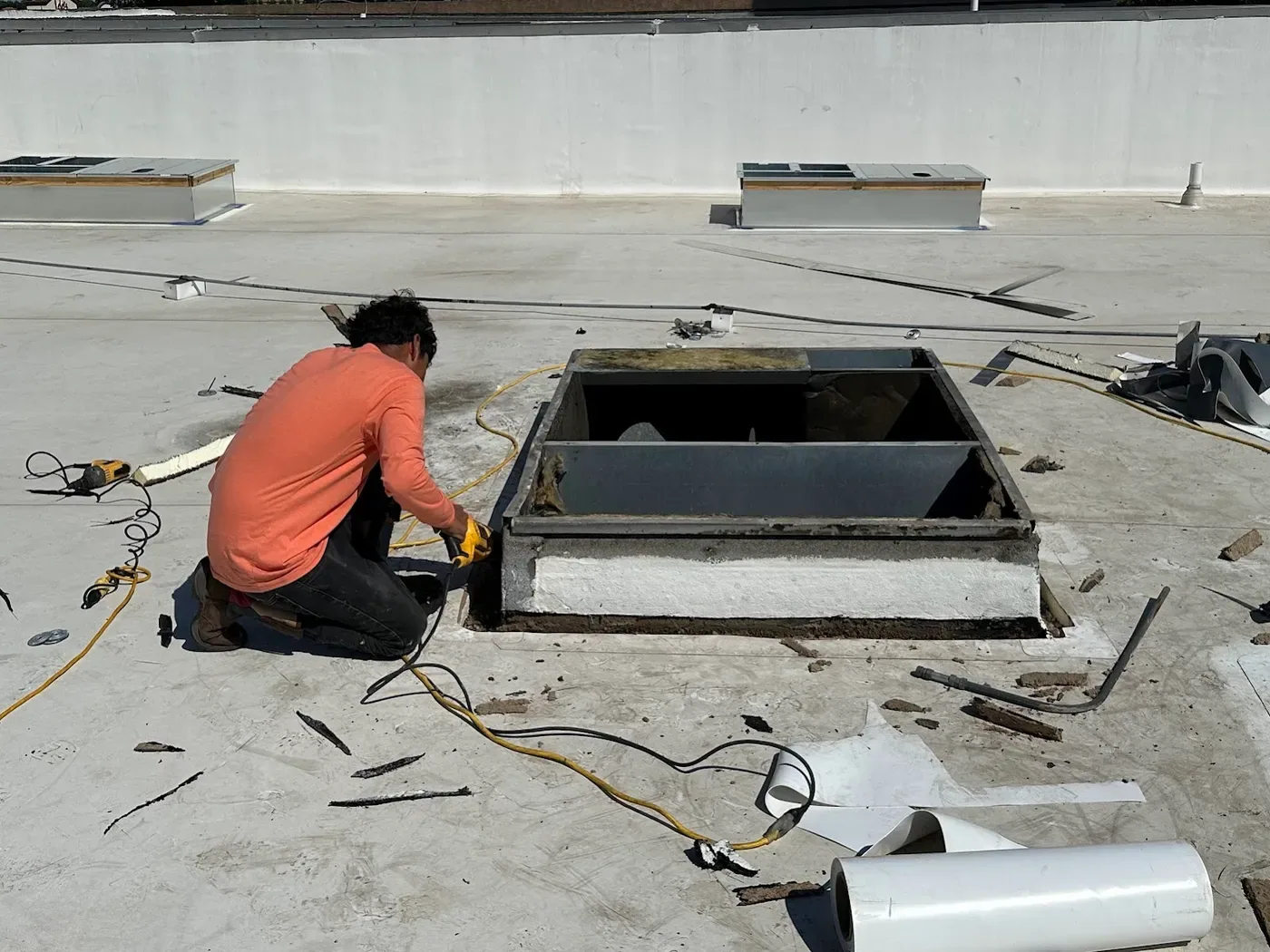
Where test cuts are selected, arrange the work and closure for the actual membrane and assembly. Obtain the applicable product information before opening the roof. Locate the cuts in the investigation record and describe the construction examined. We would keep the resulting observations with the survey positions instead of presenting the image as a complete concealed-layer account.
Review supporting material exposed during the examination when it affects the proposed work. Identify a condition that requires another assessment or changes the retained-layer recommendation. The scope should explain that next task, allowing the GC to review material correction and subsequent roofing work together.
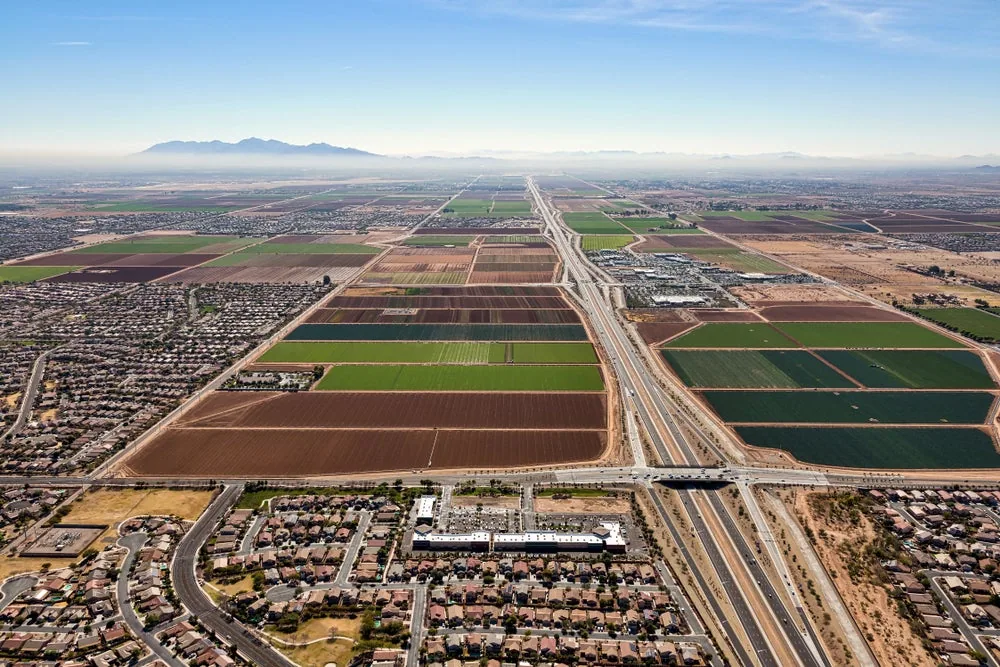
For requested investigation within the Loop 303 project area, establish the particular property and assigned roof with its representative. Review the proposed confirmation positions there. The property-specific task should govern the examination and closure arrangements recorded for that roof.
Keep moisture findings separate from leak entry
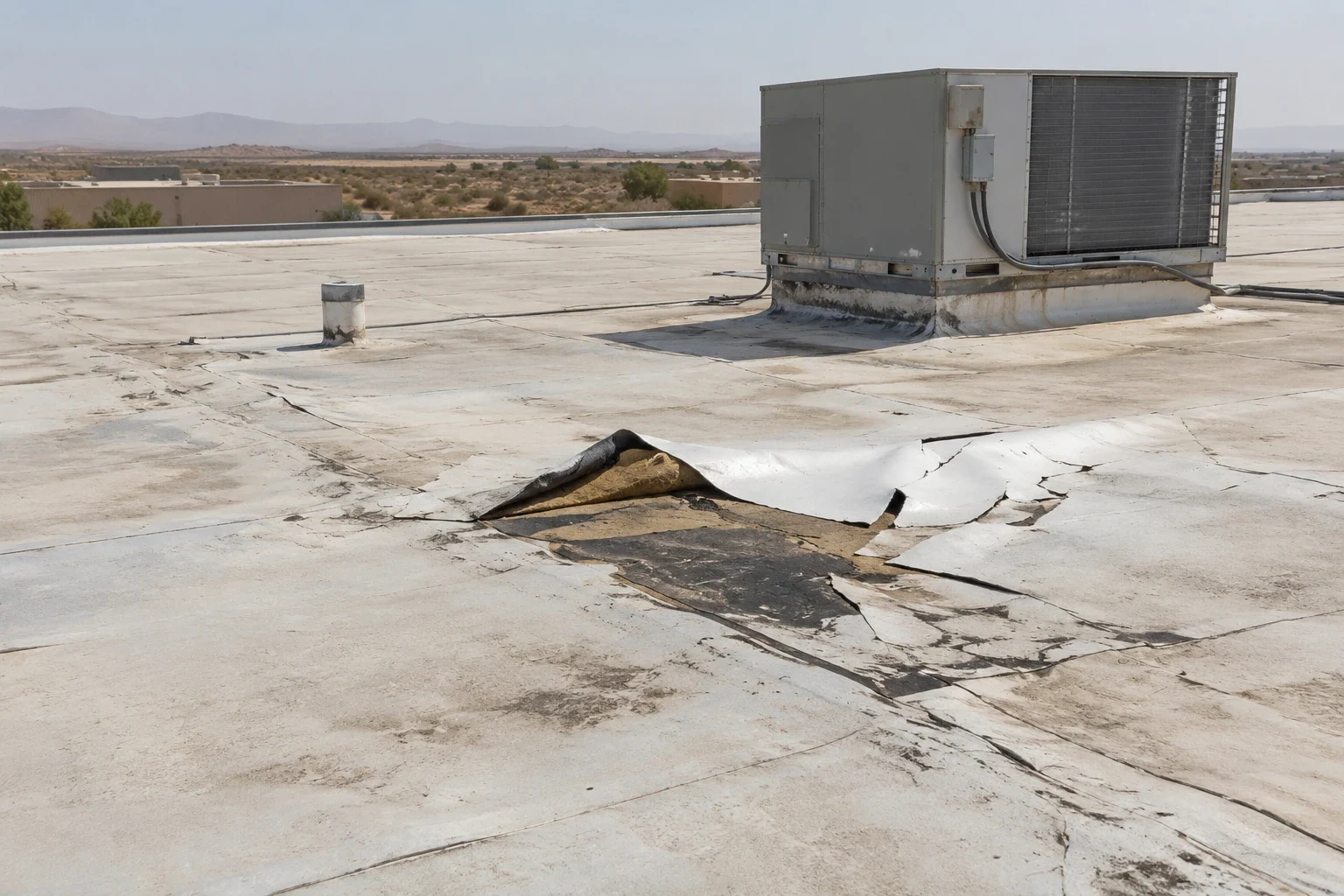
A confirmed material condition and the point where water entered are different findings. Review the surface and details where a separate entry investigation is needed. Locate the reported interior concern in the assessment account without assuming it sits directly beneath the membrane defect. Develop the next examination from the information available at the actual roof.
A focused entry investigation can address the repair question left open by the moisture findings. State the component examined and the evidence supporting the proposed correction. Keep unresolved entry positions visible in the recommendation, even where material removal has already been identified.
Where a previous correction is documented, review it alongside the current condition rather than assume every suspect area represents a new breach. Obtain relevant records and examine the detail as appropriate. The GC needs a current construction recommendation that explains both the material task and any separate connection repair.
Record proposed permanent joining and preparation requirements only after the existing product and correction have been developed. Arrange backing or component work needed at that position. A moisture survey can inform the repair boundary, while the material-specific installation scope establishes how the crew will complete the affected detail.
Translate confirmed condition into a roofing option
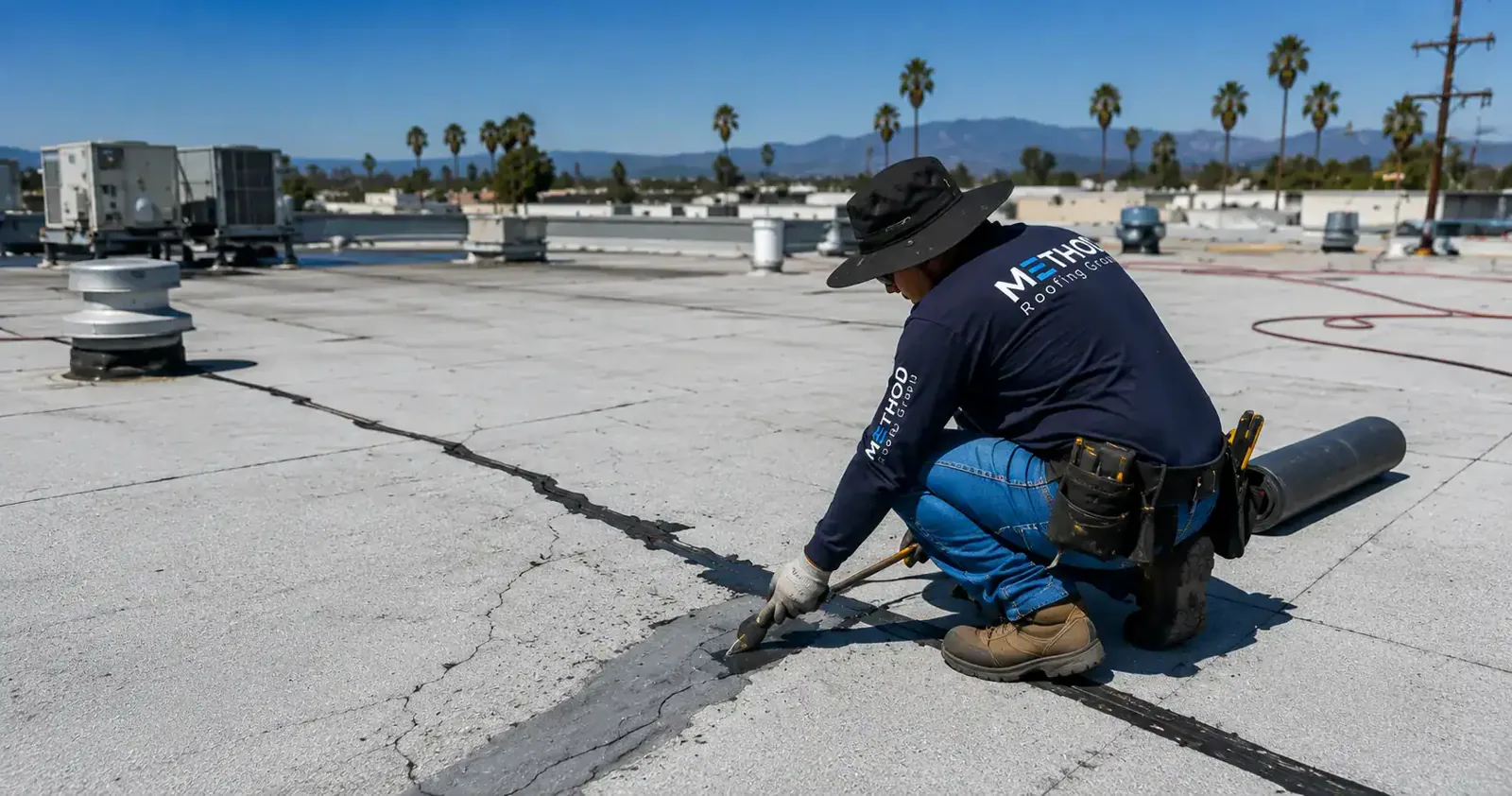
Review the confirmed material findings against the proposed retention boundary. Identify material requiring correction and questions still needing resolution. A recover assessment should examine the retained construction and the requirements of the intended assembly. Useful moisture information supports that review without becoming blanket approval to cover the existing roof.
Where the findings suggest a broader removal study, develop a replacement comparison with its own removal depth and supporting-condition review. Locate the information needed to distinguish the options. The GC should be able to see which task changes the proposed assembly or the work preceding installation.
Preserve the survey positions, confirmation results and unresolved areas in the findings record. Keep the basis for proposed correction identifiable, including any separate surface or entry examination. Later construction records should show which areas were corrected and how they relate to the investigated positions.
Review changes discovered during work before continuing the affected roof package. Update the material boundary and next task with the GC when exposed conditions differ from the assessment. Close out the completed correction with the installed-product and detail information needed to understand the work that followed the survey.
More on Infrared Moisture Surveys
Commercial Roofing Questions
What establishes a useful Glendale infrared survey scope?
The deciding factor is the material question the investigation must resolve. Identify the designated construction areas and confirmation needed before recommending retention or removal.
How should an unusual thermal pattern enter the roof recommendation?
Locate the pattern with the examined assembly and relevant conditions. Review the confirmation task before treating it as a completed material finding.
Can thermal imaging establish the membrane entry point?
A separate entry examination may be needed. Keep the moisture finding distinct from the component investigation supporting a permanent leak correction.
Where does confirmation fit into a recover comparison?
Confirmed condition helps develop the retained-material assessment. Review the proposed assembly requirements and remaining construction questions before selecting the roofing option.
Which records should follow the survey into construction?
Keep examined positions, confirmation results and unresolved areas together. Locate completed material corrections and preserve the installed-product information for the subsequent work.
Resolve the retained-material question
Bring the proposed roof option to the pre-roofing meeting. We will review the moisture investigation, confirmation task and remaining construction decisions.
Next steps for your building:

Related Roofing Work
More commercial roofing work for Glendale and West Valley properties.