Roofing for Property Managers in Glendale, AZ
Home / Industries We Serve / Property Managers
Request A
Roof Assessment
Tell us about the building and the roof. We reply with the next practical step for your property.
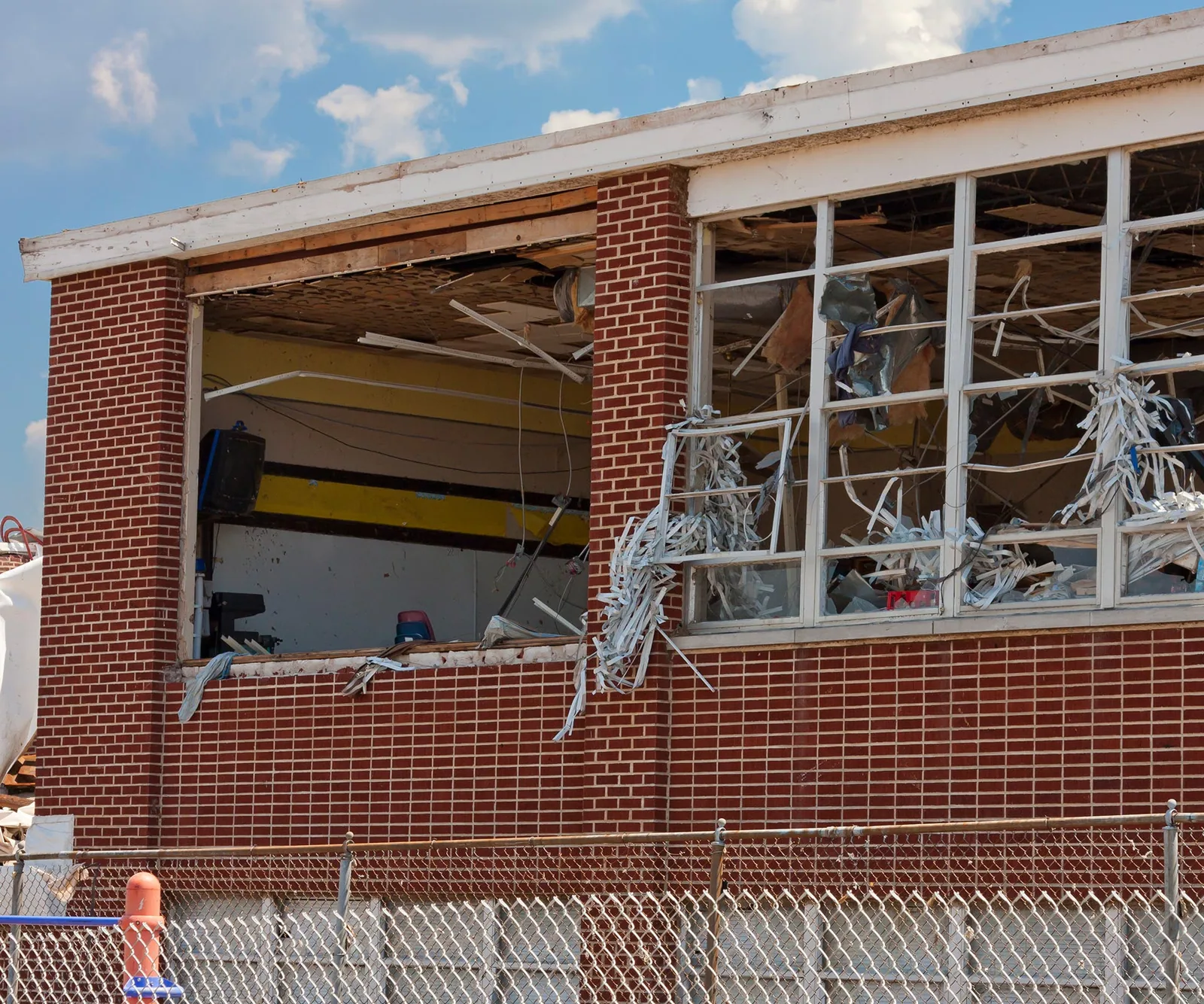
Glendale, AZ roof repair for property managers: temporary vs. permanent fixes priced separately, photo reports, change approvals and tenant-friendly scheduling.
Monsoon season in the Desert Southwest runs from June 15 through September 30, and that is when a managed building in Glendale, AZ is most likely to produce a run of leak calls. The first thing a property manager needs from a roofer is a clear line between the quick fix that keeps water out tonight and the permanent repair that ends the calls. We give you both in writing, priced separately. The temporary patch is labeled as temporary. The permanent repair says what gets cut out, what goes back in and where it ties into the existing membrane. You approve a specific job instead of paying for the same leak three times.
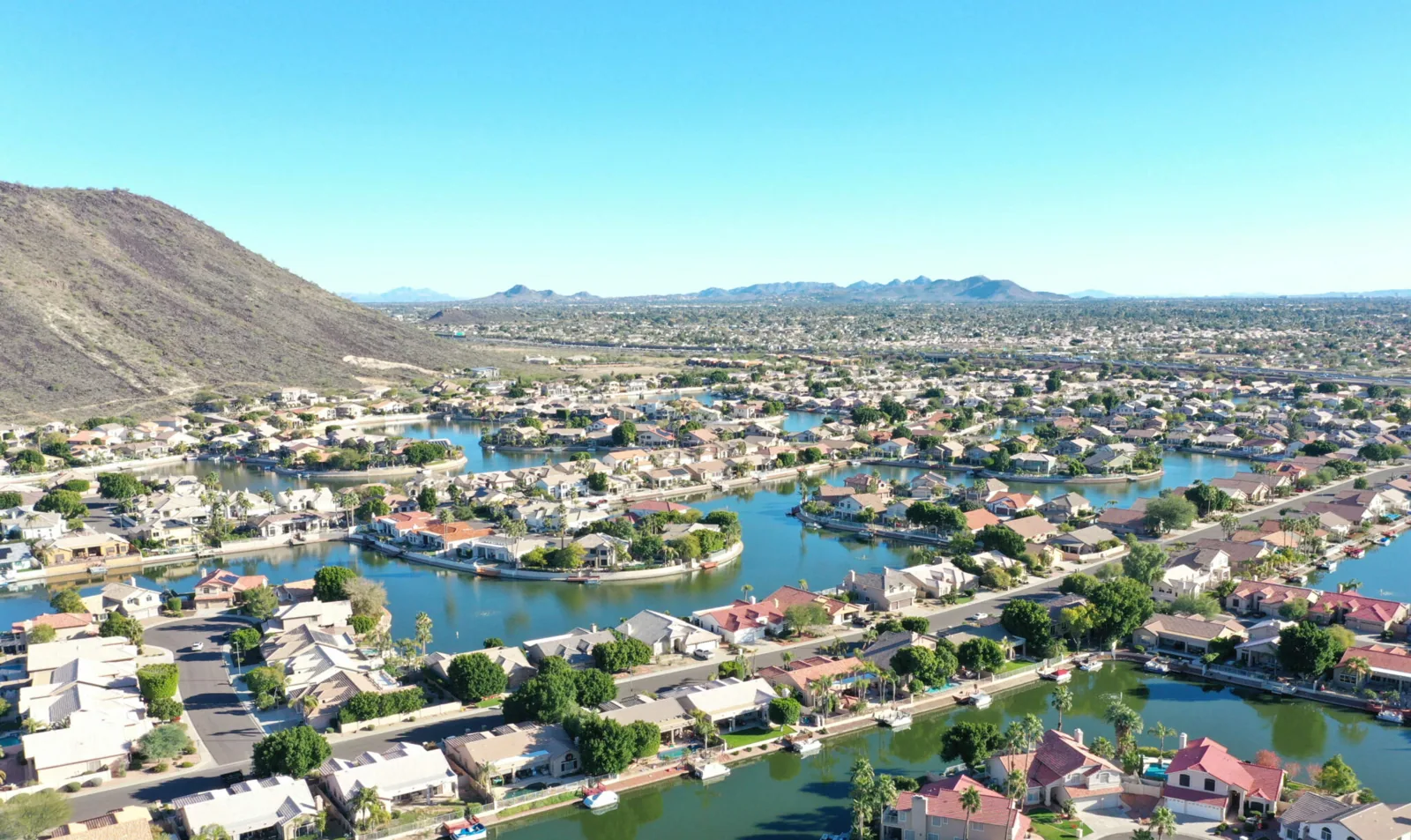
Location details get the crew to the right roof. If your building sits near Glendale Main Library at 5959 West Brown Street or near State Farm Stadium on Cardinals Drive, give us the property address, the roof access point and the name of the person meeting the crew. A landmark gets us to the neighborhood, not onto your roof. Every finding, photo and approval stays tied to that one building, so the owner, the manager and any general contractor read the same report.
When a leak comes back after a repair
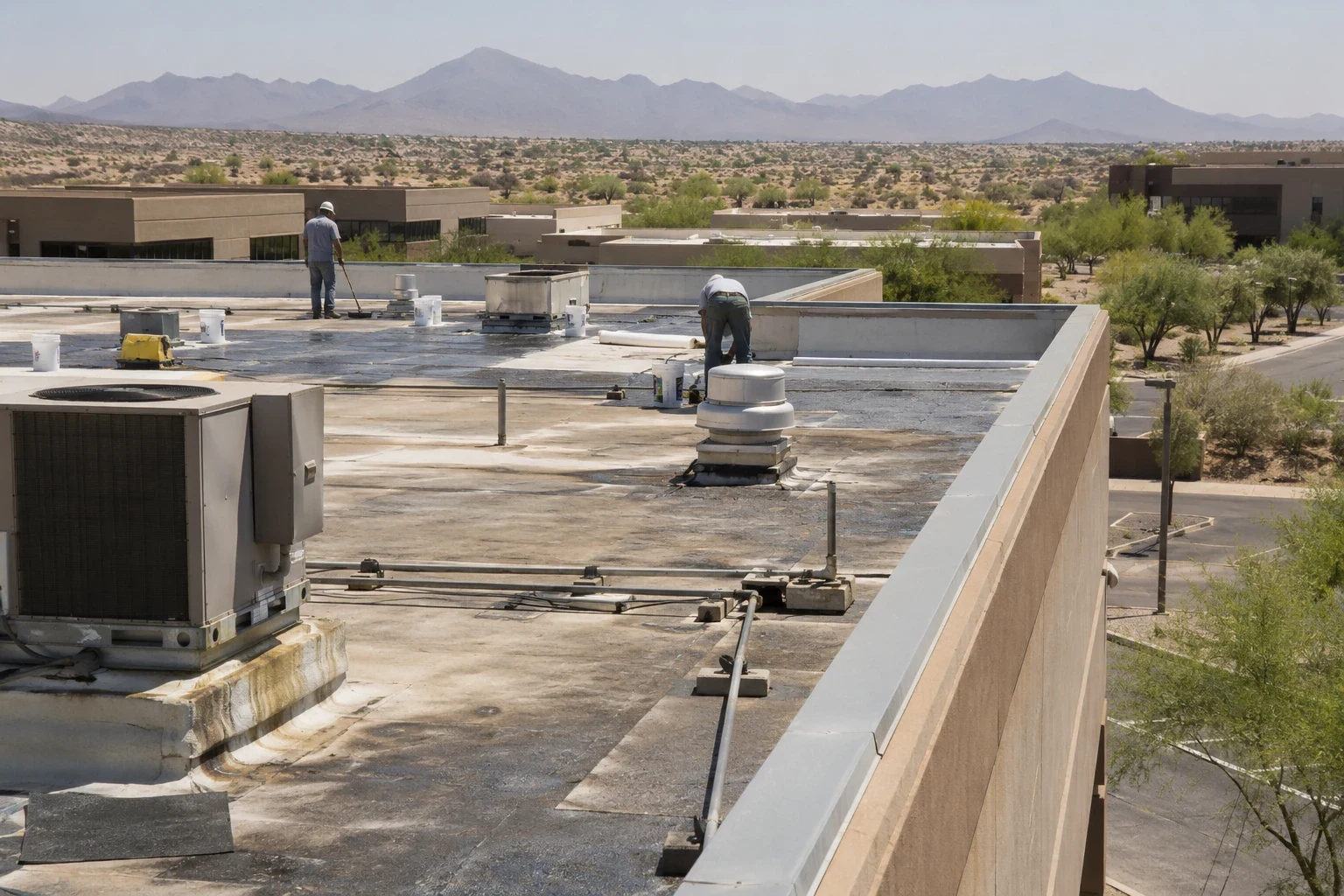
When a tenant calls in a leak over a suite that was patched last year, there are three usual answers: the old patch failed, water is getting in a few feet away at a seam or curb, or it is coming through a wall or rooftop unit rather than the roof itself. We start with the suite, the ceiling stain and any repair invoices you have. Then we walk the roof above, photograph the membrane, seams and flashing, and mark where the old patch actually stops. Invoices rarely say how big a patch was, so we measure it. If the old repair let go, we tell you. If it is still tight, we find where the water is really getting in.
Our leak repair crews trace the water to a spot on the roof and fix it there. They also flag what they suspect but cannot prove, like a wall crack, a leaking HVAC unit or wet insulation under a dry surface. For an active leak we can come out at night, on a weekend or on a holiday. If we only had time to dry the area in, the report says so and lists the permanent repair still owed.
Who approves extra work once the roof is open
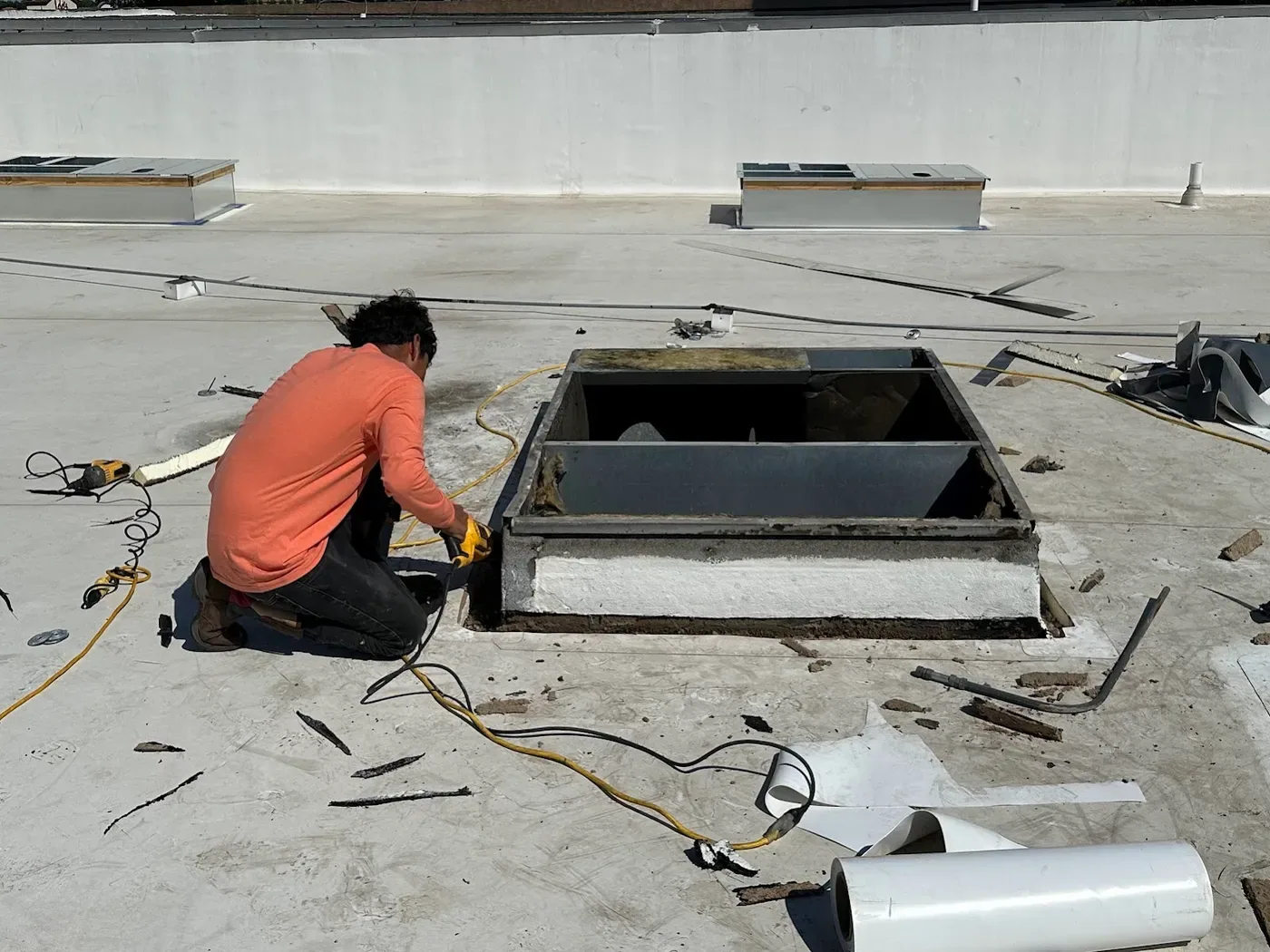
Small repairs grow once the membrane is opened. Cut back a blister and you may find the insulation underneath soaked several feet past where the leak showed up. At that point the crew needs one person who can say yes or no to the extra work, that same day. We send that person photos, a sketch of how much more needs to come out and what it adds in material and time. A change order tied to a measured patch of wet insulation is easy to defend to an owner. A vague contingency line is not.
If you manage for an owner, settle before the job starts what you can approve yourself and what has to go up the chain. Do it before a crew is standing on an open roof waiting for an answer. Bigger calls, like replacing a section instead of patching it, often go to an investor or REIT owner, and we give them the roof findings they need. While a decision is pending, we seal the area temporarily and the report notes why the permanent work has not started.
What each repair actually includes
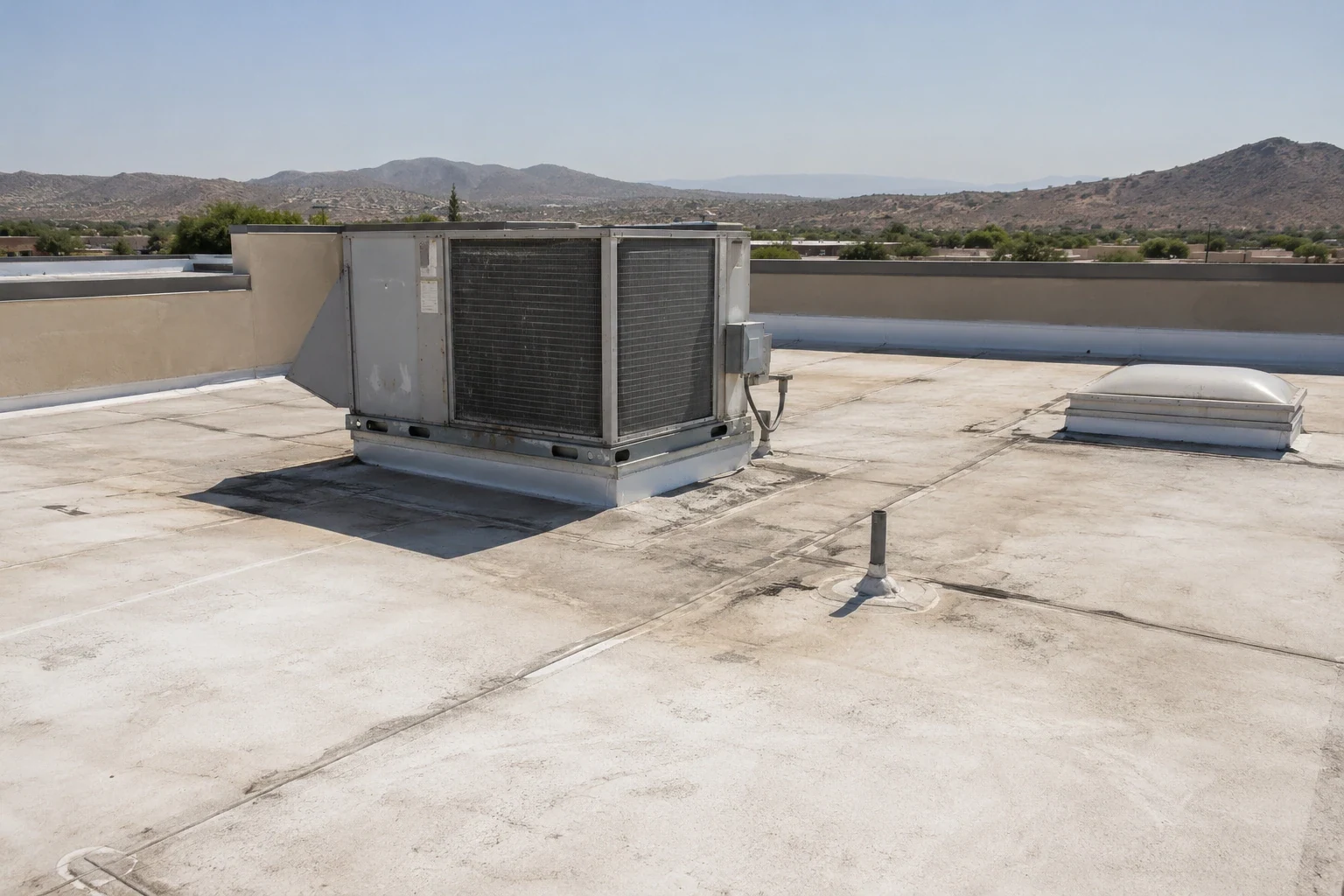
A puncture in the field of the roof, a cracked flashing at an HVAC curb and an open seam are three different repairs, and the estimate should say which one you are buying. On a TPO or PVC roof, a proper repair is heat-welded to clean, sound membrane. On EPDM, the seam is primed and bonded with tape or adhesive made for that membrane. Flashing at a wall or curb only holds if the backing behind it is solid and the top edge is terminated and sealed. We write those conditions into the scope. "Patch roof" on an invoice tells you nothing about what was rebuilt or left in place.
On an office building roof, we mark the work area on a roof plan and list the suites underneath, so tenants get notice and the right ceilings get protected. If we need a core cut to check the insulation, that adds a small patch to the job. Drains get the same treatment: clearing debris, rebuilding the flashing at the drain bowl and a clogged line inside the building are separate items. You can see which one we fixed and which one still needs a plumber.
Scheduling repairs across several buildings
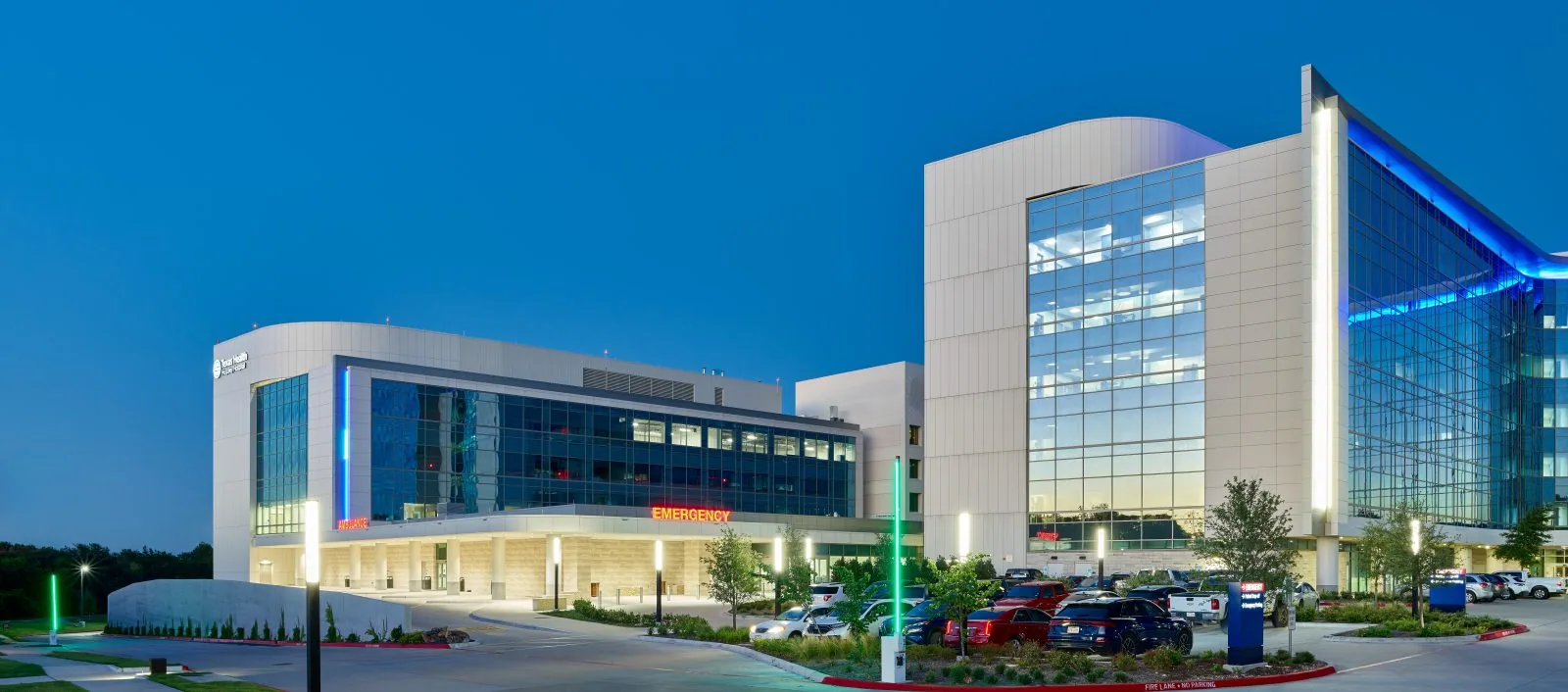
Most managers have more than one roof on the list. One building may have an active leak over a tenant's inventory while another just needs seams resealed before the storms. Each gets its own inspection and its own estimate. We schedule around what is actually ready. A quick flashing repair can go this week, while a reroof section waits for a mechanical contractor to lift a rooftop unit. Booking two buildings in the same week saves a trip, but it never means copying one roof's findings onto the other.
For properties around Arrowhead, every photo, note and invoice carries the building address. Your site contact tells us about parking limits, loading hours, tenant notices and anything below the roof that needs protecting, and we raise conflicts before the crew shows up. When a general contractor runs the larger project, we tell them which items depend on other trades and when that work has to be done. You can see what is holding up each roof, and anything left unfinished is listed by name.

Drain maintenance versus drain repair
A clogged drain is a maintenance item. The flashing around that drain is a roof item, and it can be cracked even after the leaves and dust are cleared. We clean out what we can reach, then check the clamp ring, the membrane at the bowl and how water moves toward it. If water still stands days after a storm, the cause may be low spots, crushed insulation or a blocked line further down, and sweeping will not fix that. The report says what we cleared, what we saw and what needs a closer look, so nobody assumes the ponding is solved because someone cleaned the roof.
A preventive maintenance visit picks up where the last report left off. The crew rechecks seams, wall flashing, pitch pans and drains and compares them with last visit's photos. That makes it easy to tell a new crack from one already on the repair list. Maintenance keeps the history going and catches small problems early. It does not replace the tear-out, drying and rebuild a wet section of roof needs when that time comes.
More on Property Managers
What you get when the job is finished
When a repair is done, you should be able to find it: where it is on the roof, what material went in and how much was replaced. We photograph wet insulation, damaged deck and old flashing before they are closed up, then shoot the finished work from the same spot. Approved change orders go in the file with the photos that justified them. If a tenant reports a leak next year, or another contractor asks what was done, you have the answer. The general contractor also has a record of the blocking, curb and wall repairs that had to happen first.
Open items get their own list: areas we could not reach, work you chose to defer and any spot still under temporary protection. Each one has a contact and a next step. We include the written warranty for the work installed and the maintenance the building should keep up. With that file, the owner can follow what was spent, and you can approve the next repair without starting from scratch.
Commercial Roofing Questions
What should I send when a leak comes back?
The suite or room, when the water showed up, whether it was raining and any invoice for the earlier repair. We still inspect the roof to see whether the old patch failed or water is getting in somewhere else.
Who approves extra work once the roof is opened?
One named person, agreed on before the job starts. If we find wet insulation past the original repair area, we send that person photos, the added area and the cost, and wait for a yes before cutting more.
Can several managed buildings share one repair recommendation?
No. Each roof gets its own inspection and estimate. We can schedule several buildings together to save trips, but only after each roof's problems and prep work are known.
How is a maintenance item different from a repair?
Maintenance is clearing drains, removing debris and resealing small gaps. A repair rebuilds something that failed, such as the flashing at a drain bowl. Our report lists them separately, along with any ponding that needs a closer look.
Get a clear repair scope for your managed building
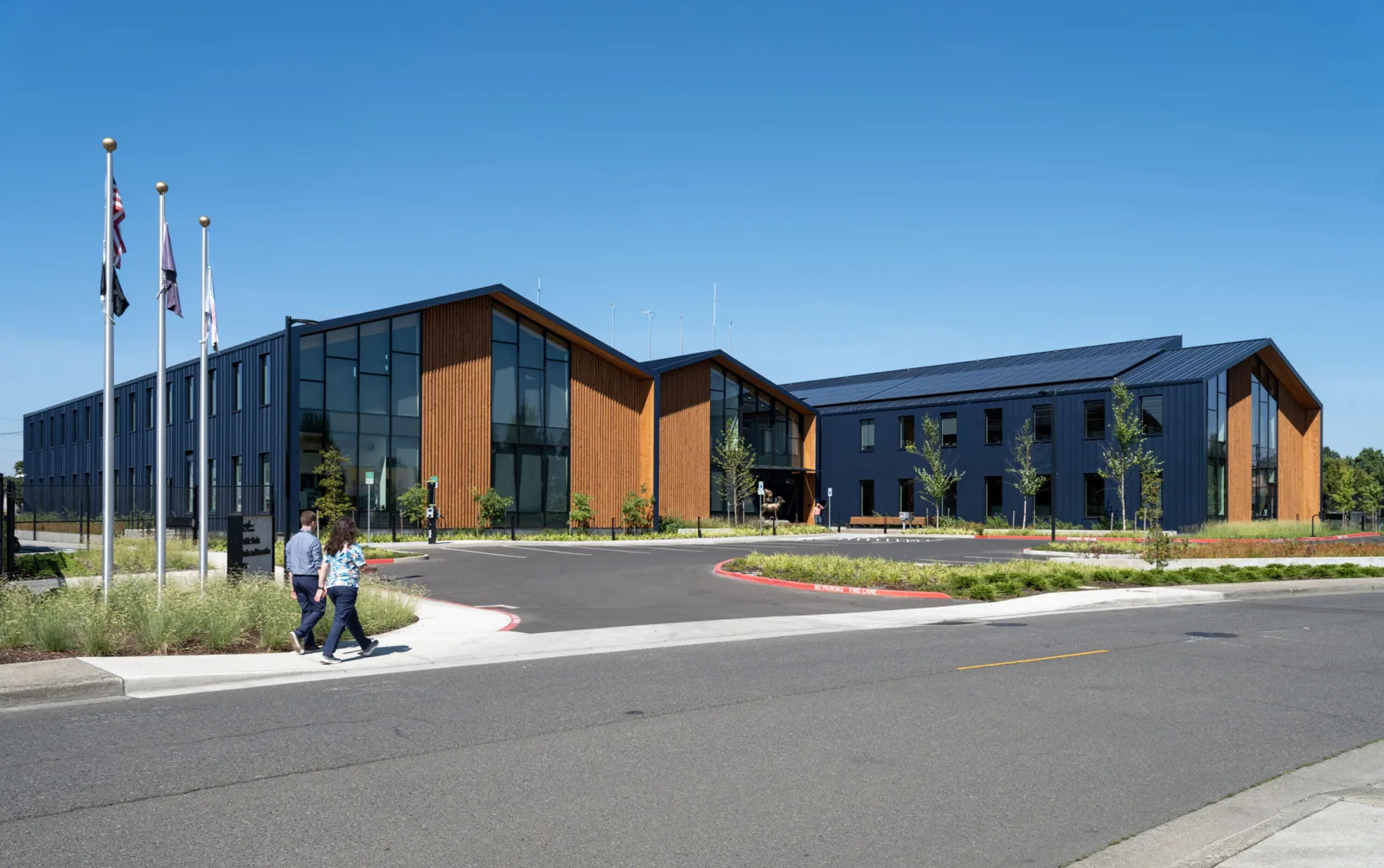
Set up a roof walk with your property contact. We will mark the repair area, agree on who approves changes and plan temporary protection around your tenants' schedule.
Next steps for your building:
Related Roofing Work
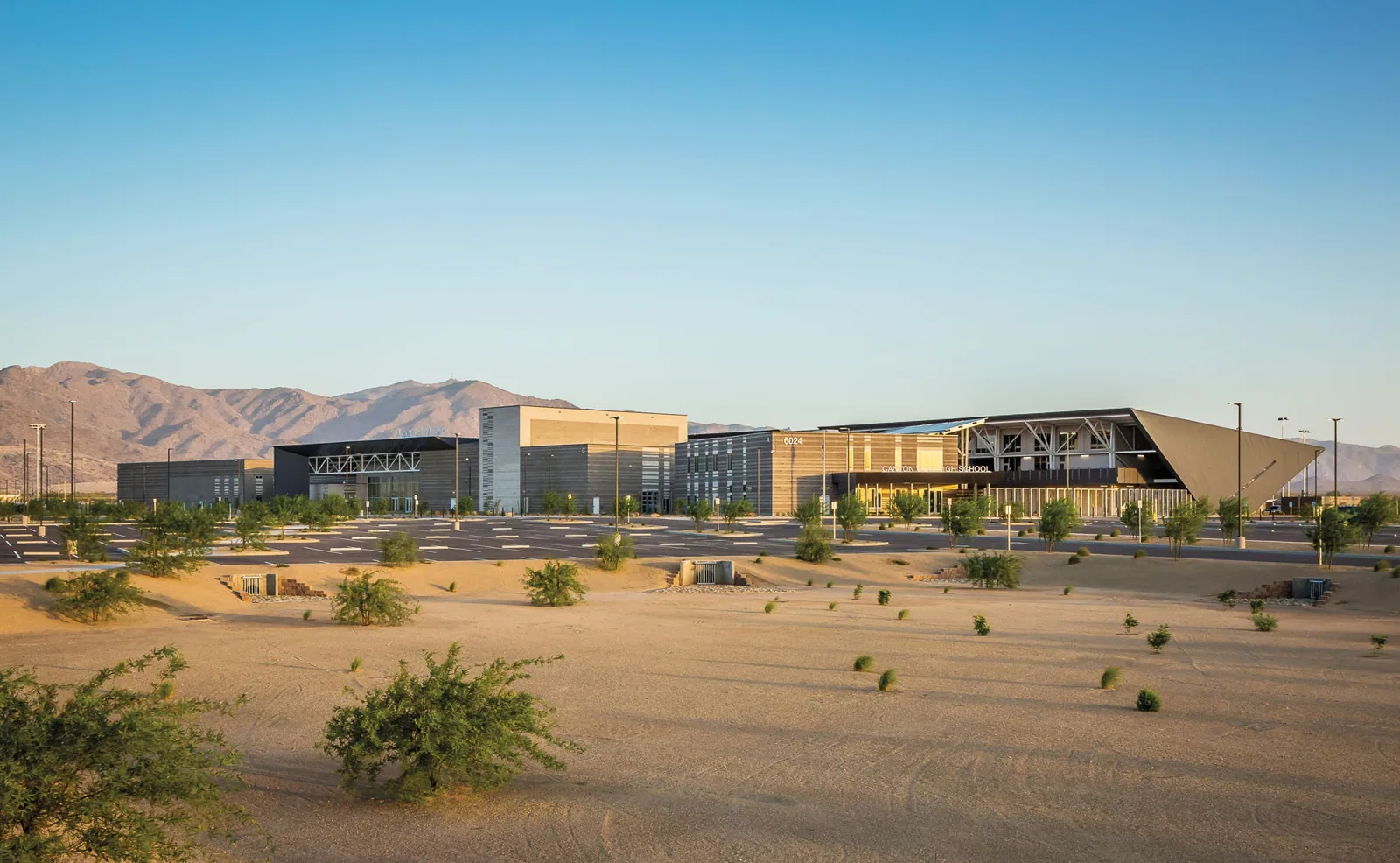
More commercial roofing work for Glendale and West Valley properties.