Commercial Roof Leak Repair in Glendale, AZ
Home / Commercial Roofing Services / Commercial Roof Leak Repair
Request A
Roof Assessment
Tell us about the building and the roof. We reply with the next practical step for your property.
Glendale leak repair separates reported symptoms, investigated entry paths and permanent correction, with clear temporary protection and roof records.
Separate the active leak response from the permanent roof correction when monsoon conditions affect the job. Periodic showers and thunderstorms occur during the Desert Southwest monsoon season. For a Glendale GC, an interior report needs a located investigation and a clear account of temporary protection. We would establish what the roof examination shows before treating a nearby visible defect as the completed repair decision.
Begin with the particular building and reported area. Obtain available dates, photographs and descriptions of the concern. Review the roofing information and earlier repair records. The GC needs to understand which task responds to the immediate report, which investigation establishes the affected roof detail and which permanent construction follows that finding.
Record the report before selecting the roof task
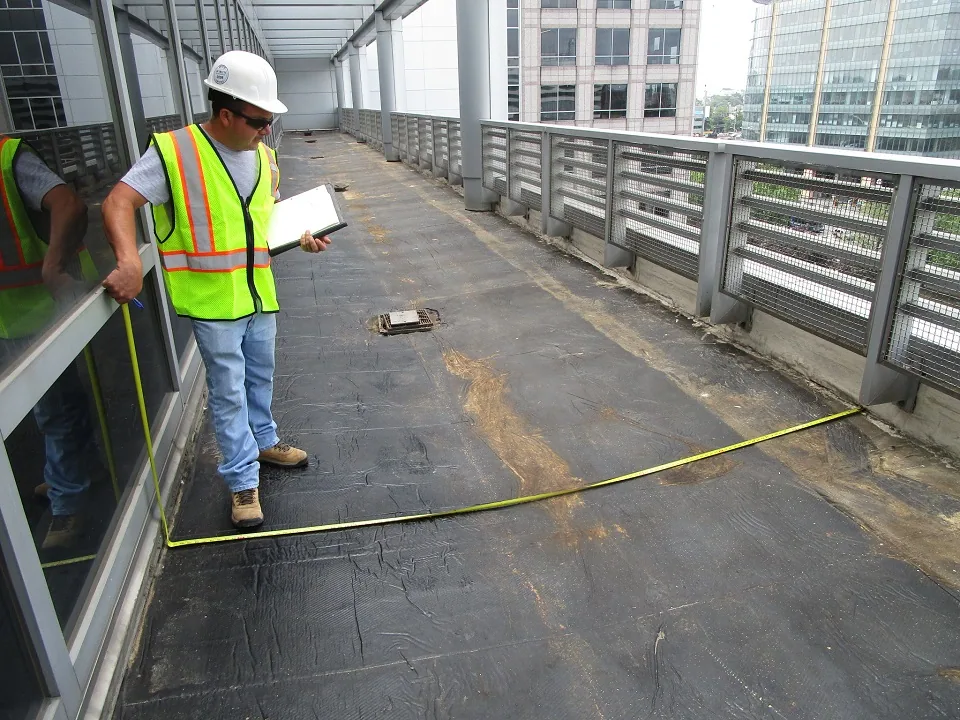
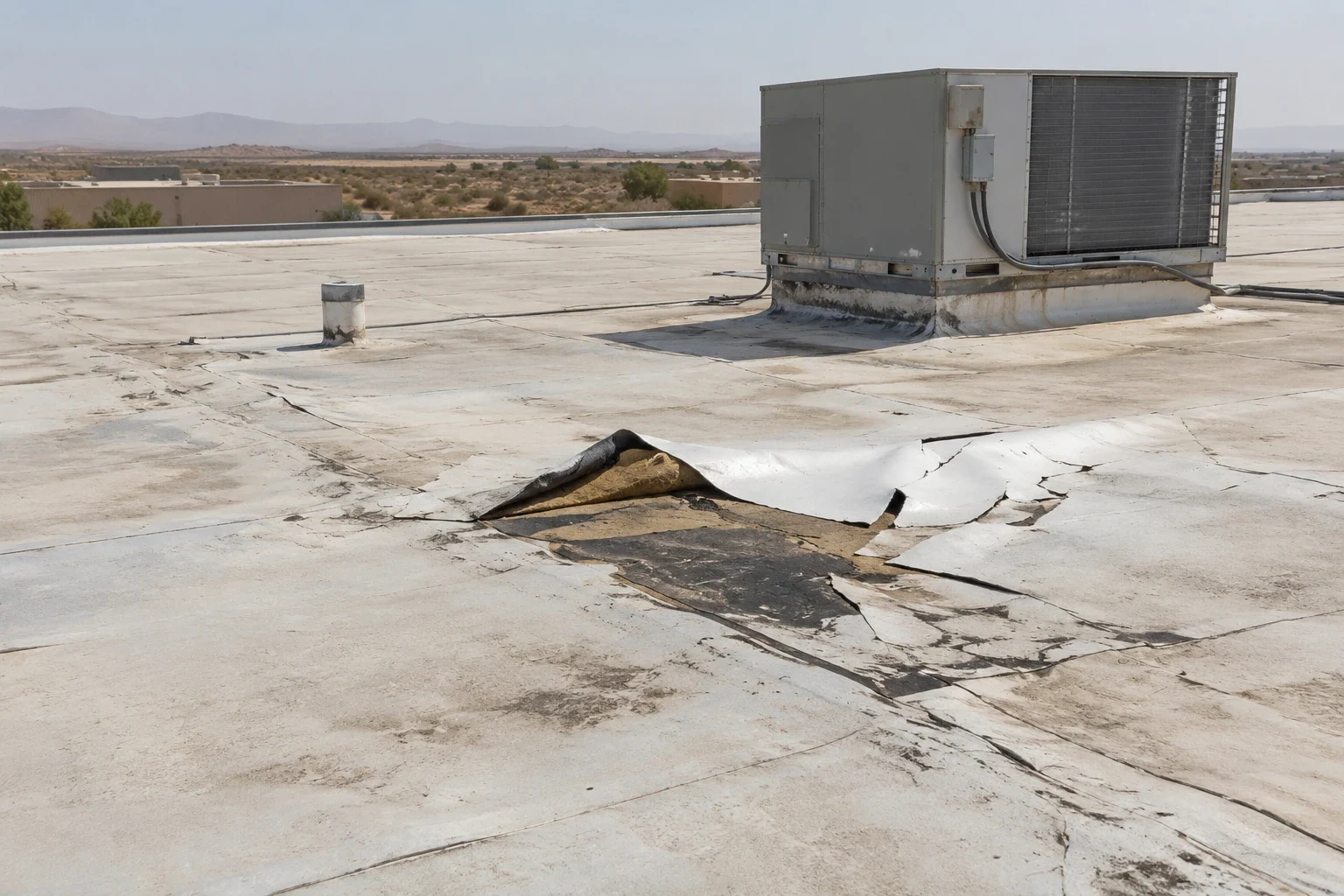
Establish the interior reference with the property representative. Identify the position, circumstances reported and material already affected where that information is supplied. Keep the original description in the investigation record. We would review the relevant roof and adjoining components rather than let a broad leak label determine the repair location.
NRCA guidance on leak investigation emphasizes examination to validate the leakage path and repair position. That is the distinction we bring into the proposed task. A visible patch near an interior report may need assessment, but its proximity alone does not settle the entry point or the permanent correction required.
A located roof examination should show the relevant details assessed and the findings established there. Keep unresolved questions identifiable. The GC should be able to follow how the investigation supports a proposed repair, including any further examination needed before the permanent boundary is developed.
For a leak report involving requested roof work at State Farm Stadium, confirm the assigned building area through its representative. Reference 1 Cardinals Drive within that request. We would establish the reported position and examine the actual roofing construction there before recommending the permanent task.
Choose investigation for the actual construction
Review the installed roof material and accessible details around the area being investigated. Identify old patches, altered components and adjoining construction that may affect the assessment. Determine which examination can resolve the particular question. The investigation method needs a stated purpose and a useful location reference, not an unexplained test applied because another roof used it.
An investigative moisture survey may be considered where it fits the roof and the question being examined. Keep its findings within the actual method and scope. Develop confirmation needed for the permanent material decision rather than turn a survey indication into a fully established leakage path.
Where another component requires investigation by the responsible party, identify that task and its relationship to the report. The GC needs to know what remains unresolved outside the roofing examination. Keep those tasks coordinated so an incomplete component finding does not become a roofing instruction that assumes the entire cause has been established.
Record the investigation performed and what it resolved. Locate any remaining material or connection question before selecting the repair. We would explain the result in plain terms, giving the property representative a usable next decision rather than a list of observations that does not connect to proposed work.
Develop the permanent detail from the established finding
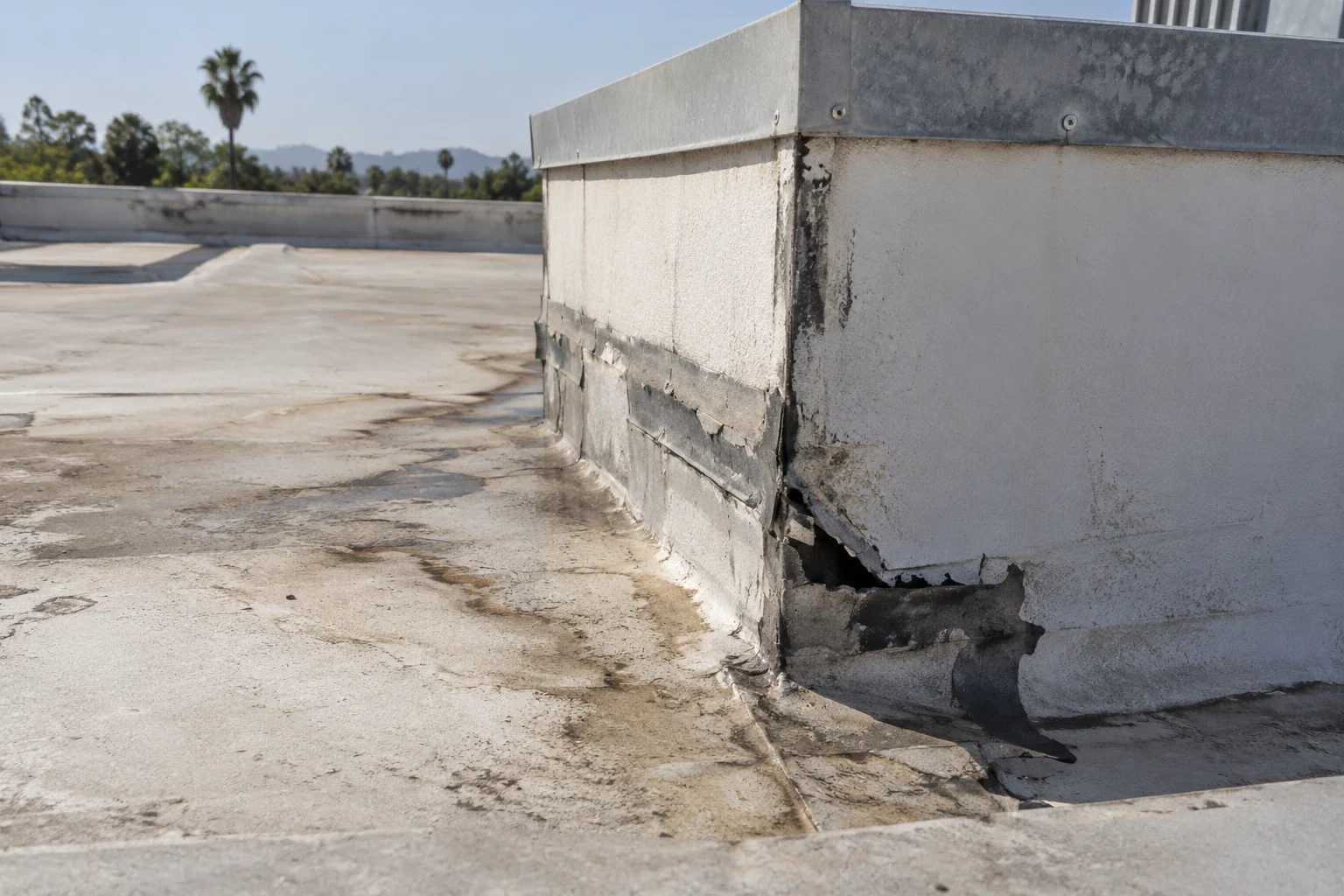
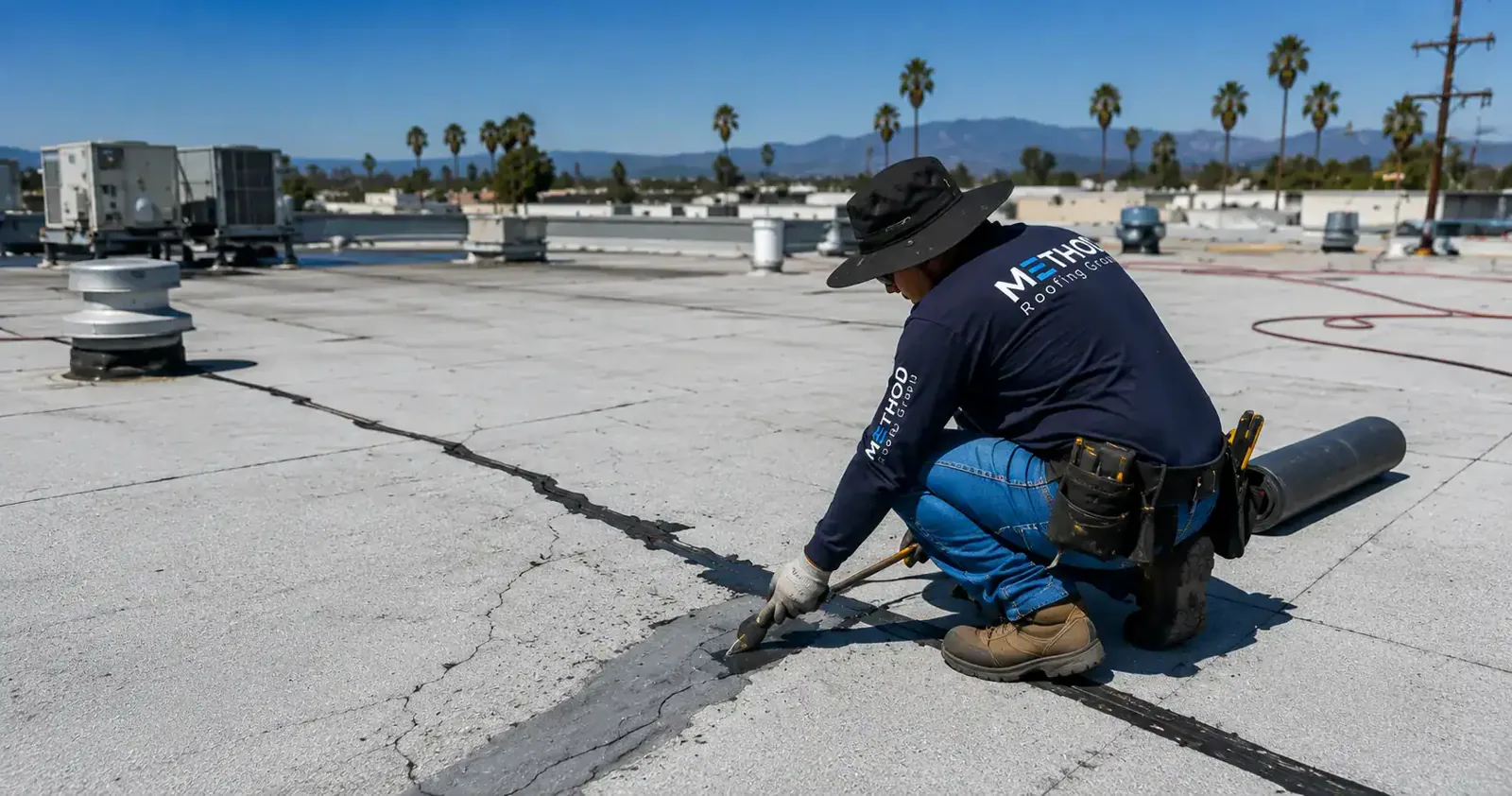
Identify the roof concern established at the examined position. Review the retained membrane and earlier repair material at the intended connection. Define preparation and the permanent detail through the selected product requirements. A proposed patch needs a construction boundary and a suitable retained surface, not just a position marked near the original interior report.
A flashing correction should locate the affected component and its backing condition. Establish final supporting geometry before new material is installed. Where another party must complete a component repair, identify that preceding task and the condition our permanent roofing connection needs.
For a requested leak investigation at Glendale Main Library, confirm the roof designation through its representative. Keep the building address of 5959 West Brown Street beside the reported project area. We would review the actual sheet and component construction there before developing the included repair and any further investigation.
Where the selected material is an identified TPO sheet, review its applicable preparation and joining instruction at the retained boundary. Locate earlier coatings or patches crossing that connection. The product choice follows the actual material examined, with uncertain identity resolved before permanent work is finalized.
Keep temporary protection distinct from permanent repair
Review the immediate condition and the protection that can be developed for the assigned area. Identify what is installed temporarily and the task it addresses. Locate its position and record the remaining permanent work. The GC should be able to distinguish an interim response from completion of the developed roofing correction.
An urgent roofing response should state the assessed condition and unfinished decisions. Review current circumstances before proceeding with an opening or temporary detail. The permanent stage may require further material identification, supporting repair or appropriate application conditions, and those tasks should remain visible in the written account.
Set the intended permanent work and preceding correction with the GC before that stage begins. Review unfinished boundaries and protection if conditions interrupt installation. The monsoon contingency should address the particular area being worked rather than rely on an assumed duration for every leak task.
When the crew resumes, review the actual surface and component condition against the selected instructions. Confirm that preceding work is complete. A calendar date does not resolve a damaged backing face or unsuitable retained material, so the permanent roofing stage should follow the construction conditions needed for the developed detail.

Review affected layers and completed work separately
Locate concealed material questions where they affect the permanent repair. Define the investigation needed to establish retained condition and repair depth. Separate removal of unsuitable material from preparation of the upper sheet. We would develop the included correction from the findings rather than assume that stopping an observed drip establishes every layer condition beneath the roof.
For leak work requested in a designated Loop 303 building, confirm the particular property and roof area with its representative. Obtain project instructions affecting the assigned task. Coordinate the supplied requirements with investigation, protection and permanent correction before settling the work stages.
At completion, locate the permanent repair and identify the installed products. Preserve useful preparation and exposure records. Keep temporary measures and additional recommendations distinct from finished work. A later assessor should be able to follow the established finding and completed connection without treating every old patch as part of this correction.
Review existing warranty records where they are provided and identify required coordination before alteration. Preserve the relevant installed-product information with the project account. At the owner walk, explain the completed roofing task and any question still requiring another investigation, giving the GC an understandable basis for closing the included work.
More on Commercial Roof Leak Repair
Commercial Roofing Questions
What settles the permanent repair position after a Glendale leak report?
The deciding factor is the investigated leakage path and actual roof finding. Review reported symptoms and establish the relevant construction before developing the correction.
Why keep a moisture indication separate from leak entry?
The selected investigation has a particular scope. Develop confirmation needed to connect its finding with the material and permanent repair decision.
How is an interim leak response kept identifiable?
Locate the interim measure and the condition it addresses. Identify the permanent work still required so the GC can distinguish response from completed correction.
Where can supporting damage expand the leak-repair task?
Examine the relevant backing or concealed layers where their condition affects the connection. Record exposed findings and develop preceding correction before closing the detail.
Which information helps a later crew assess the repaired area?
Keep installed products and completed positions with useful investigation and preparation records. Separate additional recommendations and unresolved questions from the finished task.
Review the leak finding with the GC
Bring the reported area and available roof records. We will explain investigation, temporary protection and the permanent task at a pre-roofing meeting.
Next steps for your building:
Related Roofing Work
More commercial roofing work for Glendale and West Valley properties.