School District Roofing in Glendale, AZ
Home / Industries We Serve / School District Roofing
Request A
Roof Assessment
Tell us about the building and the roof. We reply with the next practical step for your property.
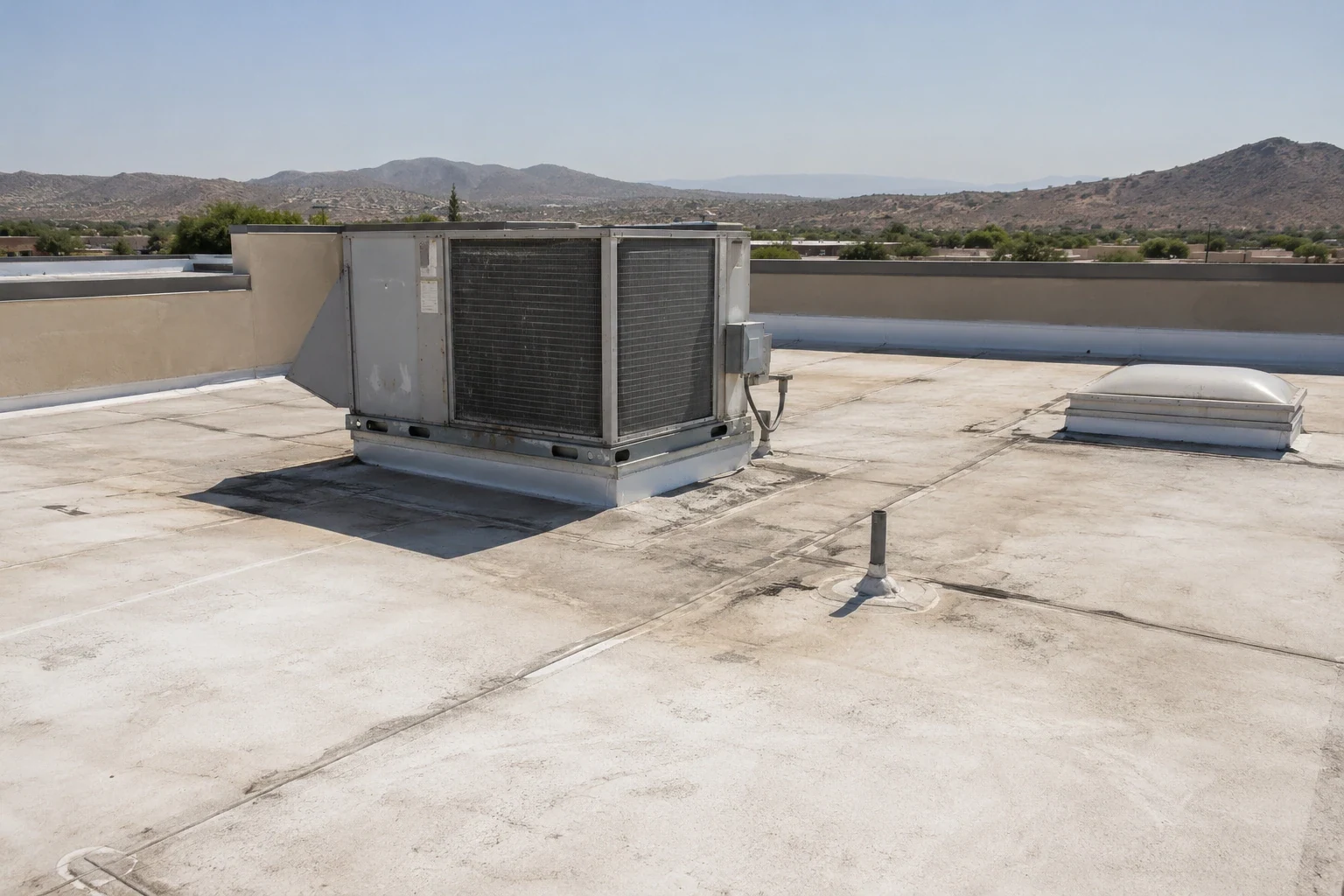
Glendale school district roofing relates roof findings, room preparations and component handoffs to protected work stages, renewal choices and useful closeout.
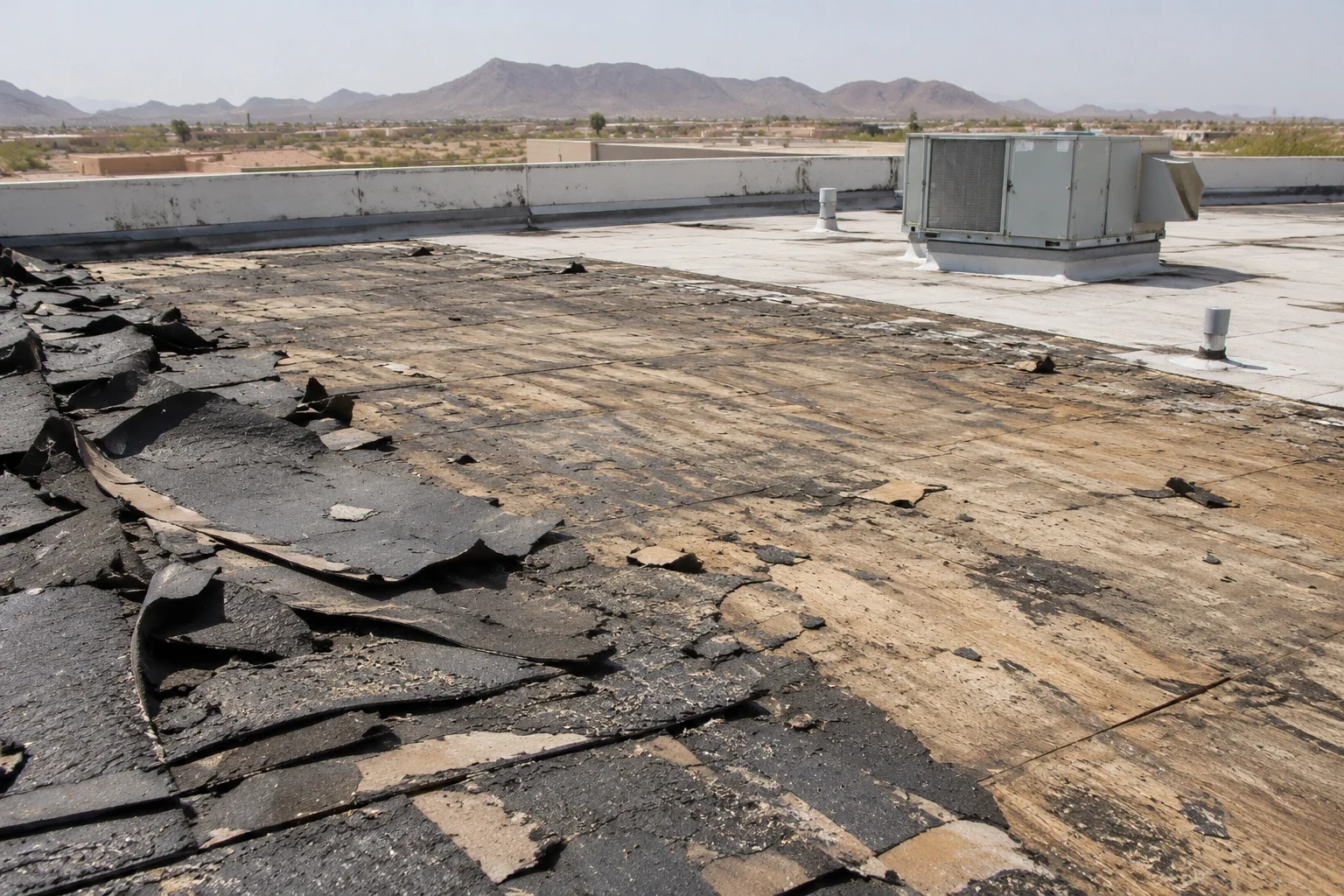
School roof removal proposed during the June 15 through September 30 monsoon season needs a defined protection contingency. The Desert Southwest calendar should be considered alongside the actual building arrangements a district supplies. For school district roofing in Glendale, AZ, we review the roof area, the rooms below it and the construction that must reach closure. The GC needs those details before accepting a stage that depends on a supporting repair or equipment task still to be arranged. We explain the roofing method and the condition required for its next connection.
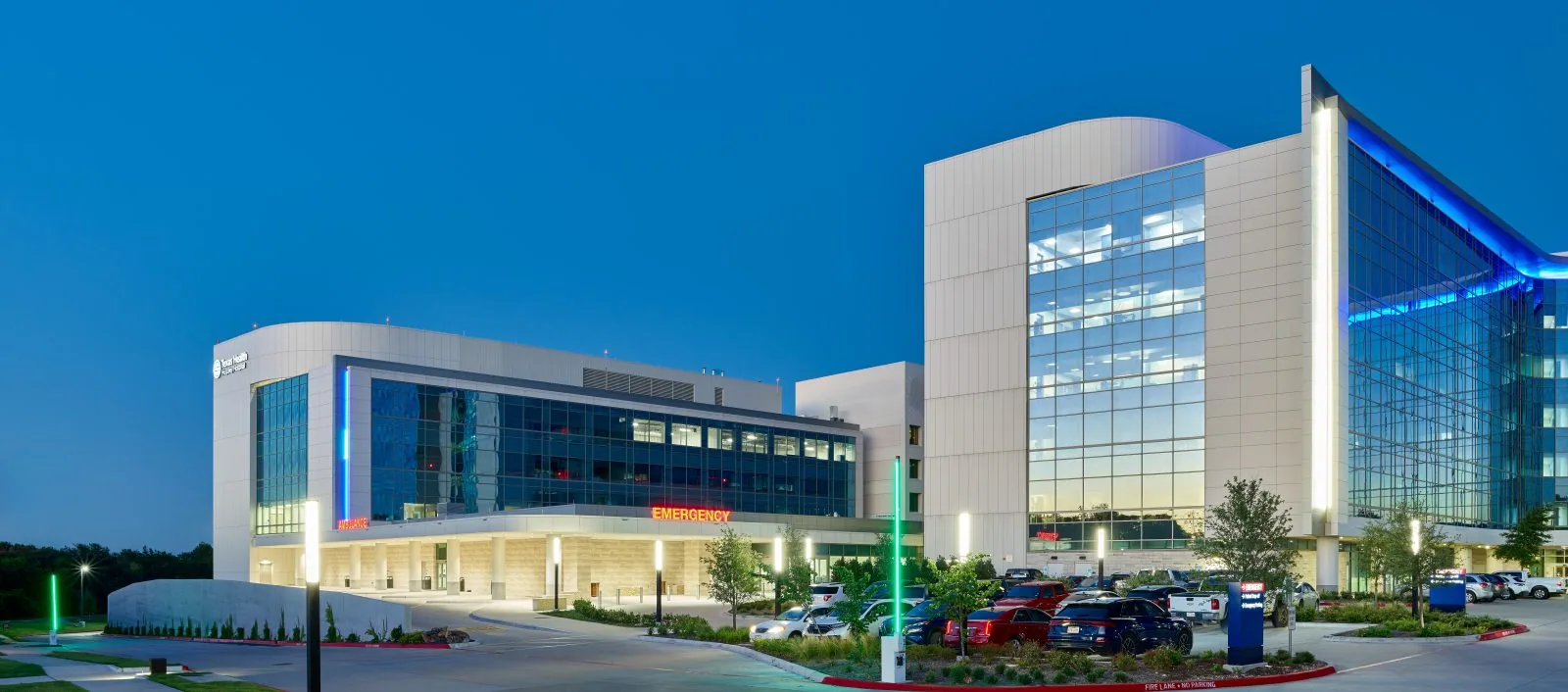
Glendale Elementary School District identifies its office at 7301 North 58th Avenue. Glendale Union High School District lists 7650 North 43rd Avenue as its address. A district roofing inquiry should identify the assigned campus or administrative building and its project representative. We arrange the examination for that actual destination, using the roof information and access instructions supplied. A district address helps identify the organization; the requested building and roof portion establish the construction we are being asked to assess.
Identify the room and roof position in the water report
A reported leak above a classroom, office or another assigned space needs its location established before the roof task is defined. We compare the interior observation and timing with accessible covering, penetrations and wall connections. A recurring complaint may involve an earlier repair boundary or a different entry route. Photographs should show the examined detail in relation to a recognizable roof position. The district representative needs an understandable finding that can support the next authorization instead of a general assumption about the whole covering.
An examination connecting the reported water with its proposed roof correction can leave a concealed or equipment question unanswered. We identify what further inquiry is needed and which construction it affects. A ceiling mark can direct the investigation without establishing the exterior cause by itself. Where emergency assessment is needed, we can respond during overnight, holiday and weekend periods. Record protection provided at the assigned position and the permanent duty remaining, so the GC receives the actual status when the next roofing stage is considered.
Confirm district preparations for the affected spaces
A removal footprint should be related to the rooms and routes it may affect. The district's representative identifies occupied-space arrangements, notices and the permitted staging or collection area for that assignment. We describe the proposed operation and ask which items below need relocation or protection. Noise, dust, odor and air-intake questions belong in the review of the actual method. These instructions need a responsible receiving contact before removal exposes construction over a space whose preparation remains unanswered.
For school building work tied to the district's assigned room preparations, show the roof boundary and the planned material-handling route. A revised removal extent may alter the effect below it. We explain that consequence before expanding the opened area. A GC coordinating the district's roof stage with adjoining construction can then arrange the supporting tasks and building preparations together. The roofing plan follows the supplied instructions, with any conflict identified before the work is authorized to proceed.
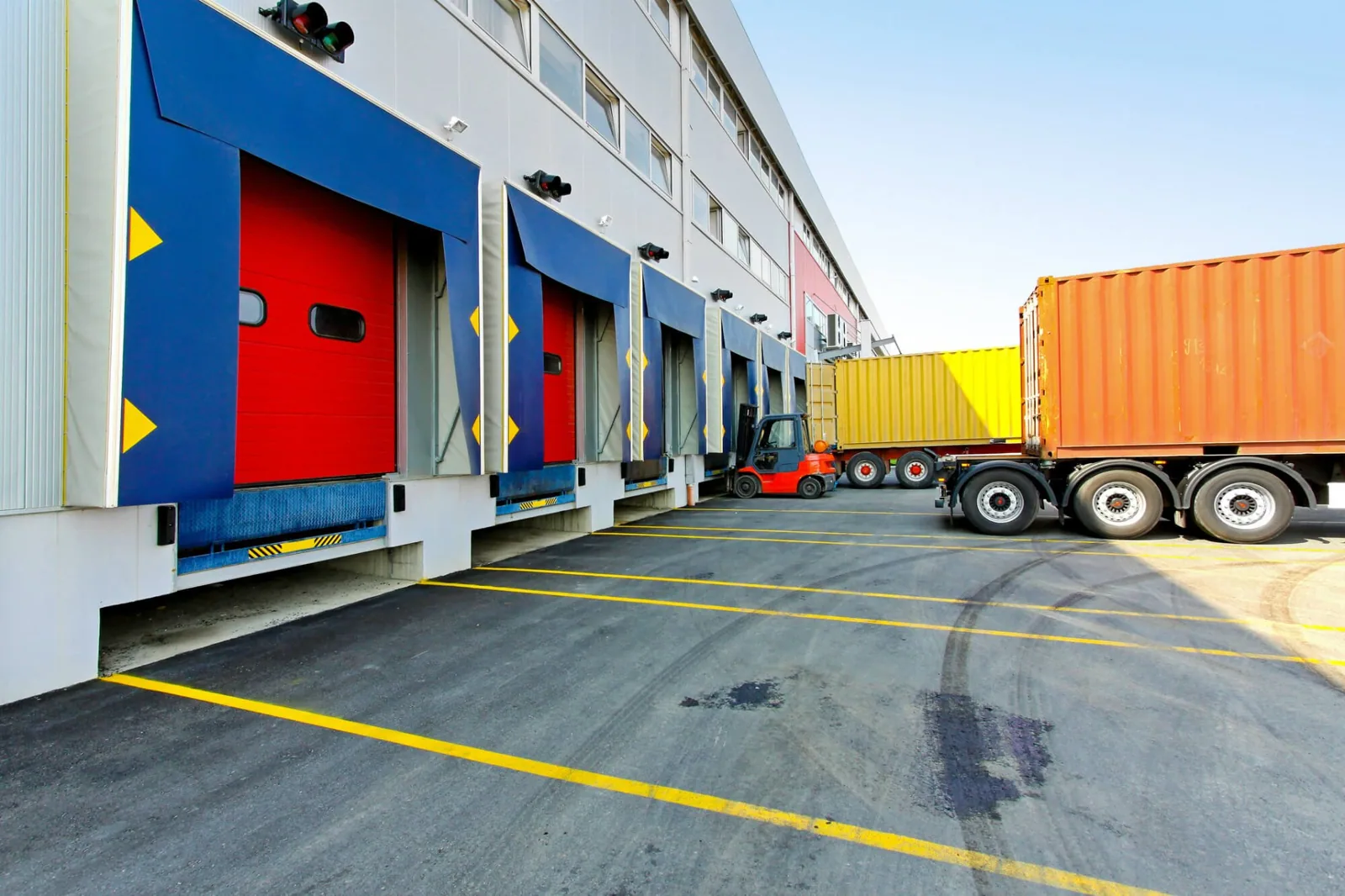
Rebuild defects through their supporting construction
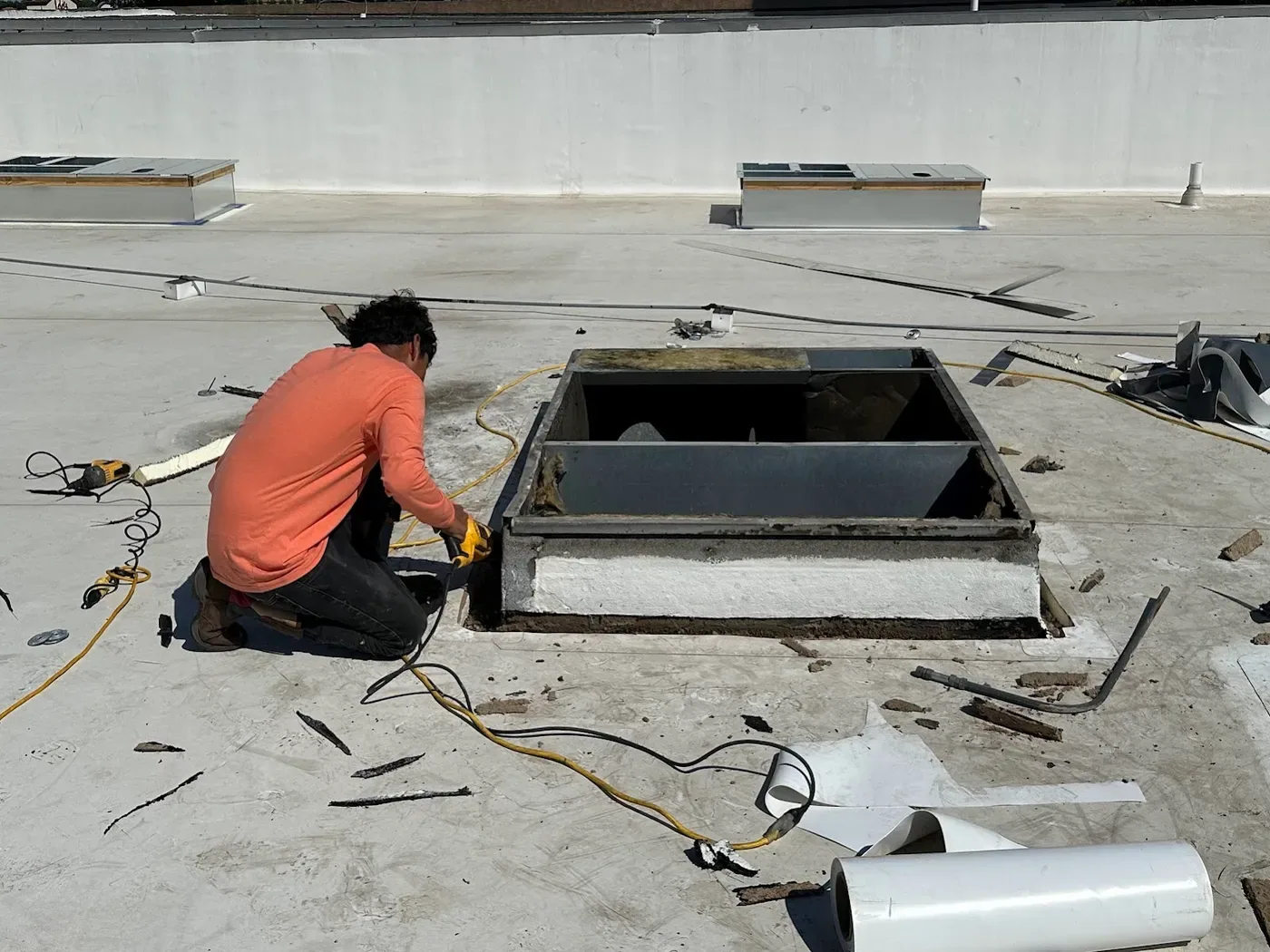
A split membrane, failed curb transition and damaged outlet are separate construction findings. Inspect material adjacent to the proposed repair and identify the suitable surface required for joining. Thermoplastic covering needs an appropriate welded method where specified, while a rubber membrane detail requires its compatible preparation and components. A wall transition can also need sound backing before attachment. We describe that supporting duty with the roofing correction, allowing the GC to arrange it before a permanent connection depends on incomplete construction.
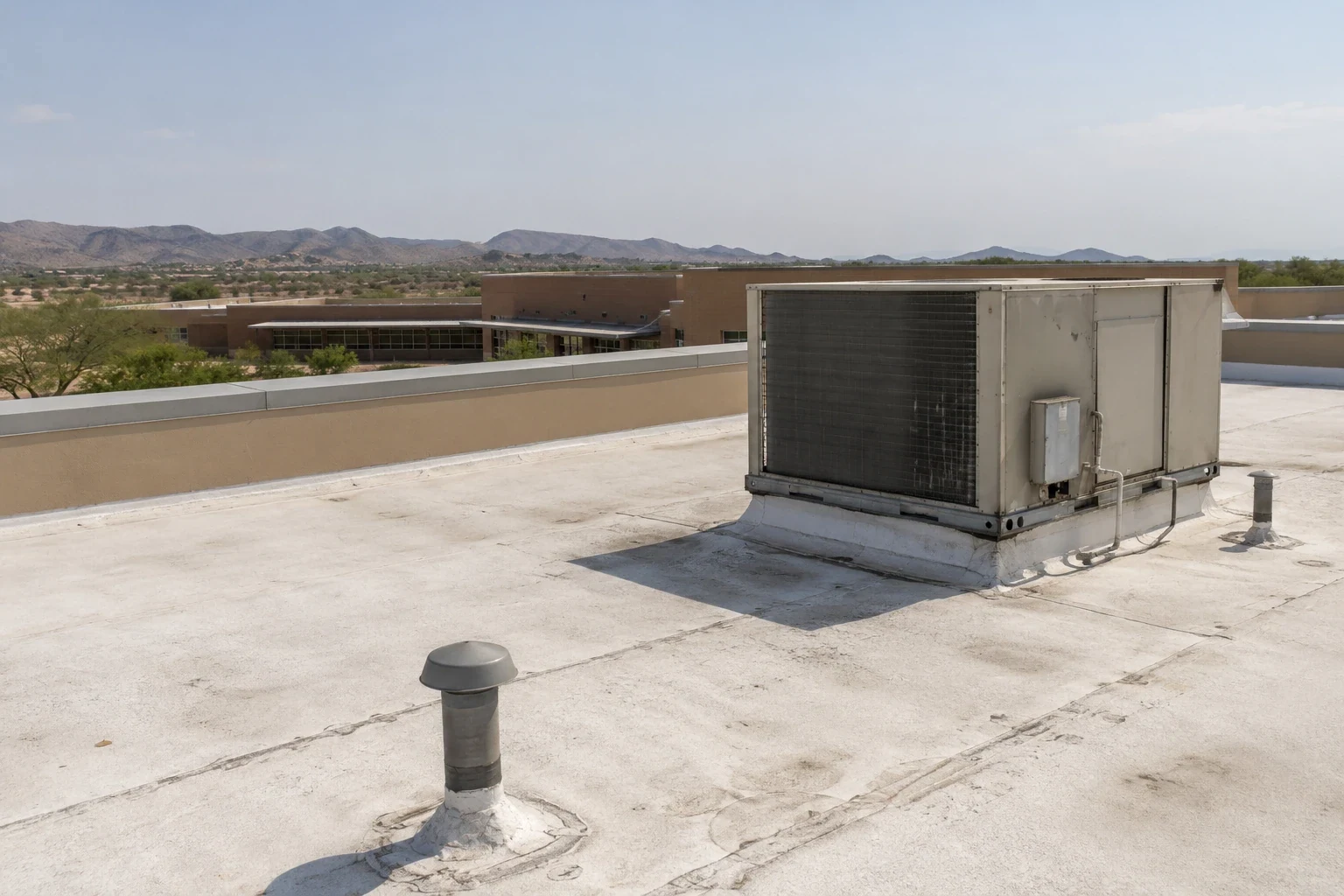
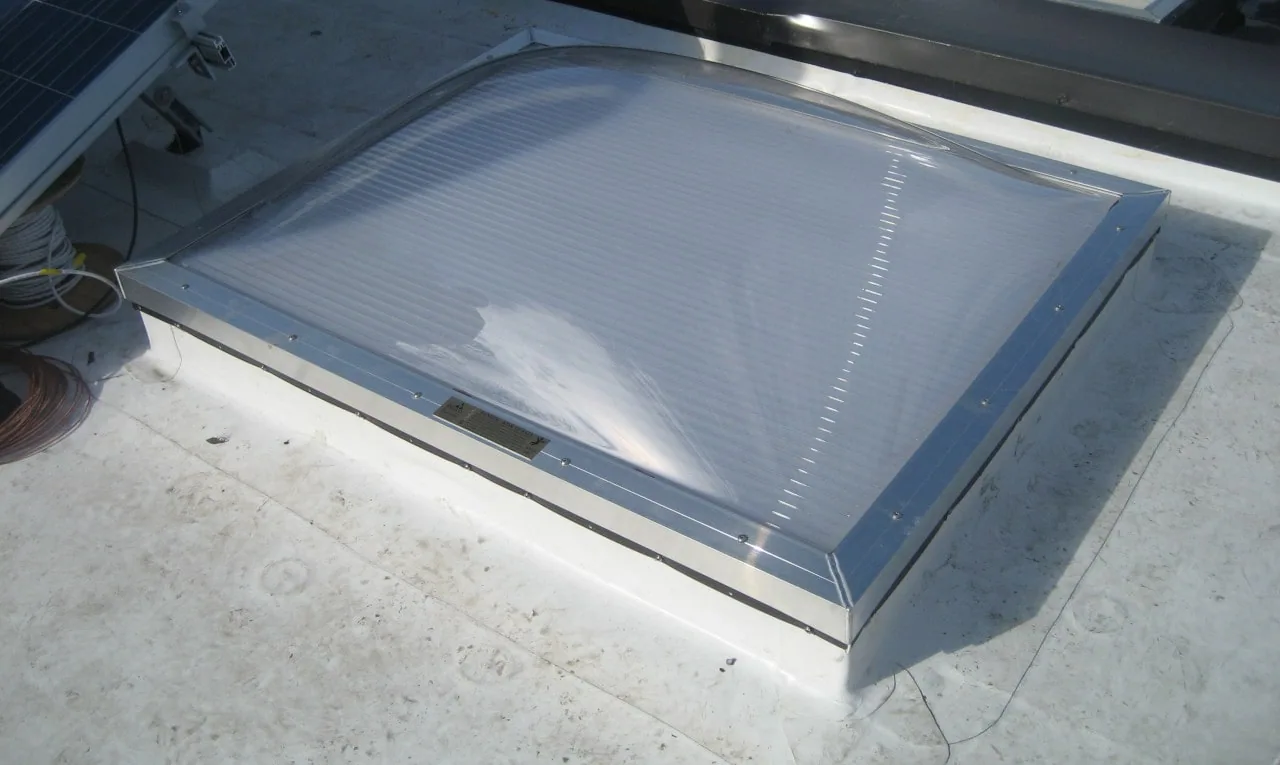
The flashing work around a penetration or skylight connection should distinguish the roof detail from another component being altered. Equipment movement and supporting reconstruction can change the receiving geometry. At an outlet, piping work may precede the final roof attachment. We identify the shared position and the task roofing needs completed. The district receives a scope that explains the defect corrected, retained material and component responsibilities rather than relying on a broad sealant allowance to describe several different conditions.
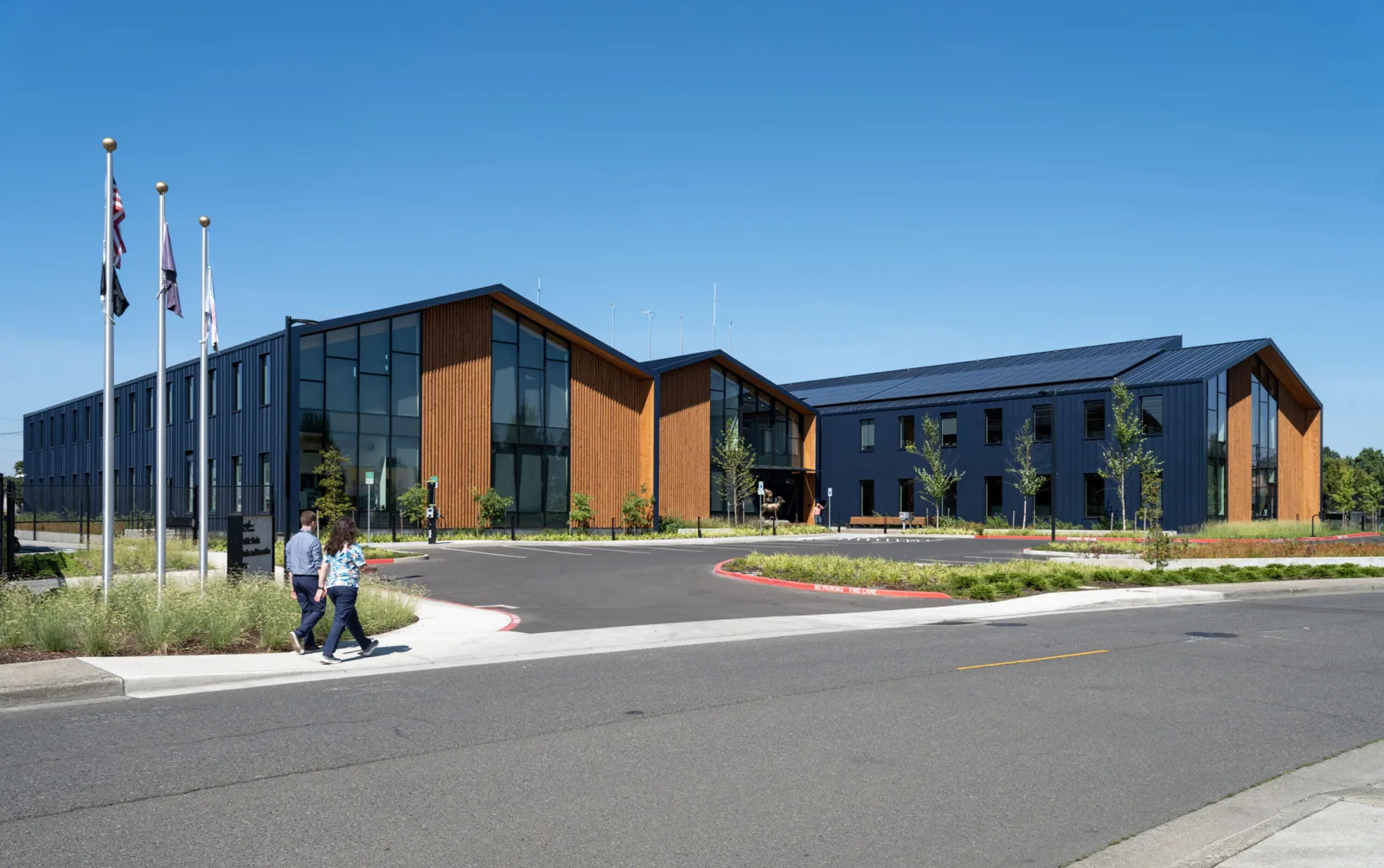
Investigate layers before selecting wider renewal
A localized repair can be appropriate where adjoining material and support remain suitable. Broader deterioration or suspected moisture may require further layer investigation before retaining the assembly. We explain the finding and the examination needed to establish its extent. An opening used for that inquiry needs suitable restoration included. Keep confirmed exposed material separate from indications elsewhere, so one investigated position does not establish the condition of every concealed area on the building.
A replacement review setting removal and new assembly duties against the findings may be needed when limited correction cannot address the evaluated condition. Recover and restoration options also depend on their receiving construction being suitable. We describe what each option retains or renews and which material questions still affect quantities. The GC can compare the complete roofing work with its protection and adjoining duties. The district's decision is then supported by the construction evaluated, rather than a product description that leaves the damaged layers unresolved.
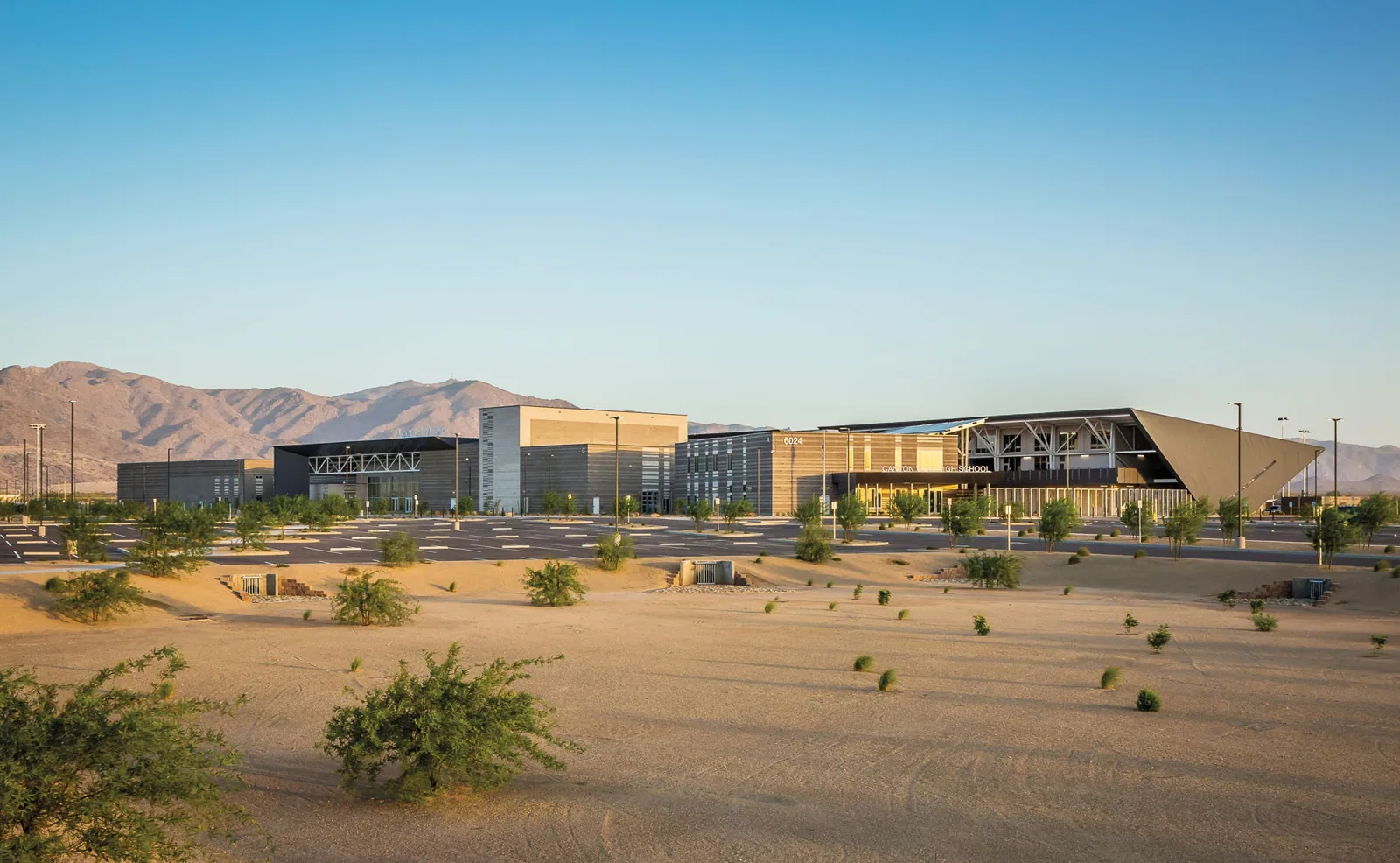
Protect pauses between removal and permanent completion
A delay in backing reconstruction, equipment delivery or material investigation can leave permanent roofing unfinished. The work stage needs a practical method to protect that interval. We identify the exposed area and discuss the size of the opening that can be secured. Explain who receives a change in conditions and which participant controls the pending duty. The GC should be able to relate the protection measure to the actual construction left at the end of the work period.
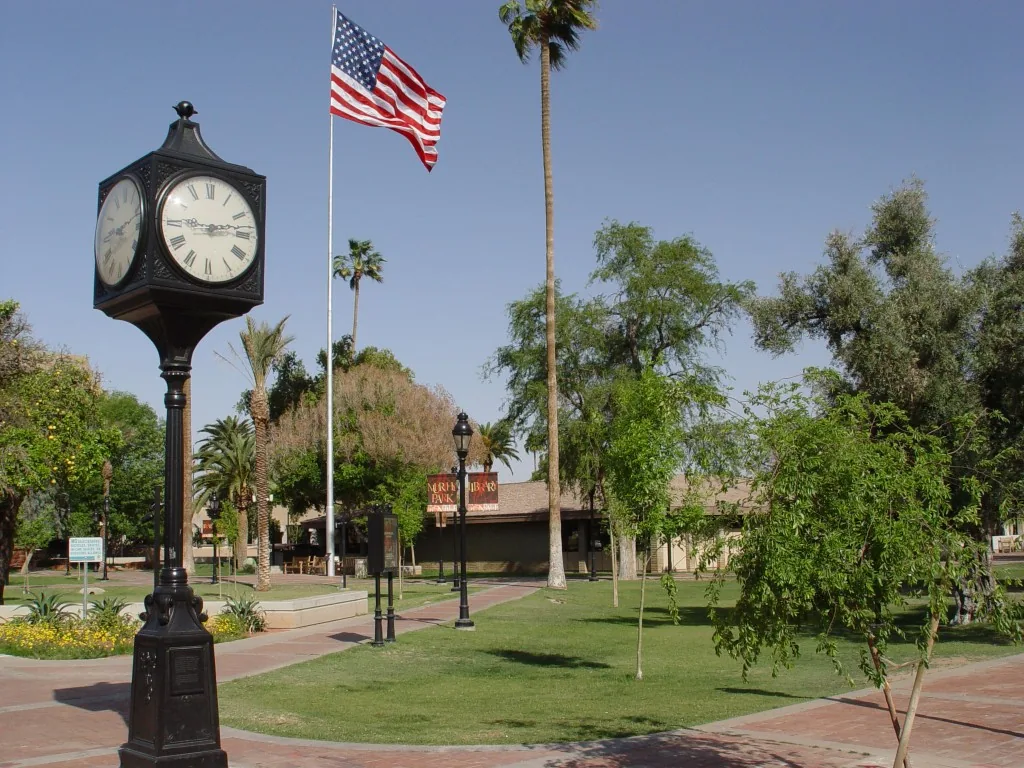
For a building assignment requested near Historic Downtown Glendale, carry the actual premises reference into the stage report. A district program involving other public facility roofing decisions still requires each building's findings and authorized task to remain identifiable. Dates and reporting can be coordinated while individual assemblies keep their own repair basis. We record when an added exposed condition changes the removal or reconstruction scope, with its project authorization and the protected status while that decision is resolved.
More on School District Roofing
Return the maintenance account with the completed roof work
The district should receive repaired roof positions, installed material information and photographs relevant to the duty performed. Keep evidence of supporting or layer work before concealment beside the completed detail. Authorized changes need their exposed finding retained, so the GC and district representative can follow why the task expanded. The handover distinguishes the roof construction delivered from a component still awaiting another participant. A final surface image helps show the result while the earlier account explains what is now covered.
Maintain unresolved investigation and excluded areas with the next actions they require. Review applicable written warranty information and the maintenance duties for the installed roof materials. A renewed water report can then be compared with the locations repaired and the concerns previously left pending. The record should remain useful to the person responsible for the next roofing decision. It provides continuity through a staff change or another building project without requiring the district to infer the construction from an amount and a general completion description.
Commercial Roofing Questions
Does a break in classes establish the roofing access plan?
The district supplies the actual arrangements for the assigned building. Confirm affected spaces, permitted routes and protection before tying a removal stage to an available date.
What should be established at a penetration repair?
Inspect the roof material, adjoining support and component receiving the flashing. Identify another participant's task if the permanent connection depends on equipment or backing work.
Why investigate layers before a wider proposal?
Concealed material can change the retention decision and removal quantity. We explain the examination required and distinguish confirmed conditions from extent that remains unanswered.
Which record helps with a later report from the same room?
Located roof findings, repaired details and pending components allow the new observation to be compared with the earlier work. Keep the relevant photographs and investigation limits with that building account.
Set the district building and roofing stage
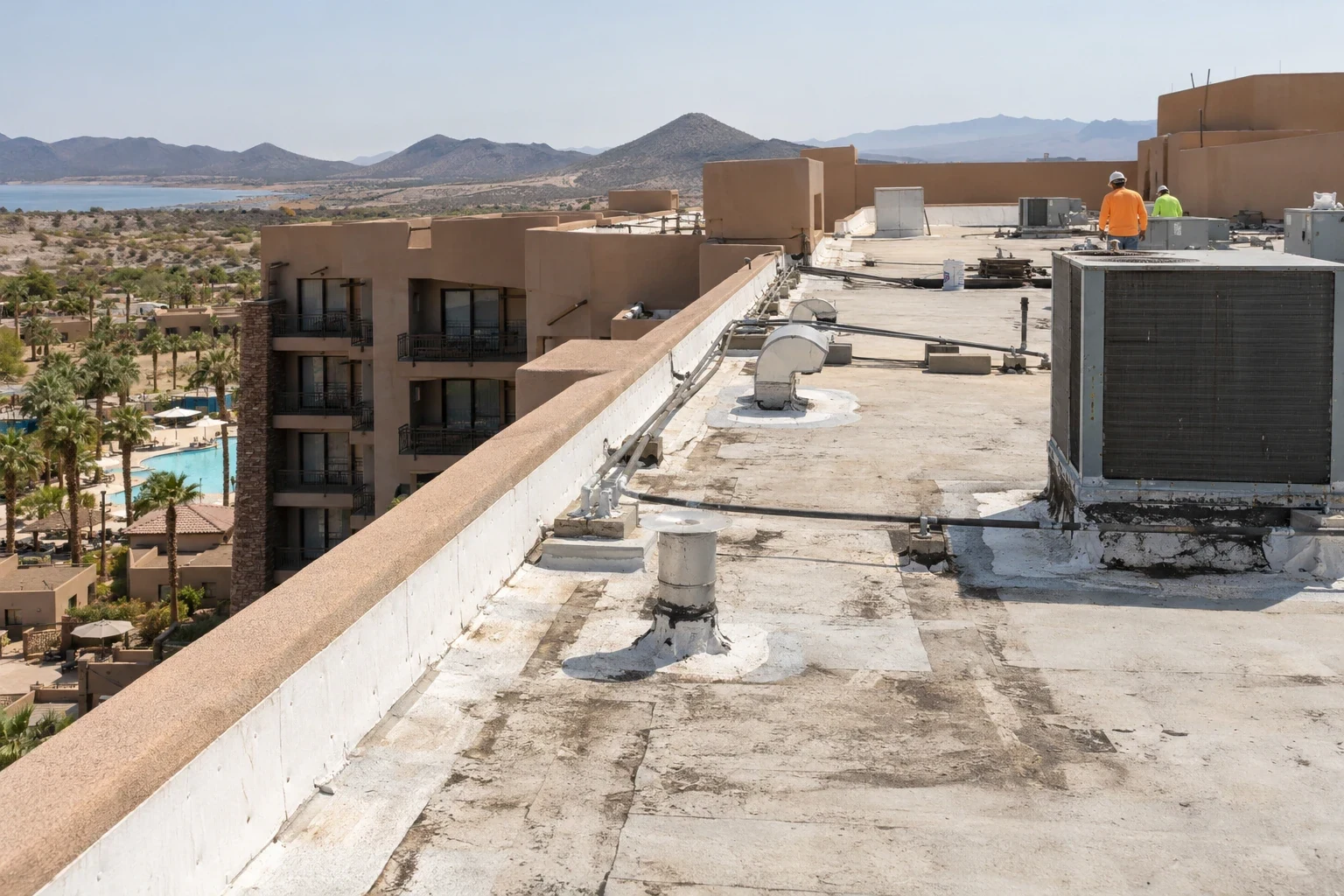
Arrange a pre-roofing meeting for the assigned property. We can review the roof package, district preparations and weather contingency with the GC beside the turnover date.
Next steps for your building:
Related Roofing Work
More commercial roofing work for Glendale and West Valley properties.