TPO Roofing in Glendale, AZ
Home / Roof Systems / TPO Roofing
Request A
Roof Assessment
Tell us about the building and the roof. We reply with the next practical step for your property.
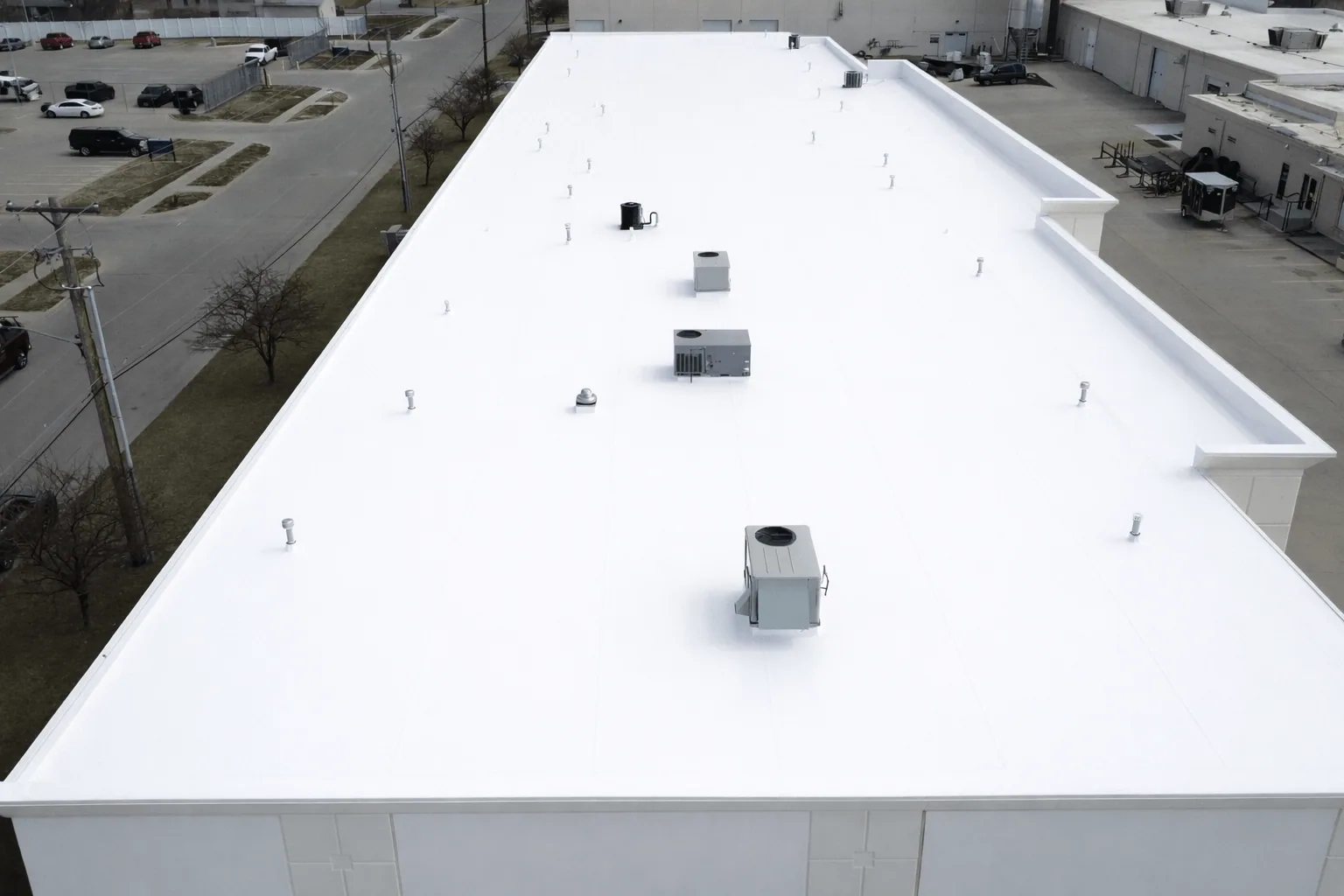
TPO roofing in Glendale, AZ, with a defined membrane assembly, welded seam checks and a heat and monsoon plan tied to the roof package.
On a Glendale industrial project near Loop 303, a July roof package has to account for heat before the crew starts laying membrane. The Phoenix area records more than 100-degree highs on many days each year, so work timing, material storage and the condition of the receiving surface belong in the pre-roofing meeting. A TPO selection names the sheet family, but the GC still needs the insulation, attachment and details defined against the actual deck. A proposed EPDM option uses a different seam approach and needs its own assembly details.
We review the assigned roof areas, available records and visible construction before setting that scope. The package identifies the selected TPO product, layer sequence, edge conditions and work that must precede installation. Glendale's monsoon season also makes the open-roof boundary a schedule decision. We set a daily closeout and protection plan that fits the turnover date.
Name every layer in the roof package
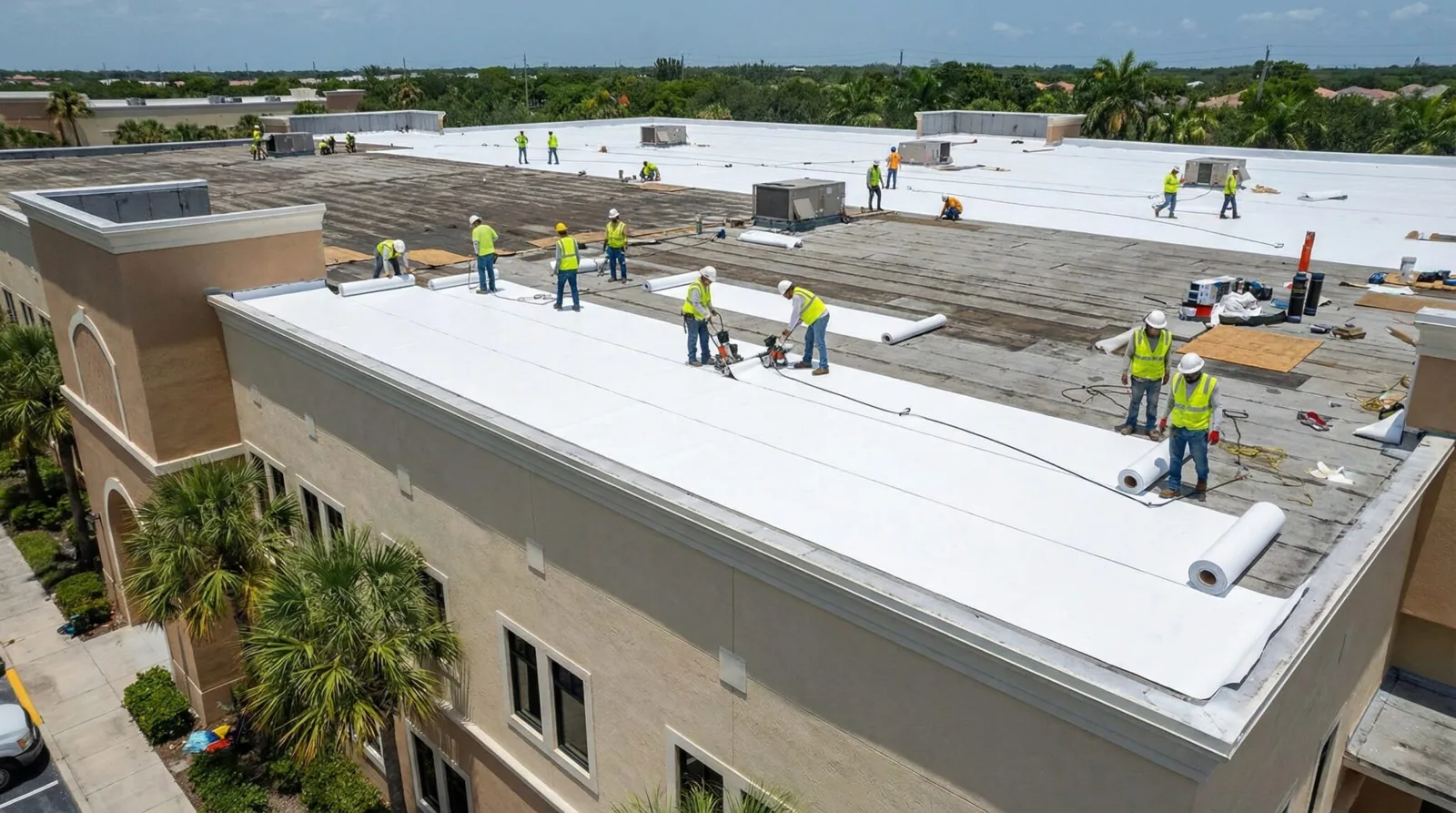
A TPO roof is an assembly, not just a white sheet. The specification should identify membrane type and thickness, insulation, cover board where selected, vapor control if required, and how each layer attaches to the receiving construction. Those choices affect the material order, fastening layout and height at walls, drains and equipment. A price tied only to a membrane label leaves too many roof-package decisions open for the GC.
At the pre-roofing meeting, we compare the proposed build-up with available drawings and the construction exposed at the assigned area. A tilt-wall shell, steel deck or concrete surface each calls for its own accepted preparation and attachment design. When records leave a question, we name the evidence needed before ordering a dependent component. Insulation and cover-board planning belongs in the same assembly review.
Keep approved product information with the estimate revision. If a membrane or substrate changes, confirm which details and attachment assumptions change with it. That gives purchasing, the superintendent and the roof crew one construction basis to carry into the field.
Build a workable heat plan
A hot deck can change how a crew stages rolls, adhesives and equipment through a Glendale workday. The heat plan sets start times, shaded storage, hydration and the points where the roofing stage must pause if conditions exceed product instructions or safe working limits. Keep those practical choices in the schedule before the roof area opens. They affect the daily production sequence and the protection needed at the unfinished edge.
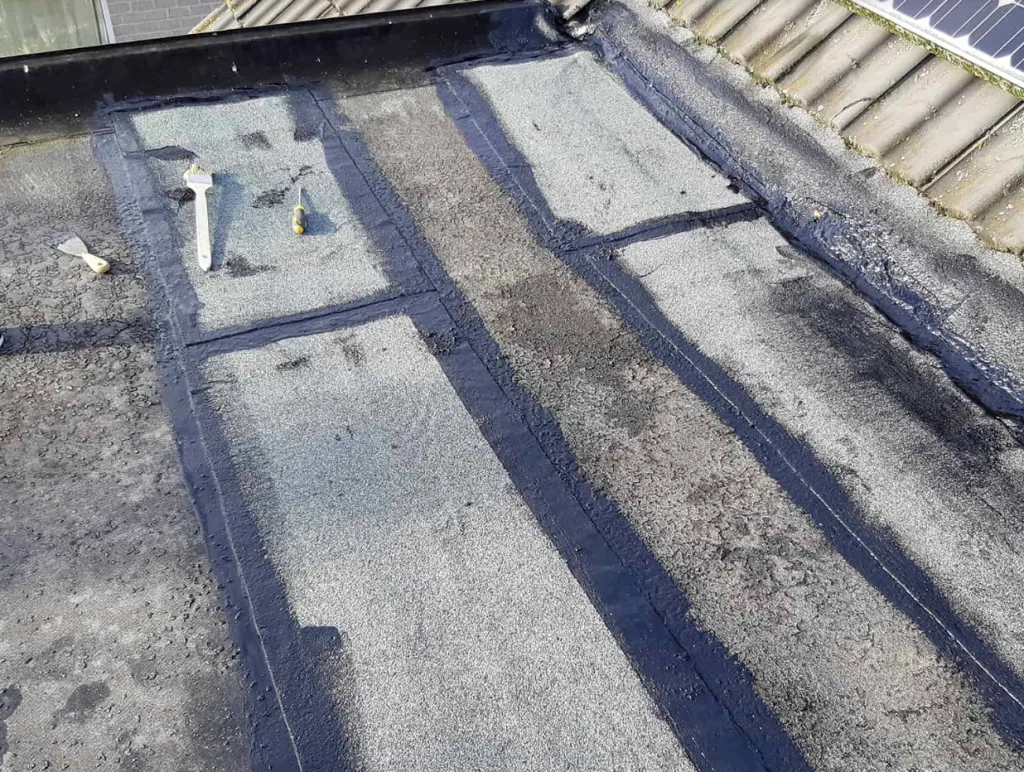
For a TPO system, field seams and compatible flashing details are heat welded. The selected manufacturer specifies the membrane and accessory requirements, including preparation and installation conditions. We identify the seams and transitions in the assigned work, then plan access for test welds and field checks. A run of finished sheet is not a closeout record by itself.
Glendale's long sunny season raises the value of tracking exposed seams and edge details during installation. A roof inspection can establish the starting condition and record assigned findings. It does not replace the manufacturer's installation instructions or the project-specific assembly design.
Set the welded details before the field sheet
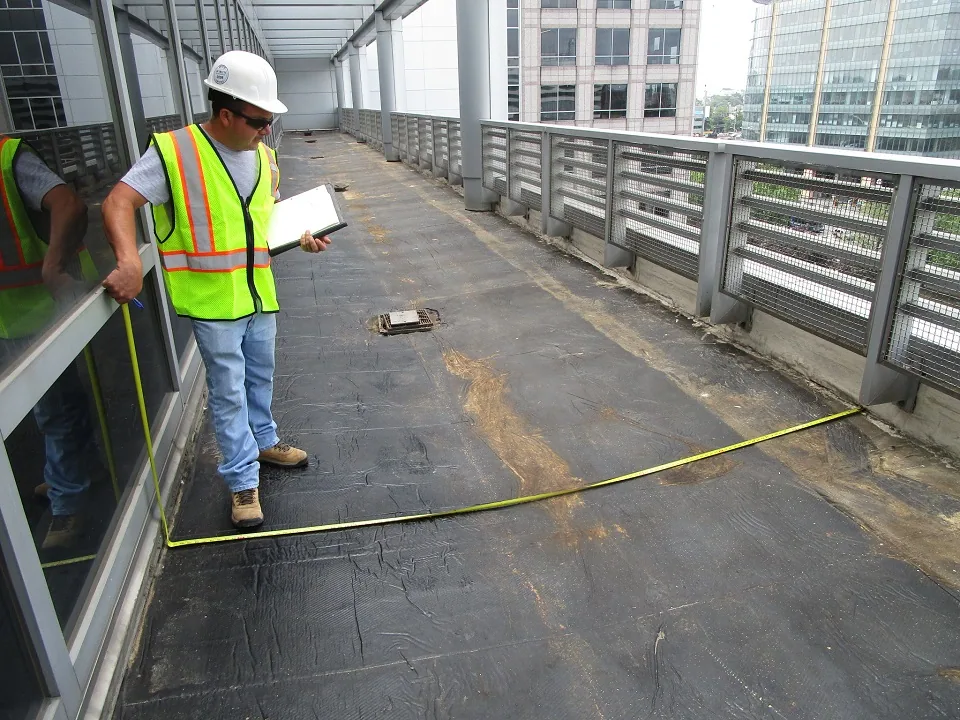
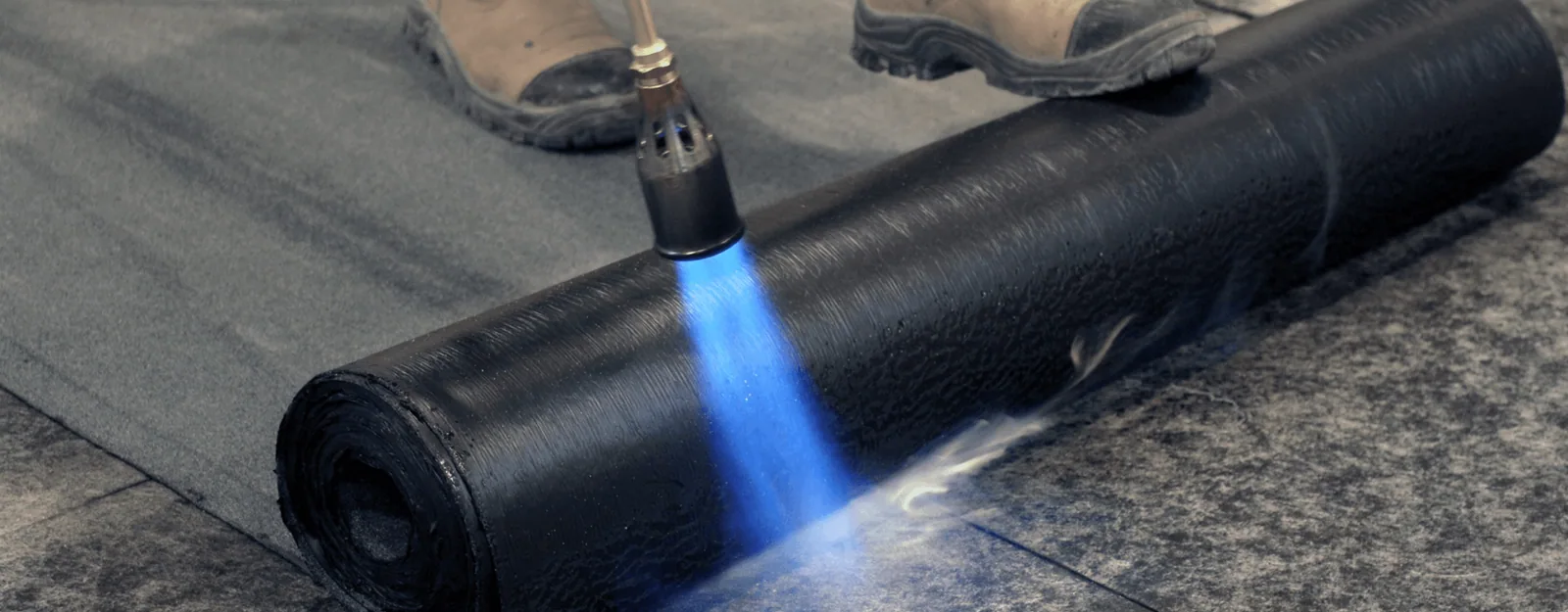
The roof package should locate parapets, curbs, pipes, expansion joints, drains and perimeter edges that need a permanent connection. Measure those conditions and confirm that the backing and receiving surfaces are ready. An equipment curb left for another trade can hold up a flashing closure even when the open field is nearly complete. The GC needs that predecessor task and owner clearly assigned.
Define how the system handles wall transitions, corners and penetrations with products compatible with the chosen TPO. The manufacturer detail governs how accessory material joins the field sheet. The same approach does not automatically apply to a different membrane family. A PVC roof assembly also uses heat-welded seams, but its selected sheet and details must be specified for that system.
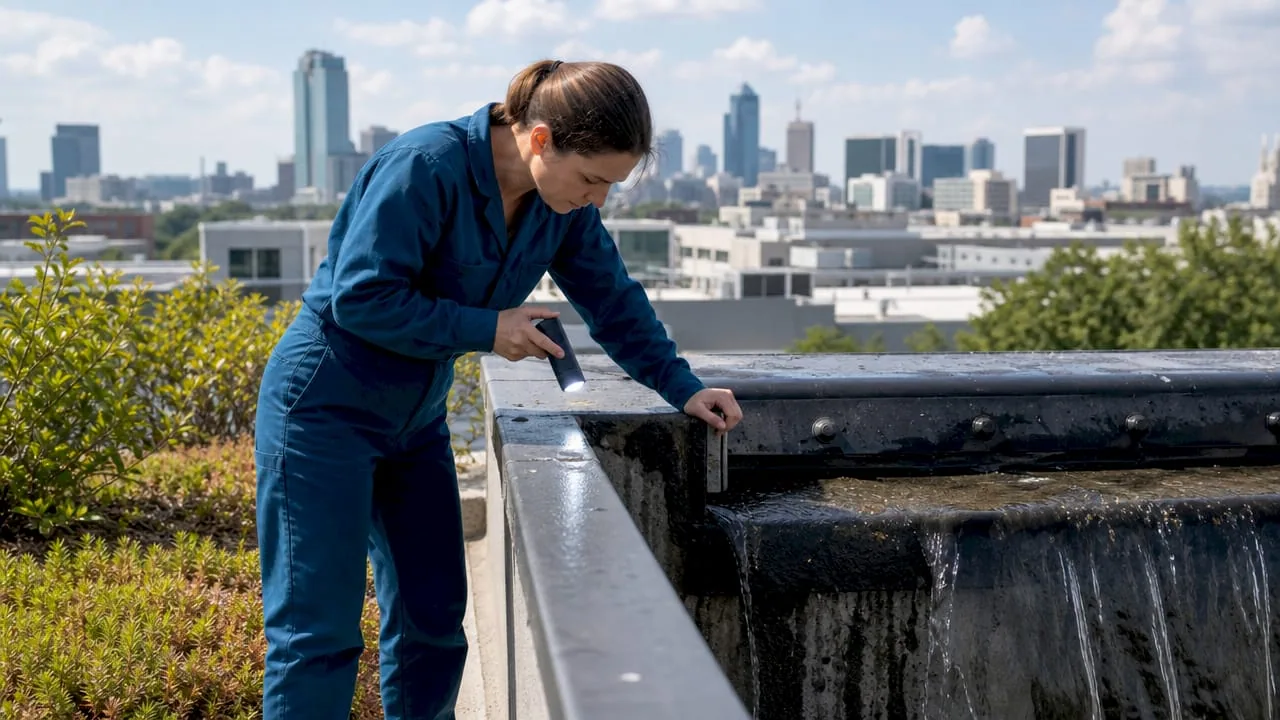
Drainage interfaces deserve their own mark-up. Note which outlets are retained, replaced or assigned to plumbing, and show the finished membrane transition. Drain and scupper coordination helps keep the roof stage from ending at an unresolved water route.
Close each stage before monsoon weather
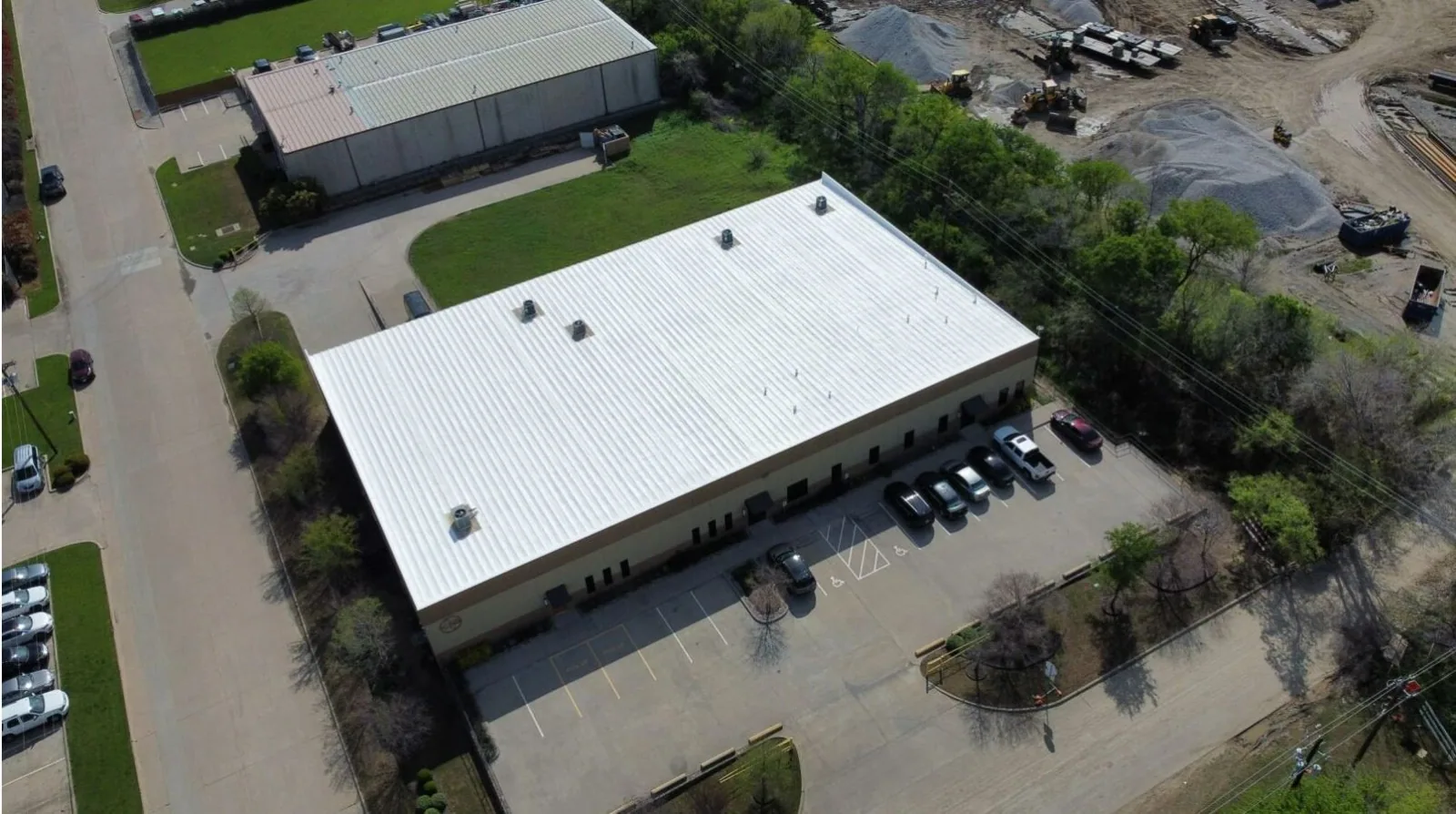
Summer storms can arrive while a roof area is in progress. The sequence should define the maximum open boundary, temporary water shedding, materials secured at the end of a shift and who releases a reopened area. A monsoon delay is easier to absorb when the daily limit and restart checks are already in the schedule. The crew should be able to leave a stable edge instead of a broad area that depends on the next clear afternoon.
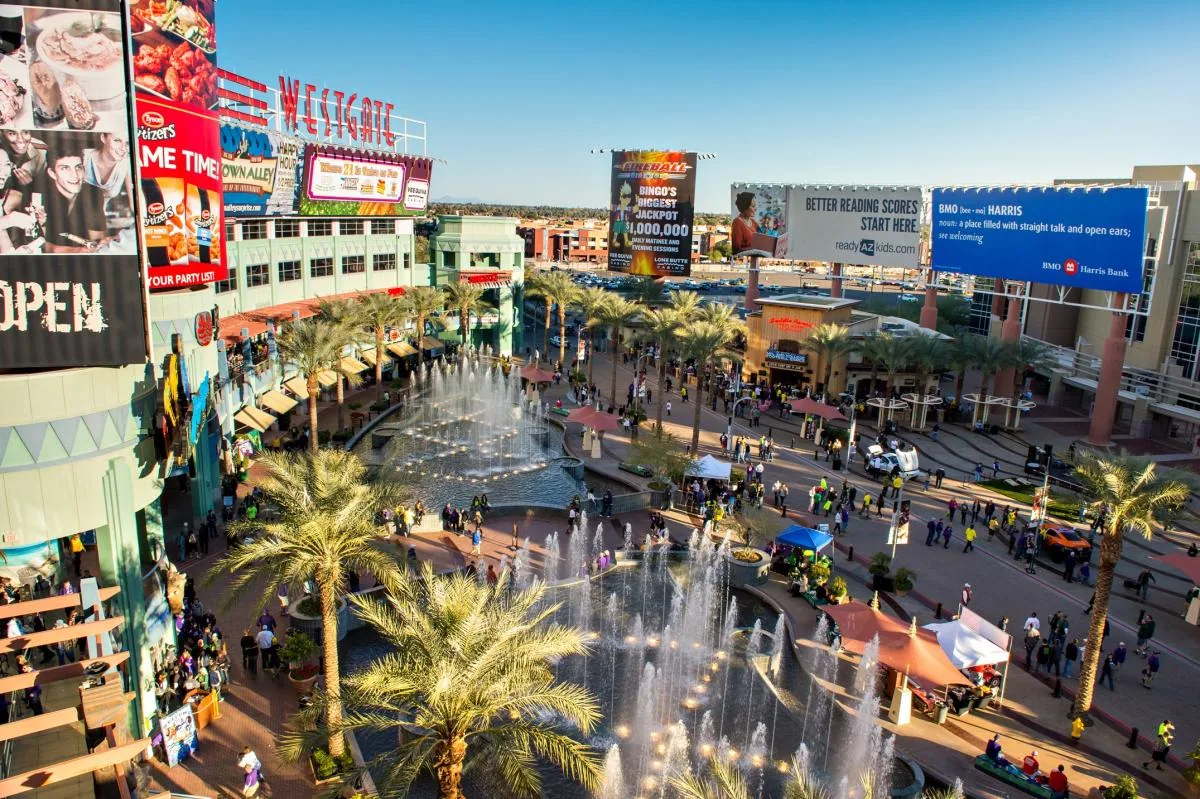
At Westgate, event and retail schedules can make roof access and material movement important to the assigned building. We confirm the actual property, entrance, laydown location and hours with its representative rather than assume every site has the same route. For a planned Westgate roof project, those arrangements support the GC's turnover plan.
If existing construction may remain below the new roof, define how moisture and attachment suitability will be evaluated before calling for a recover. A recover assessment addresses that separate decision. If removal is needed, replacement planning should state the opening sequence, exposed-deck review and weather protection.
Leave a record the next trade can use
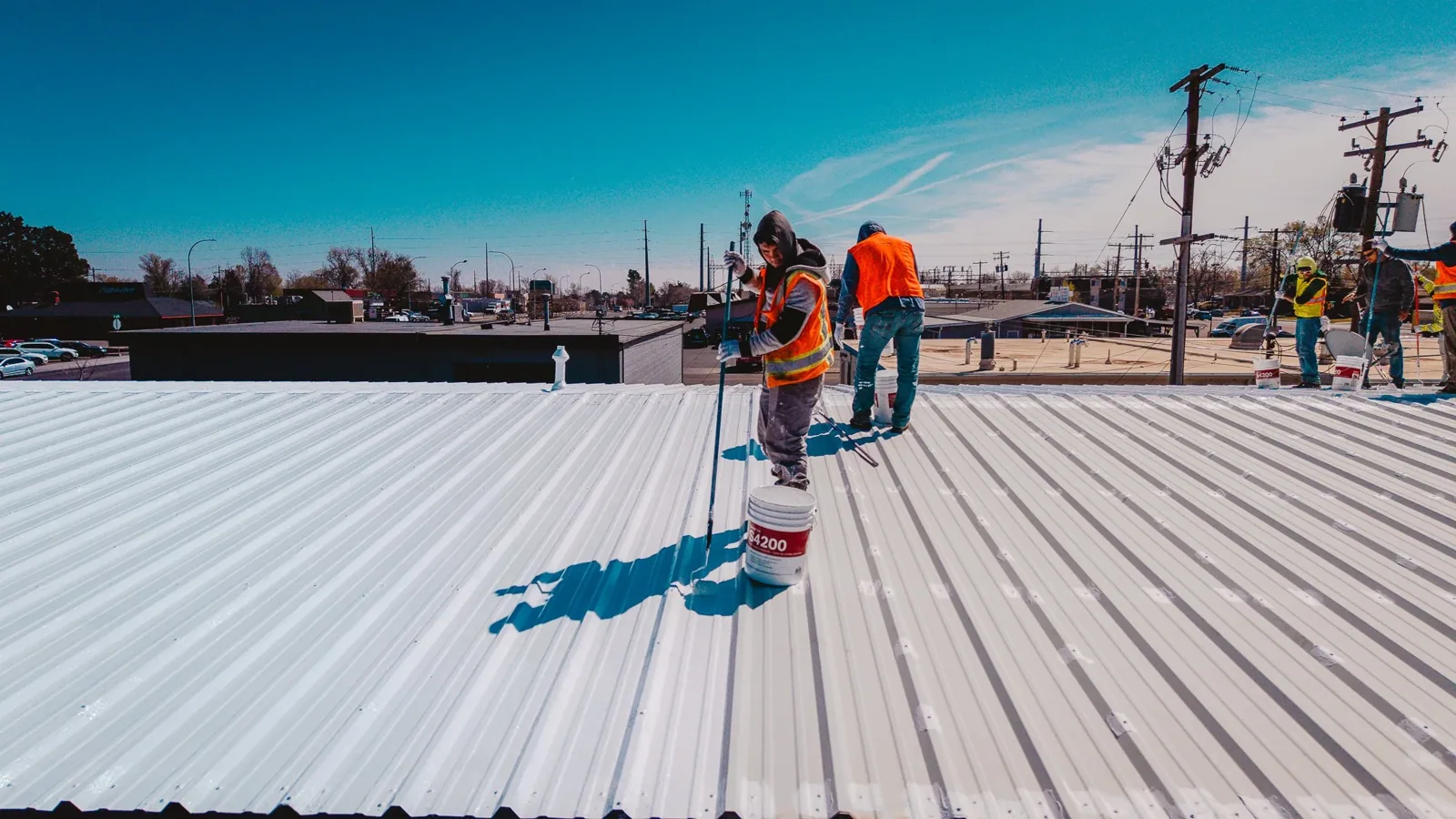
Before turnover, record the installed membrane and assembly components, the completed roof areas, field observations and any unresolved items. Identify seam checks and detail locations in a way the owner can find on the roof plan. Include approved changes and the product information needed for later service. A general closeout note that names only the TPO category will not help a future crew distinguish this system from an adjacent roof or a later addition.
Review drains, edges, wall transitions and equipment interfaces against the completed stage. Where another trade has a remaining task, show its location and the protection or inspection needed before release. Confirm the access route for an owner walk and any manufacturer inspection that the project documents require. Keep warranty documents and maintenance requirements with the building record once they are issued.
For maintenance after turnover, a planned roof maintenance visit can document observed conditions and developing repair needs. The visit records what was accessible at that time. It does not convert a visual review into an assurance about concealed construction.
More on TPO Roofing
Commercial Roofing Questions
What belongs in a TPO bid besides the membrane?
The scope should identify the full layer stack, attachment method, edge and penetration details, removal limits, drainage work and assigned predecessor tasks. We set those items against the roof area and the proposed turnover date.
How should the crew handle heat during installation?
Start with the product instructions and site heat plan. We schedule material staging and daily work limits around safe conditions, shaded storage and the time needed to secure the exposed edge before the monsoon window.
Can TPO go over the existing roof?
A recover requires an assessment of existing layers, moisture, attachment and applicable code limits. We document what is known and what needs examination before pricing an assembly that covers the roof in place.
What needs checking before a roof stage turns over?
The closeout records completed areas, welded details, edge and drain connections, approved changes and open tasks. The owner walk can then compare the finished roof package with the marked plan and the agreed scope.
Set the TPO roof package before the deck sign-off
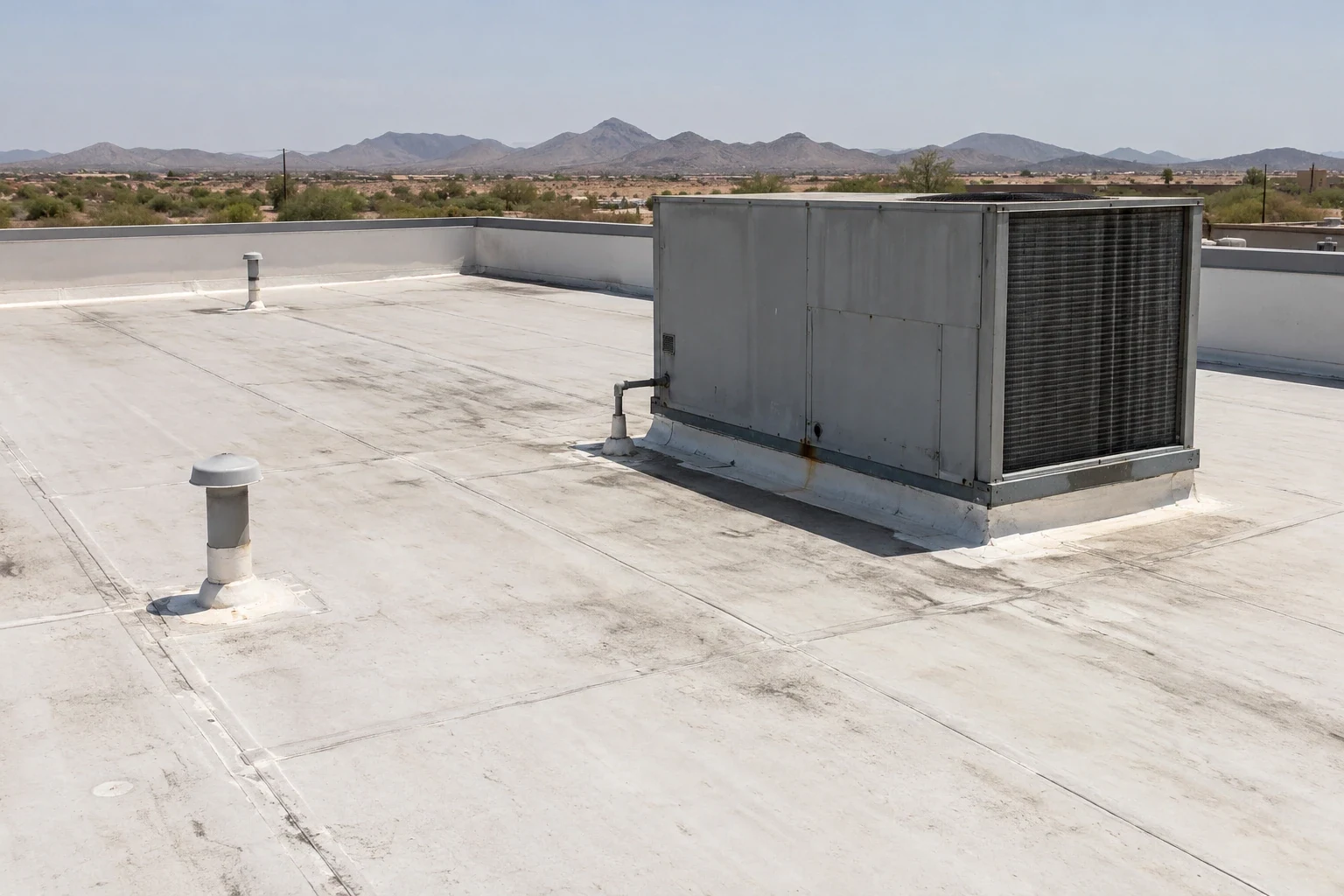
Bring the roof plan, proposed assembly and turnover date to a pre-roofing meeting. We will define the heat plan, seam checks, predecessor work and monsoon contingency with the GC.
Next steps for your building:
Related Roofing Work
More commercial roofing work for Glendale and West Valley properties.