Loop 303 Commercial Roof Repair Coordination
Home / Service Areas / Loop 303 Industrial Corridor
Request A
Roof Assessment
Tell us about the building and the roof. We reply with the next practical step for your property.
Coordinate Loop 303 commercial roof work in Glendale with examined material conditions, practical delivery routes and clear phased openings and turnover.
Roofing removal on a Loop 303 commercial project needs a monsoon stopping plan before materials reach the building. The regional June 15 through September 30 season makes that contingency part of the roofing sequence. Commercial Roof Repair Glendale examines the assembly and explains the work boundary, delivery footprint and closure at an interruption. The general contractor can then arrange the roof package with a clear description of the condition each phase will return.
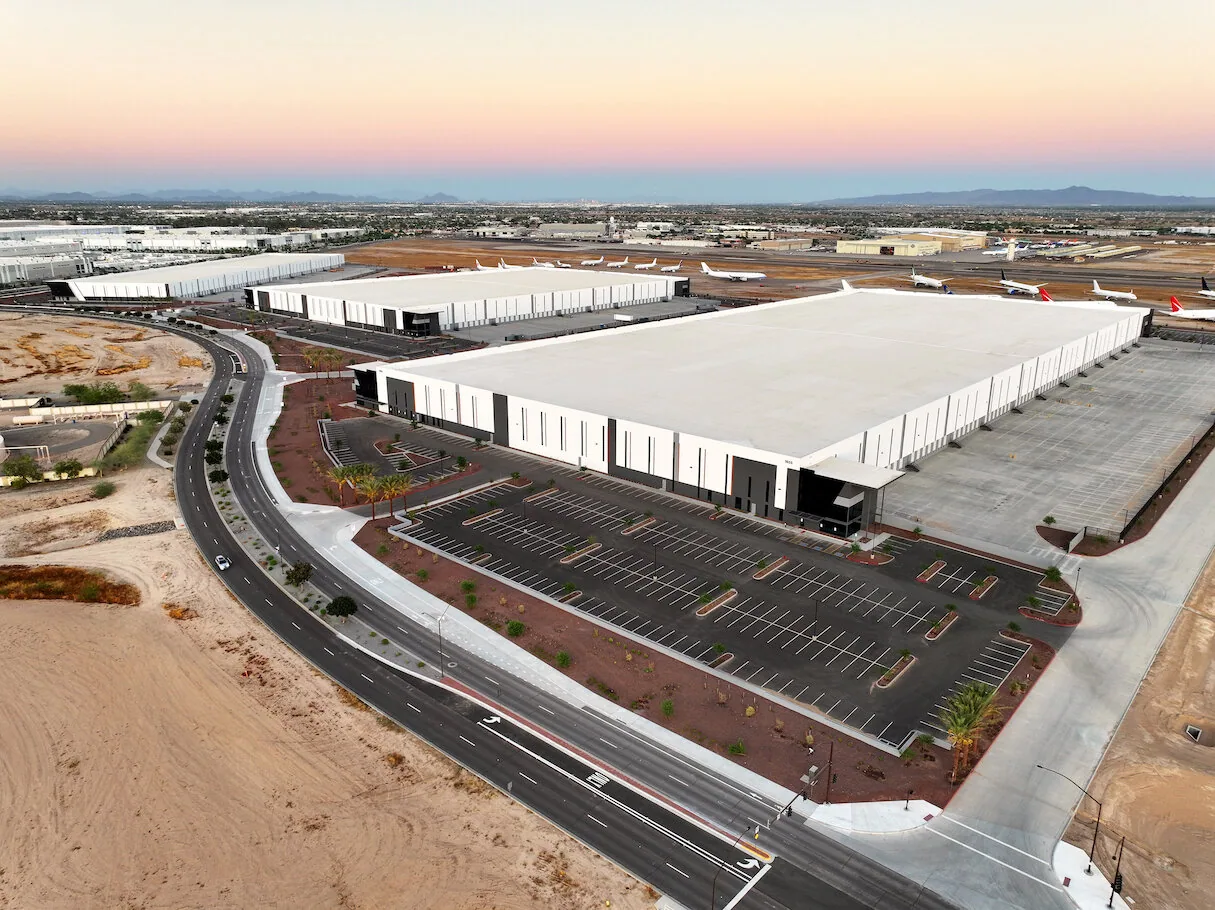
The Loop 303 corridor in Glendale, AZ includes the 303 Logistics location at Loop 303 and Glendale Avenue. For a commercial building nearby, provide its address and the representative who controls its work area. We examine the property you identify and review its access instructions. A second roof near Glendale Airpark Business Park should receive a separate material and route review. Coordinated approvals still need to preserve the construction behind each recommendation.
Separate a small correction from a broader material question
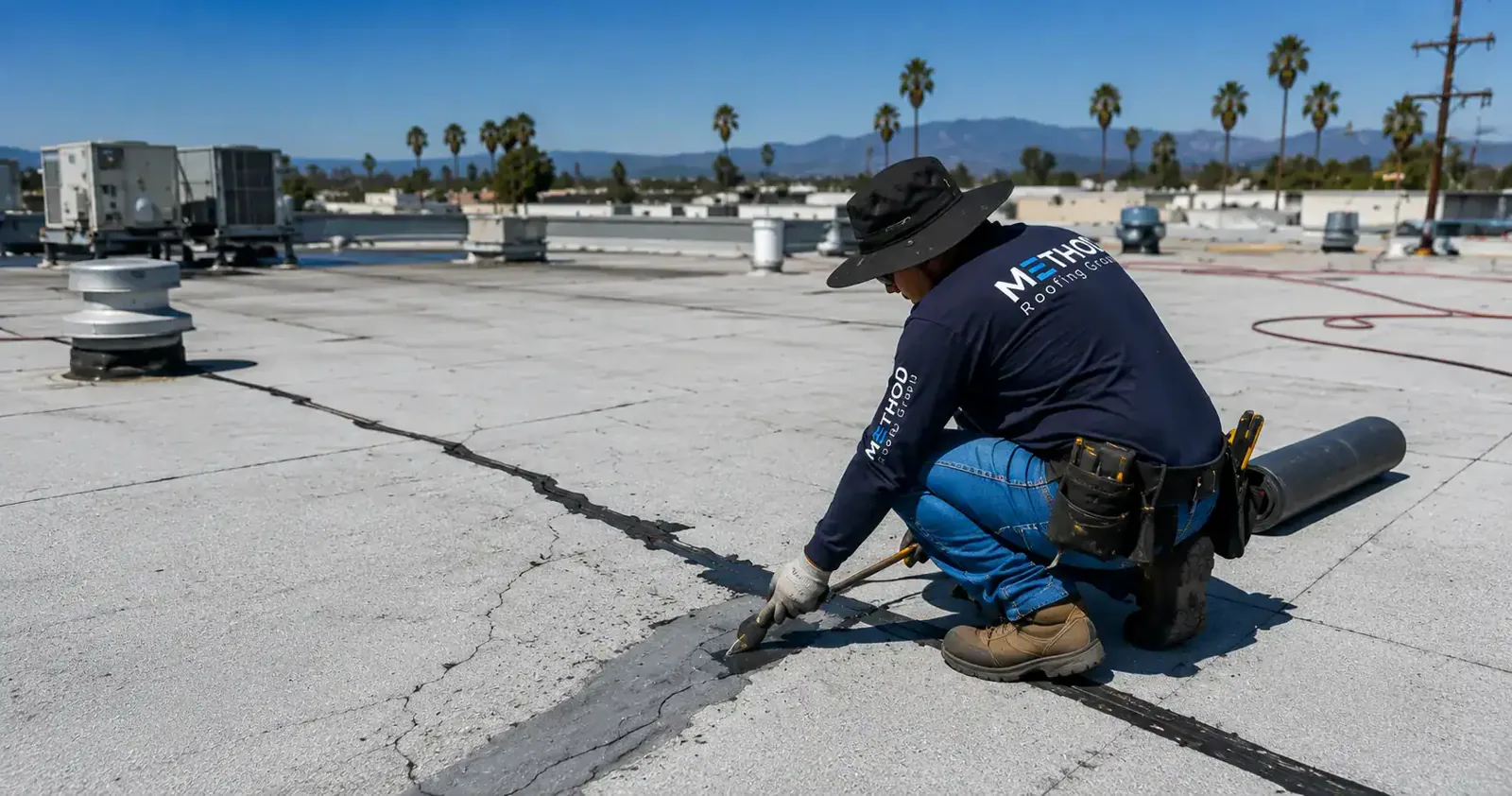
A report at one detail does not establish how much construction needs removal. We inspect the accessible membrane, adjoining connections and relevant outlets, then explain the roofing defect the proposed repair addresses. A failed seam may need compatible reconstruction. A puncture can require a patch on suitable surrounding covering and support. A flashing transition needs its own termination detail. The general contractor benefits from knowing the actual correction rather than arranging a general roof treatment without a defined boundary.
Commercial roof repair may remain local where the examined construction supports the method. Concealed moisture or deterioration introduces another question. We explain the investigation needed before deciding which layers can stay, including how its result could widen removal. Put that step in the roof package so the owner understands its purpose and the person scheduling the work knows what must be established before the correction relies on retained material.
Compare the removal task with the retained assembly
A larger project needs an explanation of both the construction removed and the construction remaining in service. Evaluate moisture, support, attachment and drainage as applicable to the approach. We show why the findings justify a repair, recover or replacement review and identify a material question still unresolved. A lower total may describe less removal, while another proposal may include damaged layers the first leaves in place. Compare the actual operations before treating the amounts as prices for equivalent work.
Roof recover and overlay depends on a suitable existing assembly. The new finish does not remove underlying wet or deteriorated material simply by covering it. Replacement carries different removal and protection requirements. We explain the boundary, connection details and practical sequence for the option proposed. This lets the general contractor coordinate the roof package with the examined condition and keeps the owner decision connected to the work being authorized.
Set the delivery route apart from loading access
The property contact should identify a permitted unloading area, staging location and route to the roof. Discuss whether those areas overlap access the building needs for loading or another activity. We explain the material handling footprint of the roofing task before scheduling. A local detail correction and a phased removal operation may require different equipment and storage. The plan should account for that difference with the instructions provided, rather than assume all available paved space can receive roofing materials.
With occupied building reroofing, review the area released for each phase and the protection required below or beside it. The general contractor can coordinate the operation with the responsible building representatives. Identify a component task that must precede removal and its return requirement. If that operation changes the route or timing, explain the revised roofing sequence and handoff. Material delivery should support the planned construction task without leaving its practical dependencies unstated.

Keep preparation ready for the intended work period
A dusty or damp surface may not be suitable for the selected bonding, welding or treatment method. We identify the material, repair the failed connection and prepare the compatible receiving surface before completing the work. Check the actual conditions during the operation rather than rely solely on a released work area or an earlier forecast. The pre-roofing meeting should explain the preparation steps and how a change would affect the opening or planned stopping boundary.
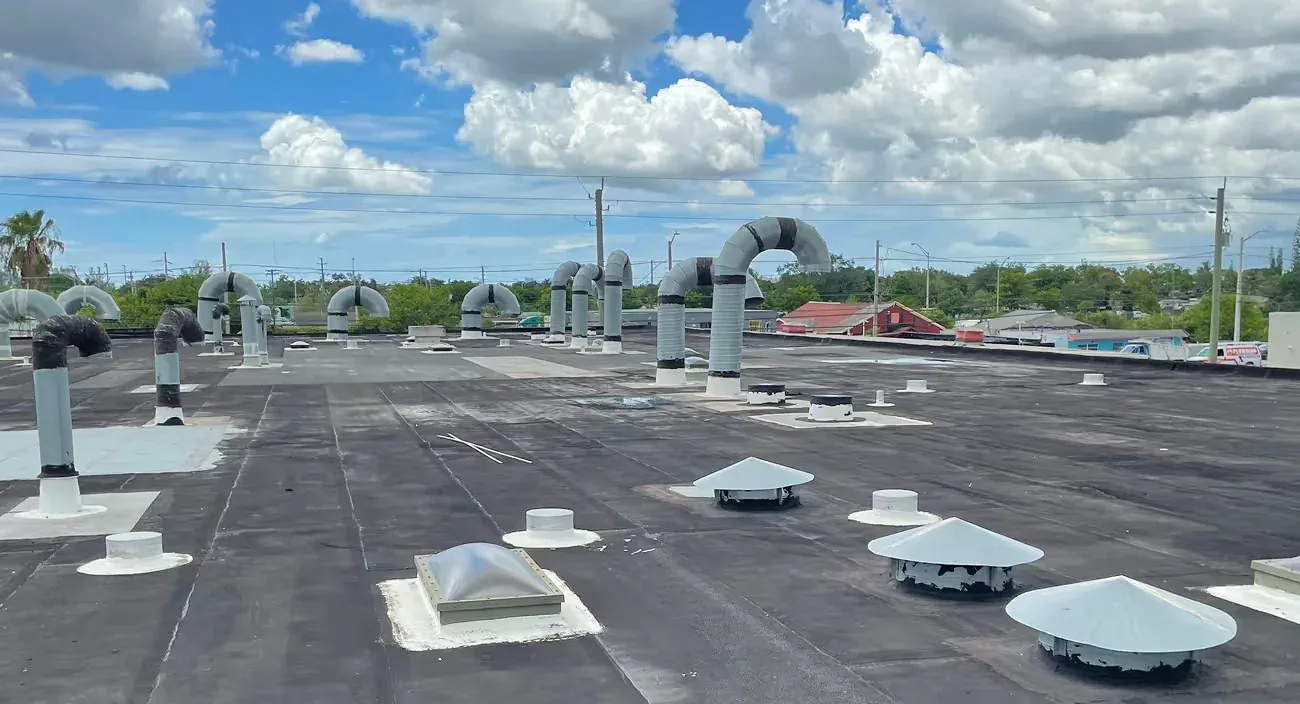
At a seam, examine the adjoining membrane needed for reconstruction, not just the first visible gap. At a penetration, review the transition and termination as well as a separate component operation. Important concealed correction should be documented before the finish makes it difficult to understand. These steps help the general contractor see what the roof package requires at the detail and help the owner follow the material work behind the finished appearance.
Explain the closure before opening the phase
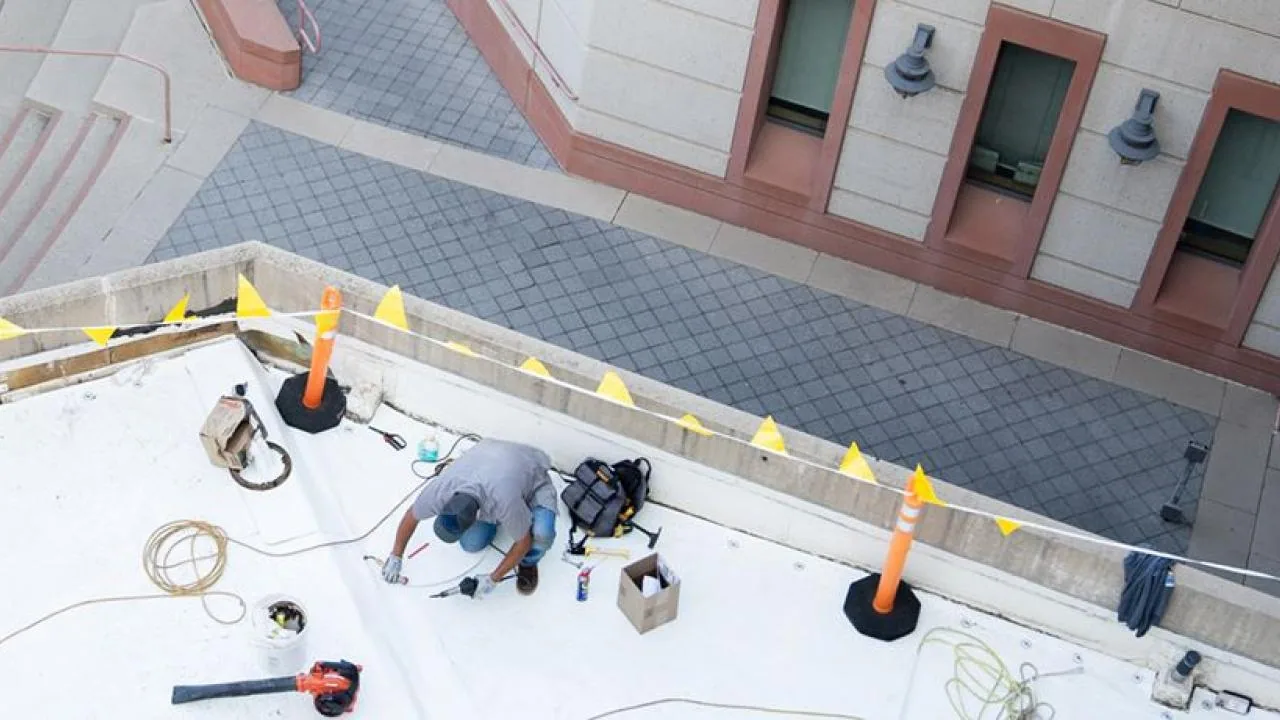
A stopping point needs a suitable roofing condition, whether the pause follows the planned work period or a weather change. We describe the exposed area, its connection to retained construction and the closure required before active work ends. The building contact supplies occupied-space instructions for the review. If additional damage changes removal, document the findings and present the revised task to the approval contact while keeping the interim roof state appropriate to the opening.
Roof capital planning can organize a larger decision with the timing and building priorities the owner provides. The general contractor needs to understand which correction is ready and which option still requires examination. Another property in Tolleson may have different construction or delivery conditions. Discuss that roof separately, so coordinating the decisions does not carry one project's retained-layer assumption or stopping plan into another package.
More on Loop 303 Industrial Corridor
Make the owner walk explain the finished operation
The quoted items should identify preparation, new material, reconstructed details, removed layers, equipment and protection. We state the inclusions and the related task another representative must perform. A change should explain the newly discovered condition, the proposed correction and the effect on amount and sequence. Naming the approval contact in advance makes that process usable during removal, when both the project decision and the interim roof closure need attention.
For turnover, locate the completed work and retain useful photographs of relevant concealed details. Add approved changes and applicable written warranty information to the record. Identify any remaining wall, component or roof task apart from the finished correction. Give the receiving property contact enough detail to arrange the outstanding operation without repeating the original investigation. The located repair history also helps us assess whether a subsequent report involves that correction or another part of the assembly.
Commercial Roofing Questions
What should a retained-assembly review establish?
Moisture, support, attachment and drainage matter to the proposed approach. We explain the examination needed before the repair or recover task relies on uncertain construction.
Why discuss material deliveries separately from roof access?
The unloading and staging footprint may cross loading access the property needs. Review both routes with the building contact against the actual roofing operation.
Can preparation delay a phase after the area is released?
A compatible receiving surface still needs suitable conditions. We assess dust, dampness and the method requirements before completing the planned connection or treatment.
How is extra removal presented for approval?
Document the condition and the added roofing task with its effect on amount and sequence. Explain the interim closure while the authorized contact reviews the change.
What is useful at the owner walk after phased work?
A located correction record, relevant photographs and approved changes explain the completed operation. Keep unresolved tasks and applicable written warranty information with that handoff.
Agree on the Loop 303 roof package and phase closure
Set a pre-roofing meeting for your commercial project. We can review the material findings, delivery arrangement and monsoon contingency with the phase boundaries and turnover requirements you provide.
Next steps for your building:
Related Roofing Work
More commercial roofing work for Glendale and West Valley properties.