GAF Commercial Roofing in Glendale, AZ
Home / Roofing Manufacturers / GAF Commercial Roofing
Request A
Roof Assessment
Tell us about the building and the roof. We reply with the next practical step for your property.

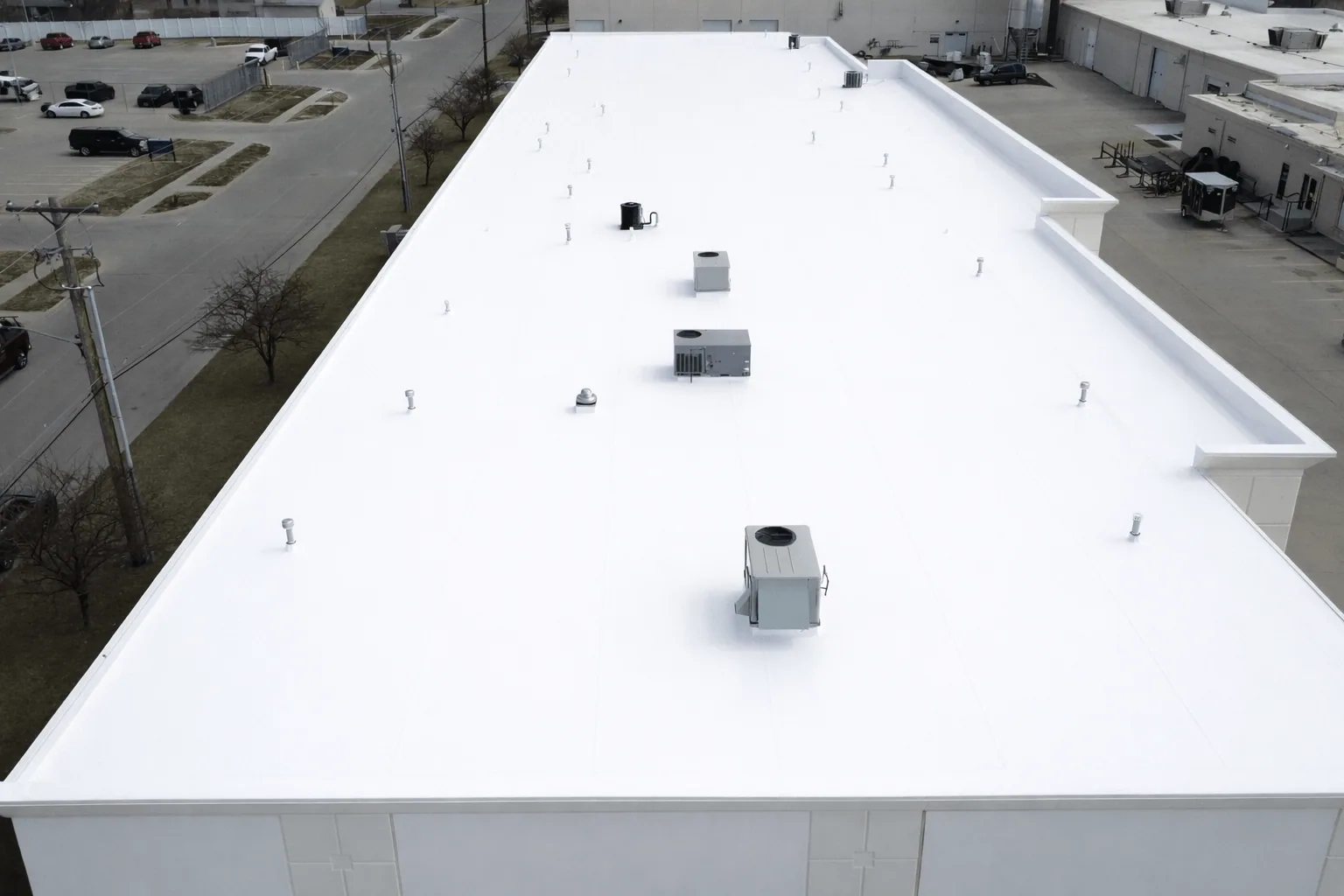
Glendale GAF roofing coordinates coated-metal edges, membrane connections and preceding component work within a developed roof package and turnover plan.
Schedule the GAF edge detail alongside the monsoon contingency. The Desert Southwest monsoon season brings periodic showers and thunderstorms, so the GC needs to know how the proposed roofing stages will leave the boundary protected. We would establish the selected membrane, metal component and permanent connection before setting the daily work around that detail.
For a Glendale project, begin with the assigned roof and the current construction information. Review the particular GAF product being considered and the component work that precedes it. A field sheet and a metal edge need a developed relationship. We bring those decisions into the pre-roofing meeting so preparation, permanent installation and turnover review address the same roof package.
Identify the coated metal within the roof package
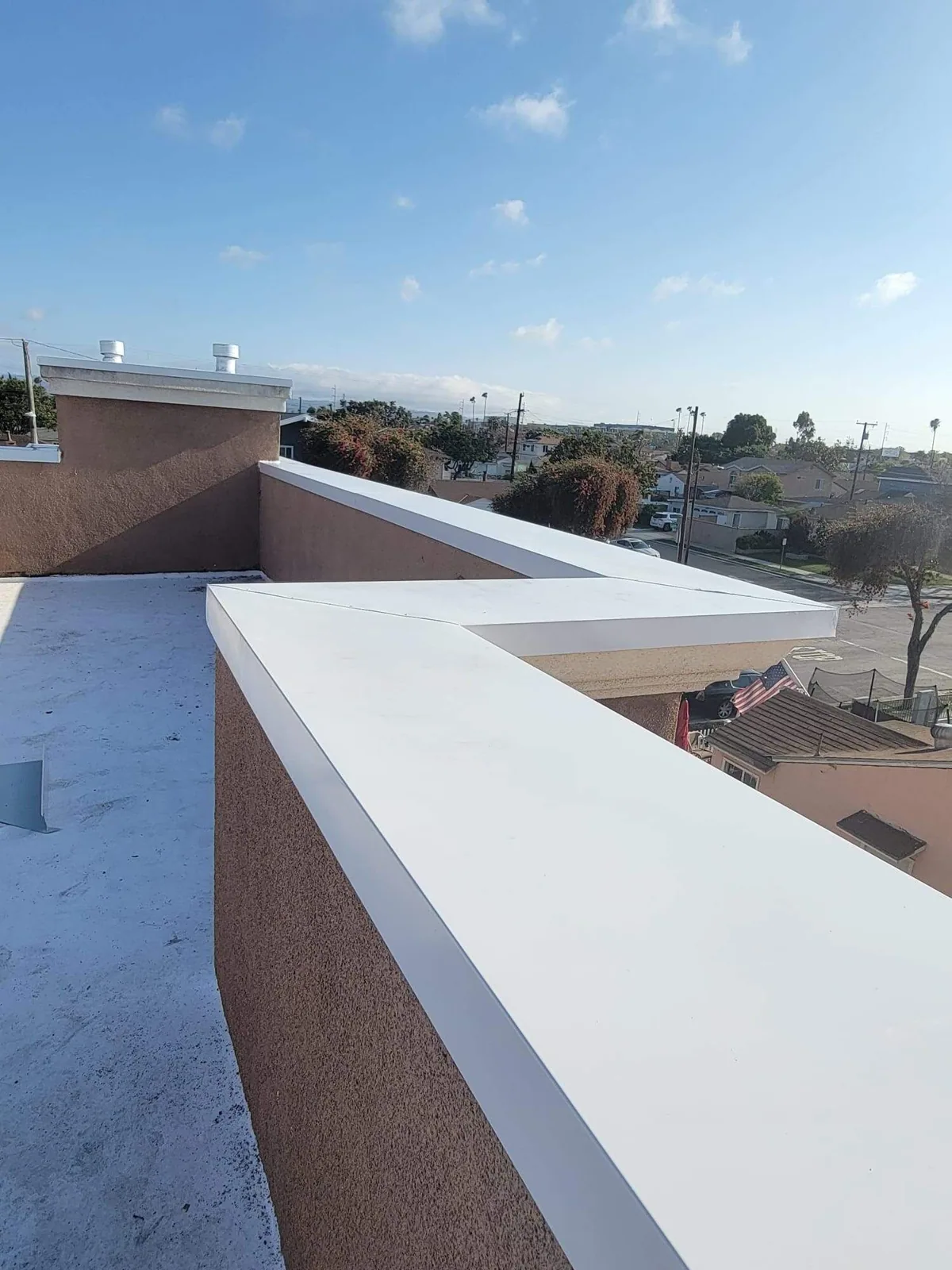
GAF lists EverGuard and EverGuard Extreme TPO-Coated Metal Sheets for edges and flashing details. Its data sheet describes forming the accessory like sheet metal and heat-welding field or flashing TPO membrane directly to the coated metal. That product decision combines a shaped component with a particular membrane connection. We would identify its intended position in the proposed work.
The selected TPO assembly should establish the membrane and its supporting construction. Review the coated-metal detail with that assembly rather than price the edge as an unrelated finish item. The GC needs the final component shape, attachment and joining instruction before the crew completes the perimeter.
Compare a requested Johns Manville roof package through its separately selected products and boundary details. Identify any change in preparation or component work. Similar descriptions of the open roof area can conceal different edge tasks, so we develop that part of each option before the GC aligns it with the project schedule.
For a GAF roof assignment requested at State Farm Stadium, confirm the particular building area through its representative. Use the site address of 1 Cardinals Drive with that designation. We would review the actual component and roofing information there before developing the permanent edge package.
Resolve the metal shape before membrane installation
Review the component geometry at the assigned edge or transition. Identify the supporting face, earlier alterations and loose or damaged parts. Develop the permanent shape with the selected assembly requirements. A membrane connection planned for one arrangement should not proceed after another trade changes the component without reviewing the affected detail.
The edge and coping scope should locate supporting correction and state which component work is included. Separate removal of an unsuitable old edge from the new permanent connection. Keep the relevant roof position with those tasks so the GC can see what needs completion before the membrane stage begins.
Where another party provides a repaired face or a revised opening, identify that preceding work and the final information our crew needs. Discuss it at the pre-roofing meeting. An unresolved component dimension should remain a clear planning decision rather than become an undocumented field adjustment when the permanent materials are already being installed.
Record changes to the agreed shape alongside the revised roofing instruction. Review the affected materials and schedule before the new connection proceeds. That keeps the current roof package usable by the crew and gives the GC a construction reason for the changed task, rather than another vague item added near turnover.
Prepare the actual retained materials at the transition
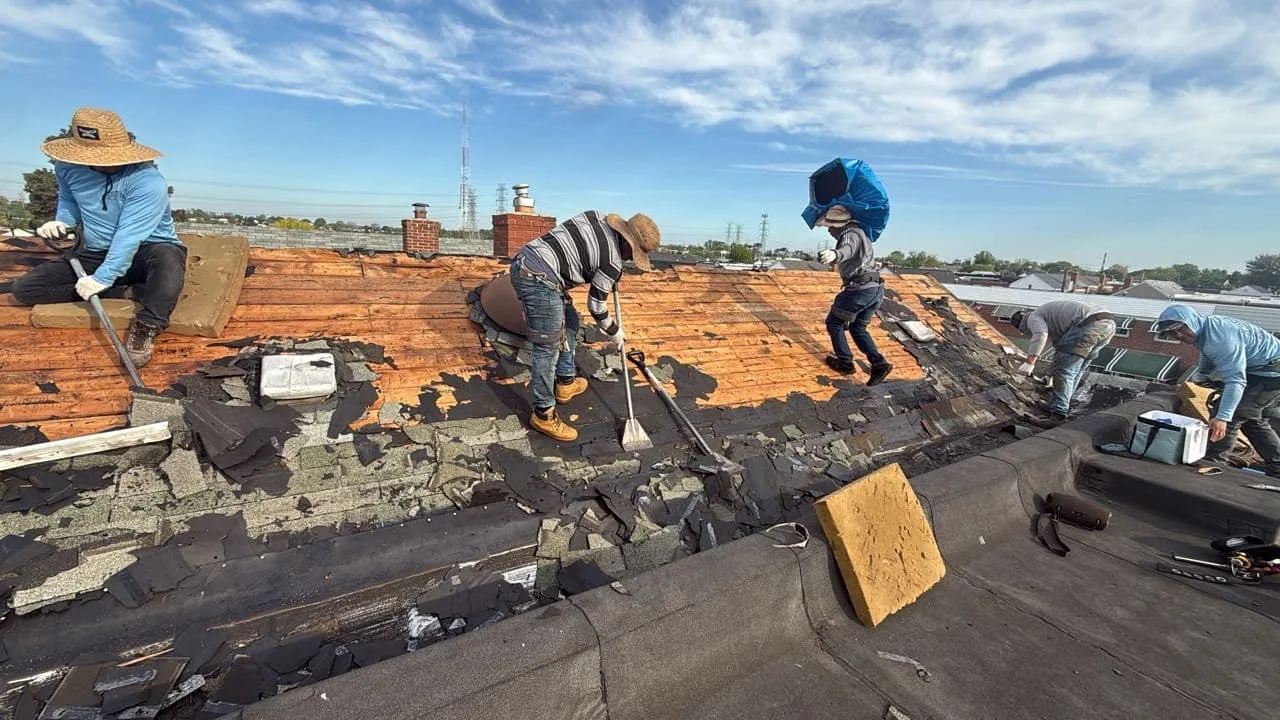
Examine the existing membrane and earlier patches where permanent work will meet retained roofing. Identify the product and condition at that boundary. Locate any coating or other material that affects preparation. We would develop the selected connection through the applicable instructions rather than assume that a broad TPO description resolves every older surface encountered.
A component flashing review should distinguish the roofing task from repair of the component itself. Establish the finished supporting condition before permanent material is installed. Where exposure reveals additional backing damage, locate the finding and develop the revised preceding work before covering it.
For a requested GAF detail assessment at Glendale Main Library, establish the designated roof with the property representative. Keep 5959 West Brown Street with that assignment. We would examine its actual retained material and component relationship before selecting preparation and the permanent connection at the area reviewed.
Keep investigation separate from completed correction. If a concealed condition needs examination, explain the affected position and what the result must resolve. The GC can then plan that task before the permanent edge stage. A new accessory should not conceal the unresolved material question that the project was intended to address.
Set the boundary protection before an interruption
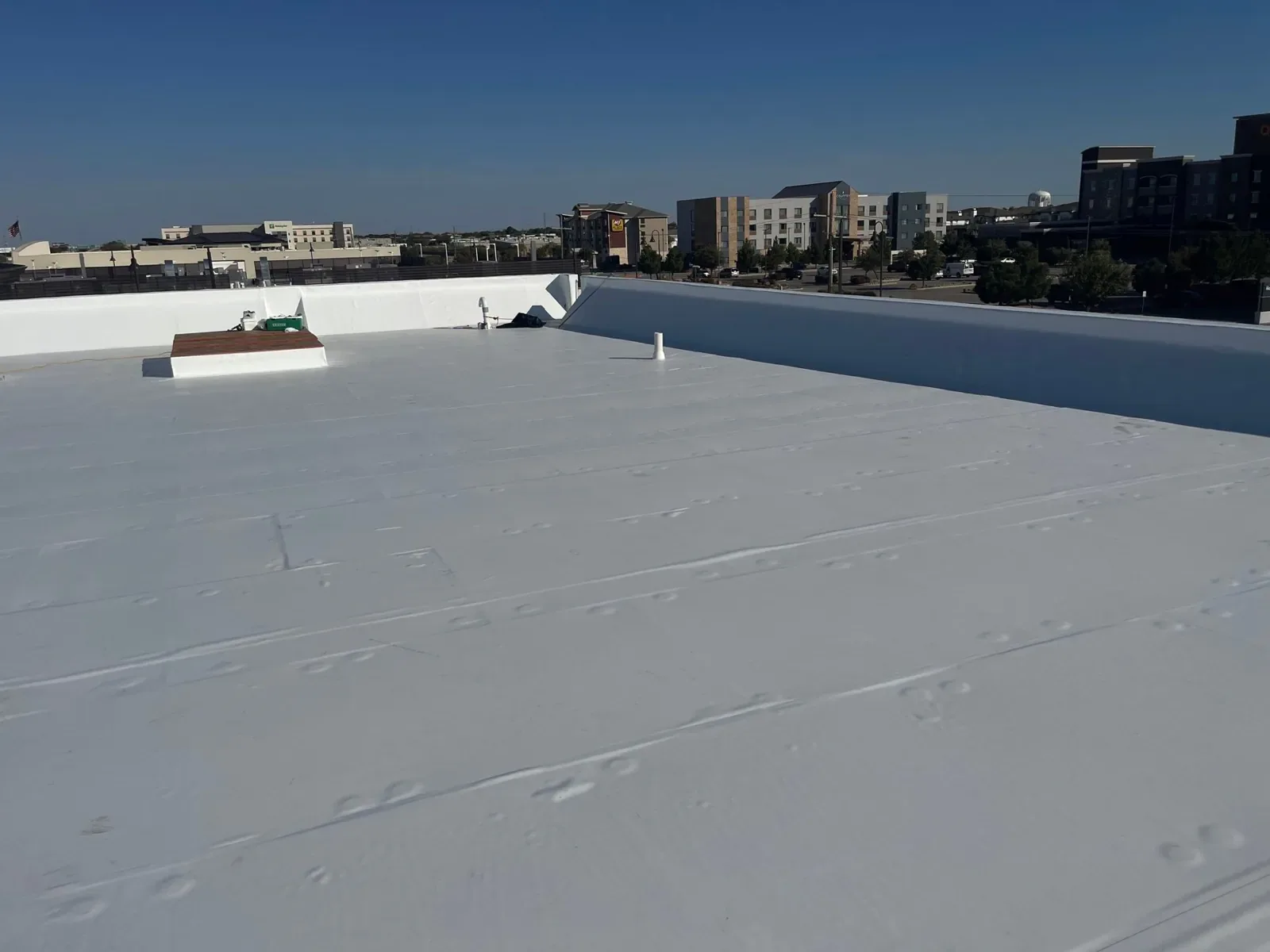
Review the planned work stages with the GC and identify which roof positions will be opened. Determine the temporary protection needed at those boundaries while permanent work is incomplete. Check the current conditions and selected product requirements before opening the next area. The seasonal monsoon context belongs in contingency planning, while the actual daily decision follows the roof and weather conditions present.
The staged reroofing plan should explain the area removed, preceding correction and closure intended for each stage. Locate work that depends on another party. We coordinate the permanent component and membrane tasks so a preceding alteration does not leave an unexplained unfinished transition at the end of the planned roofing stage.
Consider a requested Holcim Elevate detail option through its own product and joining requirements. Keep its supporting work and unfinished boundaries identifiable in the plan. A change of manufacturer does not eliminate the need to develop temporary protection around the particular construction being opened.
If conditions interrupt the selected installation, review the incomplete area and its protection before moving the crew. Keep the GC informed of the roofing task that remains. Resuming permanent work requires the relevant surface and component conditions to meet the selected instructions; the turnover date does not settle those construction requirements.
Review the finished edge before turnover
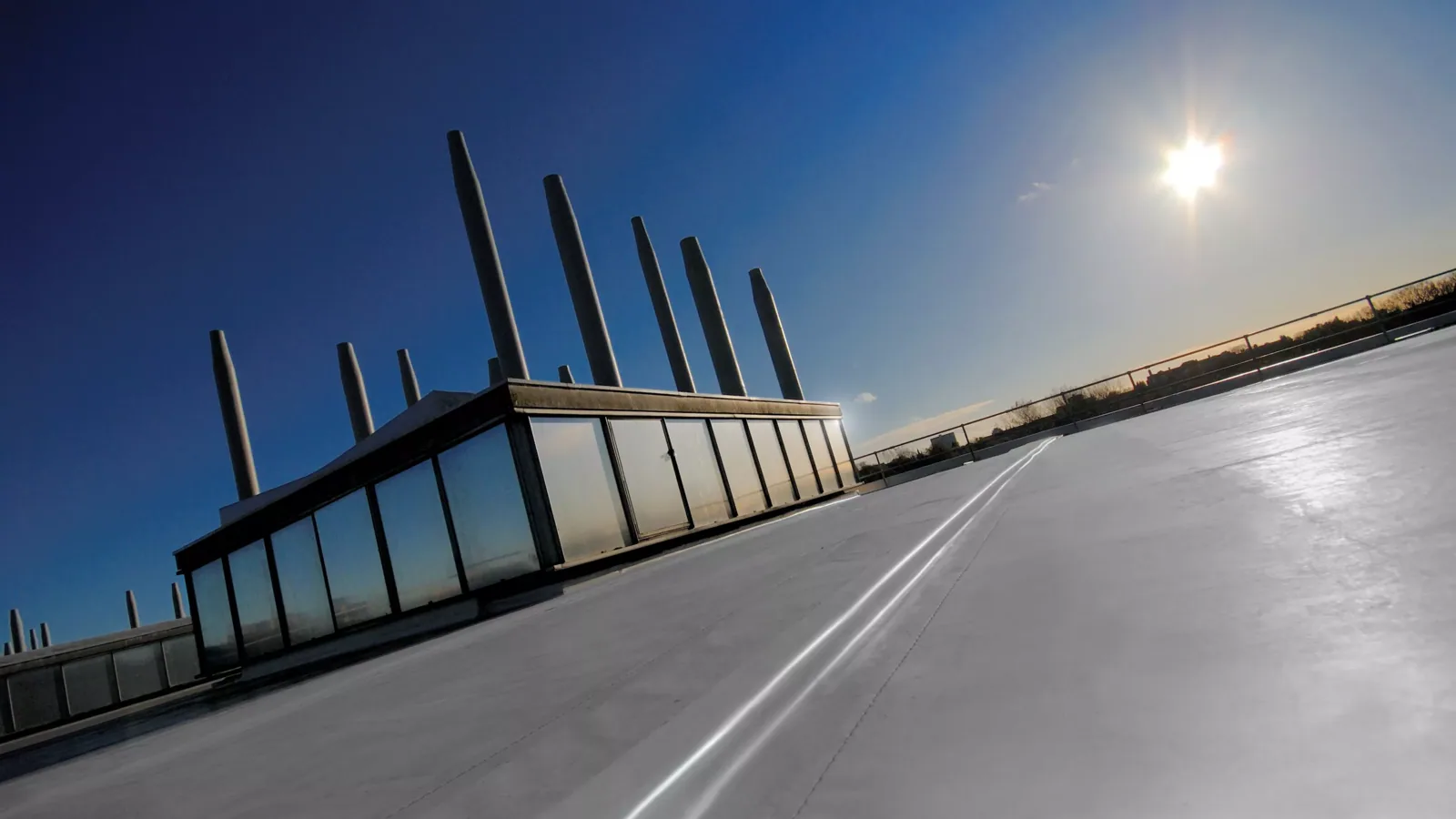
Check the installed work against the selected product and developed detail. Identify completed component corrections and permanent membrane connections at their positions. Preserve useful preparation photographs and significant exposed findings. The owner walk should address the finished construction rather than depend on a general statement that the field membrane was installed.
For a roof package requested in Westgate, obtain the specific building and designated roof from its representative. Review the current project information and affected component work. Carry that designation into the installed-product account so later maintenance can identify the edge and transition actually completed.
Locate remaining recommendations separately from the agreed correction. If warranty documents are supplied, review the particular terms and coordination required before altering the roof, then identify any outstanding document action. We keep the installed GAF product and completed detail positions clear enough for the GC to hand over useful roofing information with the project.
More on GAF Commercial Roofing
Commercial Roofing Questions
Which GAF information settles the proposed metal transition?
Identify the selected coated-metal accessory and membrane detail. The deciding issue is the permanent relationship between the finished component, its support and the roofing connection.
How should another trade's component change enter the roof package?
Establish final geometry and the preceding task before permanent roofing. Update the affected detail and review the revised stage with the GC.
What must be examined at an older TPO connection?
Examine the retained sheet and earlier patch materials. Develop applicable preparation and joining work for the actual product and surface at that boundary.
Where does monsoon planning affect staged edge work?
Identify open boundaries and the temporary protection needed if installation is interrupted. Use current conditions and product requirements to decide when the next stage proceeds.
Why record component corrections before the owner walk?
The GC needs an account of the completed roof package. Locate permanent connections and supporting work, with useful preparation evidence and separate remaining recommendations.
Set the GAF roof package at the pre-roofing meeting
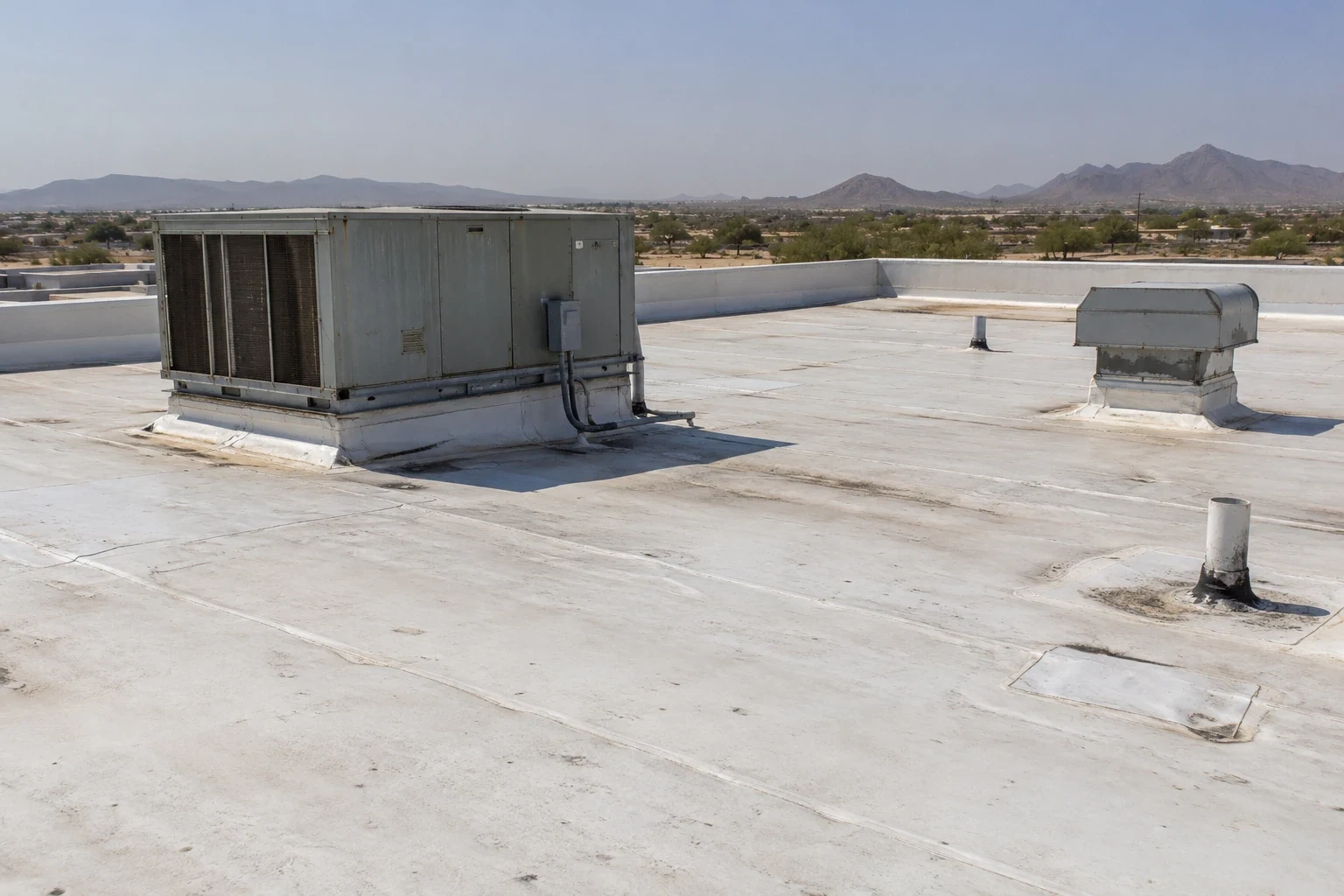
Bring the designated roof and current component plan. We will review permanent details, preceding work and the monsoon contingency against the proposed turnover schedule.
Next steps for your building:
Related Roofing Work
More commercial roofing work for Glendale and West Valley properties.