PVC Commercial Roofing in Glendale, AZ
Home / Roof Systems / PVC Commercial Roofing
Request A
Roof Assessment
Tell us about the building and the roof. We reply with the next practical step for your property.
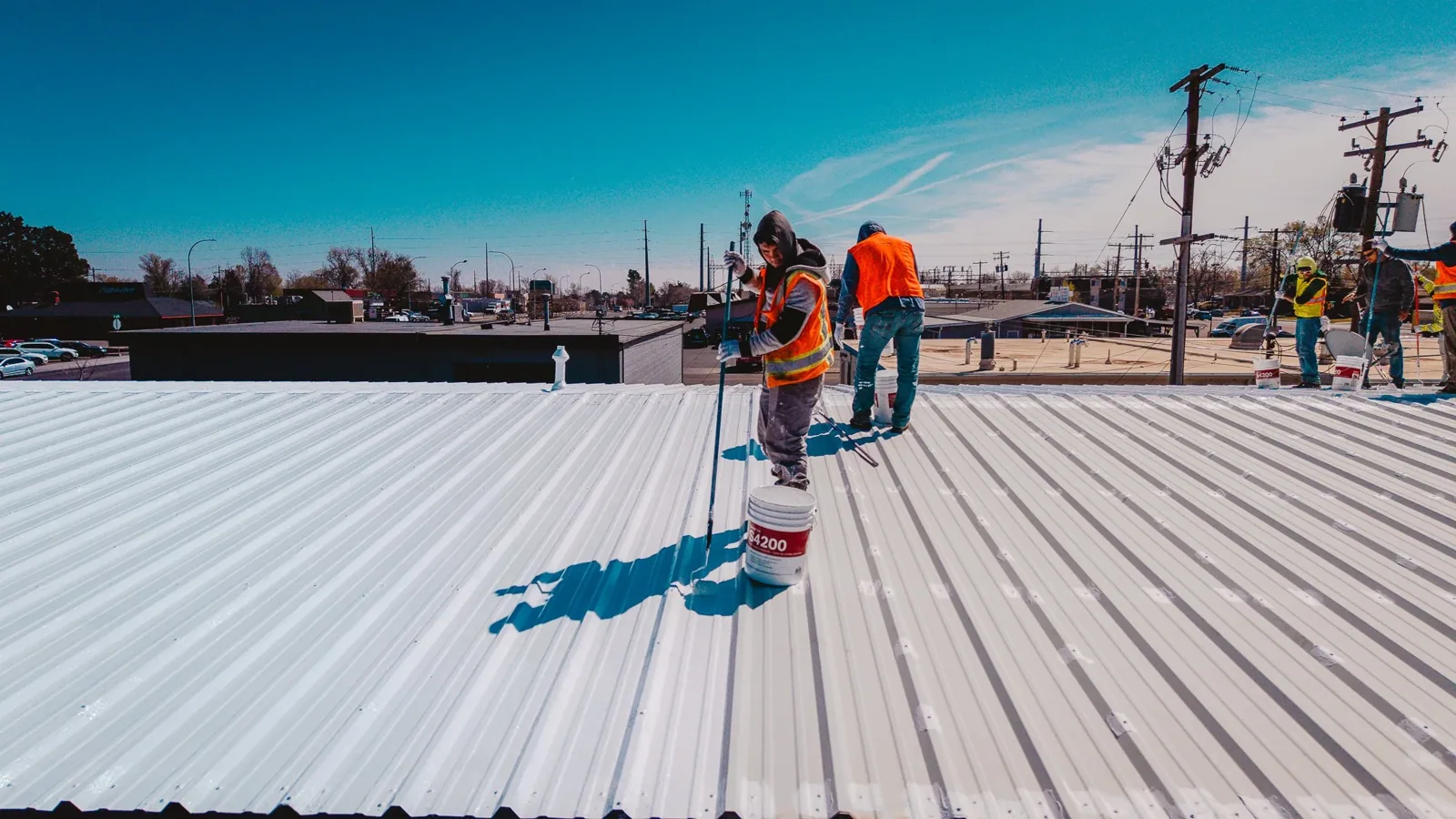
PVC roofing in Glendale, AZ, with chemical exposure review, heat-welded details and a roof package tied to the building schedule and weather plan.
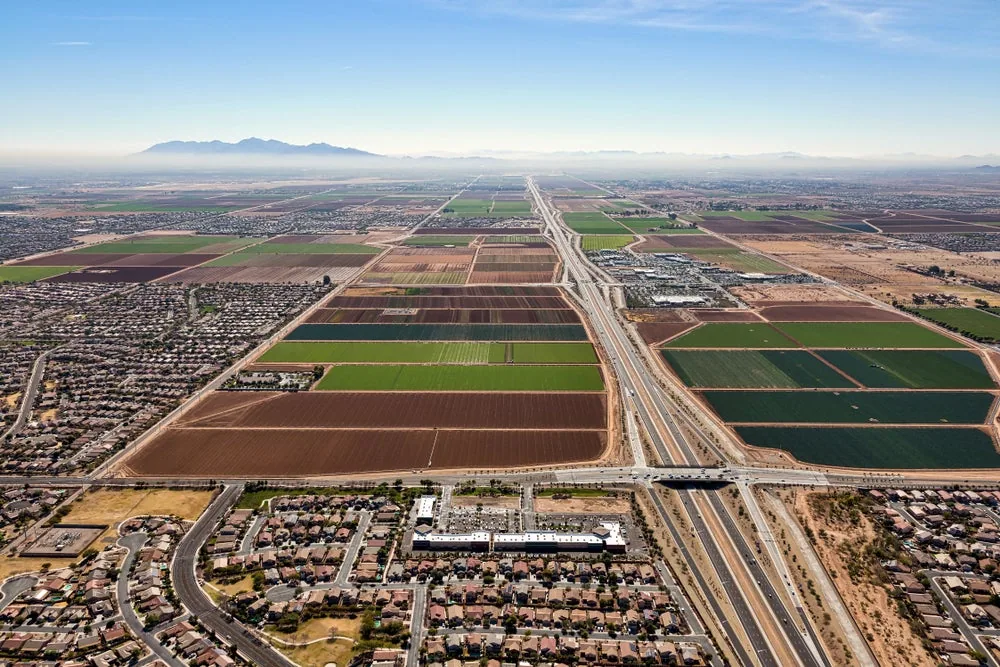
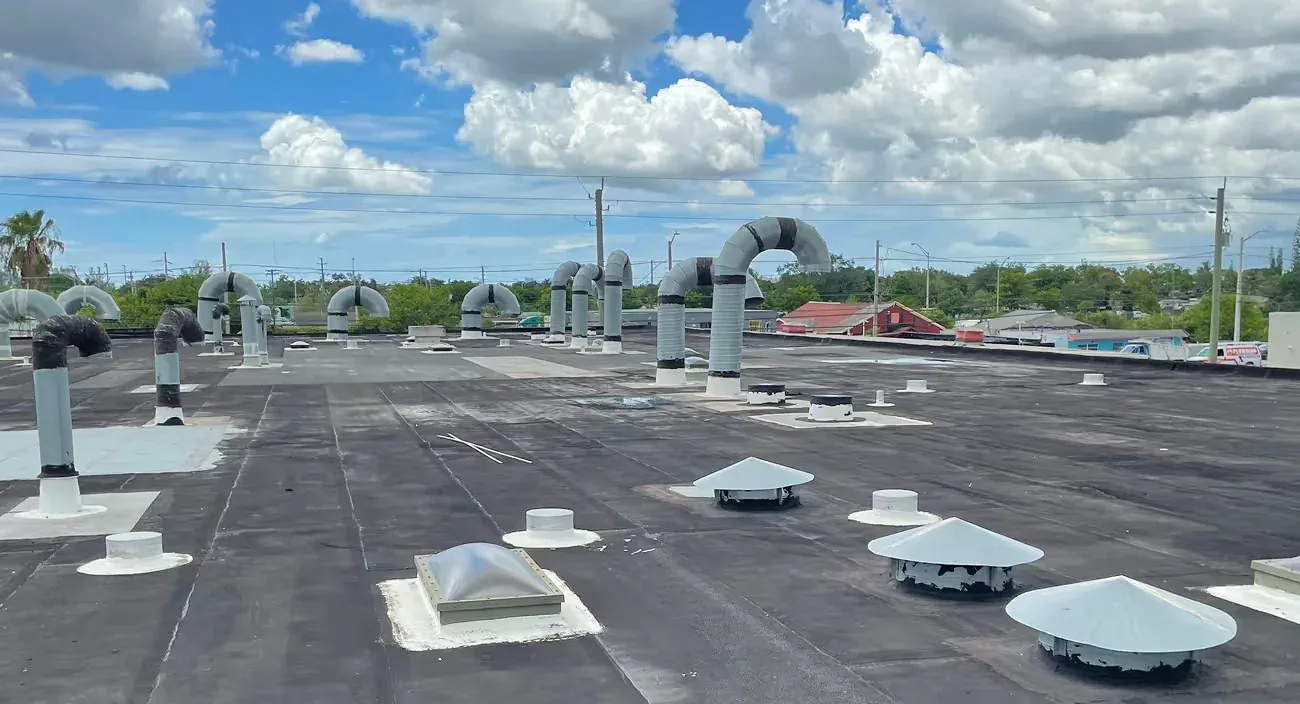
A Loop 303 logistics project can put a roof package beside exhaust, rooftop equipment and a fixed turnover date. PVC is one thermoplastic membrane option, but choosing it requires more than noting the product family. The GC needs exposure, substrate, attachment and connection details resolved for the assigned roof area. Glendale's long, hot season also makes the installation sequence and shaded material staging part of the discussion before the deck sign-off.
We review the available roof records and accessible conditions, then describe the assembly that the proposal carries. That includes the selected membrane, underlying layers, wall transitions, penetrations and drainage. If the building's use creates a chemical exposure question, we identify the source and ask the manufacturer documentation to address that specific condition before the product decision is locked.
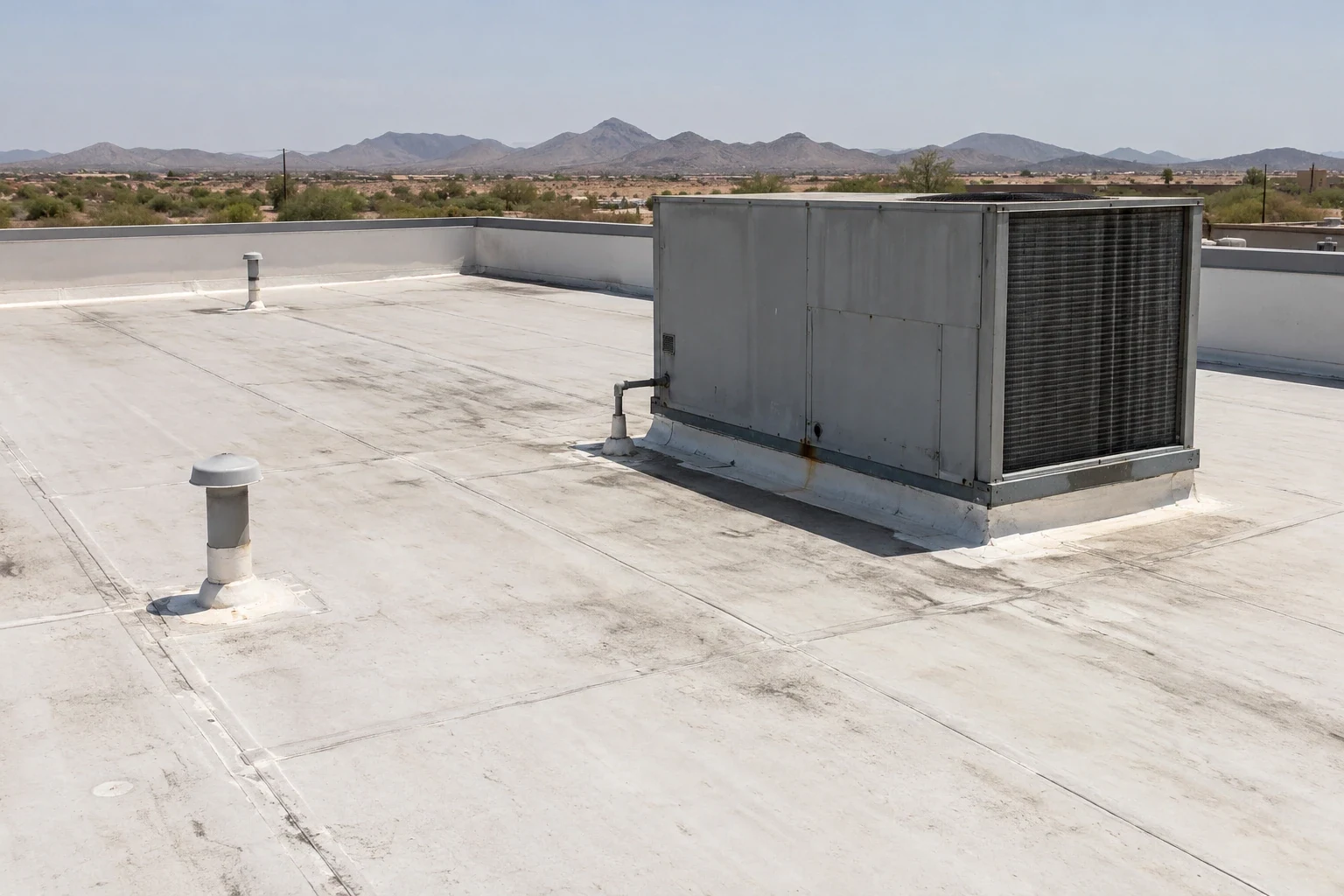
Identify the exposure before selecting the sheet
PVC roofing is a thermoplastic single-ply system. Manufacturer literature describes PVC formulations and accessories for different applications, including products with KEE polymer. Those names do not make every formulation interchangeable. We identify the proposed product and compare its documented limitations with the actual exposure information supplied for the building. A process discharge, grease exhaust or maintenance chemical should be located and described rather than reduced to a broad guess about what the roof encounters.
The GC can use that information to resolve a product question before procurement. Where exposure remains uncertain, we define the sample, records or manufacturer review needed to close it. A KEE membrane selection also needs its own product documentation and assembly. It should not be treated as a generic PVC substitute because the two names are sometimes discussed together.
For a site near the Loop 303 industrial corridor, confirm which rooftop exhaust or process areas are part of the assigned building. The corridor itself does not establish what a specific facility emits or what membrane it needs. The roof package follows verified building information.
Detail the welds and transitions
Field seams in PVC are heat welded under the selected manufacturer's application requirements. Conditions, preparation and equipment settings matter to the finished joint. The scope should locate field seams, corners, penetrations and wall work, then identify the checks needed as each area closes. We retain those locations in the project record so a question at turnover can be tied to a specific detail.
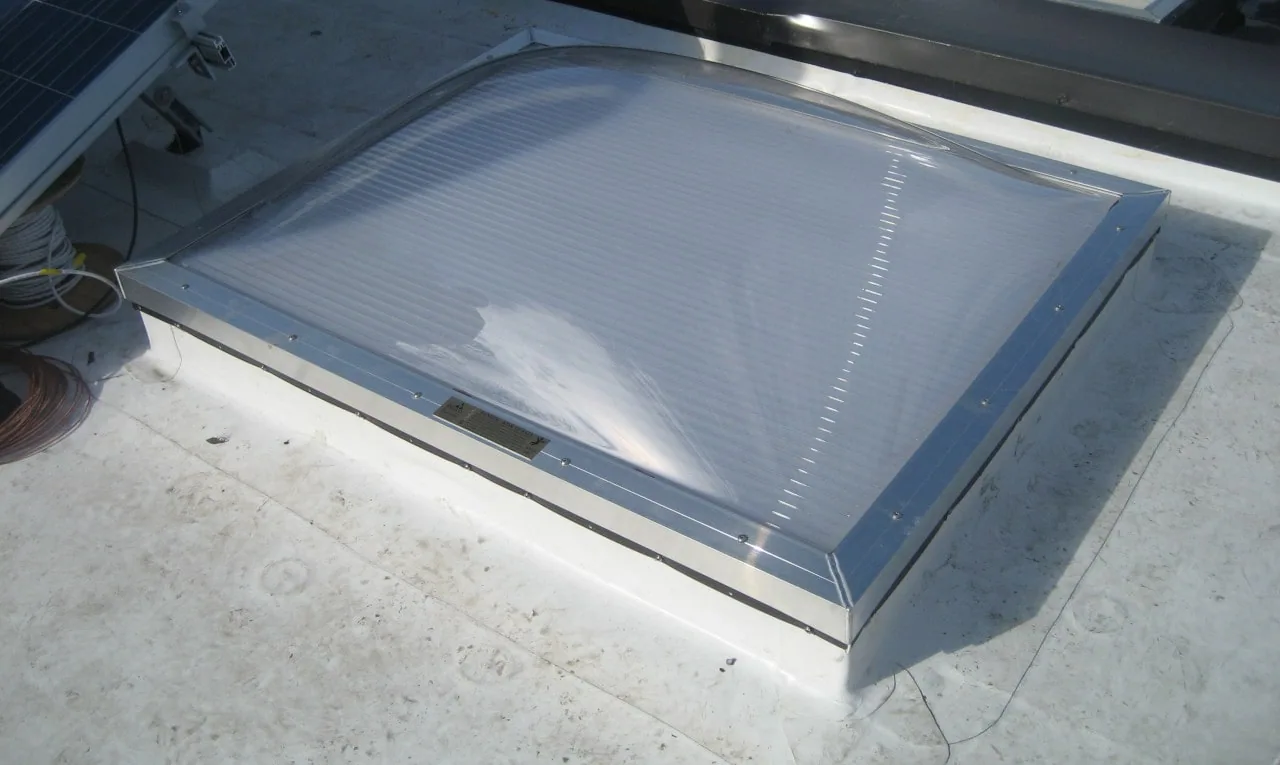
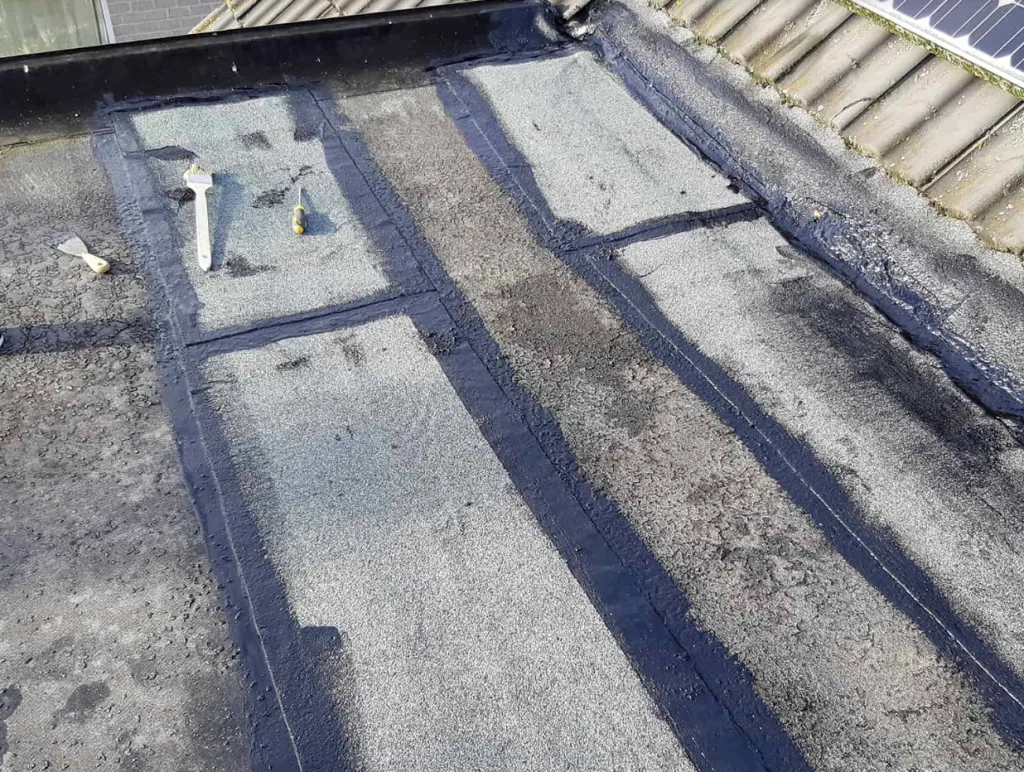
Accessories must match the selected membrane system. A metal flange, pipe boot or curb flashing requires a designed transition into the field sheet. Old coatings, residue or a previous repair can affect preparation where new material is meant to connect. We inspect the receiving surface and describe any removal or cleaning that belongs before the permanent weld.
A TPO assembly uses heat-welded seams too, yet the membrane family and specified details differ. Penetration flashing should show curb or pipe geometry, supporting condition and the weather connection rather than relying on a typical detail with no field dimensions.
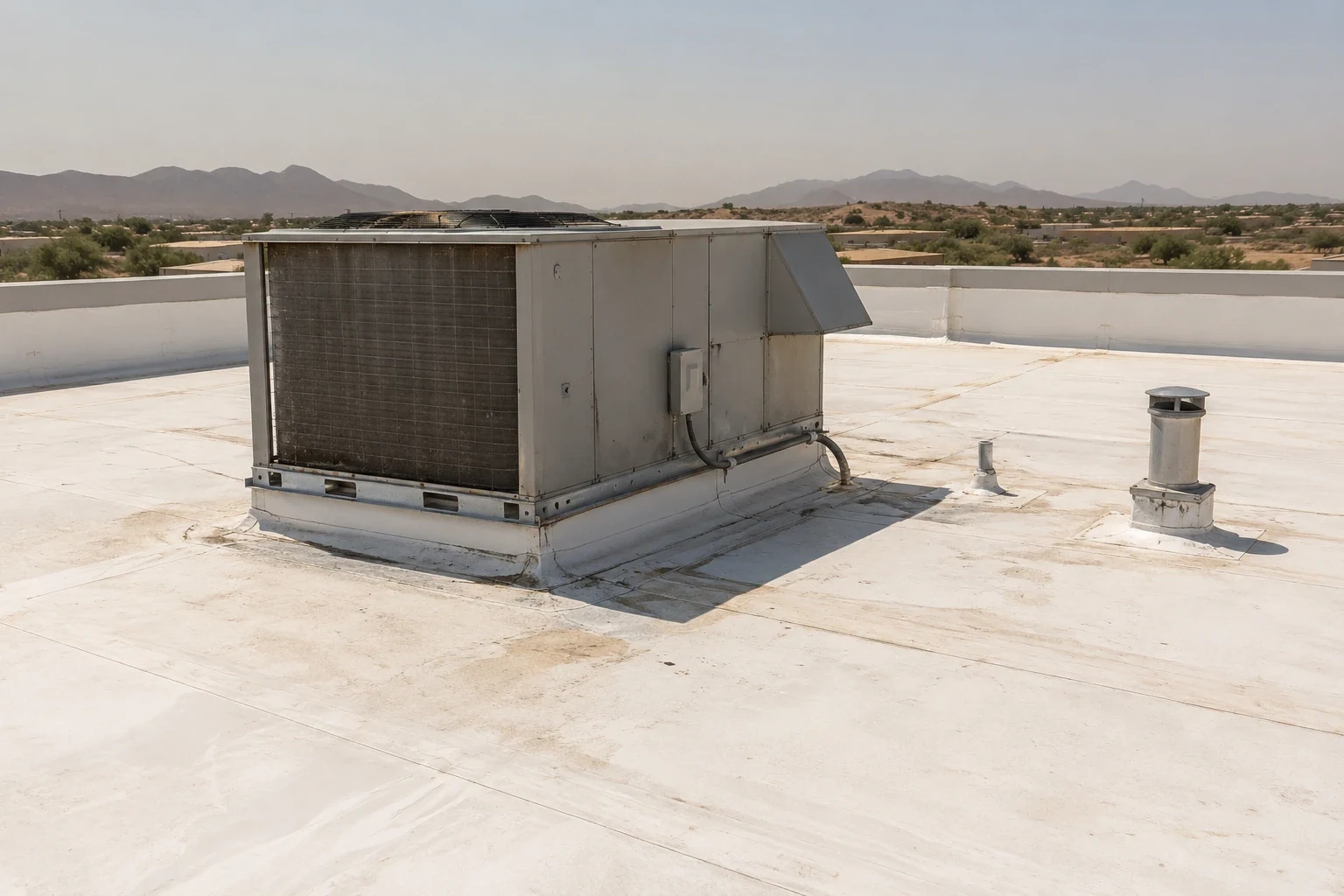
Carry the substrate and attachment through the bid
The receiving deck and insulation determine which attachment approaches can be specified. We review drawings and accessible construction, then flag any condition that needs confirmation before fastening or adhering. Fastener patterns and uplift design are project-specific. A general description of the West Valley wind or a membrane name cannot substitute for the accepted assembly information.
State each insulation and cover-board product, thickness and layer order, including where existing construction stays. If a recover is under consideration, assess moisture and the existing layers before fixing the new roof scope. Insulation and cover-board coordination should resolve the build-up, while a separate recover review establishes whether retained material is suitable for the new work.
Document locations where the GC expects deck sign-off. If opening the roof changes what can be retained, show the finding and its effect on quantity before covering it. That gives the owner a clear decision point tied to exposed construction.
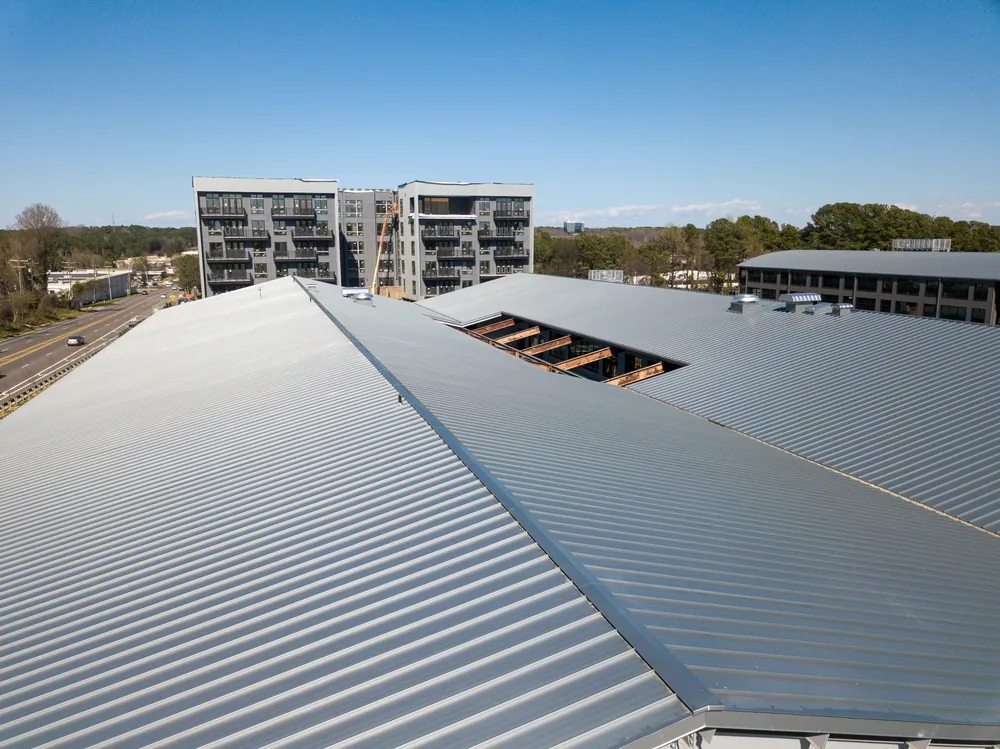
Set the heat and monsoon sequence
During a Glendale summer, the roof surface and materials can face intense solar exposure. Schedule work with the manufacturer application limits, safe crew conditions and the daily protection line in mind. Keep rolls and adhesives stored as instructed, establish early work windows where useful and identify who checks an unfinished edge before the crew leaves. Those details convert a seasonal weather concern into tasks the superintendent can schedule.
The monsoon period brings a different schedule risk. Define the maximum area opened at one time, temporary water shedding and how a stage is secured if a storm interrupts installation. The Westgate Entertainment District includes dining, retail and entertainment venues. For work at an occupied property there, confirm its representative, access hours, lifting windows and work boundaries before sequencing deliveries. Confirm the property-specific delivery route and operating limits with the facility representative.
Where rain entry is already reported, a leak investigation locates the affected construction before the crew prices a permanent PVC correction. Emergency dry-in work can protect an exposed area while the permanent scope is developed.
Close with product and detail records
At completion, record the installed PVC product, assembly layers, roof areas and changed details. Keep approved substitutions and the manufacturer's current installation information with the project file. Mark tested or reviewed joints and describe unresolved work by location. A short note that a PVC roof is complete leaves the next service visit without enough information to distinguish this installation from another thermoplastic system.
Walk the edges, drains, wall terminations and rooftop penetrations included in the scope. Confirm that other trades completed their assigned support or equipment tasks before the roofing stage is accepted. The GC can then reconcile the physical work with the turnover checklist and identify any remaining action by trade.
After turnover, planned maintenance can note visible changes and route a repair request. Maintenance records describe the conditions found at that visit; they do not certify concealed layers that were outside the inspection.
More on PVC Commercial Roofing
Commercial Roofing Questions
When should a project choose PVC over another single-ply system?
Start with the documented exposure, assembly requirements and full detail scope. We compare the actual roof conditions and product information, then show the GC what changes between PVC and another specified system.
Which process chemicals must the roof specification account for?
No single membrane label settles every exposure question. We identify the substance and contact conditions from the facility information, then check those details against the selected product documentation before procurement.
How are PVC seams checked?
The manufacturer procedure governs preparation and heat welding. We include seam and flashing locations in the work plan, allow access for field checks and keep the results with the roof-area record.
What affects the schedule for a Glendale PVC roof?
Deck readiness, rooftop equipment work, temperature limits, material staging and monsoon protection all affect the sequence. A pre-roofing meeting assigns those dependencies against the turnover date.
Resolve PVC exposure and detail questions before procurement
Bring the facility exposure information, roof plan and schedule to the pre-roofing meeting. We will define the selected assembly, weld checks, heat plan and monsoon closeout with the GC.
Next steps for your building:
Related Roofing Work
More commercial roofing work for Glendale and West Valley properties.