Glendale Healthcare Commercial Roof Repair
Home / Industries We Serve / Healthcare Systems
Request A
Roof Assessment
Tell us about the building and the roof. We reply with the next practical step for your property.
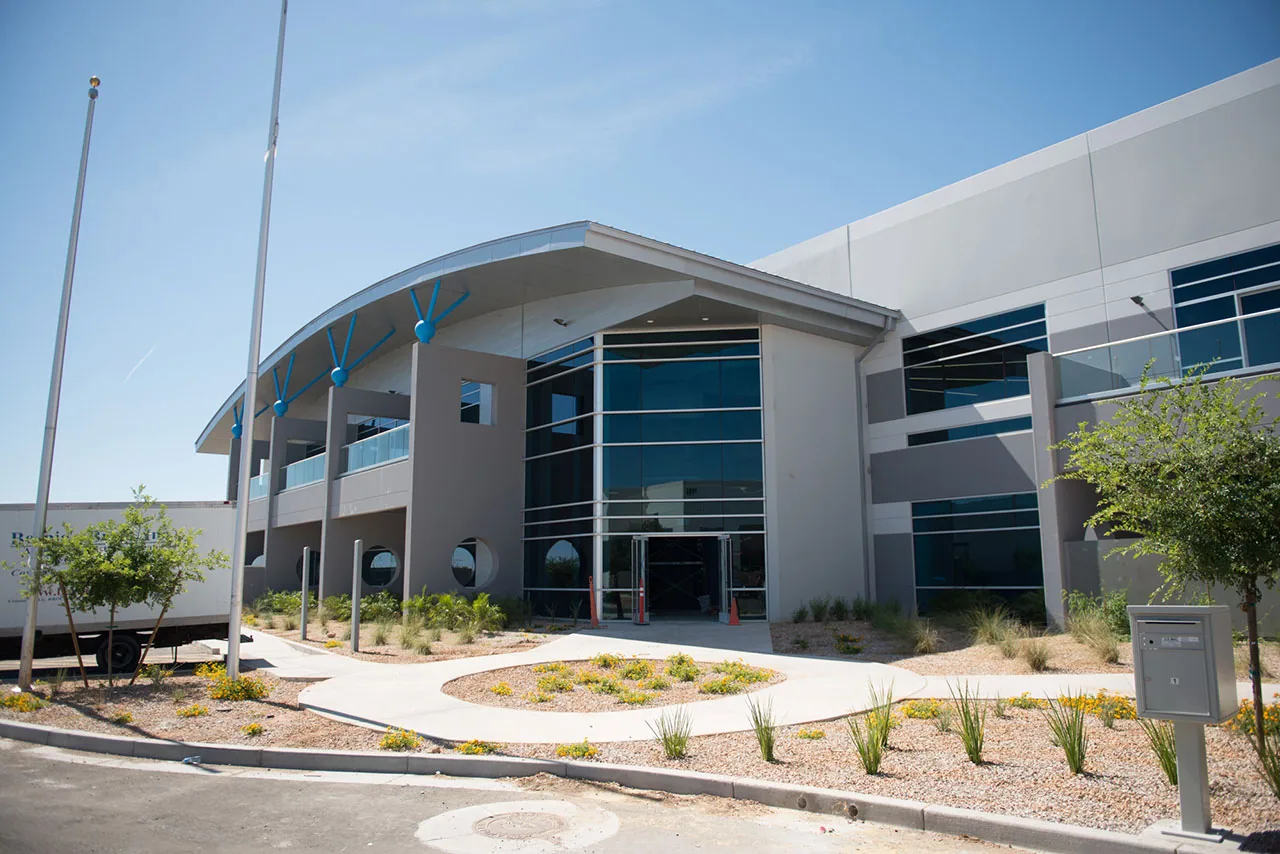
Plan Glendale healthcare roof repair with facility-provided protection instructions, clear component responsibilities, suitable closure and practical turnover.
A healthcare roof package needs the facility's protection instructions beside the proposed construction before an opening is made. Commercial Roof Repair Glendale reviews the roofing condition and asks the responsible facility representative which requirements affect the work area and sequence. The regional June 15 through September 30 monsoon window makes forecast review and suitable closure part of the pre-roofing meeting. Explain who receives the roof condition when a planned work period changes, with the owner and general contractor aware of the task still required.
In Glendale, AZ, 5555 West Thunderbird Road is the address of Banner Thunderbird Medical Center. For a healthcare property nearby, provide its actual address and facility contact. We examine that building's roof and review the directions supplied for its own work. The Thunderbird Medical Corridor review can help arrange a located roofing appointment, while each facility retains its material findings, access contacts and construction approval. The roof package should give those representatives an operation they can review and a practical building condition to receive.
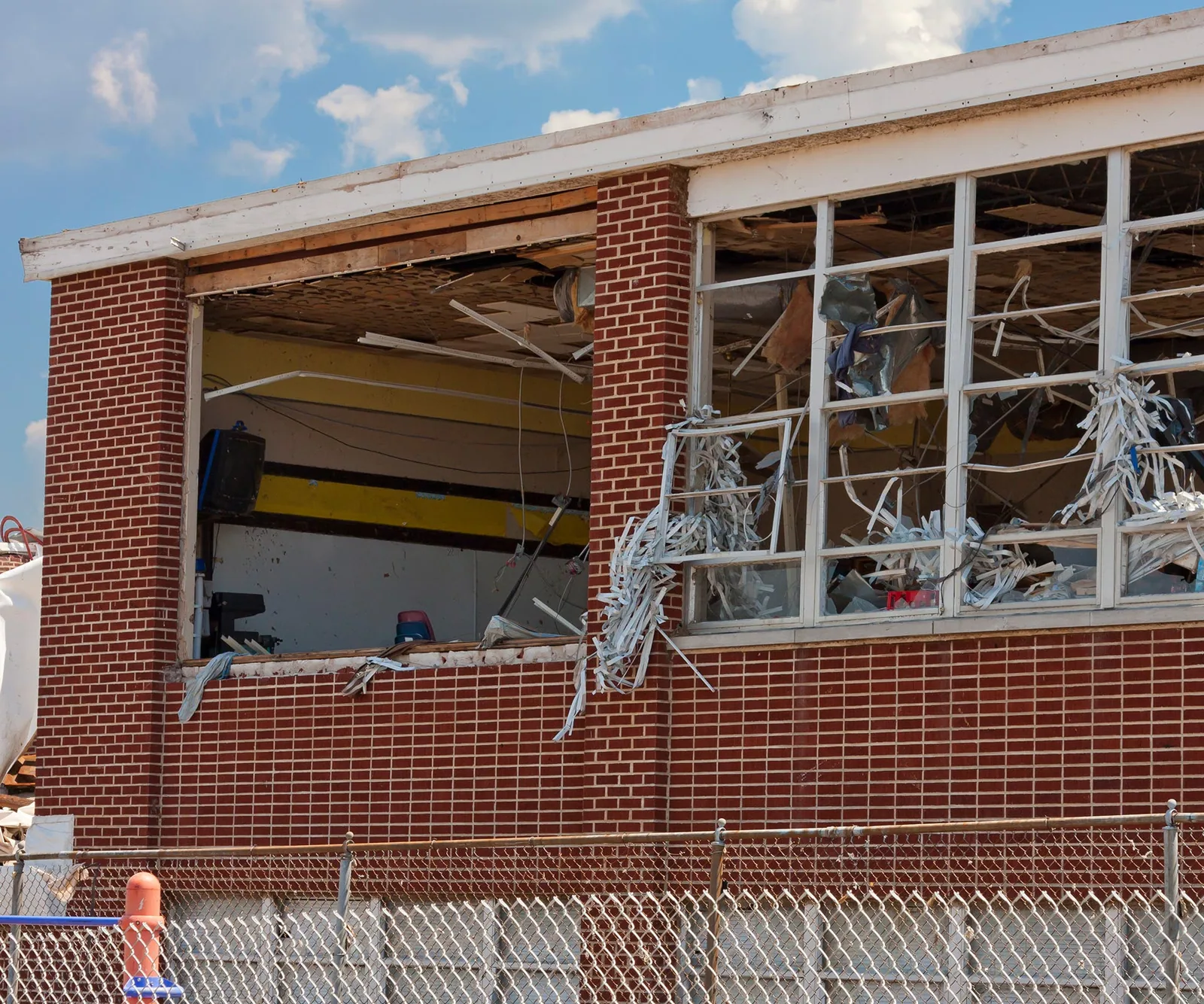
Bring facility protection questions into the first meeting
Ask the designated facility contact whether infection-control, dust, noise or air-intake instructions apply to the proposed work. Obtain the directions and the representative who can resolve a question before construction is arranged. We describe removal, cleaning and material handling so the facility can review the actual operation. A small flashing correction and a broader removal area may need different arrangements. Explain the footprint and planned protection rather than assume that the roof method alone answers the building's requirements.
The owner and general contractors need these supplied instructions connected to the sequence. Identify roof entry, staging and any occupied areas requiring protection. Discuss how a requested route or timing change would affect equipment, the manageable opening and suitable closure. We explain the practical construction consequence for review before scheduling. Keep the facility contact available for a changed instruction, with the work package describing the operation those directions are intended to support and the person receiving its condition afterward.
Investigate reported water before assigning its correction
Get the reported interior location, timing and recent equipment or roofing changes where known. We examine accessible membrane, seams, flashing and outlets alongside that history. The interior mark may have followed a concealed route and cannot alone select the exterior entry. Explain the roof connection the findings support and the question still requiring inquiry. If equipment may be involved, identify the separate representative for its examination. The facility can arrange an understood next task instead of assuming that a visible water concern needs only a nearby patch.
Commercial roof leak repair should locate the affected detail and compatible reconstruction. Describe the preparation and adjoining material required for a puncture patch, failed-seam correction or flashing transition. Keep another unresolved water path distinct from the connection being repaired. If further inquiry affects the construction decision, explain its area and purpose for facility review. The general contractor can then arrange access and protection around the actual examination, and the receiving contact can follow which concern the completed operation addresses.
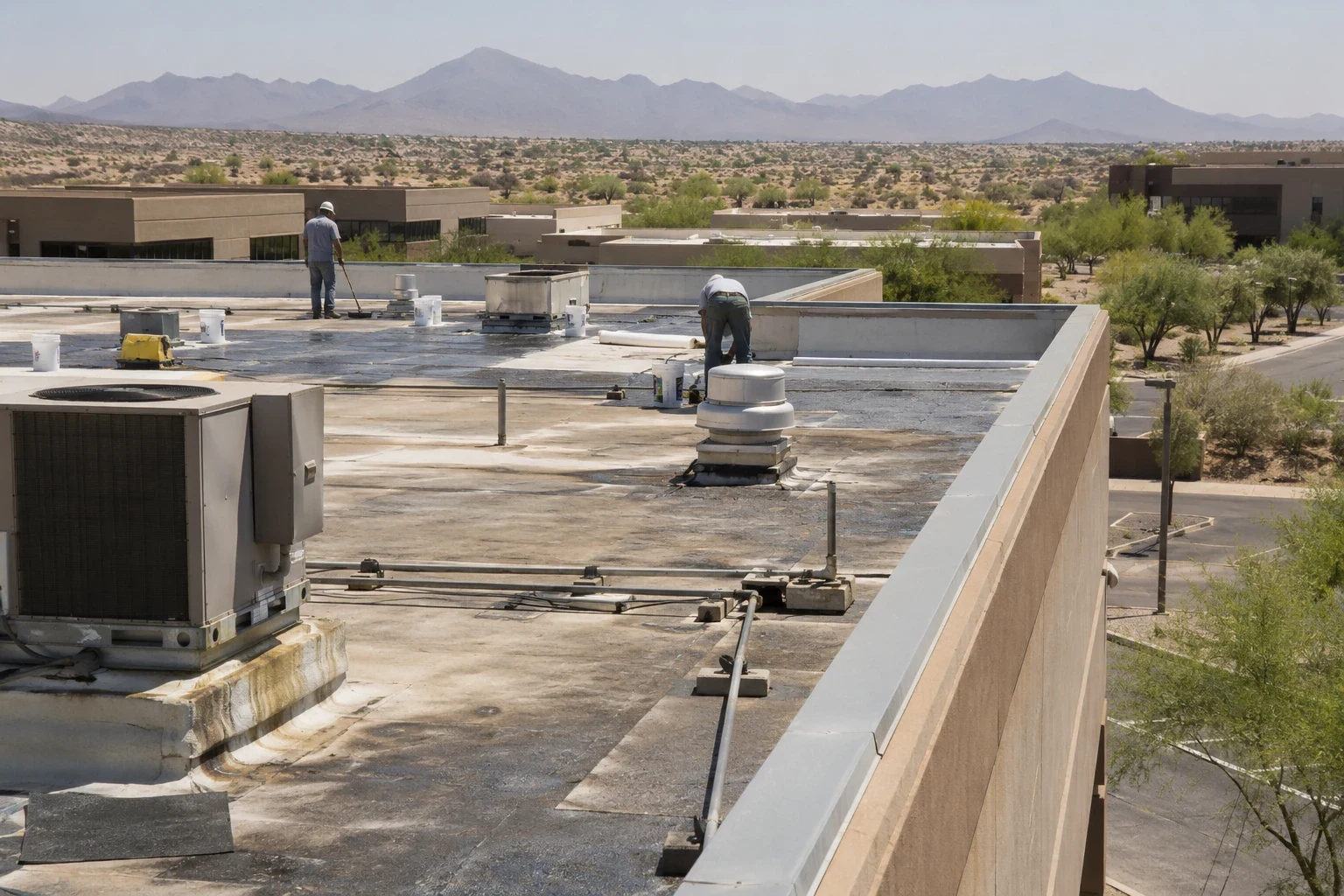
Assign component handoff before dismantling a transition
A curb, wall or equipment penetration may involve another representative before final roofing is possible. Identify the separate component task and which roof connection depends on it. We explain the practical sequence before flashing is removed, including suitable protection while the adjoining operation remains incomplete. The facility should understand who arranges that task and who authorizes a changed connection if opened material reveals another defect. An approval for roofing should not silently become an approval for an unspecified equipment correction.
For an additional healthcare building in Peoria, preserve the component contacts and facility directions applicable to that property. Related reviews can share scheduling without carrying one building's instructions into another roof package. Property management companies can help keep those contacts and unfinished tasks available to the responsible owner representative. At this Glendale facility, explain the transition received at a pause and the operation still needed, so the building contact can follow component handoff through the actual final roofing visit.
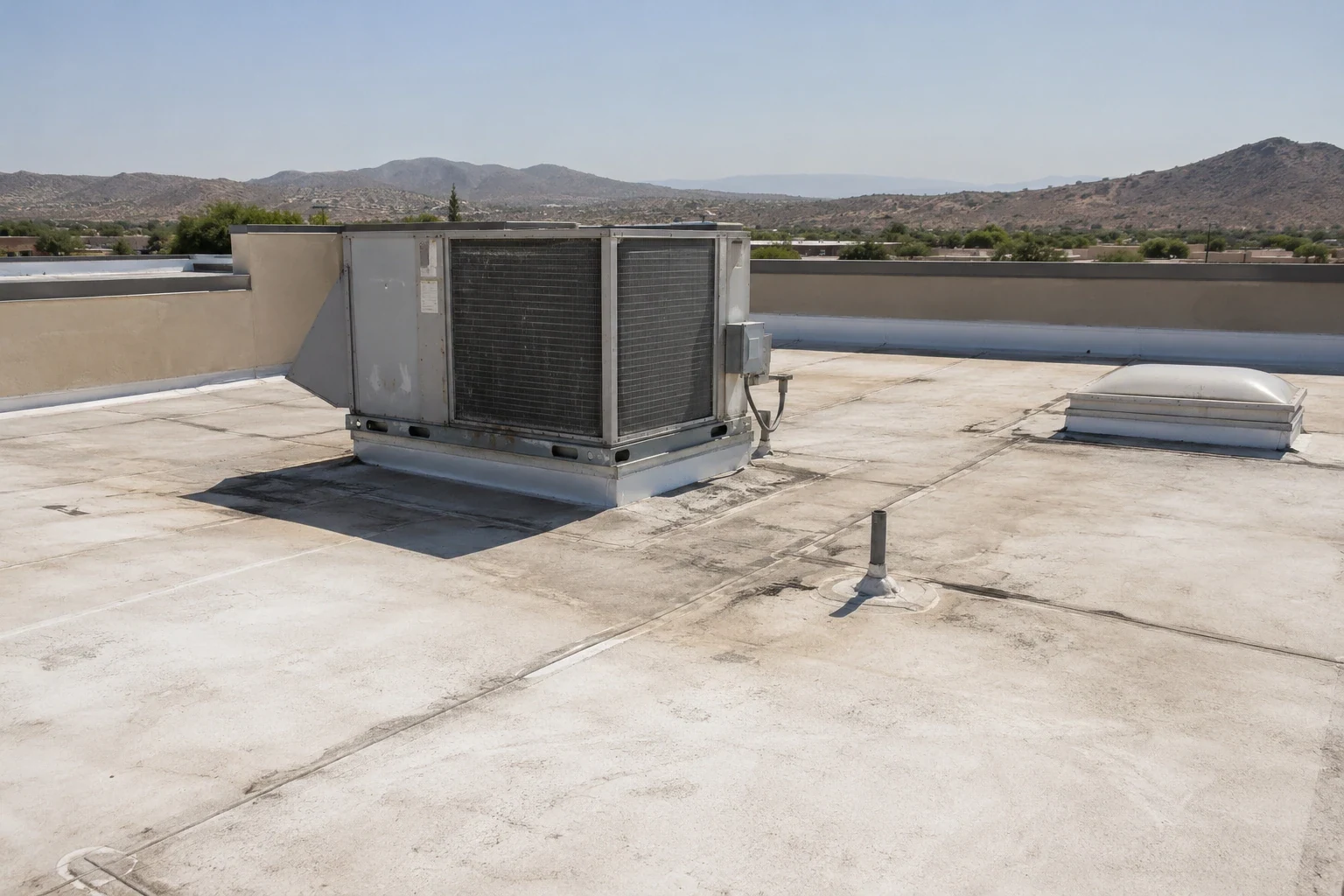
Compare repair and larger work through the facility footprint
Identify the membrane and examine material relevant to the proposed correction. Moisture, deterioration, attachment or support questions may require further inquiry before retained layers are selected. We explain how a finding could change local repair or a wider recover or replacement assessment. Describe the next examination and practical area needed, allowing the facility representative to review protection beside its construction purpose. The owner can approve an understood task and compare suitable choices through the material being retained or removed.
Occupied-building reroofing should connect the removal plan with the facility's supplied requirements. Compare a short local operation with phased broader work through their actual openings, handling and return tasks. A smaller footprint can affect coordination but does not establish roof suitability. Explain the reason for wider assessment and information still needed before choosing it. Discuss a manageable opening and end-of-period closure, giving the general contractor a practical plan the facility can review before construction is arranged.
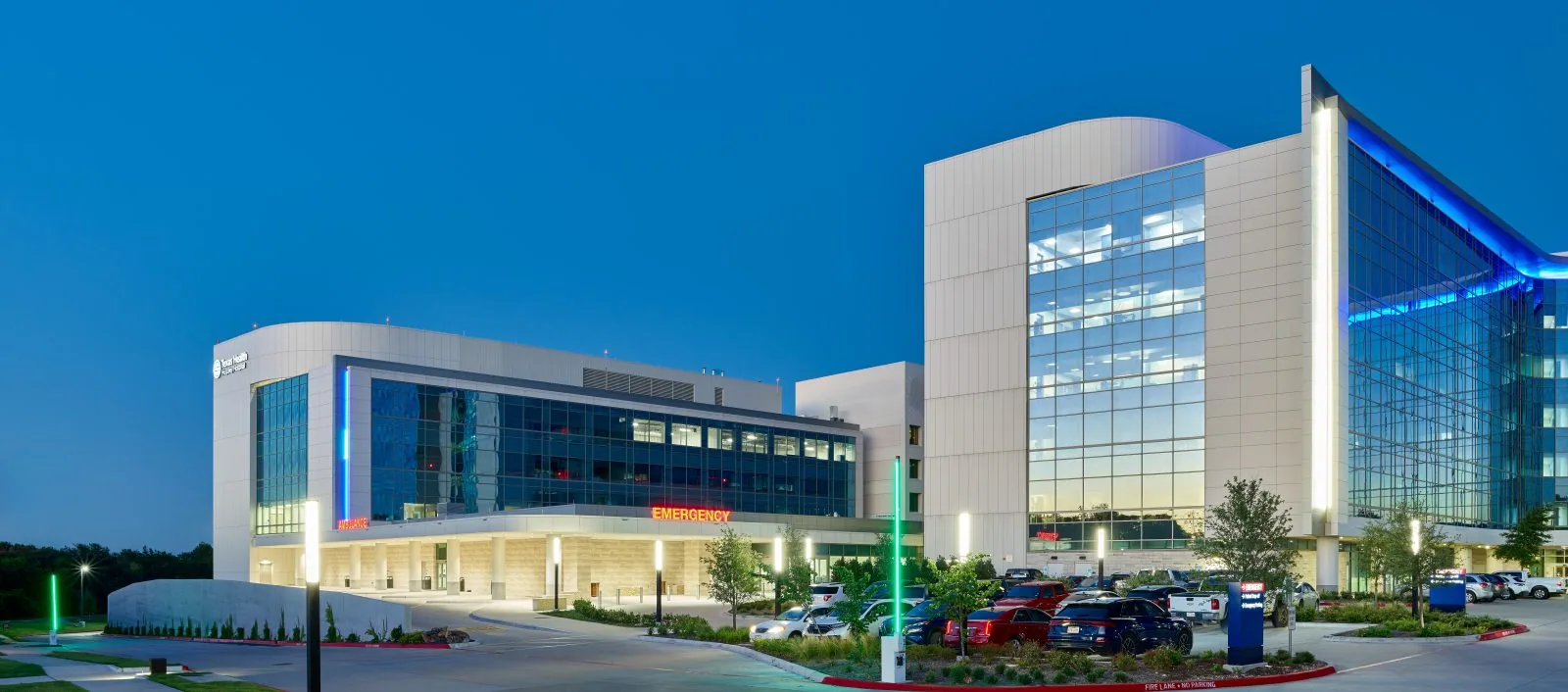
Describe readiness and the condition received across work periods
A treatment method needs suitable retained material and a compatible receiving surface. Identify the membrane, correct failed details and describe cleaning and preparation before application. Ask the facility contact to review the proposed handling against any supplied dust or intake instructions. Surface condition and the selected method also affect readiness. We explain a needed pause and the roof state received, keeping the unfinished application and responsible follow-through visible rather than assume that the next work period will complete itself.
Roof coating restoration should retain the locations and useful photographs of covered repairs. Explain another concealed-condition question separately from preparation ready to proceed. If forecast review changes the operation, preserve suitable closure and describe what remains unfinished. The receiving representative needs the actual roof condition and next task, including any facility instruction or component visit needed before resumption. Keep that handback useful across work periods so the owner and general contractor can arrange a return through understood construction.
More on Healthcare Systems
Approve adjustments and leave the facility a useful record
Locate an added defect and describe its correction before widening the approved area. Explain the amount, practical sequence and protection effects to the owner and facility representative. Keep the receiving condition understood while the adjustment is considered. Proposal comparisons should include detail reconstruction, preparation, affected layers, handling and occupied-area protection. A separate component visit or further examination needs a defined task. We explain those differences so the facility can review the roofing operation alongside its supplied requirements.
Roof warranty management keeps applicable written documents with the located correction and approved changes. Preserve useful concealed-work photographs and explain any remaining investigation or construction at the owner walk. Name the person arranging its next operation and keep the facility contact informed of the practical receiving state. A later water concern can then be reviewed against the prior roof account. Turnover should leave the responsible representatives an understood repair boundary and useful follow-through wherever another visit remains required.
Commercial Roofing Questions
Which facility instructions should the first meeting address?
Ask the designated representative about protection, dust and air-intake requirements applicable to the proposed operation. We describe the footprint and handling so the facility can review them before scheduling.
How should equipment involvement be arranged?
Identify the component representative and separate task before dismantling the transition. Explain suitable protection and the roofing operation that depends on the component being ready.
Can a local repair be compared with phased removal?
Review suitable methods through their findings and actual openings. Include the facility instructions, handling and closure needed for each proposed work period.
What does an interrupted operation need at handback?
The receiving contact needs the roof condition and remaining task explained. Keep the next representative, facility instruction and component visit visible where they affect resumption.
How should an added defect affect owner approval?
Locate the finding and explain the correction first. Review its amount, protection and sequence effects while keeping suitable closure and the facility contact informed.
Review the healthcare roof and facility directions
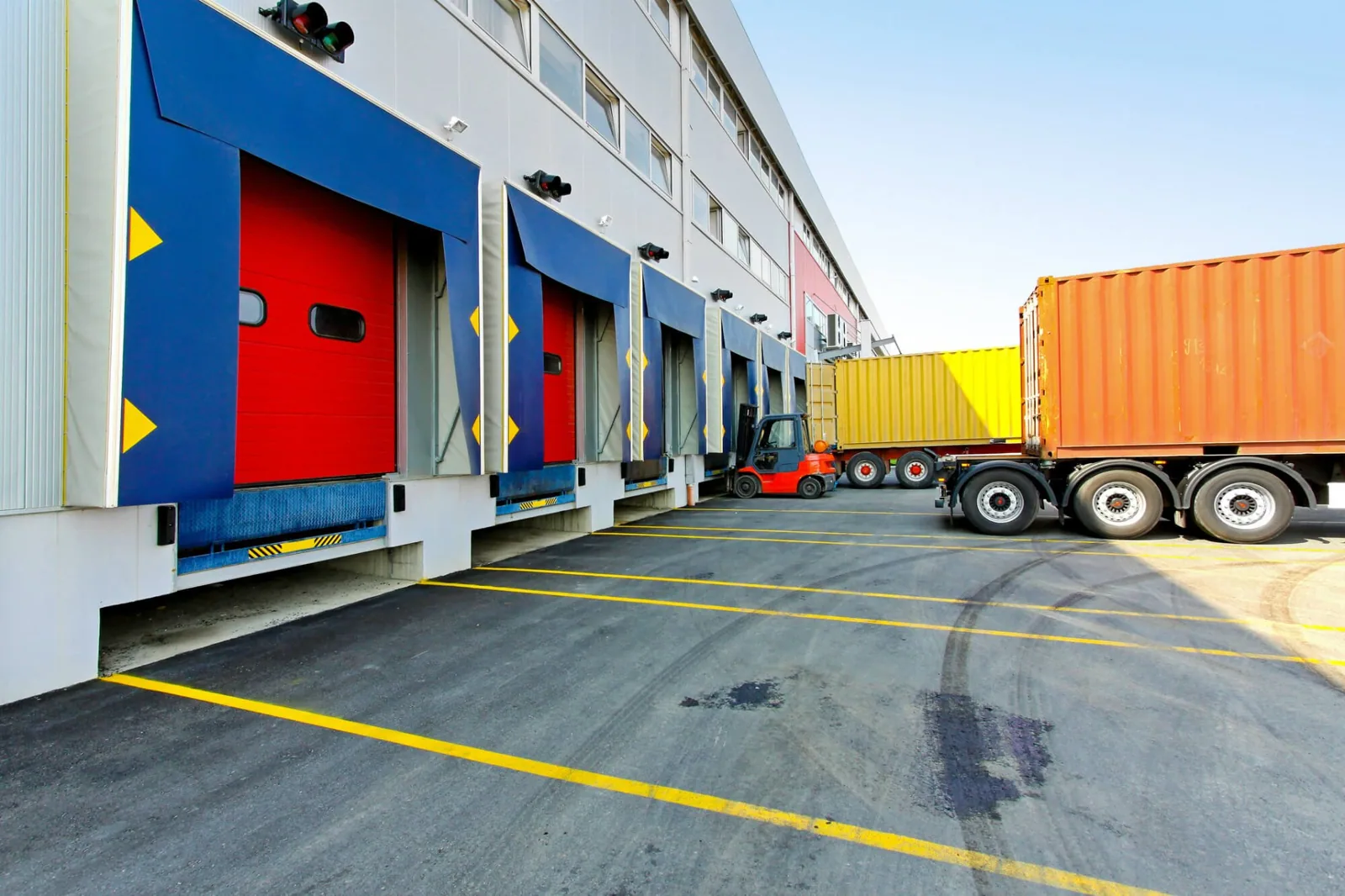
Arrange a pre-roofing meeting for your Glendale healthcare property. Provide its address, reported concern and designated facility representative so we can explain suitable roofing work and review supplied protection instructions, component handoff and the condition received.
Next steps for your building:
Related Roofing Work
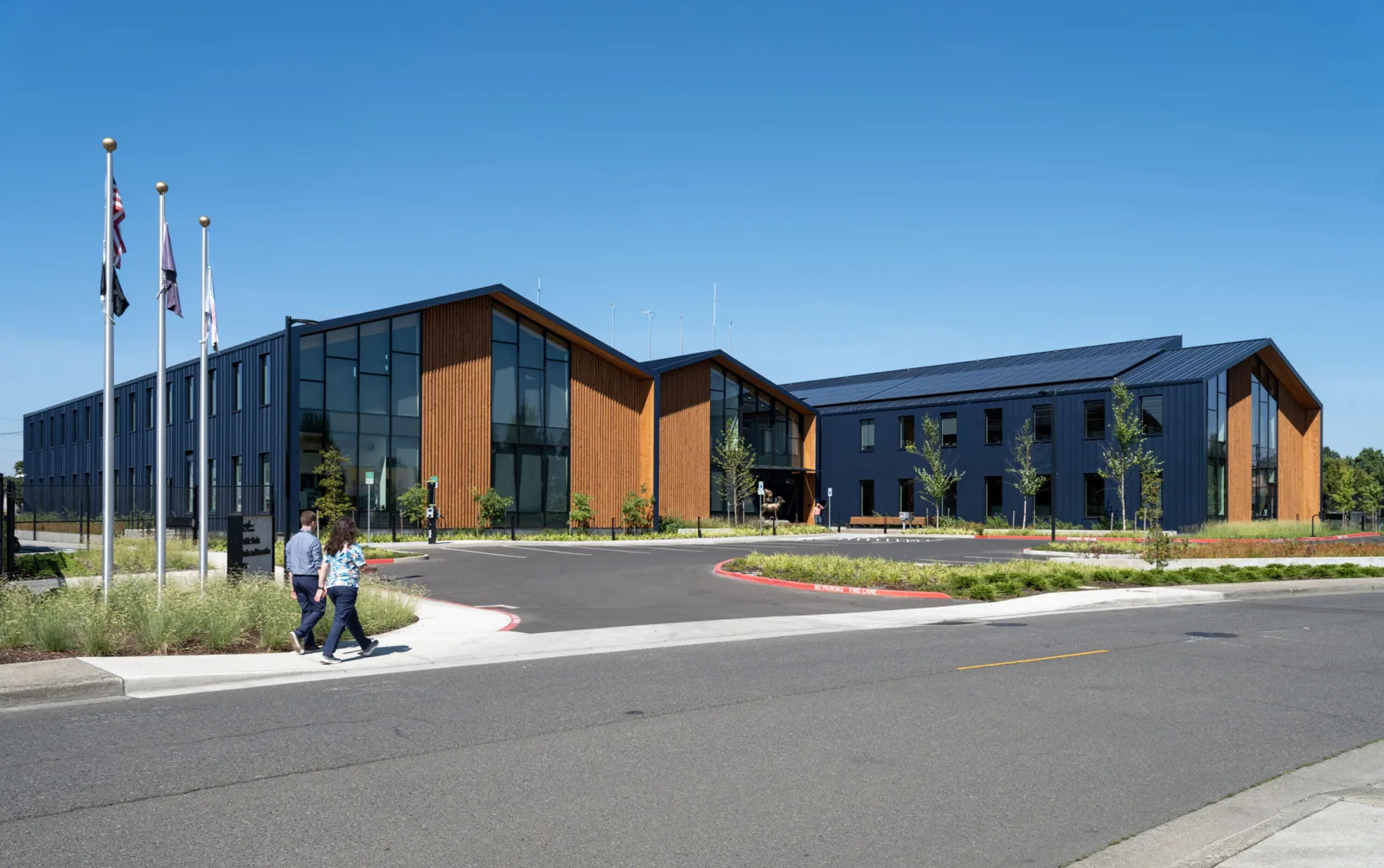
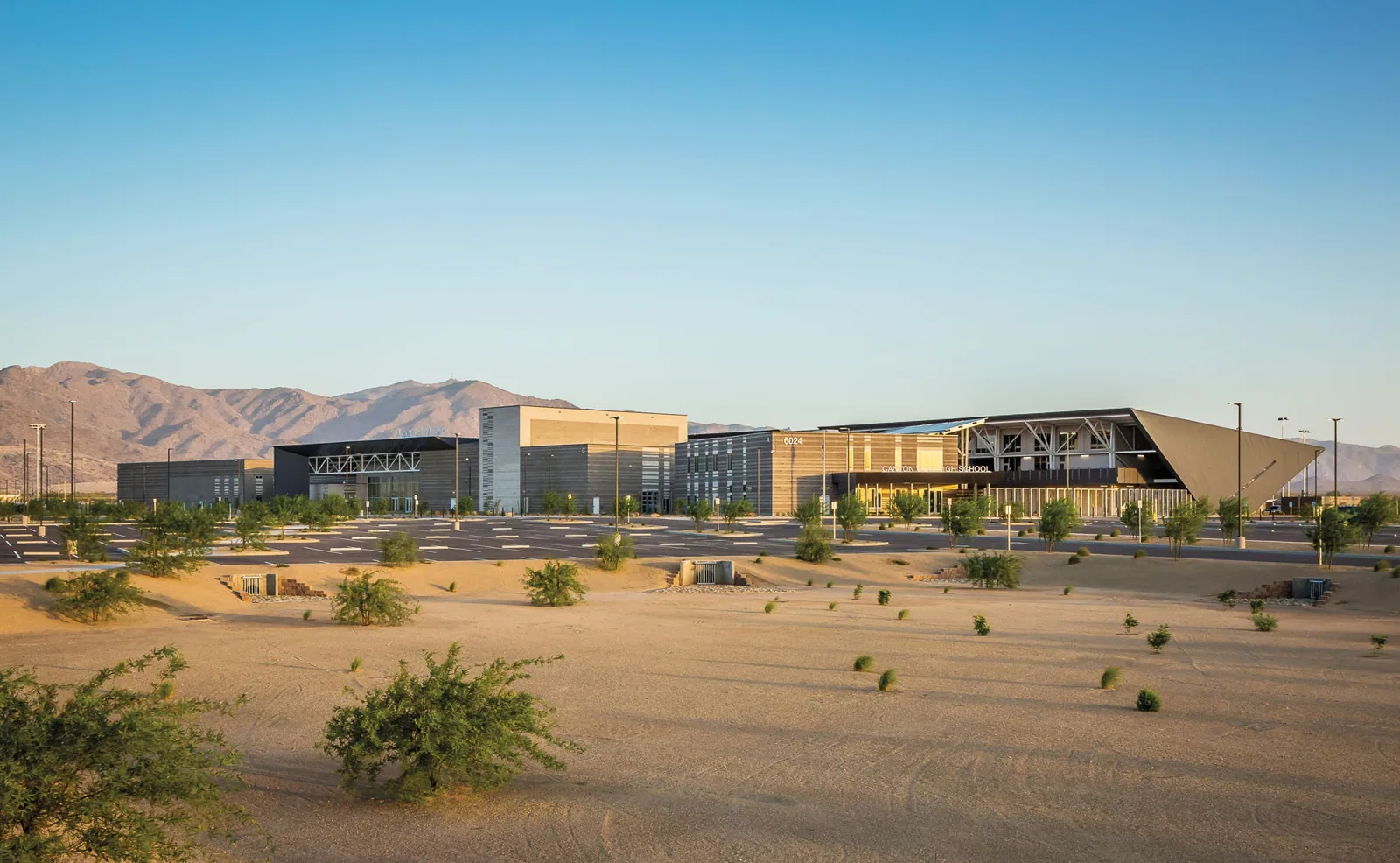
More commercial roofing work for Glendale and West Valley properties.