Commercial Roof Repair in Glendale, AZ
Home / Commercial Roofing Services / Commercial Roof Repair
Request A
Roof Assessment
Tell us about the building and the roof. We reply with the next practical step for your property.
Glendale commercial roof repair defines the affected detail, retained material and permanent correction, with staged protection and clear completion records.
Bring the incomplete repair boundary into monsoon planning before opening the roof. Periodic showers and thunderstorms are part of the Desert Southwest monsoon season. For a Glendale GC, the roofing task needs a developed permanent correction and a plan for protection if conditions interrupt that work. We would identify the material and supporting condition at the assigned area before scheduling the repair stage.
A repair starts with the particular concern, not a general instruction to patch every visible mark. Review the reported position and available roof information. Examine earlier corrections and nearby details that may affect the task. We return written findings that distinguish the condition established during that assessment from further investigation needed before permanent work is finalized.
Locate the repair before defining removal
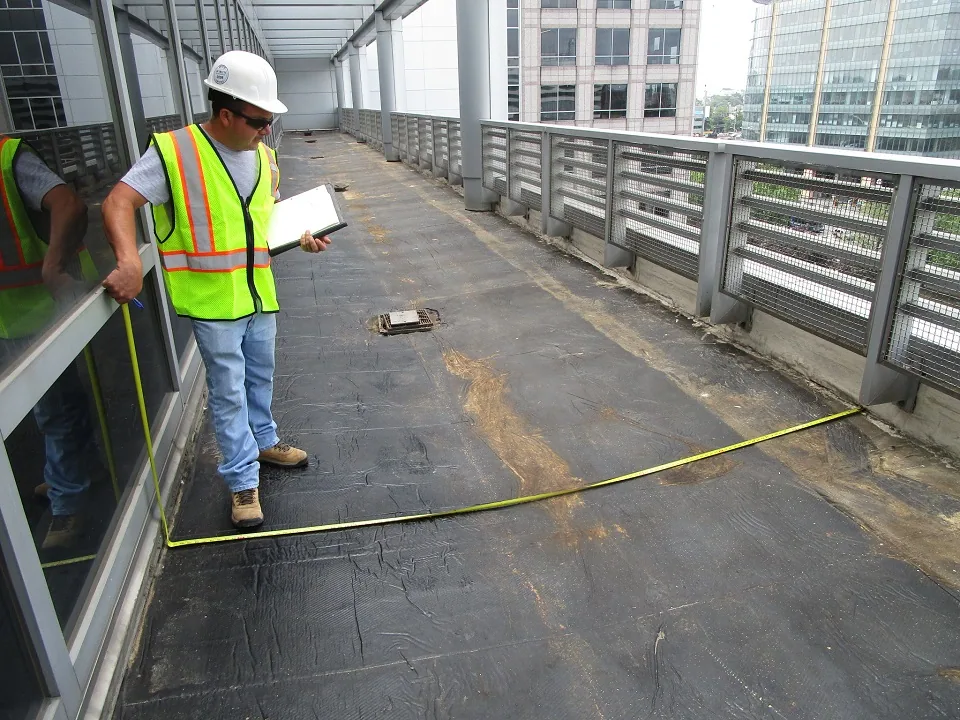
Establish the roof designation and affected area with the property representative. Review photographs, installation records and earlier repair descriptions where available. Walk the relevant construction and identify visible defects at their actual positions. Keep the reported concern separate from the condition found, particularly when the request began with an interior leak symptom.
A leak investigation may be needed to develop that relationship. Identify which detail has been examined and what further work remains to resolve the concern. A stain location alone should not determine the permanent roof repair boundary. We explain how the finding supports the proposed correction.
Where the visible roof does not establish concealed-layer condition, define the investigation needed at the relevant position. Keep its purpose clear: determine retained material, resolve supporting damage or develop the repair depth. The GC needs a usable next task, with the expected construction decision stated before an opening is made.
For a roof repair requested at State Farm Stadium, obtain the designated building area through its representative. Use 1 Cardinals Drive as the property reference for that assignment. We would examine the actual roofing concern there and develop the included correction from the condition established at the affected roof.
Identify the material receiving permanent work
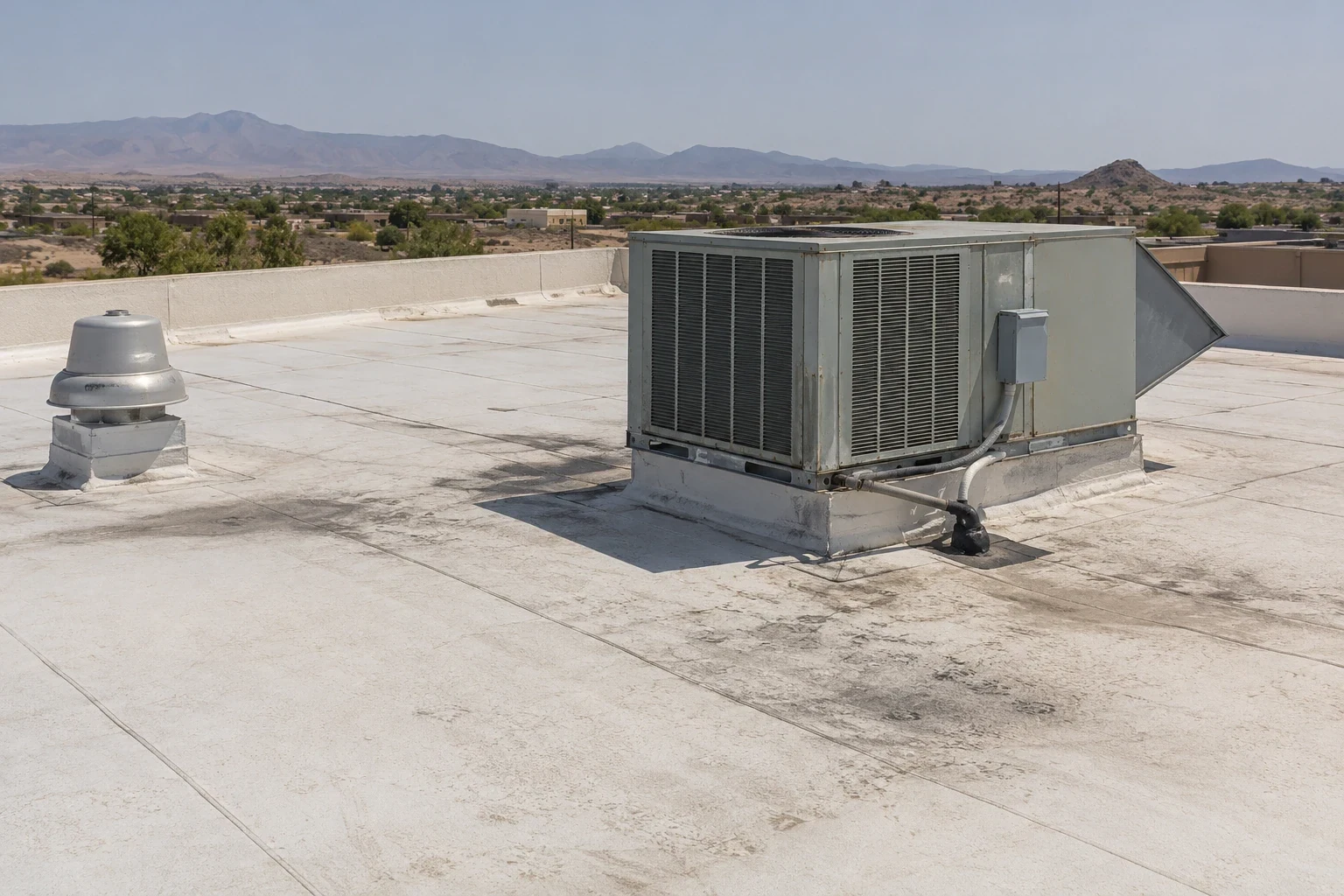
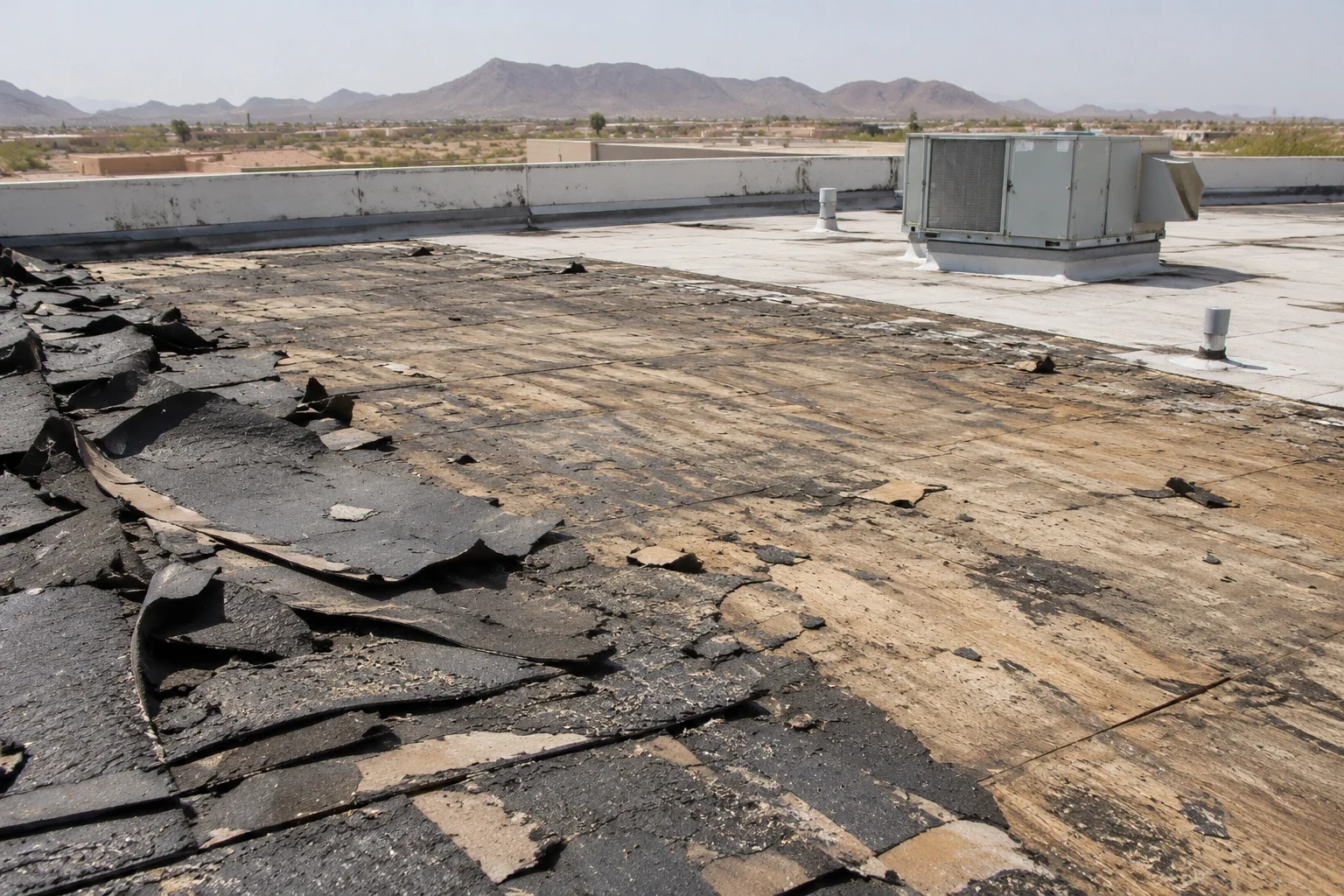
Review the installed membrane and earlier patch products at the intended connection. Establish material identity through examination and available records. Locate old coatings, adhesive or other repair material crossing the boundary. The permanent product should be selected for the actual construction rather than assumed compatible because the sheets have a similar appearance.
The TPO repair decision needs the particular sheet and applicable joining requirements. Review the surface where new work will connect. Define removal or treatment of earlier material as part of the proposal. A broad membrane category should lead to a developed detail instead of serving as the entire crew instruction.
Keep seam repair distinct from a component flashing correction. A joint in the field sheet and a curb connection can require different preparation and permanent details. Locate each task in the written findings. We would explain which retained material the new work meets at each position and what supporting condition must be resolved first.
Where identity remains uncertain, state the examination needed before permanent material is chosen. Describe how that result affects the planned repair. This keeps the unresolved construction decision visible to the GC without turning an assumed product connection into a fixed instruction that later requires unexplained revision.
Develop the supporting correction at the affected detail
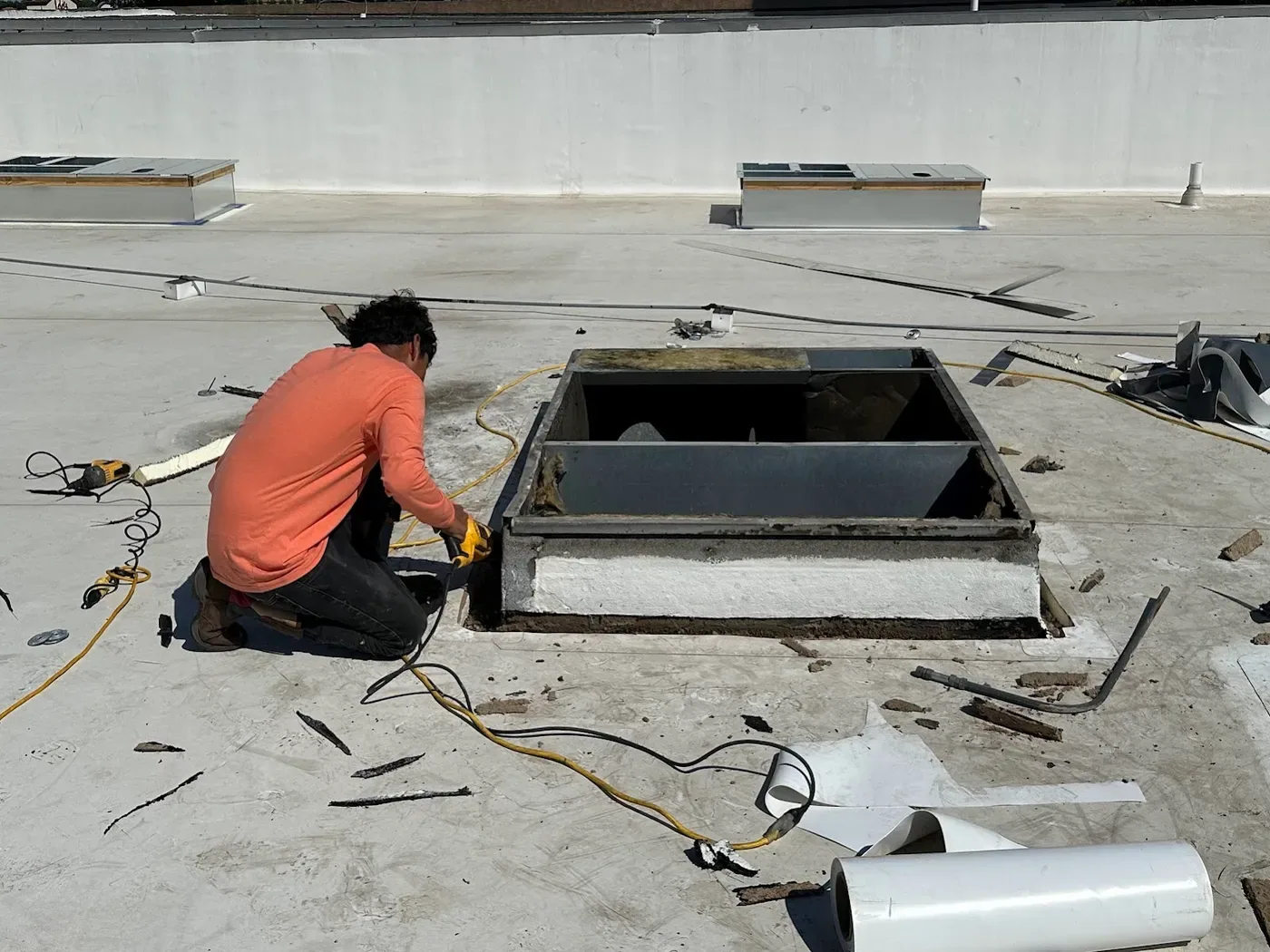
Review the backing, component and retained layers where their condition affects the repair. Locate loose material or damage that must be corrected before new flashing or sheet covers the area. Separate that preceding task from preparation of the exposed membrane. A permanent surface connection should not conceal an unfinished supporting problem.
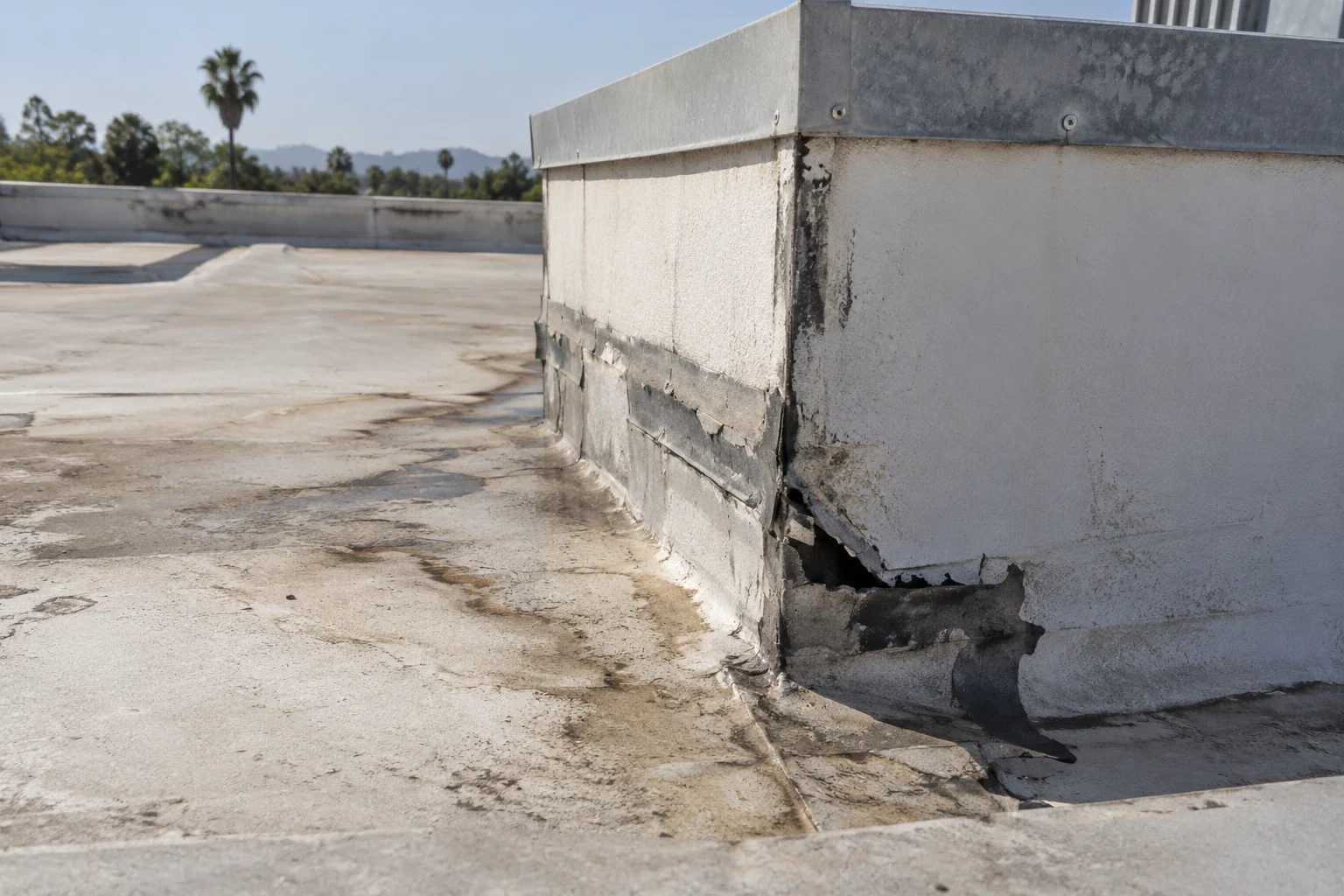
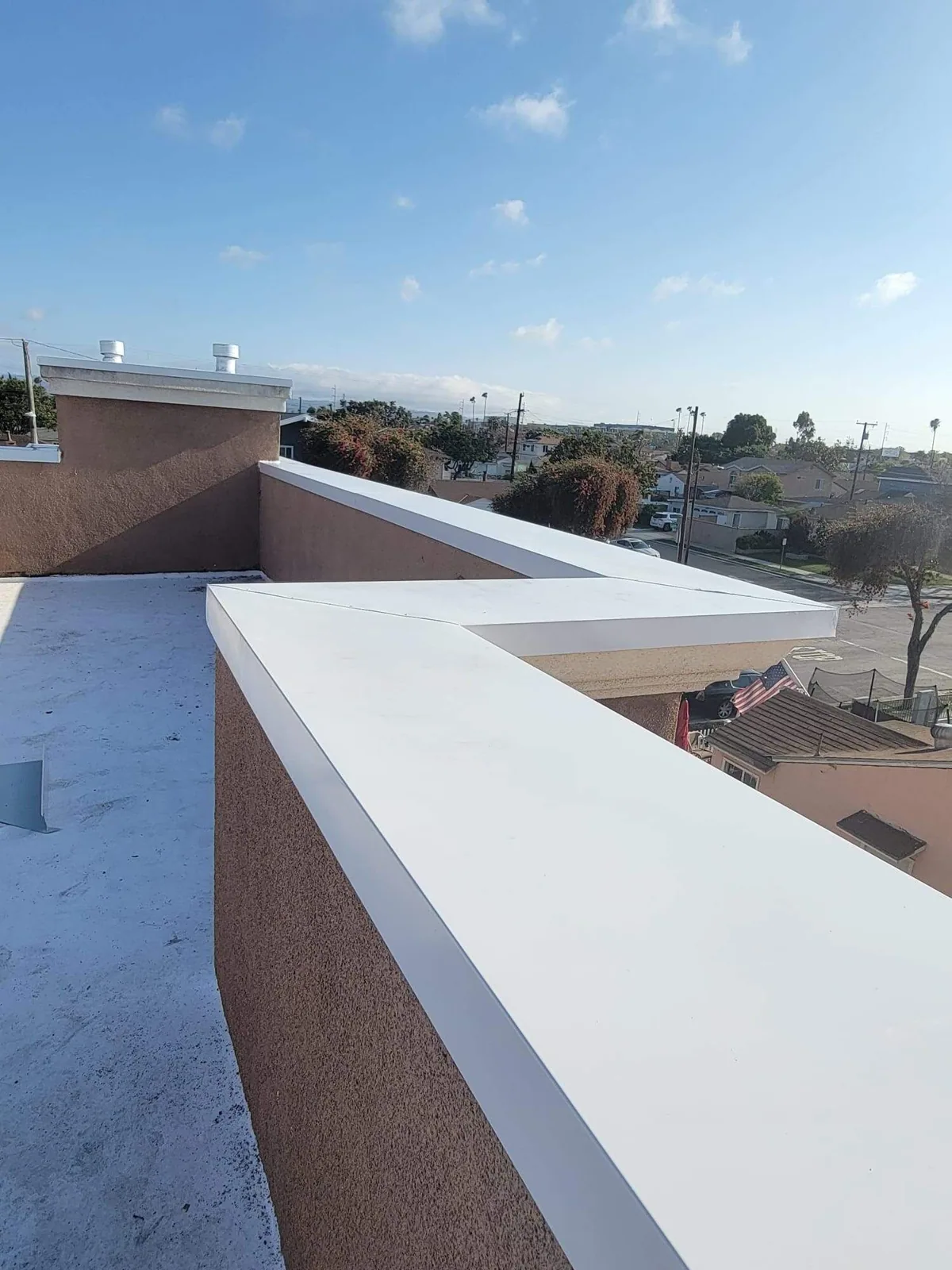
A failed flashing assessment should identify the actual detail and its supporting shape. Determine whether a component repair is assigned to another party. Keep the finished condition required for roofing with that task. We develop the permanent connection around the resolved geometry rather than an earlier shape that is being replaced.
For an assignment at Glendale Main Library, confirm the requested roof repair area through its representative. Associate 5959 West Brown Street with that project reference. We would examine the affected component and material there before defining the preparation and preceding correction included in our work.
Document significant findings when the detail is exposed. If supporting damage changes the expected removal, locate the condition and revise the affected boundary. Explain the additional task before it is incorporated into the permanent repair. The GC should be able to relate a changed quantity to construction found at that position.
Keep the repair boundary distinct from another roof option
Define the retained material beyond the proposed local correction. Examine its condition where the new work will join it. Identify the layers replaced within the repair and the finished transition into suitable construction that remains. A repair boundary should have a construction reason rather than be determined only by the size of an available patch.
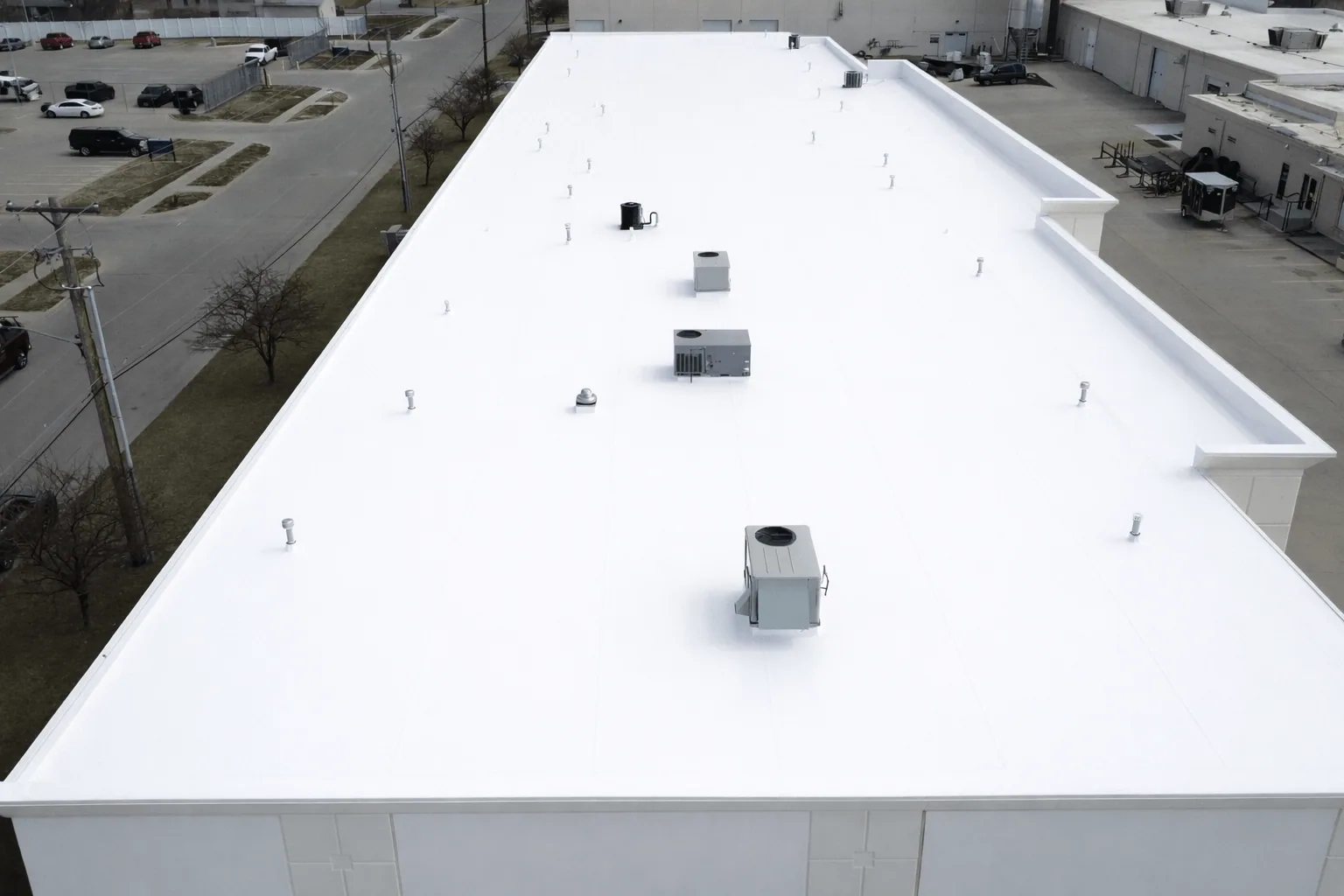
Where a broader replacement option is developed, identify its own removal, supporting layers and permanent details. Keep it separate from the included local repair. We explain what the broader project would change so the owner can review a meaningful alternative rather than two descriptions with unresolved boundaries.
Likewise, a surface-treatment recommendation needs its own condition assessment and selected product requirements. It should not become an unexplained addition to the local repair or a substitute for supporting correction. The GC needs to know which permanent task is ready to proceed and which proposal requires another construction decision.
Locate recommendations for other roof areas outside the agreed repair. Preserve the finding that prompted each one. Keeping those tasks identifiable helps the property representative distinguish the completed correction from another concern that remains for later assessment or a separately developed project.
Stage the repair with closure and protection identified
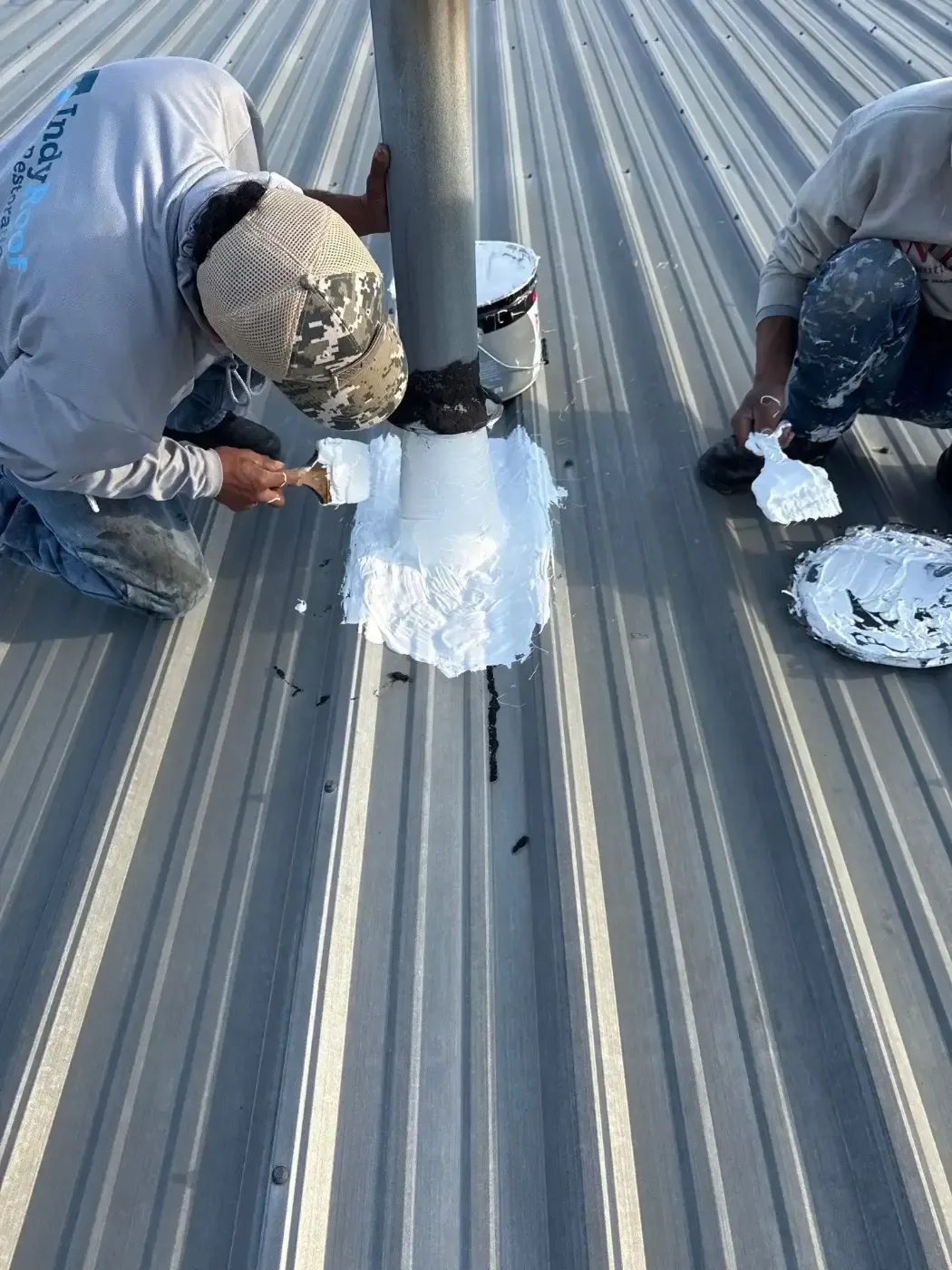
Review the work area, planned removal and permanent closure with the GC before the repair stage begins. Identify component tasks that must precede our installation. Determine temporary protection for unfinished boundaries if current conditions interrupt work. The plan should account for the particular roof being opened, not depend on a general promise that a small repair can always finish within the same visit.
A follow-up roof assessment can identify subsequent findings and the condition of the completed repair. Locate new findings independently of the earlier completed correction. The next assessment should have the installed material and repair position available so the crew understands the work previously completed there.
For repairs requested in the Loop 303 corridor, confirm the particular building and roof designation with its representative. Obtain project instructions affecting the assigned work. We would coordinate those supplied requirements with the roofing stage and permanent detail before settling the repair schedule.
At completion, record installed products and correction positions. Preserve useful preparation evidence and any changed supporting findings. Review supplied warranty terms for required coordination before altering the roof, and identify document actions that remain. The owner walk should leave the GC with a clear account of the permanent repair and separately located recommendations.
More on Commercial Roof Repair
Commercial Roofing Questions
What determines the boundary of a Glendale roof repair?
The deciding factor is the material and supporting condition at the intended connection. Examine what remains, identify replaced layers and develop the permanent transition.
How should an interior leak report influence the repair scope?
Review the roof detail and investigation findings before selecting the correction. A reported symptom and an established roof condition are different parts of that assessment.
Why identify earlier patch material before permanent repair?
Retained products affect preparation and joining decisions. Resolve uncertain material at the boundary before developing the selected permanent connection.
Where does supporting damage change the planned task?
Locate exposed findings that require preceding correction. Document the changed boundary and quantity before covering the repaired backing or layer.
Which information should be available after the repair?
Keep installed products and completed positions with useful preparation records. Identify additional recommendations separately so later assessment can distinguish them from the included correction.
Define the repair at a pre-roofing meeting
Bring the reported concern and assigned roof information. We will review findings, permanent correction and staged protection with the GC before setting the work.
Next steps for your building:
Related Roofing Work
More commercial roofing work for Glendale and West Valley properties.