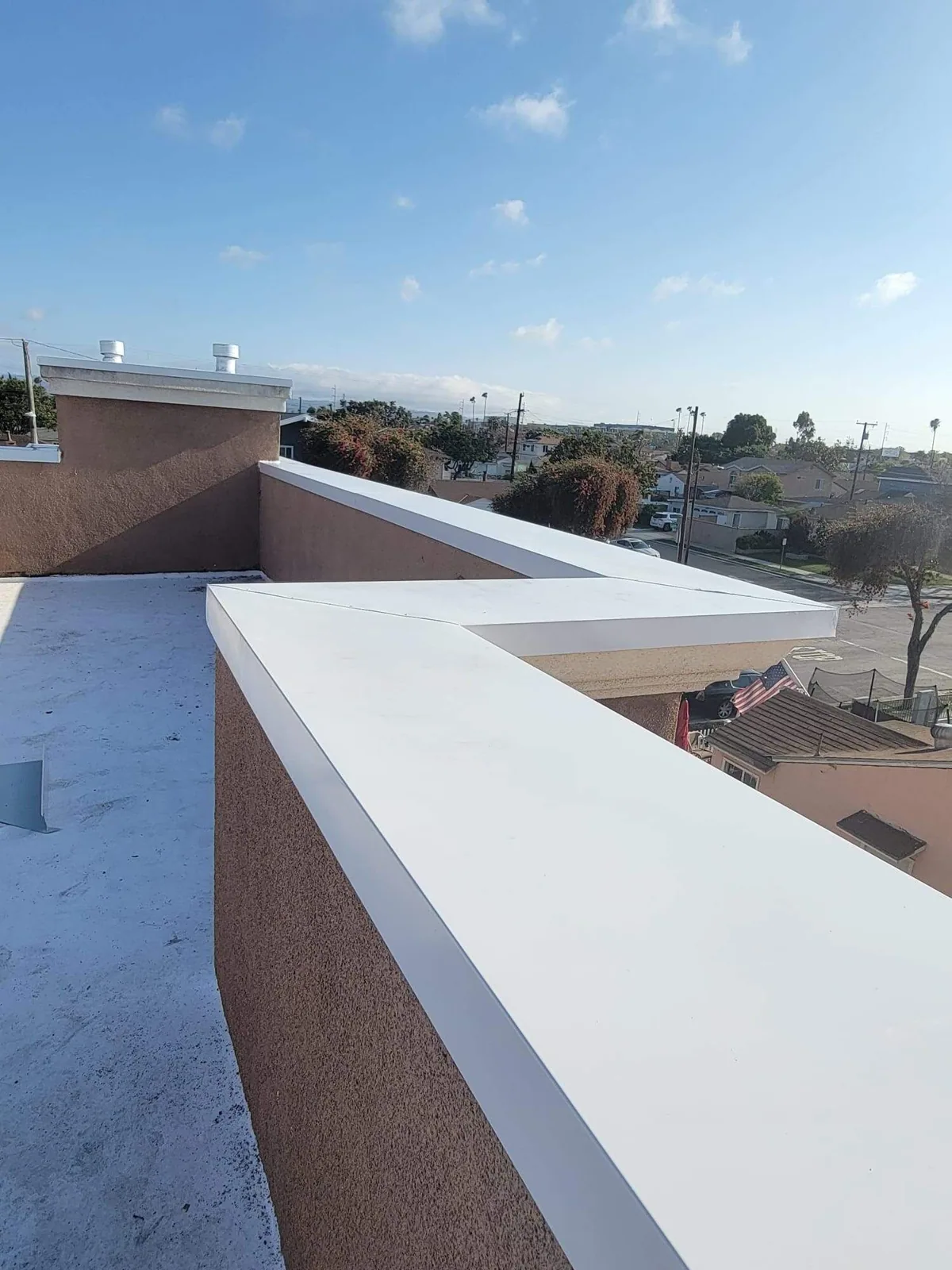
Roof Drain and Scupper Work in Glendale, AZ
Home / Commercial Roofing Services / Roof Drain and Scupper Work
Request A
Roof Assessment
Tell us about the building and the roof. We reply with the next practical step for your property.
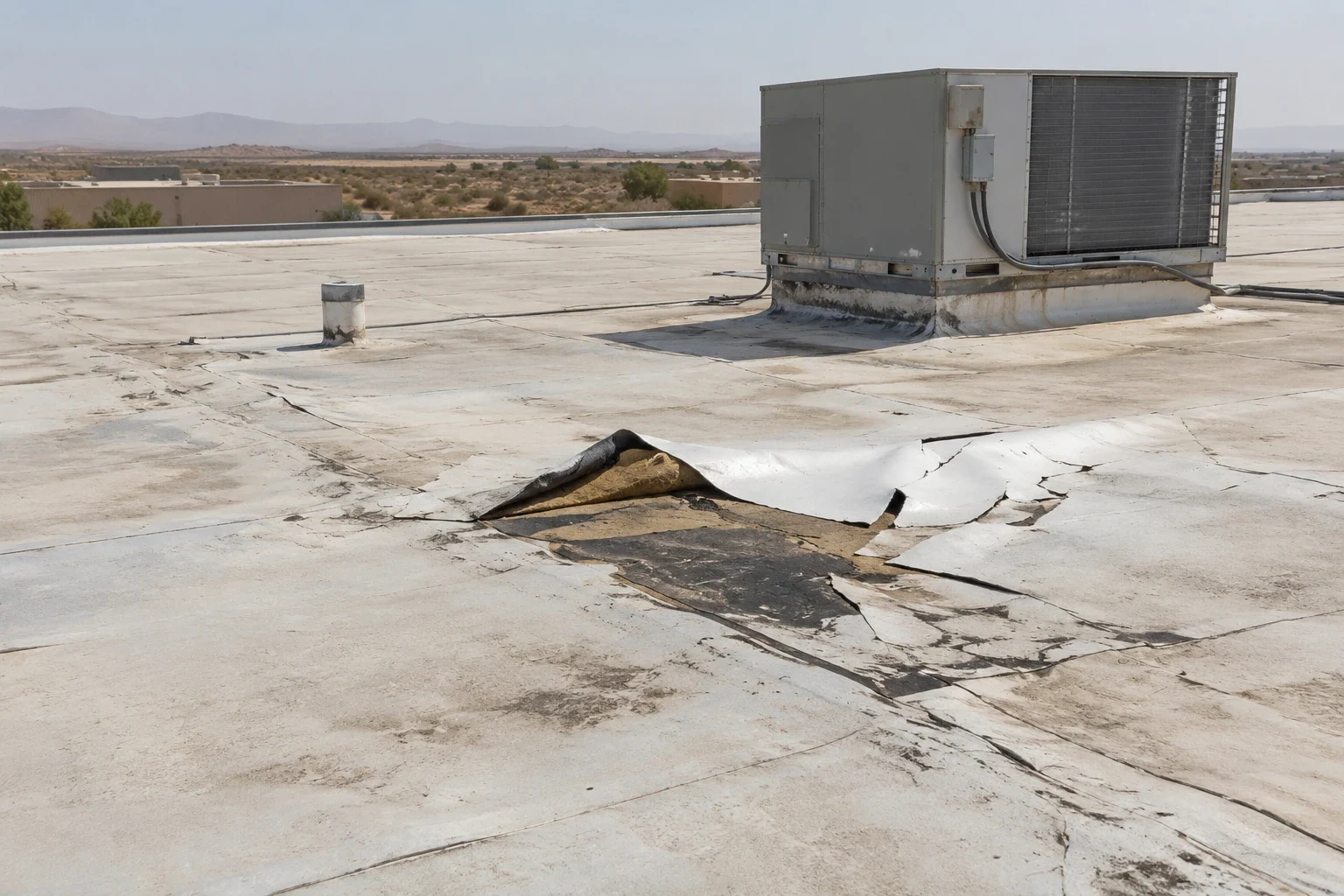
Glendale drain and scupper roofing work examines existing components, adjoining membrane, support and piping coordination before the GC assigns the correction.
Review the outlet connection before assigning a drainage correction to the monsoon schedule. The Desert Southwest's periodic seasonal showers and thunderstorms make a clear drainage task useful in the Glendale roof package. We would identify the existing drain or scupper, examine its adjoining roofing and develop the component work needed at that position. The GC needs to know where roofing correction ends and another trade's task begins.
A drain concern can involve the visible component, membrane connection, local geometry or piping beyond the roofing work. Examine the actual arrangement before choosing a repair description. Clearing debris may be appropriate care, while a damaged bowl, unsuitable connection or proposed relocation requires a different construction task. Keep those decisions identifiable as the scope develops.
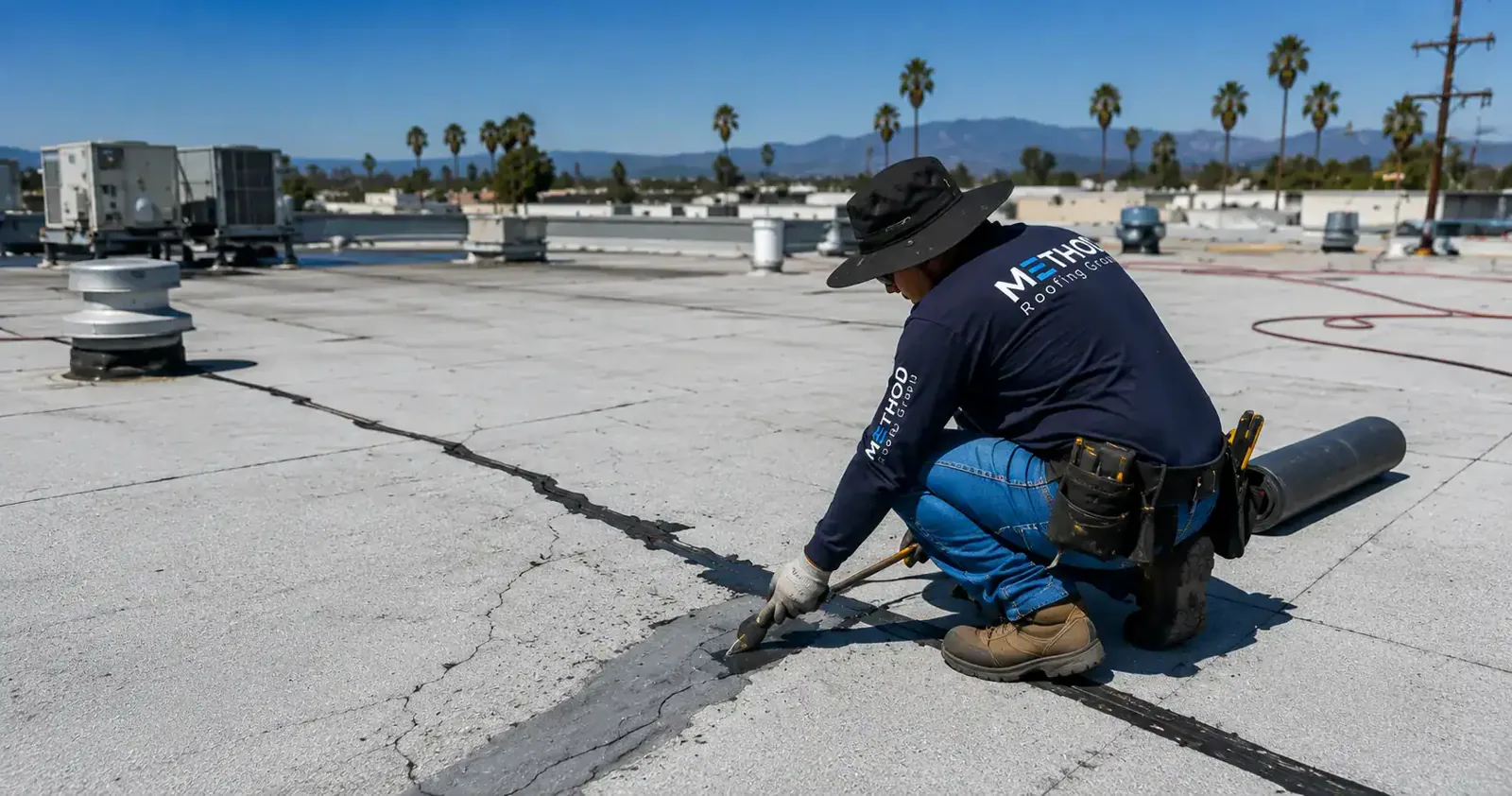
Identify the existing drain and its connections
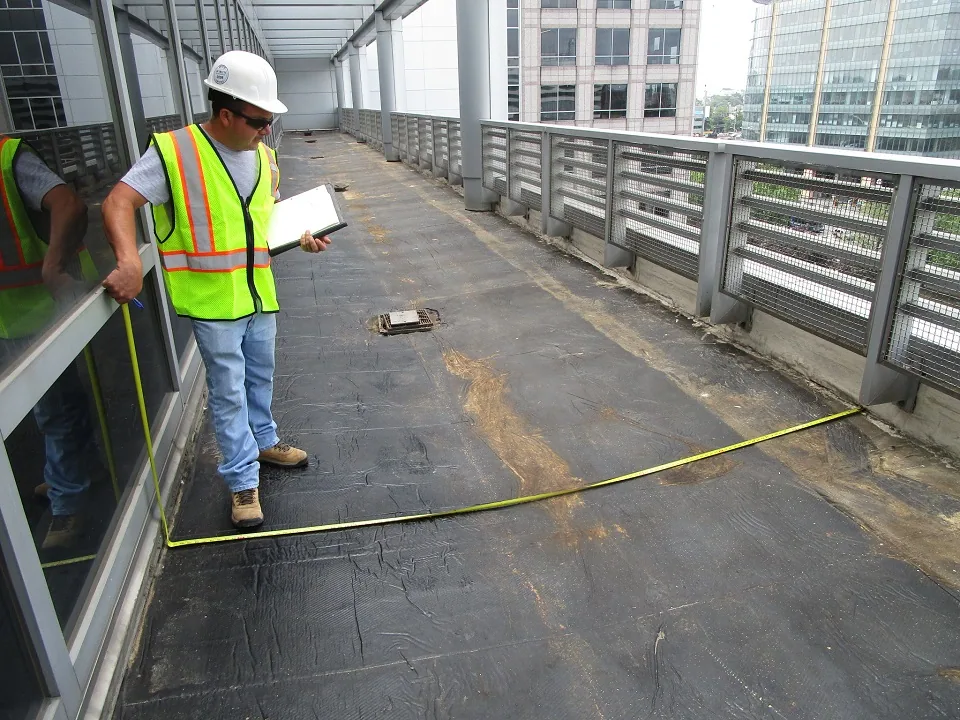
Locate the drain within the assigned roof area and obtain available component information. Examine the visible bowl, strainer and clamping arrangement where present. Identify the adjoining membrane and earlier repairs. The assessment should establish which parts can remain and what information is still needed before the crew plans to open that position.
An NRCA-hosted technical article distinguishes reworking an existing drain, using an insert drain and arranging plumbing replacement. It also emphasizes checking drainage capacity when insert drains are considered. We would review the actual component and proposed option with the required assessment before choosing the connection for the roof package.
A drain-position examination should record the visible concern and additional review needed. Locate a damaged component separately from a membrane defect at its flange. The GC can then arrange the component correction and the roofing task with a clear understanding of the information established at that outlet.
For requested work at Glendale Main Library, obtain the designated roof area and drain position through its representative. Relate the assignment to 5959 West Brown Street in the project account. We would examine the actual outlet arrangement there before developing the proposed component and roofing correction.
Distinguish routine clearing from a developed repair
Review debris and the visible condition at the drainage position. Arrange appropriate care for the assigned component and record what was completed. If another concern remains, locate it and describe the examination needed. A visit that clears an opening should not be recorded as a completed permanent correction to unexamined piping or roof geometry.
A remaining drainage concern should prompt the particular component and geometry review it needs. Examine the affected area and obtain available construction information. Develop the next task before specifying an alteration, allowing the GC to review the correction through the actual roof arrangement.
Where damaged hardware or a bowl requires attention, identify the existing component and available replacement information. Review whether the proposed work changes the flange or membrane connection. Keep product requirements and supporting tasks with that particular correction so the crew knows what must be ready before roofing work proceeds.
Preserve the completed care and proposed repair as separate entries in the project account. Locate unresolved positions for another examination. This gives the representative a practical handoff and keeps the roofing package from treating an attended drain as acceptance of every part of its drainage path.
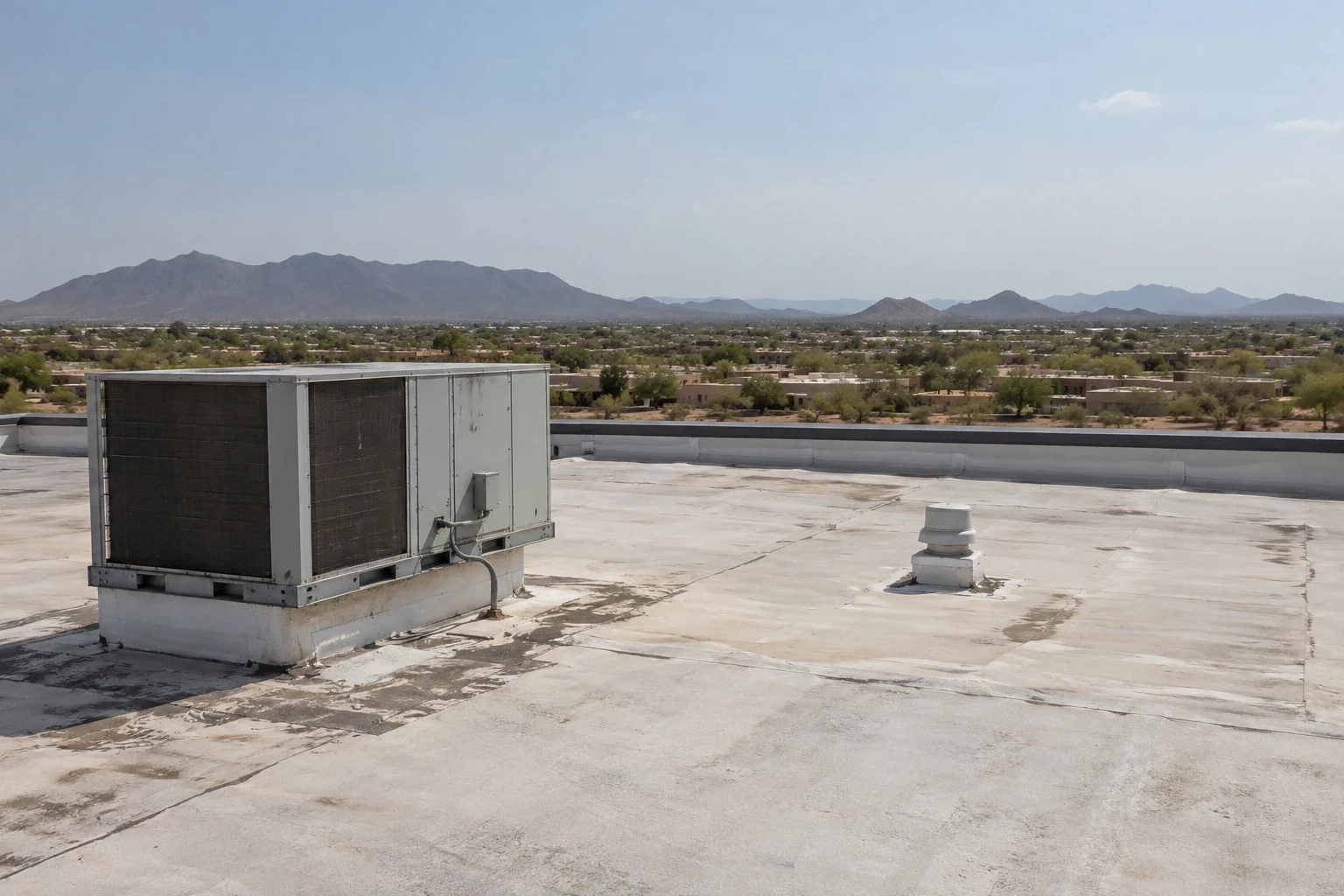
Review insert options with the existing leader
When an insert drain is proposed, examine the existing arrangement and obtain the selected component instructions. Review its connection to the retained leader and the roofing detail at its flange. Identify information needed from the appropriate drainage assessment before assigning the option. A component that fits the visible opening still needs a developed connection and capacity review.
Confirm the scope involving piping with the GC and the responsible trade. Locate the proposed handoff and any access arrangements needed for that task. Keep it distinguishable from membrane preparation at the roof. The roofing crew needs to understand what preceding component or piping work makes its connection ready for installation.
For a drainage assignment requested in the Loop 303 property area, confirm the particular building and outlet positions with its representative. Review supplied component information for that roof. Develop the option from the actual arrangement instead of transferring an insert selection from another project.
If examination changes the proposed component work, update the affected roofing detail with the GC. Review the retained material and connection requirements again where needed. Preserve the selected option and its outstanding questions so the next crew receives the current task rather than an earlier replacement assumption.

Develop the scupper opening and roofing transition
At a scupper, examine the opening, adjoining wall construction and roofing transition within the arranged assessment. Identify the component and visible condition before selecting its correction. Review what can remain and what support or material repair is needed to complete the connection. A scupper replacement should carry its own detail information.
A developed flashing correction should account for the adjoining products and selected joining method. Establish the preparation required at the actual transition. Locate preceding component work so the crew does not finish a membrane connection against a detail still needing repair.
Review adjoining metal and gutter work where the drainage task affects it. Identify the connection between the outlet component and subsequent work. The GC needs the scope for each part and a clear handoff at the position where the roofing and component tasks meet.
For an outlet correction requested at State Farm Stadium, establish the assigned roof and component through its representative. Connect the task with 1 Cardinals Drive in the record. We would examine that position and develop the transition work required for the specific drain or scupper there.
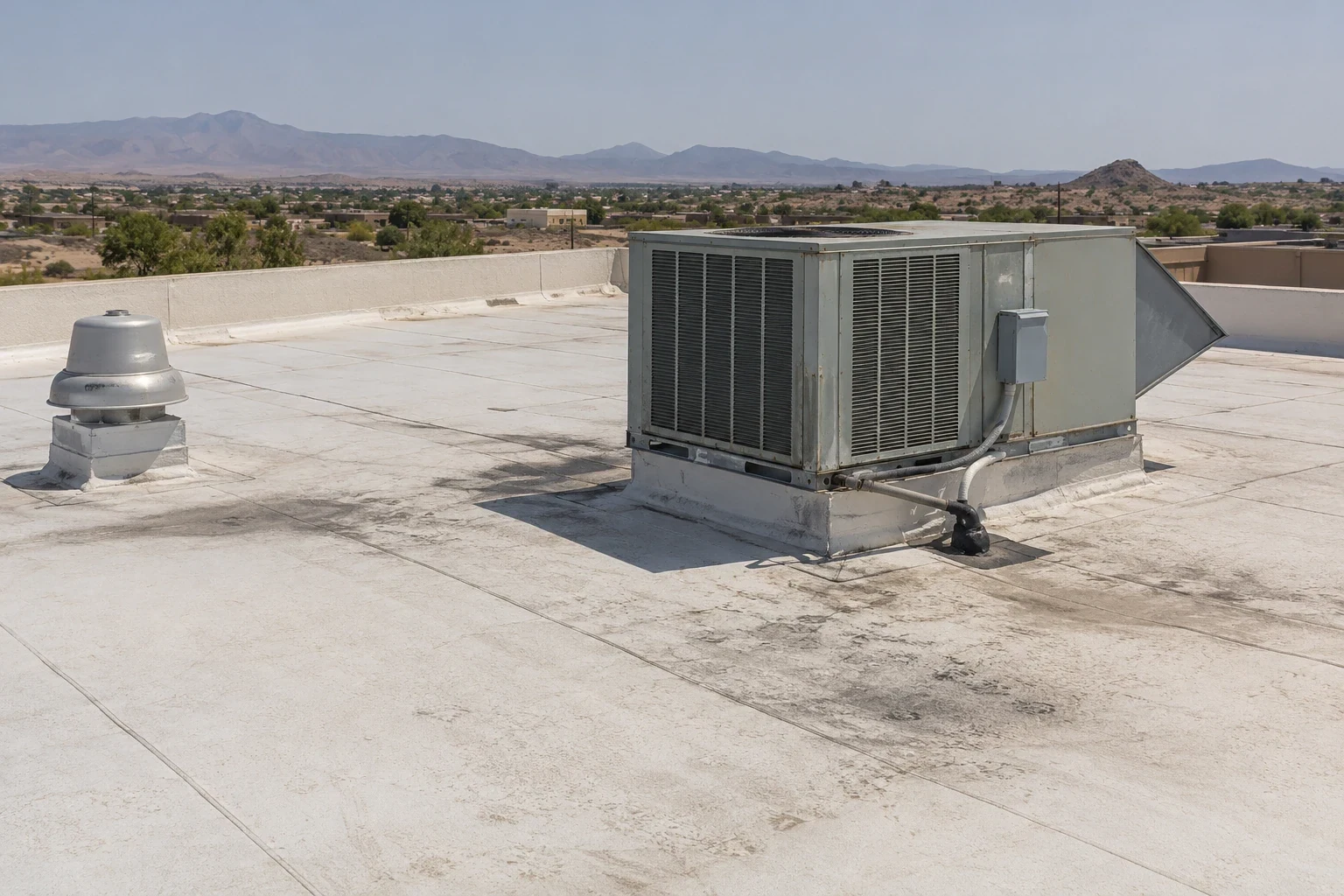
Finish the membrane connection and document the outlet work
Develop the permanent membrane work after the component and supporting tasks are established. Obtain the retained product information and applicable preparation and joining instructions. Review the connection the crew will complete at the flange or transition. The detail should show how the selected roofing material meets the corrected component.
Where the outlet task requires local supporting-layer correction, examine and develop it before completing the upper connection. Identify the replacement material and prepared area needed by the selected roofing assembly. Review exposed condition with the GC when it changes the proposed correction.
Keep the component, piping handoff and completed roofing connection in the outlet work account. Locate the corrected positions and preserve installed-product information. Identify any examination still needed outside the completed roofing task so the representative can arrange the remaining work.
Review current conditions and installation requirements when staging the assignment through the monsoon season. At turnover, keep the completed drain or scupper work understandable beside its preceding assessment. A later visit should be able to locate the component, review the installed connection and distinguish subsequent care from another construction alteration.
More on Roof Drain and Scupper Work
Commercial Roofing Questions
What establishes the Glendale drain or scupper correction?
The deciding factor is the existing component and construction condition at its connections. Examine that position before selecting care, repair or replacement work.
How should routine debris clearing be recorded?
Locate the component and describe the care completed. Keep remaining piping, geometry or material concerns identifiable for another assessment.
Why review the leader when considering an insert drain?
The proposed component needs an appropriate connection to retained piping. Review its instructions and required drainage assessment before assigning the option.
Where does scupper work meet the membrane repair?
Develop the opening, component support and adjoining transition together. Establish preceding correction before completing the permanent roofing connection.
Which information helps the next crew review outlet work?
Preserve corrected positions, installed components and roofing products. Identify the piping handoff and any examination left outside the completed task.
Develop the outlet correction with the GC
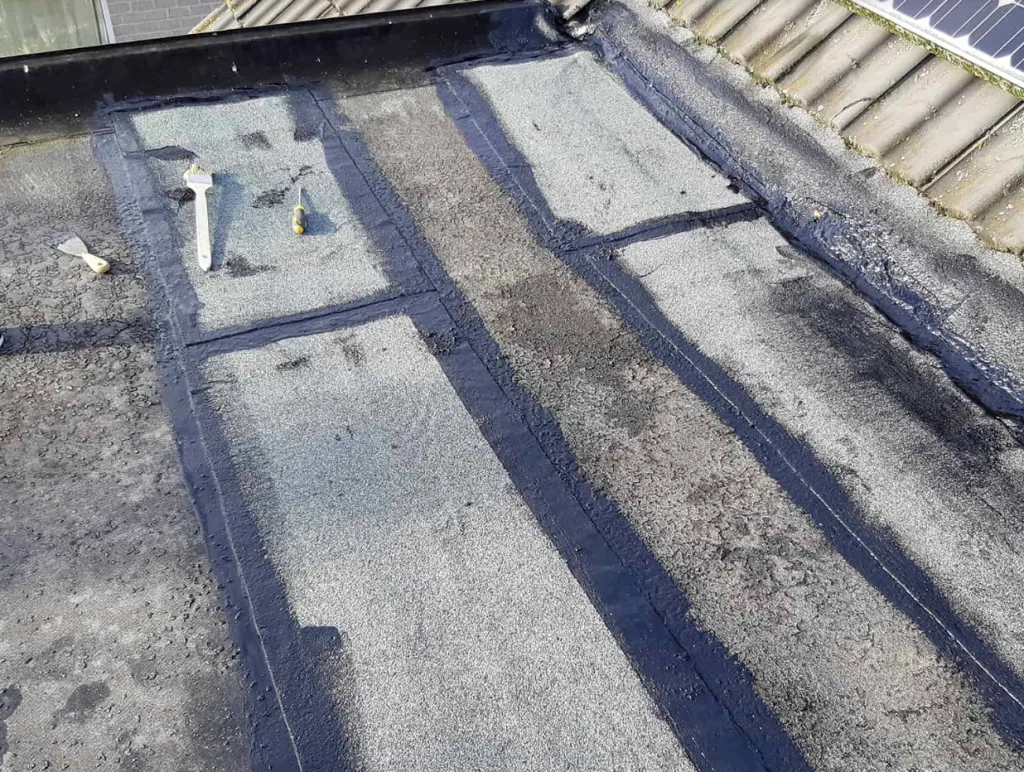
Bring the assigned drain or scupper concern. We will review components, piping coordination and the permanent membrane task needed at that position.
Next steps for your building:
Related Roofing Work
More commercial roofing work for Glendale and West Valley properties.