Spray Polyurethane Foam Roofing in Glendale, AZ
Home / Roof Systems / Spray Polyurethane Foam Roofing
Request A
Roof Assessment
Tell us about the building and the roof. We reply with the next practical step for your property.
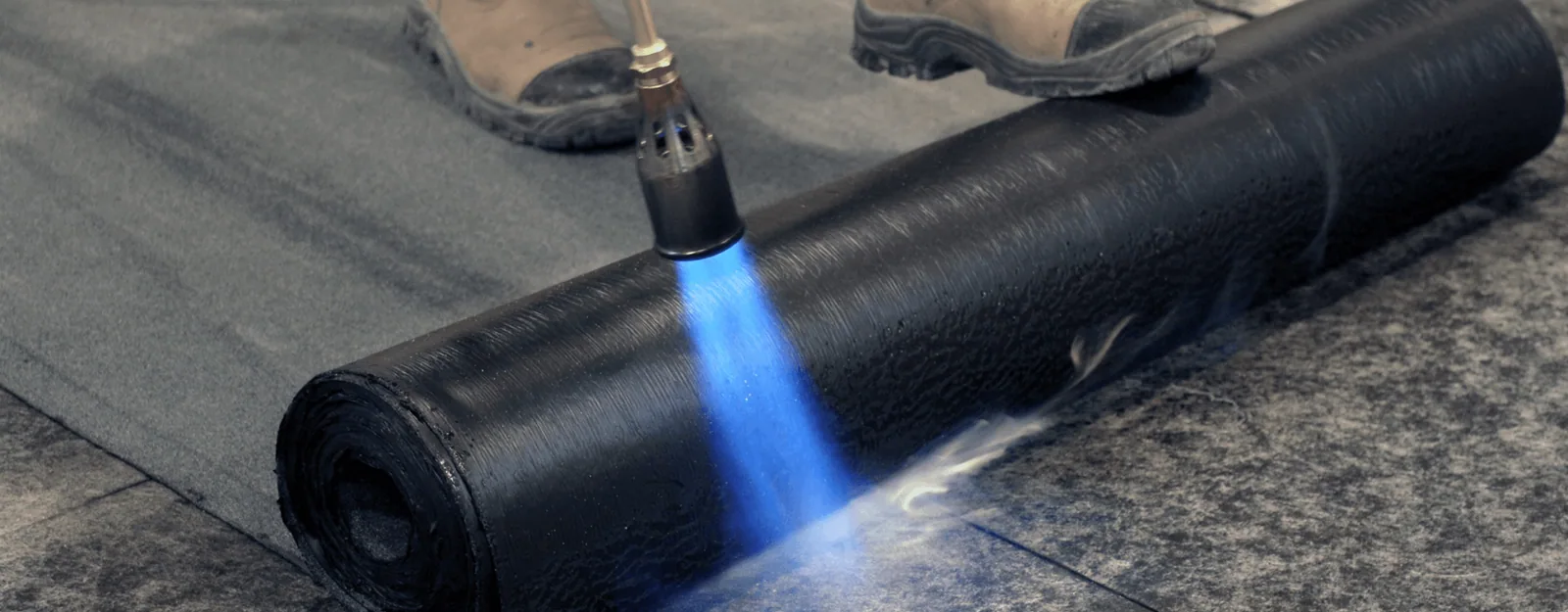
Review SPF roofing in Glendale by substrate, foam profile, coating, drainage, access and project-specific assembly documents before bidding.
West Valley sun and seasonal monsoon rain make the protective surface part of any SPF roof decision. Spray polyurethane foam (SPF) is formed in place on a prepared roof surface, then protected with a coating or other specified covering. The completed assembly depends on the deck or receiving roof, foam thickness and shape, edge and penetration details, and the protective layer. A continuous foam surface does not make every drain, curb or roof transition automatically watertight.
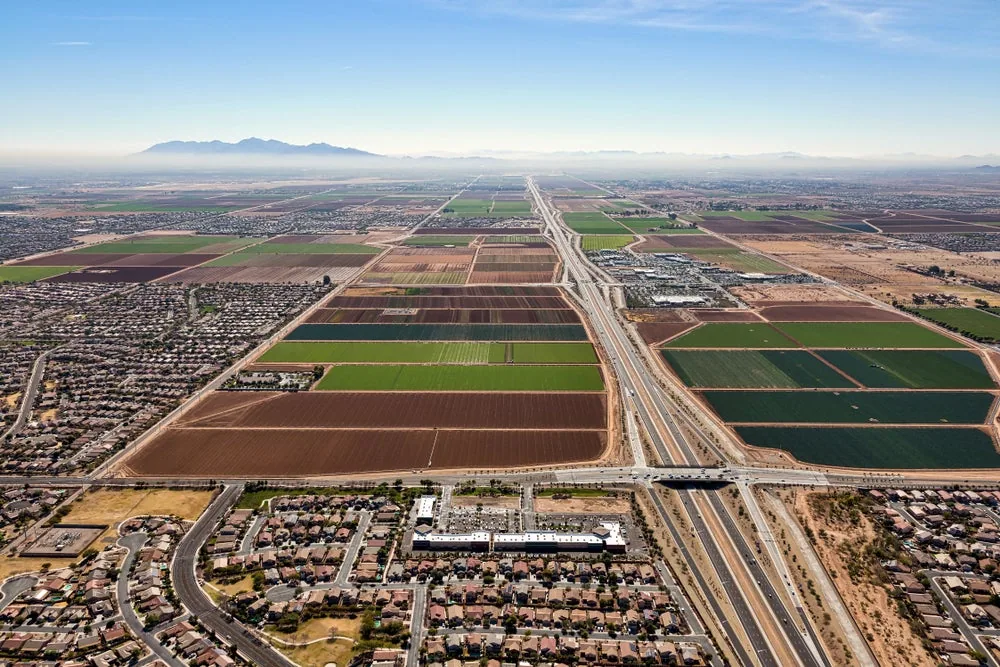
For a Glendale property near Loop 303 Industrial Corridor or Westgate Entertainment District, begin with the existing assembly and operating constraints. We record roof slopes, low areas, equipment, drains, parapets and prior repairs before deciding whether SPF belongs in a new assembly or a restoration scope. The nearby district identifies the project location, not the roof construction or condition.
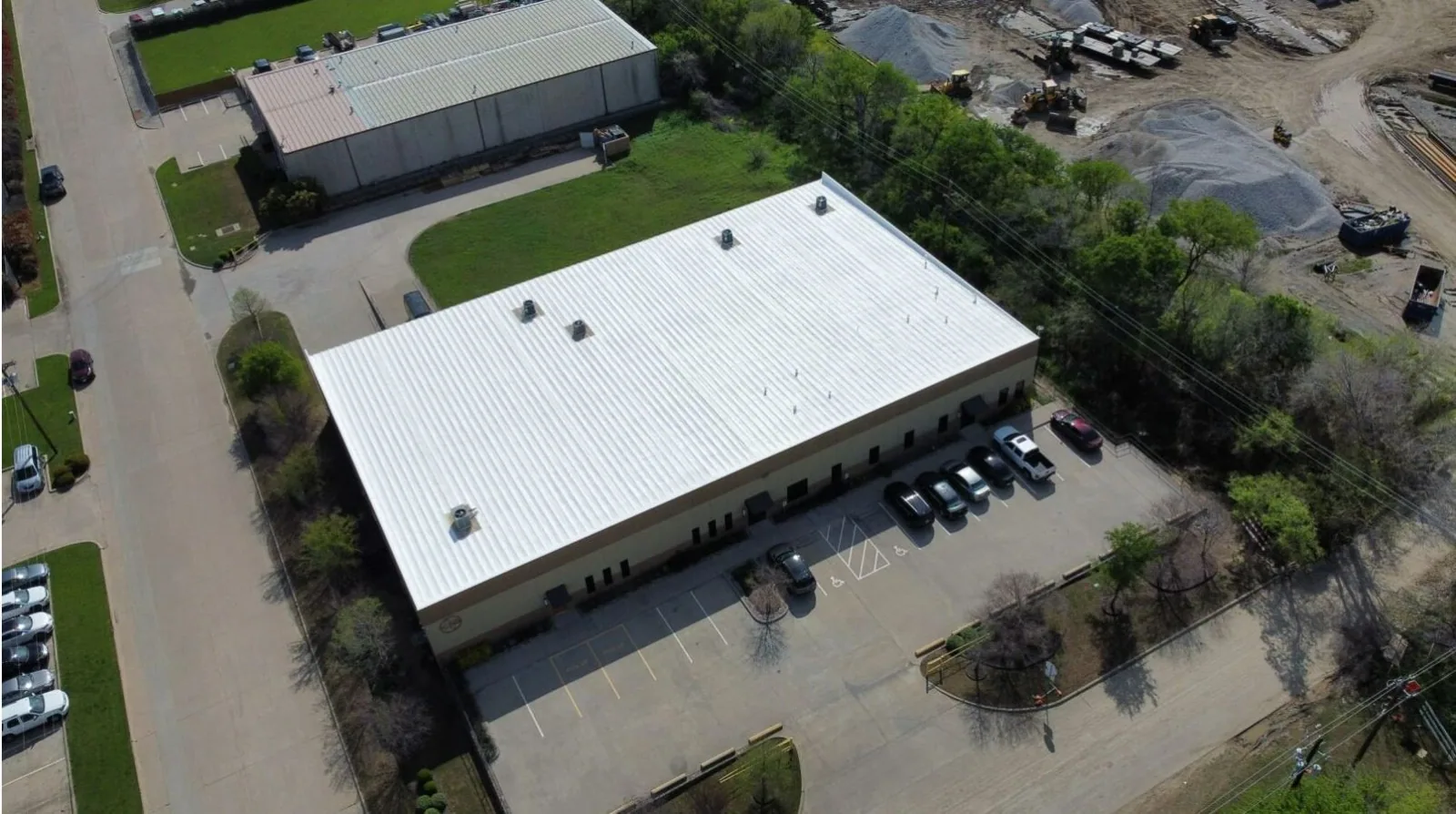
Check the receiving surface before specifying foam
SPF needs a suitable, prepared substrate. Identify the deck material, its condition, existing membranes, insulation, coatings and any contamination that could affect adhesion. Where an existing roof will remain, confirm that the retained layers are dry, stable and appropriate under the proposed assembly. If records and visible conditions do not settle the question, describe the test or selective opening needed before installation. Do not price a roof as ready for foam when its attachment or concealed layers are still unknown.
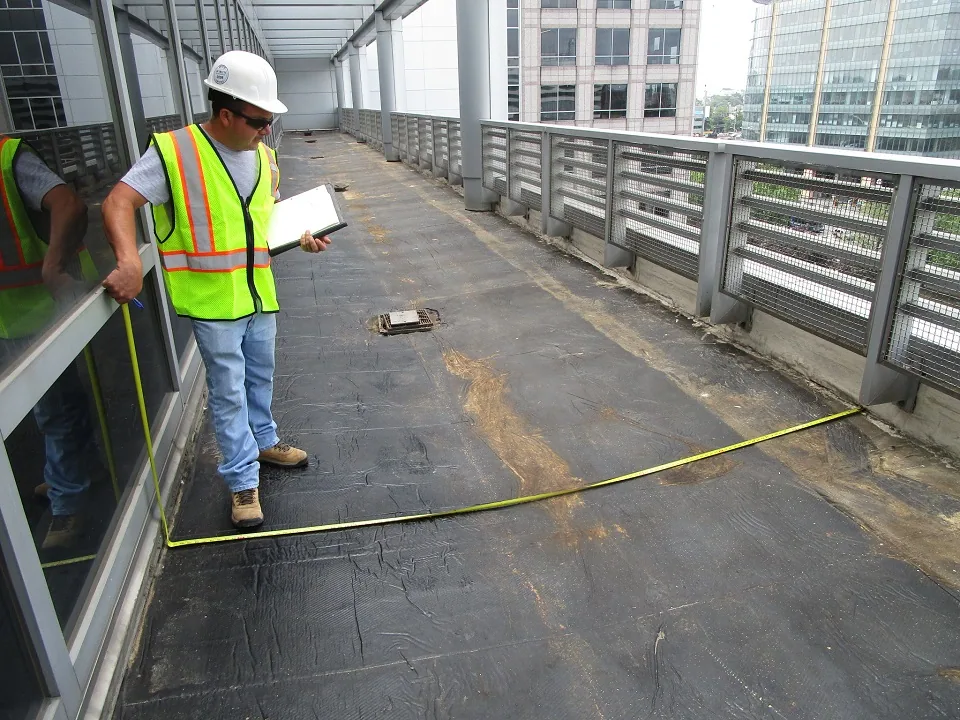
Document cracks, open laps, loose metal, penetrations, roof traffic and areas where water collects. A commercial roof inspection can organize the visible findings; testing may be required to assess concealed moisture or deck strength. Compare the condition report with the structural and mechanical plans so added loads, roof access and equipment clearances are addressed by the responsible designer.
The TPO and PVC assemblies on an adjacent roof area may have different compatibility needs from SPF. Do not assume a coating, flashing or transition material can bridge between them without a documented detail.
Specify foam shape, thickness and protective covering
The design should show where foam is applied, the specified thickness, slope direction, drain sumps and how water reaches the outlets. Foam thickness can vary across a roof when slope is built into the assembly; note the intended elevations instead of treating a single average thickness as the finished geometry. Coordinate roof heights with curbs, door thresholds, equipment supports and perimeter metal before material is applied.
SPF is applied with specialized equipment and job conditions matter. The applicator follows the product system requirements for substrate preparation, foam lift thickness, weather, surface texture and protective covering. Confirm the manufacturer’s current instructions, application limits and inspection steps for the exact materials selected. Separate the foam itself from the coating or surfacing that protects it after installation.
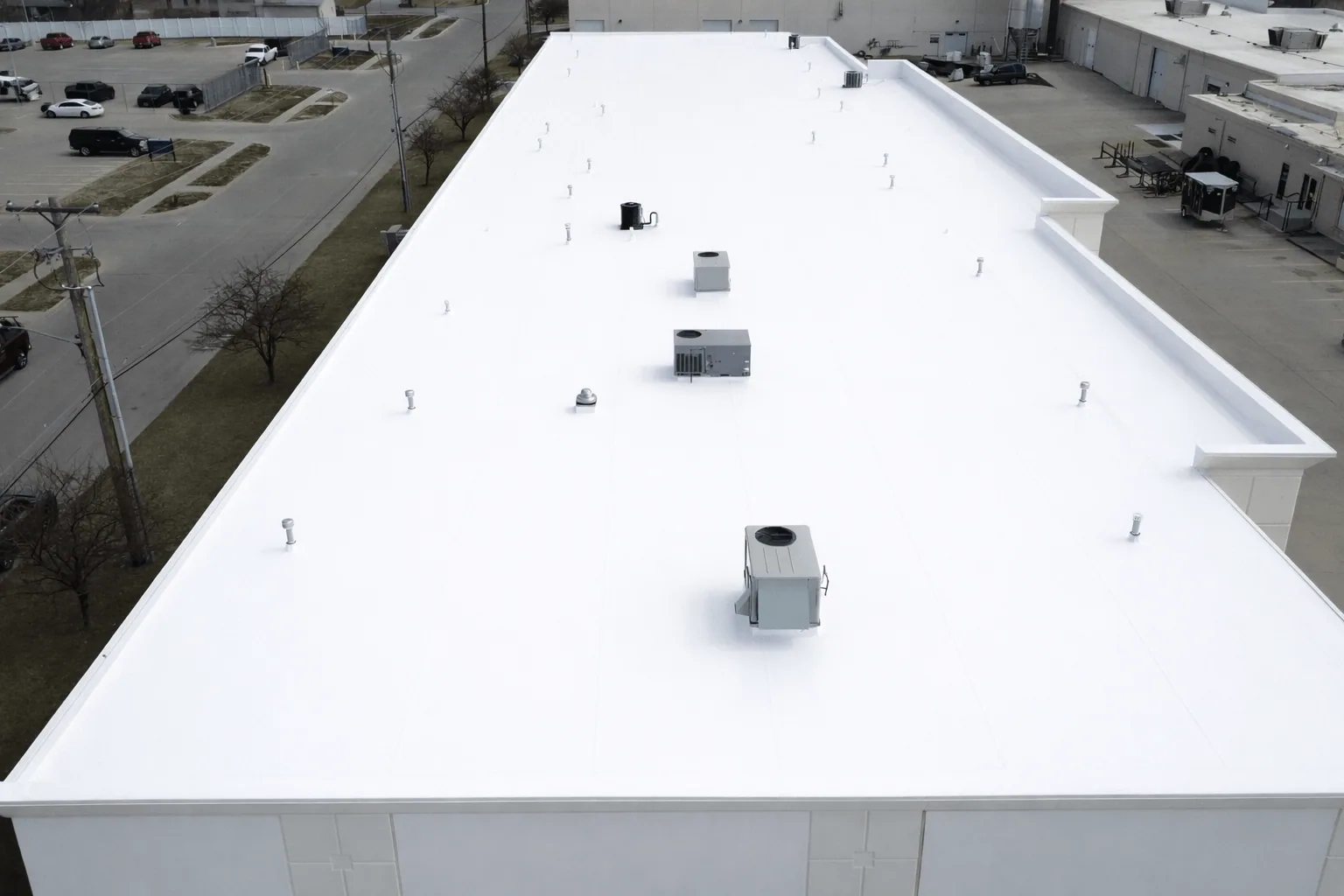
The Spray Polyurethane Foam Alliance notes that SPF roofing systems need a protective covering against ultraviolet exposure and routine surface wear, and that inspection and recoating intervals depend on system and conditions. Build the coating into the specification: identify product family, required dry-film build, reinforcement at details where specified, and how completion will be checked. A coating thickness or service term should come from the approved system documents, not a generic estimate.
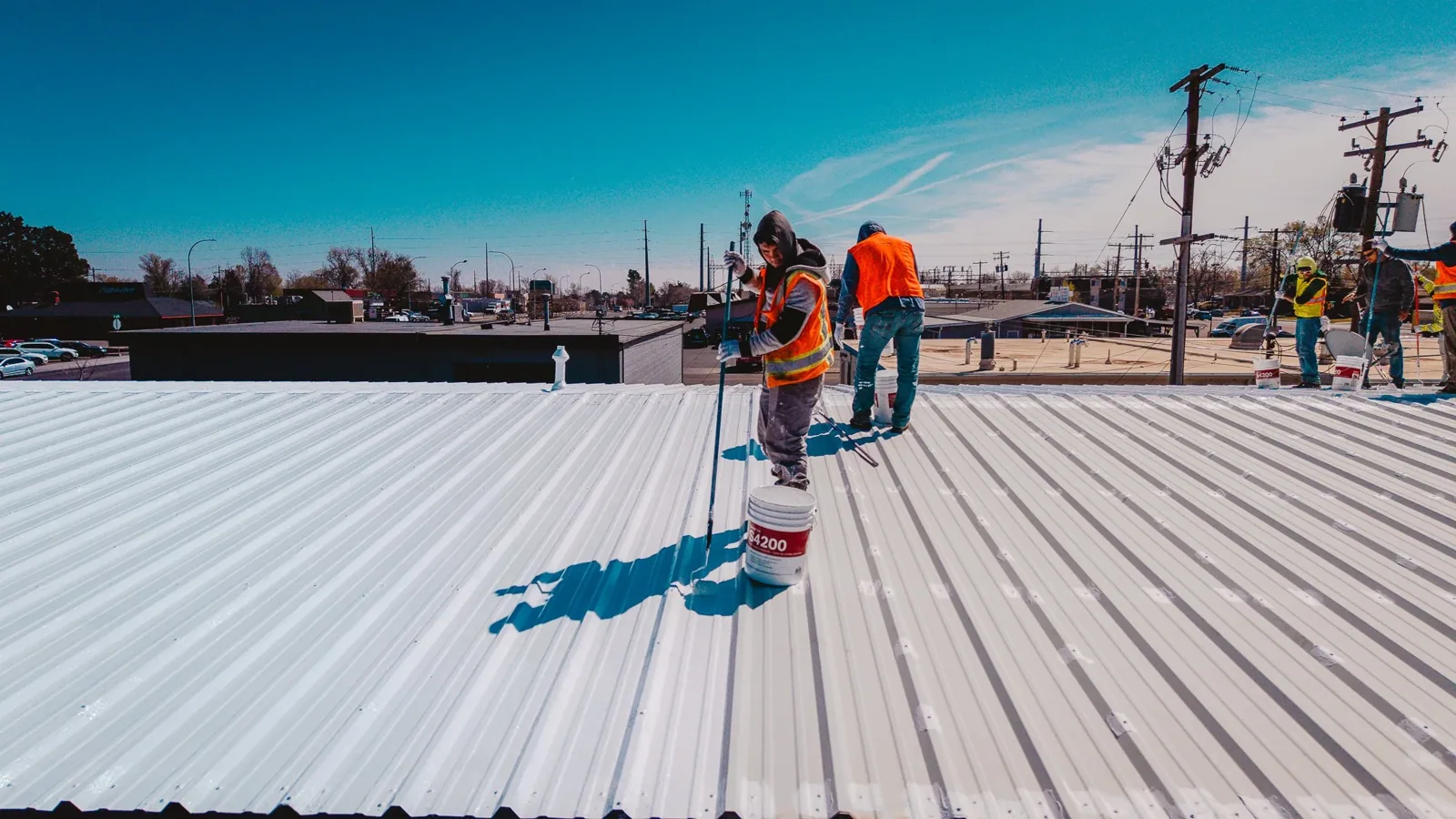
Resolve water flow and roof penetrations in the detail set
Before mobilization, map drains, overflows, scuppers, curbs, pipes, vents, expansion joints and perimeter transitions. Foam can follow elevation changes, but each interface still needs a defined flashing and termination. Keep outlets accessible for inspection. Where drainage is being corrected, show the intended flow path and elevations on the roof plan and coordinate the change with plumbing and structural teams.
At a Glendale building in the Westgate Entertainment District, a high-traffic equipment route may affect protection and staging; at a site near the Loop 303 Industrial Corridor, different access rules may apply. Confirm those arrangements with the property representative instead of assuming them from a map. Link proposed walk paths, equipment pads and service clearances to details designed for the actual SPF coating.
For new work near existing silicone coatings or acrylic roof coatings, separate assemblies on drawings and list approved transition materials. Material compatibility, surface preparation and termination height should be documented before two systems meet.
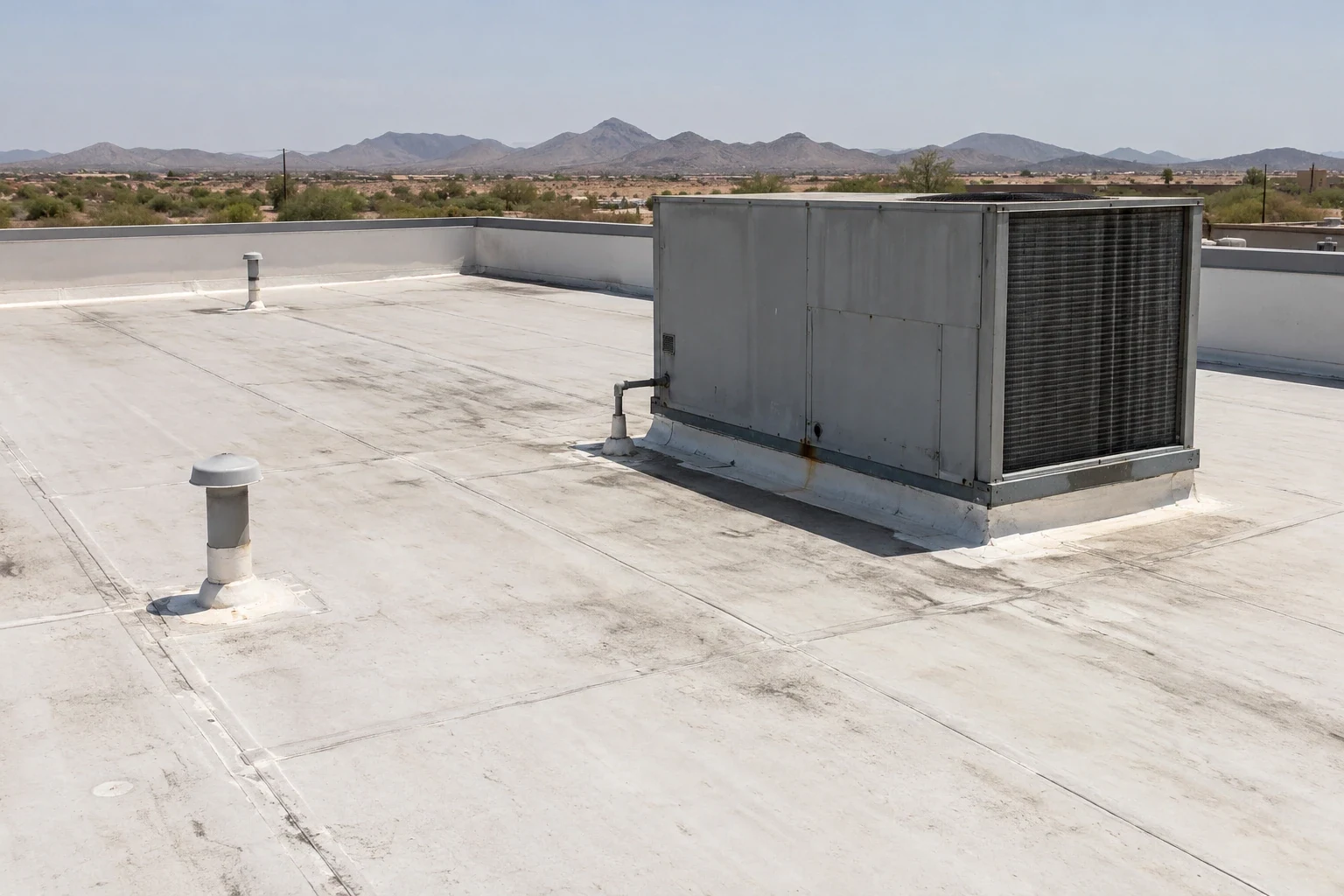
Plan inspection and renewal with the installed system
SPF roof records should identify the foam system, protective coating, installation date, drainage details and repairs. Photograph the finished surface and mark equipment routes, drains, penetrations and areas protected from routine foot traffic. Preserve the product data, application logs and inspection notes with the closeout package so a later evaluator can distinguish the original assembly from subsequent coatings or patches.
SPFA guidance recommends periodic inspection and describes recoating intervals that vary by climate, coating type and total film thickness. The actual maintenance plan should follow the chosen system’s documents and observed condition. After severe weather, inspect for coating punctures, foam exposure, displaced accessories and changes in drainage. A new opening in the coating should be assessed and repaired promptly using materials approved for that system.
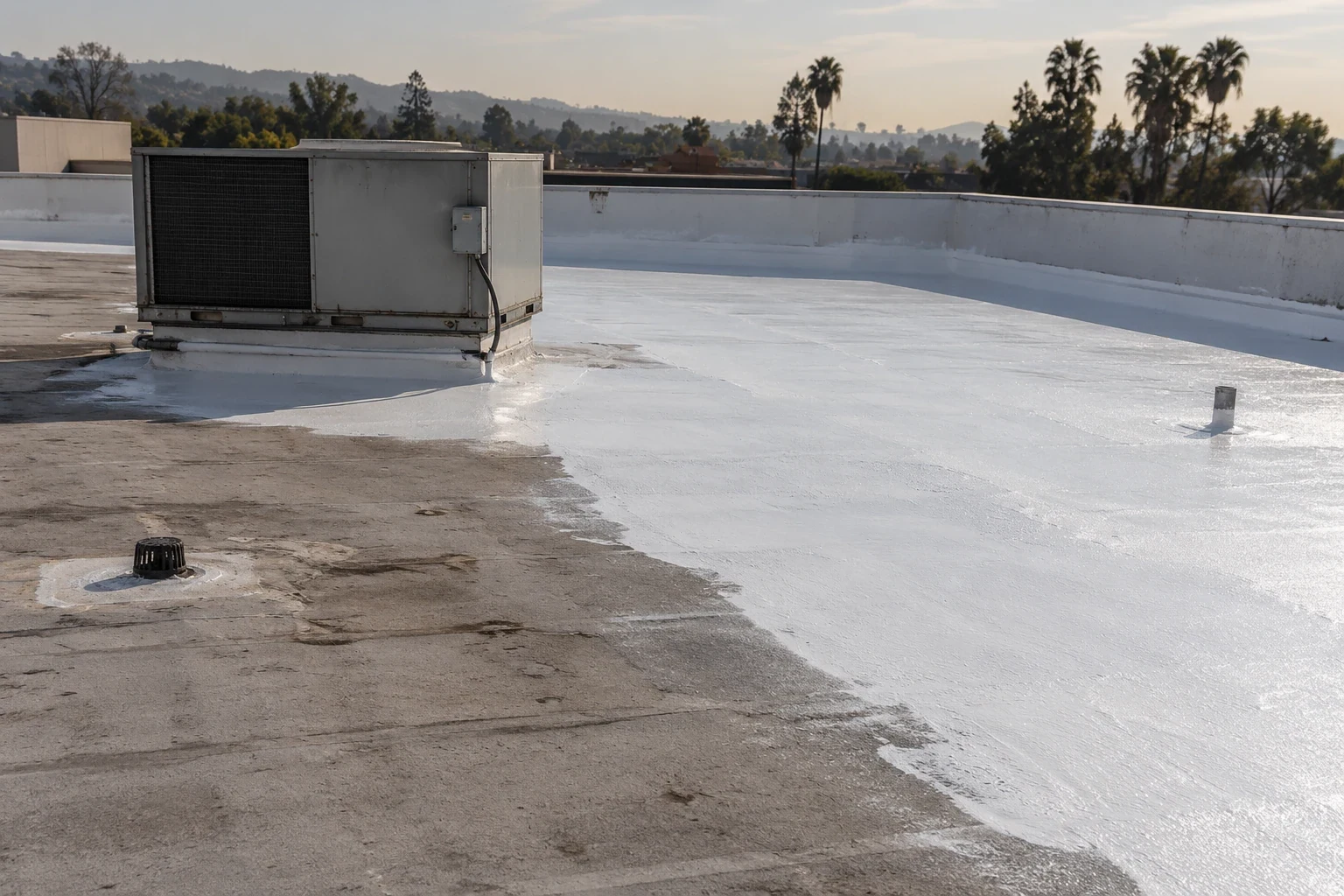
For renewal work, measure remaining coating and test adhesion where required, locate wet or damaged areas, and establish how the surface will be cleaned, dried and repaired before a new layer is applied. Compare restoration with roof coating restoration or a complete roof replacement only after the existing assembly is documented.
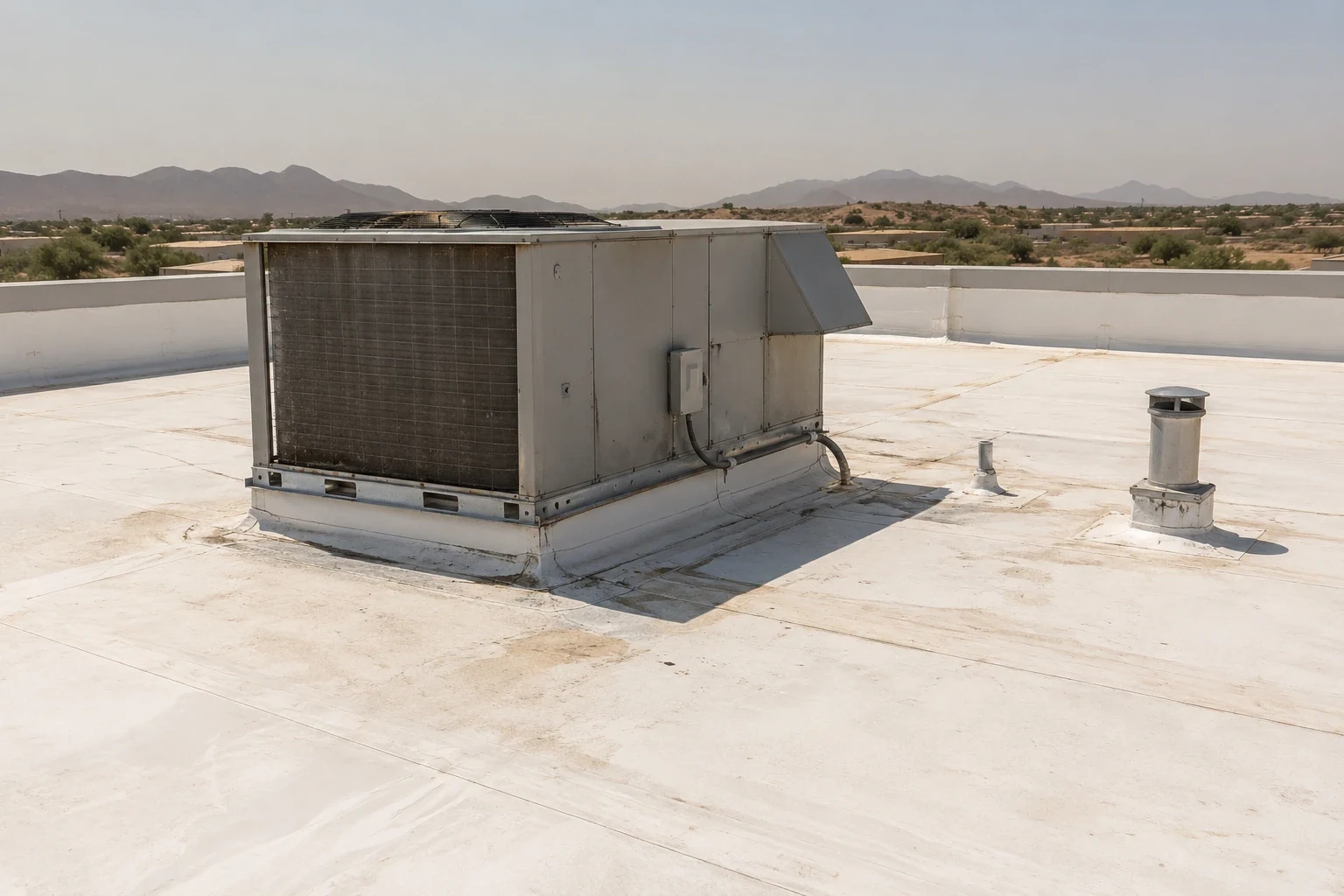
Scope a Glendale SPF project around actual site conditions
For work in Glendale, record the property address, roof sections, access hours, occupancy, lift or staging area, and the route for equipment and materials. The City of Glendale publishes adopted building-code and permit information; confirm which requirements apply to the specific scope with the responsible design professional and permitting authority. This is especially important when foam depth changes roof elevations or when the project alters drains, parapets or mechanical supports.
A useful proposal separates preparation, substrate repairs, foam application, coating, flashings, drainage adjustments, protection, testing, cleanup and closeout. State which existing layers remain, how concealed conditions will be handled, and what information is required before work proceeds. Compare bids on the same roof areas, materials and performance details rather than on a broad label such as “spray foam.”
At Westgate Entertainment District or elsewhere near Loop 303, local access and tenant coordination belong in the work plan, while system choice remains based on roof evidence. The final record should make it possible to trace the assembly, maintenance obligations and future repair methods to the installed product documents.
More on Spray Polyurethane Foam Roofing
Commercial Roofing Questions
What protects an SPF roof after the foam is installed?
A specified protective coating or covering shields the foam from ultraviolet exposure and routine surface wear. The selected system documents determine the materials, thickness and maintenance requirements.
Can SPF be applied over the roof that is already there?
Possibly, if the existing layers and substrate are suitable, dry and stable under the selected system. Inspection, records or testing may be needed before the retained construction can be confirmed.
How should SPF roof drainage be designed?
The roof plan should show slopes, low points, sumps, drains and overflow paths. Coordinate elevations and outlet details with the specified foam geometry and building systems.
When should an SPF roof be recoated?
Inspection findings and the chosen system requirements set the timing. Track coating condition and thickness, and repair exposed or damaged foam with approved materials.
What should a Glendale SPF proposal include?
Ask for the substrate assumptions, foam thickness and profile, protective coating, flashing details, drainage plan, access arrangements, repair limits and closeout records.
Request a Glendale SPF roof review
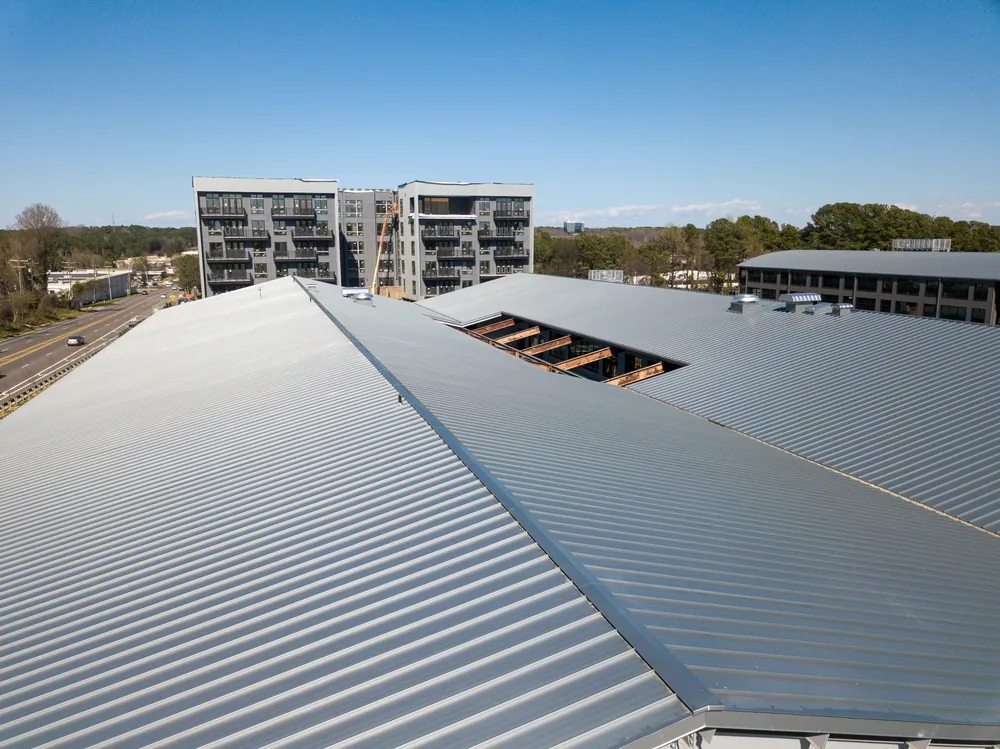
Send the site address, roof drawings, existing material records, drainage concerns and access requirements. We can document the receiving surface and list assembly details or tests that need resolution before an SPF scope is priced.
Next steps for your building:
Related Roofing Work
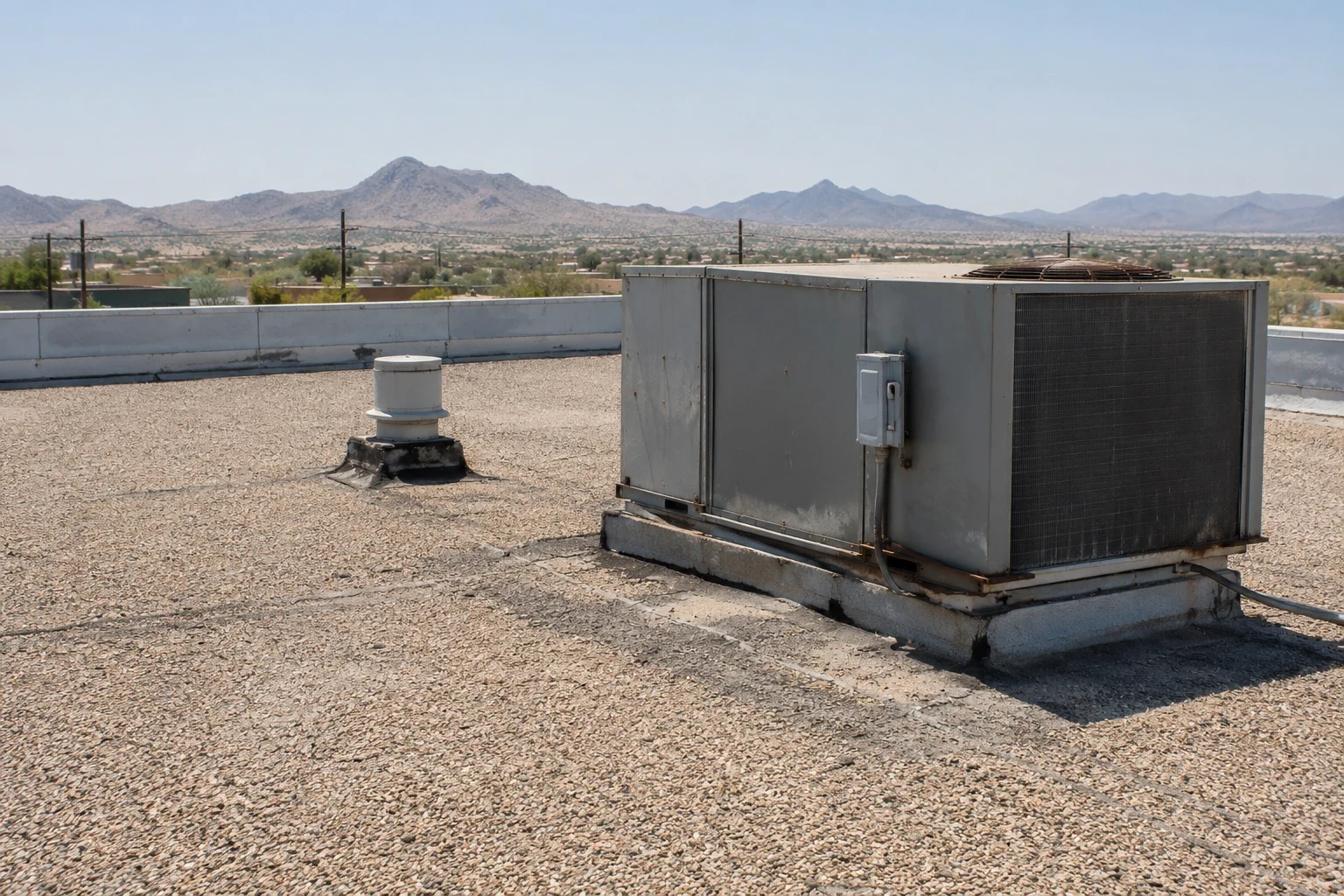
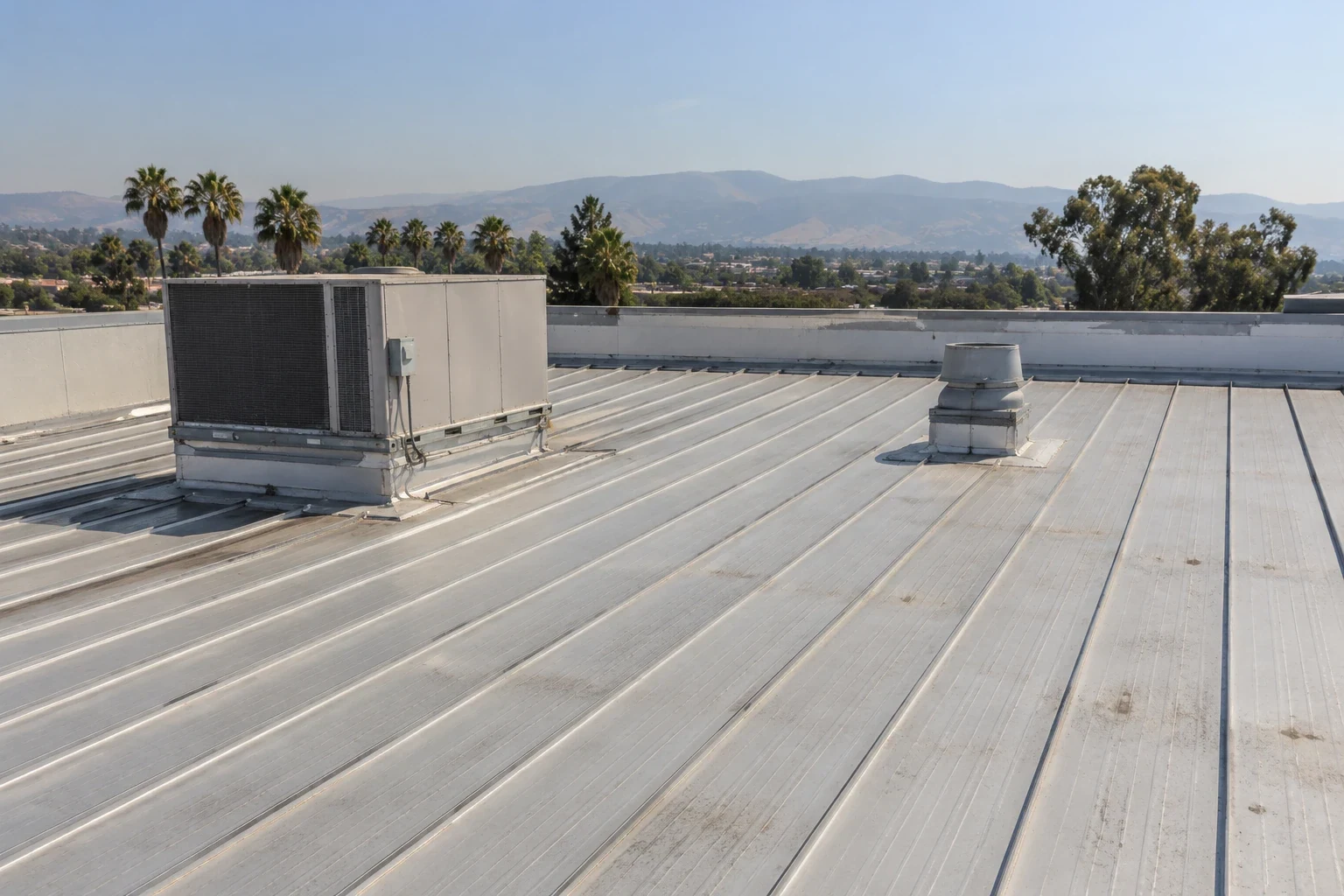
More commercial roofing work for Glendale and West Valley properties.