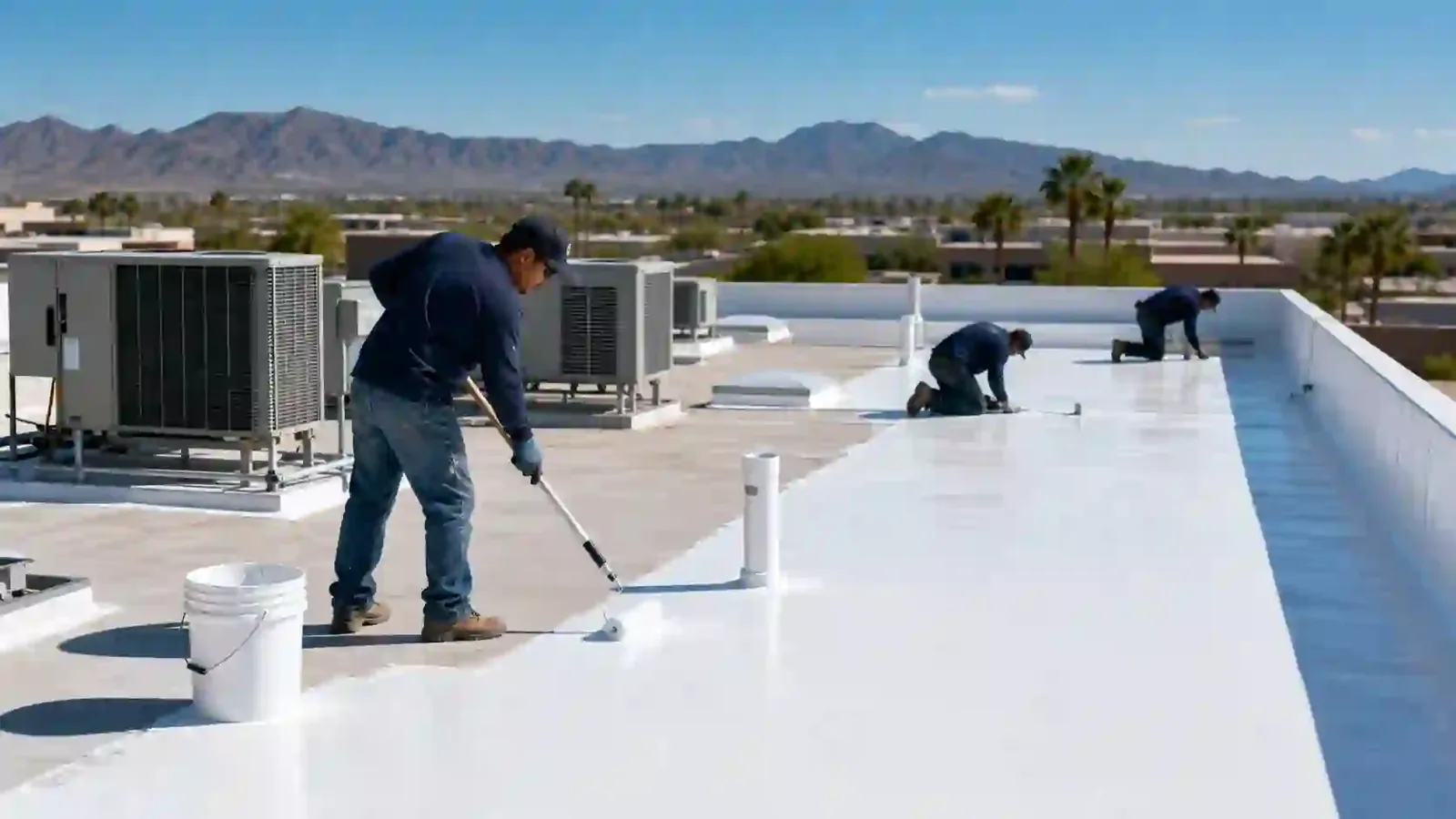
Standing Seam Metal Roofing in Glendale, AZ
Home / Roof Systems / Standing Seam Metal Roofing
Request A
Roof Assessment
Tell us about the building and the roof. We reply with the next practical step for your property.
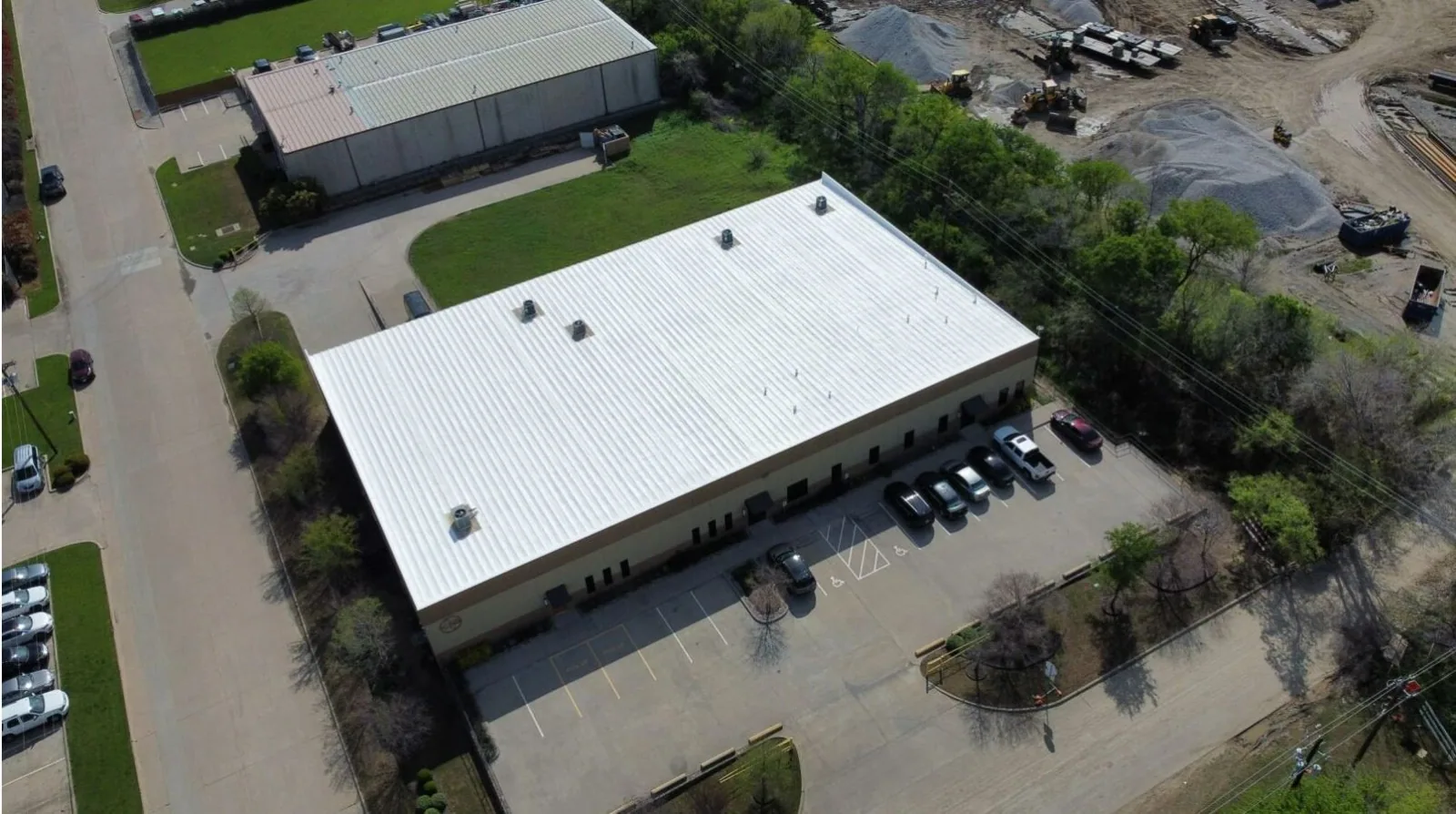
Plan standing seam roofing in Glendale with panel movement, clips, end laps and drainage resolved before heat and monsoon interruptions reach turnover.
West Valley summer heat can turn a standing-seam panel detail into a schedule question before the crew reaches the roof. In Glendale, the pre-roofing meeting should settle how long panels move, which clips allow that movement, and where the run terminates. We review those decisions with the roof package and the weather contingency, then keep the installation sequence tied to the GC's turnover date.
The West Valley has both new industrial development near Loop 303 and active sports and entertainment property around Westgate. Those locations do not tell us what a particular building has overhead. We identify its slope, panel profile, supports, penetrations and drainage before choosing a repair or replacement.
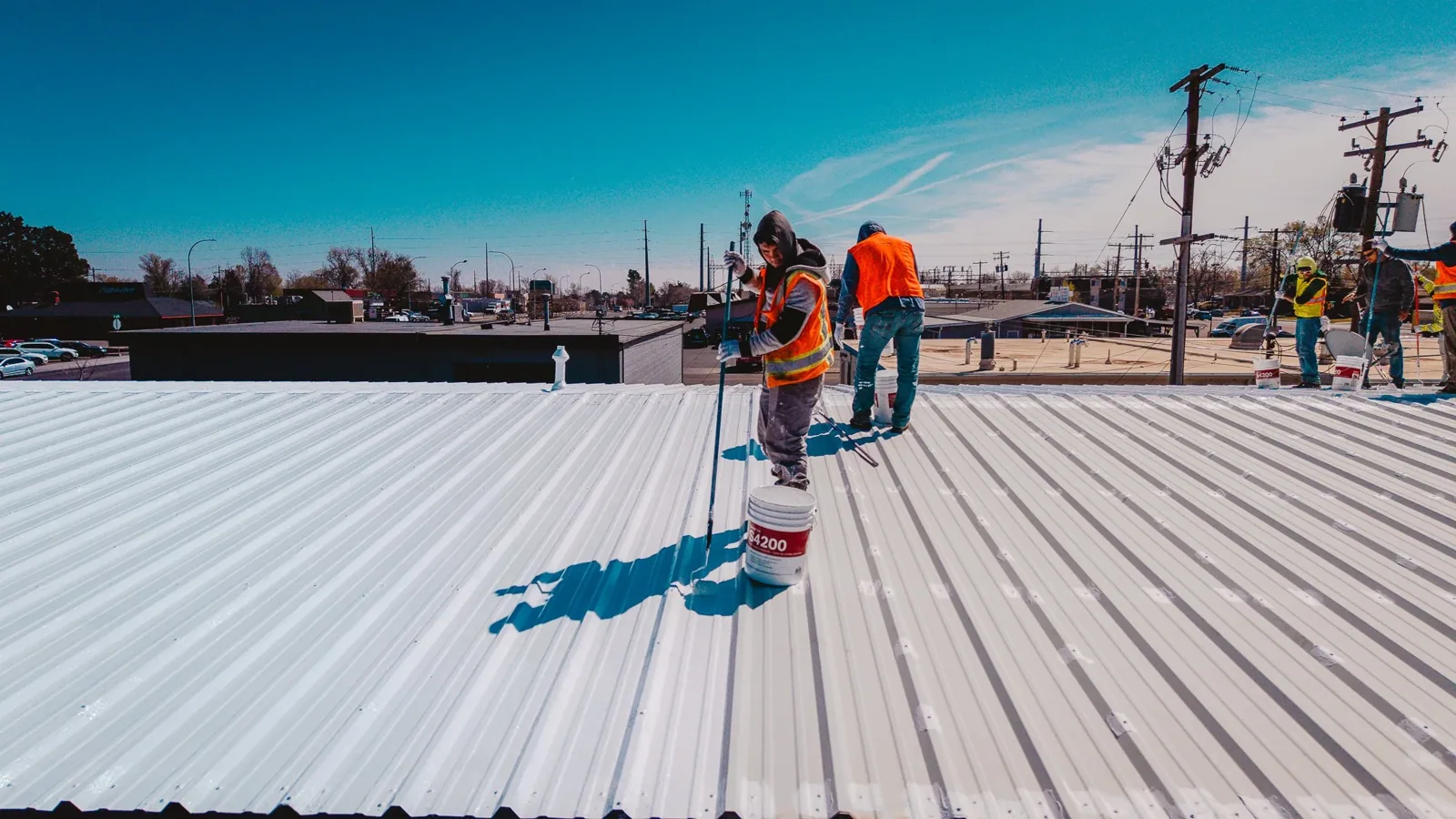
Set the clip and panel movement detail
On cold-formed purlin metal-building systems, standing-seam panels may connect to purlins through clips concealed in the seam. Fixed and sliding clips accommodate thermal movement differently. Other decks and support layouts require their own attachment details. We inspect the installed supports, clip type, panel direction, end laps, ridge and eave conditions before carrying a detail into the roof package. A clip that looks sound from the roof surface does not by itself establish how the assembly responds at its support. For a membrane alternative, compare the separate TPO roof assembly with the measured deck and edge conditions.
Glendale's heat makes the movement question especially relevant to the pre-roofing meeting. We compare the existing panel arrangement with the proposed replacement detail and record where a panel can travel. If the scope changes panel lengths or supports, the structural designer must review the revised system. Keep the decision in the drawings and installation information so panel fabrication, clip layout and field seaming follow the same reviewed condition.
For a low-slope area where metal panels are not the selected assembly, compare the planned metal roof retrofit approach against the actual structure and existing roof.
Trace water from ridge to eave
A standing seam sheds water through its panel geometry, but that path depends on pitch, end laps, closures, penetrations and perimeter transitions. We trace the path from ridge to eave and mark where water can collect, enter a cut edge or reach a changed opening. The edge metal and coping scope should include the end condition that receives the panel, not just a finish piece selected after the field run is set.
Look closely at fastener lines, sealant, panel laps, curb corners and roof-to-wall transitions. A leak beneath a lap can travel before it appears inside, so the interior stain is only one location to document. We map the observed condition, test the suspected connection as appropriate, and separate a localized correction from a broader panel or support issue. A roof inspection report can keep those findings attached to the exact run and detail.
The commercial roof inspection records panel condition, drainage and the supporting evidence needed to price the next step.
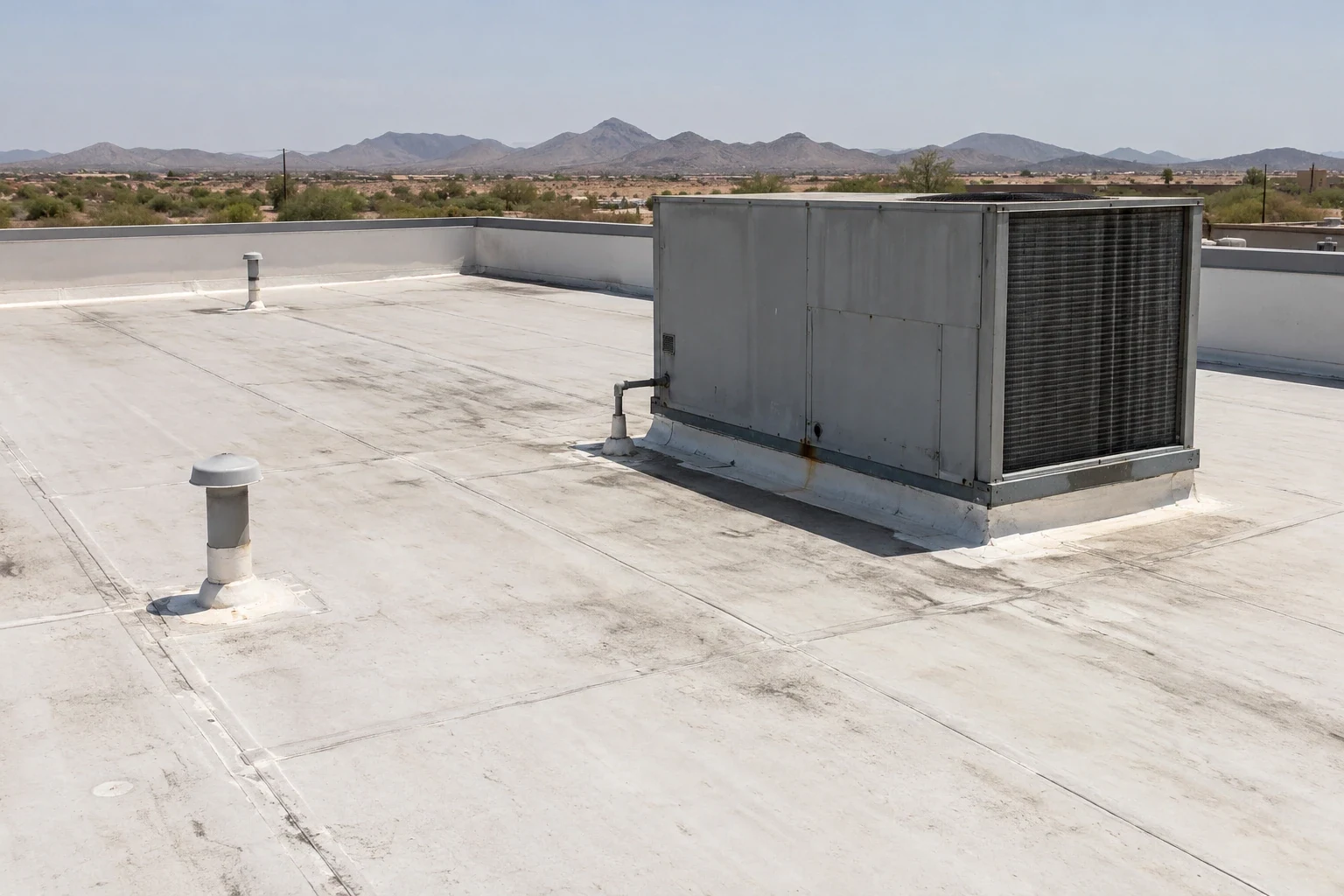
Choose a repair or a panel replacement
An isolated damaged panel, failed closure or loose trim may allow a bounded repair when adjacent metal and support remain serviceable. Widespread corrosion, recurring seam separation, distortion at clip lines or repeated patching can point to a larger assembly concern. We describe the observed limits and what remains concealed, then price the selected correction with the access, removal and reinstatement work included.
A replacement package needs more than panel color and gauge. Confirm the deck and purlin information, attachment schedule, underlayment or insulation, panel profile, clips, finish, eave and ridge details, and compatibility with curbs and drains. The commercial replacement scope also identifies protection for open areas and the sequence that leaves each day's boundary secure before the crew moves on.
That detail review matters around a live building at Westgate as much as at a Loop 303 spec project. A name on a map does not establish roof construction or access. The GC should provide the designated roof, current drawings and restrictions so the package and work hours reflect the project in front of us.
Put heat and monsoon interruptions on the schedule
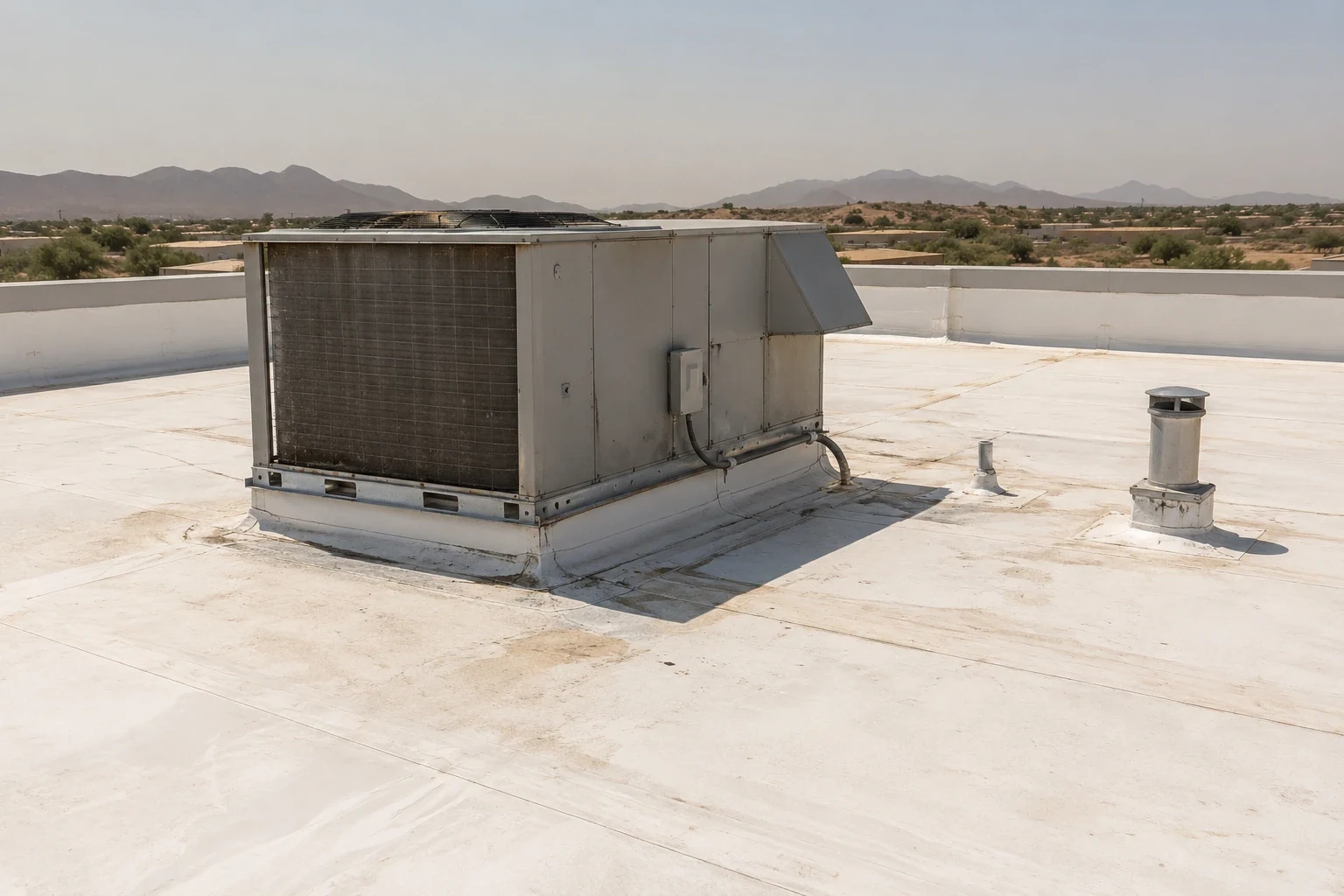
Glendale's summer heat changes how the crew handles exposed metal, adhesives, sealants and adjacent materials. We review the manufacturer's handling limits and the site's heat plan before staging. Shade for materials, shorter exposed work areas and planned breaks belong in the sequence. During a dust event, contaminated surfaces need evaluation and cleaning before a connection is closed; covering debris inside an assembly trades a short delay for a difficult future finding.
A July 2024 Phoenix-area microburst sequence caused major damage to a warehouse in Phoenix, according to the National Weather Service. For a standing-seam installation, translate that regional event into a defined open-area limit, temporary closure and post-interruption panel check. We identify the open roof area, temporary protection and stop point before the work begins, then recheck panels and boundary conditions after a weather interruption.
For repairs following a wind event, the wind damage assessment separates displaced metal, disturbed closures and unrelated existing conditions.
Close the roof package with usable records
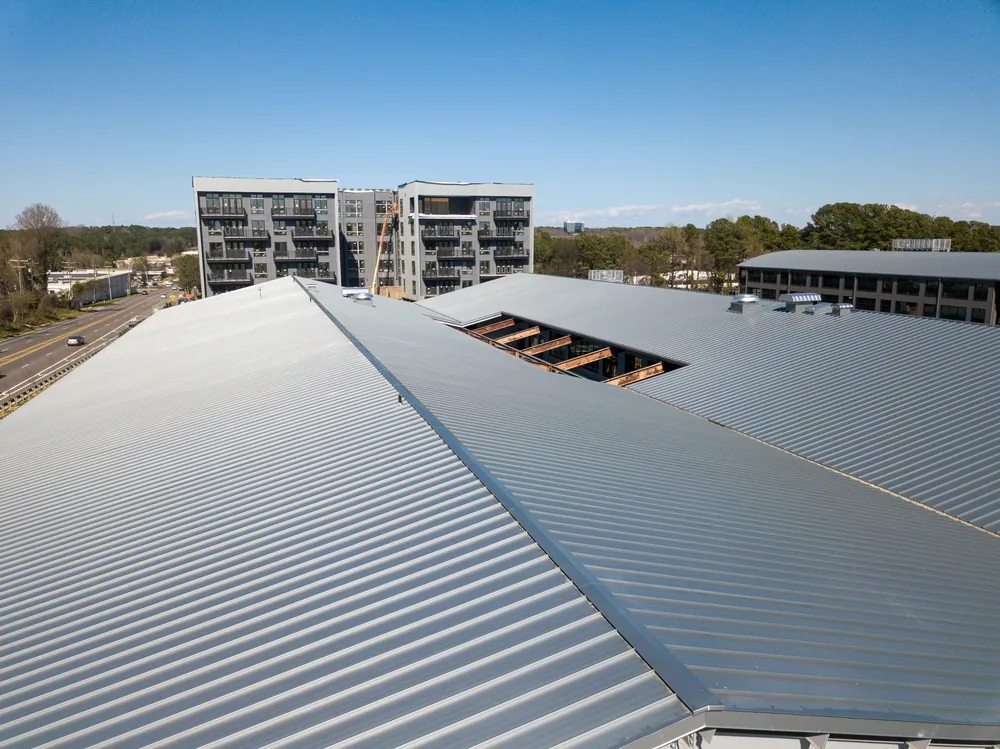
Before turnover, we compare completed panel work with the approved detail, note field changes and record remaining recommendations separately. Useful closeout includes the repaired or replaced run, clip or seam work performed, penetrations reviewed, drainage observations and any item deferred for another trade. Photographs should identify locations, not merely show a wide roof view. If the owner will maintain the assembly, give the GC a concise record of the finish and the locations that deserve attention.
The metal system still needs a maintenance plan for sealant, closures, fasteners, coating condition and drainage. We distinguish ordinary monitoring from a defect that needs prompt correction. The maintenance visit can revisit the same marked locations after monsoon season, keeping later observations comparable with the turnover record rather than creating a new, unlocated list.
At a proposed job in Glendale's Loop 303 industrial corridor, the GC can bring the panel schedule, existing roof notes and turnover date to a pre-roofing review.
More on Standing Seam Metal Roofing
Resolve the details before releasing panels
Before fabrication, confirm the measured roof geometry, panel lengths, clip type, support condition, end-lap locations, openings, perimeter metal and drainage path. Confirm which trade completes each support correction and what inspection or sign-off must happen first. If field discovery changes the measured condition, update the detail and schedule before the next run is released. This prevents a revised opening or curb from becoming an undocumented cut through otherwise complete work.
Standing seam fits when slope, support, movement and drainage details match the building. We walk the GC through the assembly and put selected work and interruption planning into the roof package before mobilization.
Commercial Roofing Questions
What tells us a standing-seam panel needs replacement instead of a repair?
The extent of corrosion, distortion, recurring seam separation and support damage matters. We map the affected run and inspect adjacent clips and laps before recommending a bounded repair or a larger panel scope.
Why does the clip type belong in the roof package?
The clip connects the panel to the support and affects how movement is handled. We confirm the installed and proposed arrangement with the panel profile and structural review.
Can new standing seam go over an existing metal roof?
A metal-over-metal retrofit needs a reviewed support and attachment design. We document the existing profile, structural condition, drainage and added load for the project design team.
What should the GC decide before panel fabrication?
Measured dimensions, panel run, clip layout, openings, edge conditions and the responsibility for preceding support work should be settled before fabrication.
How does monsoon planning affect an unfinished panel run?
The work plan identifies the open boundary, temporary protection and stop point. Following a storm or dust event, we inspect the exposed surface and connections before continuing.
Set the panel details before the roof package is released
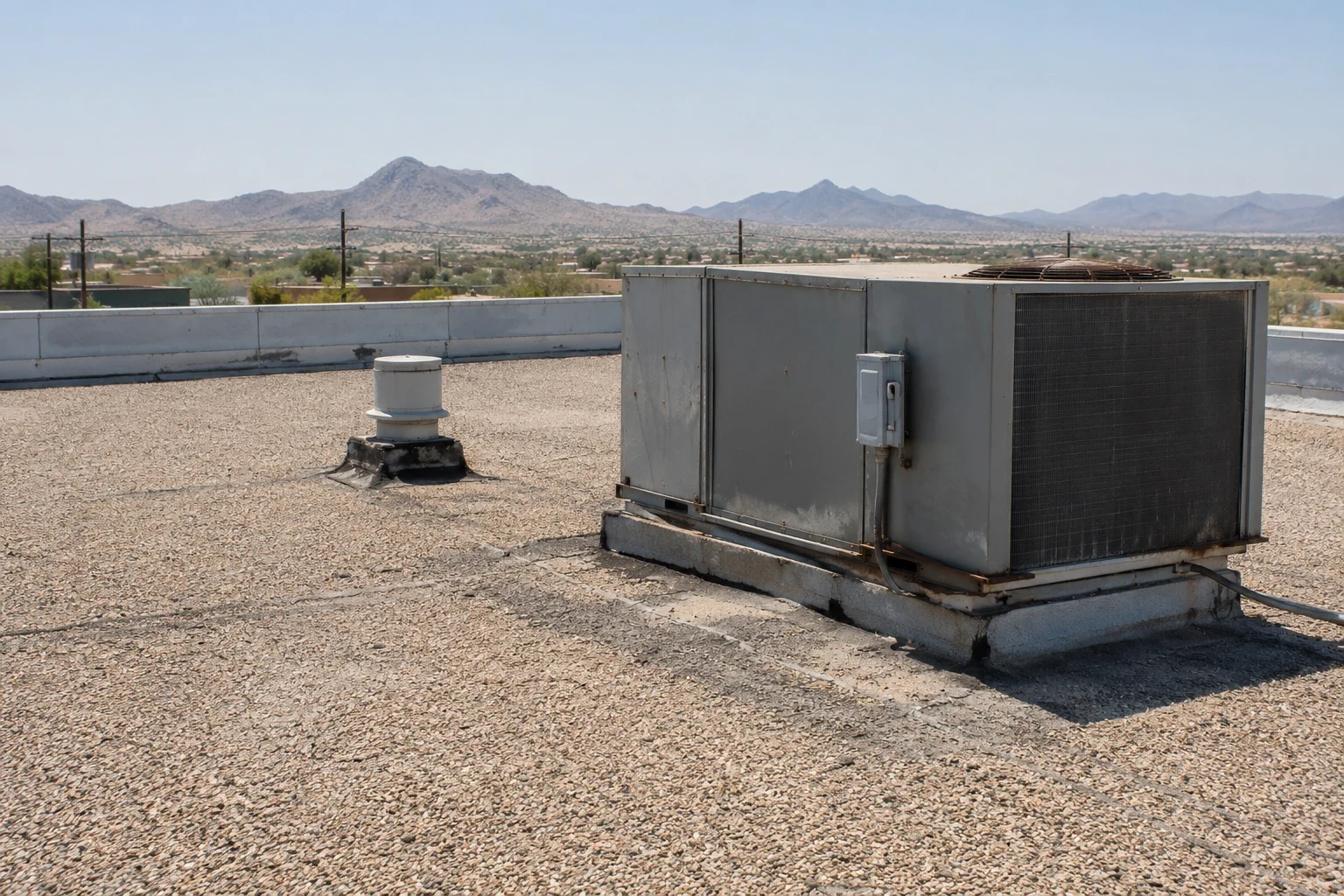
Bring the measured roof, support information and turnover date to a pre-roofing meeting. We will map the panel and clip decisions, work sequence and weather contingency with the GC.
Next steps for your building:
Related Roofing Work
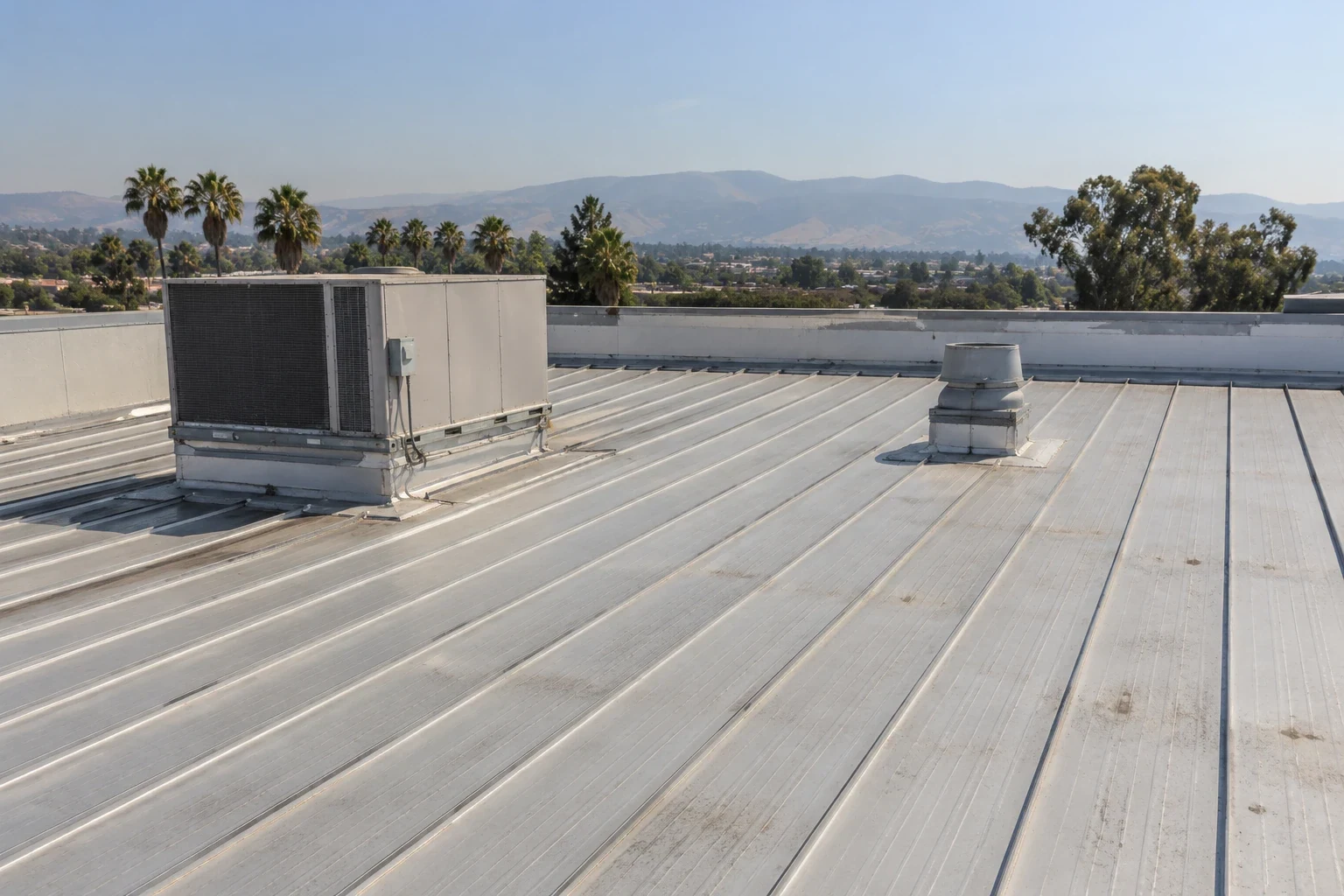
More commercial roofing work for Glendale and West Valley properties.