Silicone Roof Coatings in Glendale, AZ
Home / Roof Systems / Silicone Roof Coatings
Request A
Roof Assessment
Tell us about the building and the roof. We reply with the next practical step for your property.
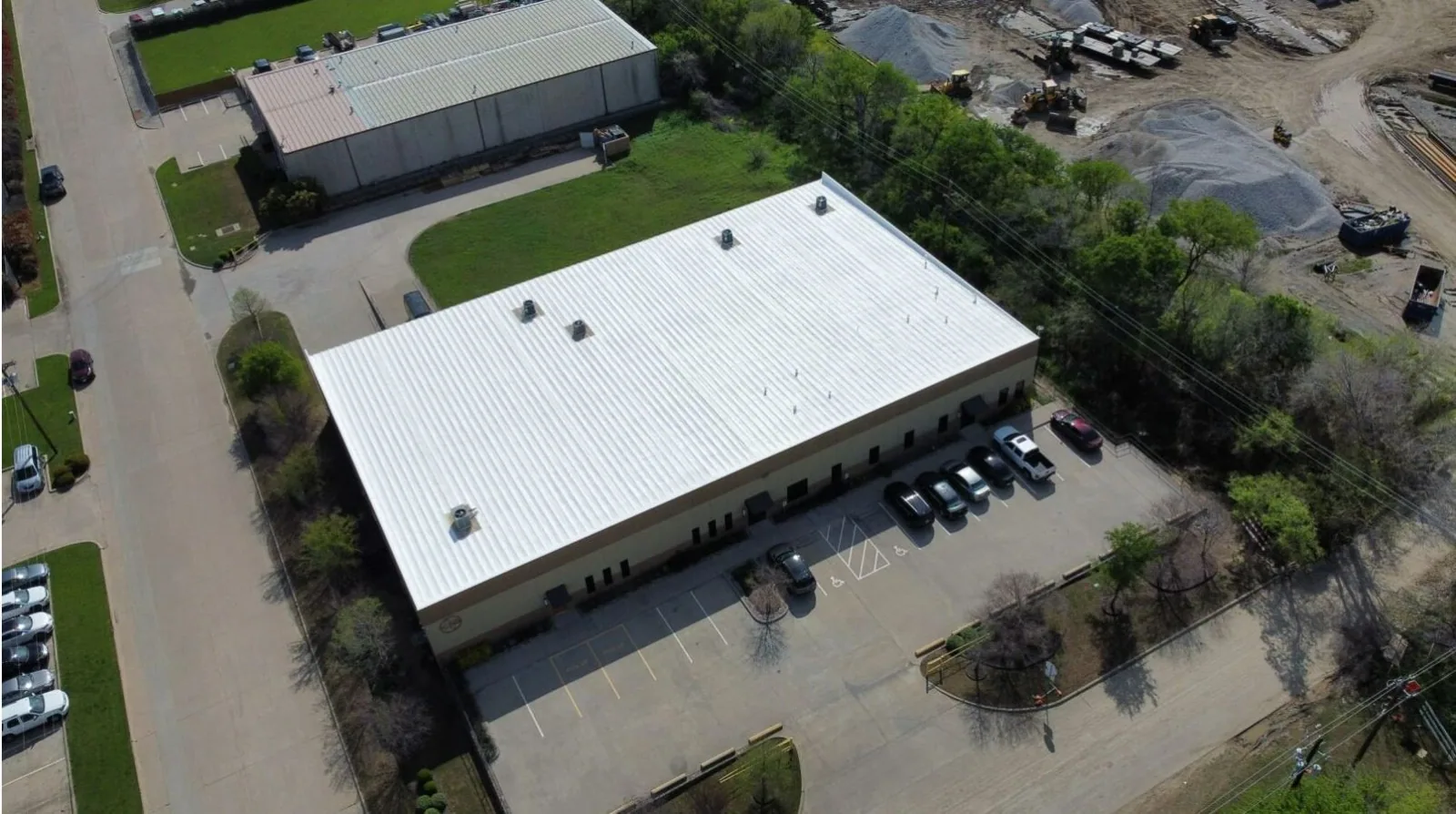
Assess silicone roof restoration in Glendale by existing system, surface preparation, moisture, drainage, coating build and documented product compatibility.
West Valley heat and seasonal monsoon rain make roof layers and drainage central to a coating decision. Before specifying silicone, confirm the repairs, surface condition and water behavior. It is not a substitute for an inspection of the assembly beneath it. The existing roof must be identified, stable enough to receive the selected product, and prepared to the product instructions. Details at drains, penetrations and edges still need repair or replacement where conditions require it.
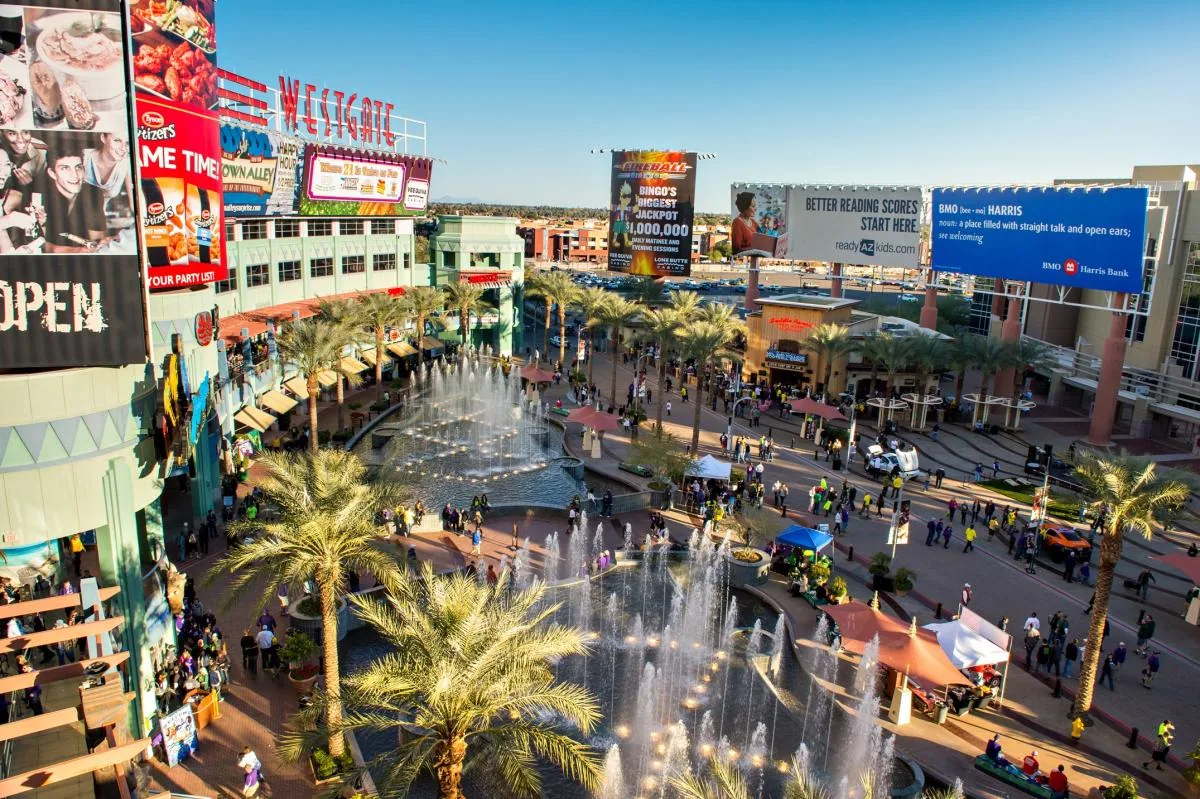
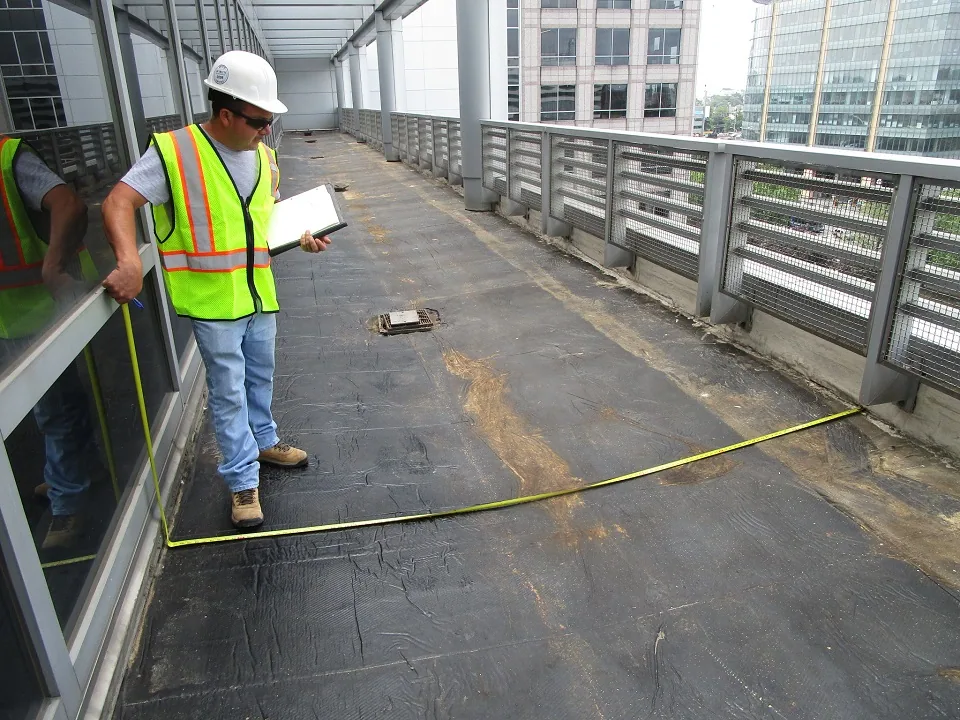
For a Glendale building near Westgate Entertainment District or the Historic Downtown Glendale area, we first document roof sections, substrate, prior coatings, ponding, access and repair history. Neighborhood context can help coordinate an assessment, but it does not establish the surface material or whether a restoration approach fits.
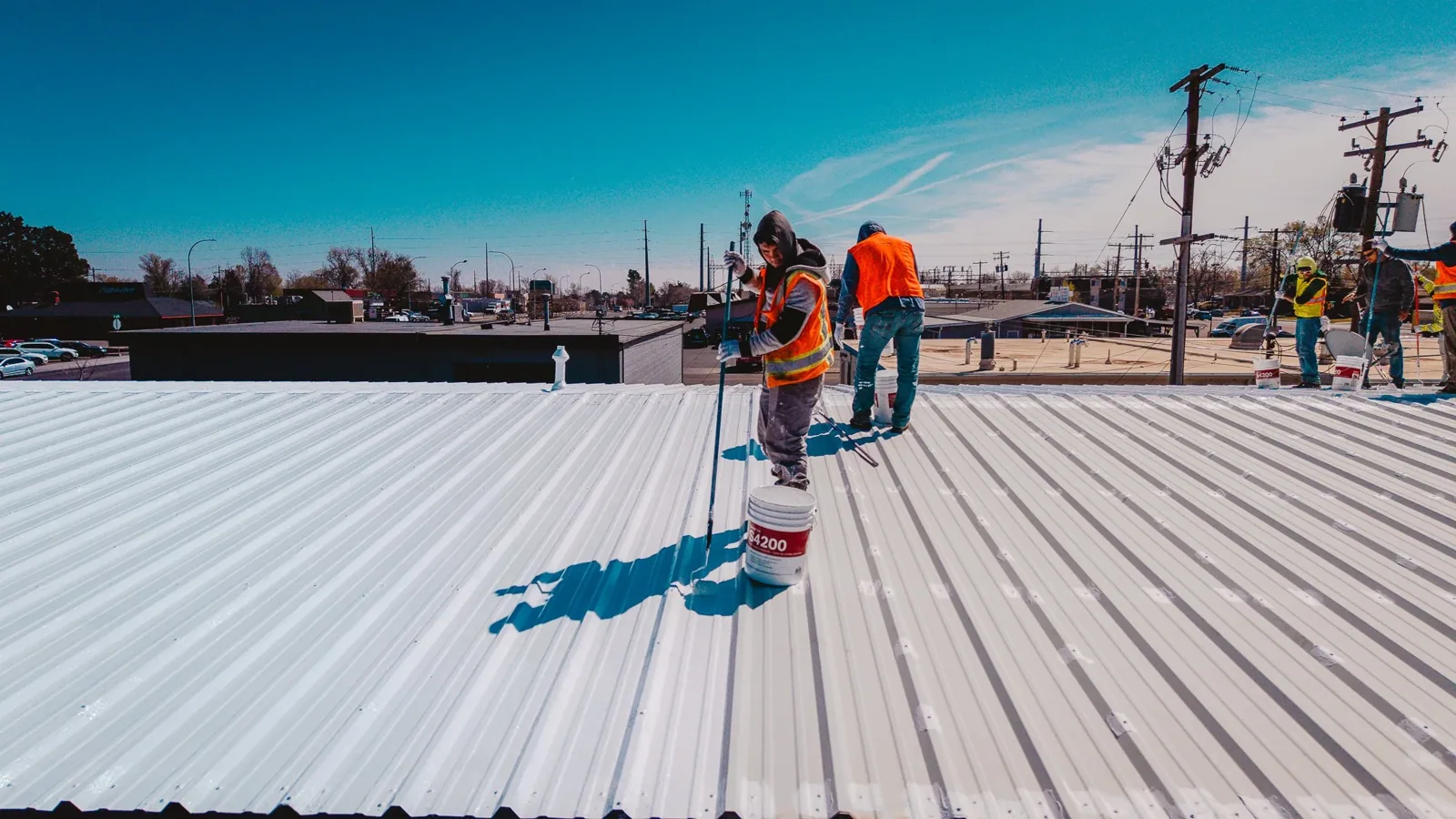
Identify the roof and coating layers before choosing silicone
Silicone chemistry is not a universal coating for every surface. Record the membrane or roofing material, age where known, existing coating layers, repairs, contamination, rust, loose granules and exposed reinforcement. On mixed roofs, map each substrate separately. If available records conflict with field observations, note the uncertainty and consider adhesion testing or a targeted opening rather than assuming the material from its appearance.
Different products within a family have different intended uses and limitations. For example, Henry lists particular Pro-Grade silicone systems for existing metal, built-up, modified bitumen, single-ply and coated SPF assemblies, with product-specific preparation details. Those system listings do not mean every silicone coating or primer is suitable for those surfaces. Match the selected base preparation and topcoat to the exact system documentation.
Compare restoration with acrylic roof coatings and SPF assemblies on substrate compatibility, repair needs, expected maintenance and project conditions. A coating's chemistry alone does not tell an owner whether the existing roof can be retained.
Include cleaning, repairs and adhesion checks in the scope
Before coating, define how the surface will be cleaned, dried and inspected. Dust, chalking, oils, biological growth, loose coating and incompatible sealants can interfere with bond or mask defects. Repair wet insulation, open seams, failed flashings, corroded panels or deteriorated membrane using compatible details before coating over the area. State the limits of pressure washing, debris removal and dry time, especially when water could enter the building through open defects.
Use the product instructions to determine where a primer is required and which substrates need an adhesion test or sample area. Keep a record of the test location, surface preparation, primer, coating and result. Resolve failed adhesion before application. The commercial roof inspection should identify the conditions that remain hidden or inaccessible and separate those unknowns from confirmed repairs.
Specify the base work and coating build separately. State product name, number of coats, target film thickness, reinforcement at seams or transitions, weather limits and how application will be checked. The approved product data and system specification set those values; do not extrapolate a coverage rate from a different roof or another product.
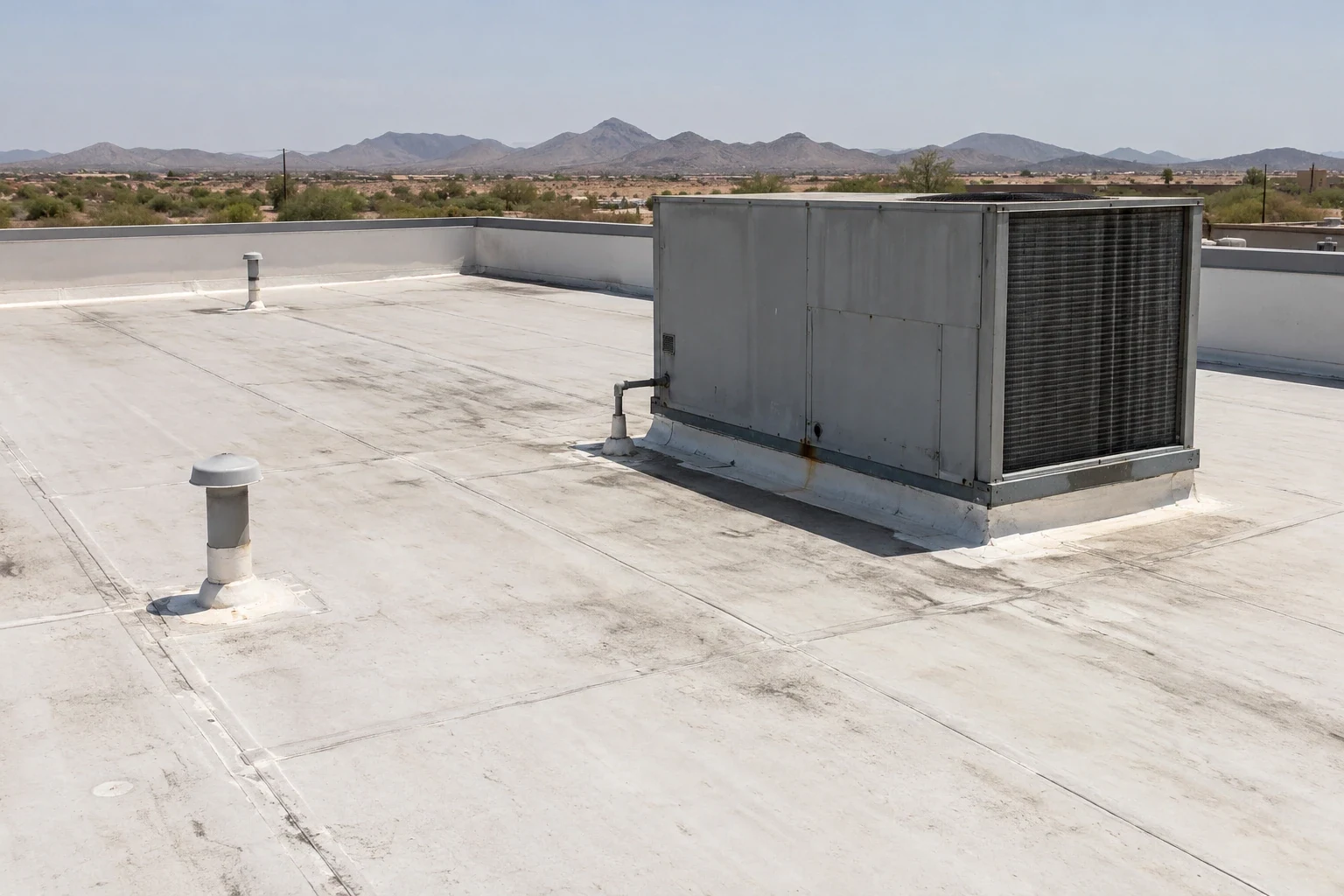
Address ponding, outlets and equipment details directly
Silicone can have product-specific resistance to ponding water, but a coating does not correct a blocked drain, collapsed deck or poorly set roof slope. Map low areas and the time water remains after precipitation. Confirm the selected product's water exposure limits, repair the drainage defect where practical, and document any condition the design leaves in place. Keep drains and overflow paths clear and accessible after application.
At curbs, skylights, pipes, walls, expansion joints and perimeter edges, identify the accepted flashing system and termination. If accessories or primers come from another manufacturer, verify written compatibility for the contact surfaces and exposure. Show how coating stops at incompatible materials, and where a separate flashing repair or replacement is included. Coordinate equipment supports and service routes so later work does not cut through the cured coating.
Review the transition between silicone, PVC roofing and other adjoining roof systems. Do not cover a membrane seam or metal joint simply to create a uniform color. The assembly detail should explain where each material ends, how water is directed and how a later repair can be made without spreading coating onto a surface that cannot receive it.
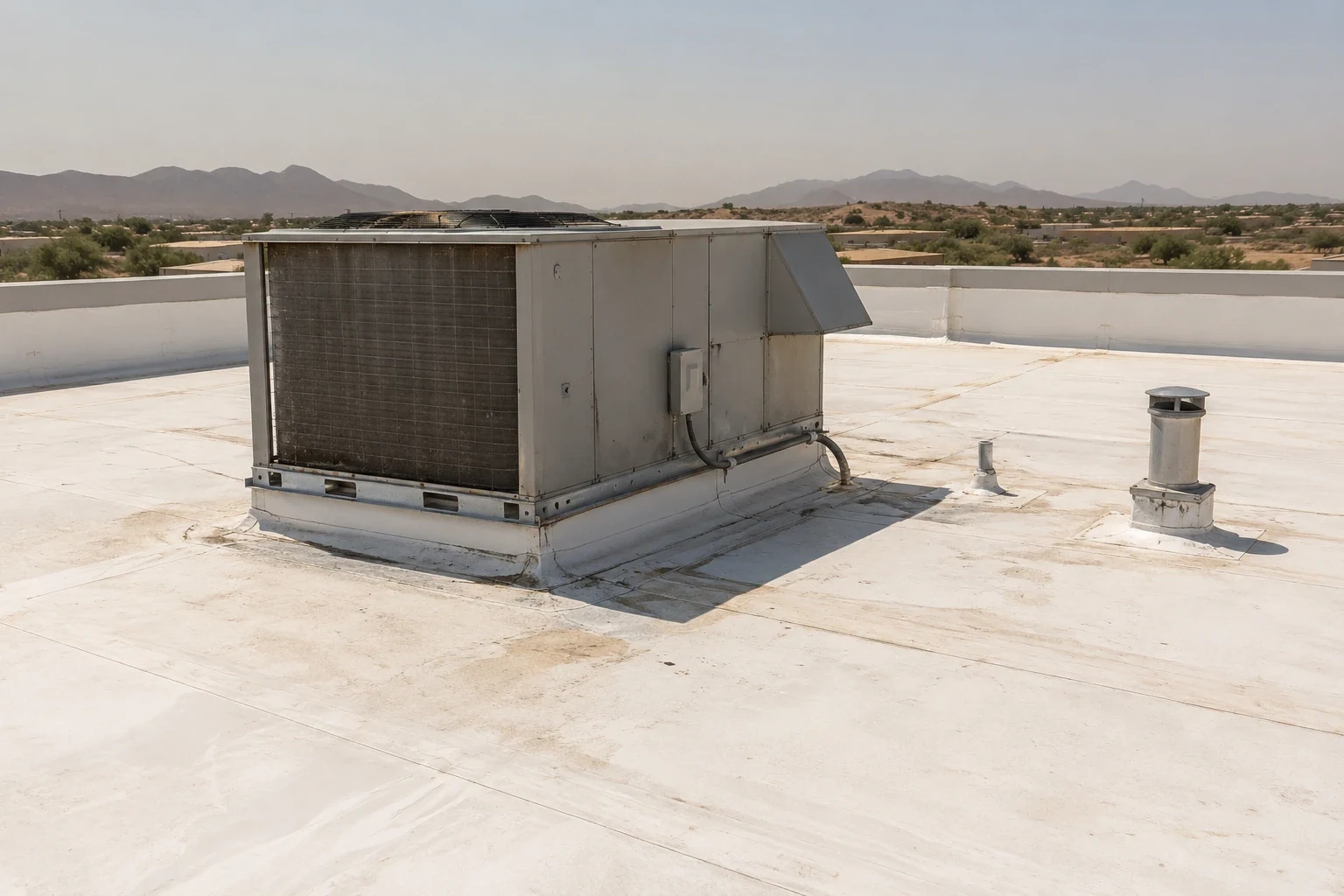
Compare coating restoration with a new roof scope
Restoration is a candidate when the existing roof and substrate can be retained under the selected system, required repairs are defined, and the owner understands the remaining service and maintenance needs. If moisture is extensive, insulation is wet, metal is corroded through, membrane attachment has failed or the deck needs repair, a coating may leave material problems below the surface. Separate moisture investigation and structural review from the visible coating estimate.
The roof coating restoration scope should list tested areas, repairs, primers, product build, reinforcement, penetrations, edge transitions and clean-up. Compare it with a roof recover or replacement on the same roof sections, demolition assumptions, drainage and insulation changes. Clarify how unexpected deterioration would change scope, price and schedule.
Ask for the product technical sheet, system specification, application guide, code documents if required, and the exact written terms being offered. Warranty eligibility or term depends on the named products, installation and project conditions; a coating label alone does not establish coverage.
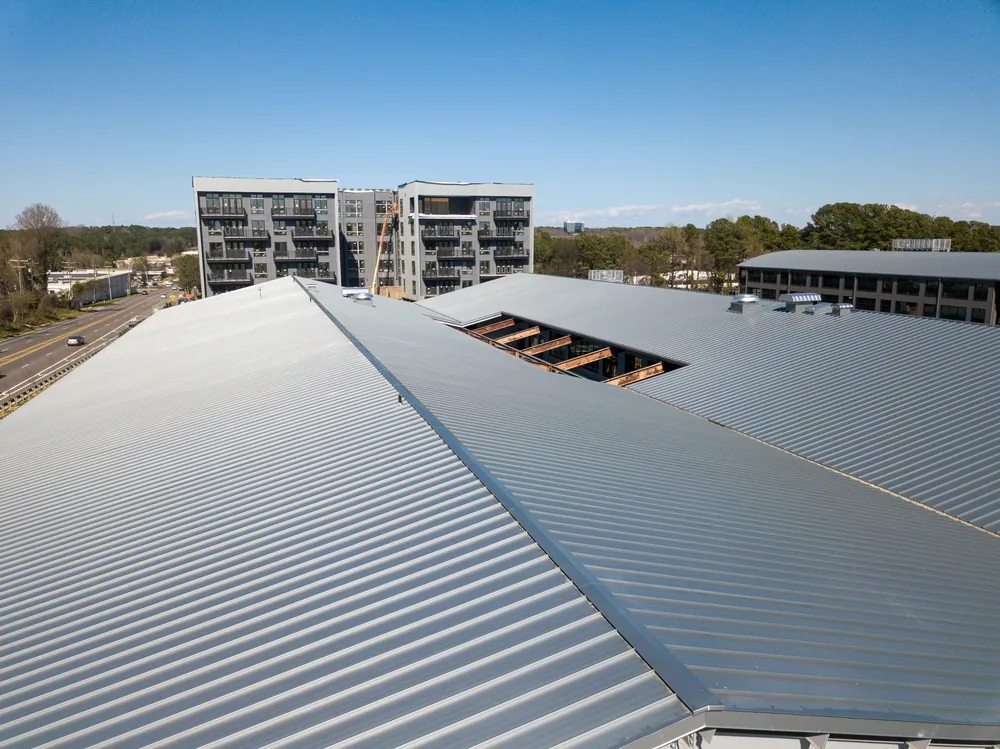
Track coating condition and future rooftop work
Closeout records should include the roof plan, product data, primer and coating lots, application weather, measured build, repair details, photographs, inspection notes and written project terms. Mark coating limits, drains, seams, penetrations and any roof area excluded from the restoration. Store this with earlier repair records so a future crew can distinguish compatible material from an unknown patch.
Set recurring inspections according to product documents and observed roof conditions. Record surface wear, open details, punctures, ponding, debris and work performed by HVAC, electrical or solar trades. Before another contractor adds a support or conduit, define the approved penetration detail and the responsibility for making the repair. A walkover inspection has limits and should not be represented as proof about concealed insulation or deck condition.
Glendale's adopted codes and permitting requirements can change, so confirm current jurisdictional direction for the project before beginning restoration. In the Westgate or Historic Downtown areas, coordinate access, operating hours and tenant protection with the owner. Those logistics belong in the proposal but do not change the coating manufacturer's technical limits.
More on Silicone Roof Coatings
Commercial Roofing Questions
Can a silicone coating be applied to any existing commercial roof?
No. The substrate, prior layers, preparation, adhesion and selected product instructions determine suitability. Confirm exact compatibility for each roof surface before coating.
Will silicone coating solve ponding water?
Some products list resistance to ponding water, but that does not fix blocked drains, structural deflection or inadequate slope. Diagnose and document the drainage condition separately.
What should be included in a silicone restoration bid?
Include substrate findings, cleaning, repairs, primer or adhesion tests, named coating, required film build, detail reinforcement, weather limits, closeout and written terms.
Can an existing coated roof be recoated with silicone?
Possibly, after checking adhesion, coating type, contamination, moisture and product compatibility. Use the chosen system instructions and document any test areas.
Is silicone roofing the same as a new membrane roof?
No. A liquid-applied coating restores or protects a prepared existing assembly under a specified system. A new membrane assembly has different materials, details and removal assumptions.
Request a Glendale coating assessment
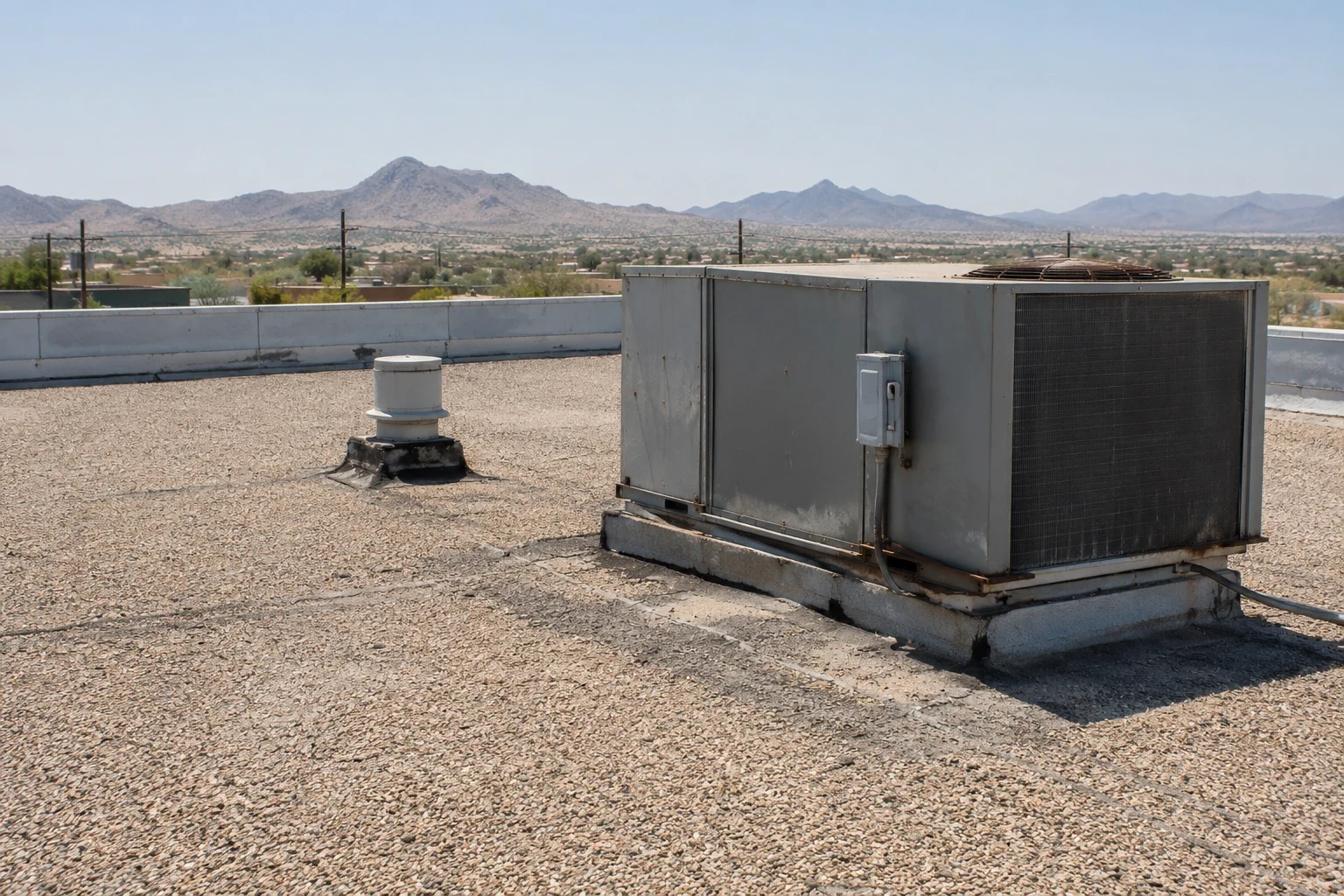
Send the property address, roof records, prior coating information, leak locations and project schedule. We can document the receiving surface and identify repair, testing and compatibility decisions before a silicone restoration is priced.
Next steps for your building:
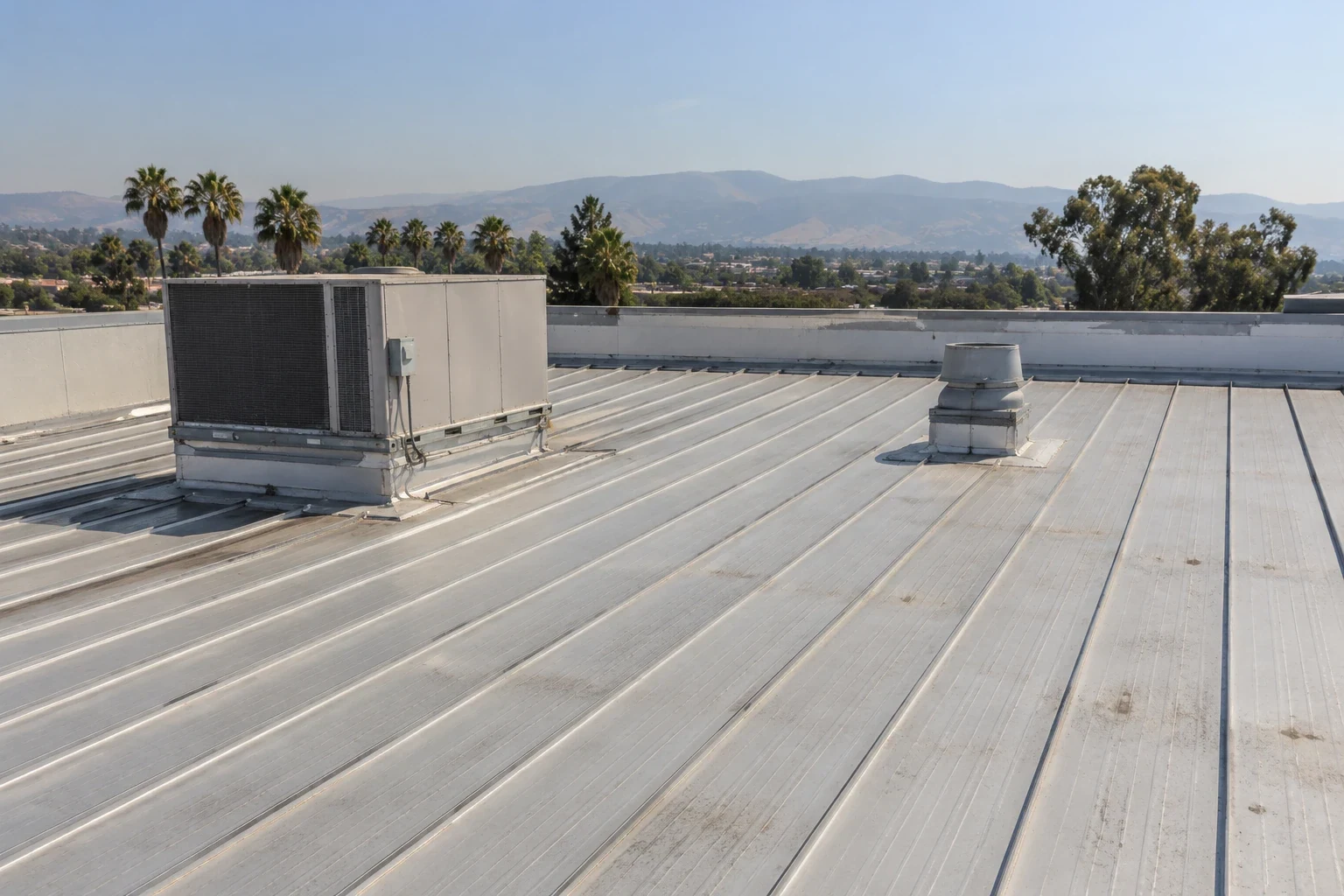
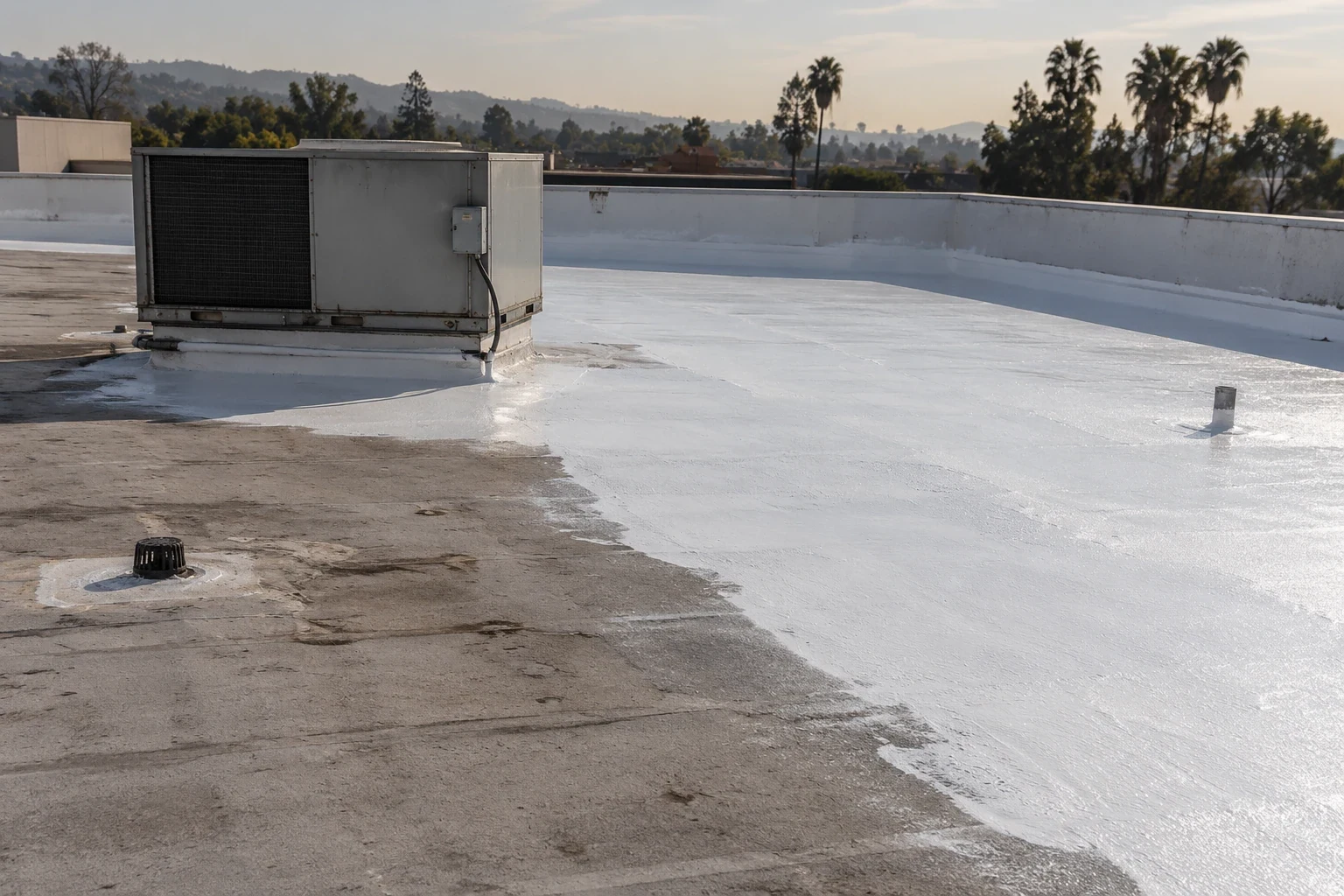
Related Roofing Work
More commercial roofing work for Glendale and West Valley properties.