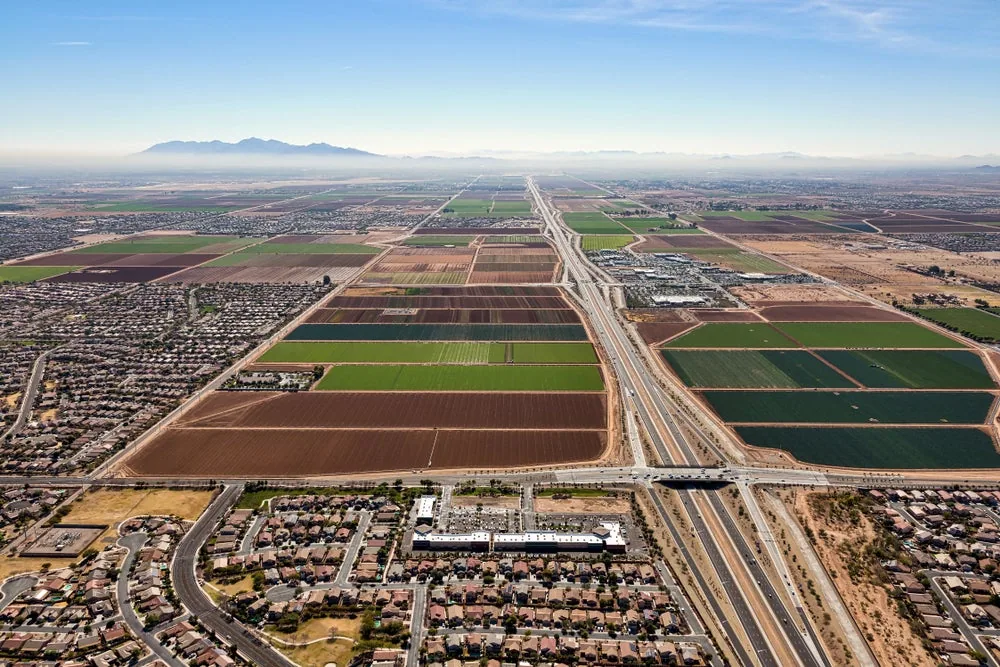
Manufacturing Plant Roofing in Glendale, AZ
Home / Property Types We Roof / Manufacturing Plant Roofing
Request A
Roof Assessment
Tell us about the building and the roof. We reply with the next practical step for your property.
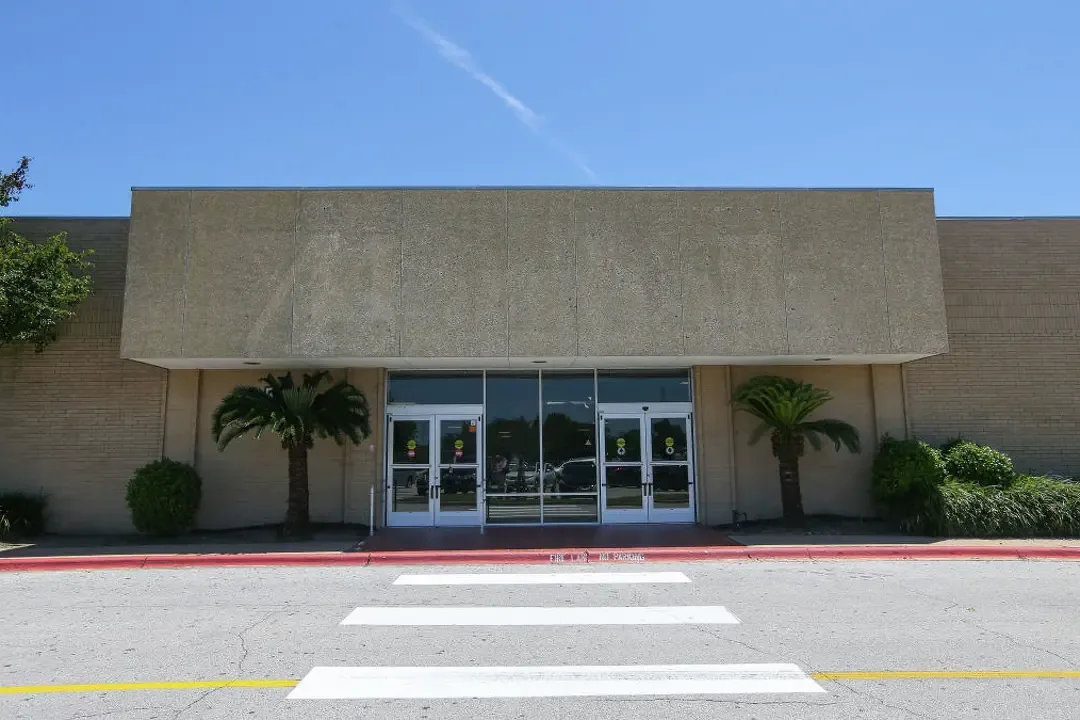
Manufacturing plant roofing in Glendale, AZ, with investigated water paths, roof and equipment boundaries and practical construction stages for GC review.
Planning a manufacturing roof interruption starts with the regional monsoon season and the construction proposed. Before a contractor opens roofing, the team should understand which stage can be completed, what protects an unfinished area and which equipment task could prevent closure. We bring those questions to the roof package discussion with the inspected condition in hand. The useful starting point is the work actually required above the plant, followed by the facility preparations that let it proceed.
For manufacturing plant roofing in Glendale, AZ, we arrange the visit around the identified building and roof area. State Farm Stadium and Glendale Main Library can help describe the part of Glendale involved; the facility contact supplies the plant address and inspection entrance. Bring available leak records, prior repair information and the general contractor's proposed work dates. We can use that material to plan the roof examination and identify the equipment or interior questions that need a responsible contact at the pre-roofing meeting.
Separate roofing from equipment water paths
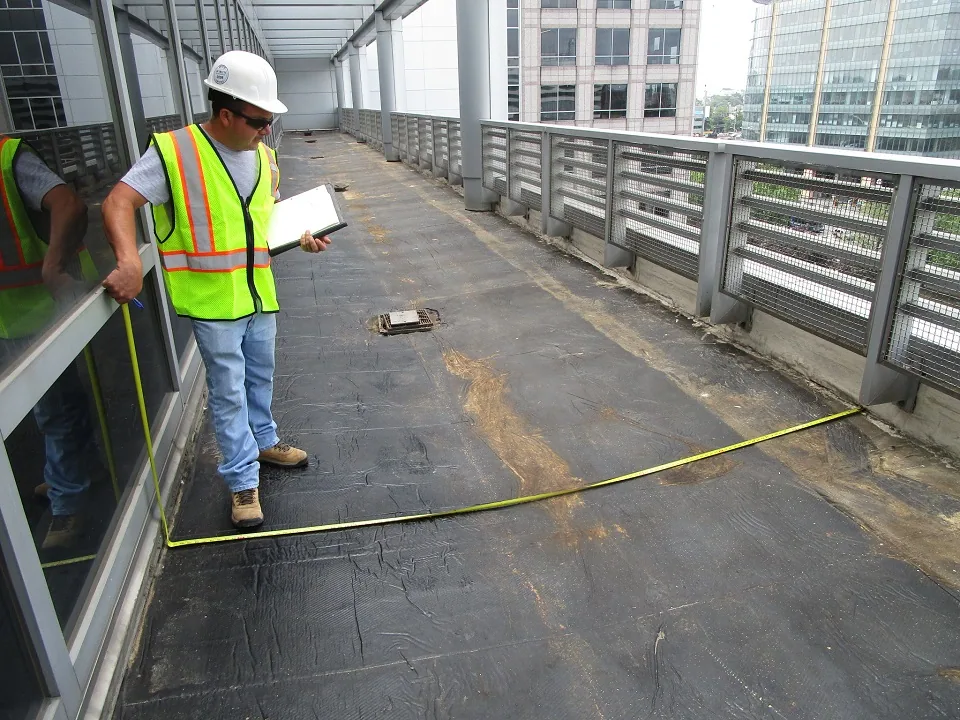
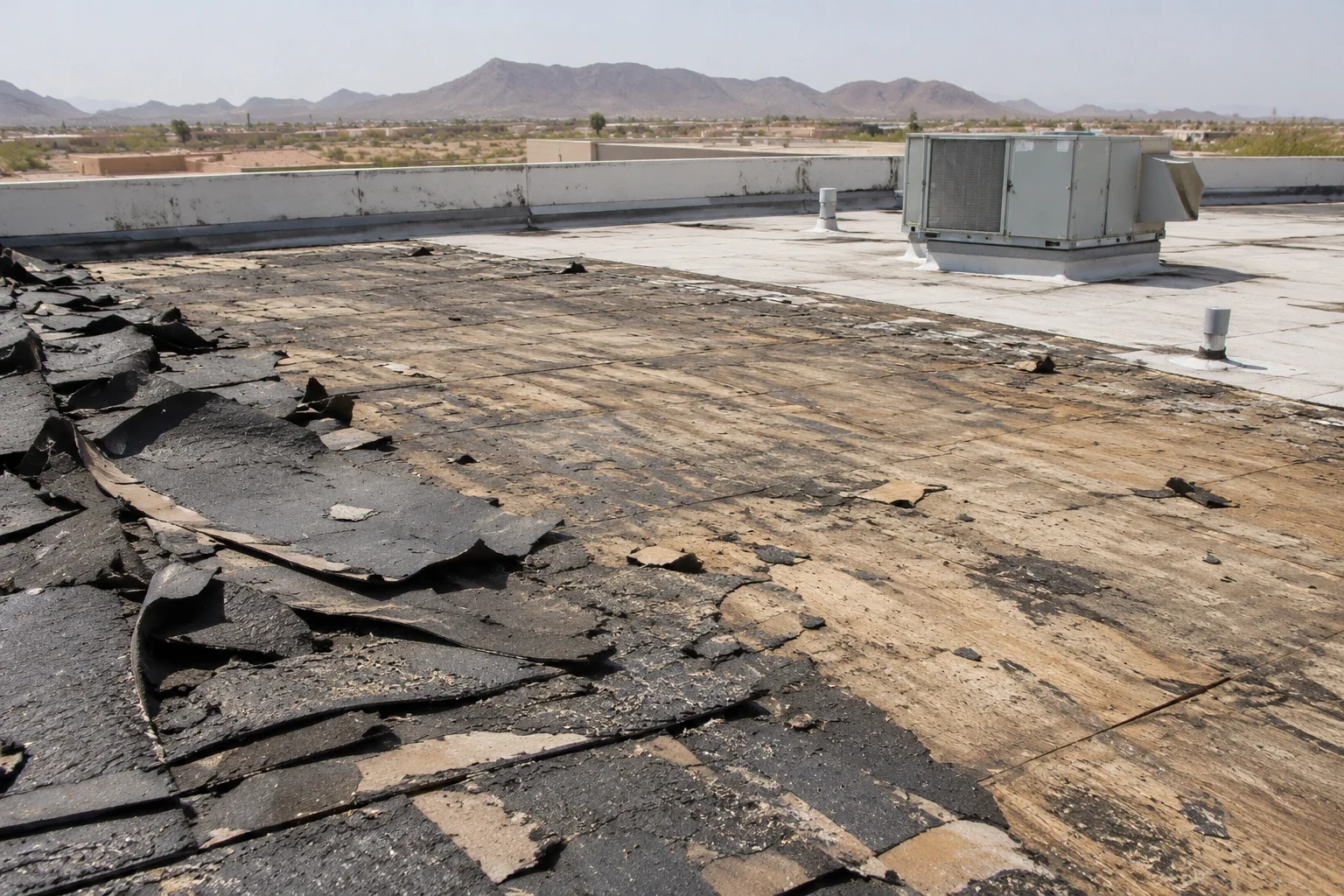
Water observed within a plant needs examination of the roof and the connected details above the report. Record when it appeared, its interior position and any photographs available. We inspect nearby seams, penetrations, walls and drains, then explain the roofing evidence found. A plant roof inspection should show which positions were examined and what remains unresolved. A water report near equipment may also require that equipment contractor to investigate its component. Where investigation requires an opening, agree its location and protection first. Document the exposed condition before restoration so the next decision has a visible construction basis.
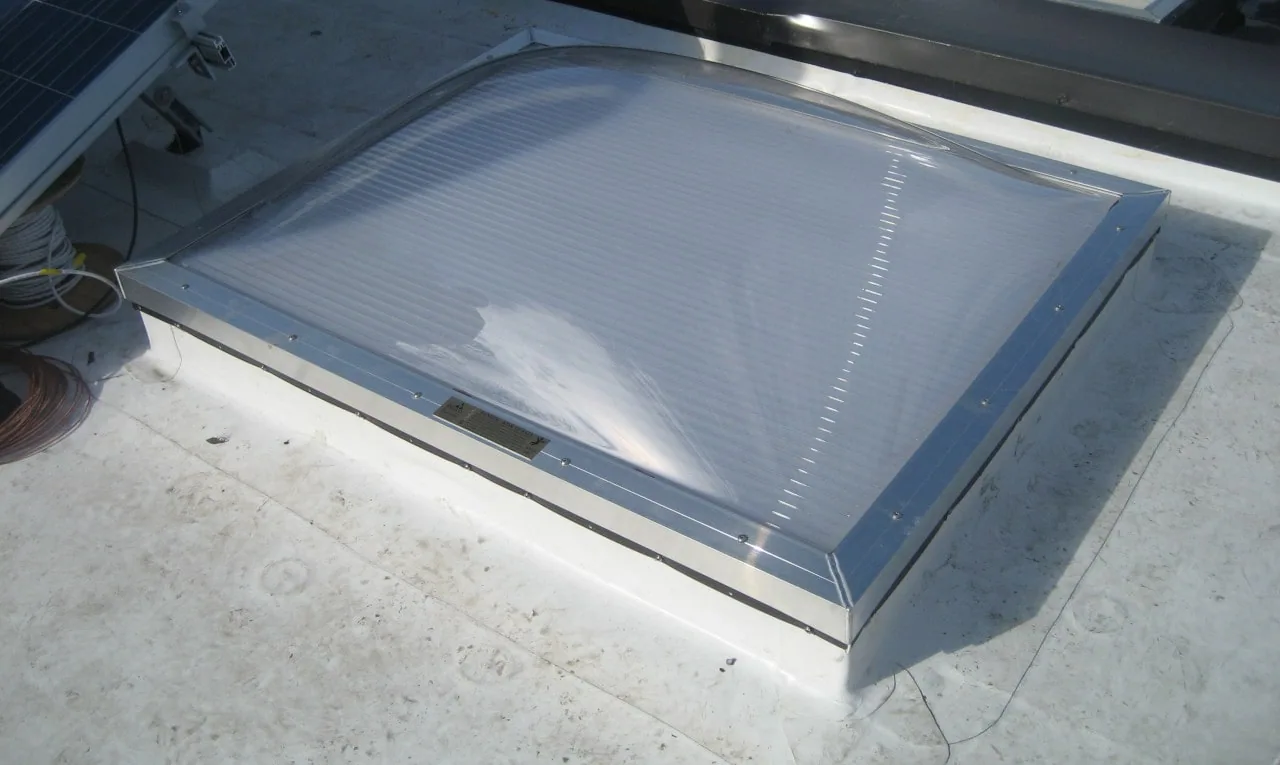
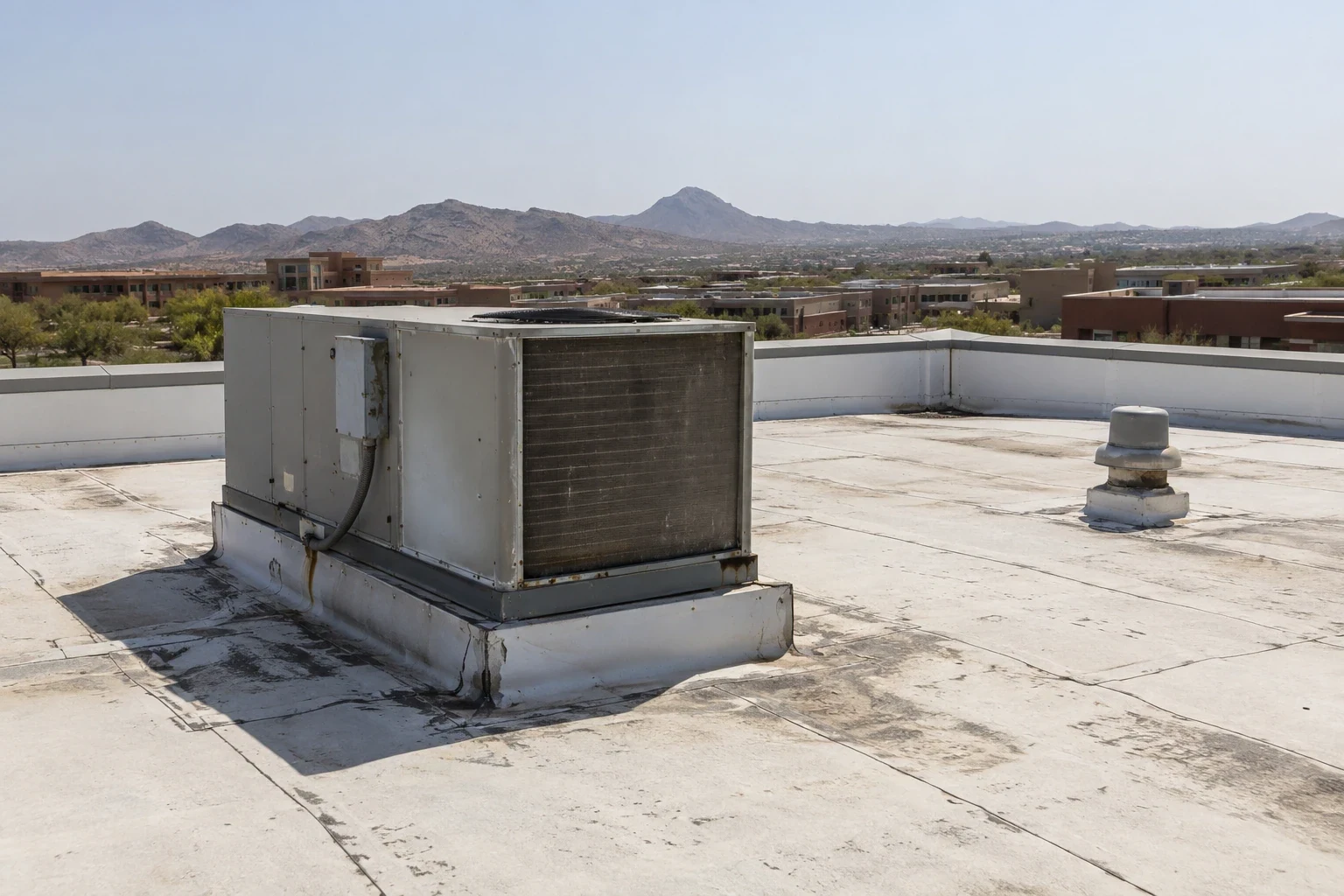
For a pipe, curb or opening, identify the roofing connection separately from the item passing through the roof. The repair needs sound backing and a compatible junction with the retained material. A proposed penetration flashing repair should include the removal necessary to reach that construction. If a component is loose or needs replacement, establish who addresses it and when. Roofing around an unfinished item can create avoidable rework, so its completed position and readiness belong in the contractor's plan.
Bring the facility instructions into the stage
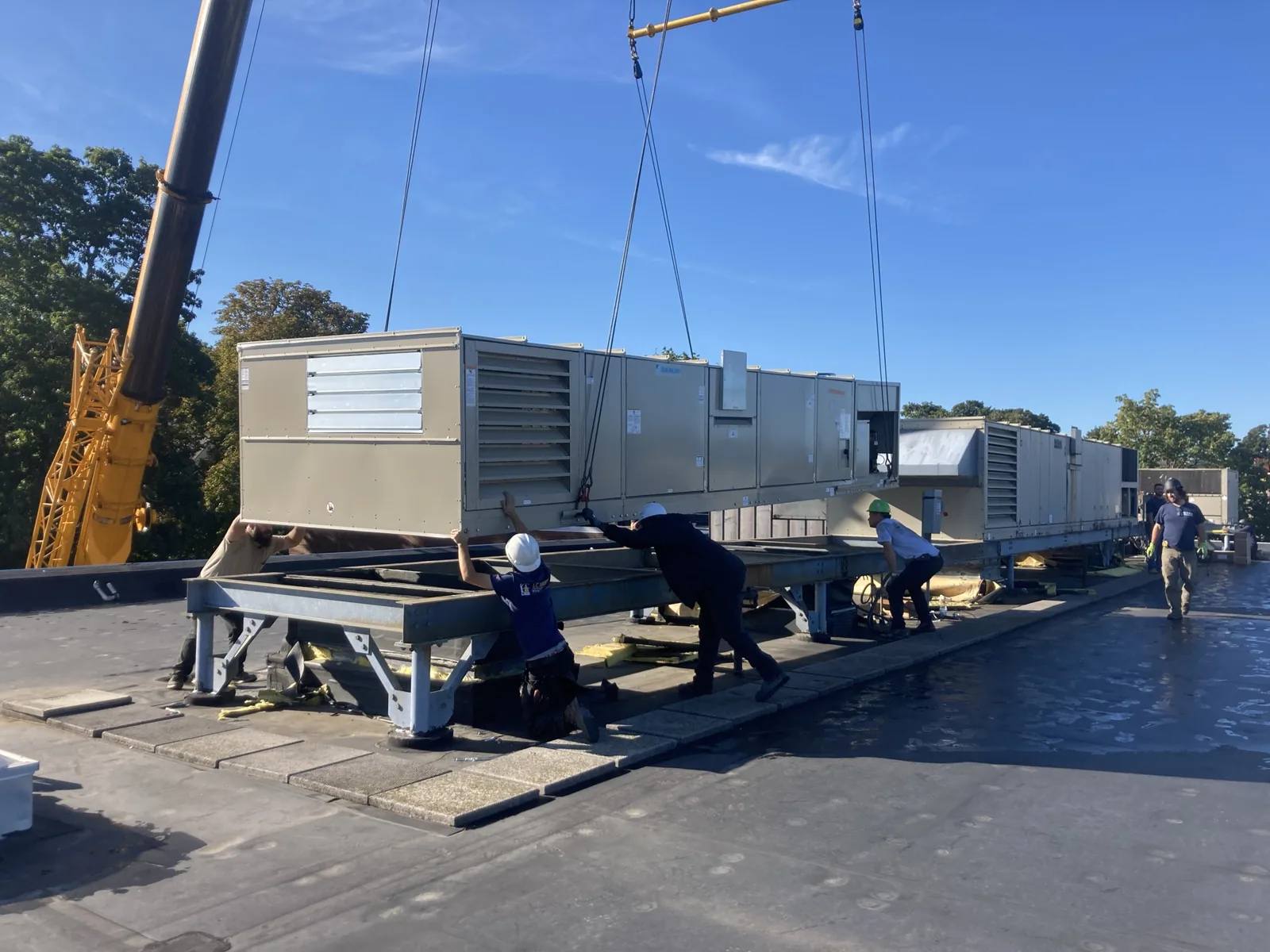
Show the facility representative the roof opening, lifting position and route for debris. Ask which equipment or materials below need relocation, separation or protection, and what access or intake instructions apply to that work. The facility's actual directions should reach the contractor before removal is scheduled. Where a proposed stage conflicts with an interior activity, resolve the arrangement and identify the contact who confirms preparations. The roofing crew needs a specific work area rather than a general assurance that the plant is ready.
A heat plan also needs the requirements of the roofing material being installed. Review storage, preparation and installation conditions for the specified assembly. Coordinate the crew's access and available roof area with those requirements and the permitted facility arrangement. Work involving rooftop equipment curbs and supports may require an equipment contractor's separate attendance. Define the component work, the roofing work and the condition required for each handoff. The general contractor can then address a delay before it leaves an open roof.
Check the edge and the drainage path
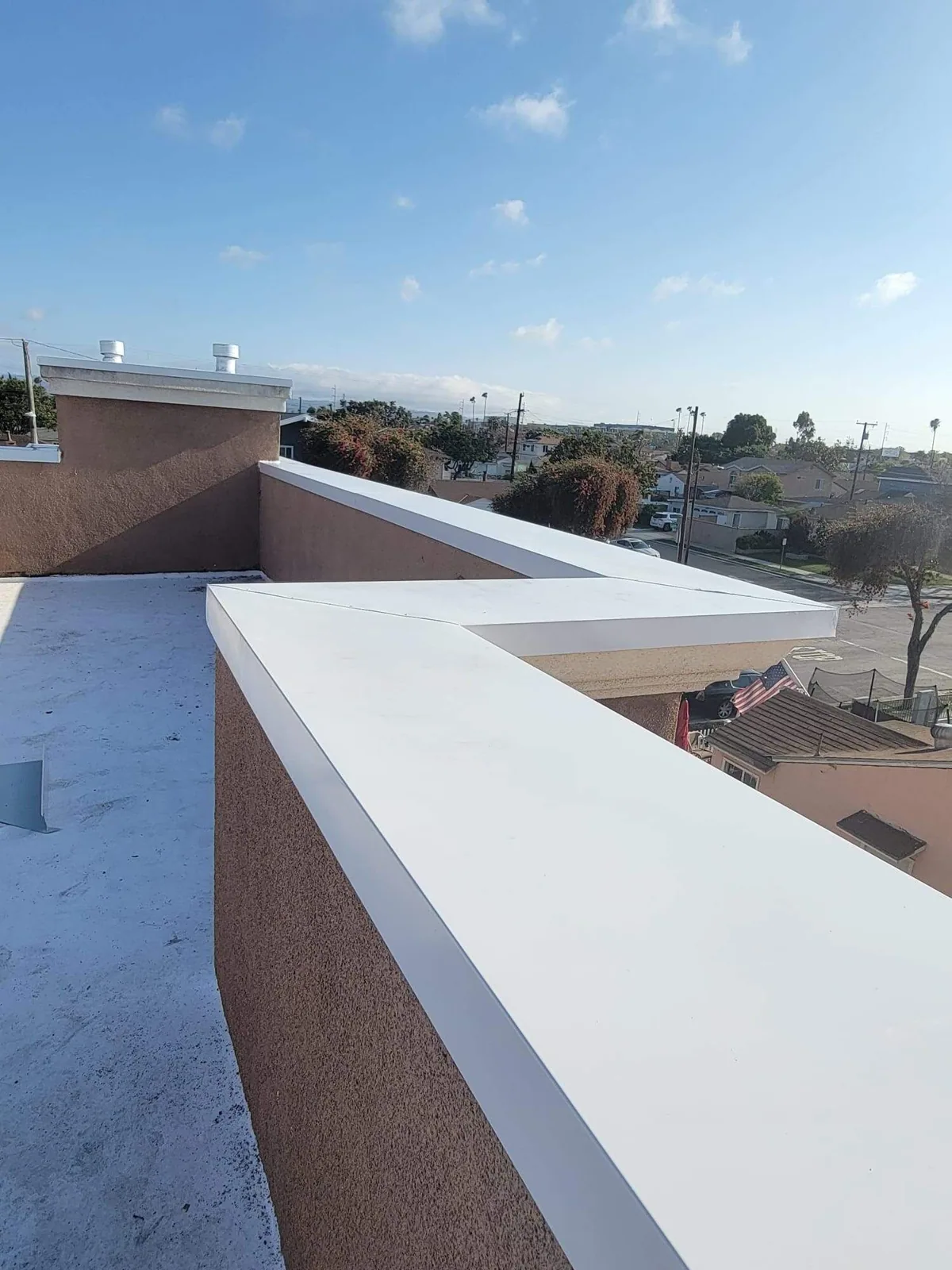
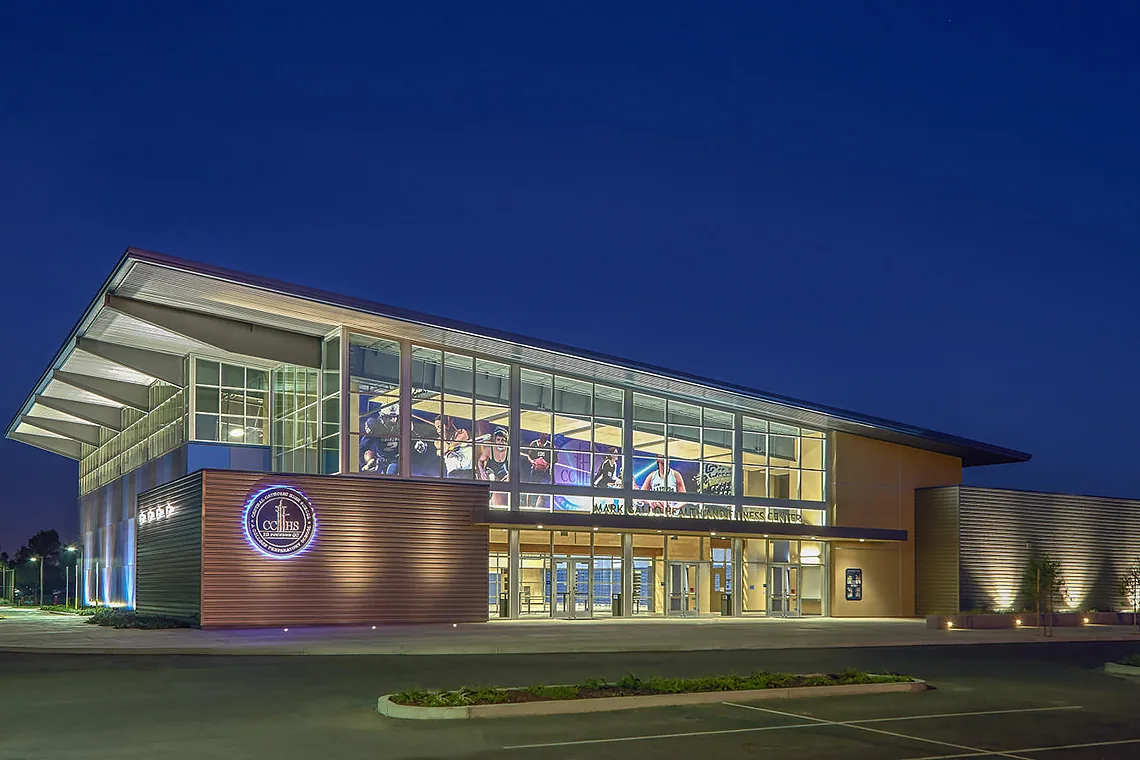
The weather contingency should account for the roof details that remain exposed during construction. Inspect the edge or wall at the proposed stage boundary and determine where protection can attach securely. At a parapet, establish the condition of the wall backing and the extent of roofing removal needed for the new flashing. Edge metal and coping repairs need their own attachment and junction review. A damaged supporting surface requires an assigned repair before that detail is completed.
Follow drainage from the roof area to the outlet and describe observed obstruction or deterioration. The investigation should distinguish a roofing defect from a pipe, wall or other component requiring separate work. If a proposal changes the drainage arrangement, identify any design review required. For a regional assignment through the Loop 303 industrial corridor, confirm the plant destination and permitted access for that examination. Temporary protection needs a defined water path as well as an attached boundary, particularly when adjoining tasks remain open.
Compare repair with a wider roof project
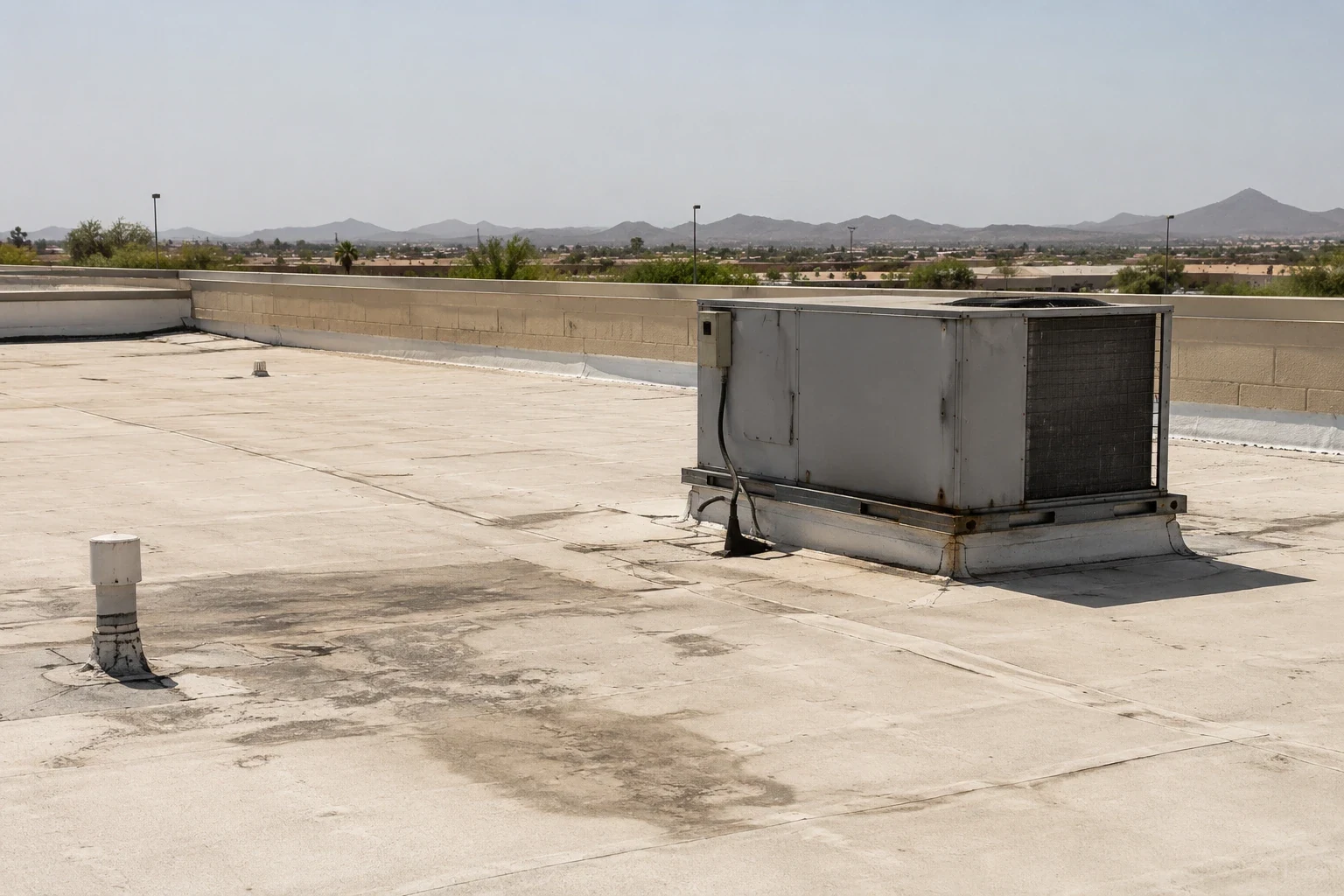
A manufacturing roof recommendation should explain the extent of the condition found. A single damaged junction may support a limited repair; deterioration across a larger area needs a broader assessment. Where moisture or supporting construction is concealed, identify the examination needed to make the choice. We locate the proposed investigation and explain how its results affect removal or retained material. The contractor and owner should see the reason behind the recommendation before comparing construction amounts.
For manufacturing roof replacement, set out the roof removed, exposed deck review and new assembly supplied. Include changed penetrations, walls, edges and outlets. State how additional deterioration discovered during removal is measured and presented for review. Related flex industrial roofing or warehouse roof assignments may involve different interior preparations; the plant's agreed instructions stay with this project. A construction estimate becomes more useful when its stage boundaries and supporting trades are as clear as its material quantities.
Verify the roof before handing it back
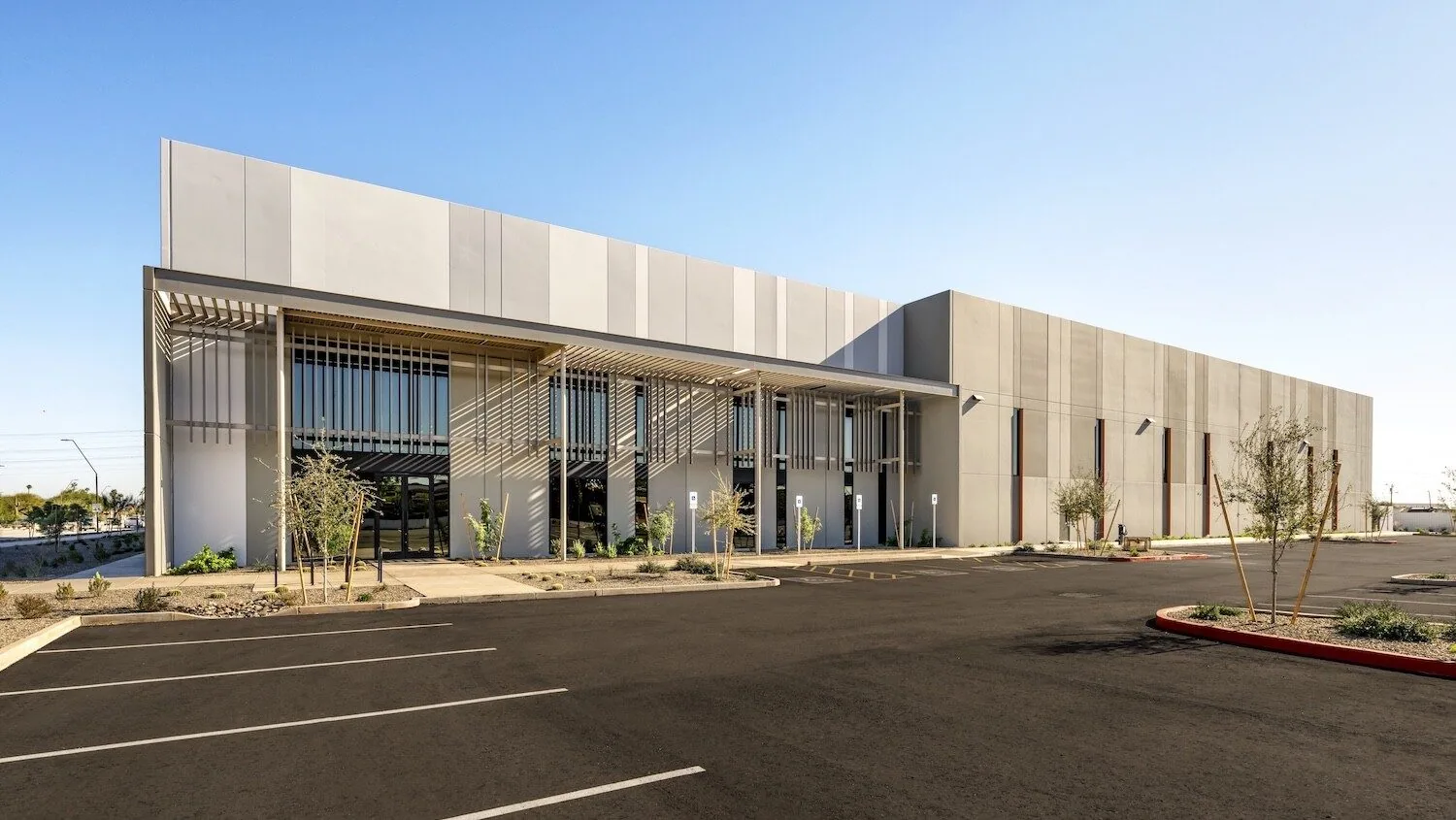
At the completion review, walk the repaired positions and examine the finished junctions. Identify any equipment task still outstanding and explain how it affects the roof area. Temporary protection should have an assigned next step and remain distinct from permanent construction. Ask the facility contact to report any continuing water observation with its location and timing so it can be compared with the original investigation. An interior observation still requiring another trade should be clearly located in the handover record.
Use roof condition documentation to retain initial findings, installed materials and final photographs together. Include the inspection limits and any recommended follow-up. During the owner walk, show what was completed and what the roofing team still needs to examine, rather than relying on an unlocated completion note. The GC can use that record to review the roof package against the agreed scope and give the facility a practical reference after turnover.
More on Manufacturing Plant Roofing
Commercial Roofing Questions
What helps distinguish a roof leak from equipment water?
Provide the interior position, timing and available photographs. We compare those observations with roof details and identify equipment components needing their own contractor examination.
When should facility preparations be settled?
Review the opening, debris route, lifting position and areas below before scheduling removal. The facility supplies its work instructions and the contractor confirms the assigned preparations.
What should a penetration repair include?
Identify sound backing, roofing removal, replacement flashing and the junction with retained material. Resolve any component repair or replacement that must occur before roofing attachment.
What supports a replacement recommendation?
The documented condition, extent of deterioration and required investigation should explain why replacement fits. The proposal should show the complete assembly and affected roof details.
How are remaining trade tasks recorded?
Locate the component, describe the outstanding work and assign its next step. Document the roof protection and distinguish that area from completed permanent roofing.
Set up the plant roof meeting
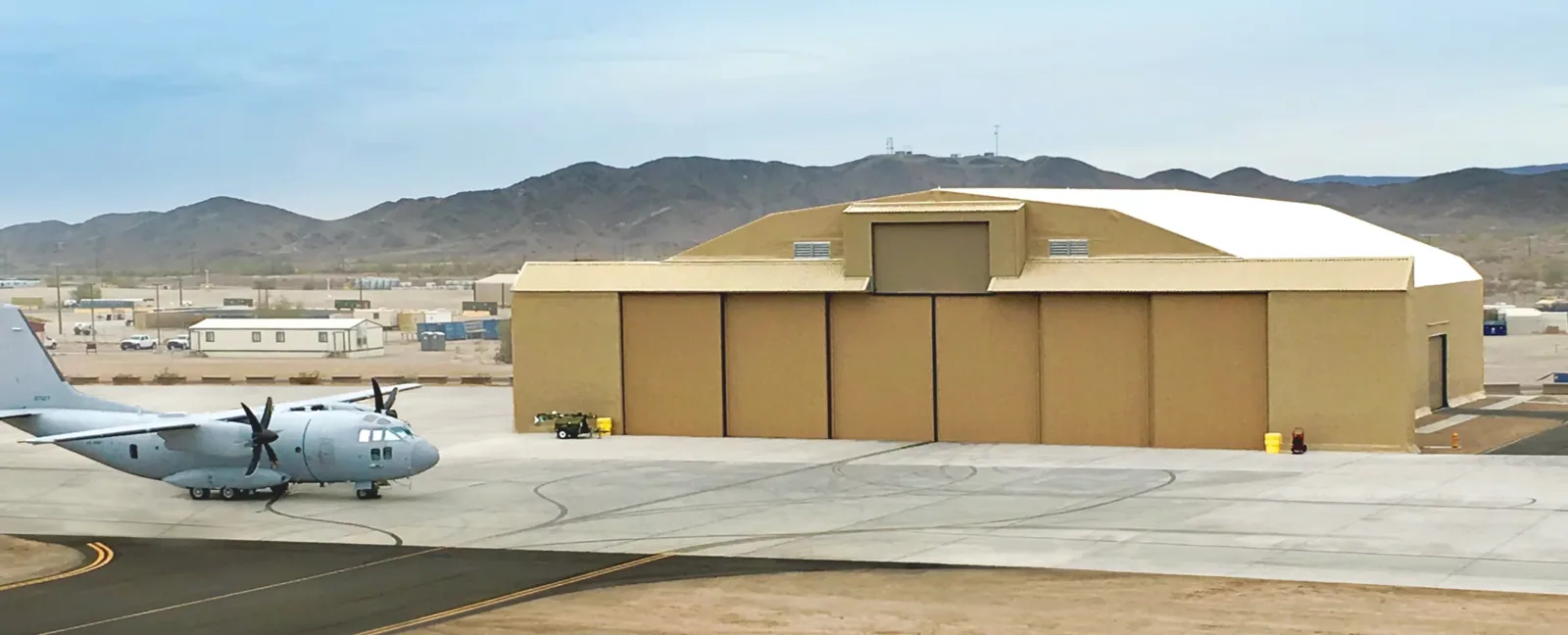
Share the water reports and proposed turnover date. We can review roof investigation, equipment handoffs and the monsoon interruption plan with the general contractor.
Next steps for your building:
Related Roofing Work
More commercial roofing work for Glendale and West Valley properties.