Roof Condition Reports in Glendale, AZ
Home / Roofing Capabilities / Roof Condition Reports
Request A
Roof Assessment
Tell us about the building and the roof. We reply with the next practical step for your property.
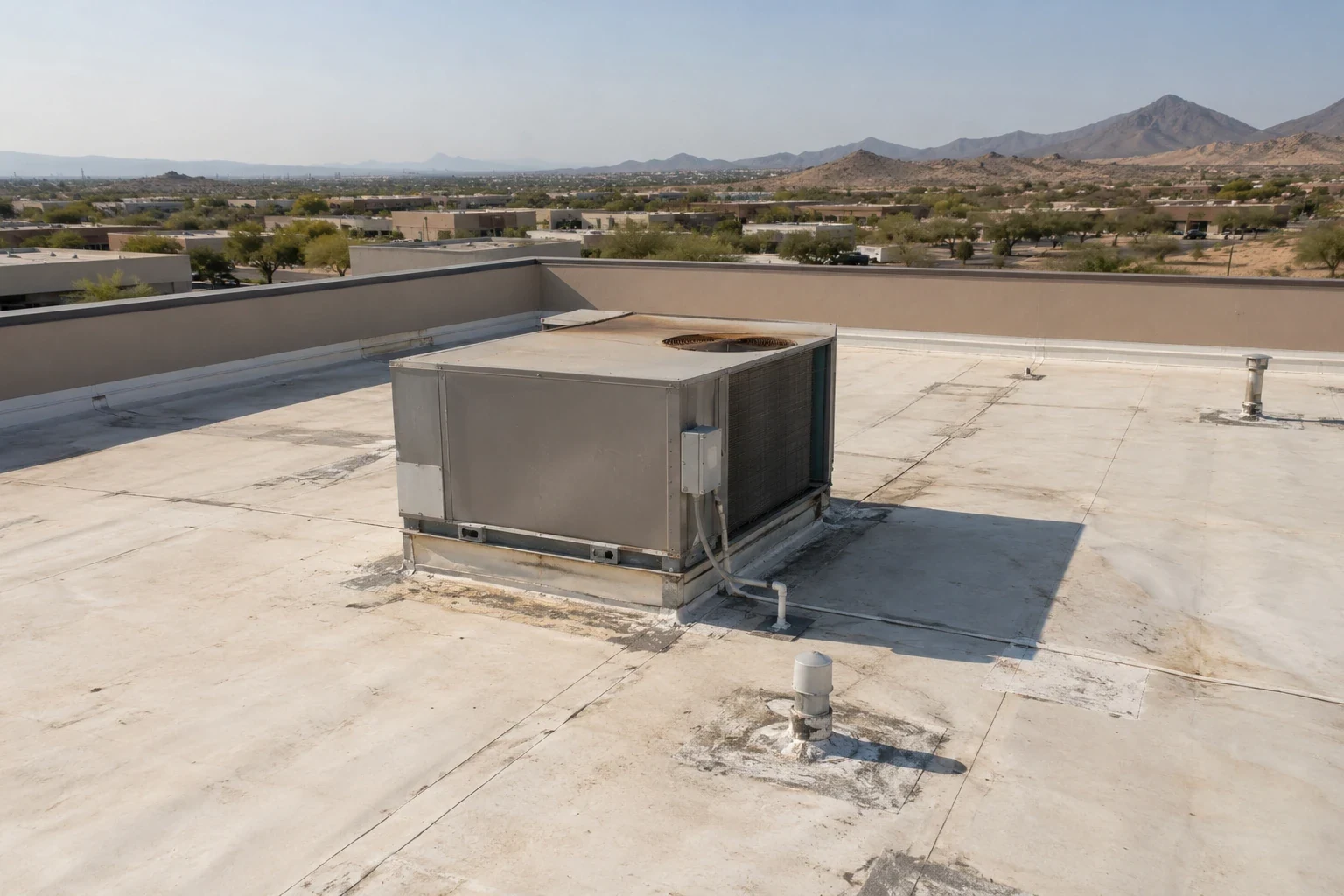
Glendale roof condition reports locate defects, interpret moisture findings and distinguish repairs from investigation for the next construction decision.
Seasonal rain makes an unresolved roof detail a scheduling issue as well as a repair issue. The Desert Southwest monsoon season runs from June 15 through September 30. A roof condition report in Glendale, AZ helps the GC distinguish work that can be defined now from a construction question that needs examination before removal begins. We record the accessible assembly, observed defects and practical next steps. The report should support a particular decision, such as pricing local repairs, investigating retained insulation or planning a larger roof package, with its examination limits visible beside that decision.
For an inquiry concerning a building near Glendale Main Library at 5959 West Brown Street, tell us which roof portion needs review and what the owner intends to do with the findings. A requested assessment near State Farm Stadium at 1 Cardinals Drive starts with that building's own address and authorized contact. We establish the assignment before choosing the examination methods. The resulting account connects roof positions with findings so the pre-roofing meeting can address actual construction rather than a collection of unlocated photographs.
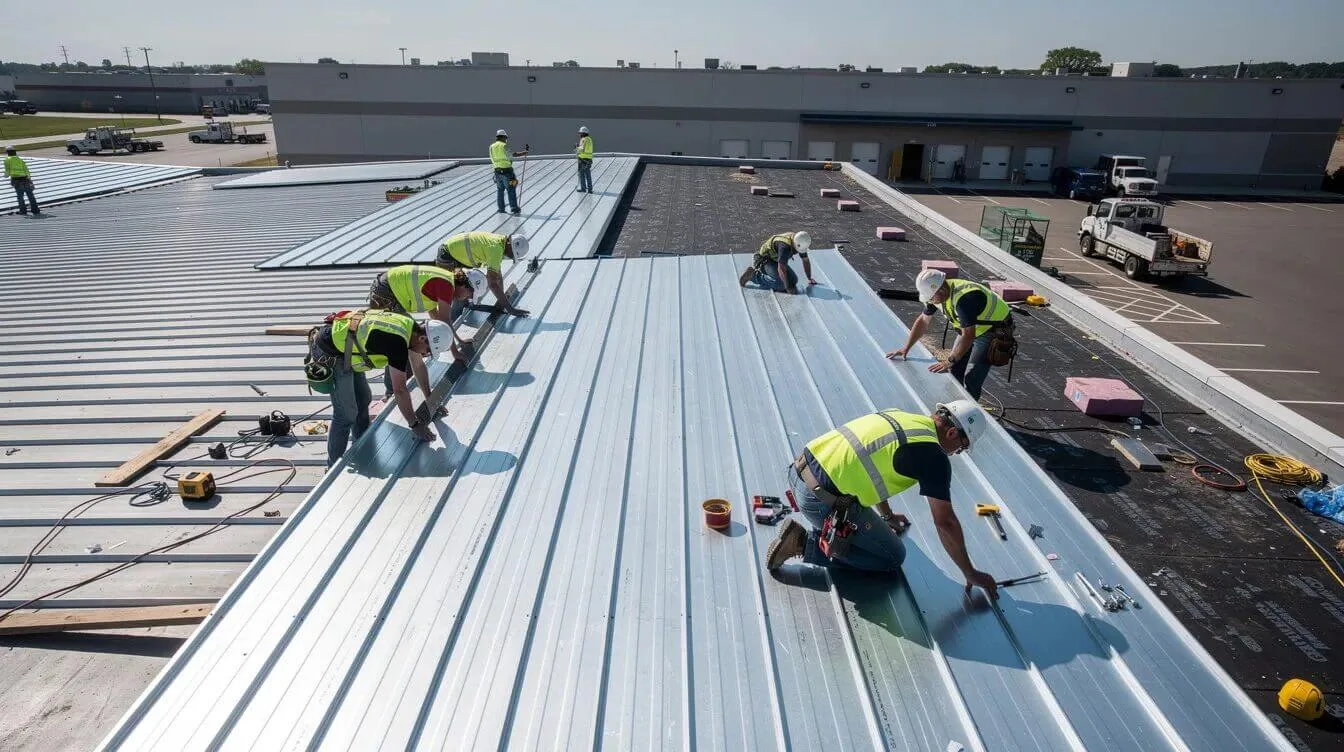
Locate the finding before assigning a remedy
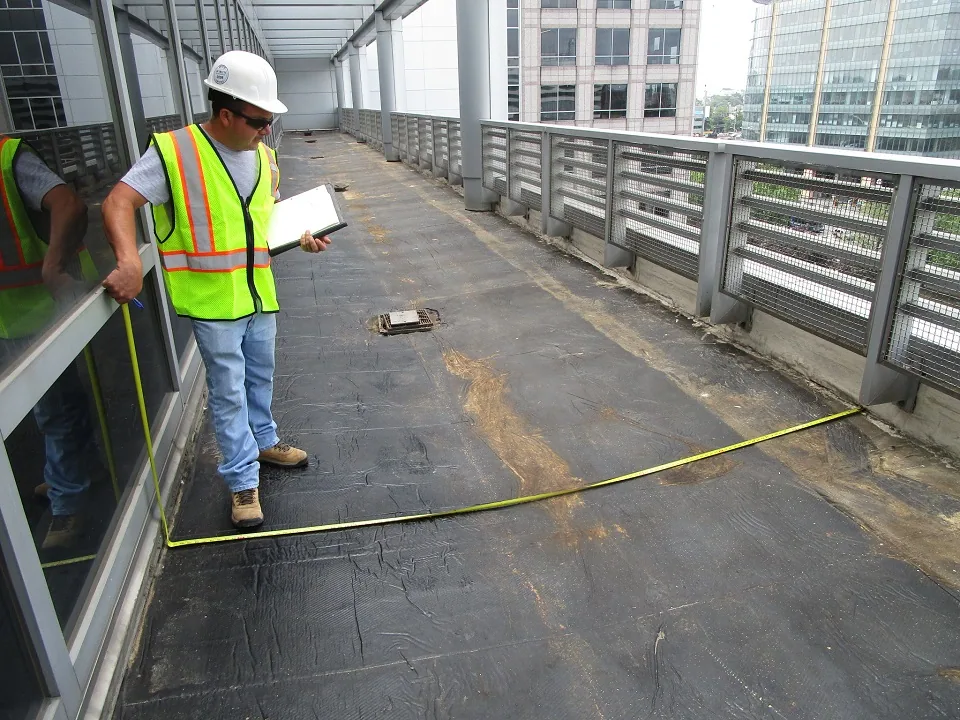
An open membrane seam and a loose wall termination need different corrections, even if both are close to the same interior water report. We describe the observed condition and place it on a drawing or roof-area reference. Photographs include enough surrounding construction to relocate the detail. The account identifies the covering where it can be established and records uncertainty where an old patch or concealed transition prevents a reliable material description. A roof examination matched to the owner's construction decision supplies the observations behind that account.
Record an interior symptom separately from the exterior defect. Water can travel through an assembly, so a ceiling location does not establish the full entry route. We explain which observations support a local correction and which questions remain unanswered. The GC can then distinguish a defined repair from investigation that still needs a suitable opening or another participant. Earlier repair information helps identify the position but does not prove that the same method fits the material currently found there.
Interpret moisture findings with their limits
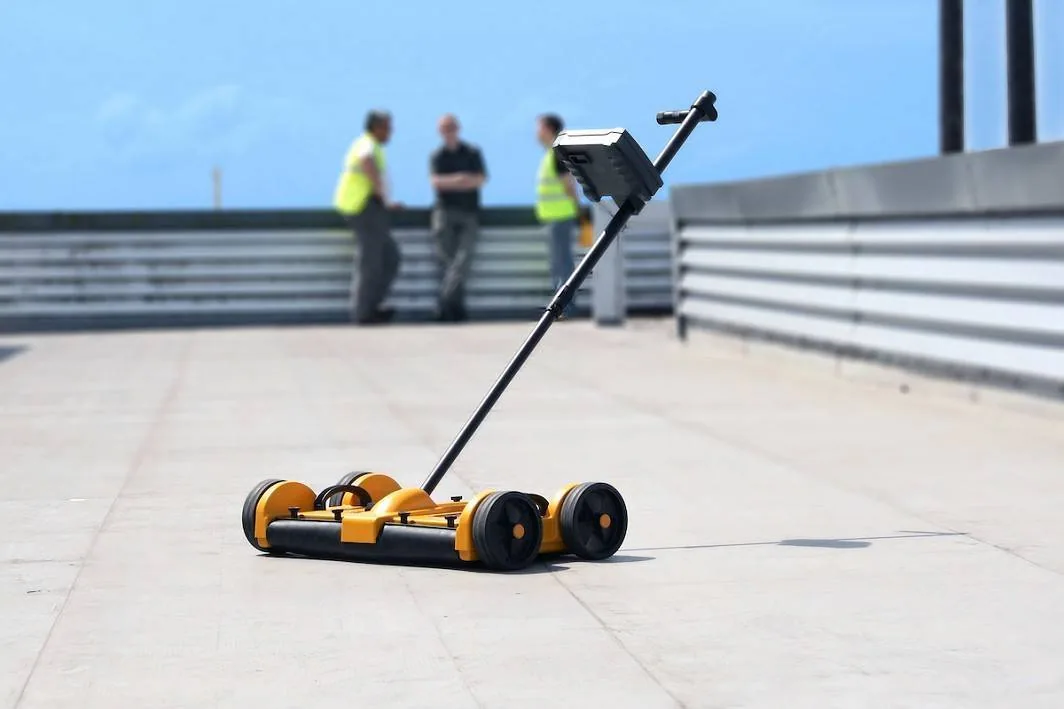
A moisture indication can change whether insulation is suitable for retention. We explain the examination used and the question it can answer. With an infrared survey directed at concealed moisture questions, the thermal pattern requires interpretation against the assembly and conditions during the examination. Appropriate physical confirmation helps establish what an indicated area contains. A pattern alone does not identify every concealed layer or draw a final removal boundary across material that has not been examined.
The report should describe where confirmation was obtained and which areas remain uncertain. An authorized test opening also needs a suitable restoration method, with its roof position retained in the record. For the GC, the useful result is a construction consequence: material can be considered for retention, a defined portion needs removal, or further investigation controls the choice. We keep those conclusions attributable to the examination performed. That prevents an initial observation from quietly becoming a building-wide quantity in the later roof package.
Compare repairs with wider intervention
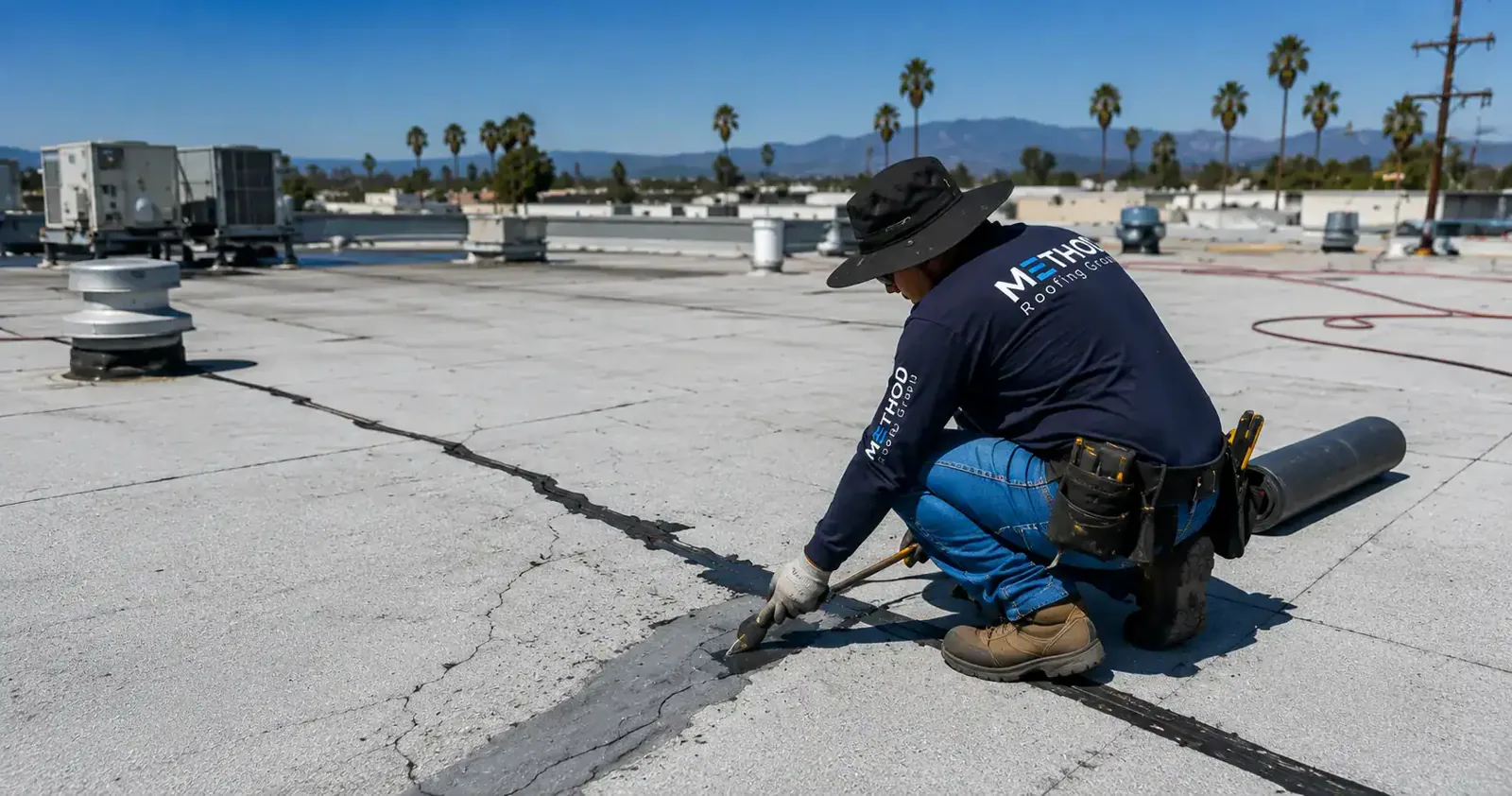
A failed flashing detail can justify a local task when suitable surrounding roofing is available for permanent connection. Repeated failures across a broader area raise a different question about retention and the extent of renewal. We explain the evidence for each recommendation instead of using a condition label as the decision itself. A proposed repair with identified adjoining material and supporting corrections needs the defect, preparation and finish described together. The owner can see what the task restores and what it leaves outside the boundary.
For a wider project, distinguish restoration, recover and replacement by the construction each would retain or remove. Suitability depends on the actual layers, attachment, drainage and relevant design requirements. A capital comparison based on the examined assembly and necessary enabling duties can carry those alternatives forward. Where a decisive question remains unresolved, state the inquiry needed before selecting the option. The report supports a reasoned next step without pretending that every alternative is ready for pricing from the surface examination alone.
Trace drainage duties separately from surface wear
An obstructed inlet, deteriorated outlet flashing and a low area in the roof have different work implications. We locate standing water or observed drainage defects and describe the accessible route toward the outlet. A surface review may establish debris that can be removed while leaving downstream piping condition unanswered. Changes to roof geometry require their own assessment. We identify which part of the concern belongs in maintenance, roofing correction or another participant's investigation, with the relevant position retained for follow-up.
The account should also record changes that could affect the proposed correction. Added insulation may alter elevations at curbs and edges; a revised detail must still discharge water appropriately. An office roof assessment connected to its drainage and occupied-area requirements needs the actual building instructions from its representative. We explain what the roofing recommendation requires so access, adjacent component work and material routes can be resolved before the construction sequence relies on them. A drainage concern should remain visible through that coordination.
Set priorities against the work dependency
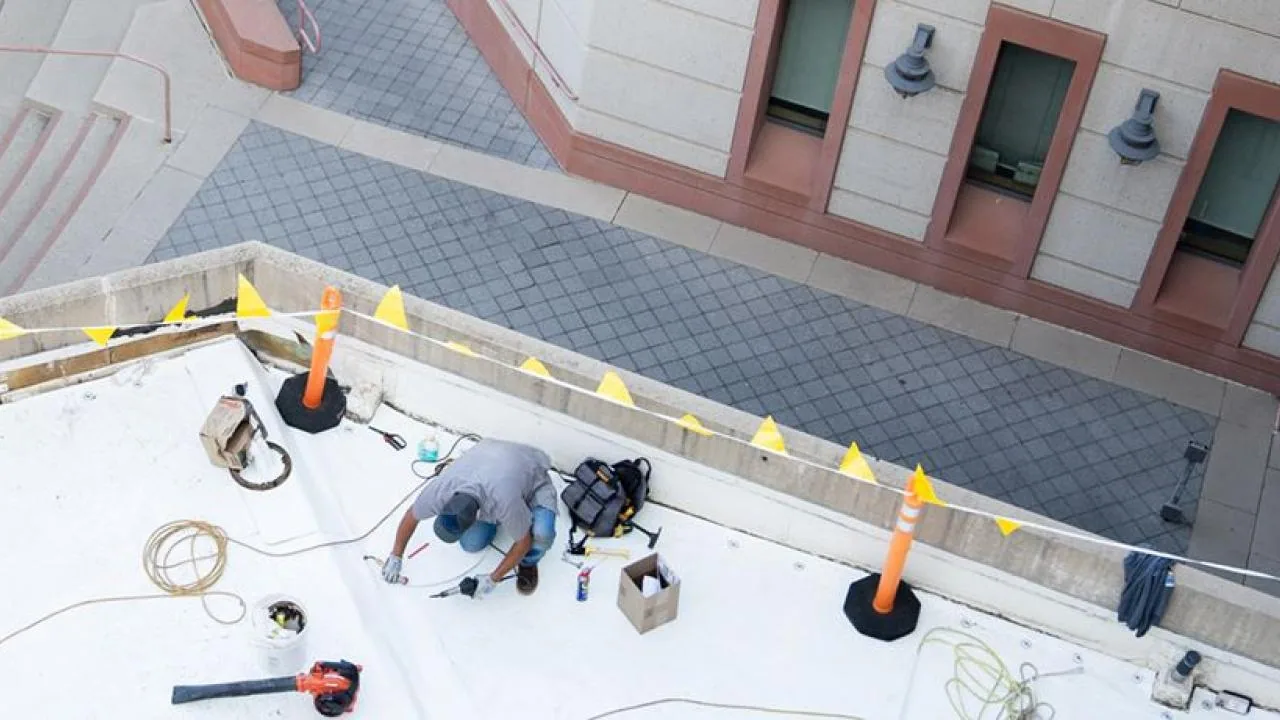
An exposed opening can require immediate protection while the permanent scope is still being developed. We identify that position and distinguish the interim measure from the correction proposed afterward. Other findings may support planned maintenance or further examination rather than immediate removal. The report explains the reason for the priority and the next duty it controls. That lets the GC place investigative work ahead of a material decision and preceding component repairs ahead of permanent flashing, instead of scheduling every finding as an interchangeable roofing task.
For a roof review requested at an Arrowhead property, provide the premises and the work being considered. The responsible representative supplies the instructions for that assignment. Rain planning should consider the amount of roof that can close safely between working periods and any unresolved trade dependency. We discuss suitable temporary protection when a connection cannot yet be completed. Urgent attendance is available overnight, on weekends and through holidays, with its immediate purpose recorded separately from the owner's longer-term construction decision.
More on Roof Condition Reports
Retain the evidence behind the next decision
A report becomes harder to use when the roof references disappear from the estimate or completion account. Carry the building, area and detail identifiers into the proposed scope. Keep the photographs, examination dates and relevant limitations with their findings. The continuing building record linking findings to later roofing work should show whether a recommendation was acted on, revised after exposure or left awaiting investigation. A new manager can then distinguish an earlier observation from a repair actually delivered.
At turnover, associate completed work with the finding it addressed and preserve any changed supporting condition uncovered during construction. A final photograph can show a connection, while earlier evidence explains preparation concealed beneath it. Open questions retain their own next action and responsible contact. The condition report supplies the starting point for that history; it should remain dated and limited to its examination rather than be reused as a permanent assurance about every part of the roof.
Commercial Roofing Questions
What makes a photographed defect usable in a roof estimate?
Its location, material condition and proposed correction need to remain connected. We identify supporting work and examination limits so the GC can price a defined task rather than infer construction from an isolated image.
Can an infrared pattern establish the final insulation removal quantity?
Physical confirmation and interpretation against the assembly determine what the indication supports. We locate the confirmation obtained and retain unanswered areas before a preliminary pattern becomes a permanent removal boundary.
Which finding should affect the planned start date?
A condition requiring protection, further examination or preparation by another trade can control the sequence. We explain that dependency beside its roof position so the GC can resolve the necessary duty before permanent work starts.
How should the report change after a repair is completed?
Preserve the dated finding and add the correction delivered at that position. Keep exposure evidence, changed duties and remaining questions with it so later review can distinguish the original observation from the resulting work.
Bring the roof decision to the pre-roofing meeting
Tell us the building and construction question needing review. We can set the examination, explain its findings and identify the next investigation or repair duty for the GC.
Next steps for your building:
Related Roofing Work
More commercial roofing work for Glendale and West Valley properties.