Commercial Roof Inspections in Glendale, AZ
Home / Commercial Roofing Services / Commercial Roof Inspections
Request A
Roof Assessment
Tell us about the building and the roof. We reply with the next practical step for your property.
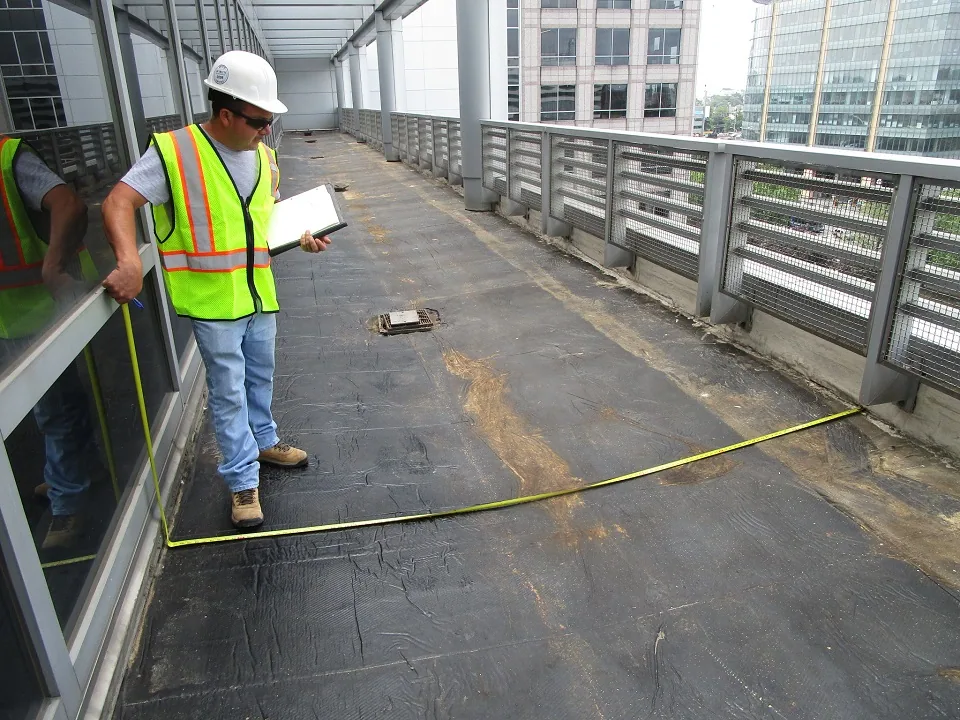
Commercial roof inspections in Glendale, AZ: membrane, seams, flashing and drains checked, findings mapped with photos, and a clear repair plan.
The best time for a roof inspection in Glendale is before monsoon season, while there is still time to fix what it finds. Desert storms bring wind, dust and short bursts of heavy rain, but the regional weather does not tell you what is wrong with your roof. Walking it does. We agree up front on which roofs we are checking and why, so the report answers the question you actually have.
That question might be a leak that keeps coming back, a rooftop unit that was swapped out, or whether to repair or replace. Send the address and any old reports or drawings. The written report says what we looked at, what we found and what still needs a closer look before anyone picks a permanent fix.
Start with the question the inspection must answer
Every inspection starts with a question. Is this roof good for a few more years? Why does the front office leak every summer? Is it worth recoating? We ask what decision you are facing, which roof or section it involves, and what you know about past repairs and equipment changes. That keeps the report on what you need, not a random list of every scuff on the membrane.
A roof condition report marks each finding on a roof plan with a photo and a short description. It also says plainly where we could not look, such as under a unit, below the membrane or behind locked equipment screens. You and any contractor should know how much of the roof a recommendation is based on before spending money on it.
If you called about one specific leak, that leak gets its own attention during the visit. We explain why we might need to open the roof there and what it would tell us. You get a clear next step for that spot, without guesses about parts of the roof we never reached.
For a roof at State Farm Stadium, we confirm with the facility contact exactly which areas are in scope. The address, 1 Cardinals Drive, stays on the report, and each finding is tied to a spot we actually walked.
What we check on the membrane and flashing
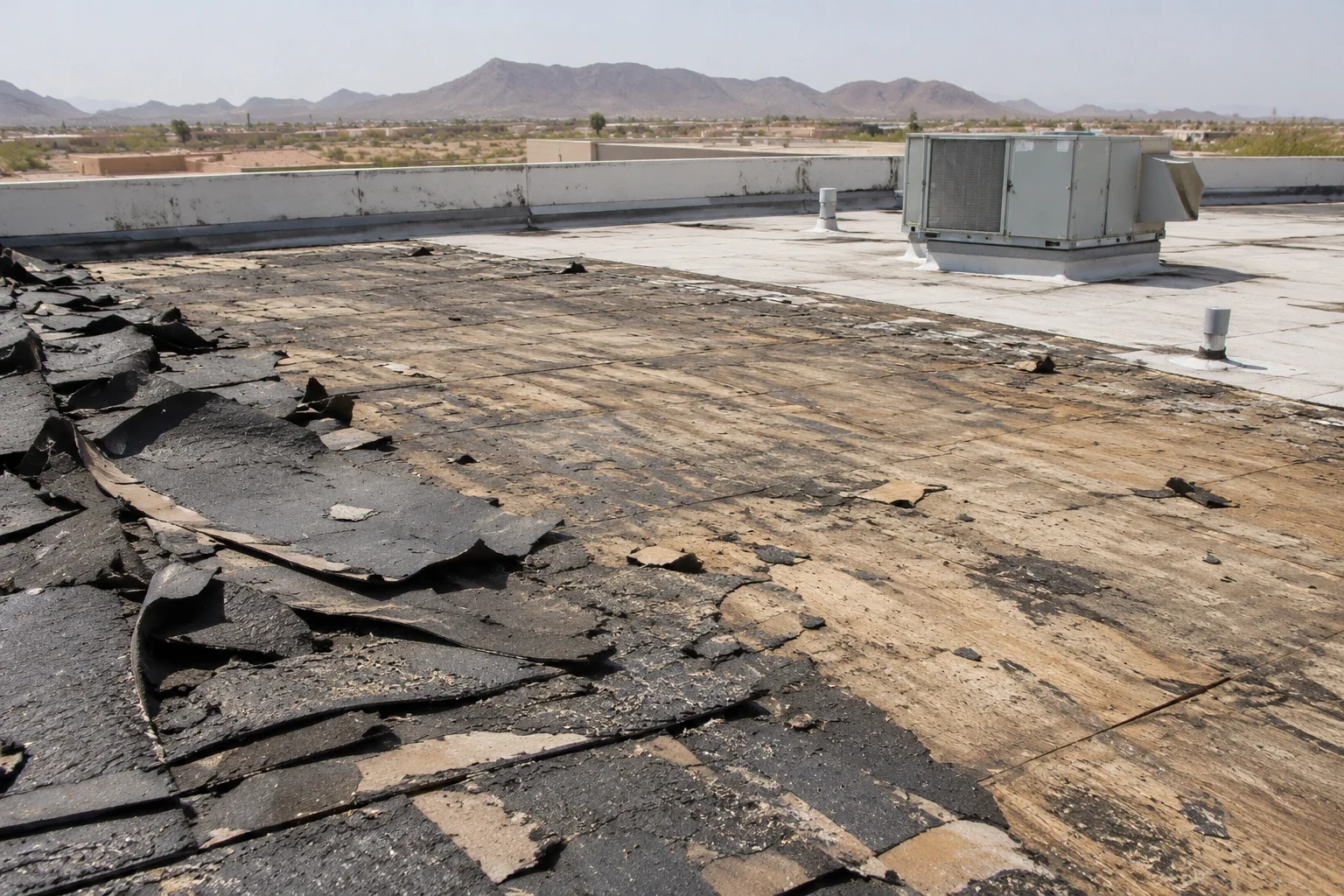
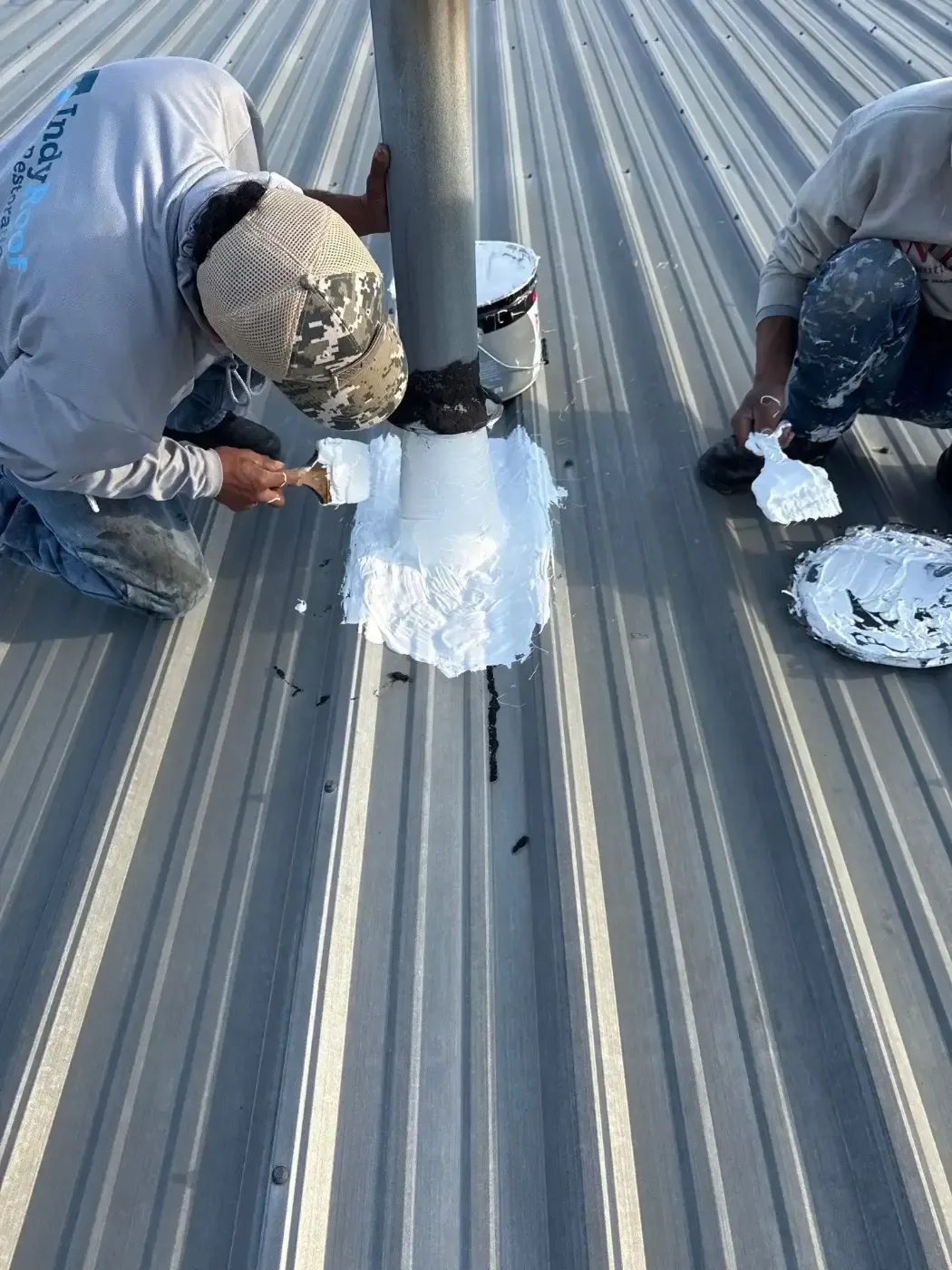
On the roof we look at the membrane itself: UV chalking, surface cracks, blisters, punctures and how the seams are holding. We mark old patches and anything changed since the roof went on. We identify the membrane type when our records or eyes can confirm it. If we cannot be sure, we say so, because a TPO repair and a PVC repair use different materials and methods.
A good roof repair plan treats a hole in the open field differently from a split seam or a failed curb flashing. The report describes each problem where it sits and recommends a repair that fits it, not the same "patch and seal" note copied down the page.
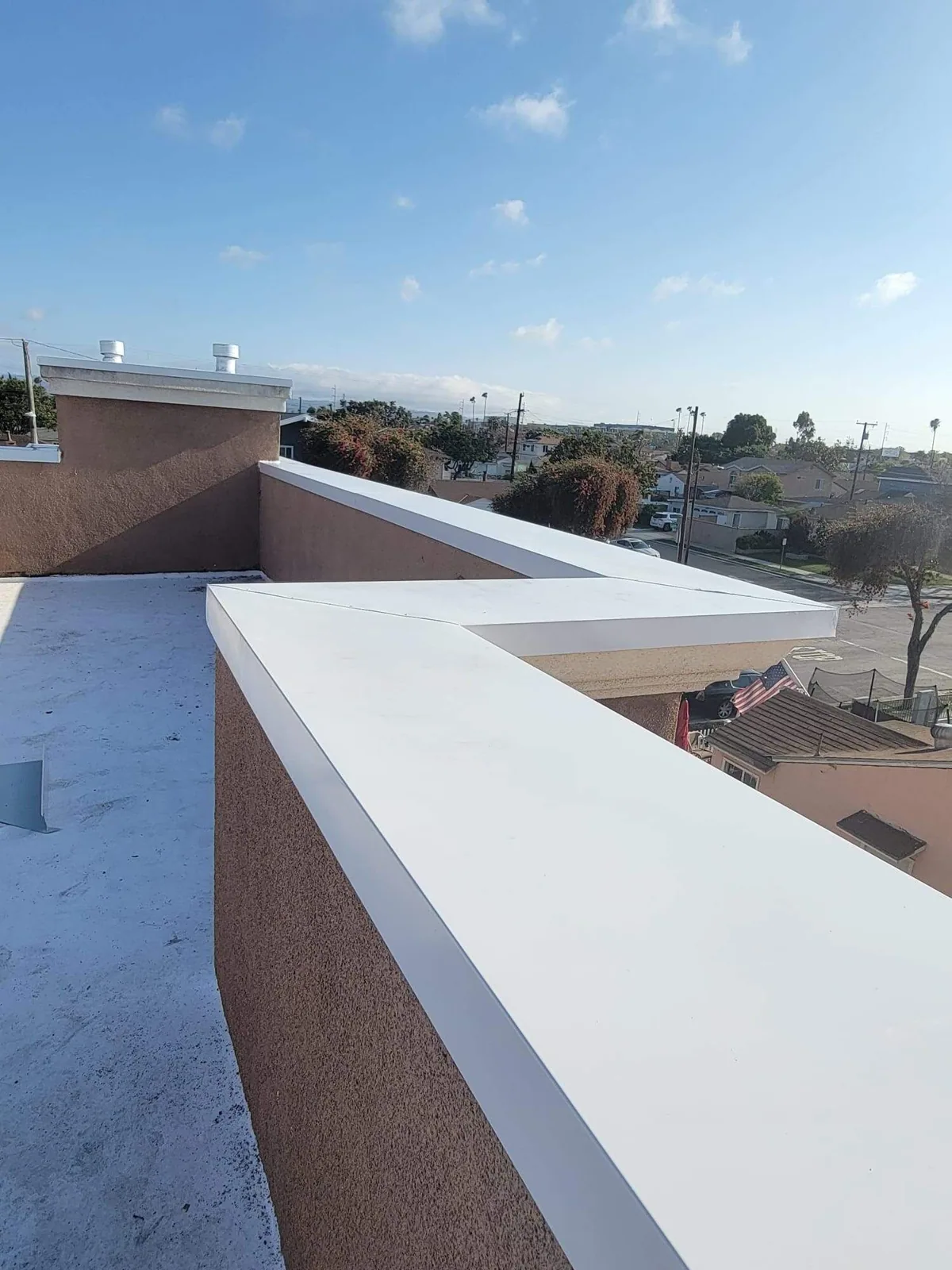
At walls, parapets and curbs we check flashing height, the top termination, counterflashing and the wood or metal it is fastened to. Loose coping, open metal joints and unfinished work from an old HVAC swap get noted. If a curb or wall needs work before the roofer can flash it, the report says that first.
We keep what we saw separate from what we think caused it. A storm last week or an old roof does not explain why one flashing failed. Where the cause changes the repair, we say what more checking it needs.
Drains, scuppers and standing water
We check every drain and scupper we can reach: the strainer, the clamp ring, the flashing at the bowl and how water flows toward it. Debris, torn membrane and dried water rings are marked where they are. Each drain gets its own finding and its own recommendation, rather than one blanket line about improving drainage.
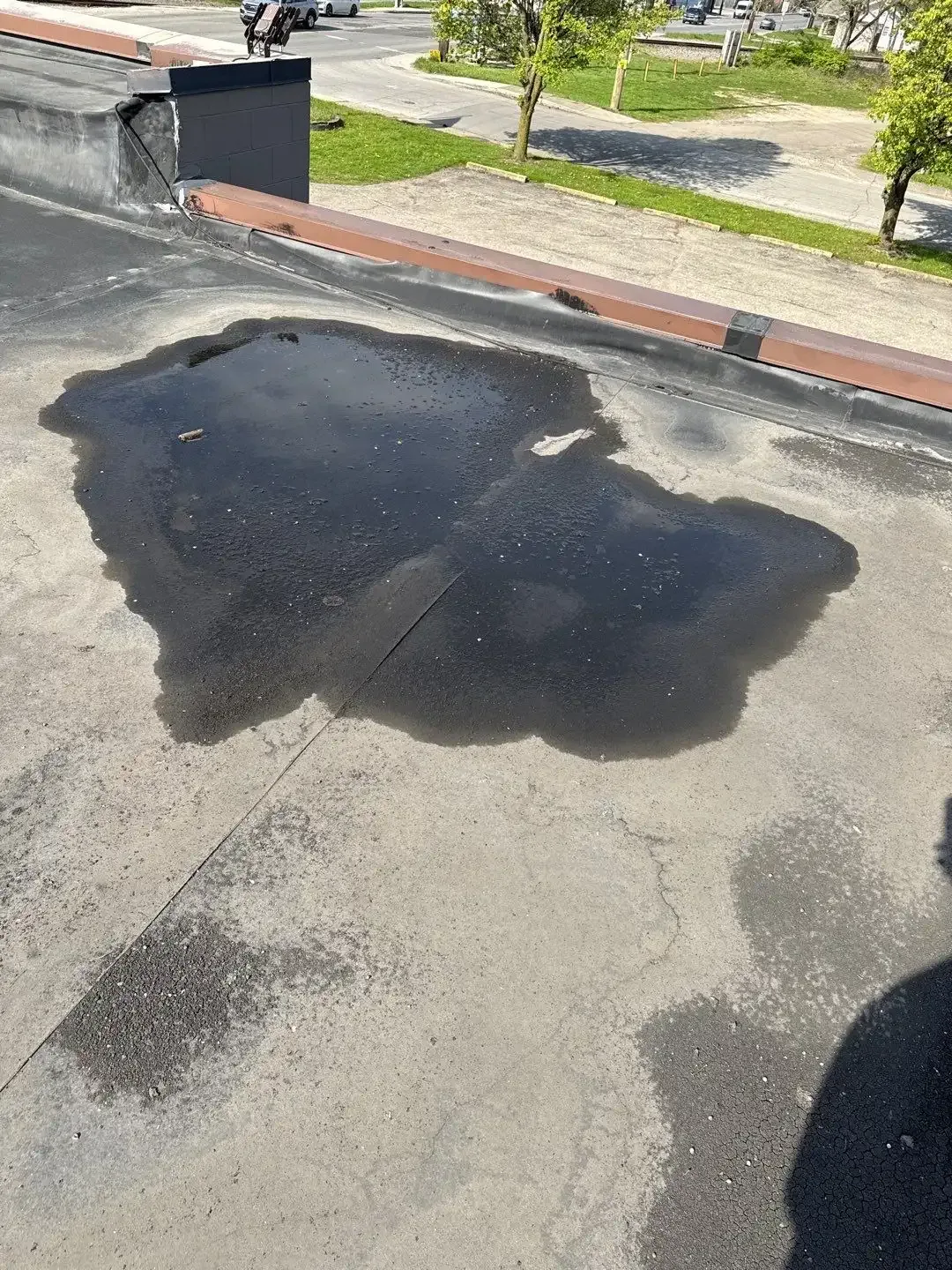
Standing water may call for a closer look at ponding water repair, tapered insulation or deck slope. If the fix needs a design decision, like adding a drain or crickets, we say so. A torn seam next to a puddle is a separate repair with its own line on the estimate.
For a roof at Glendale Main Library, 5959 West Brown Street, we confirm the roof areas with the library's facility contact before the visit. On site we check the drains and roof that are actually there and tie each finding to a spot on the plan.
Some drainage problems are not the roofer's to solve. A cracked wall, a backed-up interior drain line or a dripping condensate line may need another trade. We note it where it shows on the roof and explain how it affects the roofing work, so nobody assumes our crew will regrade a roof that was never in the scope.
What a walk-through can't see
Walking a roof tells you a lot about the surface and very little about what is under it. Wet insulation, rusted deck and loose fasteners can hide below a membrane that looks fine. When one of those questions matters to your decision, we list it, say where it is and suggest the cheapest way to answer it. The report keeps the roof we know is sound apart from the parts we could not confirm.
An infrared moisture survey can map likely wet insulation on many low-slope roofs when conditions are right. It is a pointer, not proof. We confirm readings with core cuts before treating them as a tear-off quantity, and we do not stretch a scan of one section into a verdict on the whole building.
When we need to cut into the roof, we tell you why, where and how we will patch the cut, and you approve it first. What we find in that core stays tied to that spot, and any change to the recommended repair comes from what was actually there.
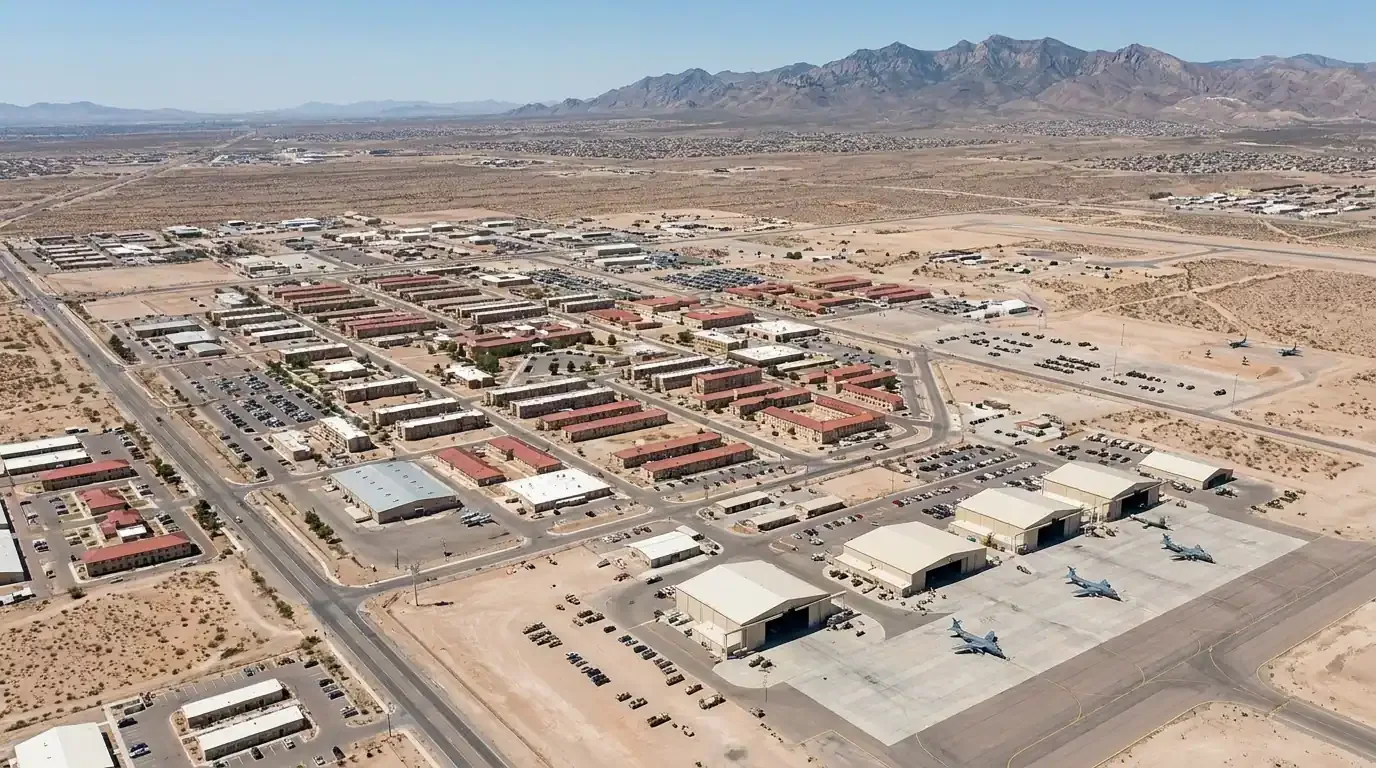
A drone inspection works well for big roofs, hard-to-reach areas and quick overall photos. We tell you what the images show and what still needs someone on foot. Aerial photos do not replace a hands-on look at flashing details or a core sample.
From inspection findings to a repair plan
The last part of the report turns findings into a plan. We split it into repairs ready to price now and questions that need more checking first, and we keep each roof area separate. If one item has to happen before another, such as moving a unit before reflashing its curb, the plan says so. Nobody should schedule a crew until those open questions are answered.
If replacement makes sense, a TPO roof proposal should be based on what we found about the deck, insulation and edges. The product, the manufacturer's details and the attachment method are chosen as a separate step. The inspection points to the decision; it is not an installation manual.
For buildings along the Loop 303 industrial corridor, we get the exact building and suite from whoever asked for the inspection, along with gate hours and access rules. That address stays on the report so the next contractor or the owner's rep looks at the same roof.
Before any work is scheduled, we walk you through the findings and what each recommendation involves. Photos, material notes and open questions stay with the report. If you have a roof warranty on file, we flag work that may need the manufacturer's sign-off before anyone cuts in. You leave knowing what the roof needs and why.
More on Commercial Roof Inspections
Commercial Roofing Questions
What sets the scope of a Glendale roof inspection?
The decision you need to make. A recurring leak, a repair-or-replace question and a pre-purchase check each call for different areas and depth. We agree on the roof sections and the goal before the visit.
Why does the report identify the membrane type?
Because the repair depends on it. TPO, PVC, EPDM and modified bitumen each take different repair materials and methods. If we can't confirm the membrane or an old patch material, we say so and suggest how to check.
How do you handle problems hidden under the membrane?
We list each one by location and recommend how to check it, usually a core cut or an infrared survey. The report keeps what we saw on the surface separate from what we confirmed by opening the roof.
When does a drainage problem need more than a roof repair?
When the fix means changing slope, adding a drain or crickets, or repairing piping inside the building. Those need a design decision or another trade, and we list them apart from any membrane repair nearby.
What in the report helps plan the repair work?
Findings marked on a roof plan with photos, a recommended repair for each and a note of anything that has to happen first. Open questions are listed so they get answered before a crew is scheduled.
Go over the inspection findings with us
Tell us which roof needs checking and what decision it has to support. We will walk you and your contractor through what we found, what needs a closer look and what to fix first.
Next steps for your building:
Related Roofing Work
More commercial roofing work for Glendale and West Valley properties.