Surprise Commercial Roof Repair and Closure
Home / Service Areas / Surprise
Request A
Roof Assessment
Tell us about the building and the roof. We reply with the next practical step for your property.
Arrange Surprise commercial roofing with Glendale support, clear repair boundaries, occupied-building protection and a practical plan for weather closure.
Before starting a Surprise commercial roof opening, agree on the condition that will be returned if the work period changes. Commercial Roof Repair Glendale reviews that question with the general contractor, the material correction and the building contact receiving the area. June 15 to September 30 marks the regional monsoon season. The roof package needs a suitable stopping arrangement tied to the operation being performed, with a clear approval route if new findings change it.
Surprise is a broad city served by Loop 303 and US 60, with commercial and industrial properties distributed across a large service area. For a roof visit, the property representative supplies the actual building location, access contact and reported concern so the inspection is assigned to the right structure. We examine the accessible construction and the records you provide. A separate project in Sun City West should retain its own opening boundary and access instructions. The general contractor can coordinate the visits while keeping each roof decision understandable to its owner.
Explain the current water concern before opening material
A water report gives the examination a starting point. Describe its timing, affected space and any recent equipment or roofing activity. We inspect the relevant exterior details and compare the findings with that account. Water can travel before it is seen indoors, so the visible interior point does not alone define the repair location. If a concealed condition prevents a useful conclusion, explain the next investigation and the area needed to perform it.
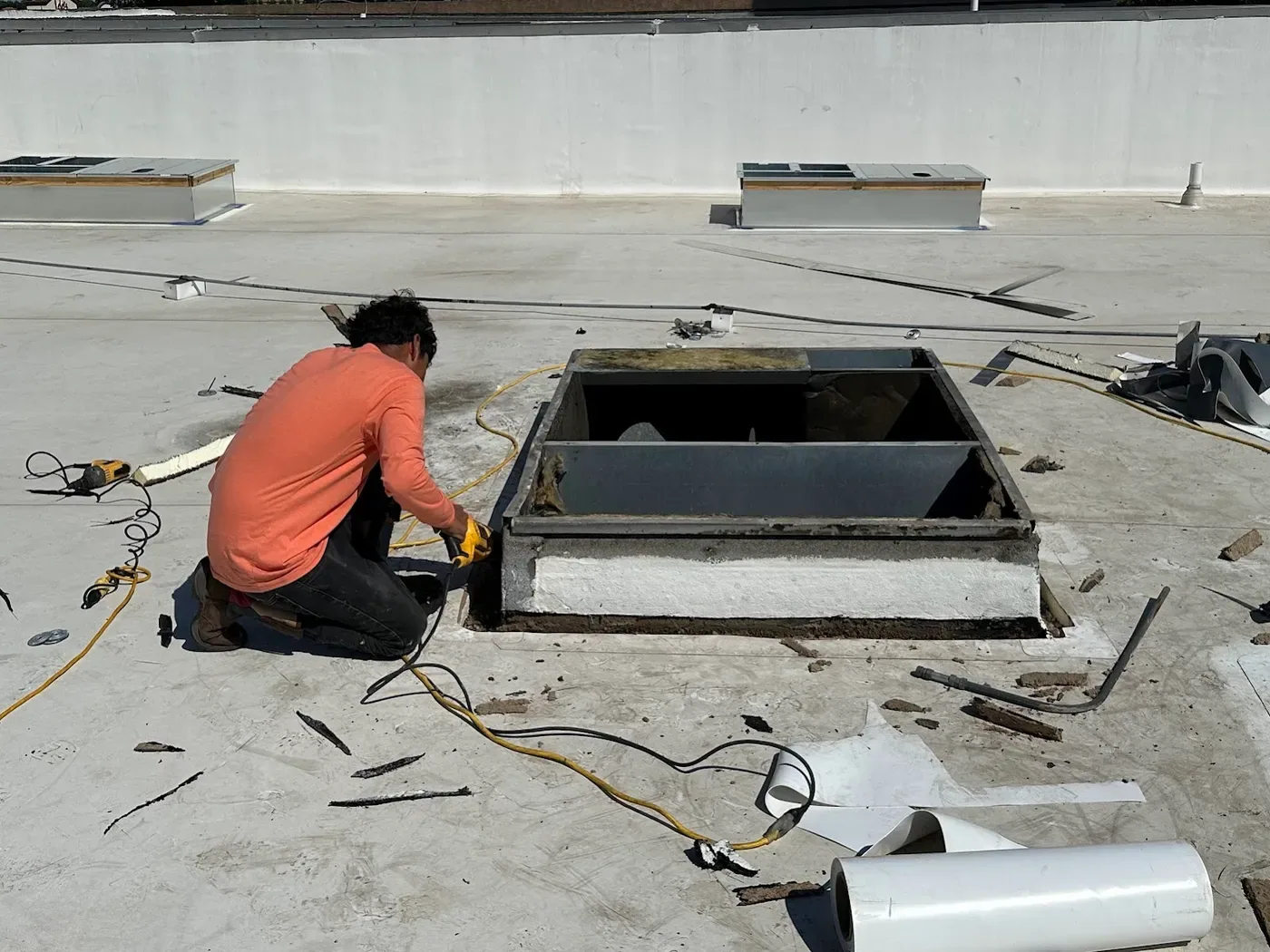
Commercial roof leak repair may involve a compatible puncture patch, a seam correction or reconstruction at flashing. Identify which detail needs work and how the repair joins serviceable material. We explain the examined condition supporting that choice. Where a separate wall or equipment issue needs attention, distinguish it from the roofing operation and identify the representative needed. The owner can then approve the actual correction and the general contractor can arrange its sequence.
Decide how much material the correction needs to expose
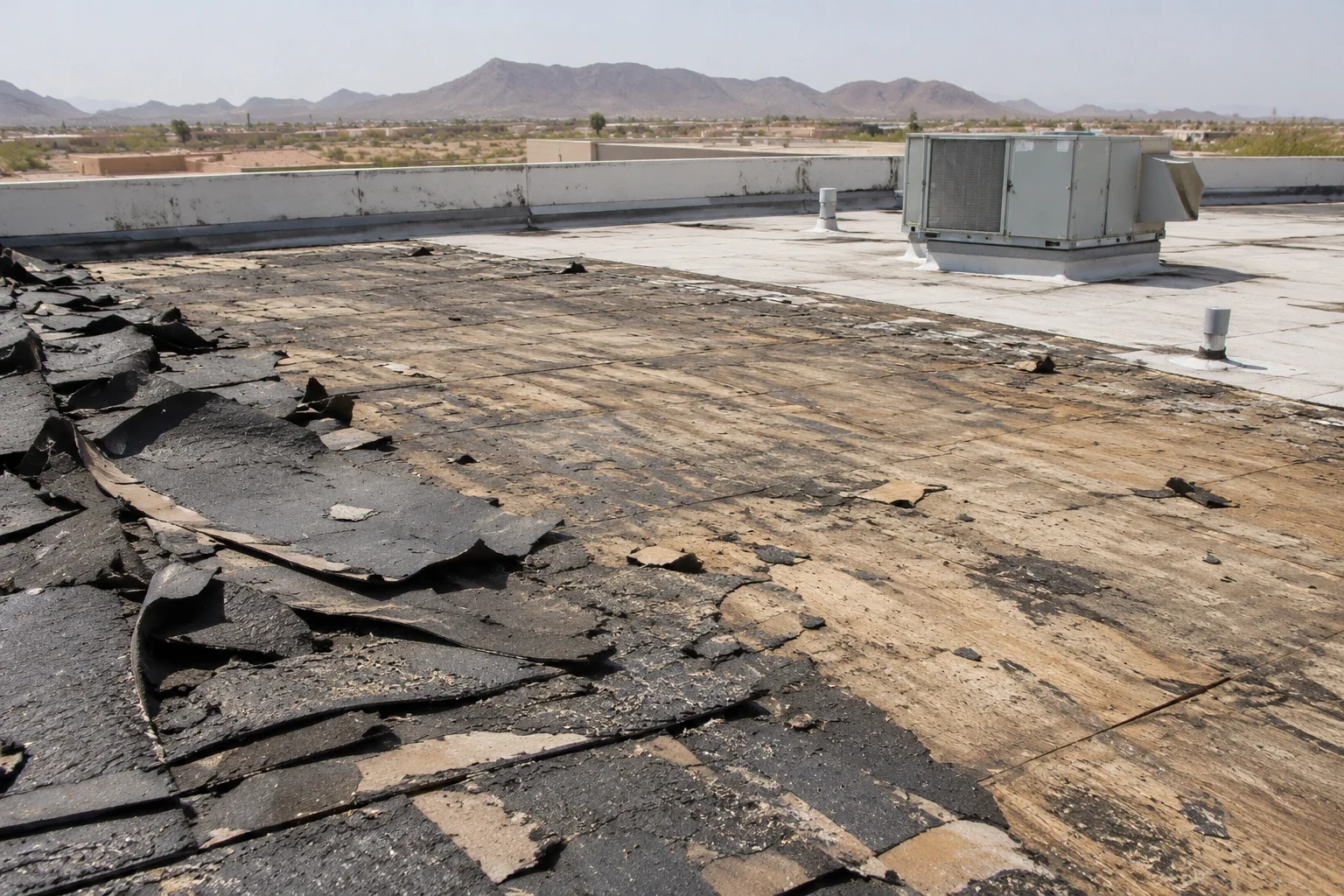
Opening a detail should have an explained boundary. A failed termination may need local reconstruction, while underlying deterioration could extend the removal required for a dependable connection. Identify the covering and examine the adjacent material relevant to the method. We describe any moisture, support or attachment question that remains unresolved before retained construction is relied upon. The initial amount should explain that uncertainty rather than silently assume every layer below the visible defect is suitable.
If local work no longer suits the assembly, compare repair, recover assessment and replacement assessment in terms of retained material and removal. Explain which finding prompts the wider review and what information is needed to choose it. Commercial roof replacement involves another practical footprint from a small detail repair. The owner needs to understand the construction proposed, and the general contractor needs the access and protection that operation requires before arranging the opening.
Coordinate the component that must be ready for flashing
A roof connection around equipment may depend on component work by another representative. Discuss the necessary service, movement or correction before removing the adjoining roofing. We identify our membrane and flashing task and the condition needed from the component work. A broad exclusion cannot schedule that return on its own. The building contact and general contractor need a named representative and an explained sequence so the detail is not left awaiting an unidentified operation.
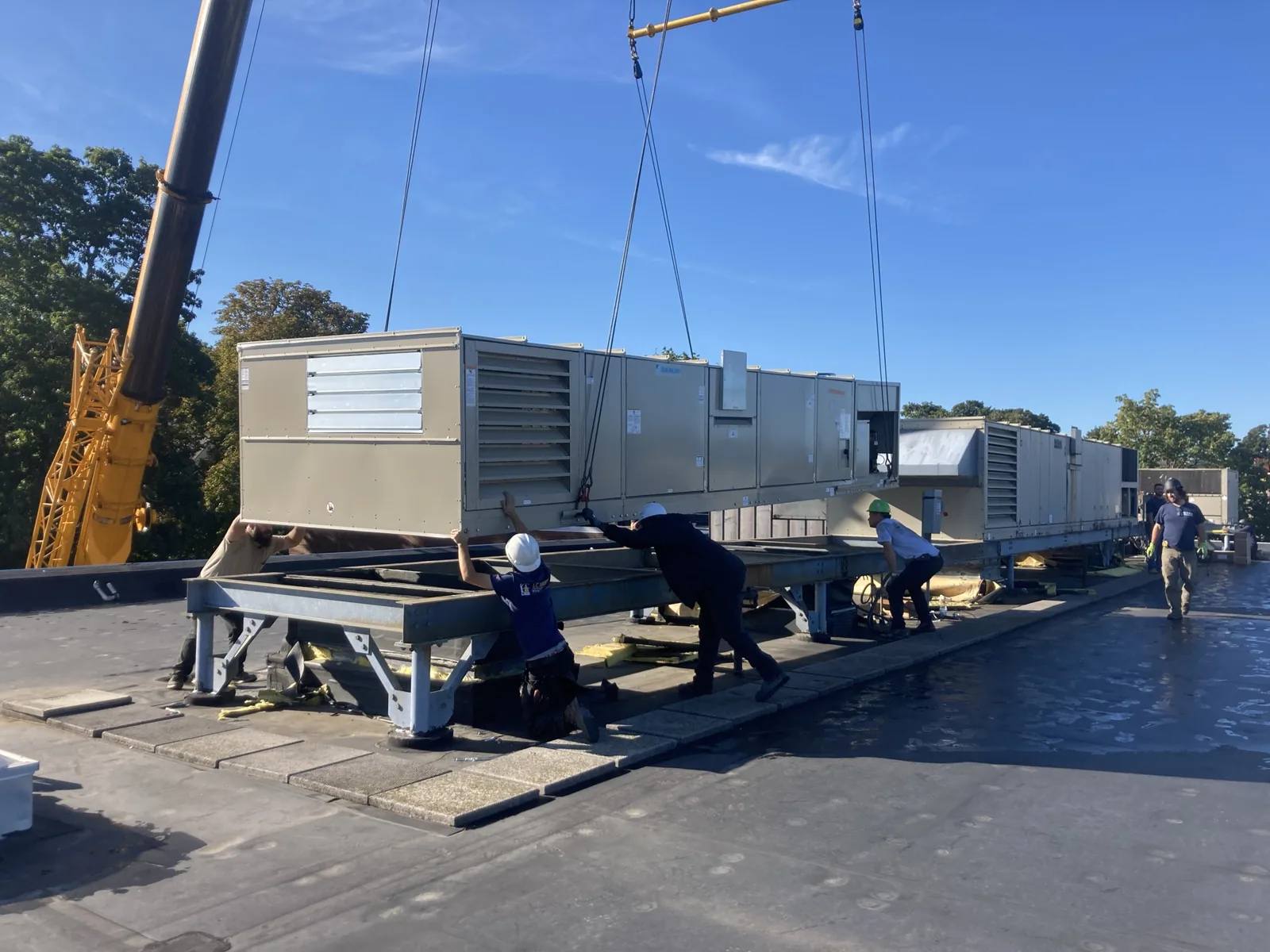
Rooftop equipment curbs and supports work should describe any interim connection while a separate task remains incomplete. Explain who receives that condition and who arranges the next visit. Keep the roofing correction distinct from equipment performance without losing the dependency between them. A useful project handoff tells the owner which operation is finished, what still must happen and how the final roof connection will be completed when the other work is ready.

Review the occupied area before selecting the daily work boundary
Ask the property contact for entrance, staging, unloading and occupied-space protection instructions. We describe the roof task and the area needed for preparation, removal or reconstruction. If those instructions restrict the available route, review the practical change with the general contractor before work begins. Building operations should be explained by the responsible contact. The roof package then relates those directions to the operation rather than assume a standard access arrangement fits the property.
Consider how the proposed work can be divided and closed appropriately. A smaller daily opening may change delivery, protection and the sequence of detail completion. Explain that effect with the method and amount. Dust or dampness can also affect surface preparation and material application. We review suitable receiving conditions for the selected product, with a practical stopping point if the surface is not ready. The owner should understand both the roofing purpose and the condition handed back between work periods.
Make changed findings an approval task with a roof state
If opened material reveals further damage, locate the finding and explain the additional correction. Describe the amount and sequence effect before expanding the task beyond the agreed boundary. Confirm the contact authorized to make that decision and the building representative who needs the practical update. We also explain how the roof will be left while approval or another component visit is arranged. The general contractor can coordinate the change using a specific operation and a known receiving condition.
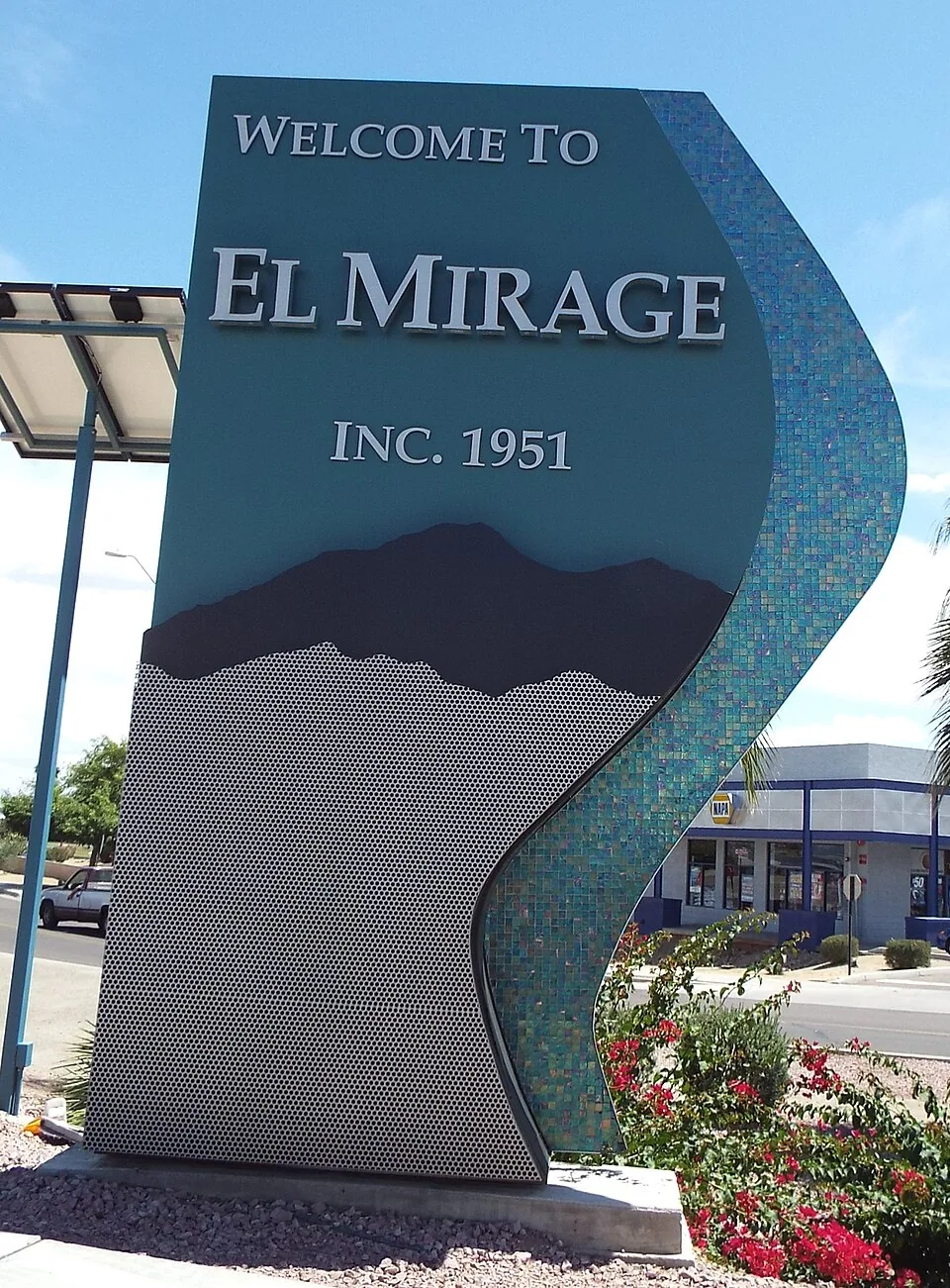
At another property in El Mirage, a similar material finding may require a different opening limit or access arrangement. Keep that building's approval and closure separate. The regional calendar encourages early weather planning, while the forecast and actual work determine the immediate sequence. A written plan for the pause should identify the roof area returned and the remaining operation, so a delayed decision does not become a lost roofing handoff.
More on Surprise
Turn over a located correction and its remaining questions
Compare cost drivers before approval: the repaired detail, preparation, affected layers, access equipment and protection. We explain any allowance or further investigation still needed, so a lower amount is not mistaken for the same construction without checking its boundary. The owner can connect the price to the actual operation. Keep a separate component task visible in that comparison and explain the work period the general contractor will need to arrange.
Roof asset management helps carry the completed work into the next property review. Locate the corrected detail and retain photographs of relevant concealed repairs, approved adjustments and applicable written warranty information. At turnover, explain any temporary condition or unfinished component task to the receiving contact. Name the person arranging the return. A later roof concern can then be examined with the earlier operation and its limits available, instead of starting from an uncertain repair history.
Commercial Roofing Questions
What should the general contractor know before material is opened?
The opening boundary and suitable stopping condition need to be clear. Identify the receiving contact and the approval route for findings that could expand the correction.
Can a visible interior leak identify the exact roof repair?
Interior observations guide the examination. We compare them with relevant roof details because water may travel before it appears in the occupied space.
How should another component visit fit the roofing work?
Name the required operation and representative before dismantling the connection. Explain an appropriate interim roof condition and who arranges the final return.
What happens if the surface is unsuitable for the planned material?
Preparation conditions affect the method. We explain the work needed or the pause required before proceeding with application on a suitable surface.
Which information should remain after the correction is finished?
Keep the located repair, relevant photographs, approved changes and applicable written warranty information. Record unfinished tasks with the receiving contact and the person arranging follow-through.
Plan the Surprise roof opening and handback

Arrange a pre-roofing meeting for your Surprise commercial property. We can review the examined detail, work boundary and stopping condition with the general contractor and the contacts responsible for access, approval and turnover.
Next steps for your building:

Related Roofing Work
More commercial roofing work for Glendale and West Valley properties.