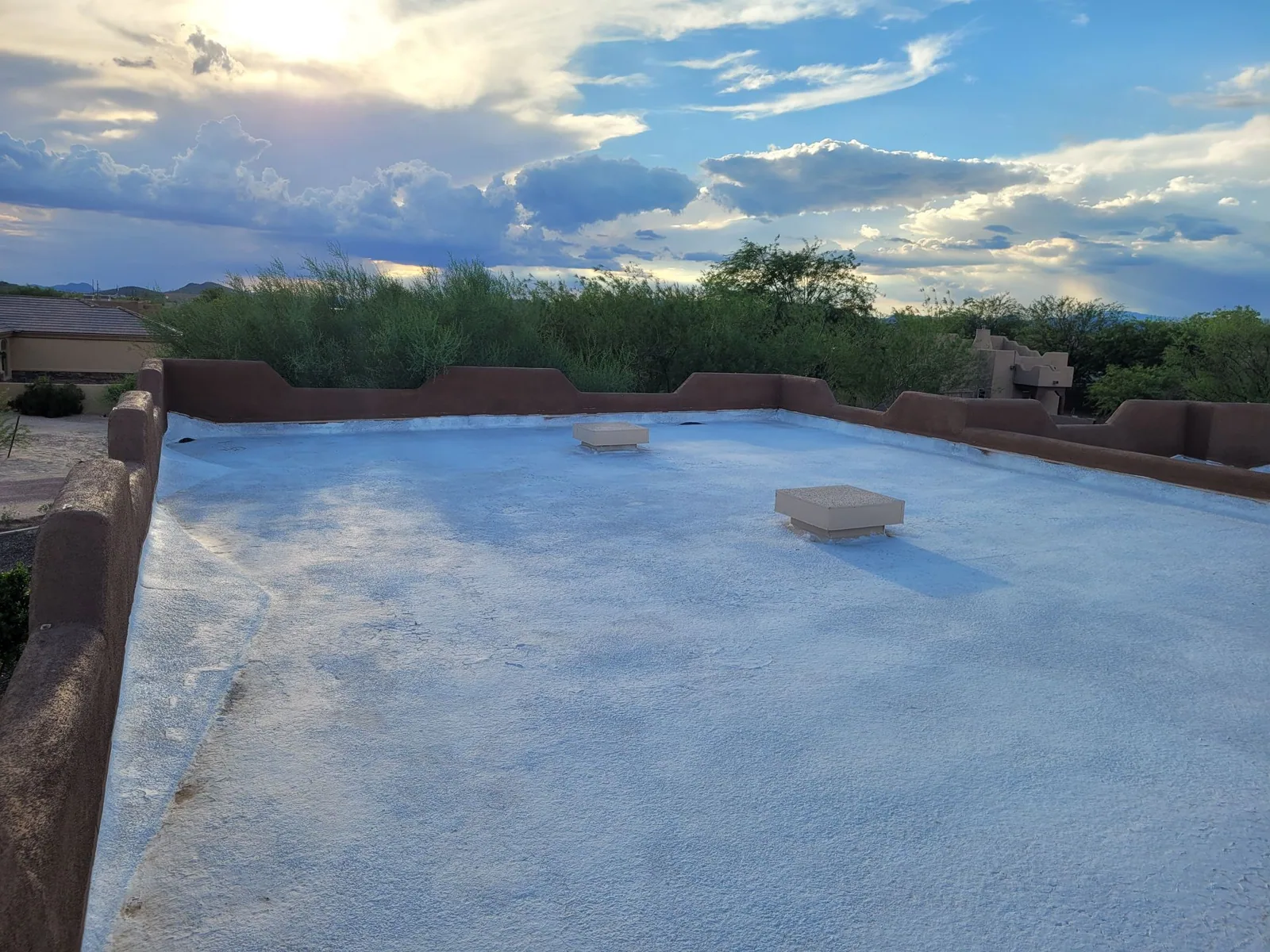
Roof Coating Restoration in Glendale, AZ
Home / Commercial Roofing Services / Roof Coating Restoration
Request A
Roof Assessment
Tell us about the building and the roof. We reply with the next practical step for your property.
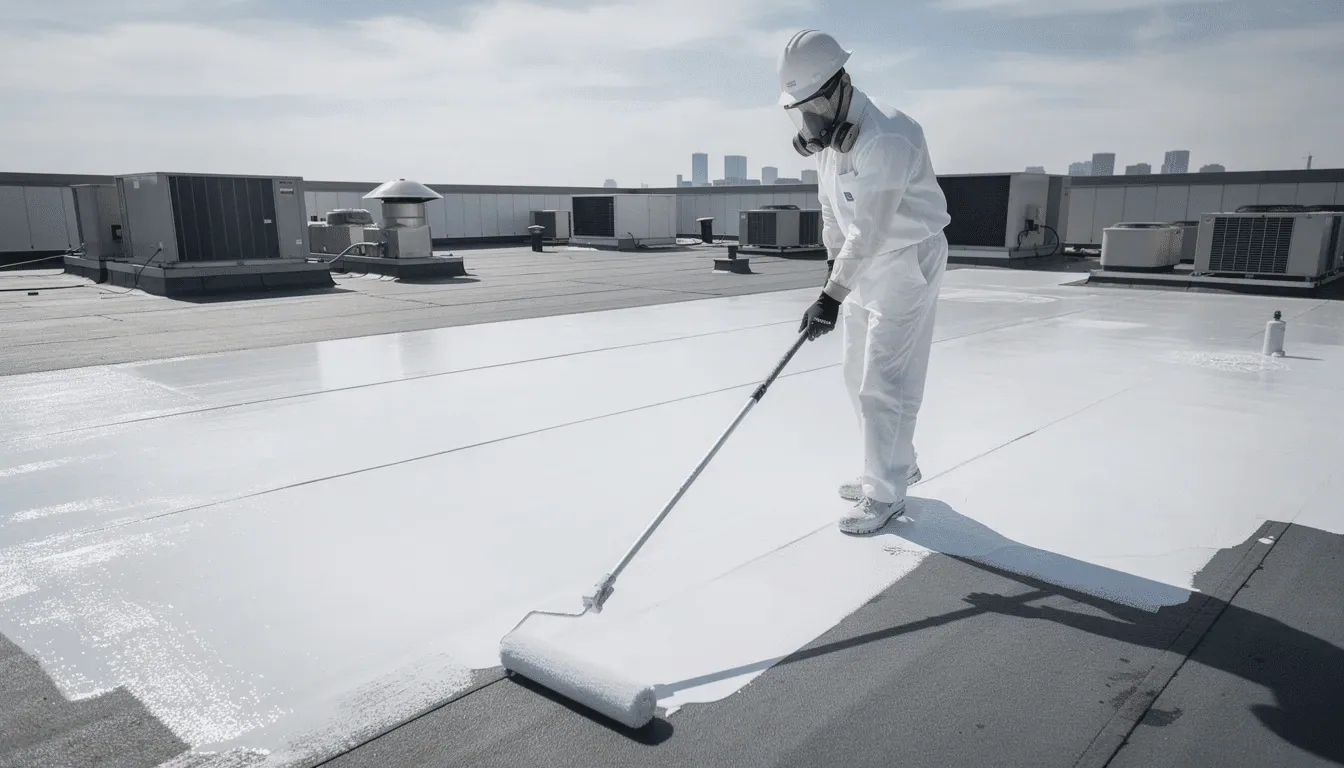
Glendale roof coating restoration develops substrate repairs, adhesion testing, seam treatment and application checks before the GC schedules field coating.
Reserve the coating window only after developing the substrate work and monsoon contingency. Build periodic regional showers and thunderstorms into the coating schedule during the Desert Southwest monsoon season. A Glendale GC needs to know what must be repaired, cleaned, tested and detailed before coating reaches the field of the roof. We would review those tasks with the selected product instructions and the actual retained construction.
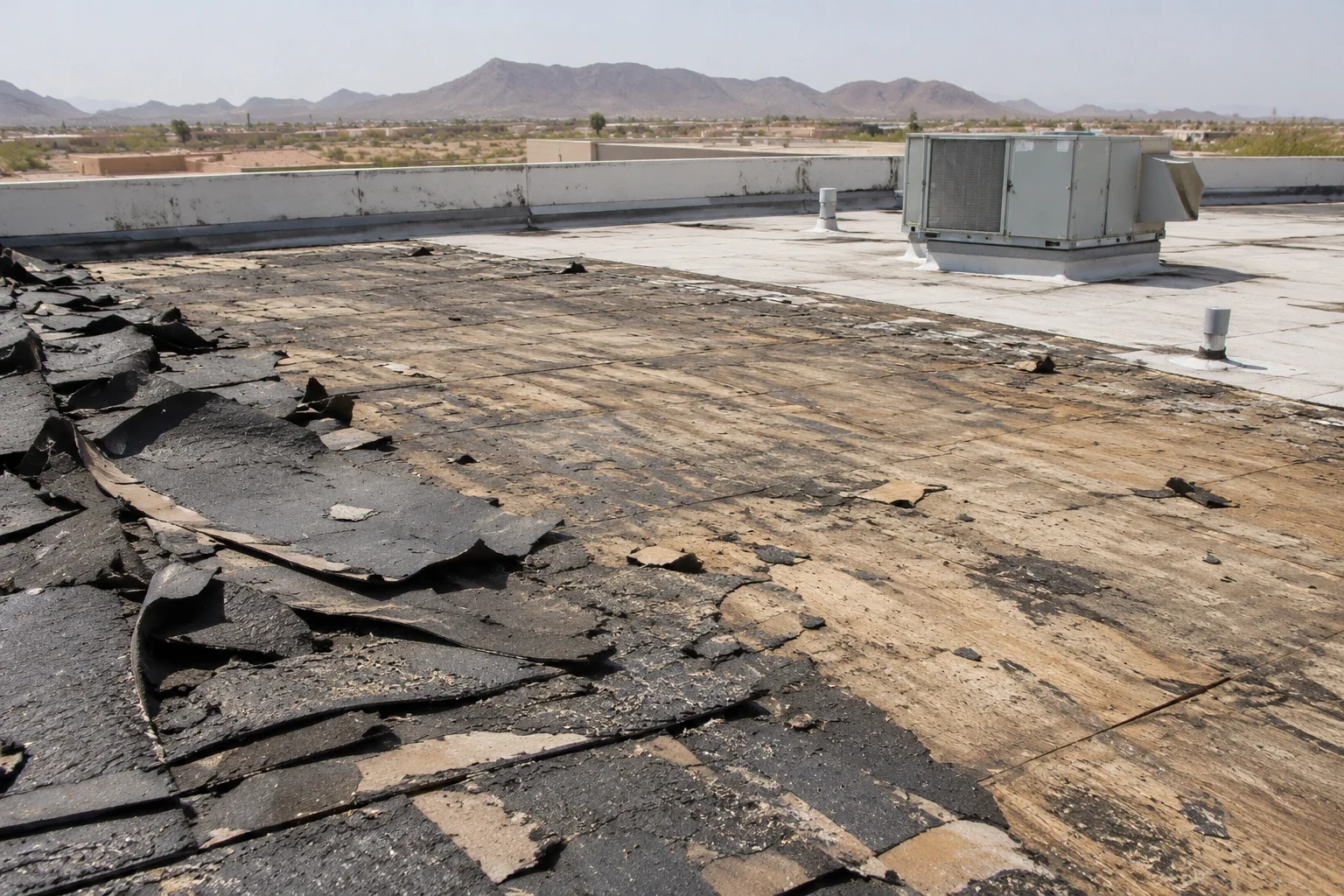
Restoration starts beneath the proposed finish. Identify the existing membrane and earlier surface treatments, examine their condition and develop the preparation needed for the chosen coating. A color change across the roof does not explain what happens at an open seam or unsuitable layer. The roof package should make the preceding correction and subsequent application understandable to the crew.
Qualify the existing surface for the selected coating
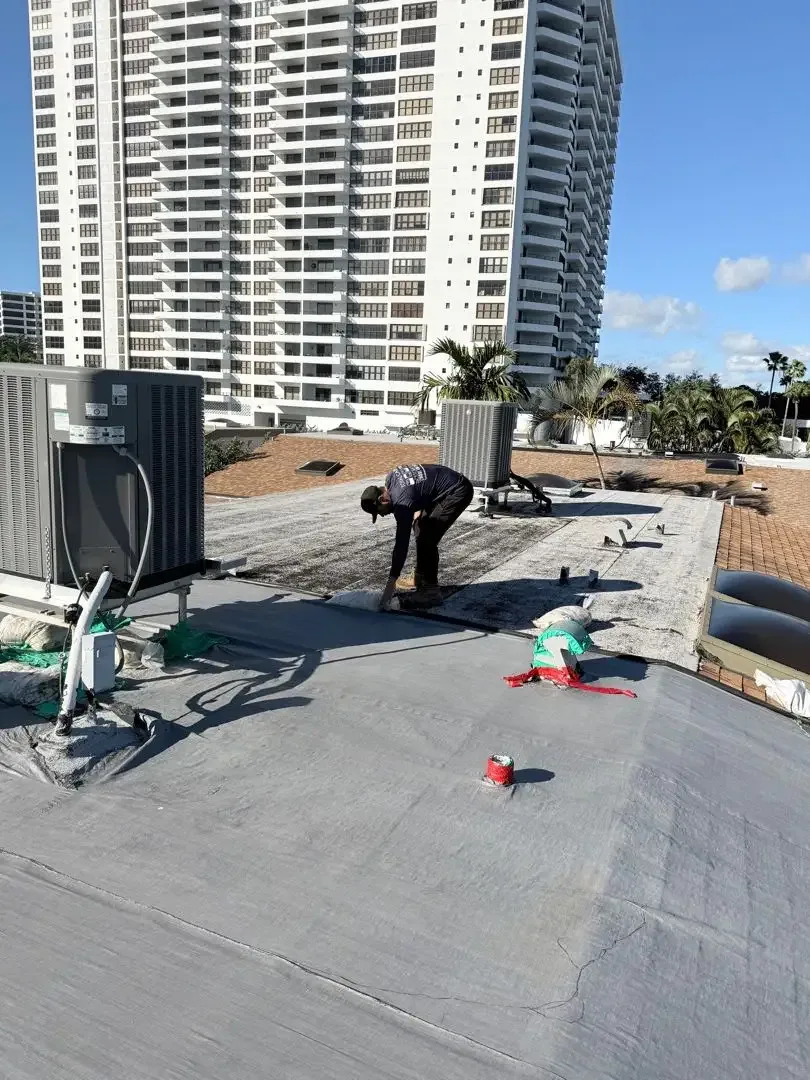
Obtain product records and examine the surface before selecting the restoration option. Locate different membranes, earlier coatings and patches that may require separate review. Identify the material proposed to remain and the information still needed to establish suitability. The same application description should not cover unlike construction without the appropriate product-specific assessment.
GAF's silicone-over-asphaltic guidance includes moisture review and adhesion testing before restoration, followed by wet-material correction and substrate preparation. It also addresses priming, detail treatment and application checks. Those steps illustrate why the selected coating needs its own preparation account. We would obtain the instructions applicable to the proposed product and actual roof.
A restoration condition review should identify visible concerns and concealed questions affecting the option. Locate the areas requiring further investigation. The GC needs to understand which findings could change the retained surface or require another roofing approach before scheduling coating installation.
For restoration requested at Glendale Main Library, review the designated roof with its representative. Identify 5959 West Brown Street in the project record. We would examine the assigned construction and supplied product information before developing a coating option for that particular area.
Resolve retained-layer concerns before preparation
Develop the moisture investigation where concealed condition affects the proposed restoration. State the question that must be resolved and the confirmation needed for a material decision. Keep the investigated positions and findings together so the removal boundary can be related to the actual roof rather than a general assumption about its age.
An appropriately scoped moisture survey may contribute to that assessment. Review the method, examined areas and required confirmation. The coating proposal should identify material corrections established through the investigation and questions left open before surface preparation advances.
Where material removal is needed, develop the replacement construction and its transition to retained work. Obtain compatible product information and examine supporting condition as appropriate. Establish the prepared surface that the coating will receive after correction. A removal item should carry enough detail to explain how the roof is restored before field application.
If the condition points toward a different roofing option, compare a developed removal approach separately. Locate the scope difference and remaining assembly questions. The GC should be able to review why the proposed retained surface is suitable or which correction changes the restoration recommendation.

Test adhesion on the surface the crew will coat
Review the preparation and adhesion-test requirements for the selected product. Locate the test areas and identify the surface preparation represented by each one. Record the result through the applicable method. A test on one prepared material should not become automatic acceptance of another coating, patch or membrane elsewhere in the roof package.
Develop cleaning and any primer work from the actual substrate and product instructions. Keep those tasks distinguishable so the crew knows what precedes the coating and what must be checked before proceeding. Where preparation exposes a concern, review the affected position and required correction with the GC.
For a coating project requested within the assigned Arrowhead property, confirm the exact building and roof with its representative. Review existing surface information and planned test positions for that assignment. We would document the preparation under review and the result needed before developing installation there.
Preserve the selected product, test location and prepared-surface description in the project account. If the coating option or retained surface changes, review whether the earlier test still addresses the intended work. The application decision should follow the current roof package rather than a result collected for an abandoned preparation method.
Complete seams and transitions before the field finish
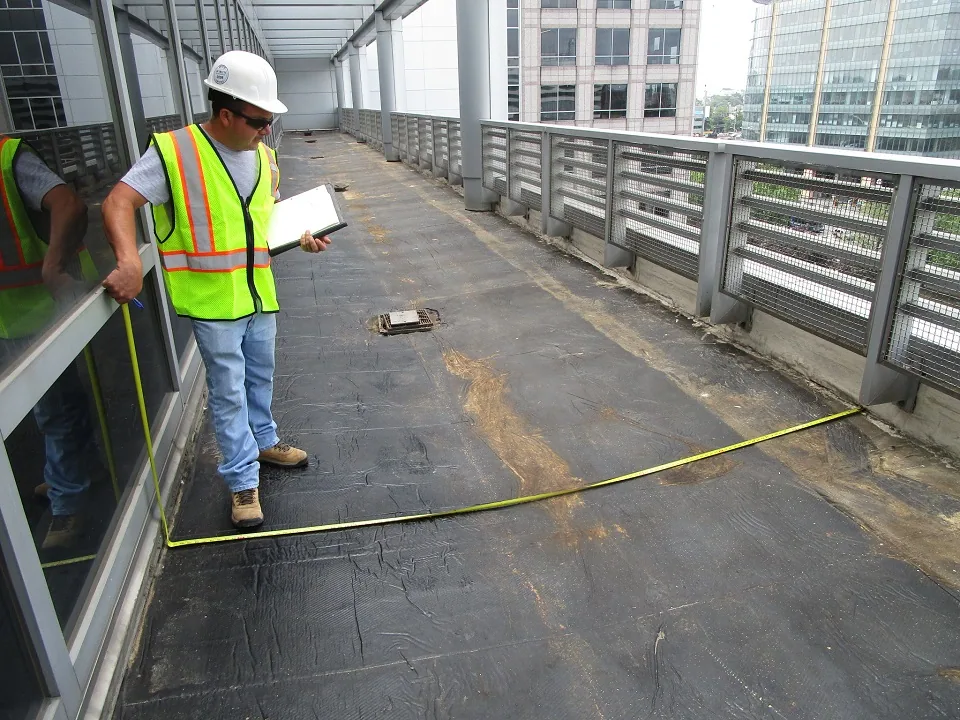
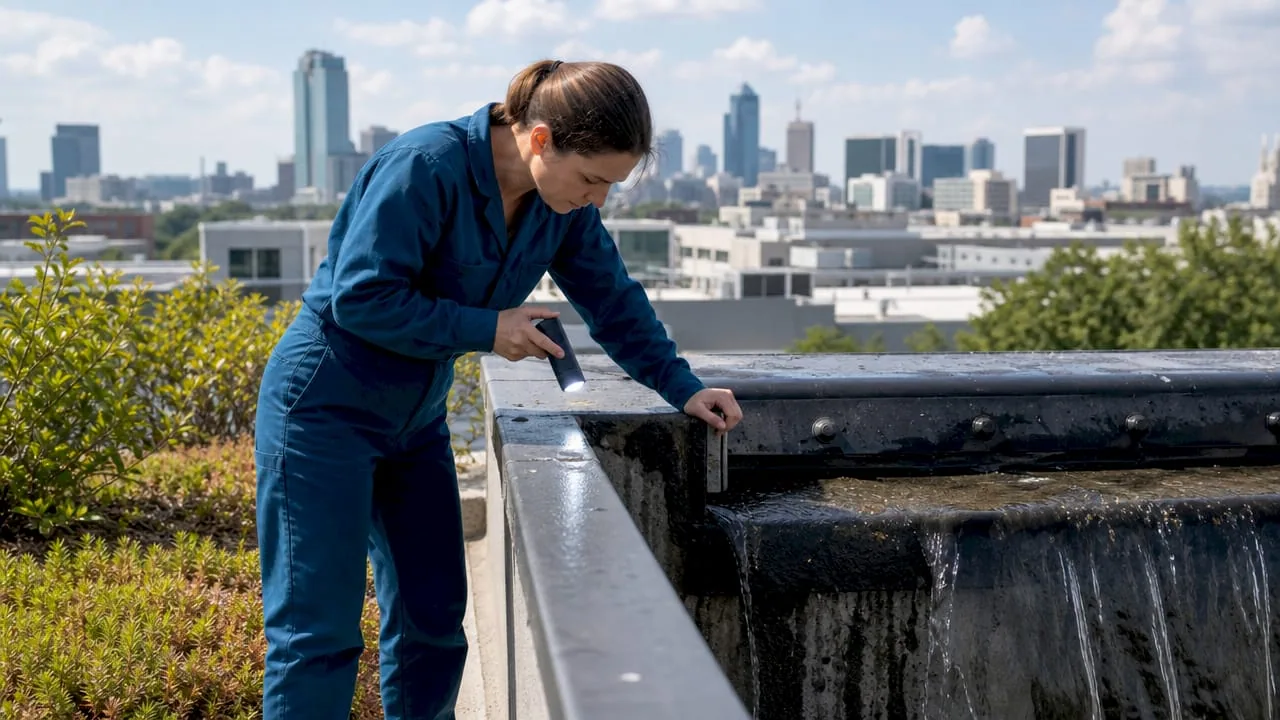
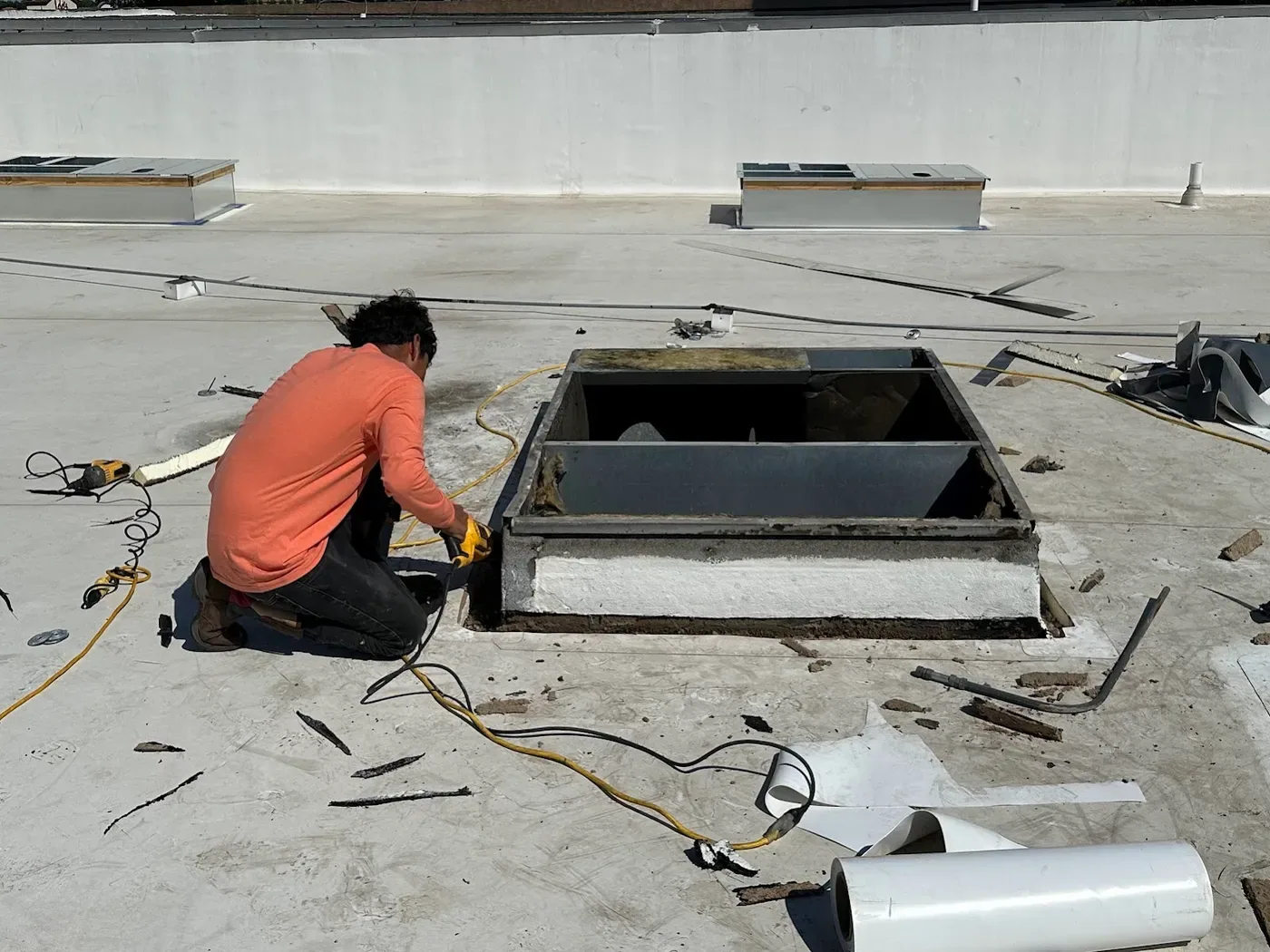
Locate seams, edges and penetrations that need correction or treatment before field coating. Examine the condition and adjoining material at each detail. Review whether component repair is needed first, then obtain the applicable coating-system treatment instructions. The field finish and the underlying permanent correction are separate tasks within the restoration work.
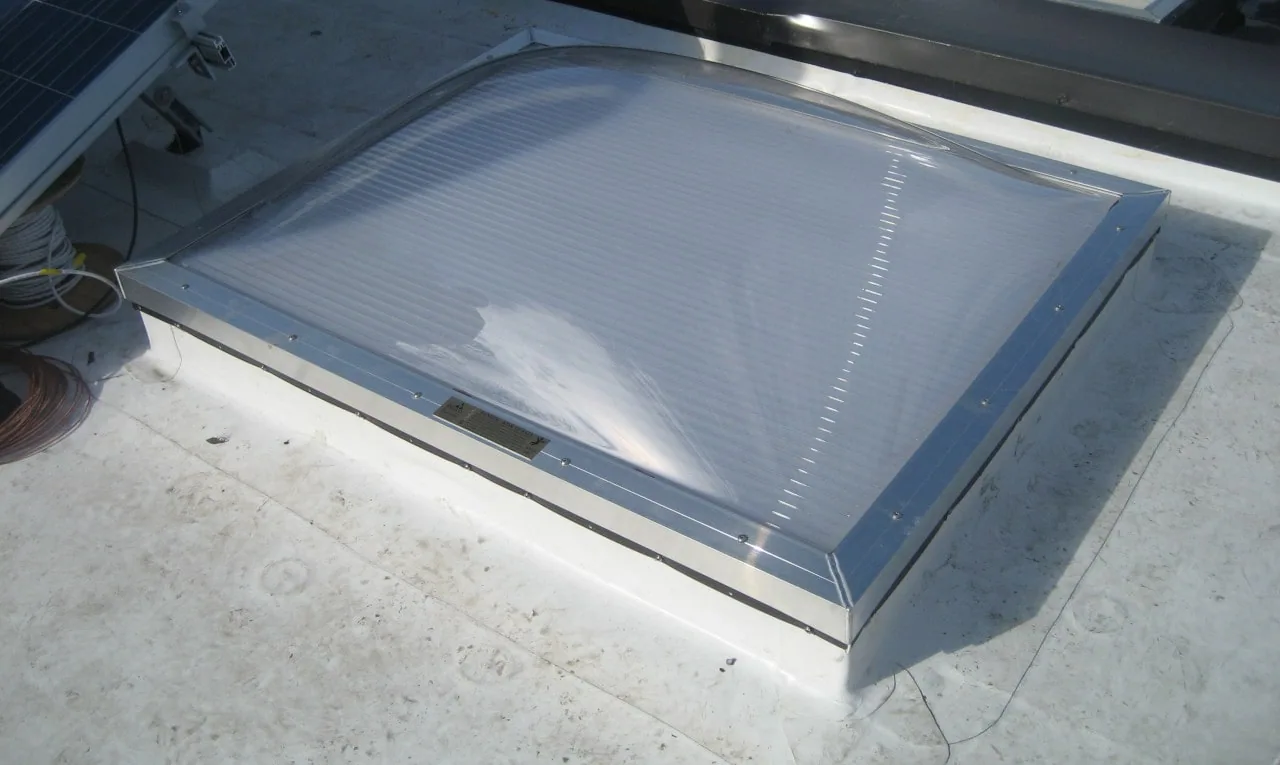
A flashing preparation task should address the existing connection and any support needed to complete it. Identify the chosen material and treatment at the actual roof position. The crew needs to understand which preceding correction makes that detail ready for the selected coating system.
Review drainage geometry concerns where they affect the recommendation. Develop component or supporting work through its own examination. A proposed coating should not substitute for the construction information needed to resolve a drainage alteration at the roof.
For requested restoration at State Farm Stadium, establish the roof designation through the representative and connect it with 1 Cardinals Drive in the project account. Review the assigned detail work there before developing the field application. Keep unresolved component positions visible to the GC at the pre-roofing meeting.
Check application and preserve the completed-work account
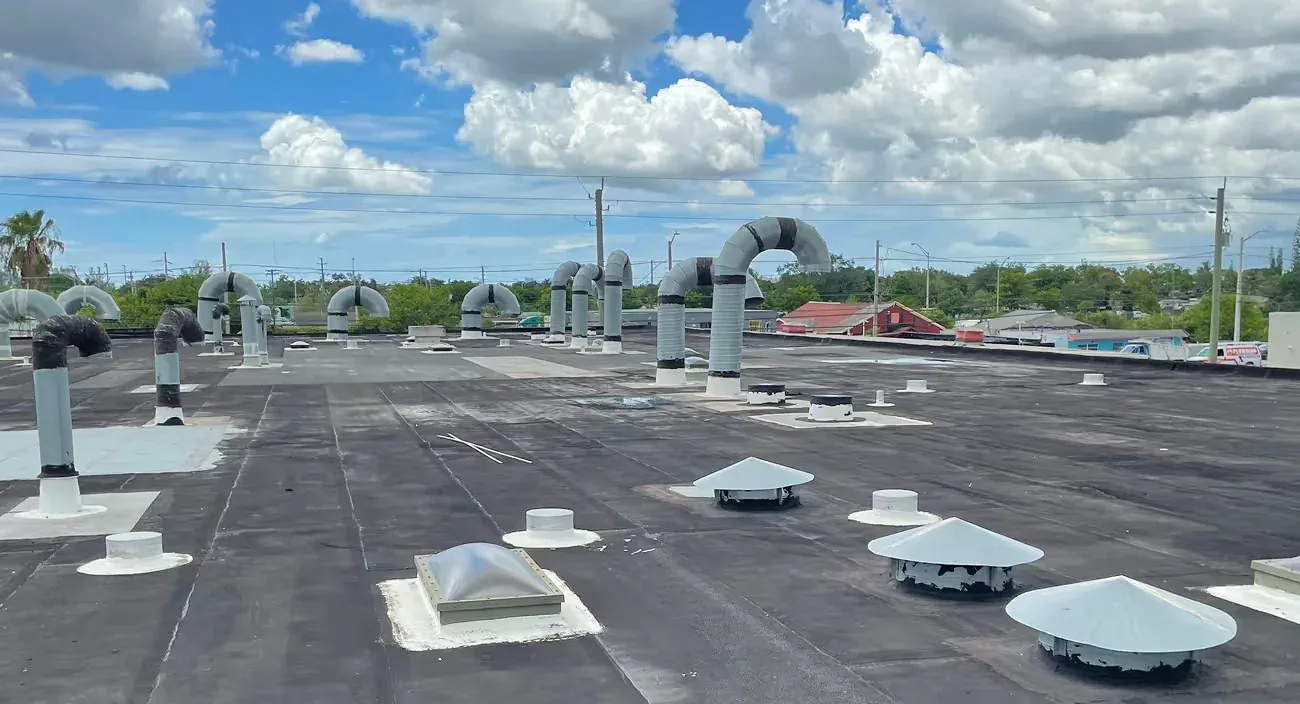
Develop the field application from the selected product instructions, prepared surface and arrangements for the particular project. Identify required checks during the work and the records to preserve. Keep any detail-treatment step distinguishable from the field application so the crew can follow the roof package through both tasks.
Review current conditions against the applicable installation requirements before proceeding. A monsoon delay should have an identifiable effect on the planned coating task and next review. If preparation or the assignment changes, confirm the affected work before resuming instead of treating the earlier schedule as acceptance of the current surface.
Preserve the prepared areas, installed products and completed treatment in the restoration work record. Locate deviations and any open correction. Review supplied warranty requirements separately, with confirmation needed for the actual project, rather than attach a general coverage claim to the coating description.
At turnover, give the representative an understandable account of the work completed and matters needing later examination. Keep application information with the relevant substrate and detail records. A later maintenance crew should be able to locate the treated roof positions and review the products installed there before planning subsequent care or repair.
More on Roof Coating Restoration
Commercial Roofing Questions
What establishes the Glendale coating restoration option?
The deciding factor is suitability of the retained construction for the selected coating. Review material condition, preparation and required adhesion testing before developing application.
Why keep wet-material corrections ahead of the field coating?
Correct the identified construction before preparing the surface that will receive the finish. Record the removal and replacement boundary separately from application.
How should an adhesion result be connected to the roof package?
Identify the product, prepared substrate and test position. Review changes before applying that result to different material or preparation.
Where do seams and curbs enter the restoration schedule?
Examine their connections and complete preceding repairs or selected-system treatment. Keep those detail tasks distinguishable from field application.
Which coating records help with later roof care?
Preserve installed products, prepared areas and completed detail treatment. Locate open positions and retain the application information relevant to the work.
Develop the surface work before coating
Bring the existing roof information. We will review substrate correction, adhesion testing, detail treatment and the application task with the GC.
Next steps for your building:
Related Roofing Work
More commercial roofing work for Glendale and West Valley properties.