Edge Metal, Coping and Gutters in Glendale, AZ
Home / Commercial Roofing Services / Edge Metal, Coping and Gutters
Request A
Roof Assessment
Tell us about the building and the roof. We reply with the next practical step for your property.
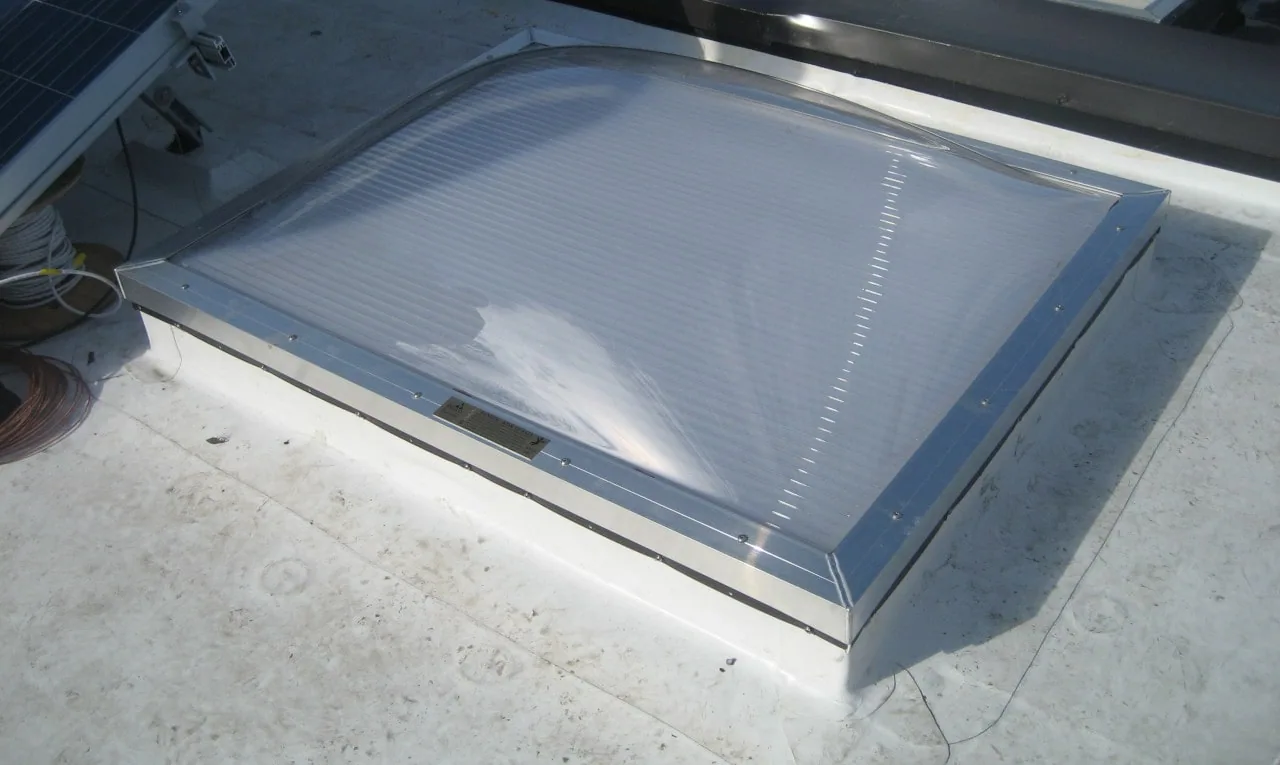
Edge metal, coping and gutter work in Glendale, AZ: measured runs, nailer repair, corner pieces and membrane tie-ins planned before metal goes on.
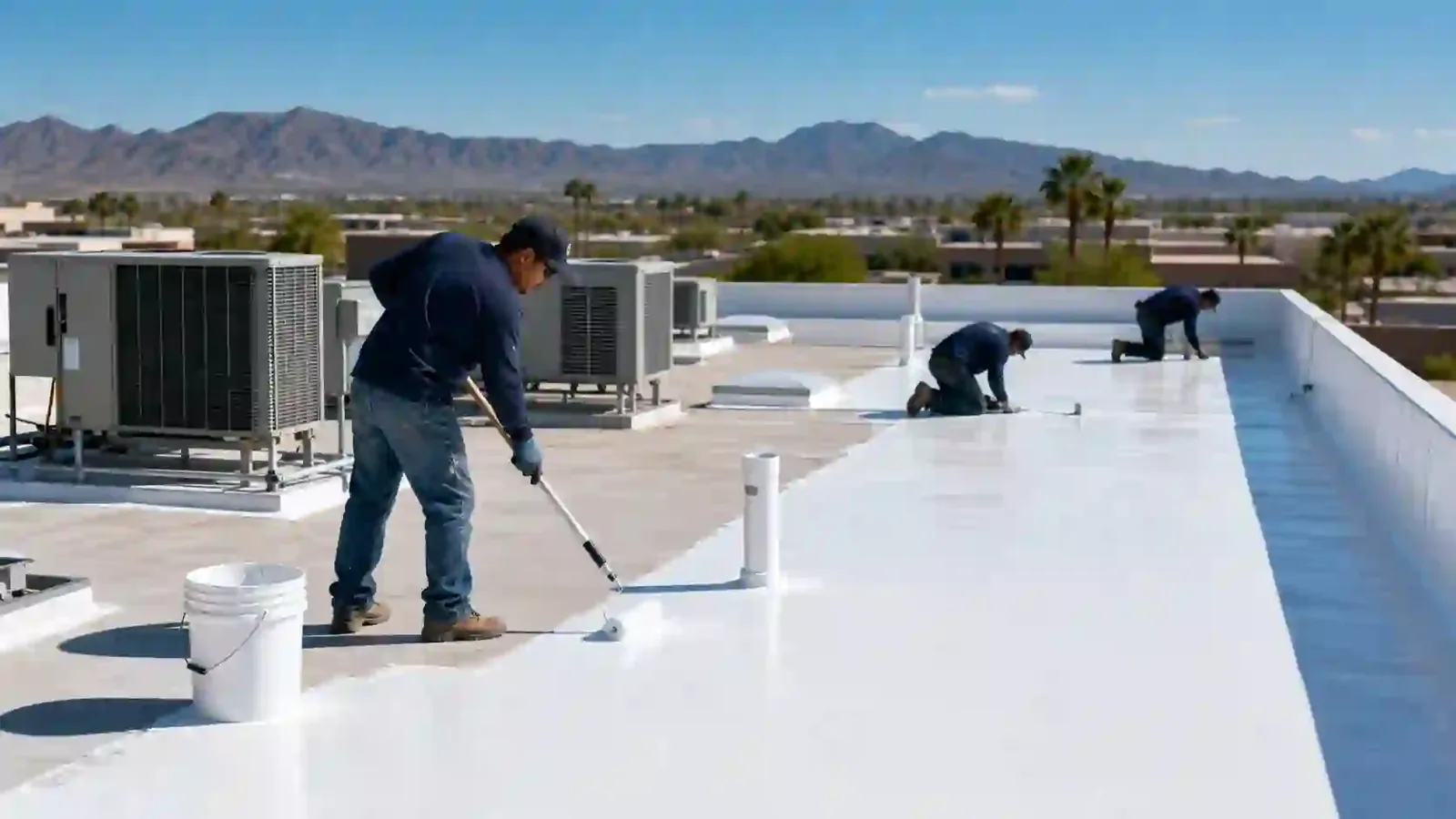
Get the perimeter work planned before monsoon season starts eating into the schedule. Summer storms in the Desert Southwest bring heavy rain and strong gusts, and the roof edge is where wind takes hold first. On a Glendale project, the metal profile, the wood nailer under it and the membrane that ties into it all need to be planned together. We inspect the edge and list the work that has to happen before new metal is fastened down.
Edge metal, coping and gutters are three different things. Coping caps the top of a parapet wall. Edge metal finishes the roof where there is no parapet and holds the membrane edge down. Gutters carry water off and need solid hangers and a good connection to the downspouts. Each gets its own line in the scope, so the crew knows exactly what goes where.
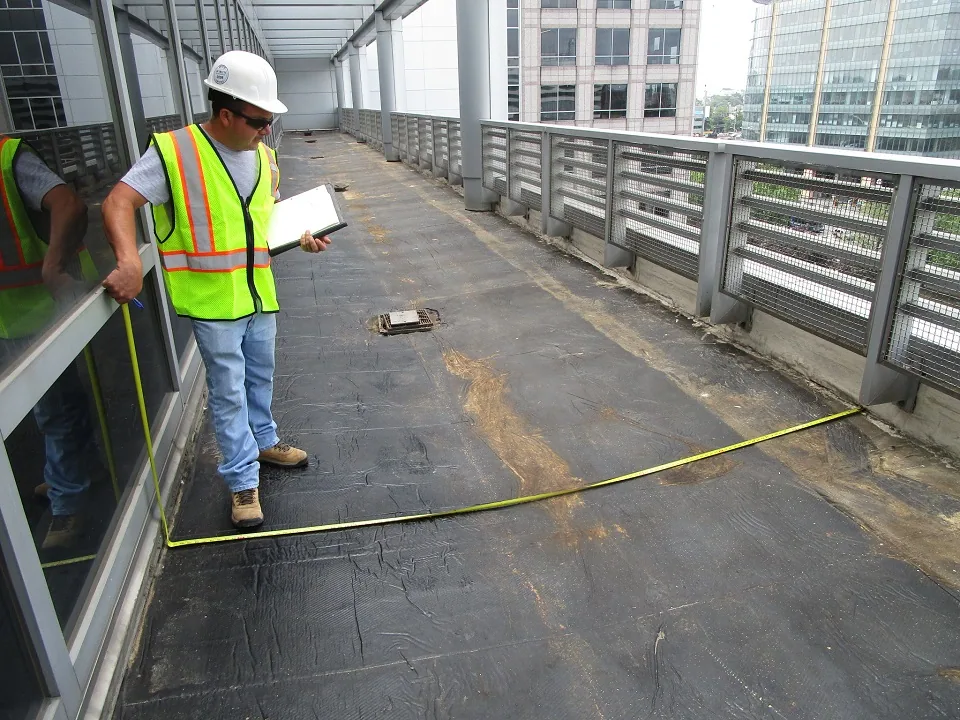
Measure the profile, corners and ends
We measure every run of edge or coping on the roof: wall width, fascia height, and how far the metal needs to drop over the face. We also mark every corner, end, step and spot where the wall changes. The metal is ordered from those numbers. A scope that only gives straight-line footage leaves the crew guessing at every corner.
Carlisle describes its SecurEdge CF Snap-On Coping as a system of clips, concealed splice plates and a coping cap, with factory-made accessories including corners and ends. That is a good example of why the cap and its pieces get ordered as a set. We pull the product information for whichever system fits the measured wall and the roof it ties into.
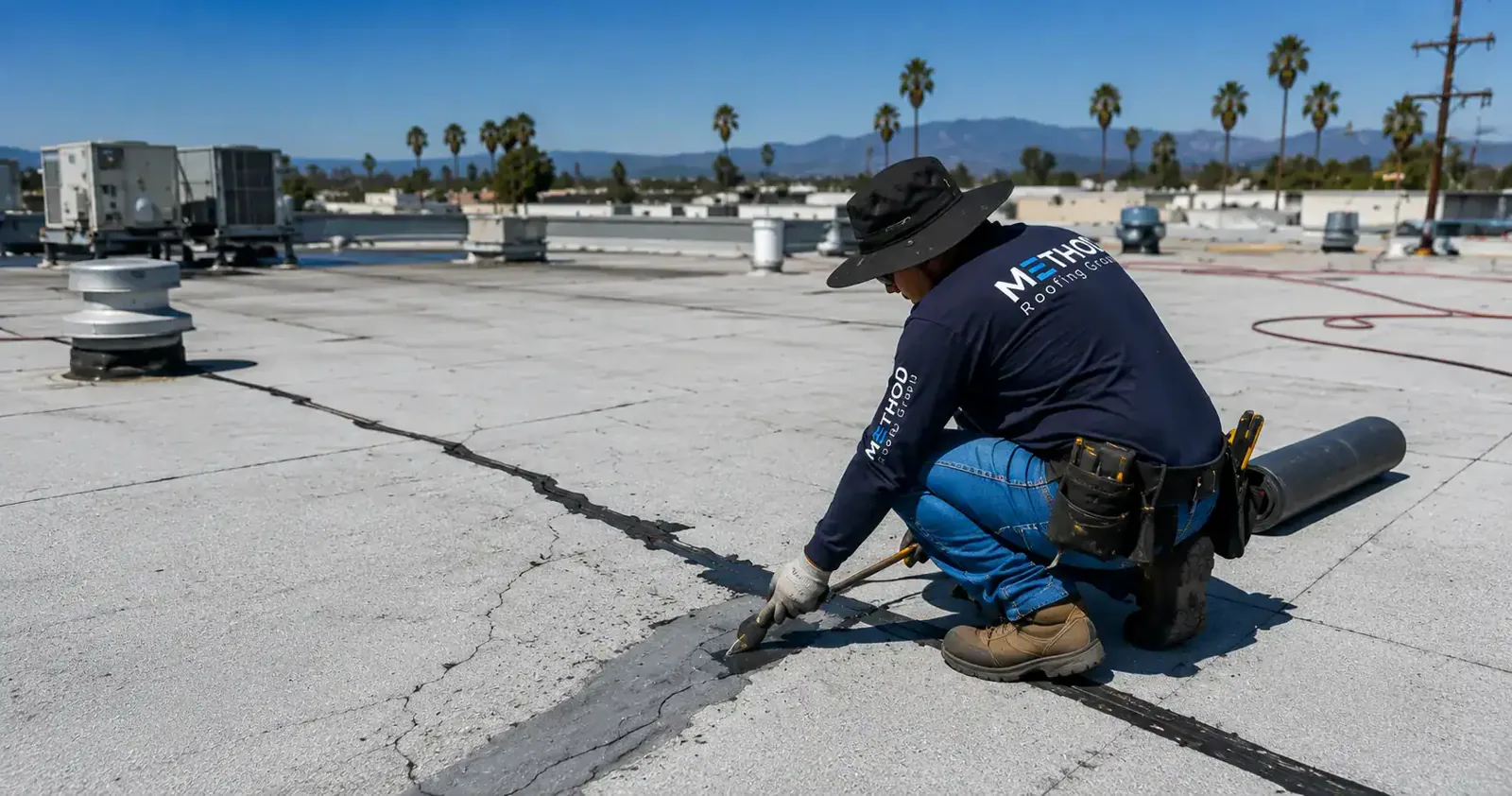
A roof inspection along the perimeter picks up loose joints, rust, missing fasteners and open seams in the metal, and tells us where we need to look underneath. We also note where the wall or the membrane changes along a run. With that, the general contractor can settle the metal layout before scheduling installation.
For perimeter work at State Farm Stadium, the stadium's representative would point out which runs are in scope, and we would file the job under 1 Cardinals Drive. We would measure those runs and check the product data before laying out the metal for that roof.
Check the nailer before new metal goes on
New edge metal is only as good as what it is nailed into. Before anything is ordered, we check the wood nailer and the wall top: is it solid, rotted, split, or pulling away from the deck? Some of it can stay and some needs replacing. The metal manufacturer also has fastening requirements for its system, and those depend on what is underneath. A shiny new profile tells you nothing about the wood behind it.
Sometimes we have to pull a section of old metal to see the nailer. When that is the case, we mark the spot, explain what we are looking for, and clear it with the contractor before opening the edge. If the wood is bad, replacing it goes on the estimate as its own line, and the metal goes on after.
When edge metal has blown loose, a wind damage repair looks at each loose spot on its own. One failed run does not mean every run failed. The fix spells out what nailer and fastening work that spot needs.
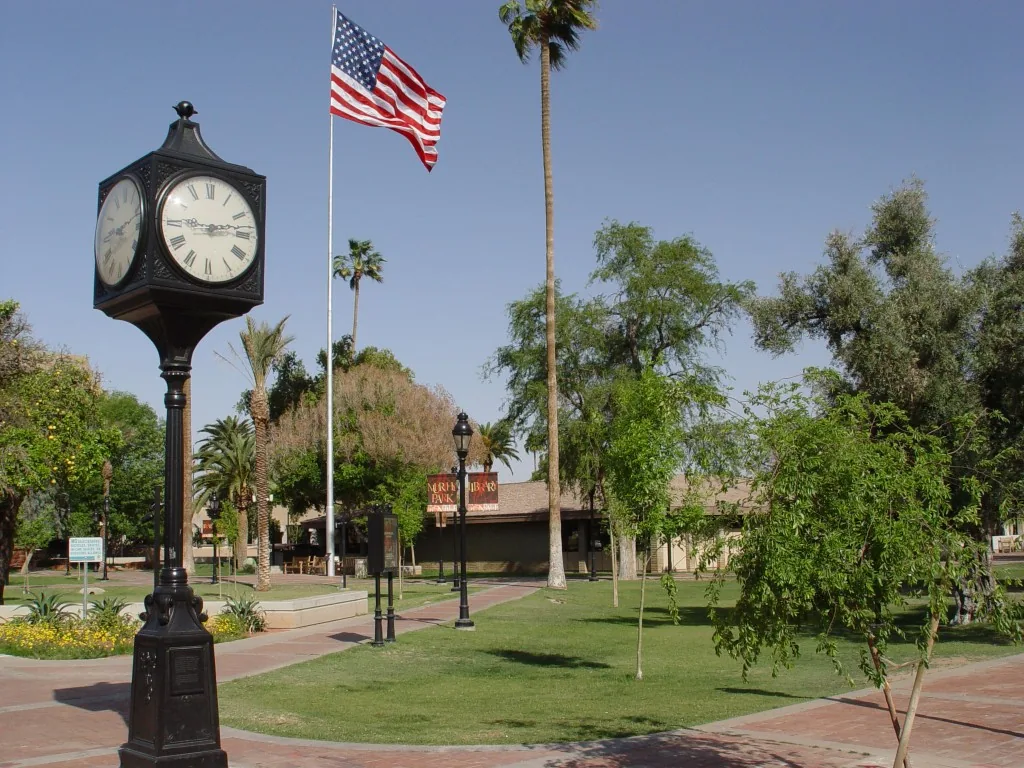
For a building in historic downtown Glendale, we confirm the address and which walls are in scope with the owner's representative, check the nailer on those runs, and note what we found and fixed so the next crew knows.
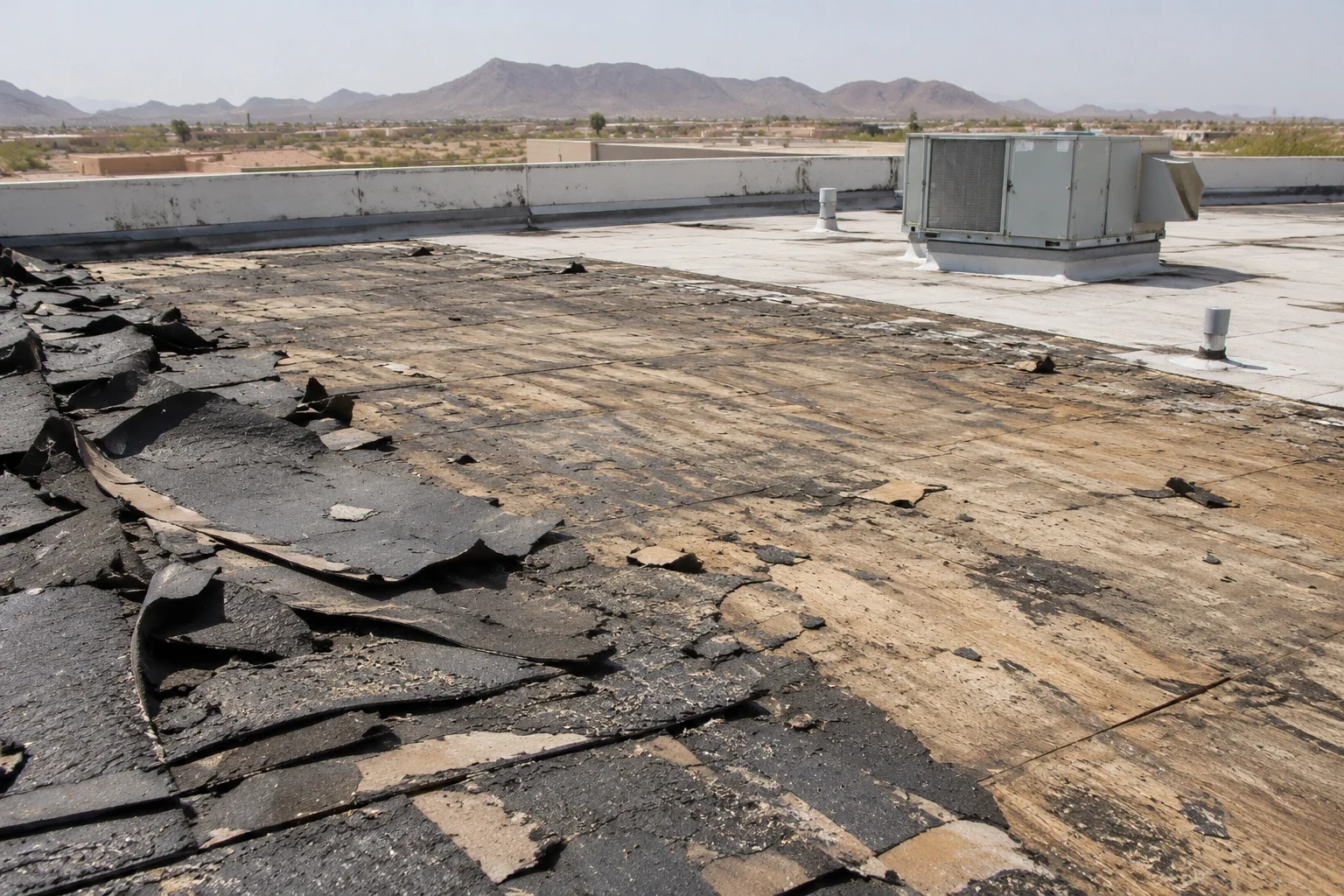
Flash the parapet before the cap goes on
On a parapet, the coping is the last thing installed. First we look at the top of the wall and the membrane that runs up the inside face. We decide what stays, then do the roofing and nailer work the coping detail calls for. The membrane runs up the wall to wherever the manufacturer's detail requires before the cap goes on. The cap, cleats, splice plates and corner pieces are all listed in the scope.
A flashing repair at the parapet has to suit the membrane that is actually on the roof. TPO, PVC, EPDM and modified bitumen each have their own prep and seaming steps. Any flashing repair gets done before the metal hides it, and the contractor can see that order on the schedule.
Corners, ends and spots where the wall gets wider or narrower need their own pieces. We check those against the product information and list what it takes to join them to the straight runs. If the scope lists nothing but cap footage, the crew is stuck at the first corner.
For coping work at Glendale Main Library, the library's representative would show us which wall tops are included, and we would keep the address, 5959 West Brown Street, on that job. We would look at the roofing beside those walls and lay out the coping pieces from what we measured and what the building's drawings show.
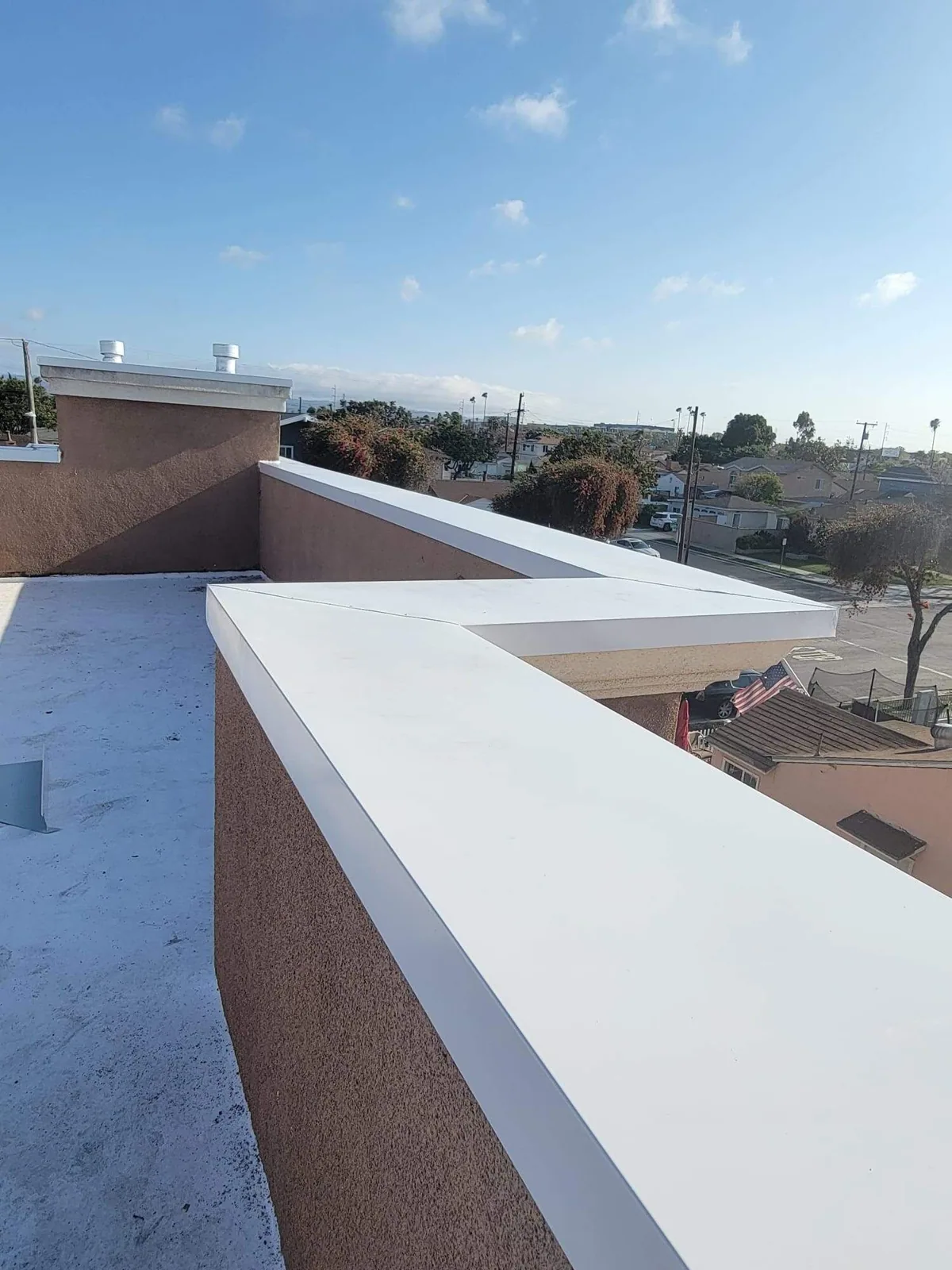
Roof edges and gutters are separate jobs
Where the roof ends without a parapet, the membrane laps onto the edge metal, and that joint has to be done right or wind gets under it. We note the existing membrane and the new metal profile, then follow both manufacturers' instructions for prep, fastening and stripping in the edge. The work goes in order: fix the nailer, set the metal, strip in the membrane.
Pulling old edge metal sometimes uncovers brittle or torn membrane. When it does, a membrane repair at the edge may be needed, sized from what we see. Any nailer repair happens first, so new metal never hides a problem.
Gutters are their own item. We look at the run, the hangers and the outlets, then check the joints the new work will affect. Where downspouts or scuppers and drains are involved, we spell out who handles the outlet and who handles the roofing around it, instead of assuming the edge metal job takes care of all the drainage.
Changing where water drains is a different job from replacing metal in the same spot. If the work would change the drainage path, it gets reviewed first. The contractor gets a clear metal scope and a list of what is still needed for any bigger change.
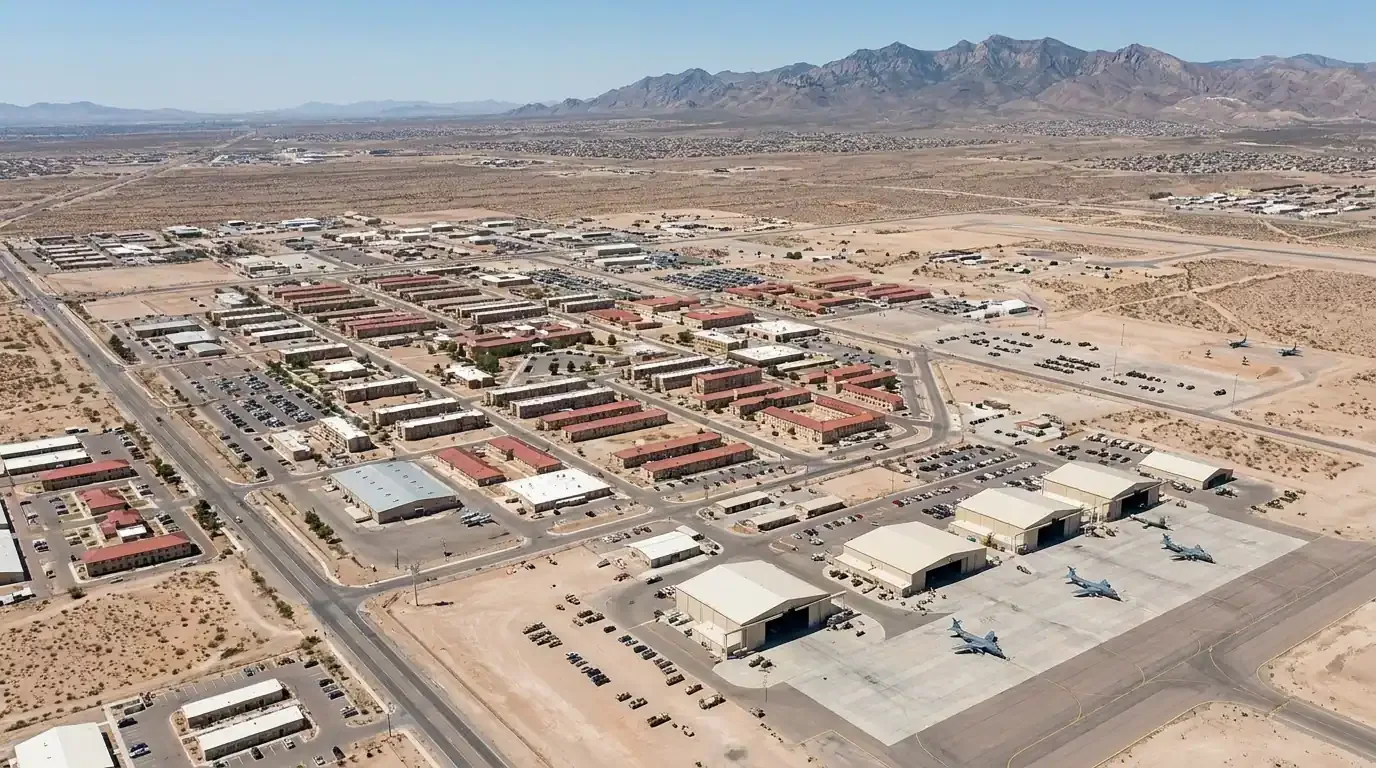
Keep records of what was installed
Before installing, we check the delivered pieces against the measured runs and the nailer work that is done. If a field measurement doesn't match the layout, that run stops until we sort it out with the general contractor. Installation follows the manufacturer's instructions for that system.
We keep the metal pieces, the nailer work and any membrane repairs in a roof condition report, with each run and corner marked on the plan. Unfinished items are listed apart from completed work, so the owner's representative can schedule the rest.
If the project documents set warranty requirements, we check them before the affected work starts and confirm anything that needs sign-off. The product records match what was actually installed. We don't tack a general performance promise onto a description of edge metal.
At closeout, you get the profile details, product records and the location of each repair. On the next maintenance visit, a technician can find the new metal and check the membrane joint before planning more work. Any open question about the nailer or the drainage stays on the list so it doesn't get lost.
More on Edge Metal, Coping and Gutters
Commercial Roofing Questions
What decides how edge metal gets installed on a Glendale roof?
The metal system you choose and the condition of the nailer it fastens to. We measure every run, fix bad wood first, and then install the metal to the manufacturer's requirements.
Why identify corners and ends before ordering coping pieces?
Corners and ends need their own pieces made for the system. Order only straight lengths and the crew ends up cutting and patching on the roof, and those joints are where coping tends to leak.
What if you can't see the nailer until the old metal comes off?
Then the estimate says so. We open a test spot before finishing that edge, and if the wood is bad, replacing it is added as its own line once the contractor approves it.
Is gutter work part of the edge metal job?
No, it is priced separately. We check the gutter, hangers and outlets as their own item and make clear who handles the joint where the gutter meets the roof edge.
What records do we get at the end?
The metal profiles used, the product records, and where each repair was made on the roof. Any nailer or drainage question still open is listed apart from the finished work.
Get your roof edge looked at
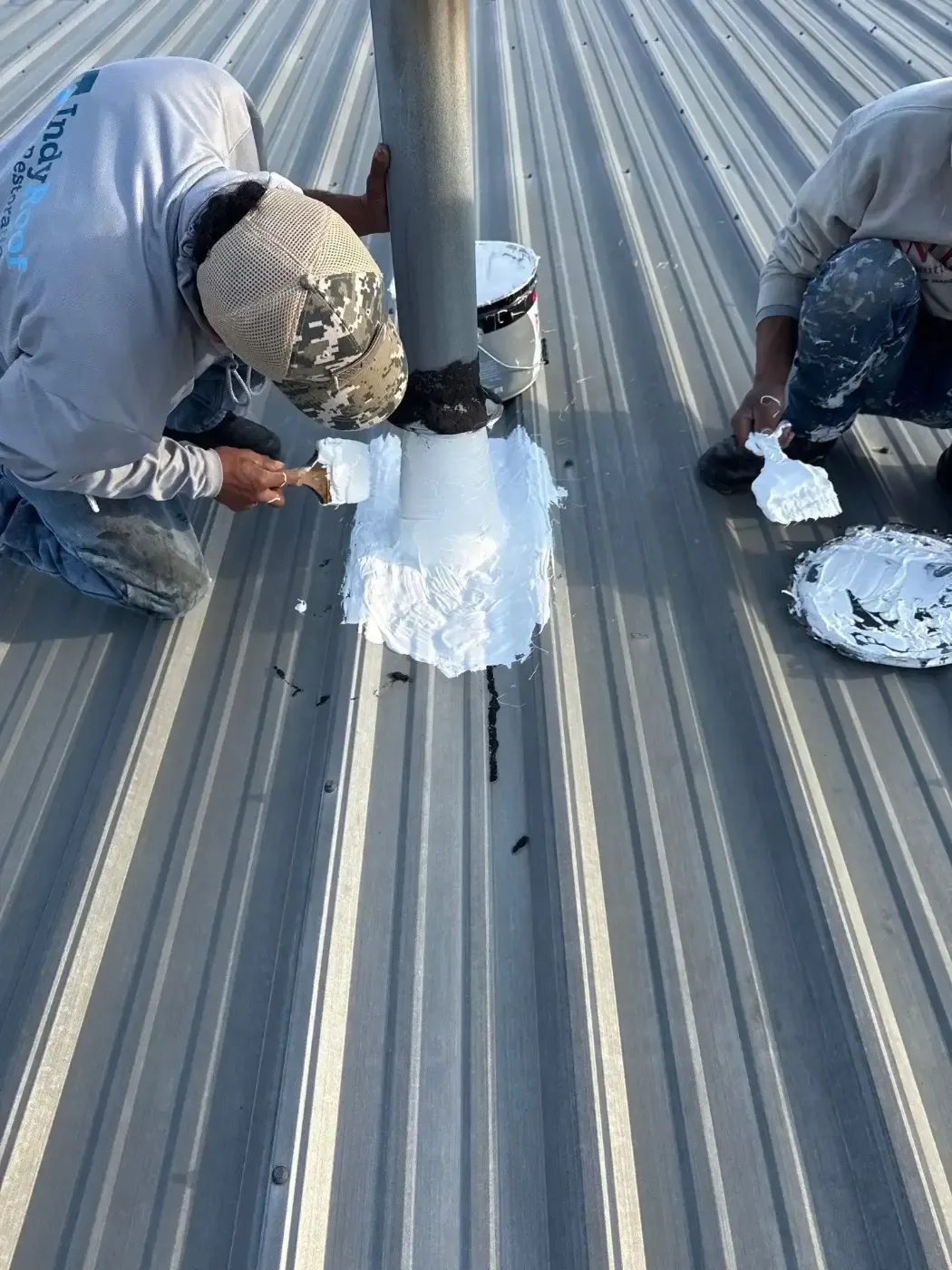
Tell us which edge, coping or gutter needs work. We'll measure it, check the nailer and membrane, and give the general contractor a clear scope.
Next steps for your building:
Related Roofing Work
More commercial roofing work for Glendale and West Valley properties.