Drone Roof Inspections in Glendale, AZ
Home / Commercial Roofing Services / Drone Roof Inspections
Request A
Roof Assessment
Tell us about the building and the roof. We reply with the next practical step for your property.
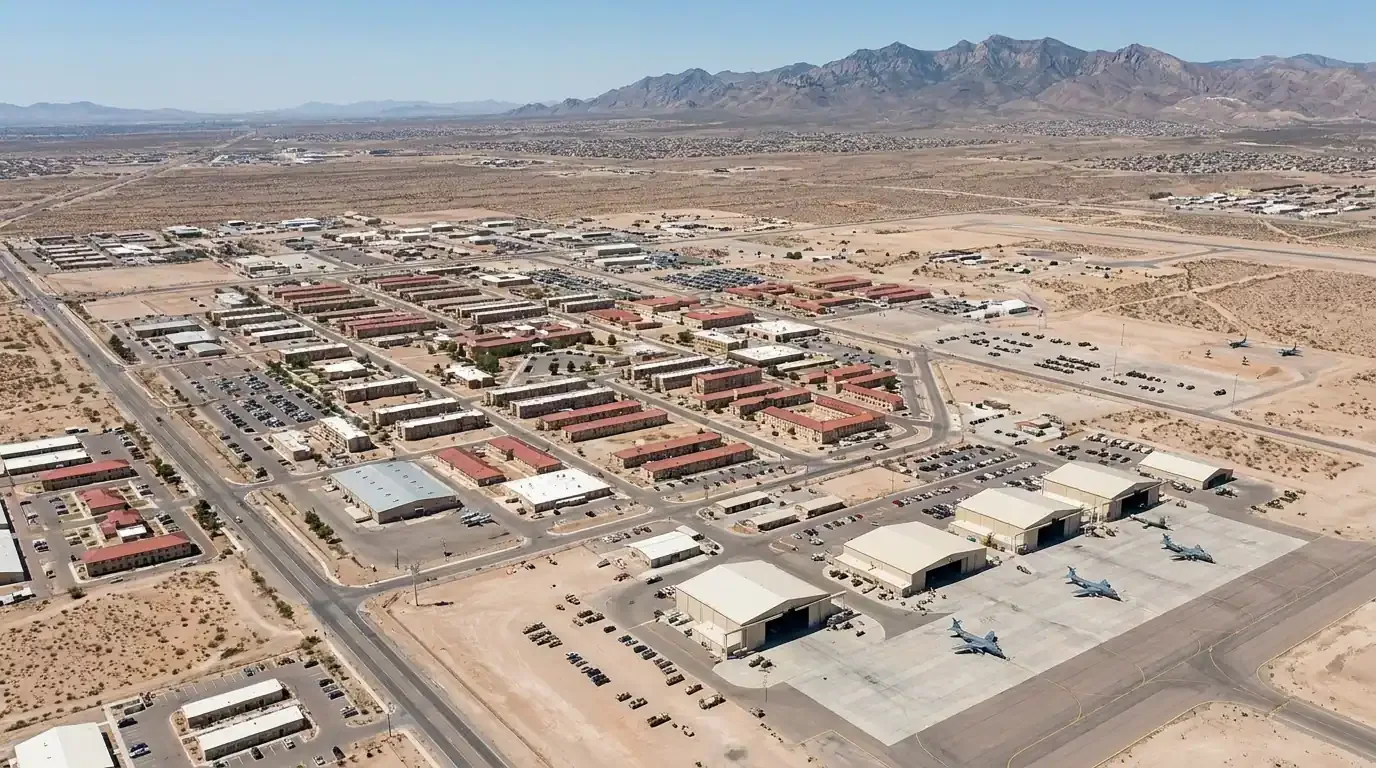
Glendale drone roof imaging defines the visual task, flight arrangements and follow-up examination before the GC uses the images for roofing decisions.
Coordinate the imaging task with monsoon conditions before putting a roof flight on the schedule. The Desert Southwest season includes periodic showers and thunderstorms. For a Glendale GC, a proposed drone review needs the assigned roof, the visual question and the operation arrangements established first. We would explain what the images are intended to document and which roof decisions need another examination.
A drone image can help locate visible features within a roof assessment. It is useful when the requested task is clear enough that the photographs support a particular next decision. Review the project purpose and available roof information before planning collection. The GC needs a defined visual account rather than a flight description that assumes every image establishes product identity or hidden construction condition.
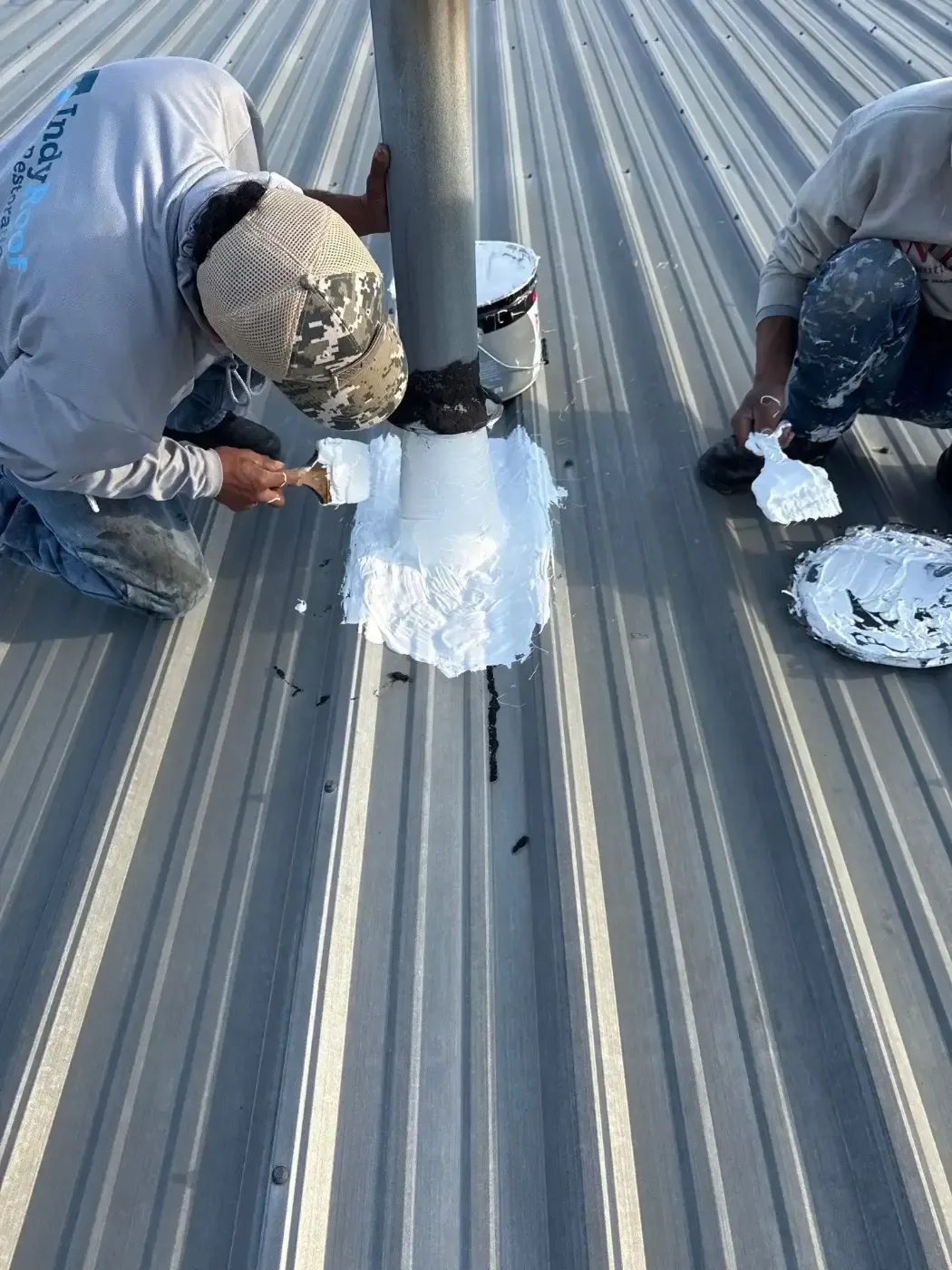
Identify the visual question before collecting images
Establish the property and roof designation through the representative. Identify the areas or details the requested imagery must address. Review available plans and earlier records so the image account can be related to useful roof positions. The collection plan should follow the assessment question instead of producing a broad folder of photographs with no clear next task.
A roof assessment plan should distinguish the visual information requested from detail or concealed-layer examination. State which areas the images will document. Keep positions that need another method identifiable, allowing the GC to arrange the next assessment without treating inaccessible information as already resolved.
Where a reported concern involves a particular component, locate it within the intended image review. Explain the detail the photographs should show and the question still needing examination. A wide roof view may establish context while a closer image documents visible material. Neither should become an automatic permanent repair instruction.
For imaging requested at State Farm Stadium, obtain the particular roof designation from its representative. Associate 1 Cardinals Drive with that collection task. We would review the assigned visual purpose and operation arrangements there before planning the roof images needed for the project.
Arrange the operation for the particular location
FAA commercial-operator guidance calls for understanding the rules applicable to the intended operation, and identifies airspace operations among requirements that may need authorization or waiver review. The flight operator needs to establish the applicable requirements for the exact task. We would keep those arrangements with the imaging plan rather than assume that a roofing request provides unrestricted flight permission.
Review the proposed operation with the designated property contact. Obtain instructions affecting the assigned task and identify arrangements still needed before collection. The GC should know which step remains pending so it can be incorporated into the assessment schedule. A planned roof visit and an arranged flight are separate parts of that work.
For a visual review requested in the designated Westgate roof area, confirm the specific building and project representative. Review the operation at that actual location. Keep the imagery purpose and applicable arrangements tied to the assigned roof instead of transferring assumptions from another property.
Check current conditions and the requirements for the selected equipment and operation before collection proceeds. If the intended task cannot be completed as arranged, review the alternative assessment or revised schedule. The monsoon contingency should keep the GC informed of the imaging decision and any roof information still needed.
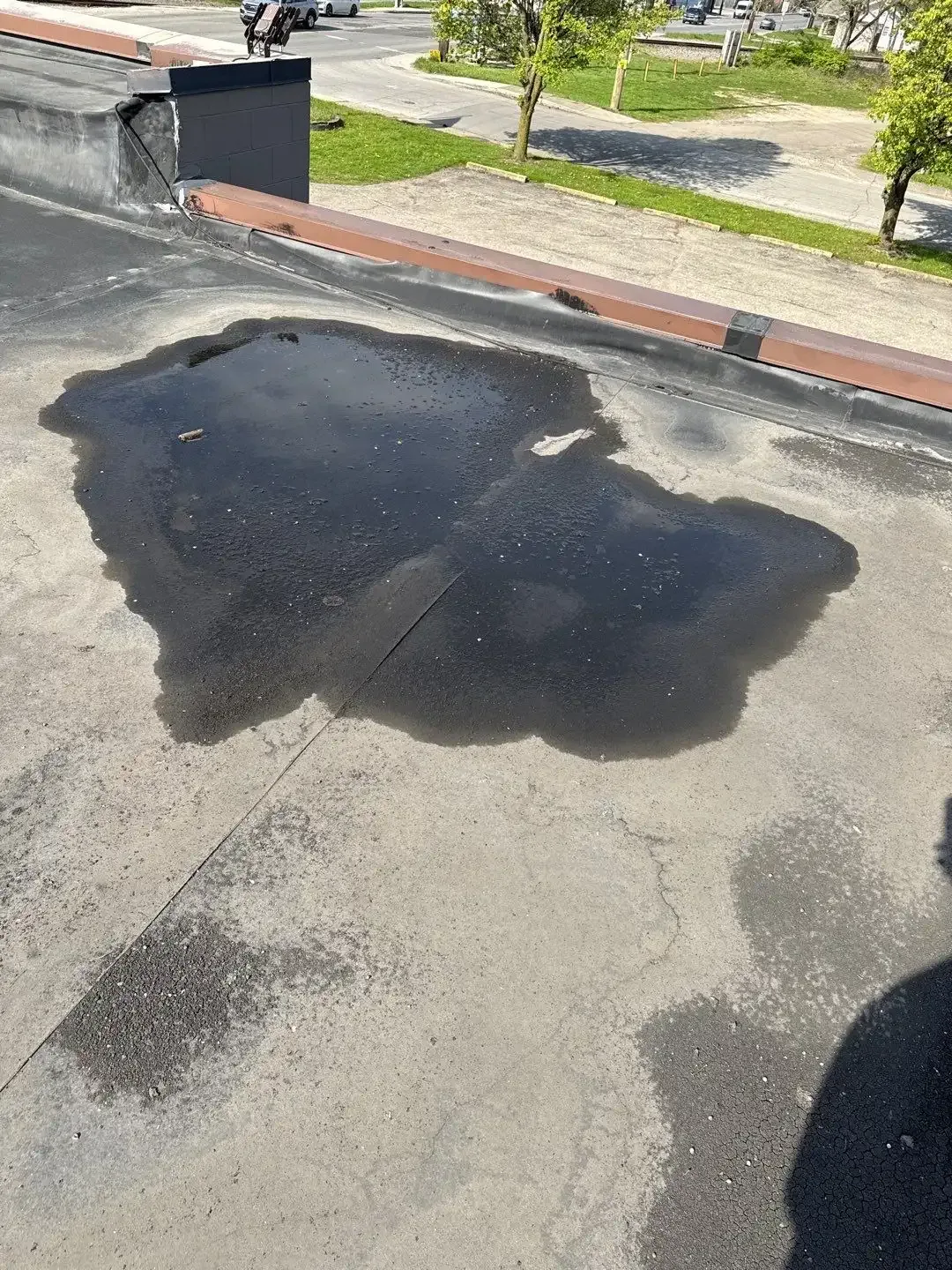
Locate visible concerns without assuming concealed condition
Review the collected images against their intended purpose. Identify roof features and visible material concerns where the image provides a useful view. Keep the roof position and photograph together. Distinguish an observable feature from a question requiring surface examination, product records or exposure before permanent construction is developed.
A visible drainage concern should be located within the assessment account. Explain the further component or geometry review needed where it affects the recommendation. An image of an affected area does not, by itself, develop a permanent drainage correction or establish every concealed supporting condition.
At an edge or curb, review whether the image adequately shows the reported detail. Locate another examination when the permanent task requires information that the photographs do not establish. The GC needs to see how a visible concern becomes a developed assessment, with the material and connection decision still resolved through the appropriate task.
For roof imaging requested at Glendale Main Library, identify the assignment with its representative and the building address of 5959 West Brown Street. Review the images for that designated area. We would preserve useful visible findings and locate the further examination needed before recommending permanent work there.
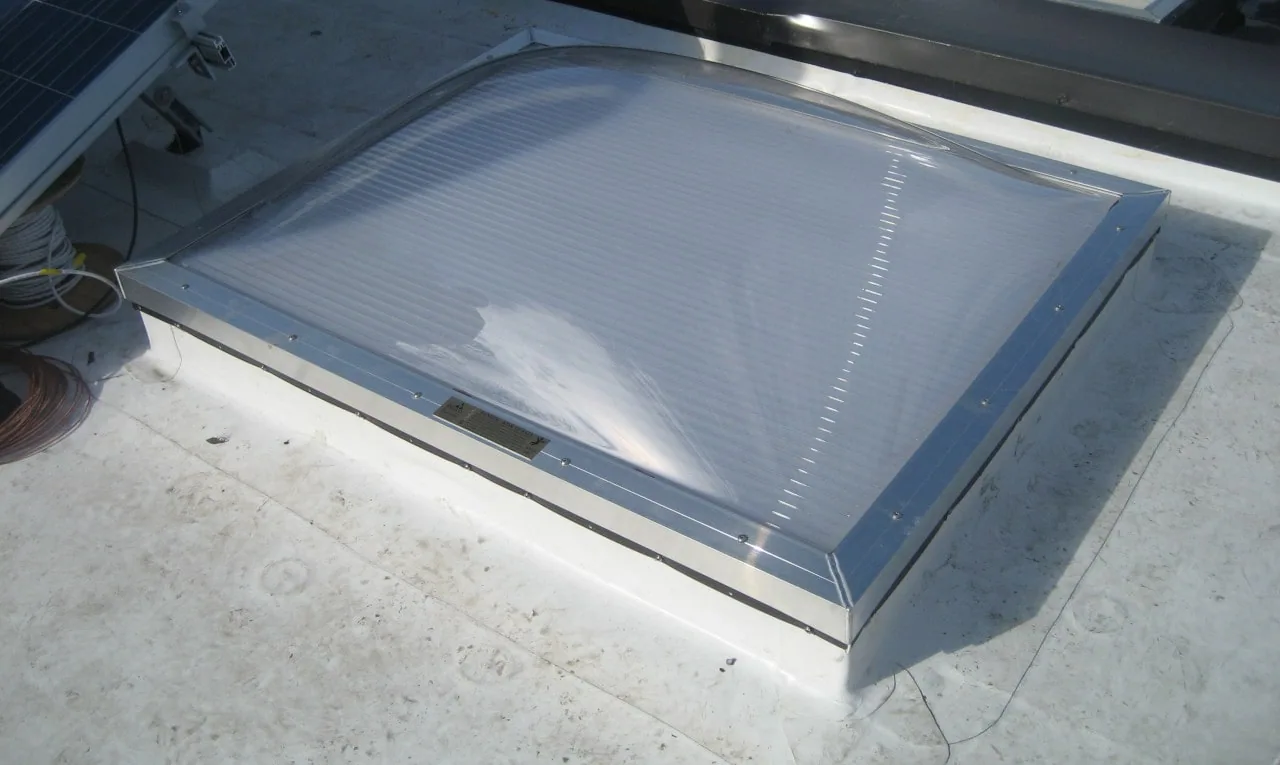
Separate moisture investigation from a visual image set
Clarify whether the requested imaging is a visual record or part of a separately developed investigation. Those purposes need different information and interpretation. Keep the chosen method and its actual scope stated. A roof photograph should not be described as a completed concealed-moisture assessment simply because it documents the upper membrane.
An independently scoped infrared survey should identify the question examined and confirmation needed for the material decision. Review its findings through that investigation rather than merge them with visible photographs as though both establish the same condition. The GC needs an understandable account of each method's contribution.
Where further exposure is needed, locate the proposed position and explain what it must resolve. Preserve the image reference that helped identify that task. This connects supplemental imaging with the next examination without presenting the photograph as a full account of the construction beneath it.
Discuss unresolved roof information at the pre-roofing meeting. Identify whether another examination changes the proposed repair boundary or assembly option. An image set is useful when it directs the next task toward a stated construction question, with the permanent decision developed from the information actually established.
Hand over images with the next examination identified
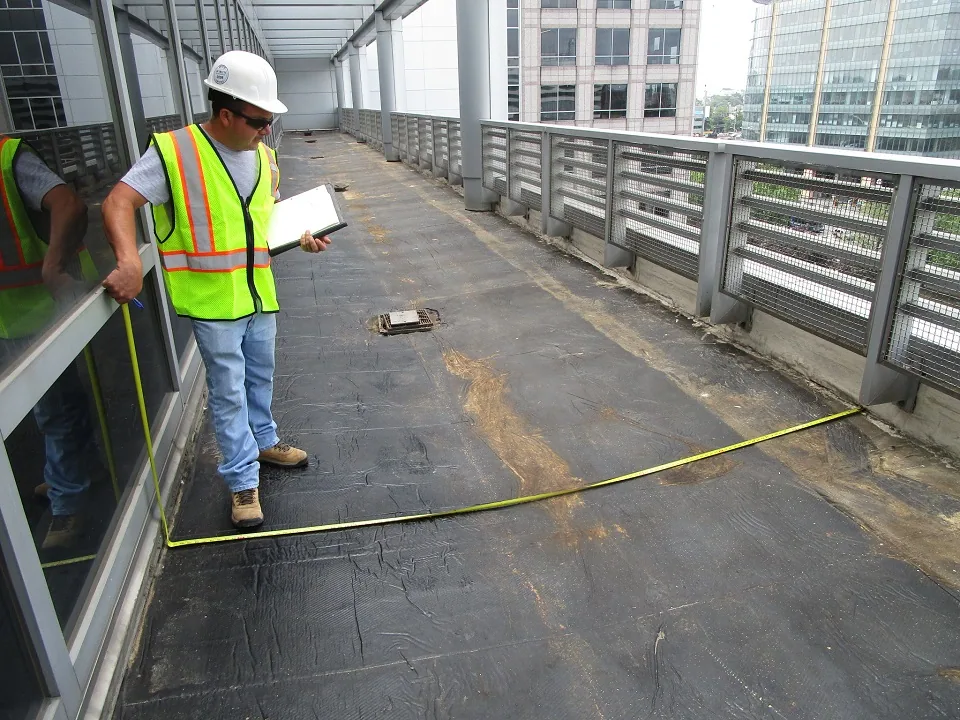
Keep the collected roof positions, photographs and descriptions in a usable account. State which requested areas were documented and locate those needing further review. Distinguish the image observation from the recommendation it informs. A later crew should be able to relate the visible finding to the same roof area before developing permanent work.
A located findings report should preserve that distinction. Include relevant material information supplied for the assessment and questions still unresolved. The GC can then review the next task with the property representative instead of using an image caption as the complete roofing scope.
Where images identify an area for further repair development, review the retained material and supporting condition through the appropriate examination. Select preparation and permanent joining instructions for the actual product. The visual finding should guide that task rather than replace the construction information needed to complete it.
Preserve the image account with later investigation and installed-product records where work follows. Keep completed corrections separately located. If conditions or the assignment changes before the next examination, review the affected visual reference and task with the GC so the subsequent roofing decision addresses the current project.
More on Drone Roof Inspections
Commercial Roofing Questions
What sets the useful scope of Glendale drone roof imaging?
The deciding factor is the visual question the images need to support. Identify the assigned roof areas and the further construction information required for the next decision.
Why arrange the flight separately from the roof visit?
The intended operation has applicable requirements and location arrangements. Establish them for the particular task before incorporating collection into the assessment schedule.
How should visible image concerns be described?
Locate the photographed feature and the view available. Separate the observation from concealed condition or material questions that need another examination.
Where does infrared investigation differ from visual roofing images?
It has a separately developed method, purpose and interpretation. Keep its findings and required confirmation identifiable rather than treat every image as a moisture assessment.
Which information should accompany the roof image account?
Keep useful positions and descriptions with the photographs. Identify undetermined areas and the next examination needed before permanent repair or assembly decisions.
Define the imaging task at the pre-roofing meeting
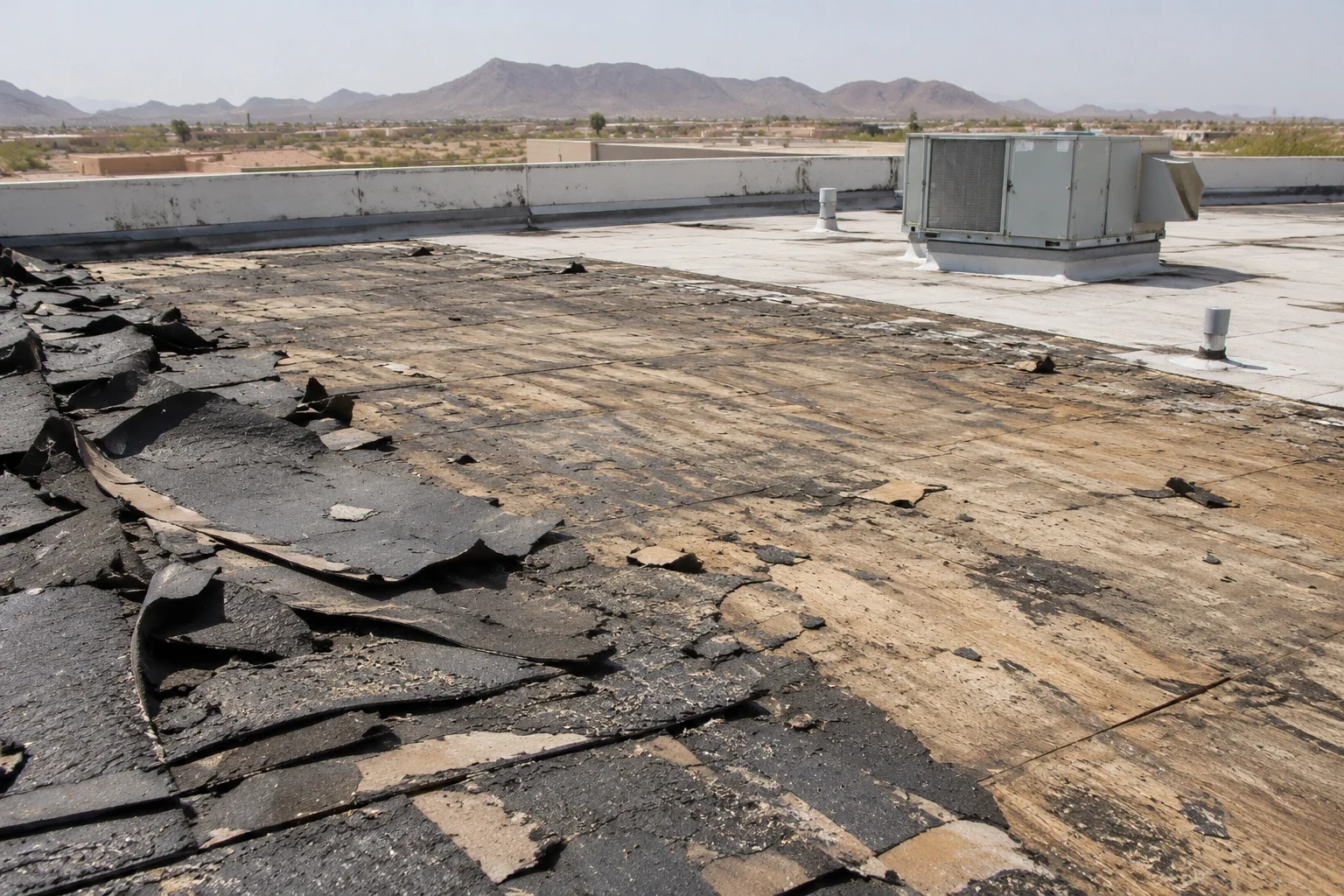
Bring the assigned roof and visual question. We will review collection arrangements, useful image positions and the further examination the GC needs.
Next steps for your building:
Related Roofing Work
More commercial roofing work for Glendale and West Valley properties.