Johns Manville Roofing in Glendale, AZ
Home / Roofing Manufacturers / Johns Manville Roofing
Request A
Roof Assessment
Tell us about the building and the roof. We reply with the next practical step for your property.
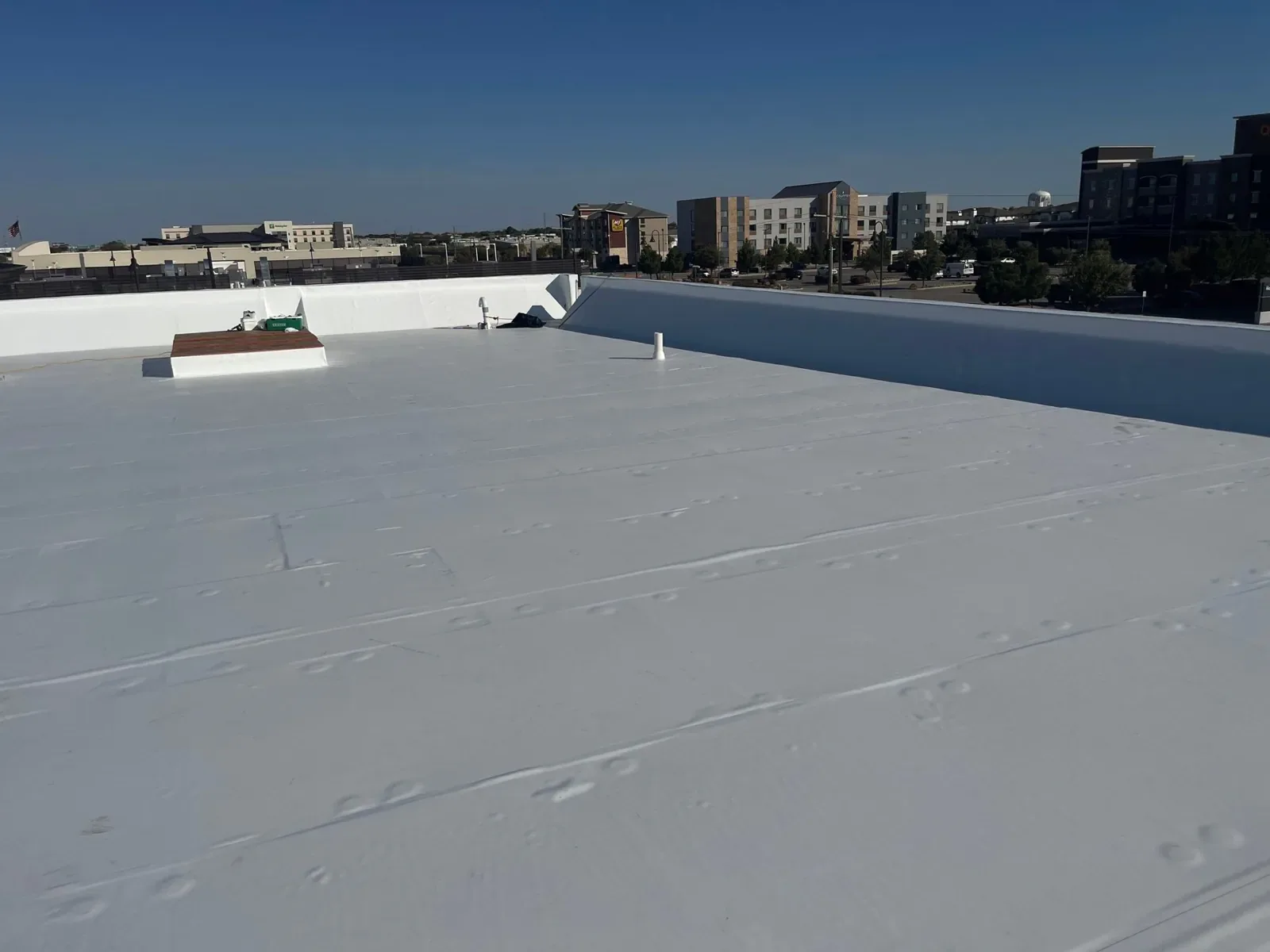
Johns Manville roofing in Glendale, AZ, with membrane and accessory review, roof-specific product documents and a staged plan for installation and closeout.
A Johns Manville roof package for a Glendale building needs the system family and the complete assembly in the same schedule. JM offers commercial TPO, PVC and EPDM products, alongside insulation, cover boards and accessories. The product family narrows the conversation; it does not identify the roof's existing construction or settle the choice for a particular job. We review records, accessible conditions and turnover requirements with the GC before defining the proposed scope. A comparison with GAF commercial roofing also needs its own selected products and construction basis.
Phoenix averages many days each year at or above 100 F. That regional heat context affects material staging and safe work hours, while Glendale's summer monsoon period makes the open-roof plan a daily concern. We identify the JM documents that apply to the selected components and connect their requirements to the assigned deck, edge, drain and penetration details.

Separate the three single-ply system decisions
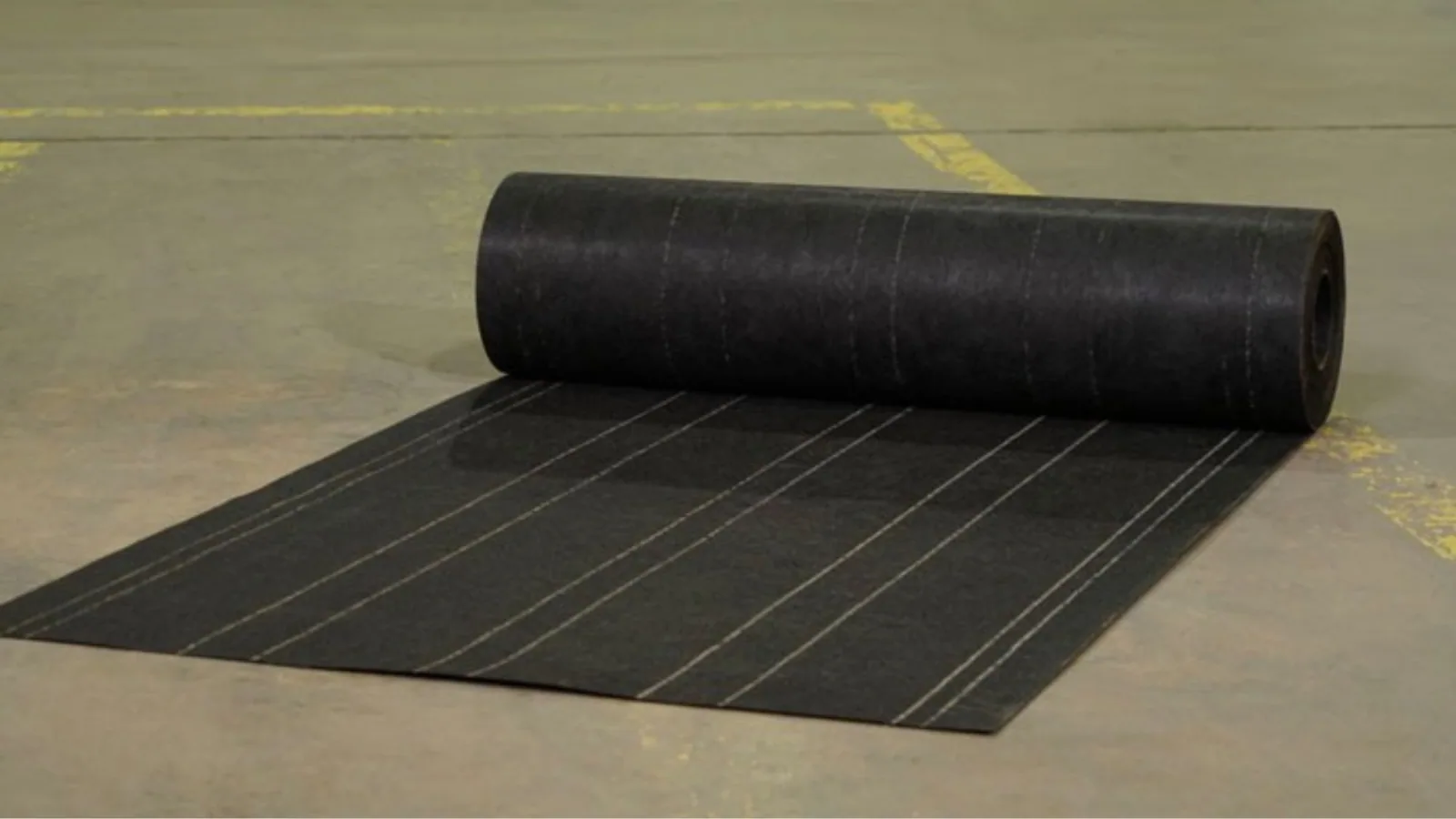
JM TPO uses a reinforced thermoplastic membrane whose seams are heat welded. JM describes PVC options that include membranes with KEE polymer and reinforced products for adhered or mechanically attached systems. JM EPDM includes reinforced products and seam-tape variations. Each product name has associated thickness, substrate and detail requirements. We list the exact candidate rather than comparing a TPO, PVC or EPDM label without identifying its construction.
A JM TPO proposal, a JM PVC proposal and an EPDM option should each show membrane, attachment, insulation, cover board and flashing details. That lets the owner compare complete work against the project design. Carlisle SynTec systems have their own product data and instructions, so a manufacturer comparison still needs equivalent assemblies on both sides.
For the Loop 303 corridor, the building's actual use and roof condition matter more than its place in a logistics area. We request the records and exposure details for the assigned facility. A district or market description cannot determine which JM membrane is appropriate.
Carry current product documents into procurement
Use the product data sheet for membrane attributes and the current application guide or system specification for installation. Check that the selected thickness, reinforcement, seam accessory and fastening method match across the review package. A component change can affect more than the material line; it can change the receiving layer and the flashing detail. We note substitutions in the roof package before ordering dependent materials.
Attachment patterns, uplift design and code acceptance belong to the project-specific assembly. A broad JM system page does not supply approval for the deck and building in front of the crew. We coordinate the assembly details and identify the design questions that still need confirmation. The deck sign-off should address actual substrate condition before fasteners or adhesive are placed.
Insulation and cover-board selection affects the finished build-up at parapets, curbs and drains. We align those layers and their attachment with the membrane documents so edge heights and terminations can be priced with the complete roof package.
Resolve the receiving details and exposure
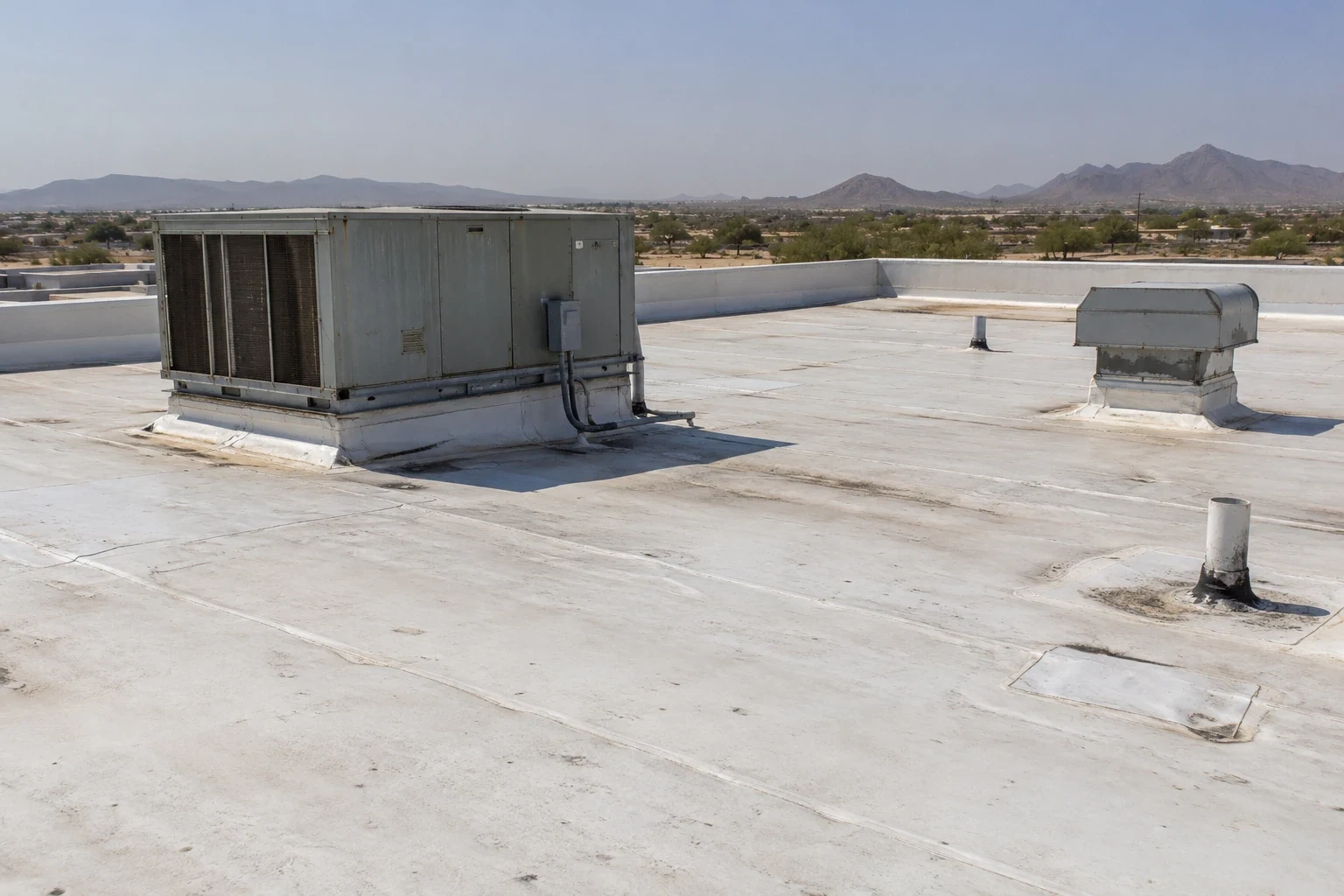
A membrane field cannot close a roof by itself. Wall terminations, corners, pipes, drains and equipment bases need a connection that matches the selected JM system. We measure accessible conditions and identify the supporting surface or metalwork that must be ready first. If the GC assigns that preparation to another trade, the schedule should say when it is complete and who releases the area for roofing.
For an industrial building, obtain the facility's information about rooftop exhaust or other exposures that may affect product choice. JM product descriptions can identify general chemical-resistance characteristics, but they do not establish the exposure at an unexamined site. We record the actual question and seek the applicable product guidance before procurement rather than convert a building label into a chemical assumption.
The Loop 303 Industrial Corridor includes several named logistics developments. Their addresses and operating needs differ, so each project still needs its own delivery plan, receiving surface review and details. That is how a broad product specification becomes a workable roof stage.
Set the heat plan and monsoon hold points
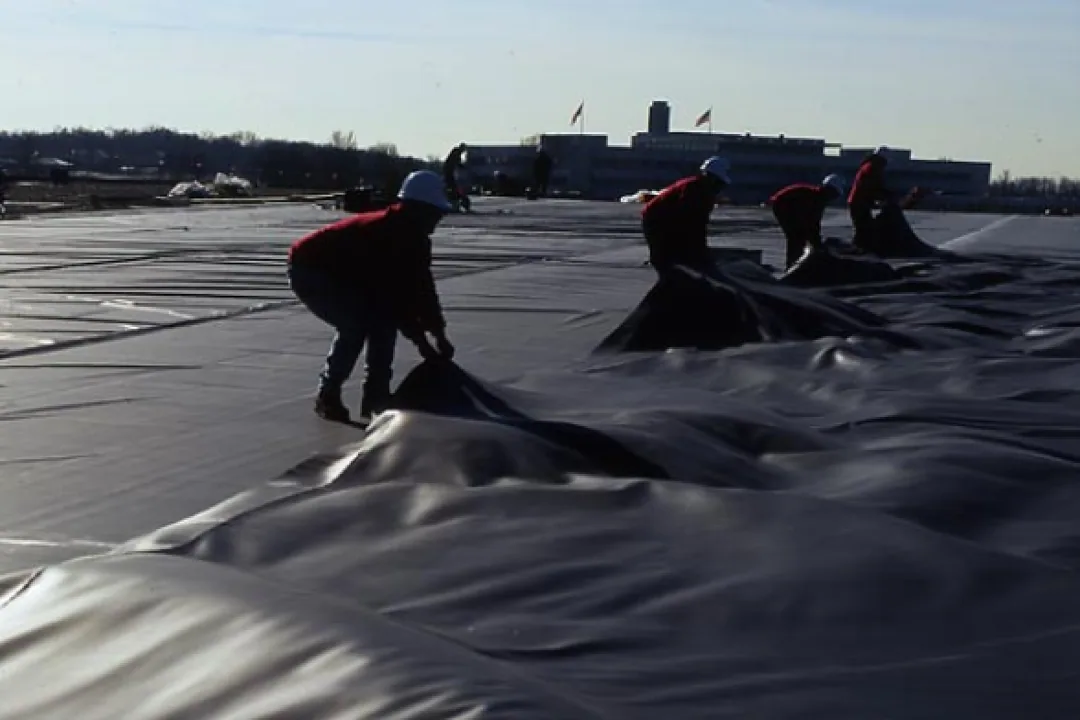
Summer heat affects when materials can be staged and installed. The job plan should follow JM's current handling and application instructions, identify safe working periods and state what the crew secures before leaving. A heat plan can also set water, shade and rest arrangements without making production depend on an unsafe roof condition. The GC needs those limits before setting a daily area target.
Glendale's monsoon season brings periodic downpours and dust storms. Establish how much roofing can be opened, where temporary protection goes and how the stage is checked after a weather hold. The sequence should include the drains and edges needed to move water from the unfinished boundary, plus a clear restart check. We carry that contingency against the turnover date.
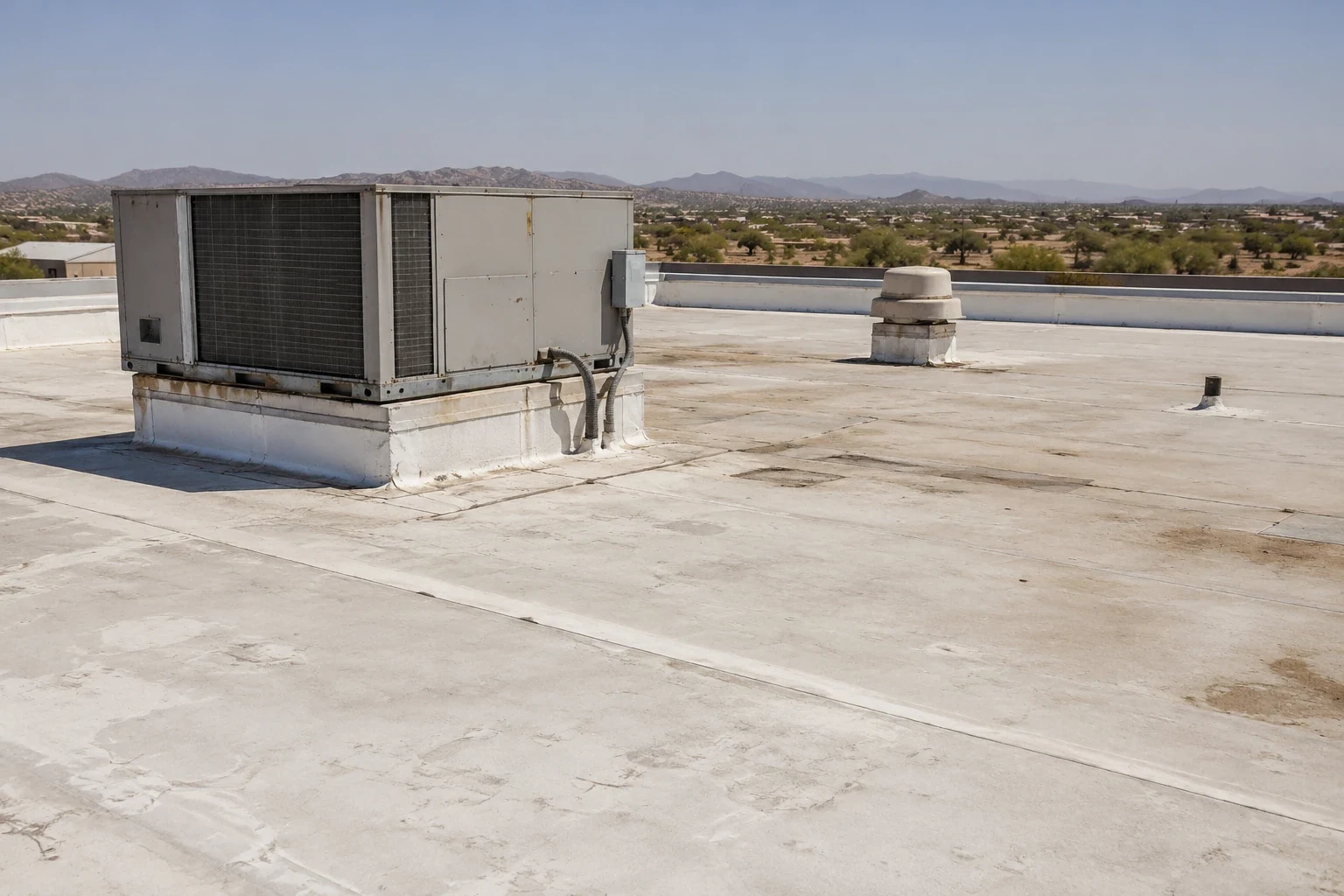
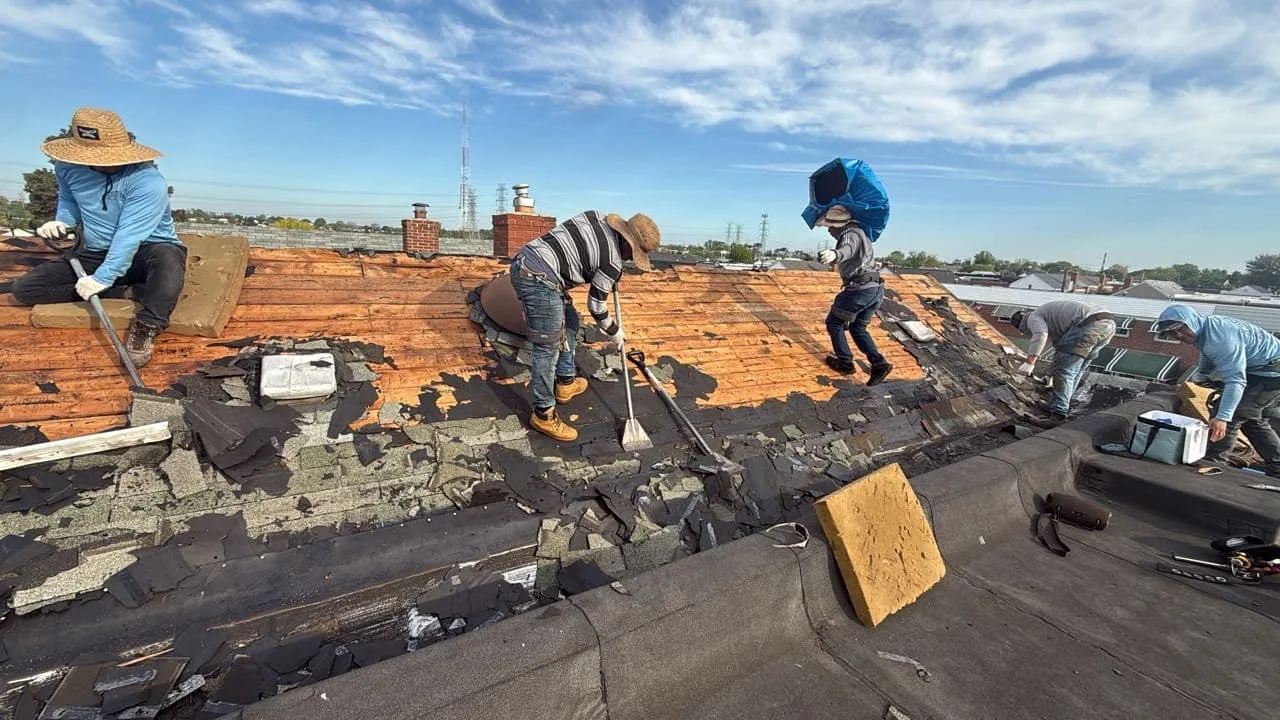
A condition inspection can document the assigned roof and visible interfaces before work. It helps define scope but does not determine covered conditions without authorized examination. Where the building remains occupied, the access and protection plan should also identify the work areas and handoffs the facility representative accepts.
Record the installed system for future service
Closeout should identify the JM membrane and accessories installed, the insulation and cover board, attachment method and each completed roof area. Keep accepted documents and approved changes with that record. Mark any detail that needed a field-specific adjustment and list work assigned to other trades. This gives an owner a useful starting point for maintenance and repair without suggesting a product name alone proves the condition of every roof layer.
At a project near Glendale Municipal Airport, the specific property and roof assignment still need to be identified. Airport location is not evidence of a hangar system, access protocol or prior construction. The GC and property representative supply the project limits; we document the roof work performed there.
Later service should use the recorded product and joining method before new material is selected. A repair plan then identifies the existing membrane, preparation, compatible accessory and completed endpoint. Keep those decisions with the roof plan so the next crew can trace the system that is actually present.
More on Johns Manville Roofing
Commercial Roofing Questions
Which Johns Manville membrane is right for my Glendale building?
The decision follows the documented exposure, existing construction, design criteria and complete assembly. We compare product information with the roof records and identify any unresolved condition before proposing a specific system.
Does a JM product sheet provide the full roof specification?
A product sheet describes a product. The bid also needs the assembly, attachment, insulation, edge and penetration details, plus project design information and the installation documents that govern the selected system.
Can a JM roof be installed during hot weather?
Follow the selected product's current handling and application requirements and the project's heat plan. We schedule staging, work limits and end-of-day protection against those conditions and safe crew practices.
What should be included in the JM closeout package?
Record the membrane and accessory products, assembly layers, roof areas, approved substitutions and completed detail locations. Keep the accepted review documents with the building records for future service planning.
Review the JM assembly and documents before the roof package is released

Bring the current JM product information, deck status, roof plan and turnover date to the pre-roofing meeting. We will align the selected system, field details and weather plan with the GC.
Next steps for your building:
Related Roofing Work
More commercial roofing work for Glendale and West Valley properties.