EPDM Roofing in Glendale, AZ
Home / Roof Systems / EPDM Roofing
Request A
Roof Assessment
Tell us about the building and the roof. We reply with the next practical step for your property.
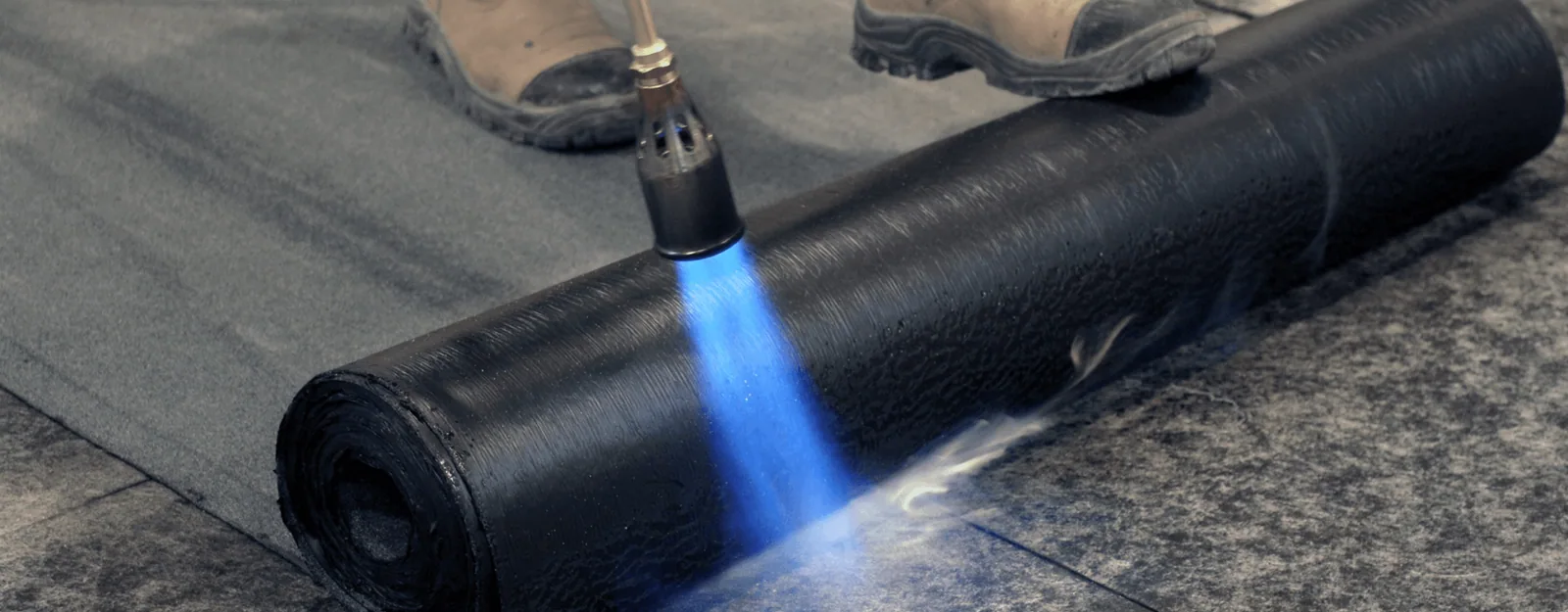
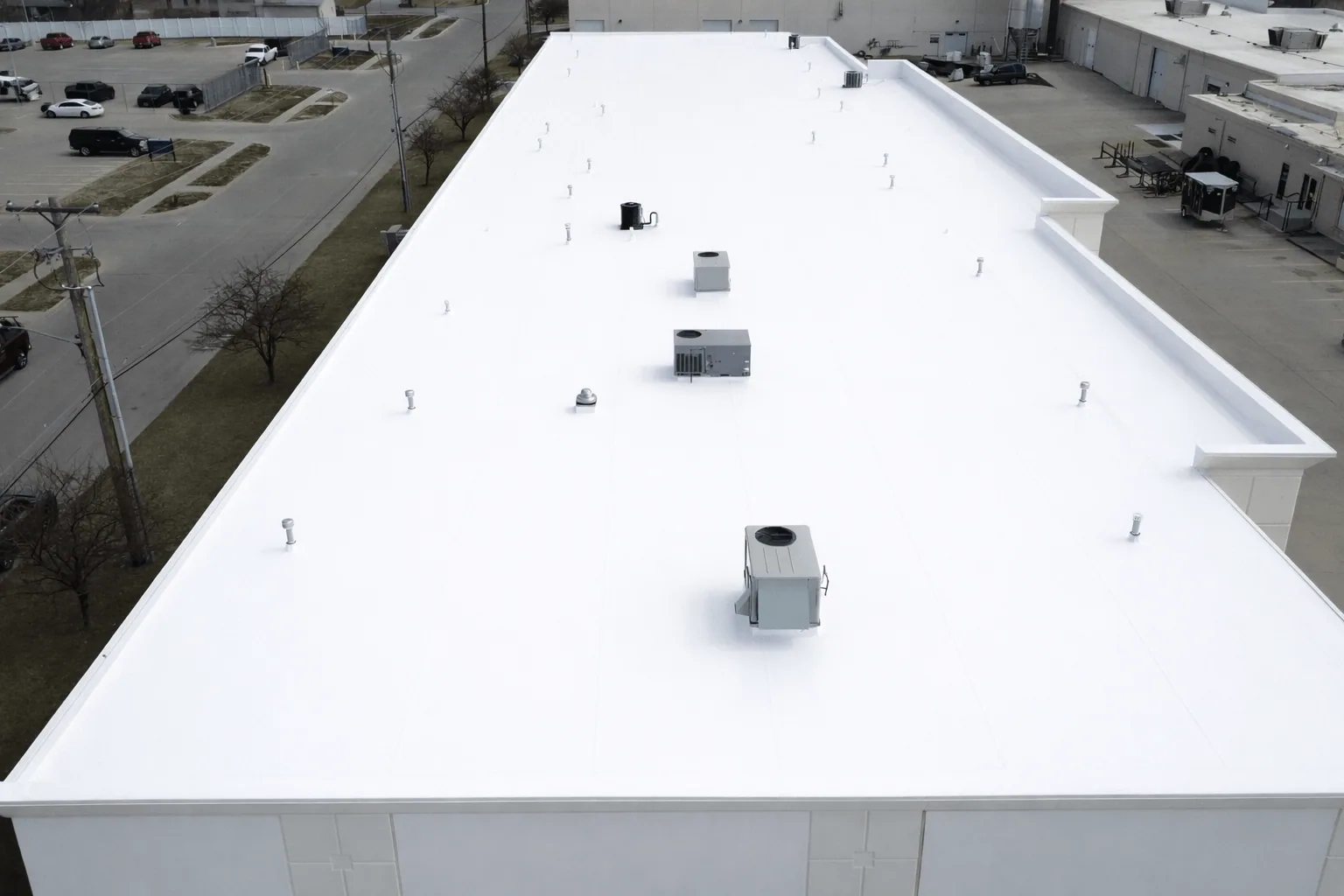
EPDM roofing in Glendale, AZ, with seam and flashing review, layer-by-layer condition findings and a staged plan for heat and monsoon exposure.
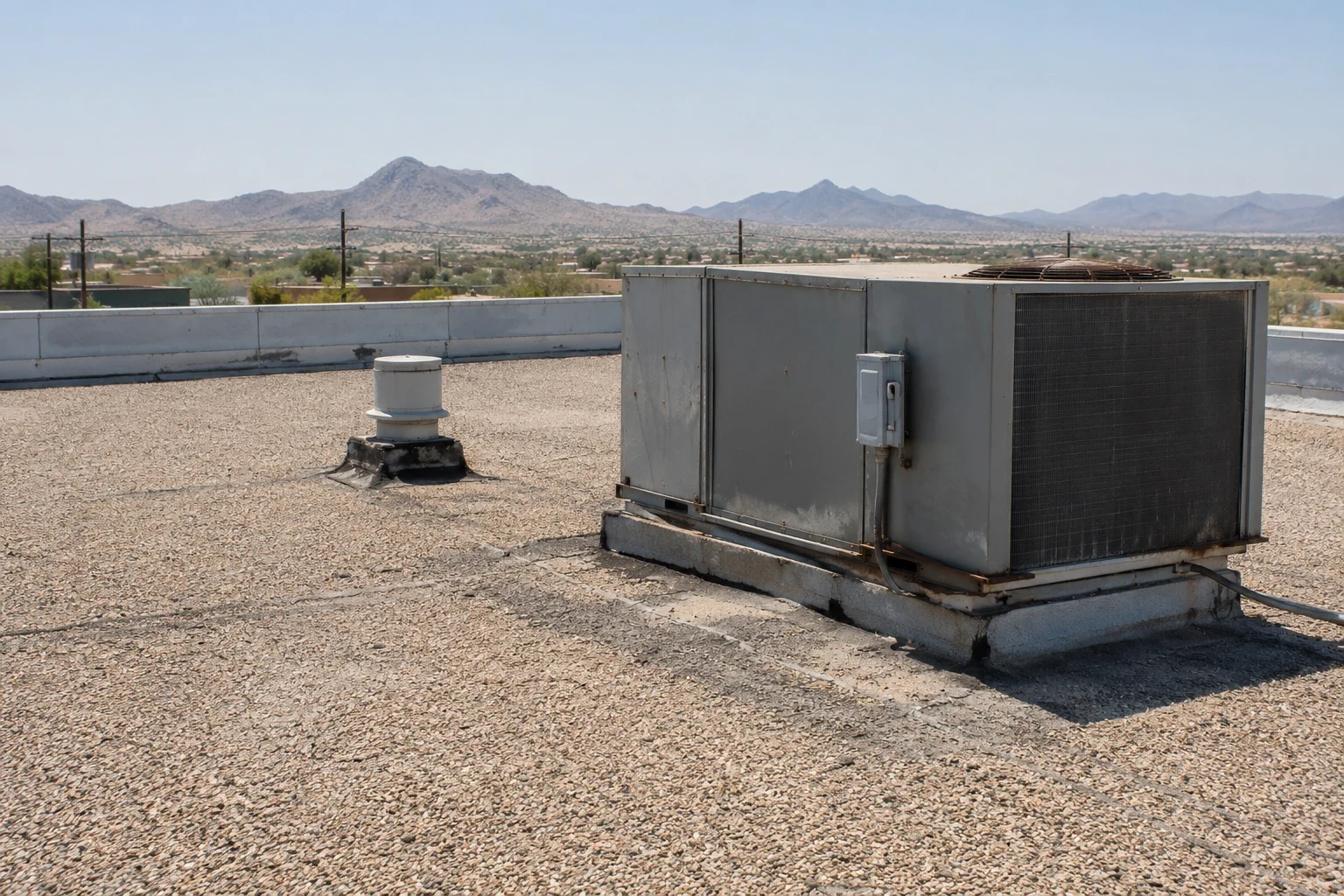
High summer afternoons and seasonal showers around Glendale make EPDM seam, edge and drainage details important across the year. Heat, sunlight and seasonal rain make the edges, field seams and drainage details central to the roof package. The GC needs the specific sheet, joining method, attachment and flashing products named before that package is priced. A broad EPDM label does not show how the selected construction will meet a wall or equipment curb.
We compare the available roof records with the accessible surface and mark the actual areas under consideration. Then we define the proposed membrane assembly, removal or retention work, and the inspection needed at concealed layers. For an assignment near the Glendale Municipal Airport, we confirm the particular property and receiving conditions rather than infer a roof type from the airport setting.
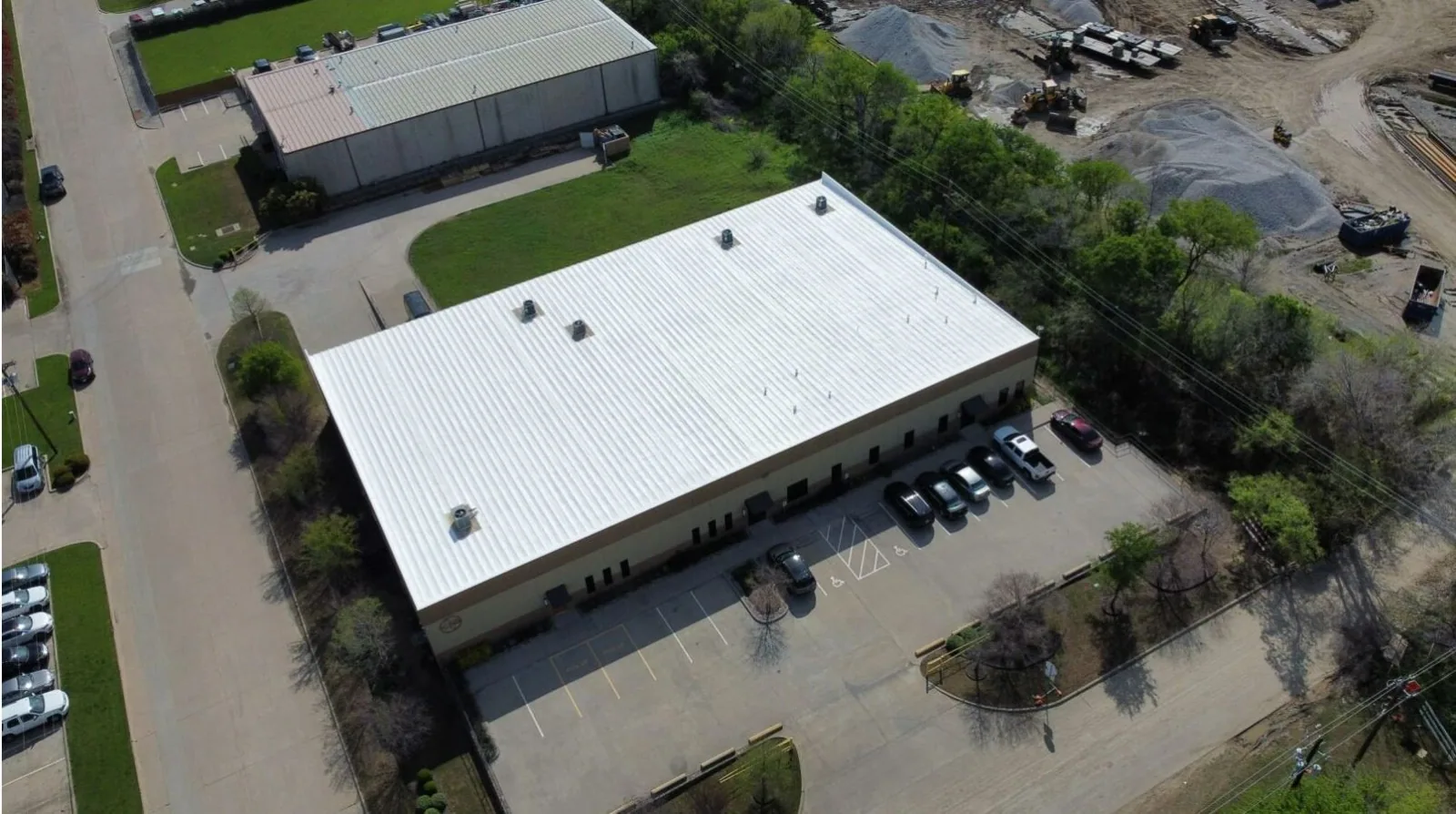
Select the EPDM product and assembly
EPDM is a synthetic rubber membrane used in low-slope roof systems. Manufacturer offerings include different reinforced and non-reinforced sheets, colors, attachment methods and seam accessories. We name the product in the proposal and confirm the corresponding details instead of treating those choices as interchangeable. Color and surface selection should reflect the building design and project requirements, with energy claims checked against the selected product and assembly.
Identify the insulation and cover board beneath the membrane, the attachment method and the deck each layer receives. A proposed change in sheet type can affect how edges and penetrations are made. Carlisle's Sure-Seal literature describes EPDM options for fully adhered and ballasted assemblies; that does not establish which option is suitable for a particular Glendale building. We review the manufacturer's requirements against the documented substrate and design basis.
TPO and PVC provide thermoplastic alternatives with heat-welded seams. Each comparison should carry its own assembly, preparation and interface scope, not only a material price.
Map seams, laps and roof-edge work
EPDM seams join through the selected manufacturer's specified seam system, which may use tape or adhesive components. Preparation, primer where required, overlap and rolling procedure depend on the product instructions. We identify which seams and details fall inside the work area and state how they will be checked before the next layer or flashing closes the connection. The field sheet itself does not resolve a loose lap or a contaminated receiving surface.
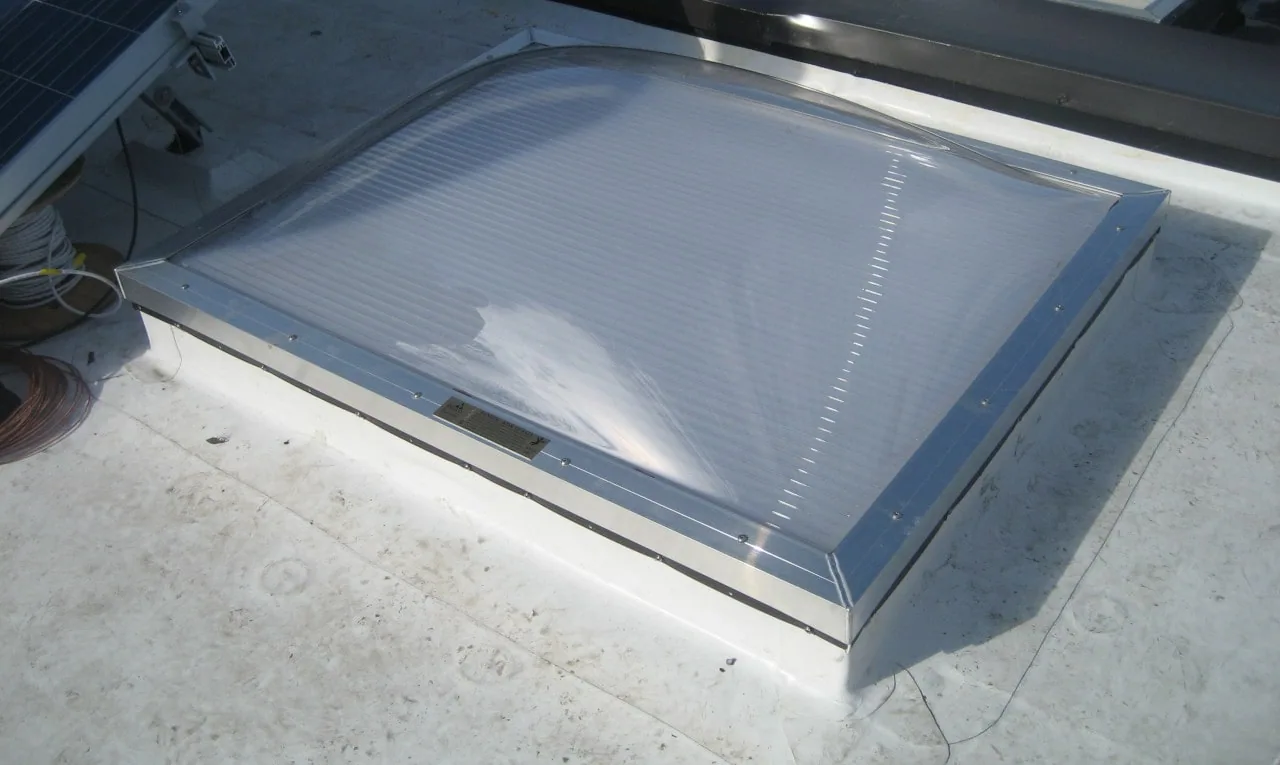
Wall terminations, corners, pipes, drains and curbs need compatible flashing details. Check the construction behind the termination and note if another trade must repair it first. At the Westgate Entertainment District, mixed-use properties include different kinds of buildings, so the actual assigned facility and roof area have to be confirmed with its representative. No district-level fact establishes the roofing system on a particular structure.
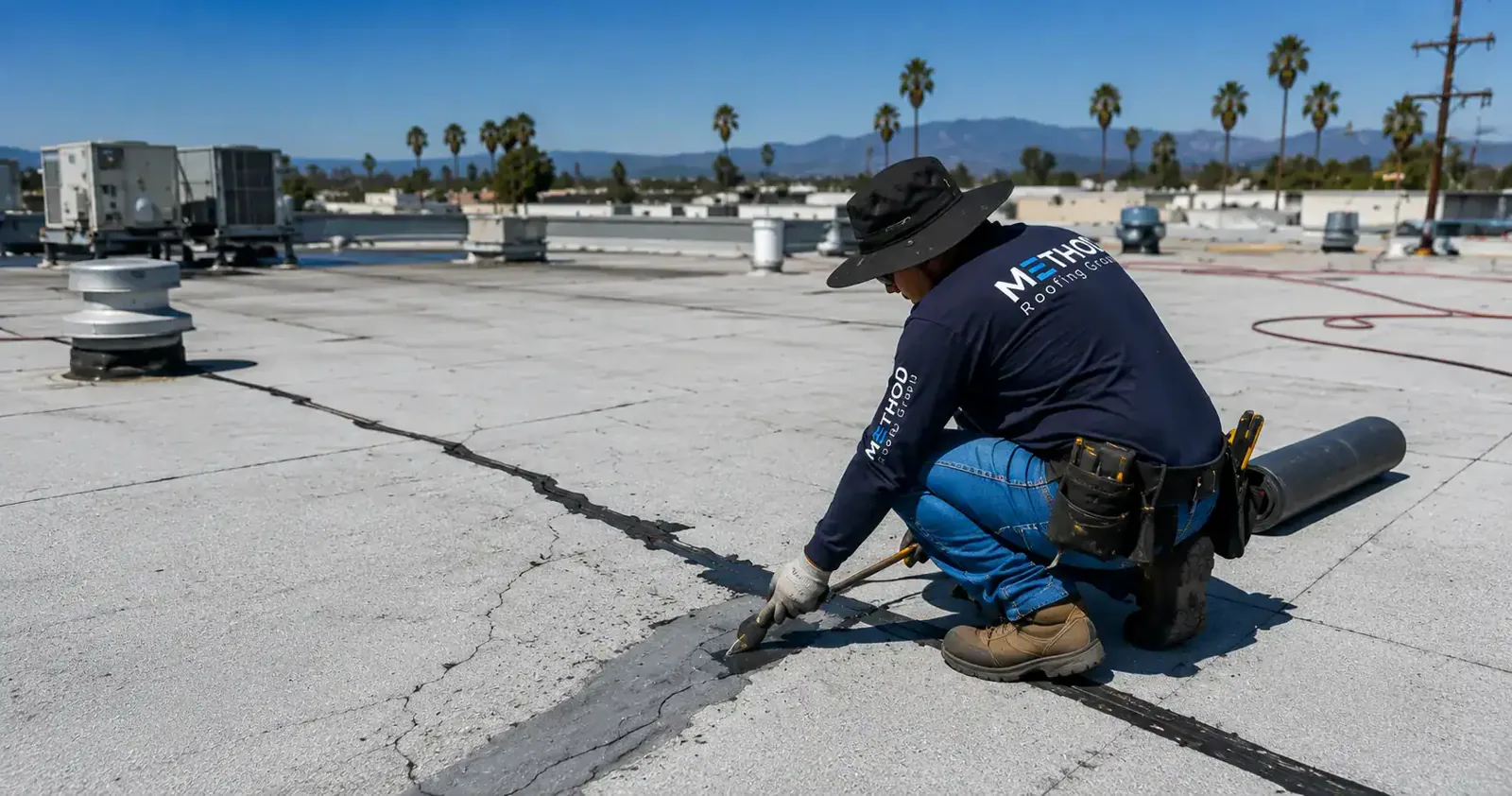
For a defined repair scope, locate each failed seam or flashing and specify the joining material used for the permanent correction. If a penetration is part of the work, detail the opening and curb connection alongside the field membrane.
Plan for sun, heat and interruption
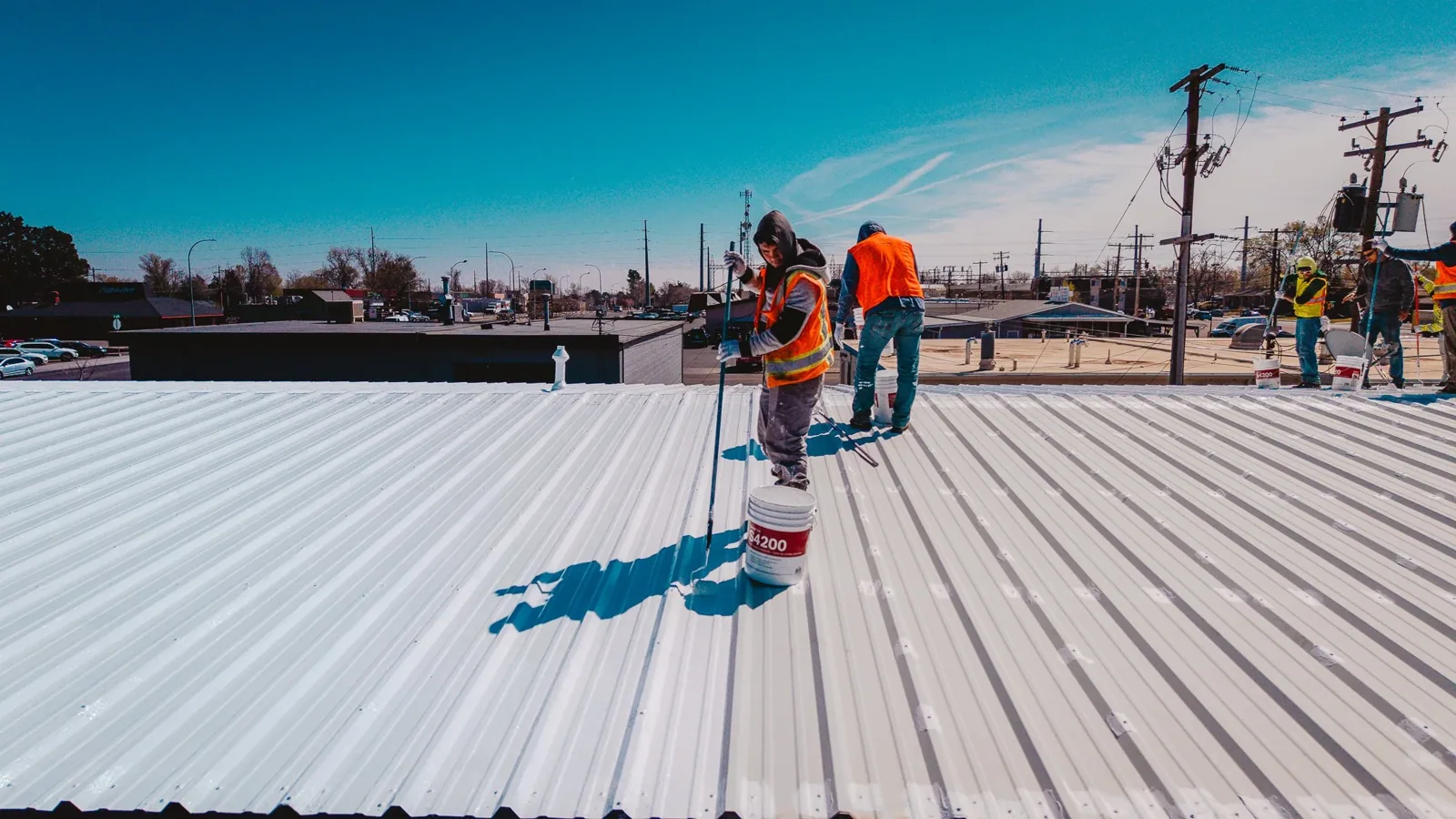
The Phoenix area averages many days above 100 degrees, and its warm summer nights limit overnight cooling. Those conditions affect the work plan as much as material selection: follow the product's storage and application limits, stage rolls appropriately and arrange daily work around safe conditions. The superintendent should know the planned open boundary, where temporary protection will go and who confirms the roof is secure at shift end.
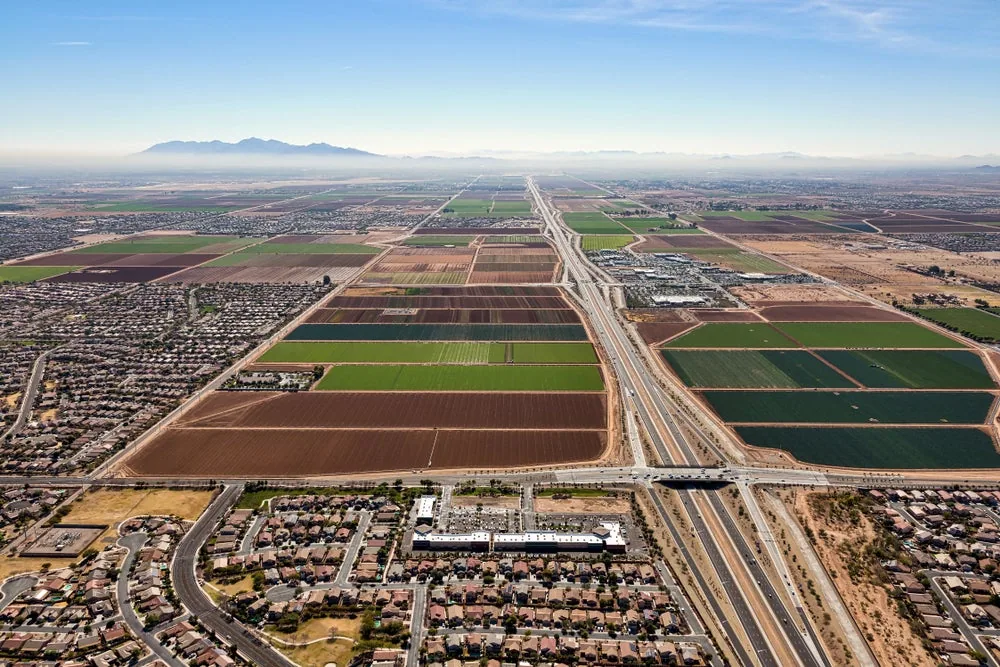
The North American monsoon can bring heavy downpours and dust storms between mid-June and the end of September. Build a weather hold into the sequence before removal or installation begins. Specify which areas can close in a day and how temporary drainage will move water away from open construction. At the Loop 303 logistics parks, a delivery or access constraint belongs to the specific project plan; the corridor does not establish a shared facility route.
When high winds or debris raise concerns, record the observed conditions and inspect the roof before assigning a patch. A commercial roof inspection can document accessible seams, edges and flashings. It does not establish the condition of covered layers without further examination.
Prove the existing layers before covering them
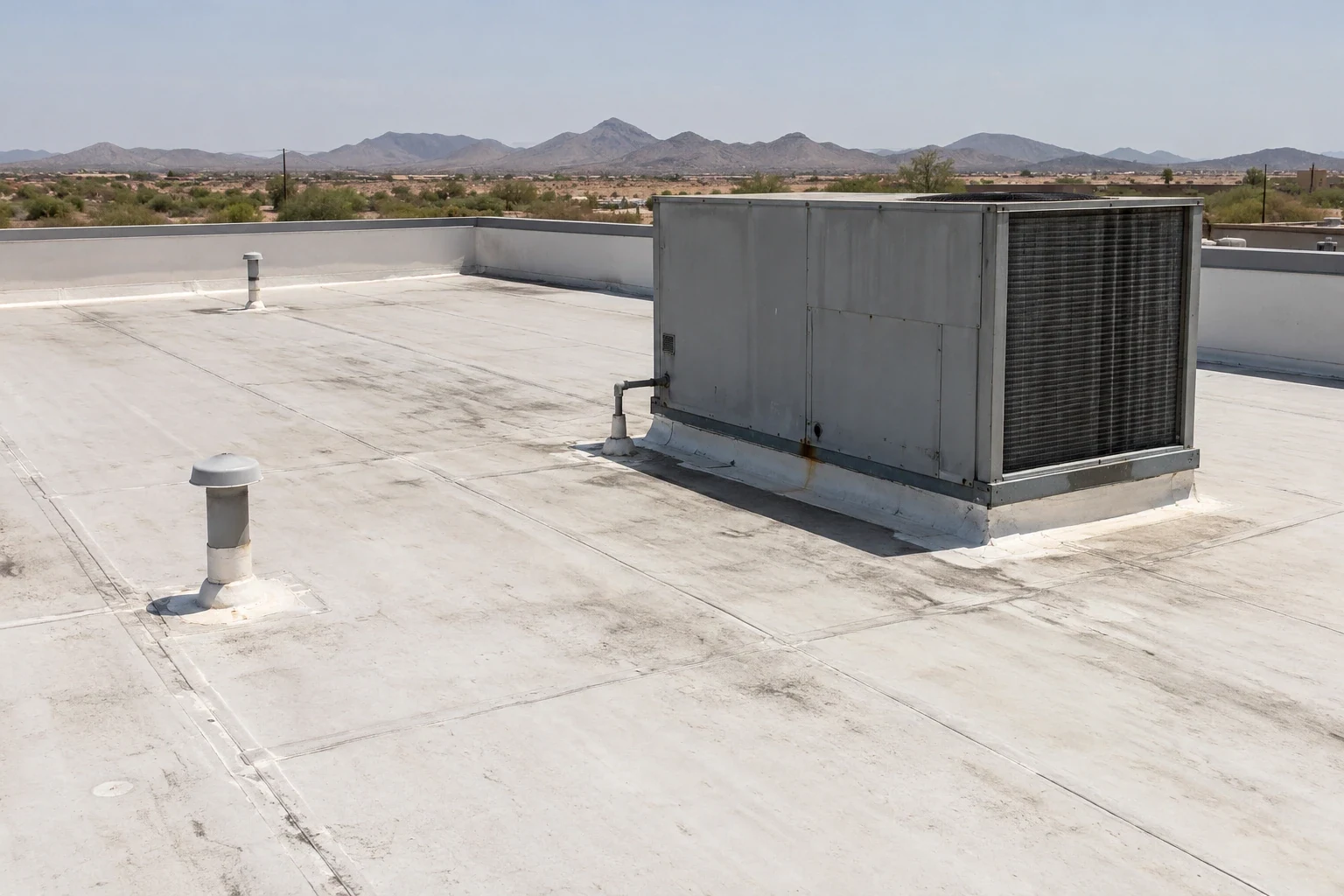
A recover decision depends on what remains beneath the proposed EPDM, whether the existing layers are dry and secure, and whether the new assembly is accepted for that construction. Review repair records and inspect accessible areas. If concealed moisture is a material question, agree on authorized openings and what each one must resolve before using a roof-wide assumption.
Where existing roofing stays, state its location and the new separation, insulation and attachment layers. Where removal is proposed, identify depth, exposed-deck review, disposal and temporary protection. A recover assessment and a tear-off scope are different construction options, so the GC can compare their distinct labor, access and weather needs.
Record the deck condition at each exposed location. If a finding changes the work, identify the added correction and its quantity before the new sheet hides it. This protects the turnover sequence from an unresolved support task.
Keep the assembly record with the building
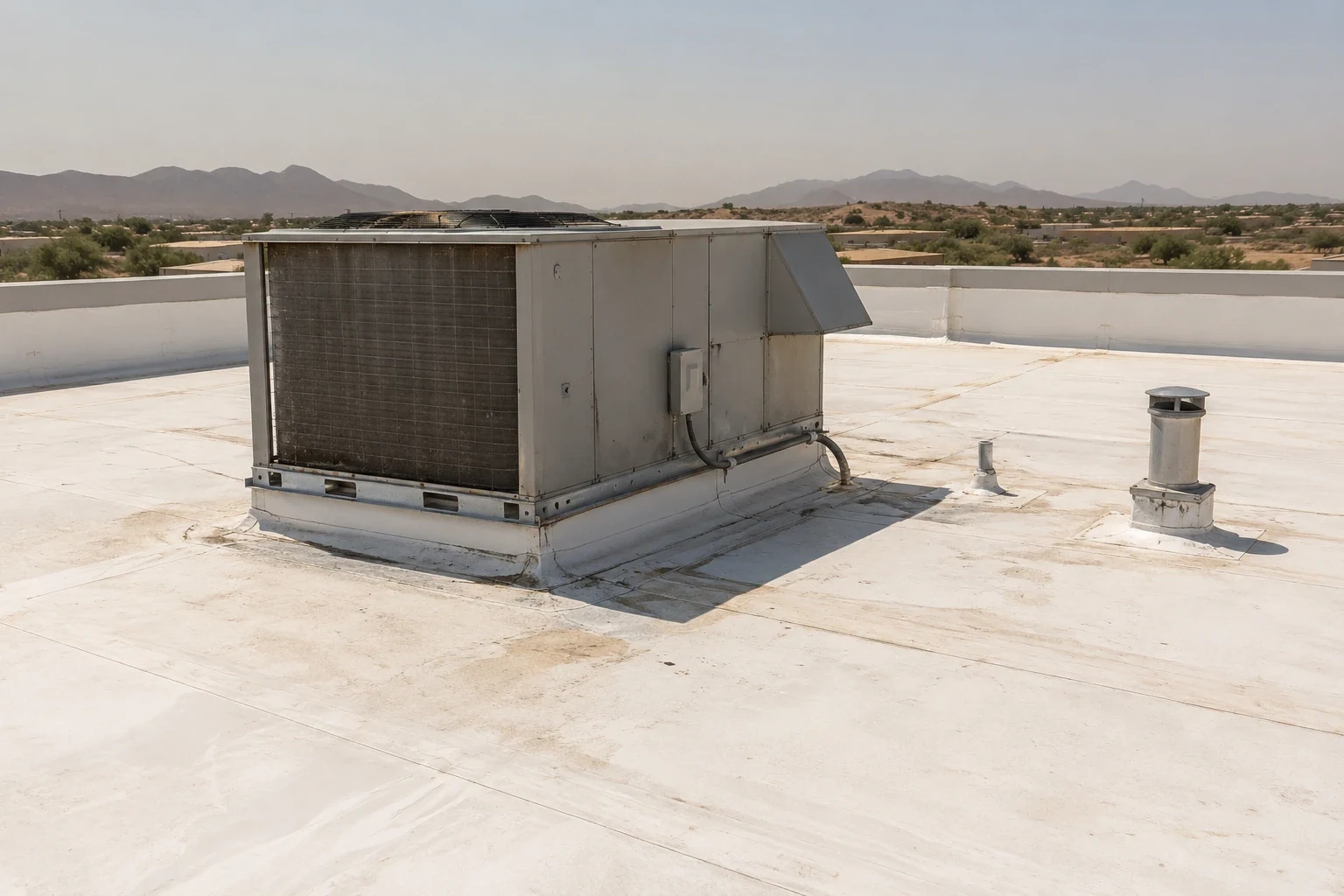
At closeout, list the installed EPDM product, attachment, accessory materials and roof areas completed. Mark relevant seam and flashing checks on a roof plan or location record. Keep accepted review documents and product instructions with the turnover documents. Those details help a future service visit distinguish the assembly from another membrane or a later addition on the same property.
Walk drainage points, perimeters and transitions with the GC and facility representative. Identify any separate work that remains with another trade, along with the point at which roofing can return to complete its connection. If the project calls for a manufacturer inspection, preserve the required access and documentation for that review.
After turnover, a maintenance visit can log visible conditions and flag developing issues for investigation. That record is tied to the accessible roof and date of inspection. It does not replace testing needed to resolve concealed moisture or deck questions.
More on EPDM Roofing
Commercial Roofing Questions
How does EPDM differ from TPO or PVC at the seams?
EPDM seams use the joining components specified for the selected product, while TPO and PVC field seams are heat welded. We keep each membrane's preparation, accessories and inspection steps with its own system scope.
Can the existing roof stay under new EPDM?
Retention requires evidence about existing layers, moisture, securement and the proposed assembly. We define any sample or opening needed before pricing a recover as confirmed construction.
What should the Glendale heat plan cover?
It should follow product storage and installation limits, schedule safe work windows, secure exposed materials and set a daily protection boundary. The GC can then coordinate that sequence with the monsoon contingency.
What information should the owner keep after EPDM installation?
Retain the product and assembly identification, seam and flashing details, accepted project documents and closeout findings. Those records make later repair planning more specific to the roof that was installed.
Set the EPDM seam and weather plan at the pre-roofing meeting
Bring the existing roof records, assembly proposal and turnover date. We will review the seam details, receiving construction, heat plan and monsoon closeout with the GC.
Next steps for your building:
Related Roofing Work
More commercial roofing work for Glendale and West Valley properties.