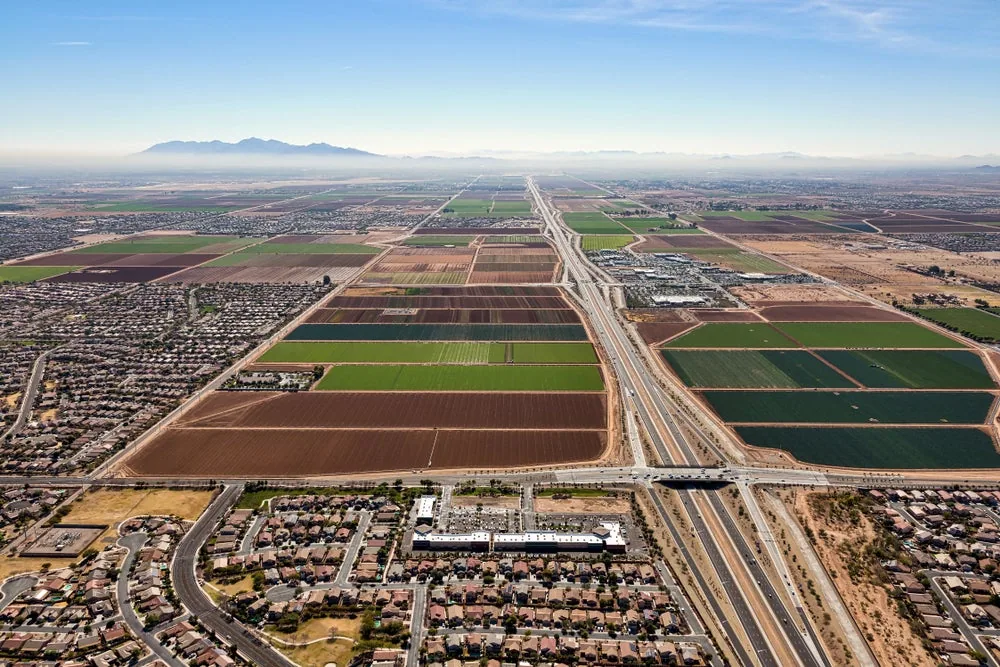
Carlisle SynTec Roofing in Glendale, AZ
Home / Roofing Manufacturers / Carlisle SynTec Roofing
Request A
Roof Assessment
Tell us about the building and the roof. We reply with the next practical step for your property.
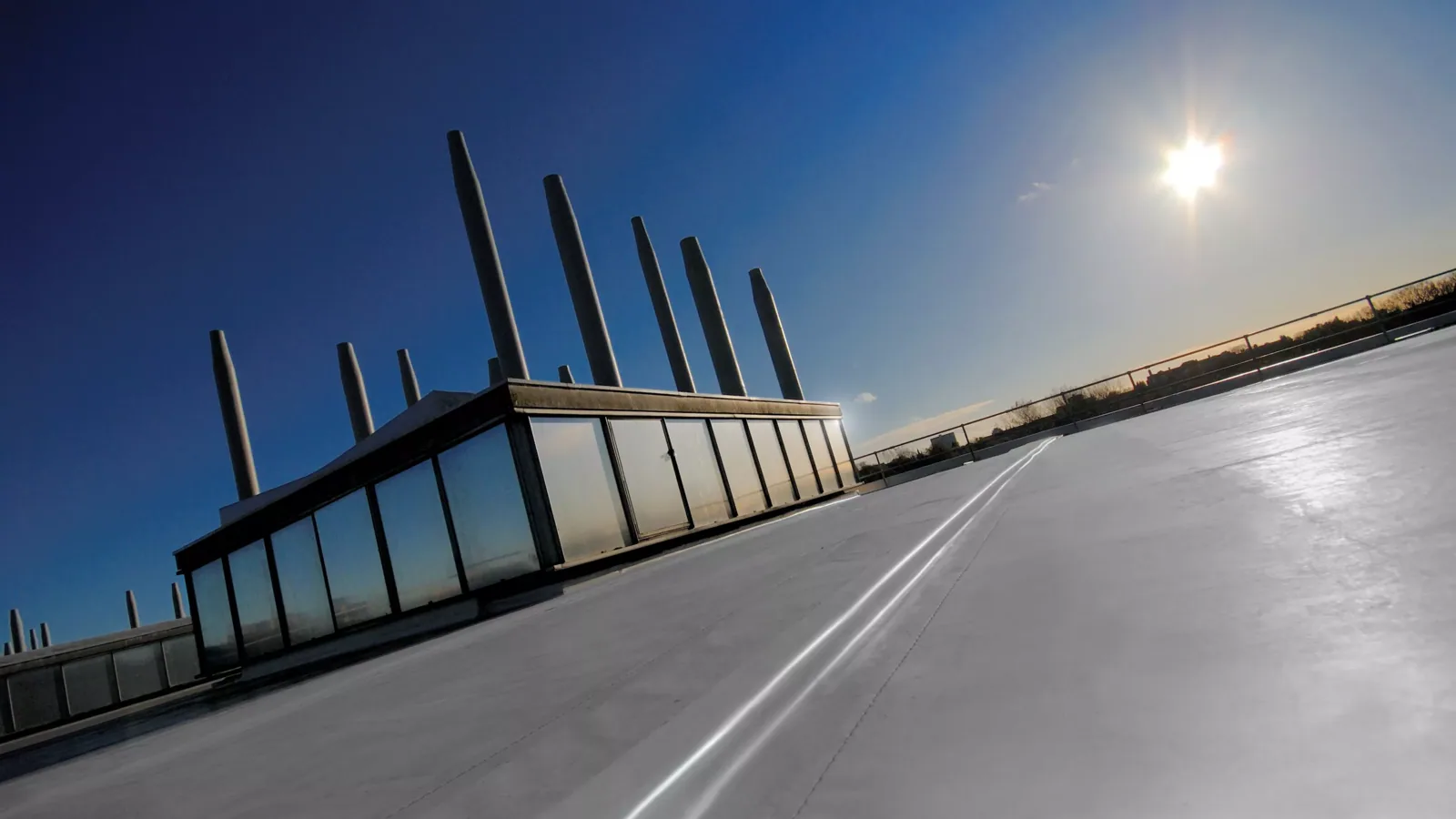
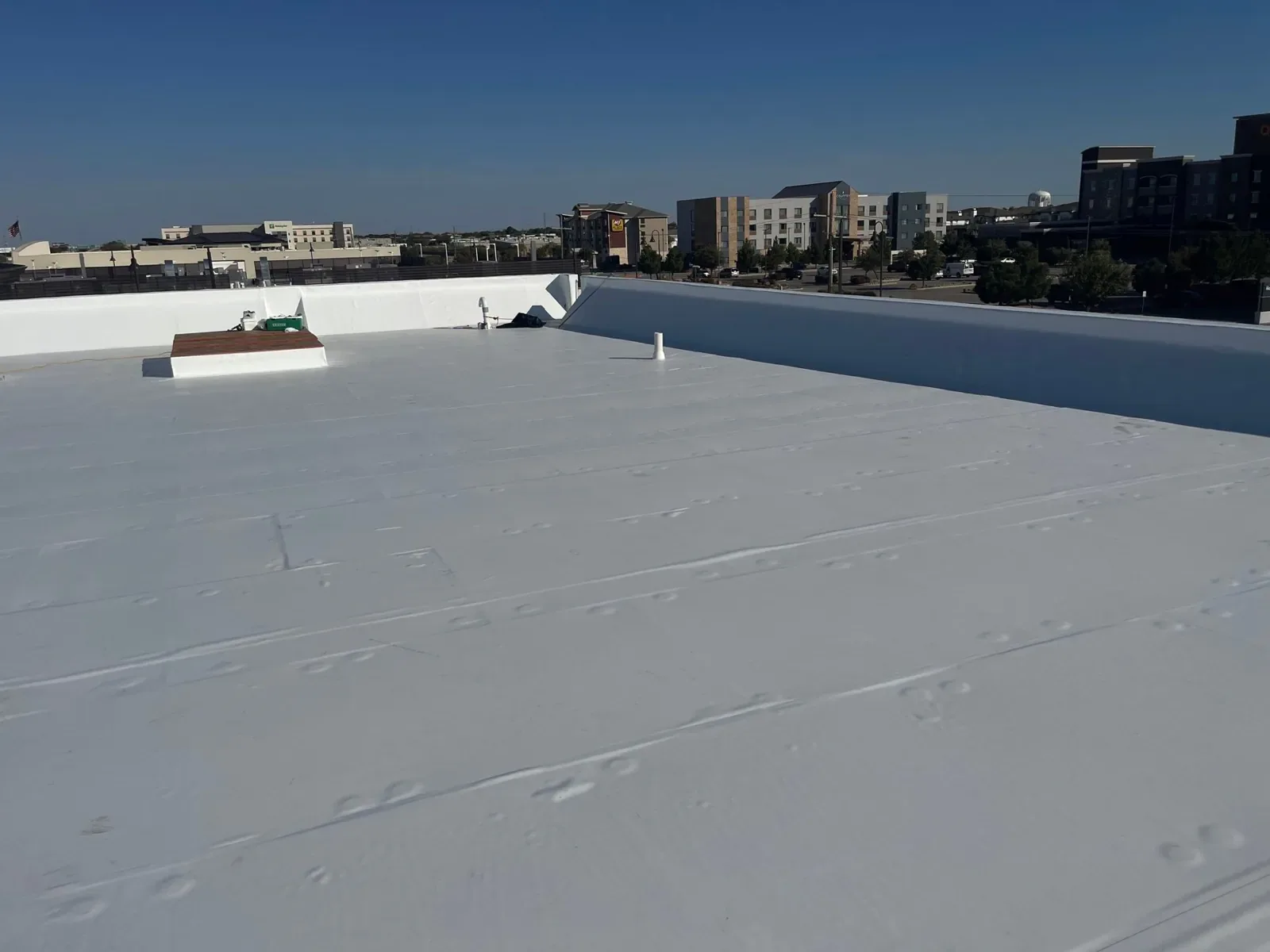
Carlisle SynTec roofing in Glendale, AZ, with product-family review, assembly details and a staged roof package built for heat and monsoon interruptions.
On a Loop 303 warehouse project, tie the Carlisle product selection to the complete assembly and the schedule the GC needs to build. Carlisle SynTec offers several low-slope membrane families, including TPO, PVC and EPDM. Their seams, accessories and attachment choices differ. We identify the product proposed for the assigned roof, then connect its documented requirements to the deck, insulation, walls, drains and project turnover.
Glendale's hot desert summers put material handling and daily work limits on the schedule. The monsoon adds a reason to settle how each open stage will close before removal begins. We use the product documents for system requirements and the building records for project facts. A Carlisle name alone does not establish what is installed on a particular property or that a specific assembly fits its conditions.
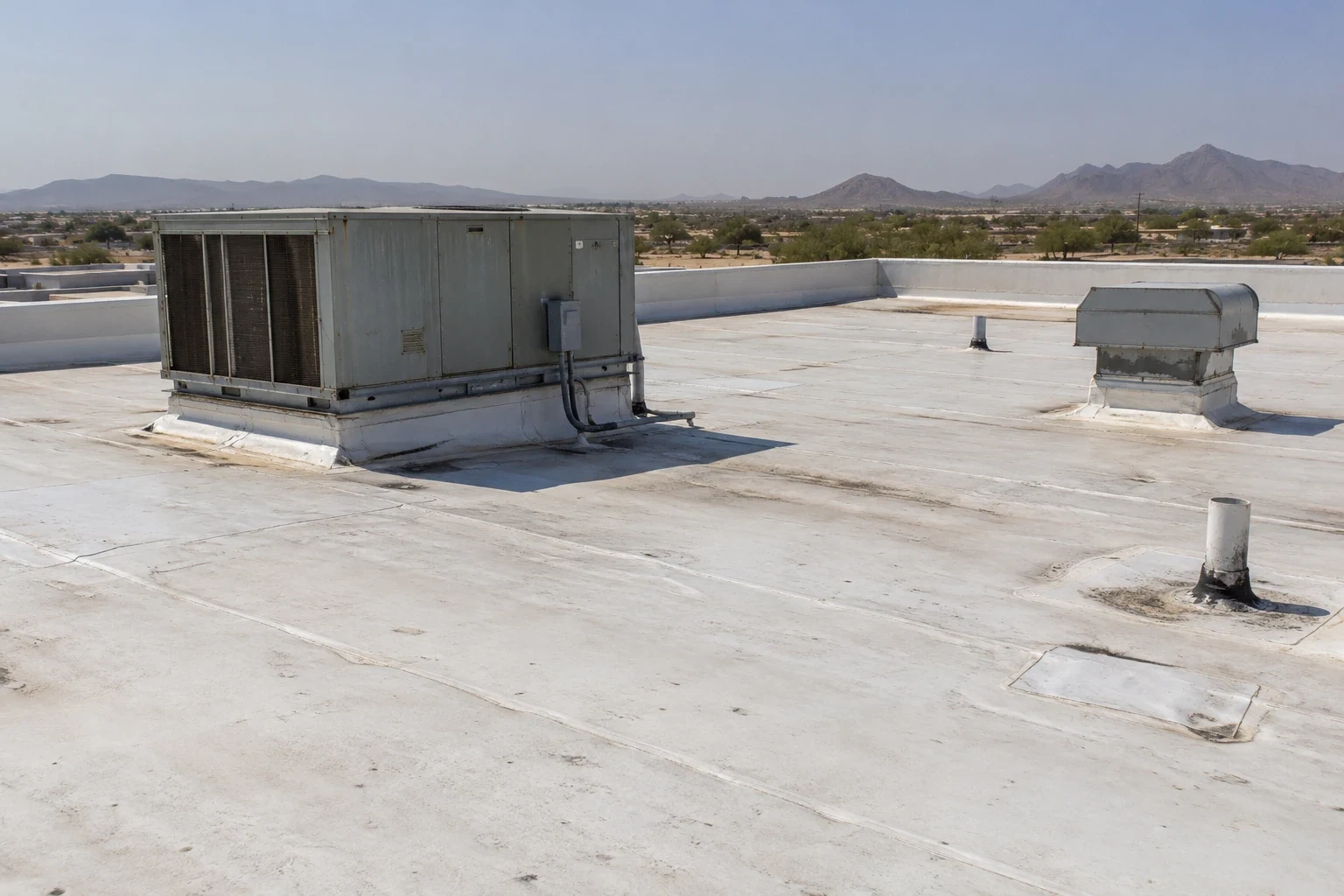
Match the named product to the roof assembly
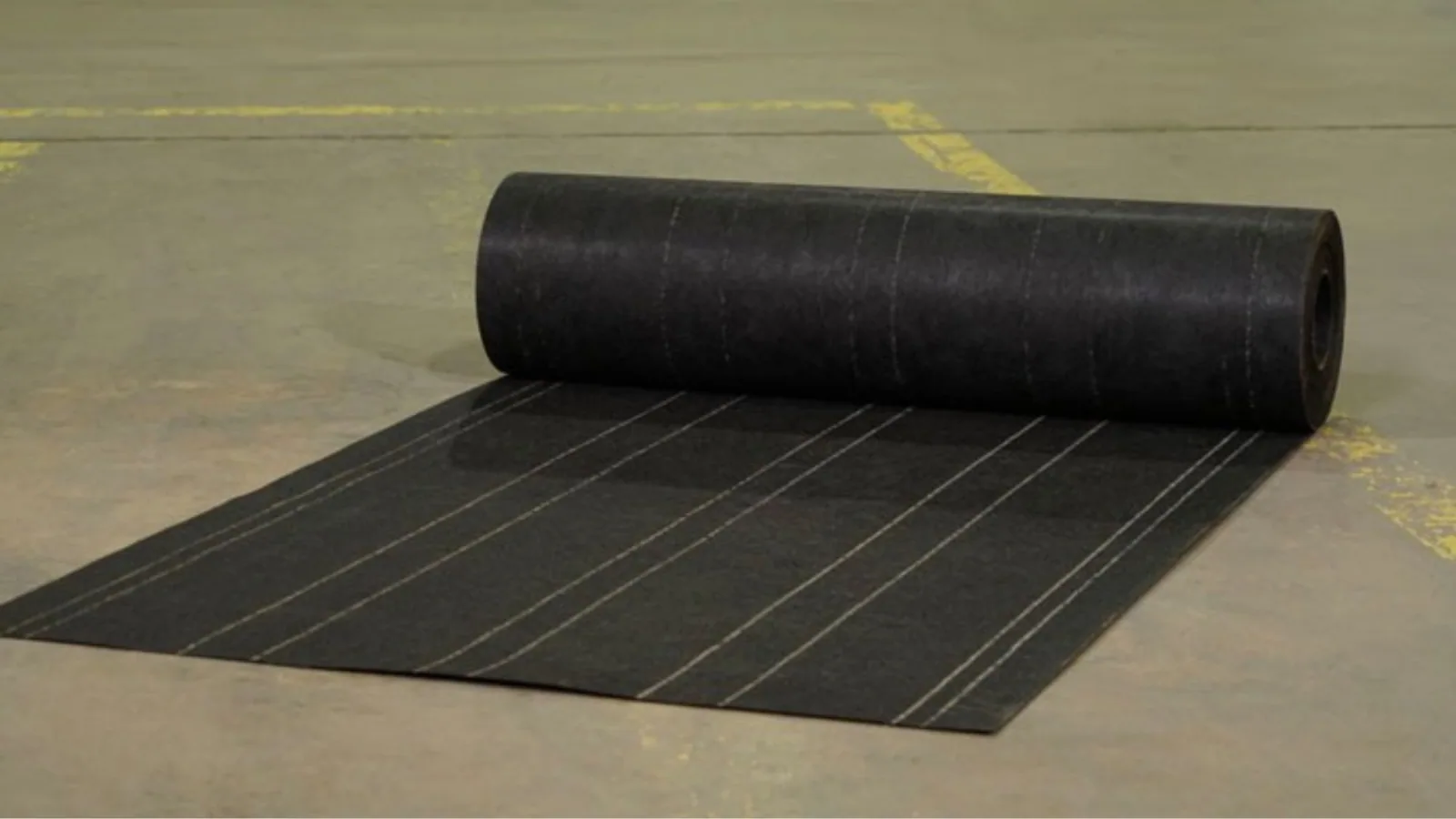
Carlisle's product range includes Sure-Weld TPO, Sure-Flex PVC and Sure-Seal EPDM, along with other system variations. Each product family has its own membrane data, detail library and installation instructions. We write the proposed product and components into the roof package so the GC can compare an actual assembly. Color, reinforcement, attachment, insulation and accessory selection need confirmation from the applicable product documents.
For a thermoplastic package, Carlisle TPO roofing and PVC roofing both involve heat-welded connections, while the sheet composition and compatible accessories differ. EPDM uses its own seam and flashing procedures. An EPDM roof assembly should be specified to its selected product rather than priced as another version of the same field weld.
For each candidate, we list the components that receive and support the membrane. The proposal states where a manufacturer detail applies and what field dimensions or substrate conditions remain to be confirmed. That gives the pre-roofing meeting a buildable decision instead of a menu of brand terms.
Keep the product documents with the roof package
Product data sheets establish a membrane's stated attributes; system guides and project design establish its use within an assembly. We match the review package to the selected thickness, reinforcement and installation method. If a proposed substitution changes the layer build-up, seam accessory or edge detail, we show that change before procurement. The GC then has one accepted basis for material release and field work.
Design conditions such as deck type, attachment, fire classification and wind uplift require the project's applicable calculations and approvals. A manufacturer's general product page cannot approve a Glendale roof assembly by itself. We coordinate the details and keep open design questions assigned to the responsible reviewer. An equipment base or wall surface needing repair should be corrected before the new flashing is expected to bridge it.
Insulation and cover board affect total height and how perimeter and drain details finish.
Connect the climate plan to daily work
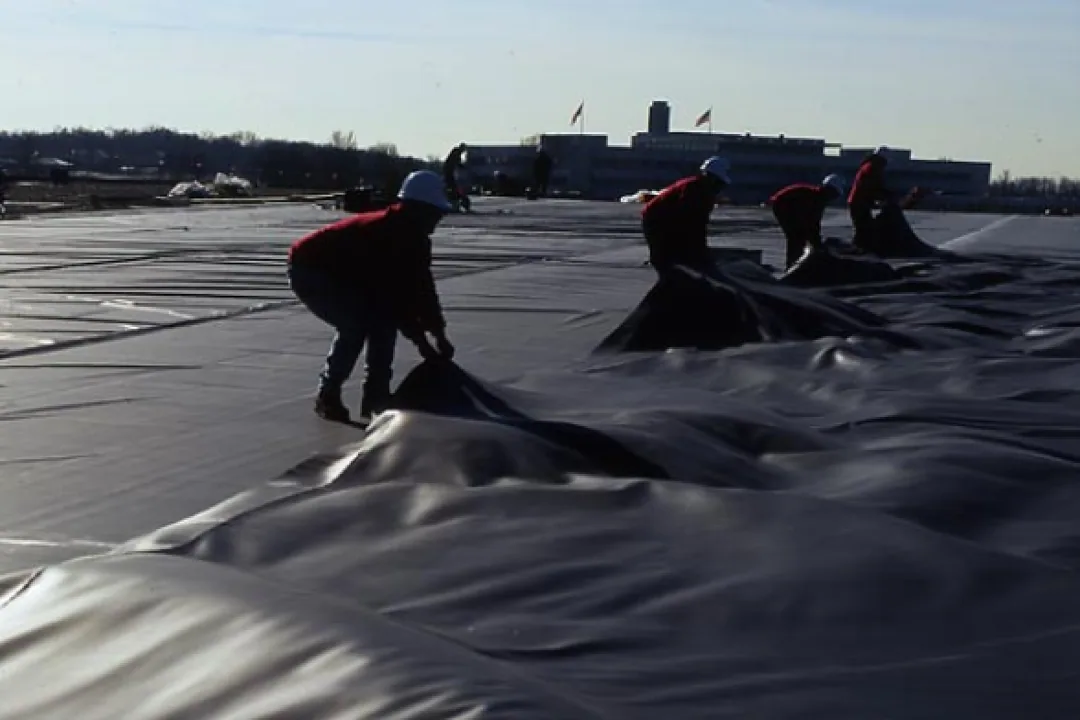
High summer heat in the Phoenix area makes storage, crew hours and product application limits practical schedule items. The heat plan should identify shaded storage, safe work windows, the order of roof areas and how the stage is protected at the end of each day. Product instructions control installation conditions. The superintendent should know who can pause or reopen the roof work when those conditions change.
Glendale's monsoon period runs from mid-June through September. Before the crew removes material, set the maximum opening, temporary water-shedding method and closeout steps for an interrupted day. The Loop 303 Industrial Corridor includes major logistics developments, but the receiving route and delivery window must be confirmed for the specific property. We carry that building's actual arrangements into the schedule.
The National Weather Service storm report lists 2.5-inch hail five miles north of Glendale on October 5, 2010. That local weather history supports attention to exposed details during a condition review; it does not establish hail damage at a named building. For a Loop 303 assignment, the GC can align site-specific access and material movement with the roof stage.
Compare repair, recover and replacement on evidence
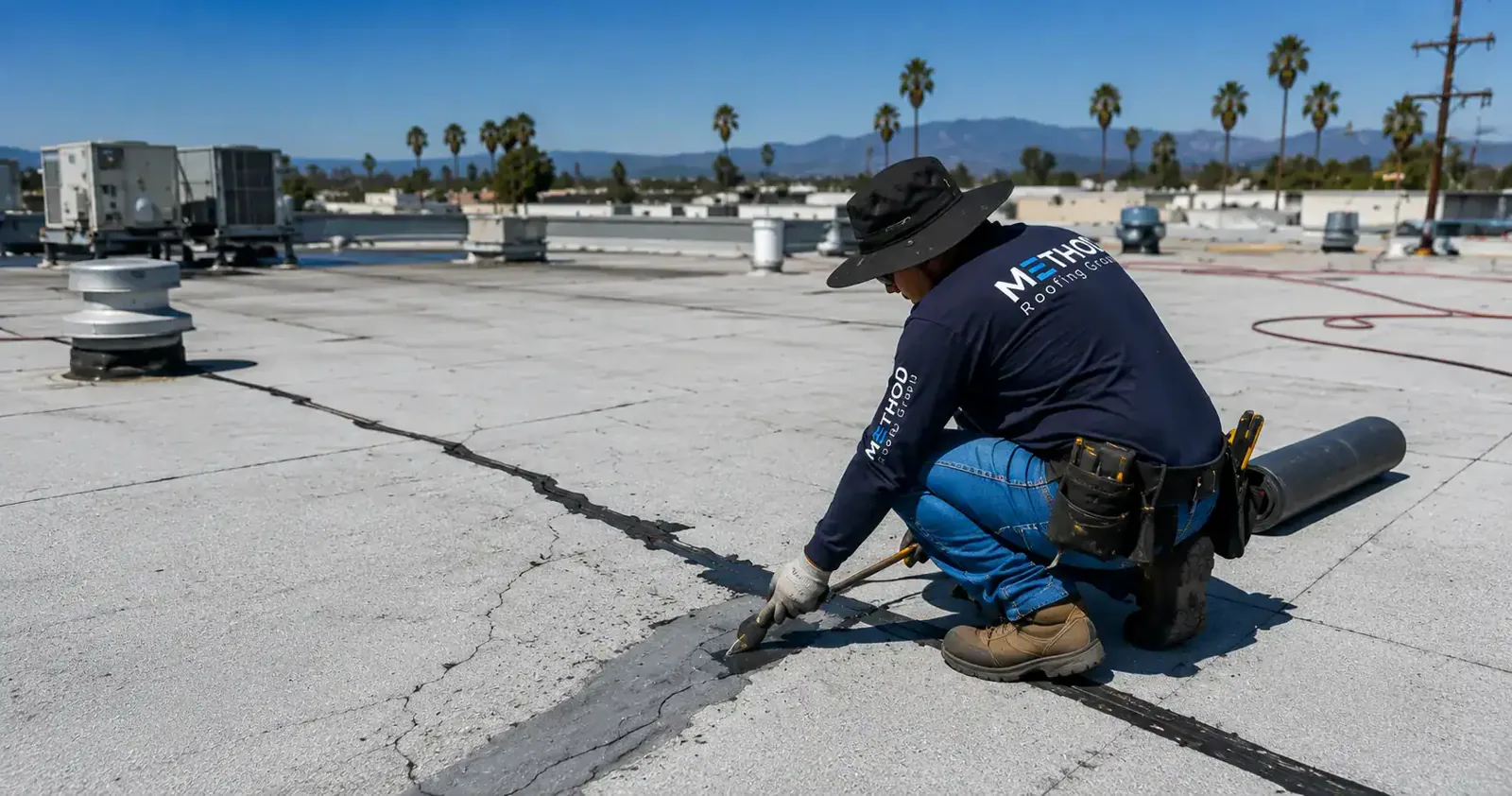
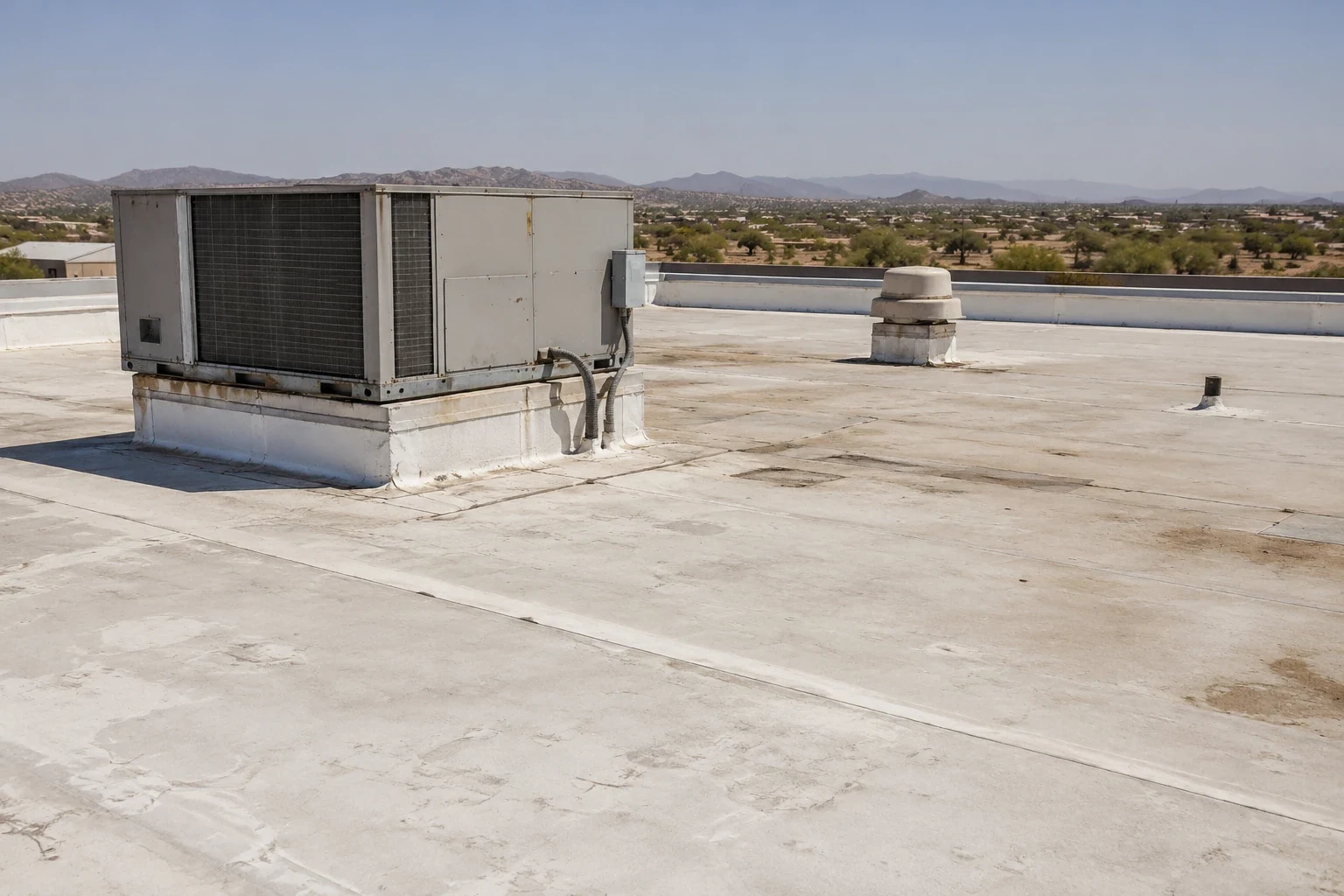
A roof request should start with the system found at the assigned area. We review records and accessible conditions, then document what can be established without opening covered construction. A localized issue may call for a compatible product-specific repair. If broader retention is proposed, moisture, layer count and securement need assessment. A recover should not be assumed because a Carlisle membrane is already listed in an old building file.
A Carlisle roof repair needs a defined connection between new and retained material, including surface preparation and accessory selection. Each estimate should expose its assumptions so the owner can compare the work being purchased.
Where manufacturer inspection or written acceptance is required by project documents, schedule it at the right construction stage. Keep photographs, product identifiers and approved deviations with the closeout record. Those items help later service teams identify which materials are present before making a connection.

Give the next roof visit a usable record
At turnover, identify manufacturer, product family, membrane type and the assembly components installed in each area. Include roof-plan marks for details that received special treatment, approved substitutions and open work assigned to another trade. This record should describe the construction that was completed, not promise future performance or replace the manufacturer's written terms. The Johns Manville portfolio and GAF product information require the same project-specific review.
A property at the Westgate Entertainment District may have different building uses and operating needs from a Loop 303 warehouse. Confirm the actual facility representative, work limits and maintenance contact for the assigned site. That information lets a future crew plan the roof visit without assuming a shared access procedure or system based on the neighborhood.
We can carry the product and location information into preventive roof maintenance, which notes visible changes and directs specific repairs.
More on Carlisle SynTec Roofing
Commercial Roofing Questions
Does the Carlisle name identify the roof system?
It narrows the product family, but the installed membrane, attachment and details still need to be identified. We compare product documents with the roof records and visible assembly before proposing a connection or replacement.
Can Carlisle TPO and PVC use the same detail?
Some detail concepts may look similar, but compatible sheets and installation instructions depend on the selected product. We specify the accessory and receiving condition for the membrane in the project package.
What should the GC bring to a pre-roofing meeting?
Bring the roof plan, current product review documents, deck status, equipment locations and turnover schedule. We use those records to confirm seams, edges, predecessor work and the monsoon closeout sequence.
Does an old Carlisle review package prove what is on the roof today?
No. A later repair, addition or reroof can leave more than one system on the building. We record the material identified at the assigned area and flag any product identity that needs field confirmation.
Set the Carlisle product and roof package before procurement
Bring the current roof plan, product records and turnover date. We will review the selected membrane, system details, heat plan and weather closeout with the GC.
Next steps for your building:
Related Roofing Work
More commercial roofing work for Glendale and West Valley properties.