Seam Failure Roof Repair in Glendale, AZ
Home / Roof Damage Repair / Seam Failure Roof Repair
Request A
Roof Assessment
Tell us about the building and the roof. We reply with the next practical step for your property.
Seam failure roof repair in Glendale, AZ: we probe open laps, identify the membrane, check for wet insulation and price the right weld or tape repair.
Seams are where most membrane roofs in the West Valley start to leak. Summer heat expands and shrinks the sheet every day, dust works into the lap edges, and a joint that was marginal at install finally lets go. Monsoon season runs June 15 through September 30 here, so an open seam found in May needs a temporary seal or a permanent repair before the first storm, not after it. Seam failure roof repair in Glendale, AZ starts with two questions: what membrane is on the roof, and is this one bad lap or a pattern across many runs? One open seam with sound sheet around it is a quick fix. Dozens of opened laps usually point to aging membrane or a weak original weld, and that changes the conversation.
We work on buildings all over the city, from the blocks around Glendale Main Library on West Brown Street to the commercial properties near State Farm Stadium. Location tells us nothing about the roof itself, though. Two neighboring buildings can have completely different systems. We put eyes and a probe on the actual seams, then tell you what we found, what it takes to fix it and what we still need to check.
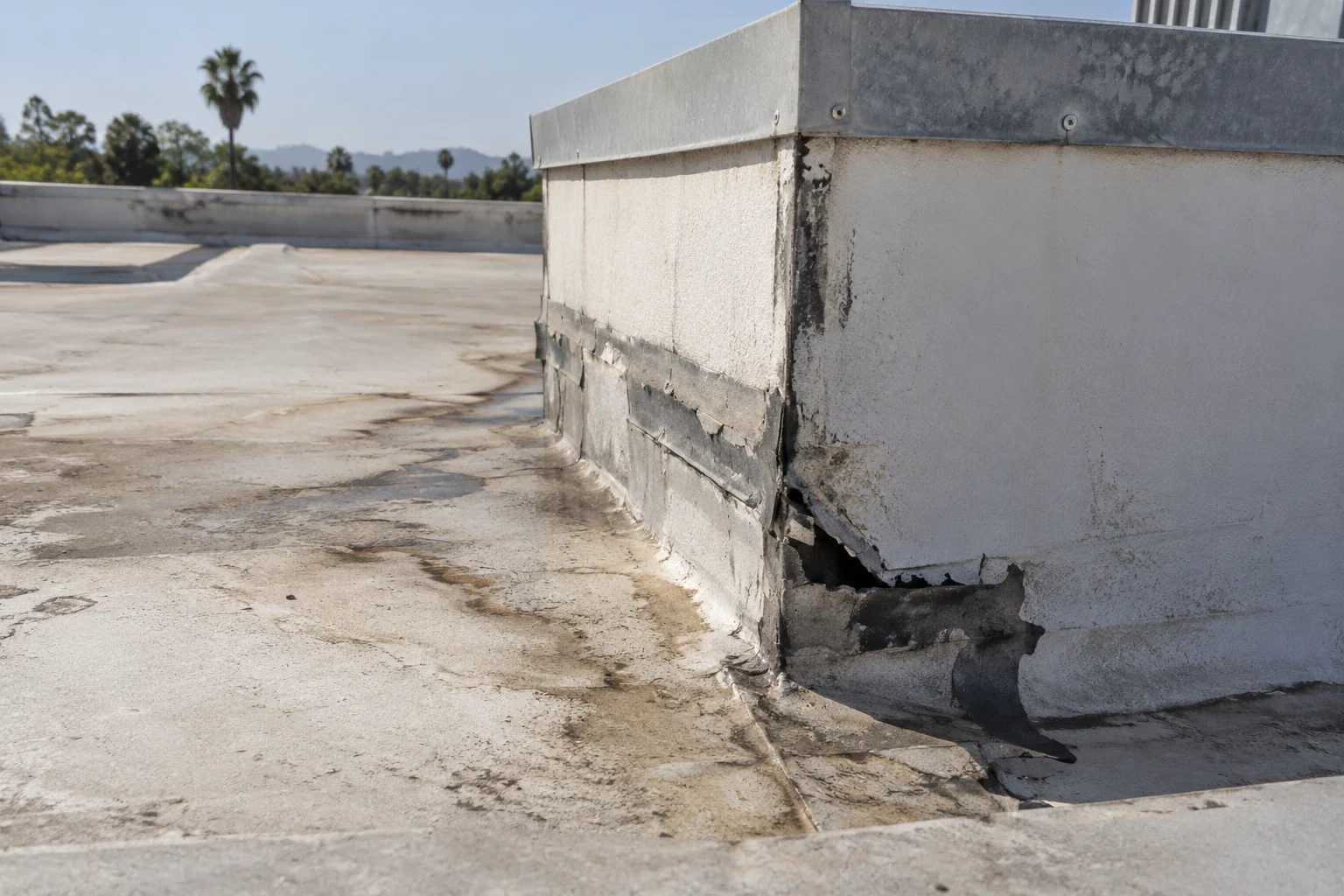
Identify the membrane and the failed seam
The repair method depends on the membrane. TPO and PVC seams are heat-welded with a hot-air gun. EPDM seams are cleaned, primed and closed with seam tape. Modified bitumen and built-up roofs are torched, mopped or set in compatible cement. Use the wrong method and the patch peels off within a season. Older roofs complicate this: a layer of mastic, a coating or someone else's patch can hide the original sheet, and a TPO patch glued onto EPDM does not hold. When we cannot tell what the membrane is from the surface, we cut a small core and look.
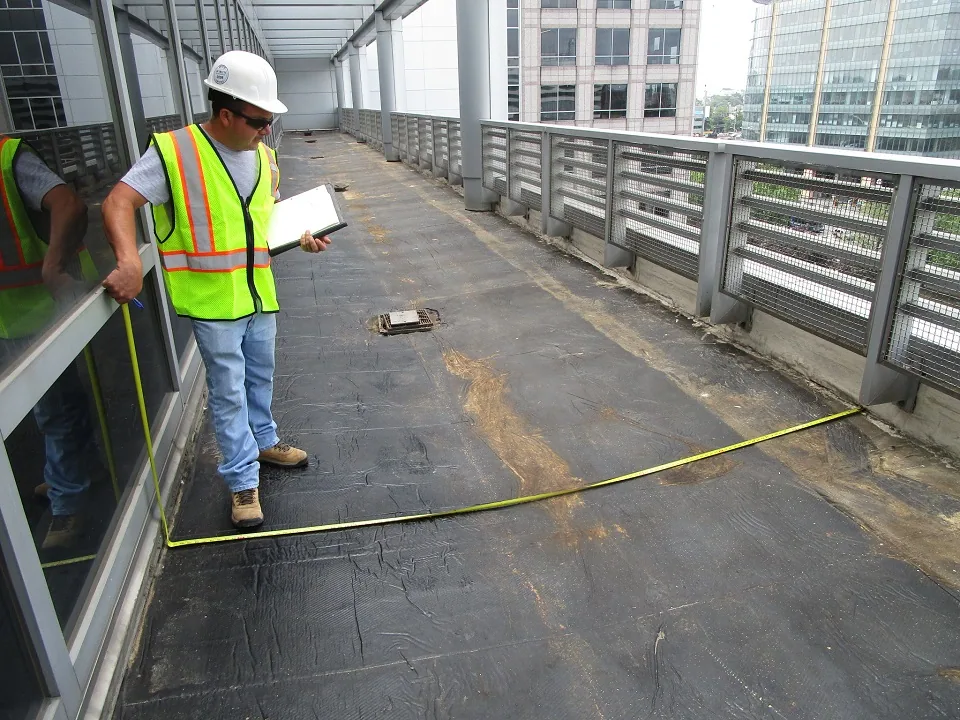
A roof inspection finds the open laps and marks them so they can be found again. We photograph each one wide enough to show where it sits on the roof. Old invoices and repair notes help, and we ask for them, but they only tell us what someone did years ago. The estimate is written against what the roof looks like today.
One open seam or many?
Before anyone prices a repair, we walk the seams and probe them. A blunt probe drawn along the lap edge finds the soft spots and fishmouths you cannot see standing up. One open length with tight seams on either side is a local repair. Opened laps every few feet, or failures right next to old patches, mean the welds or adhesive across that area are near the end of their life, and patching them one at a time just moves the leak down the line. Counting visible openings is a start, not an answer: wet insulation under a long-failed seam can reach well past the opening itself.
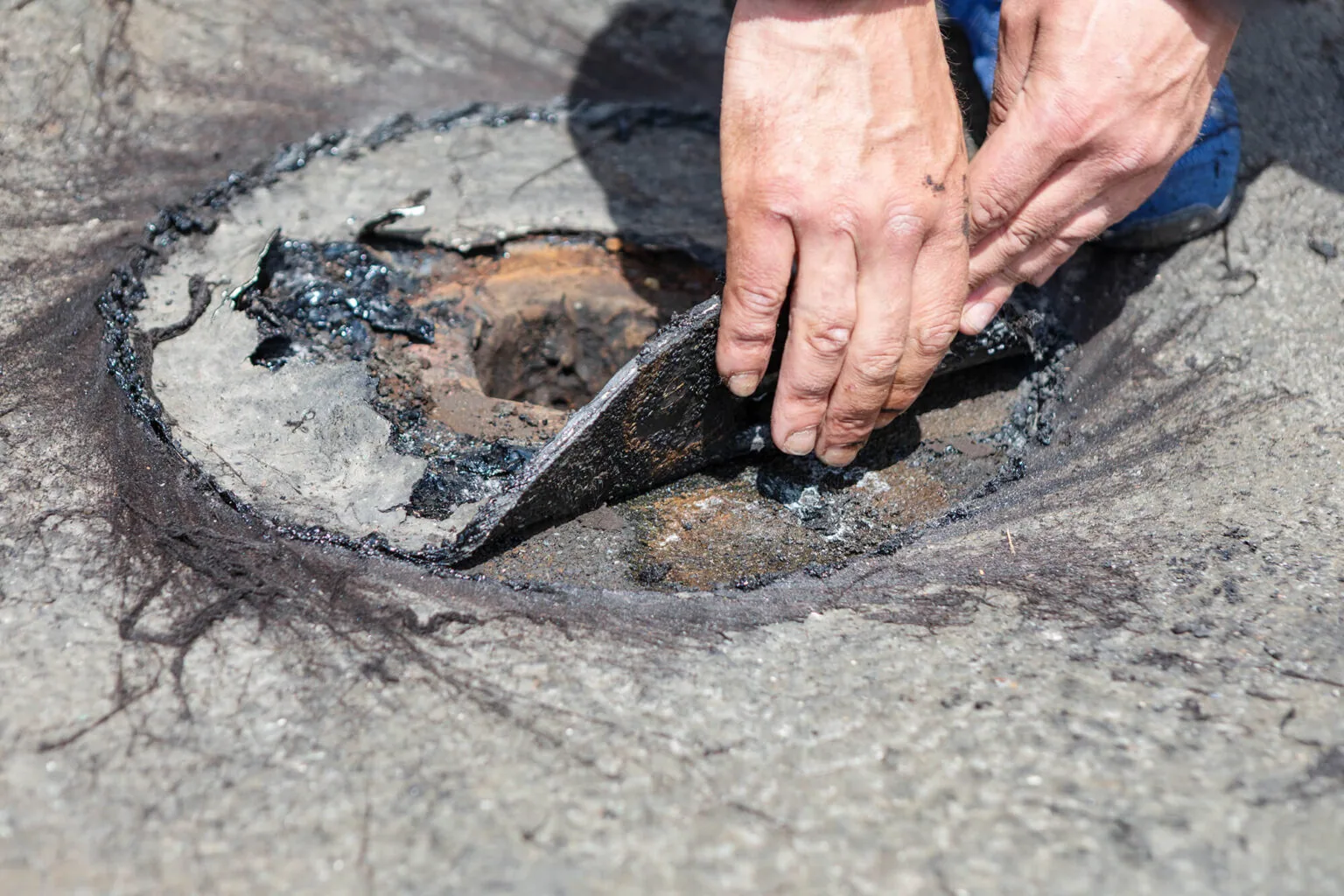
If there is a puncture in the membrane near the seam, we price it separately. A hole through the sheet and an open lap take different repairs even when they are a foot apart. An interior leak points us to the area but not always to the exact spot, because water runs along the deck before it drips. The estimate lists each defect, its location and its fix, so you can see what you are paying for.
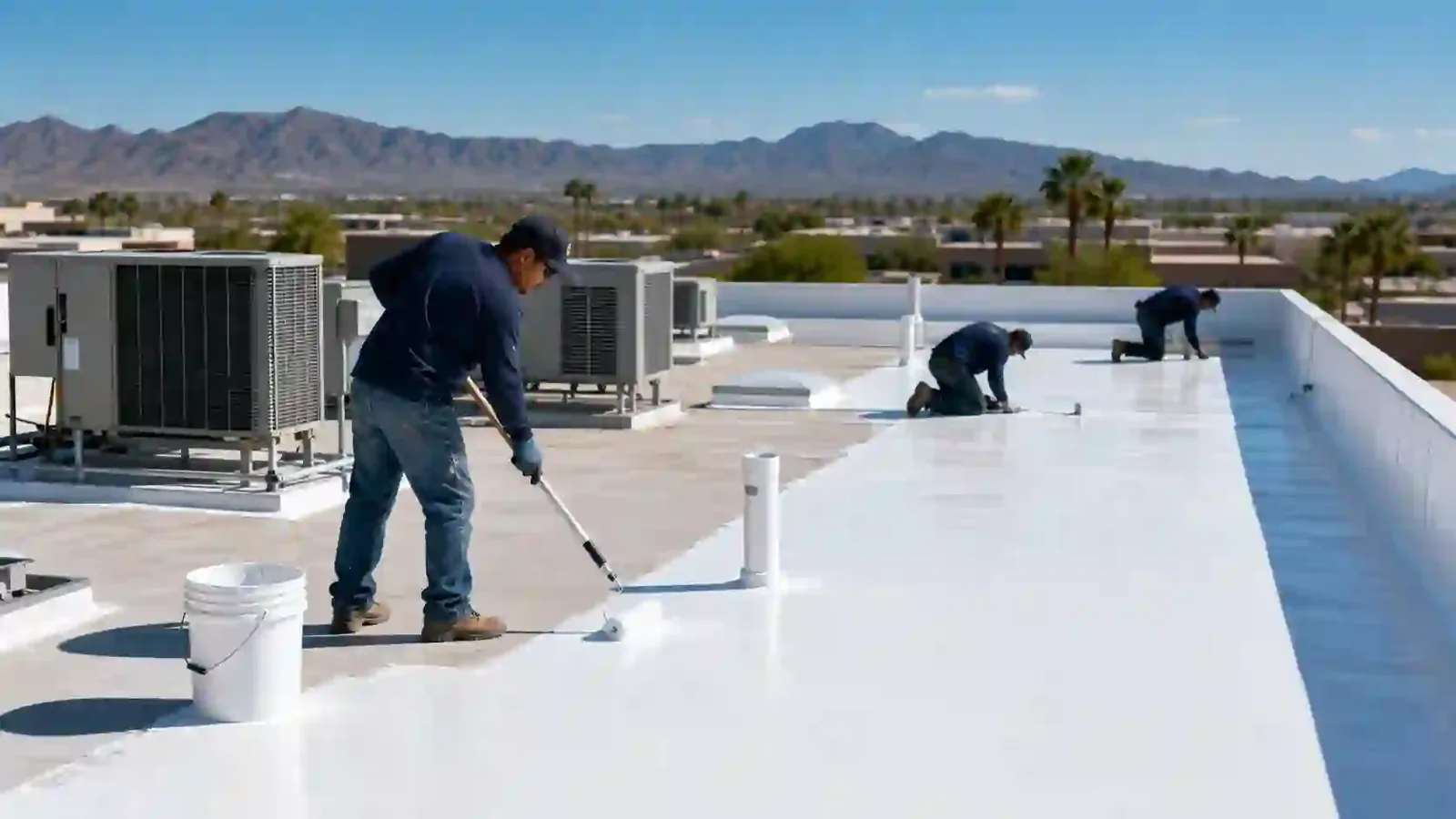
Match the repair to the membrane
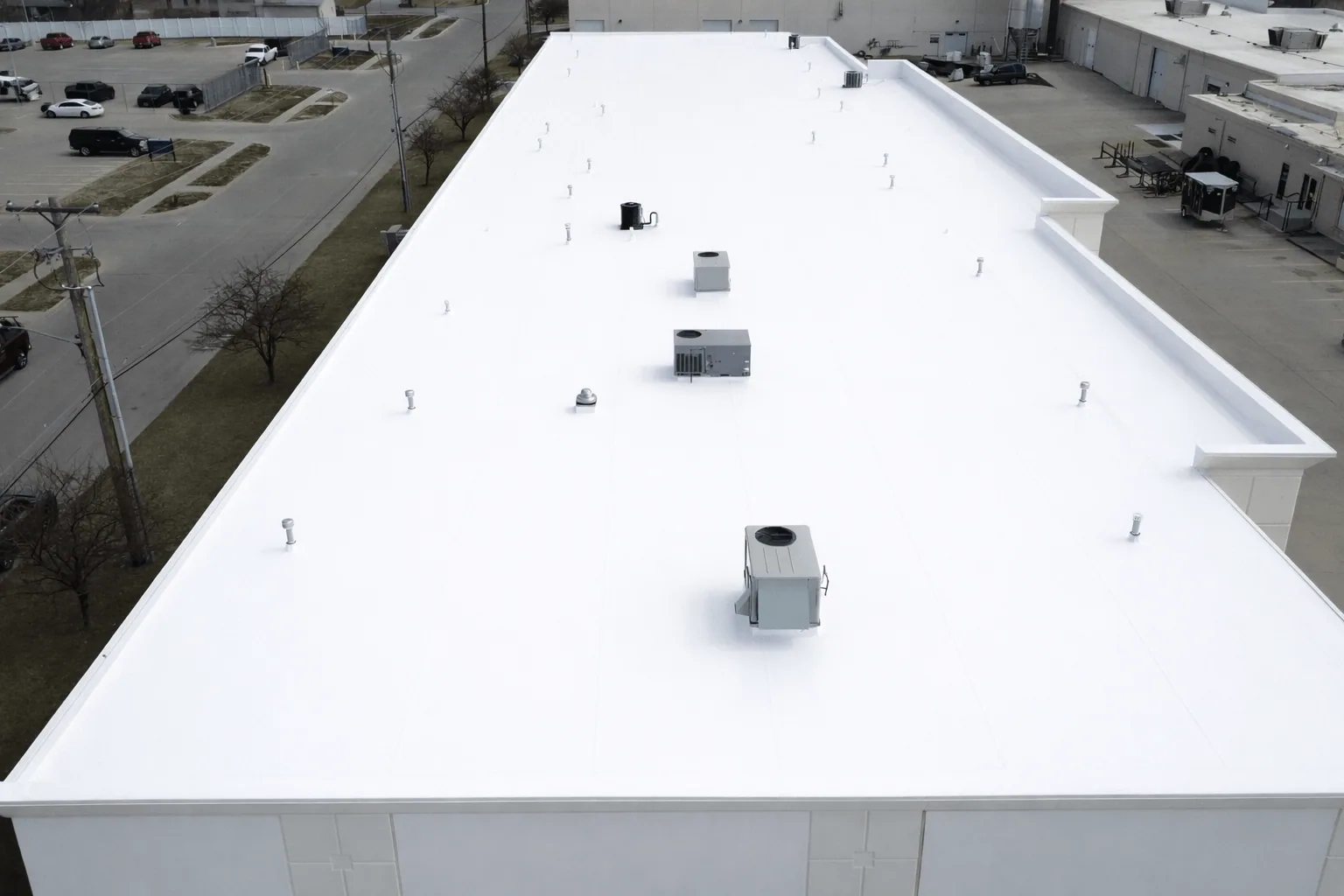
On a TPO roof, a good seam repair means cleaning the old sheet back to bare membrane, test-welding a scrap to dial in heat and speed, then welding the patch and probing it once it cools. Sun-baked TPO that has chalked or crazed may not take a weld at all. EPDM needs the right primer and tape, with the old sheet scrubbed free of dirt and oxidation first. Built-up and modified roofs need compatible bitumen products. For TPO seam repairs, we run a test weld on the existing sheet before committing to the method. If the membrane will not accept a weld, we say so up front.
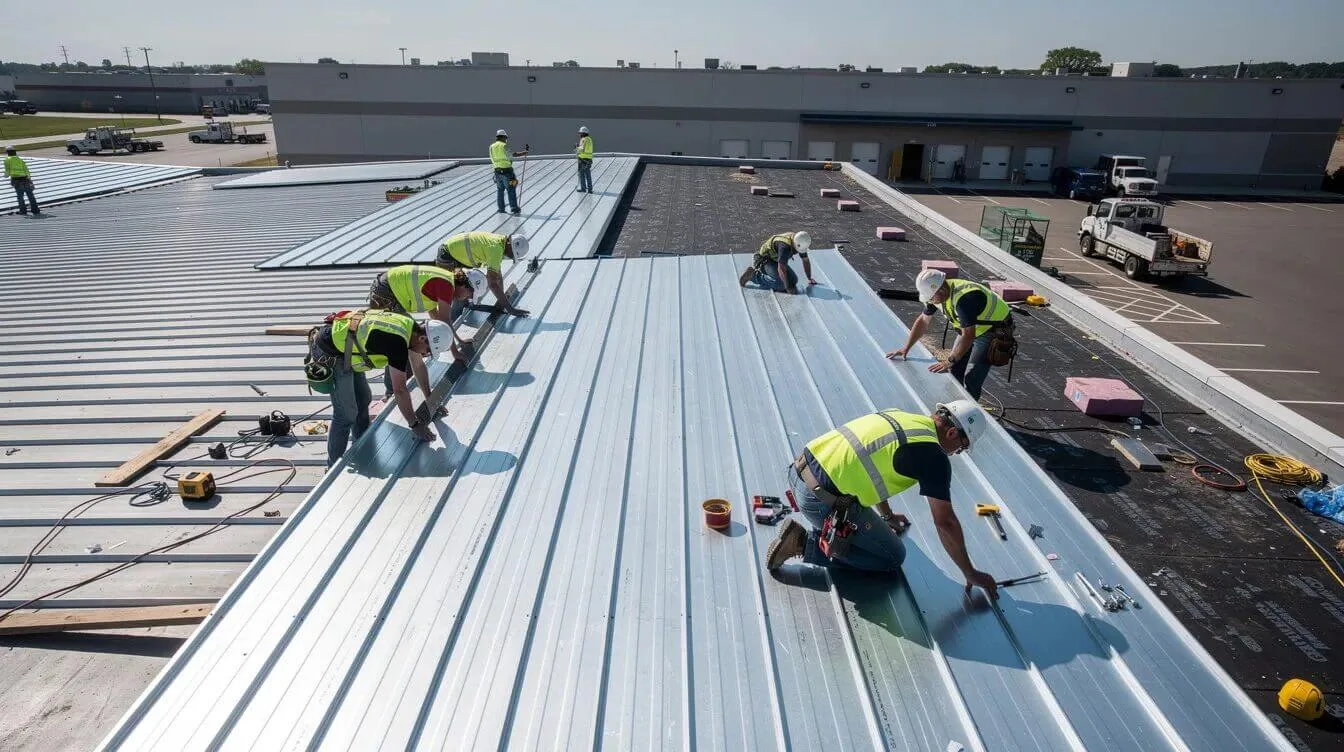
The estimate should state the size of each repair and why. If a patch would land on brittle or contaminated sheet, the repair has to grow until it reaches membrane that is still sound, and sometimes that means replacing a section instead of patching it. You should know that before you approve the work, not after the crew is on the roof. When the sheet is too far gone for local repairs, we lay out the larger option and show you the photos and probe results behind it.
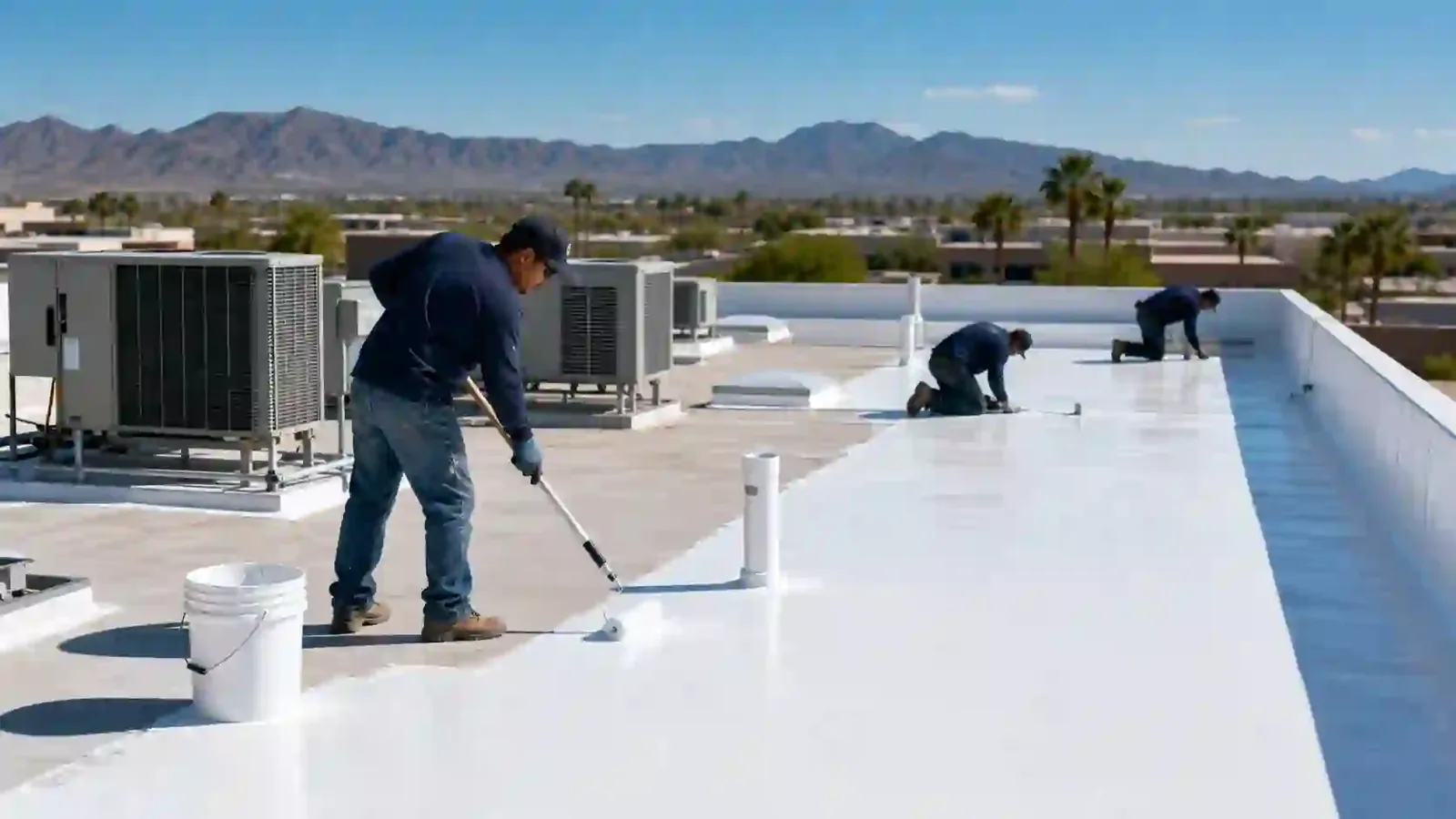
Check the insulation under the seam
Water that gets in at a seam often ends up in the insulation. Wet insulation loses its value, adds weight and can rot a wood deck or rust a steel one over time. From the top of the roof, a dry-looking membrane tells you nothing about what is underneath. An infrared moisture survey, shot in the evening while the roof gives off the day's heat, shows where wet insulation is likely. We then confirm the suspect areas with core cuts or a moisture meter and mark the results on a roof plan.
If a core shows rotted board or a corroded deck, we photograph it and explain what has to come out and what goes back in. Deck problems that need an engineer get one. Any change to the quantities gets priced and approved before the crew closes the roof over it, so every added square foot traces back to a specific finding. Cores and test openings are patched the same day, and any area still waiting on a decision gets a temporary seal.
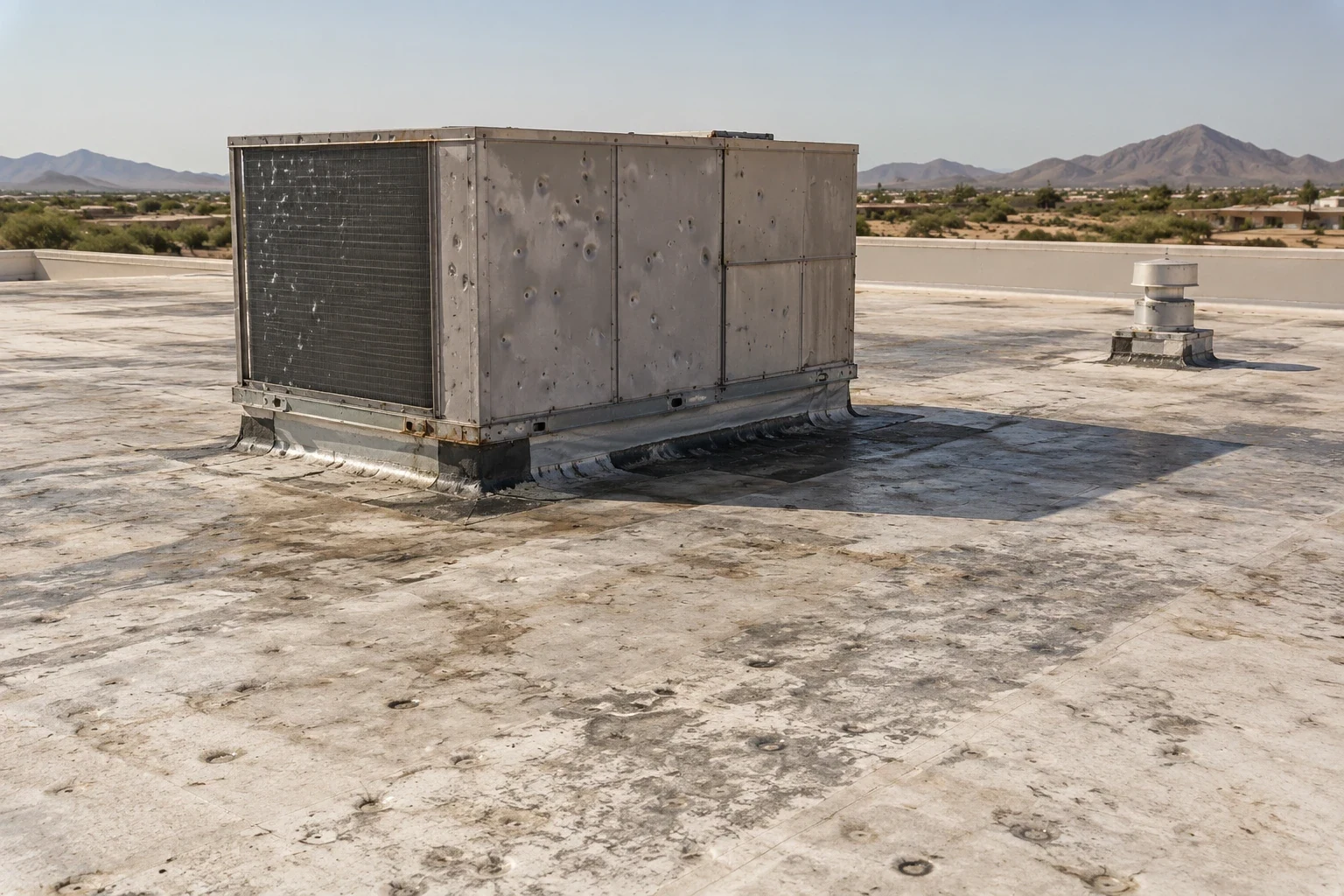
Field seams vs. seams at walls and curbs
A seam out in the field is not the same repair as a seam at a parapet wall or an equipment curb. At those spots the membrane turns up, gets terminated and depends on the wall or curb behind it. If the termination bar is loose, the wall substrate is crumbling or the curb is rotted, welding the seam again just buys a few months. A proper flashing repair fixes the wall or curb first, then the membrane. Patching only the visible lap leaves the real problem in place.
Some of that work belongs to other trades. If the HVAC contractor is resetting a unit, the curb height may change, and so does the flashing we install. If a mason is repointing a parapet, we need that done before we flash it. We list those items on the estimate with what each trade needs to finish first, so the general contractor can schedule them in the right order. Our roof condition reports keep field seams and curb or wall details as separate line items from the first inspection to closeout. A finished field seam does not mean the curb next to it is ready.
More on Seam Failure Roof Repair
Sealing up and closing out
If a seam is opened up and cannot be finished in one day, it gets sealed before the crew leaves. Afternoon monsoon cells build fast in the West Valley, and an open lap under a sudden downpour can soak a whole bay of insulation. We walk you through the order of work before we start: what gets opened, how long it stays open and how it gets closed. If a deck repair or a material question holds things up, you know what temporary protection is in place and what still has to be done. Our emergency crews take calls overnight, on weekends and on holidays.
For seam repairs in Arrowhead, the closeout package lists the building, the roof area and each repaired run. It includes photos of the prepared sheet, the finished welds or taped seams and any deck or insulation work underneath. Areas we left out of the scope, or that still need testing, are called out by name. A final photo of a clean seam shows where the work is; the in-progress photos show what was done under it.
Commercial Roofing Questions
What determines whether a separated seam can get a local repair?
Mostly the membrane around it. If the sheet next to the open lap is still flexible and clean, and the seams on either side probe tight, a local weld or tape repair will hold. If the sheet is brittle, the neighboring laps are opening too or the insulation underneath is wet, a bigger repair makes more sense.
How do several open seams change the scope?
They usually widen it. Several failures in one area point to aging welds or adhesive across that section, so we map every open lap, look at the pattern and price either individual repairs or a section replacement, whichever the findings support.
Does a repaired field seam fix an opening beside a curb?
No. A seam at a curb depends on the curb and the termination behind it. If the curb is rotted or the termination is loose, that gets fixed before the membrane is flashed and closed, and it is priced as its own item.
What happens if the repair turns up wet insulation?
We photograph it, mark where it is and tell you how much needs to come out before going further. The added work is priced and approved first, and the opening stays sealed while you decide.
Get the open seams checked before monsoon season
Tell us the building and roof area, and send any past repair records you have. We will probe the seams, identify the membrane and give you a written repair estimate.
Next steps for your building:
Related Roofing Work
More commercial roofing work for Glendale and West Valley properties.