Storm Damage Roof Repair in Glendale, AZ
Home / Commercial Roofing Services / Storm Damage Roof Repair
Request A
Roof Assessment
Tell us about the building and the roof. We reply with the next practical step for your property.
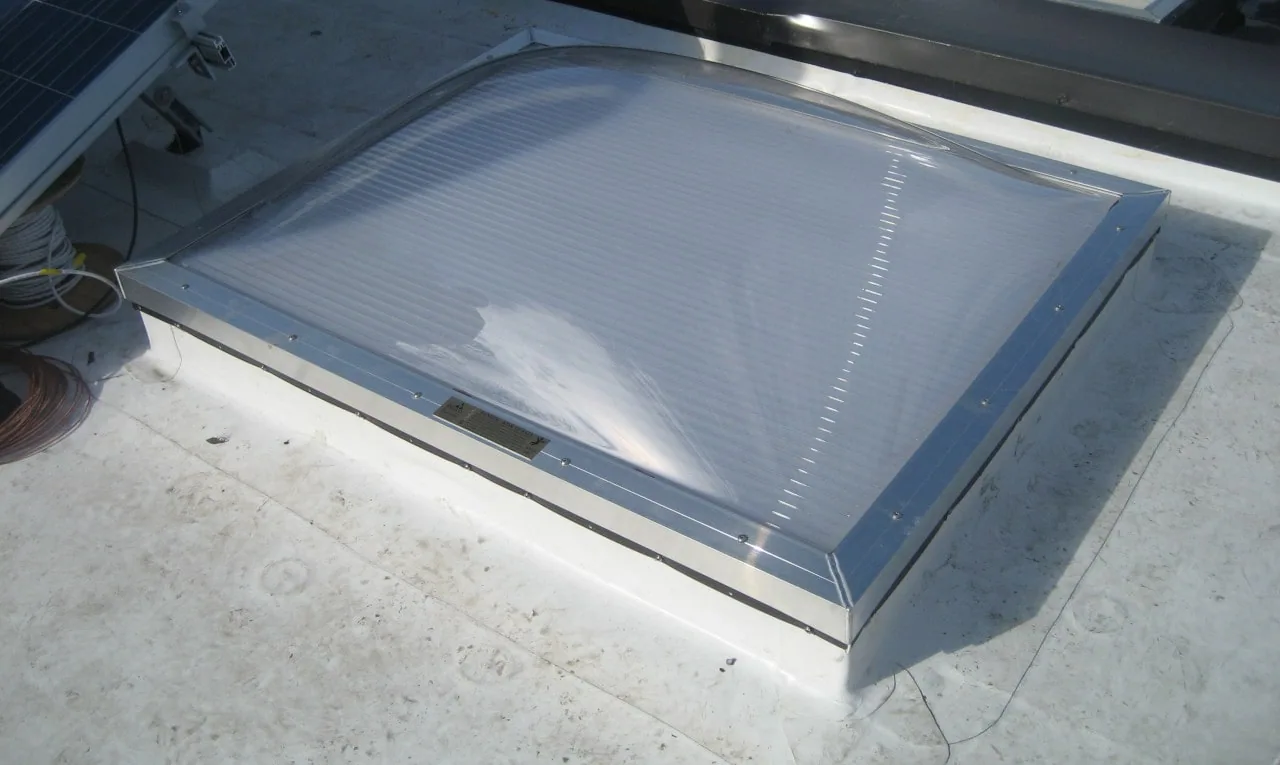
Glendale storm roof repair develops current findings, interim protection, membrane corrections and component work into a clear construction scope for the GC.
Bring the reported roof concern into an arranged examination before developing the storm repair package. Plan the repair response with periodic showers and thunderstorms in mind during the regional Desert Southwest monsoon season. In Glendale, we would review what the representative reported, where the affected construction sits and which immediate or permanent task needs attention. The GC needs a located finding and a developed correction to plan the work.
Start with the current roof and the available account of the concern. Review photographs, earlier repairs and reported changes without treating every condition observed after a storm as the same construction problem. The useful scope explains the material or component examined, the proposed work and the questions still unresolved. That account helps move an urgent request toward a practical permanent repair.
Locate the reported concern in the current roof
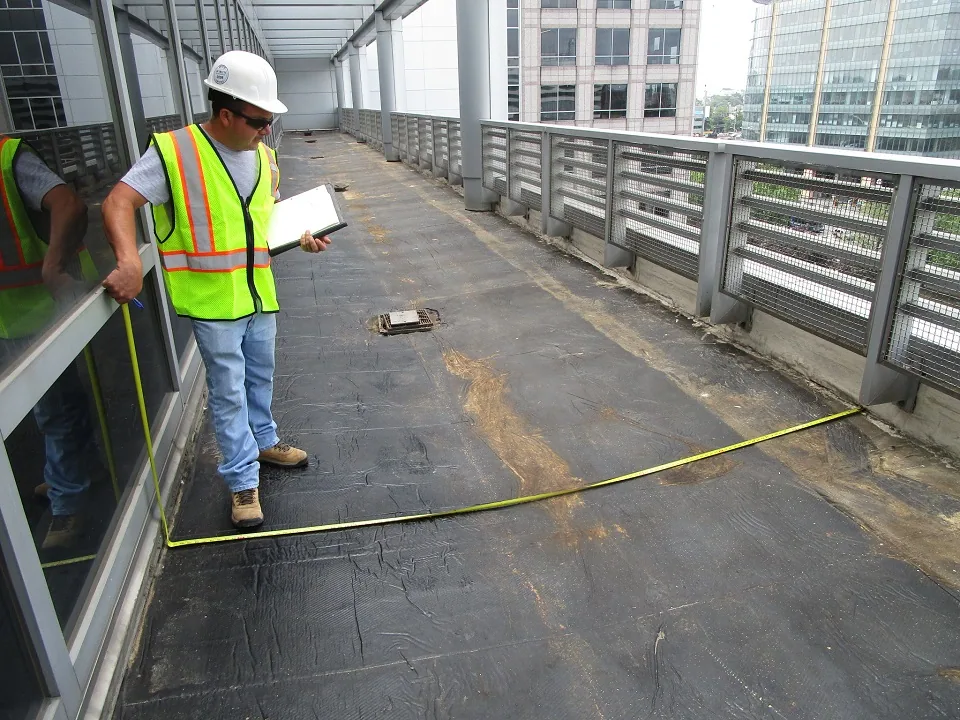
Obtain the exact property and roof designation from the representative. Record the reported area and available timing information as part of the assignment. Review earlier construction records where supplied. The examination should connect the reported concern with roof positions that a crew can find when the correction is developed.
NRCA storm guidance recommends professional inspection after storm damage, including roof attachments and debris concerns. It also identifies windblown debris as a possible drainage obstruction. We would arrange an examination suited to the actual roof and request, then keep the findings distinguishable from the information initially reported.
A storm-related condition examination should state the areas reviewed and those requiring another task. Describe the visible concern at its location rather than give the whole roof a single damage label. Where product identity or concealed condition remains open, identify the information needed before permanent work proceeds.
For a request at State Farm Stadium, obtain the assigned roof area through its representative. Identify 1 Cardinals Drive in the assignment and relate the report to that particular construction position. We would review the current condition there before developing the material correction or component task for the GC.
Keep interim protection identifiable through the handoff
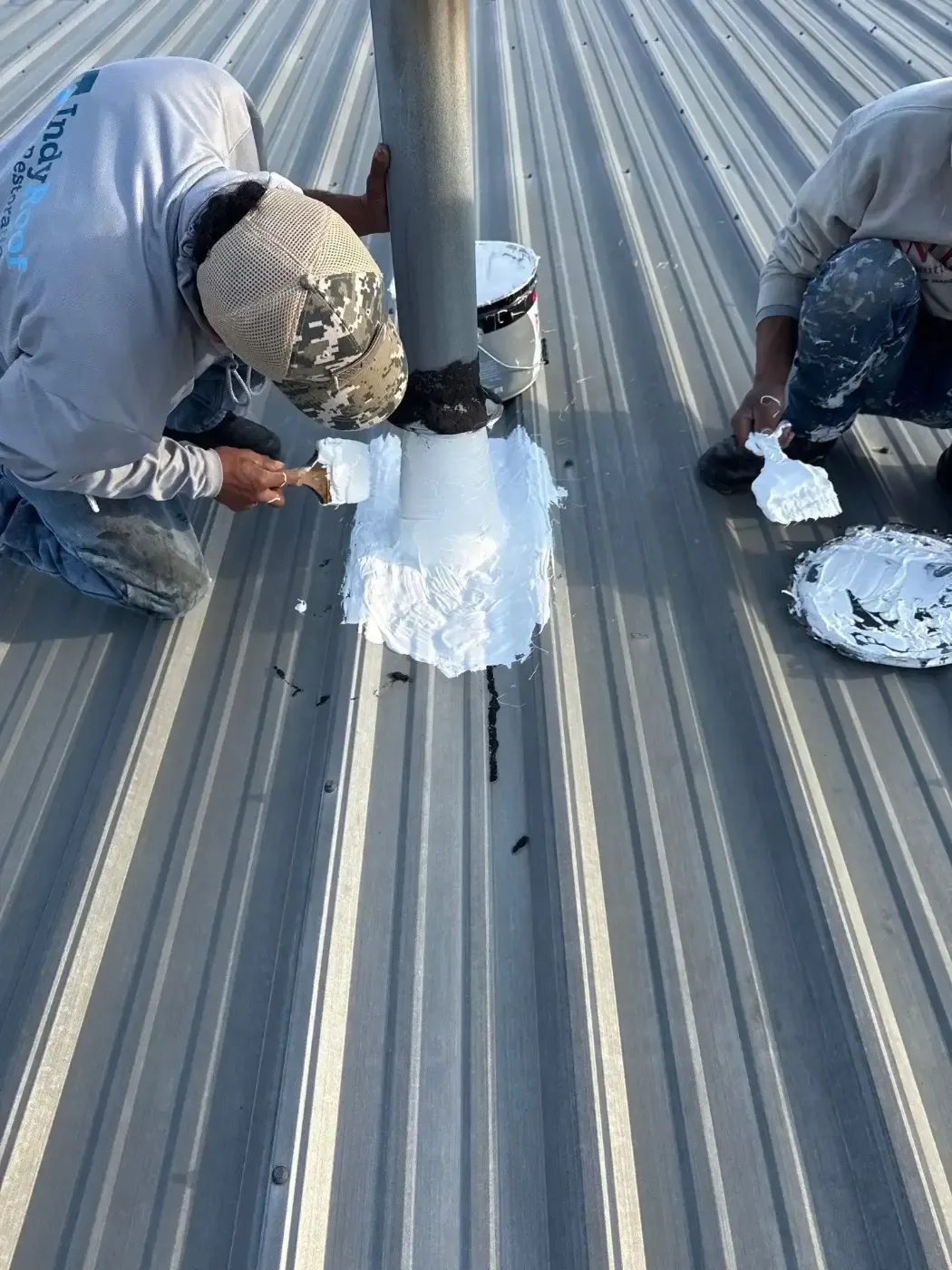
Review whether the request needs a separately arranged interim response while permanent work is developed. Identify the position, purpose and selected method for that task. Obtain the material information required to plan it appropriately. The GC should know what the interim work addresses and what remains for the subsequent construction scope.
An interim roofing response needs its own completion account. Locate the work performed and preserve the relevant product information. Keep later inspection or replacement of that intervention identifiable, so another crew does not assume a temporary measure completes the permanent repair.
Where additional roof information is needed, arrange the examination and identify its effect on the next task. Review instructions with the property representative before proceeding at the assigned position. An urgent report can set the priority while the actual material and connection decision still requires a developed scope.
For a reported concern in the designated downtown property, confirm the exact building and assigned roof. Review the response purpose and current findings at that location. Preserve the particular task and unresolved positions in the handoff rather than transfer an intervention description from another roof.
Develop the membrane correction from the actual product
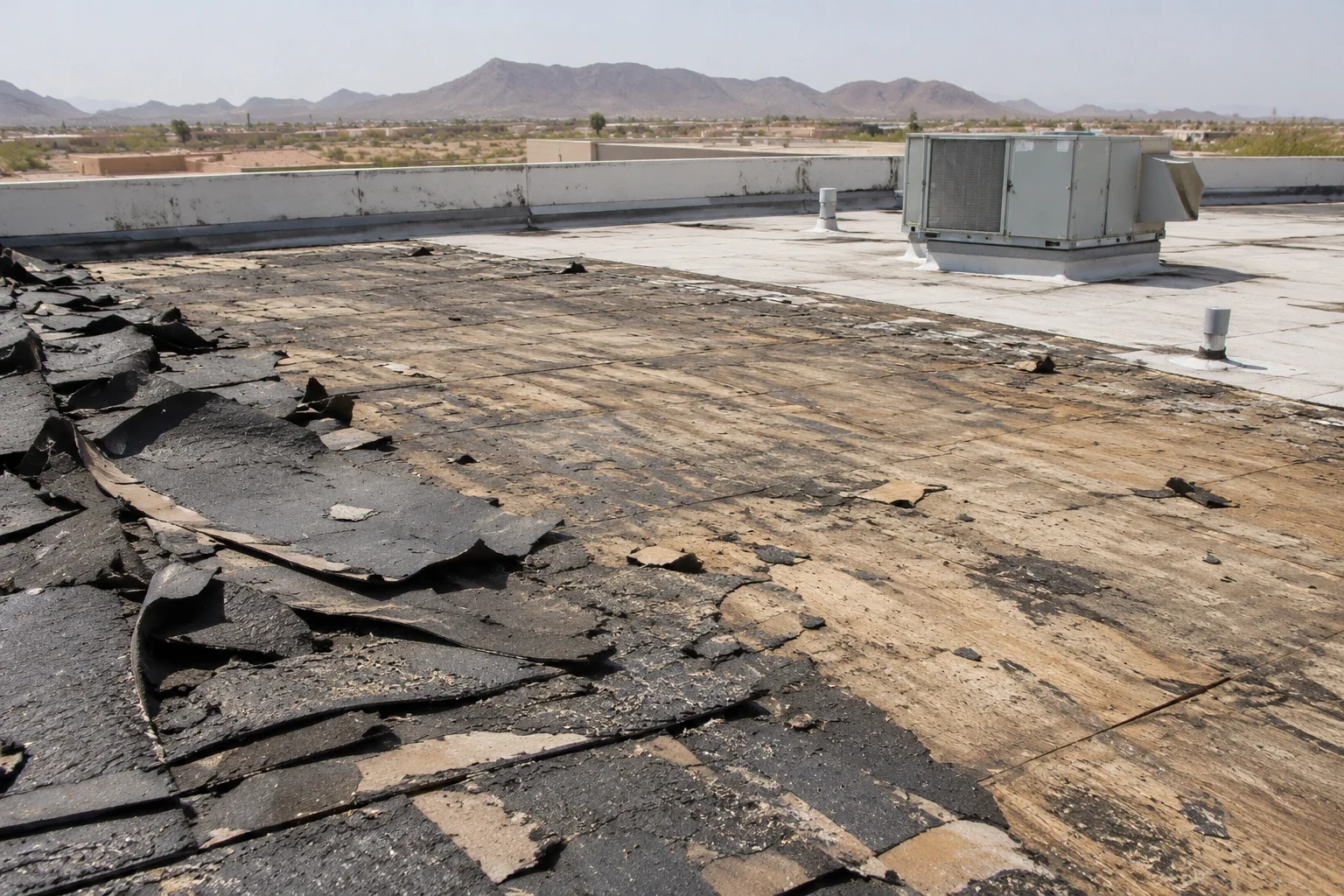
Identify the retained membrane and earlier patch material where they affect the proposed repair. Obtain the applicable product instructions before selecting preparation or joining. Examine the affected boundary and determine the construction information needed for the correction. The permanent task should show how the new material connects to suitable retained work.
A material-specific repair scope should locate the defect or connection under review. Include supporting-layer correction where investigation establishes that need. State how unresolved construction condition will be examined, allowing the GC to understand what could change the proposed removal and repair boundary.
Review a reported puncture separately from a displaced component or an open transition. These concerns may require different material and support decisions even on the same roof. Describe the correction at each position with the product information established for that work. The crew needs an actionable task instead of one generic storm repair instruction.
Where the affected construction extends beyond the examined area, develop the additional review before broadening the scope. Record the current finding and next investigation together. The GC should be able to see which work is supported by the examination and which portion remains dependent on further roof information.
Examine components and drainage as separate tasks
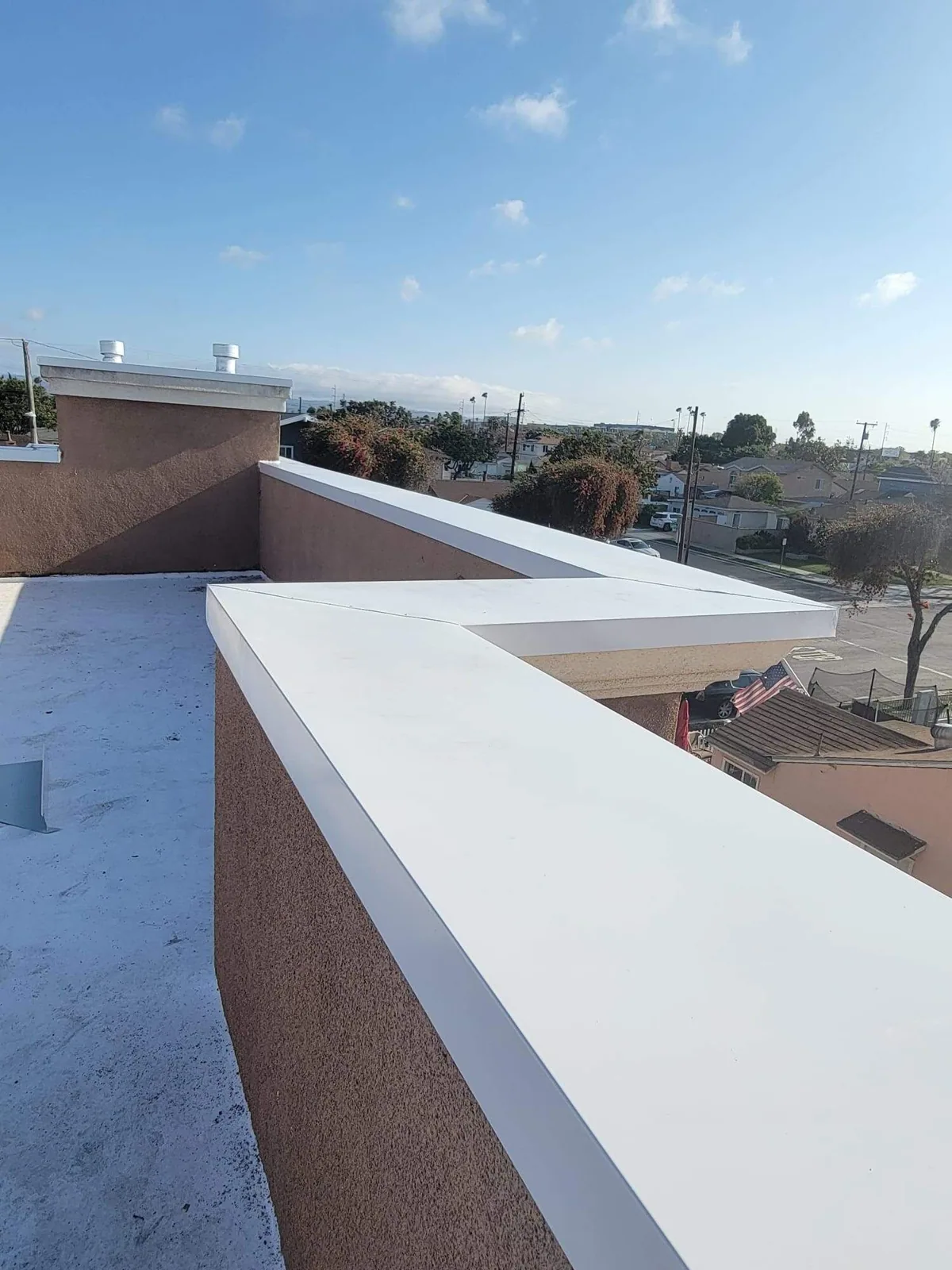
Review the perimeter, curbs and other affected components where the report or examination identifies a concern. Locate material movement or connection damage and examine the support needed for correction. Develop the permanent component task alongside the membrane work so neither part of the roof package is left to an assumed field adjustment.
An edge-component correction should address its fastening, support and roofing transition through the applicable assessment. Identify the existing arrangement and proposed replacement information. The GC needs to understand which preceding work makes the component ready for the permanent membrane connection.
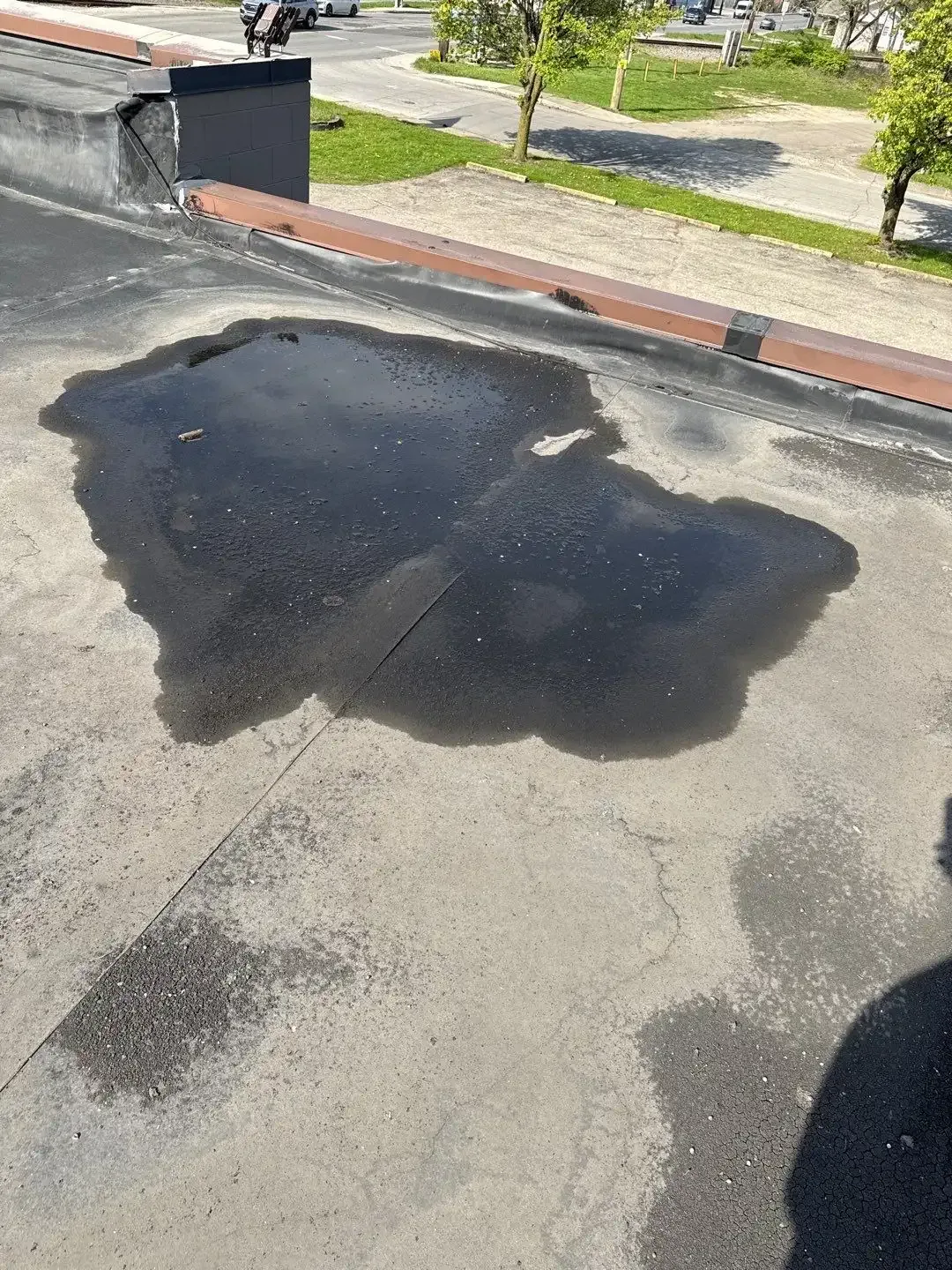
Review debris at drainage positions and distinguish appropriate care from a component repair. Where a drainage concern remains, examine the geometry and connections that affect the recommendation. Clearing a visible obstruction and developing a permanent drainage alteration are different tasks to record.
For storm repair requested at Glendale Main Library, identify the particular roof assignment with its representative and 5959 West Brown Street. Locate the affected component within that assignment. We would examine the current connection and develop the repair information required for work at that actual position.
Preserve findings and the installed correction together
Keep the report, examined findings and proposed construction tasks in a located repair account. Preserve useful photographs and descriptions at the relevant positions. Identify areas needing additional review so the scope can be assessed without presenting unexamined construction as a completed finding.
Review supplied warranty or claim-related documents where they affect the requested project information. Keep the technical finding and proposed work clear. Resolve requirements needing confirmation through the appropriate review rather than attach an unsupported coverage statement to the roofing correction.
Stage the permanent work with a monsoon contingency and the arrangements for the assigned roof. Identify preceding support work and the connection ready for installation. If exposure changes the material boundary, review the affected task with the GC before continuing that part of the repair package.
Record the installed product, repaired positions and completed component work at turnover. Keep any remaining examination identifiable for the representative. A later roof visit should be able to relate the current correction to the earlier findings and understand which parts of the assigned storm repair were completed.
More on Storm Damage Roof Repair
Commercial Roofing Questions
What establishes the permanent Glendale storm repair scope?
The deciding factor is the current construction finding and information needed to develop its correction. Locate the affected material and distinguish open investigation from proposed work.
How should interim protection remain visible in the repair account?
Record its position, purpose and material information. Identify the examination or permanent task that follows before treating the intervention as completed roof repair.
Why develop component repair separately from membrane patching?
A displaced edge or affected curb may need its own support and connection work. Review that task with the material-specific membrane correction.
When should debris removal lead to another drainage review?
Examine a concern that remains after appropriate care. Develop the component or geometry task needed for a permanent construction recommendation.
Which information should accompany the installed repair?
Preserve corrected positions, installed products and completed component work. Keep remaining examinations identifiable with the earlier roof findings.
Develop the reported roof correction
Bring the concern and available roof records. We will review current findings, interim work and the permanent repair tasks with the GC.
Next steps for your building:
Related Roofing Work
More commercial roofing work for Glendale and West Valley properties.