School Roofing in Glendale, AZ
Home / Property Types We Roof / School Roofing
Request A
Roof Assessment
Tell us about the building and the roof. We reply with the next practical step for your property.
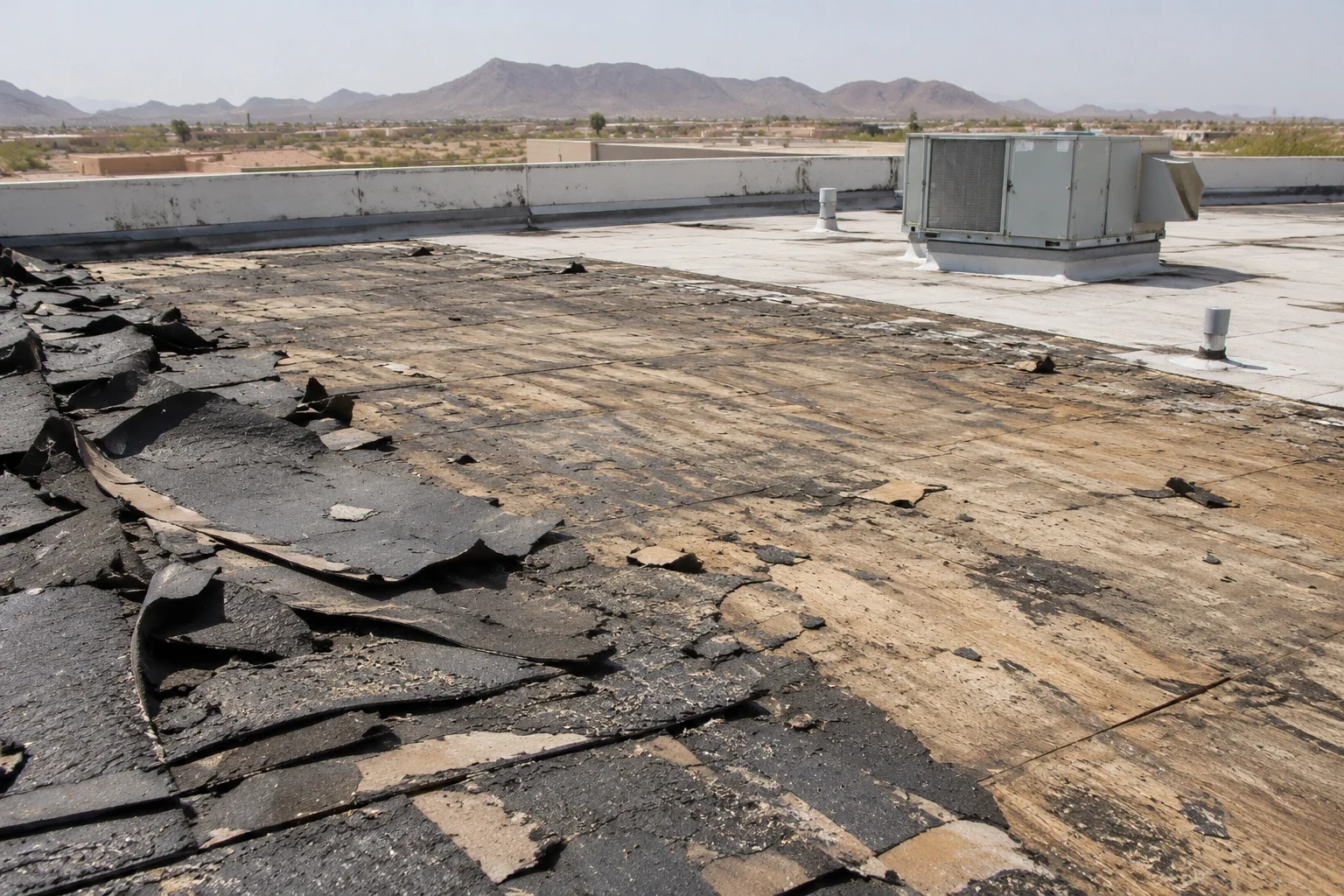
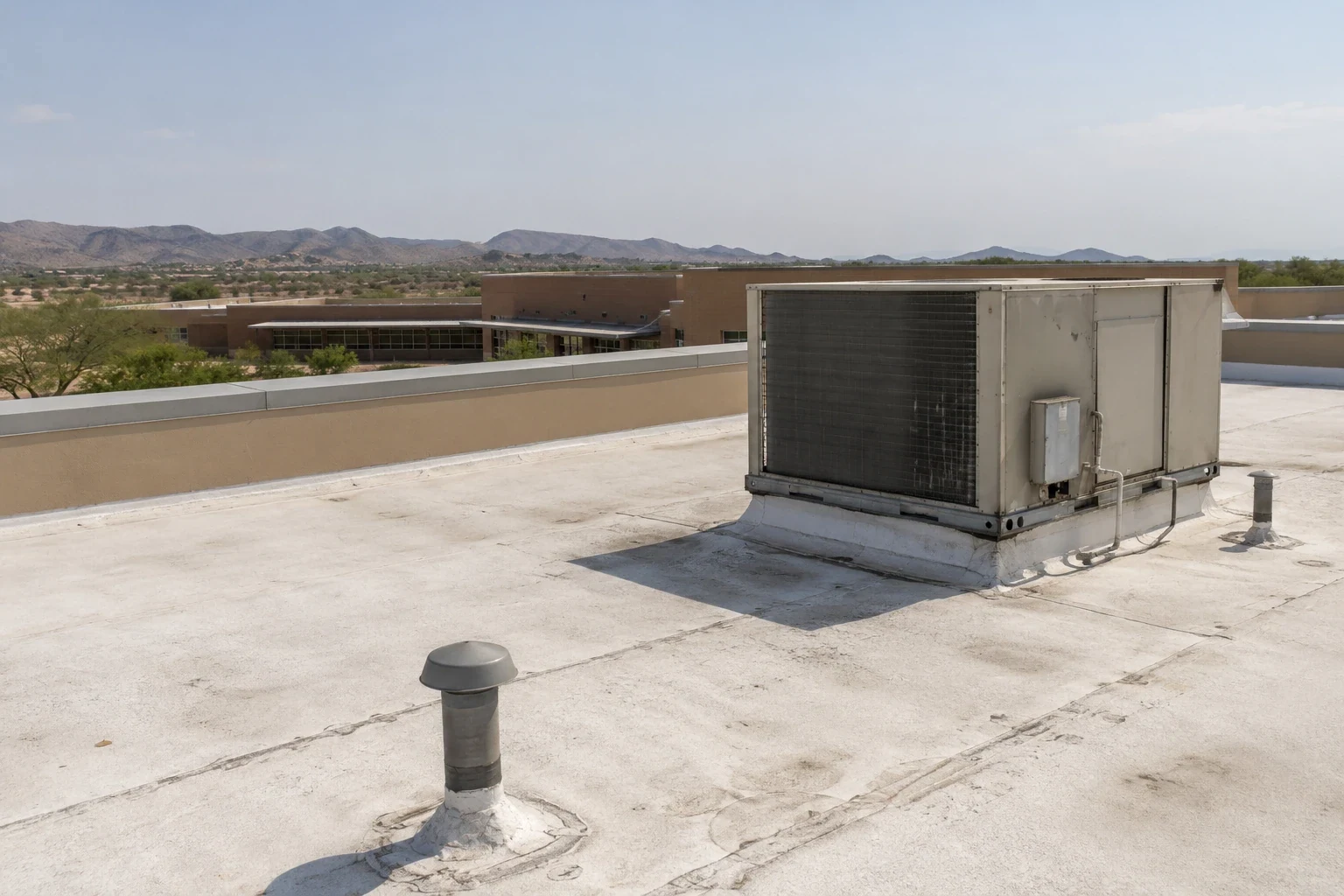
School roofing in Glendale, AZ, with located condition findings, campus-directed work preparations and clear comparisons for repair or phased replacement.
Rain during the monsoon season can expose a school roof concern at a detail well away from the interior report. We start by locating the observed water and the roof area to be examined, then build the construction discussion around the findings. A roof package should explain both the repair and how its work stage closes. The general contractor and campus contact need that information before setting preparation below an opening or discussing a proposed turnover date.
Glendale Elementary School District lists its administrative office at 7301 North 58th Avenue in Glendale, AZ. Glendale Union High School District lists its contact address at 7650 North 43rd Avenue. For a school roofing assignment, identify the particular campus, building and authorized representative arranging the survey. Bring available roof plans, water observations and earlier repair information to the pre-roofing meeting. We can discuss the condition examination and the campus instructions needed for the proposed work, with roof positions that distinguish one building or stage from another.
Keep the buildings and roof areas distinguishable
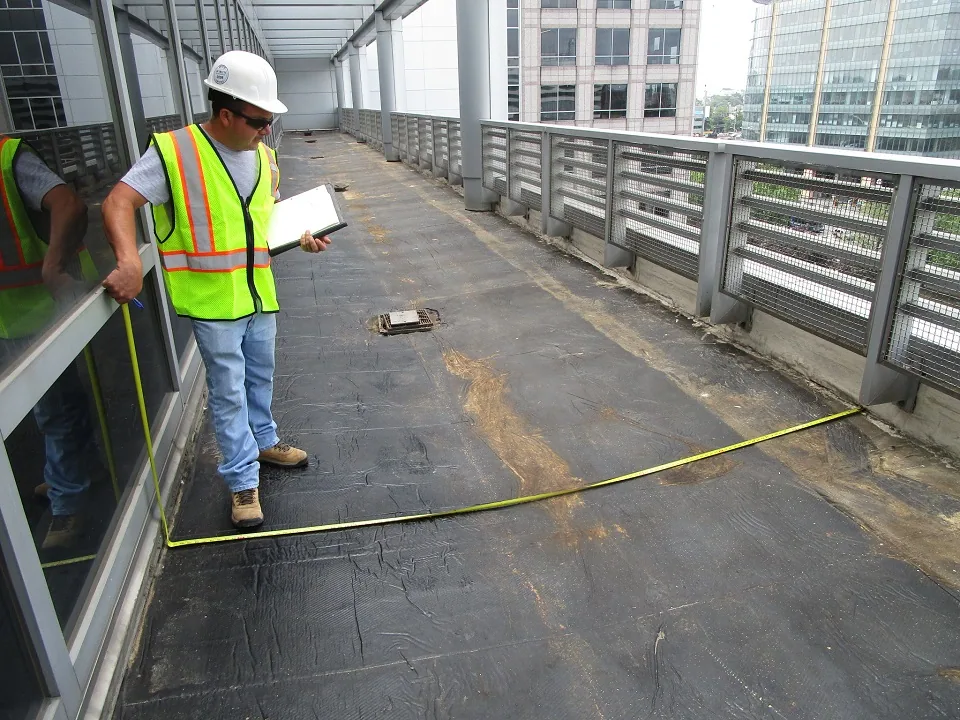
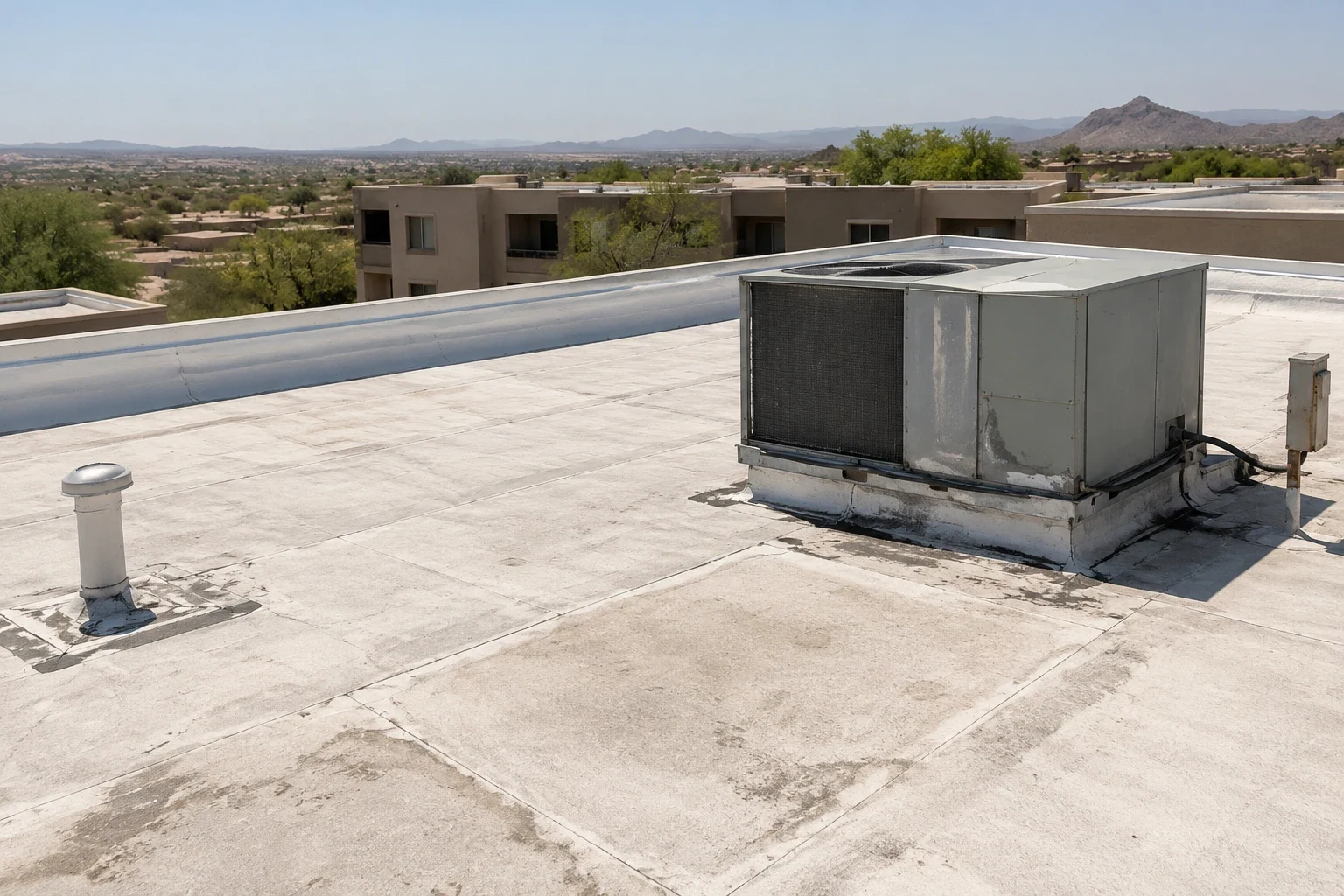
A campus assignment needs names or identifiers that the school contact and contractor both recognize. Mark the building, roof section and interior position for each water report. Use the same identifiers for inspection photographs and the proposed construction. A school roof survey can then show which areas were examined and what findings belong to each. Record limits in the examination and identify the access or further investigation required to address an unanswered area. The report should stay understandable when more than one roof is under review.
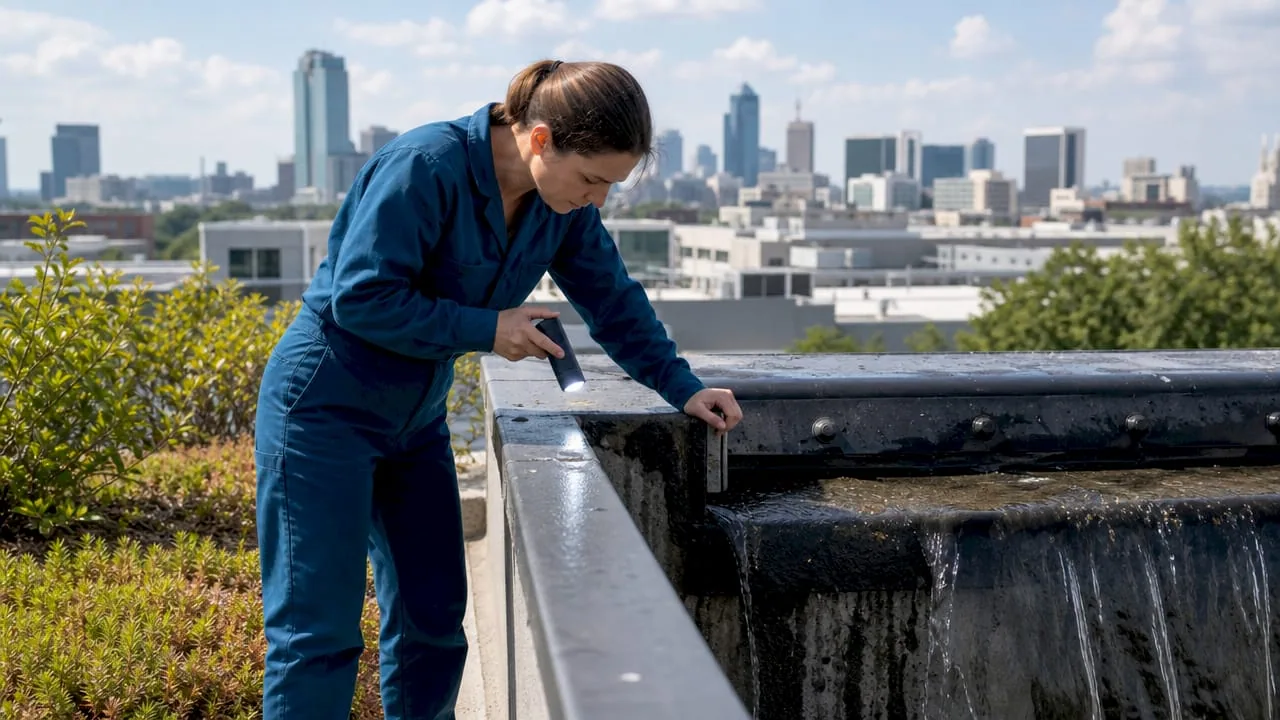
Compare the interior observation with nearby seams, flashing, openings and drainage. Ask when water was last seen and whether the timing helps distinguish rain from another source. Where equipment or an adjoining wall needs examination, identify the component and contractor responsible. For school roof leak repairs, locate the defect and explain why the work proposed addresses it. An investigation opening should have a defined position, protection and restoration agreed beforehand. Keep its exposed findings with the corresponding building record rather than treating all campus water reports as one roof problem.
Obtain campus directions for the actual stage
Show the school representative the opening, material handling and disposal routes. Ask which entrances, paths or spaces below need preparation and what access arrangements apply to the assignment. Obtain the campus directions for dust, intake locations, odors and noise relevant to the work area. The contractor should assign any protection, separation or relocation and confirm it is complete before roofing removal. These are practical stage decisions, and the representative needs a located drawing to review them.
The permitted work dates and areas should come from the school contact for the proposed project. Discuss those directions beside the roofing material's handling, preparation and installation requirements in the heat plan. With roof replacement above occupied school areas, match preparations beneath the work to the removal stage above. If the available space or access changes, review its effect on the roof footprint before continuing. The crew needs to understand the revised construction arrangement as well as the contractor responsible for confirming readiness.
Secure the perimeter and the water route
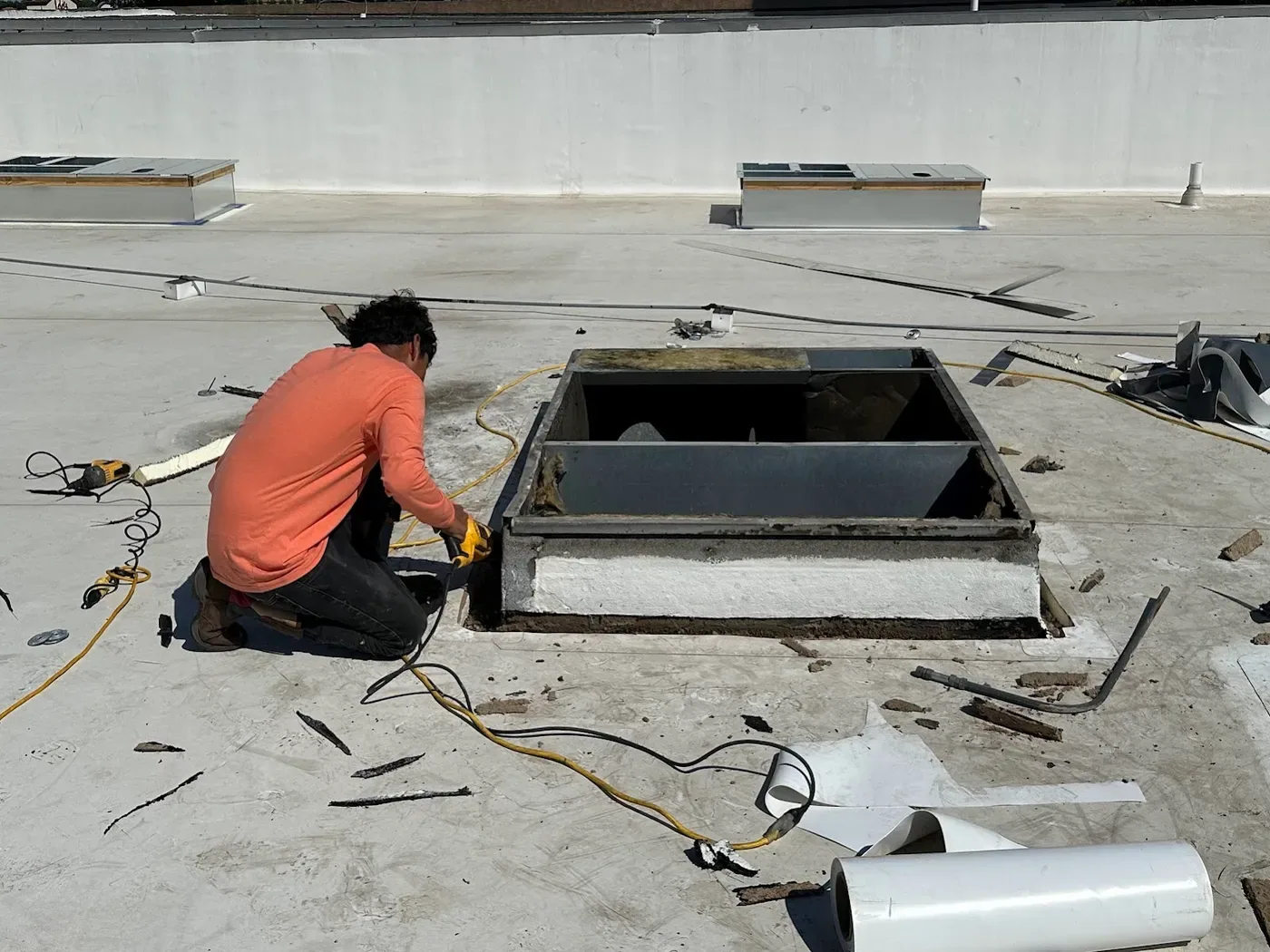
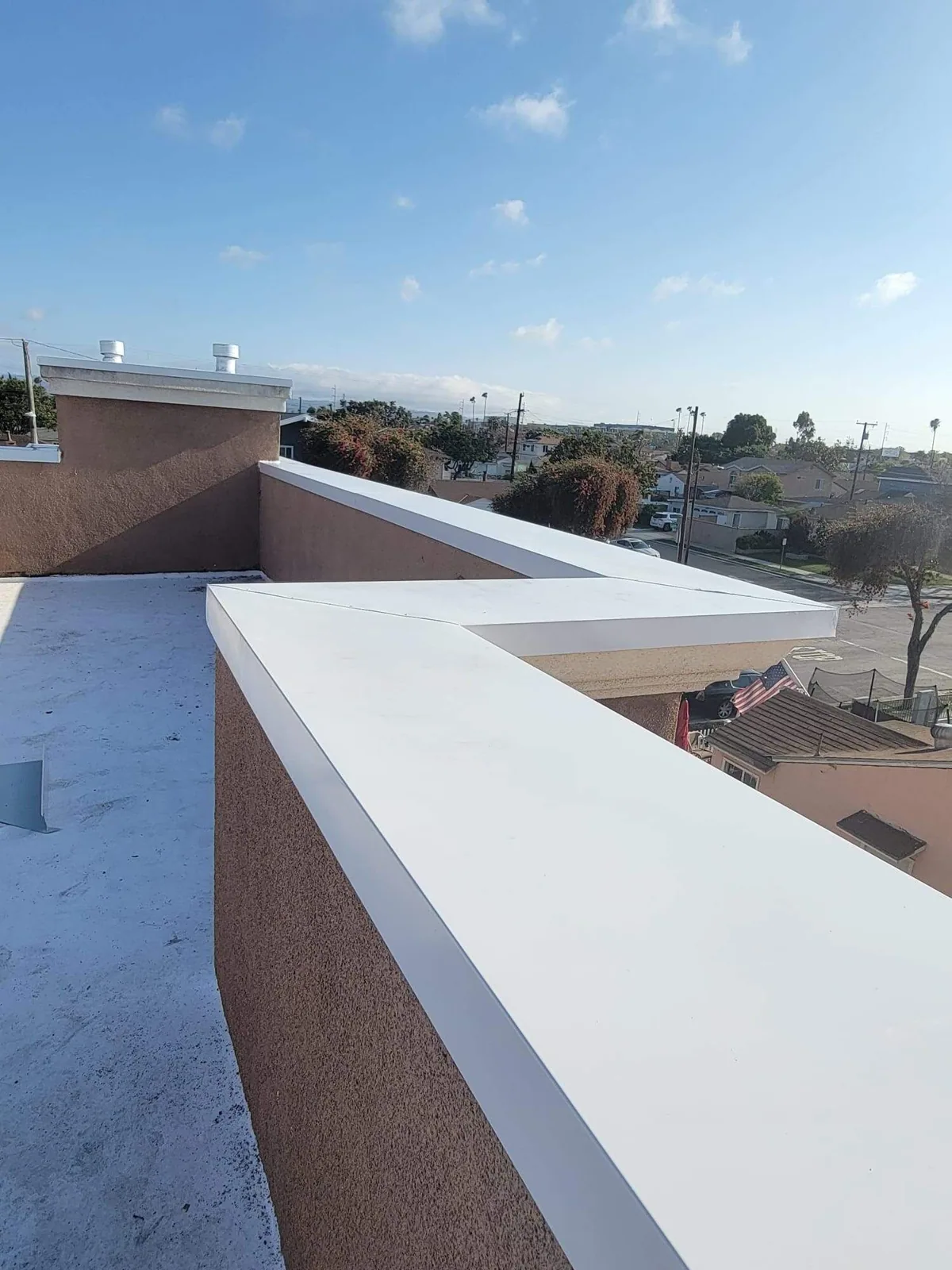
A roof stage may stop at a wall, an edge or a completed section of the same assembly. Inspect that boundary and establish how protection attaches until permanent construction is finished. Wall flashing needs sound backing and a defined upper termination. Where deterioration affects the supporting surface, assign its repair before roofing attachment. School roof edge and coping repairs should include the support, attachment and adjoining junctions required for the actual detail rather than only a metal length.
Check the outlets serving the work area and identify how water reaches them. With roof drain and scupper repairs, distinguish a flashing task from connected pipe or wall work. If a proposed change alters drainage, identify the qualified review needed for that arrangement. The monsoon interruption plan should show the amount opened and the water path left through the stage. A supporting trade delay needs an assigned next step and a protected roof boundary while that task remains unfinished.
Prioritize the work from located findings
Compare the extent of deterioration across the examined roof sections. A local junction defect may call for a defined repair, while wider damage needs further condition review. Explain any testing required for concealed moisture or supporting construction and what decision it will inform. The owner should see why a recommendation applies to one roof area and whether another area has a different finding. A prioritized proposal is more useful when its urgency and construction scope can be traced to the inspection rather than a generalized campus label.
A phased school roof replacement should define the assembly removed, exposed deck review and complete roof supplied in each stage. Include affected outlets, walls, equipment and edges. Use roof capital planning to place the inspected needs beside the options requiring an owner decision. Document how additional deterioration found during removal will be measured and reviewed. The contractor can compare the proposal with the campus directions using actual stage boundaries and supporting tasks instead of relying on a single campus-wide completion assumption.
Hand over a record the next survey can use
For a visit arranged through Historic Downtown Glendale, confirm the assigned campus entrance and building identifier before the survey. Related college and university roof projects or government building roofing need their own access and work-area directions. At this school's handover, return to the identified roof areas and review completed details with the contractor. Locate any remaining trade task and document how an unfinished portion remains protected.
Keep repaired positions, installed materials and completed photographs beside the original findings. Identify recommendations for further examination and work outside the completed scope. During the owner walk, explain the condition that still needs a decision and the building it concerns. A later water report can then be compared with the roof section inspected and the repair performed. The contractor has a clear record of its roofing contribution to turnover, and the school contact has a useful starting point for future maintenance or a subsequent roof survey.
More on School Roofing
Commercial Roofing Questions
How should multiple campus water reports be organized?
Use recognized building identifiers and locate each interior observation on the roof plan. Keep photographs, findings and repair scope tied to the same roof section.
Who supplies the permitted work arrangement?
The school representative provides directions for dates, access and affected spaces. The contractor assigns preparations and confirms them before removal begins.
What should a stage boundary accomplish?
It needs suitable attachment for protection and a defined route for water. Supporting repairs and incomplete trade tasks should be assigned before the roof is opened.
What helps prioritize different roof areas?
Located condition findings, the extent of deterioration and any required concealed-material investigation support the recommendation. Each area should have a reason for its proposed repair or renewal.
What information is useful after turnover?
Retain building identifiers, initial findings, repaired positions, installed materials and final photographs. Separate unfinished tasks and recommended further examination from completed construction.
Discuss the school roof stages
Bring the campus roof plan and water reports. We can review construction options, required preparations and the weather contingency with the school contact and GC.
Next steps for your building:
Related Roofing Work
More commercial roofing work for Glendale and West Valley properties.