College and University Roofing in Glendale, AZ
Home / Property Types We Roof / College and University Roofing
Request A
Roof Assessment
Tell us about the building and the roof. We reply with the next practical step for your property.
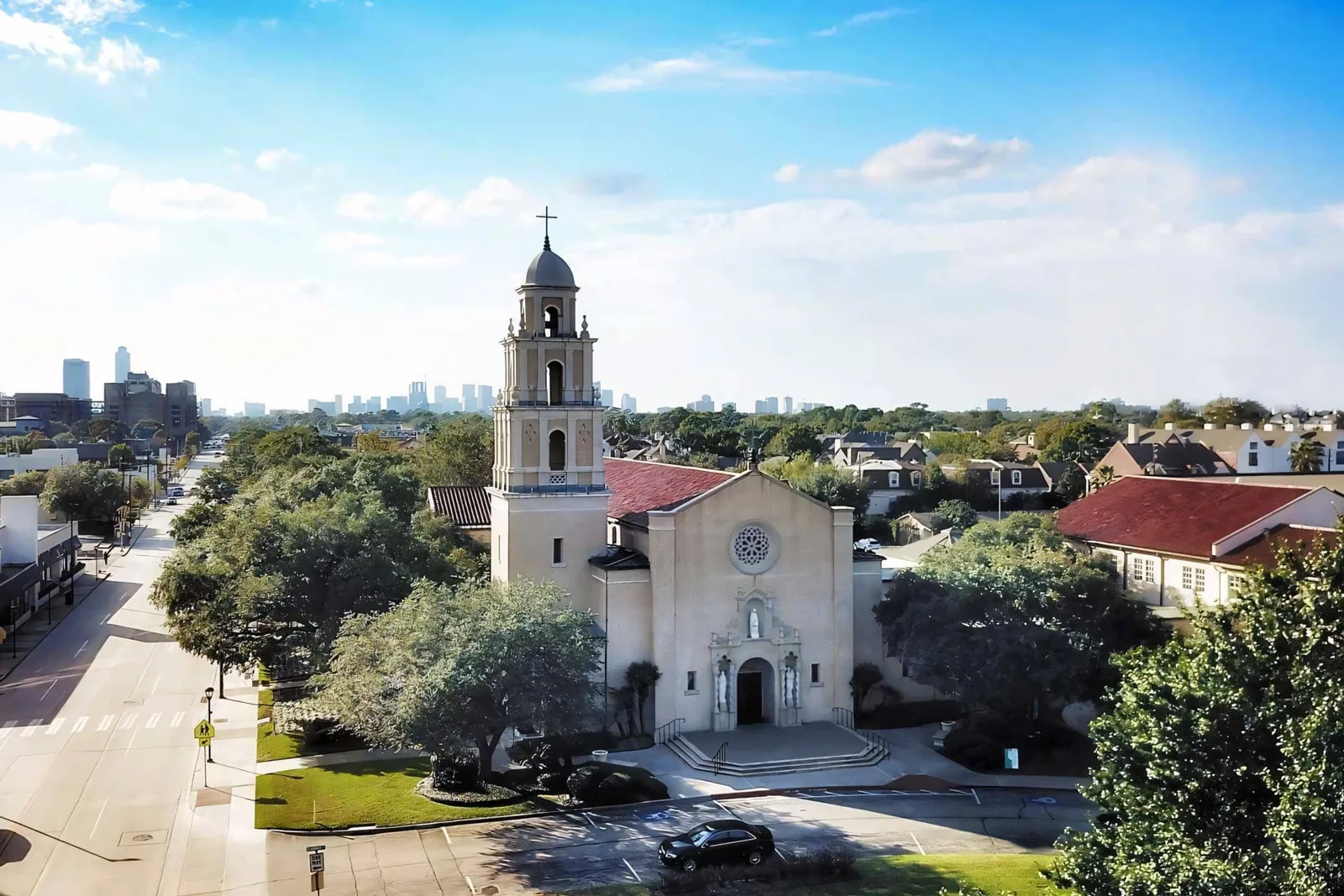
College roofing in Glendale, AZ, with assembly-specific surveys, roof transition repairs, campus-directed preparations and renewal options for GC review.
A monsoon work plan for a college roof begins with the junction where construction will stop. That may be a wall, an adjoining roof assembly or the finished edge of a replacement stage. We inspect that connection before deciding how much material to remove and what can remain secured if weather interrupts the work. The general contractor needs a roof package that explains those boundaries, particularly when a project connects new construction with roofing that stays in place.
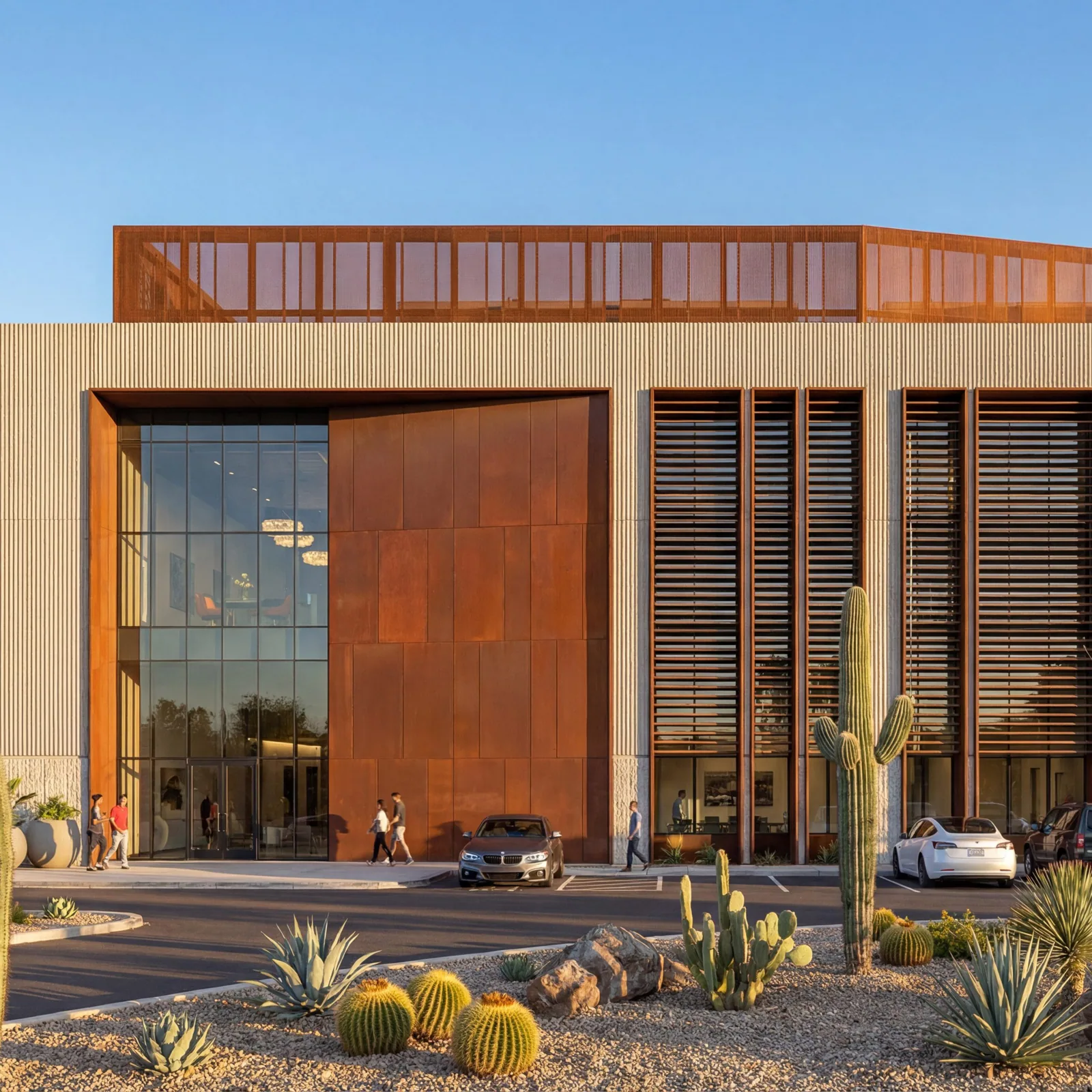
Glendale Community College lists its main campus at 6000 West Olive Avenue in Glendale, AZ. Midwestern University's Glendale campus contact address is 19555 North 59th Avenue. For a college or university roofing assignment, identify the specific building, roof section and representative arranging the survey. Bring the available roof drawings and condition records to a pre-roofing meeting. We can use them to plan an assembly-specific examination and discuss the campus directions needed for access and work-area preparation. The roof recommendation should reflect the construction observed on that assigned building.
Identify the assembly at each junction
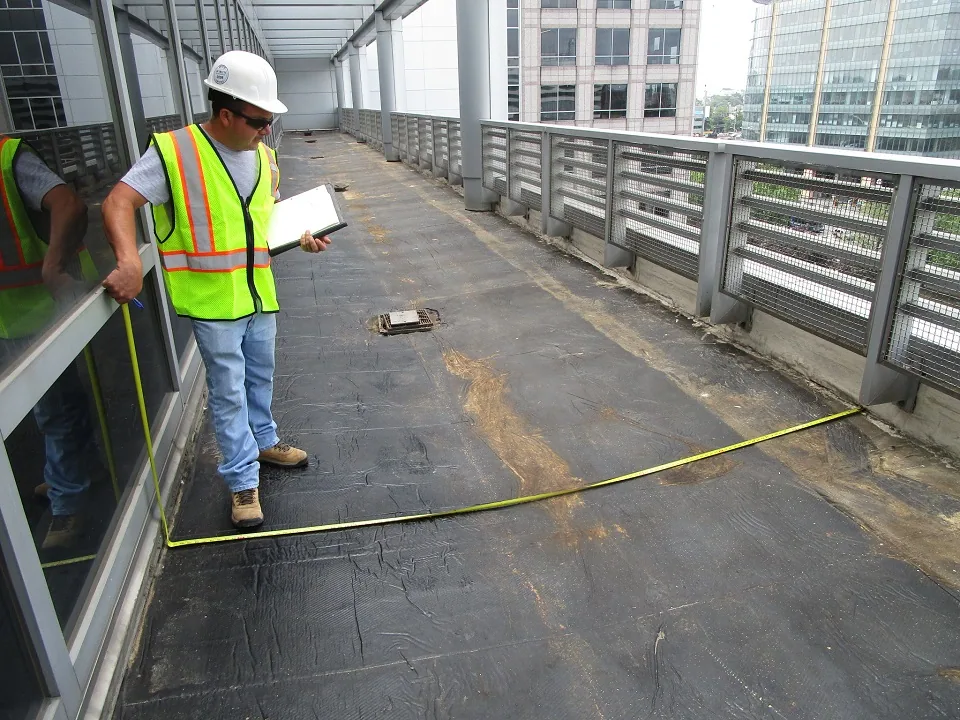
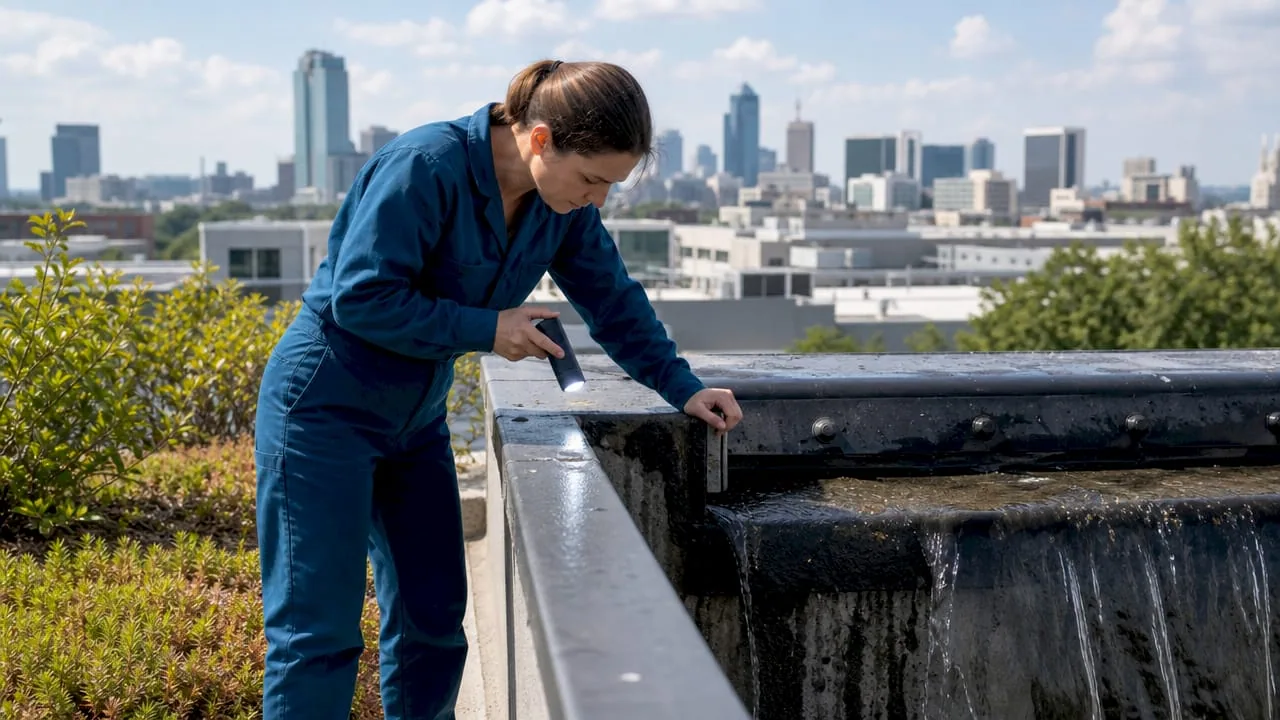
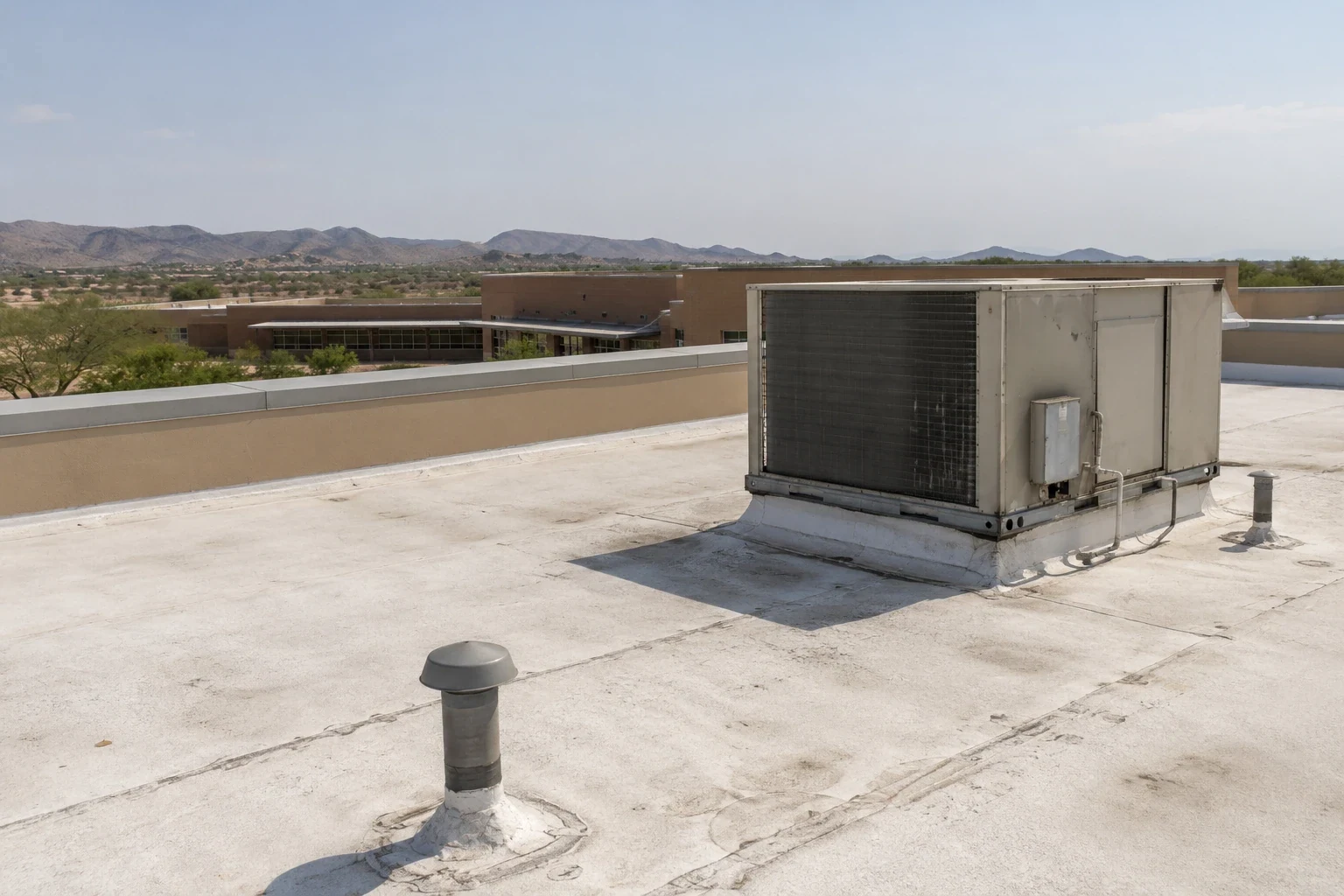
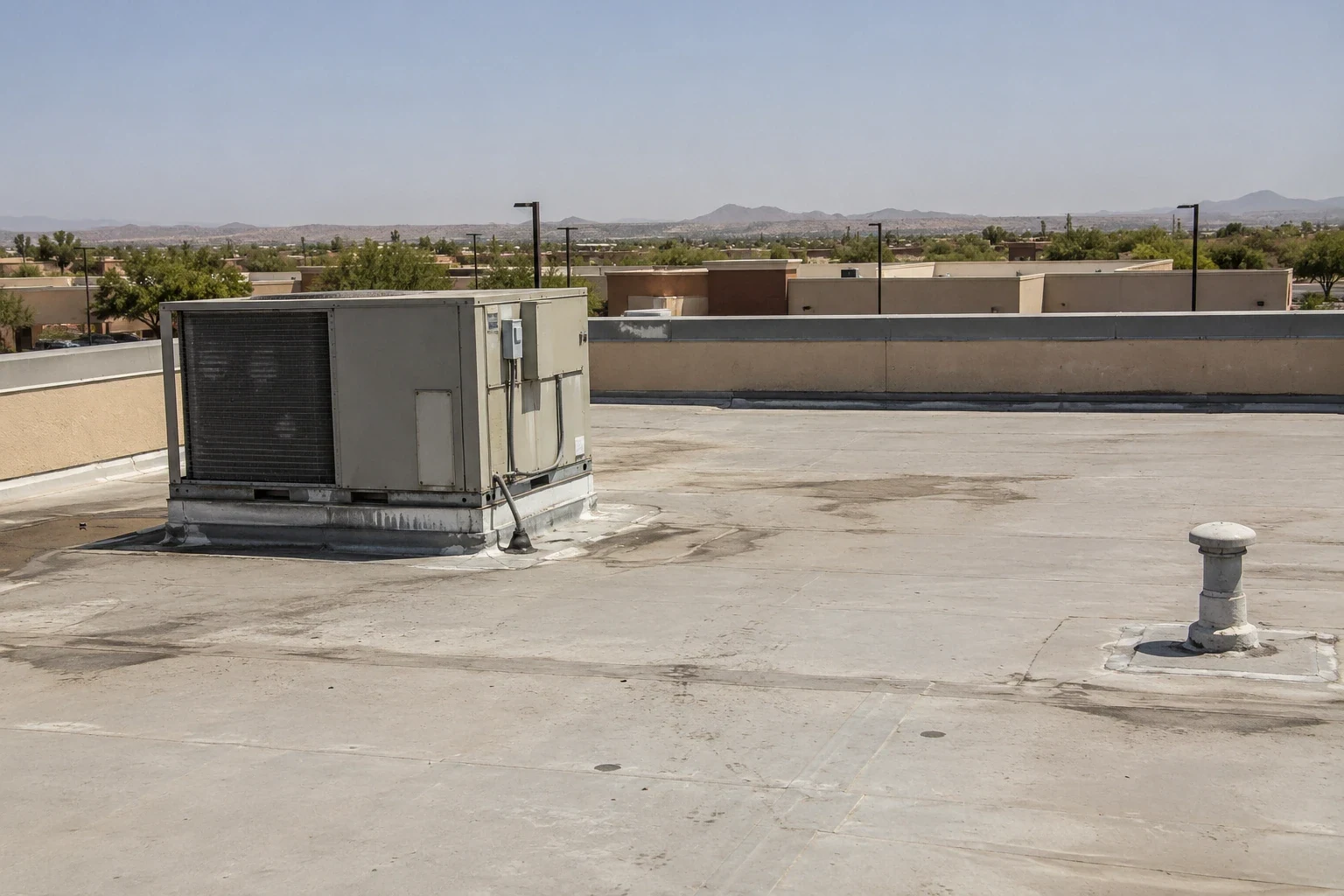
A roof survey should describe the material present and the connection being examined. Locate a change in roof construction, a rising wall or a penetration on the drawing and record its condition. If the material or attachment is uncertain, identify the further examination needed before choosing a repair. A college roof assembly inspection gives the owner and contractor a basis for comparing what can remain with what needs removal. The photograph should show the junction, not simply an unlocated view of a roof surface.
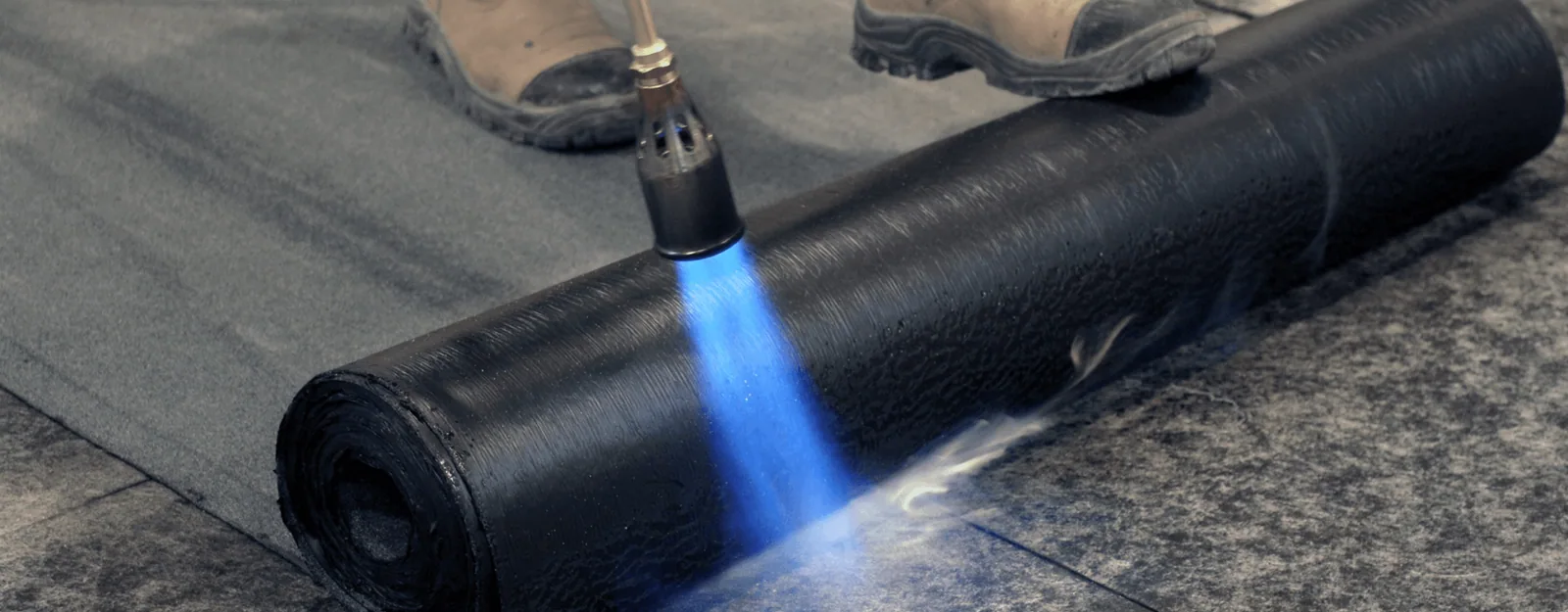
A retained assembly must have a suitable connection to the new work proposed. Explain the compatible material, attachment and preparation required for that detail. Where modified bitumen roof work is being considered, inspect the actual assembly and specify the repair or replacement construction appropriate to it. The system choice should follow examination rather than a campus-wide assumption. If a transition needs qualified design review, identify that question before the contractor commits to a removal boundary or a roof stage.
Trace water through the detail under review
Compare a reported interior water position with the roof assembly above it. Ask for the timing of the observation and any earlier repair photographs. Inspect relevant seams, flashing, outlets and openings, then explain which finding supports the proposed next step. Where water may involve a wall or equipment component, describe that separate examination for the responsible contractor. The roof record should make the difference between a visible defect and an unresolved path clear to the person deciding the scope.
For campus roof leak repairs, locate the damaged material and the sound construction the new work must join. An investigation opening needs an agreed position and restoration plan, with appropriate work-area preparation before it is made. Record the exposed condition before replacing material. If it reveals wider deterioration, show the changed extent to the contractor for review. A roof transition that appears small at the surface can require removal far enough to create a complete compatible junction, so the findings should explain that quantity.
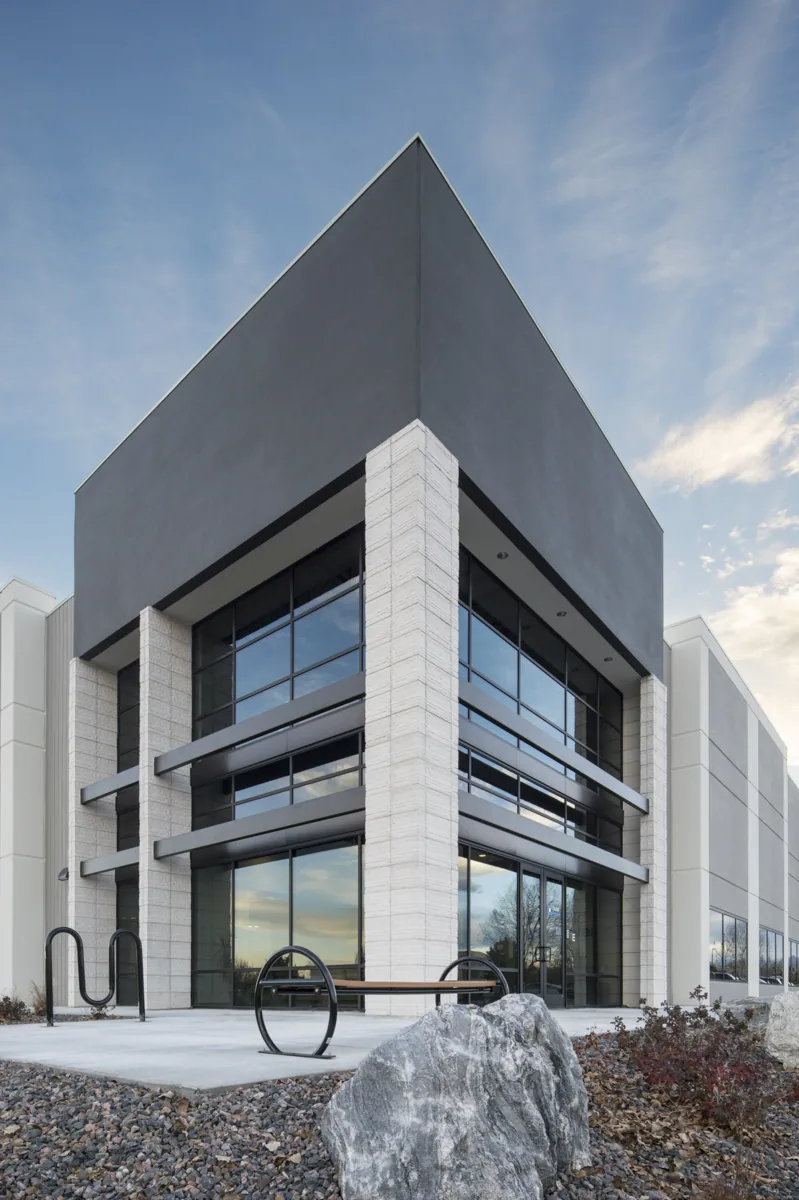
Resolve the backing and component tasks
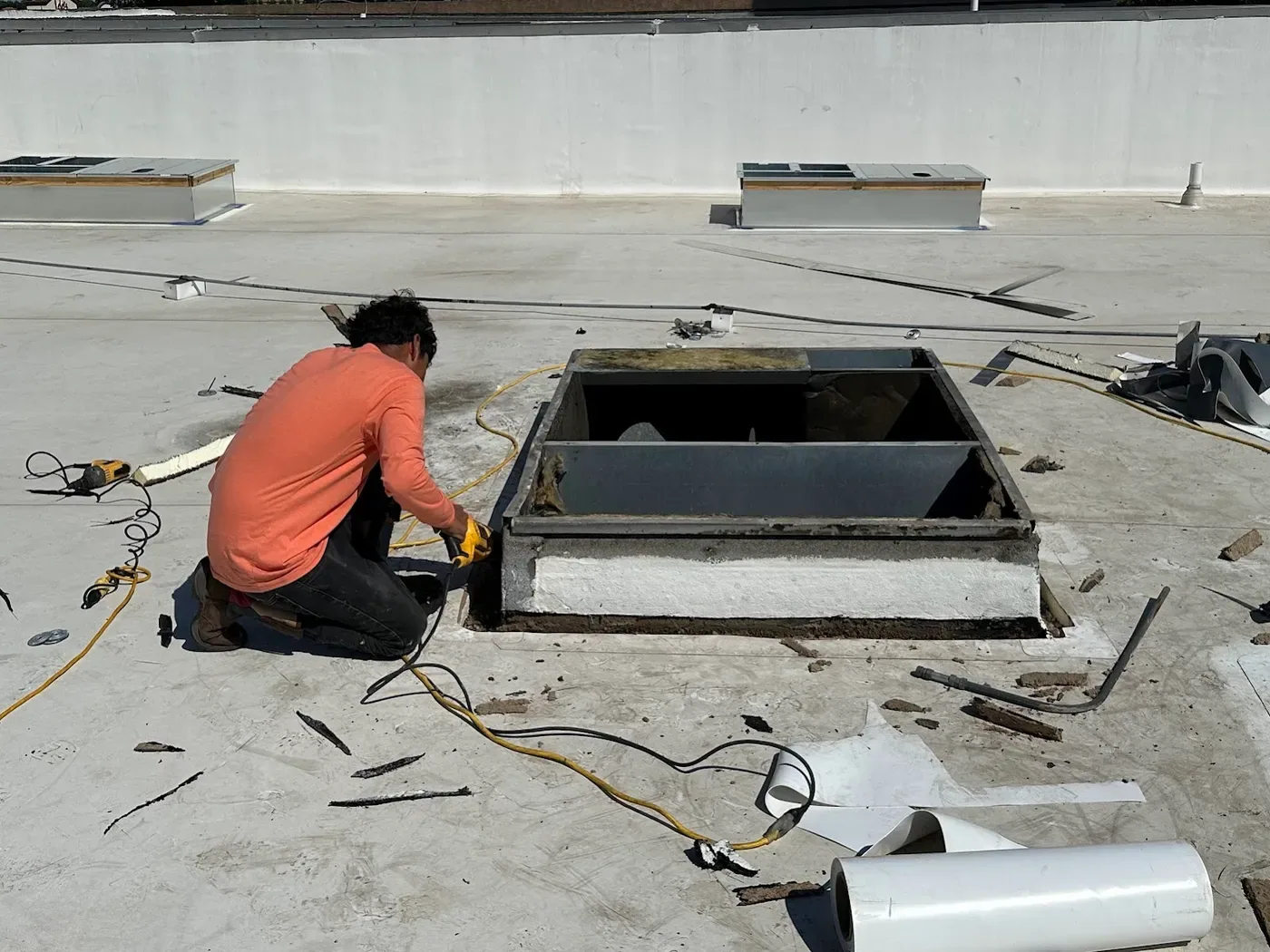
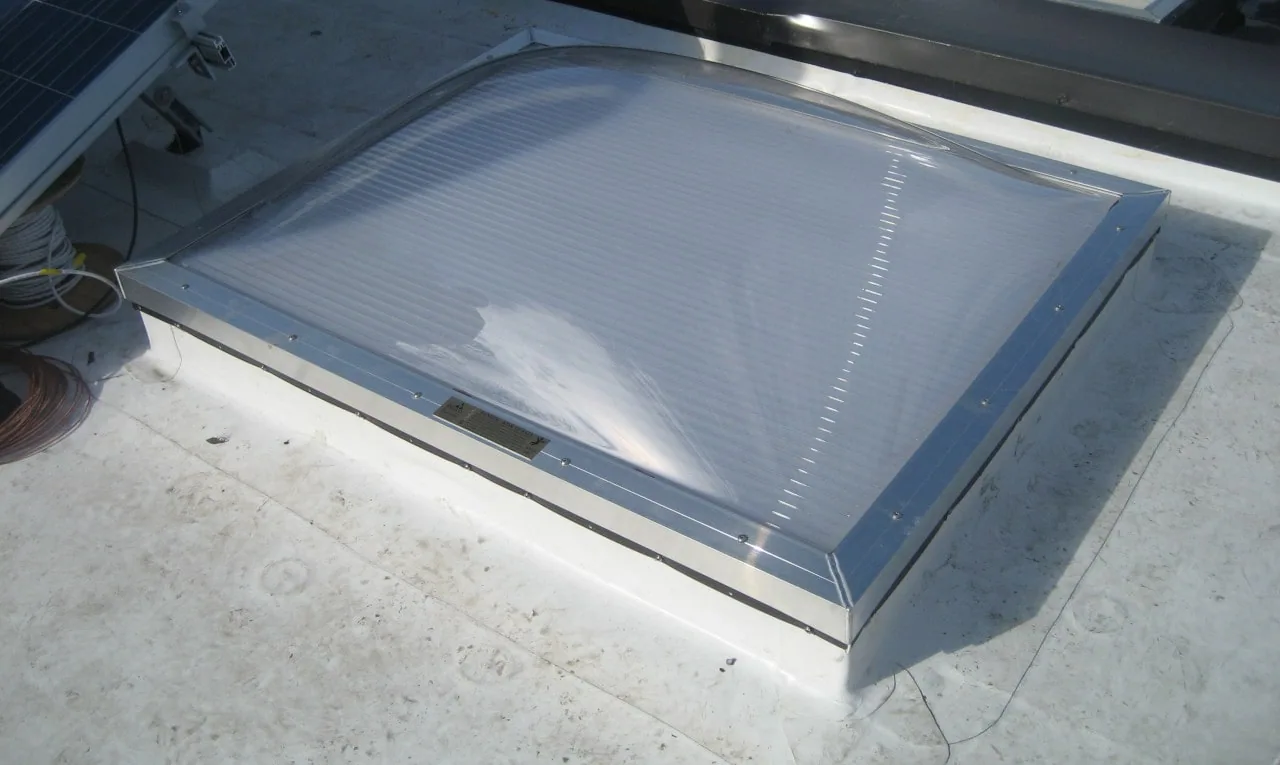
At a wall flashing, establish the condition of its backing and the upper termination. Identify a damaged wall surface or other supporting repair that must precede roofing attachment. At a pipe or curb, confirm whether the component stays in place or needs another contractor's work. Campus penetration flashing should be described around the completed component position. The GC should know which task makes the detail ready and how an open roof remains protected if that task is delayed.
Review the specified material's storage, preparation and installation requirements with the heat plan. Discuss the size of stage the crew can complete around the assigned supporting tasks. Examine drainage through that area, including any roof outlet and scupper work involved. Identify separate pipe or wall completion and any design review required for a drainage change. The interruption plan should keep these connections visible: where protection attaches, where water goes and who resolves the unfinished task before the permanent junction is installed.
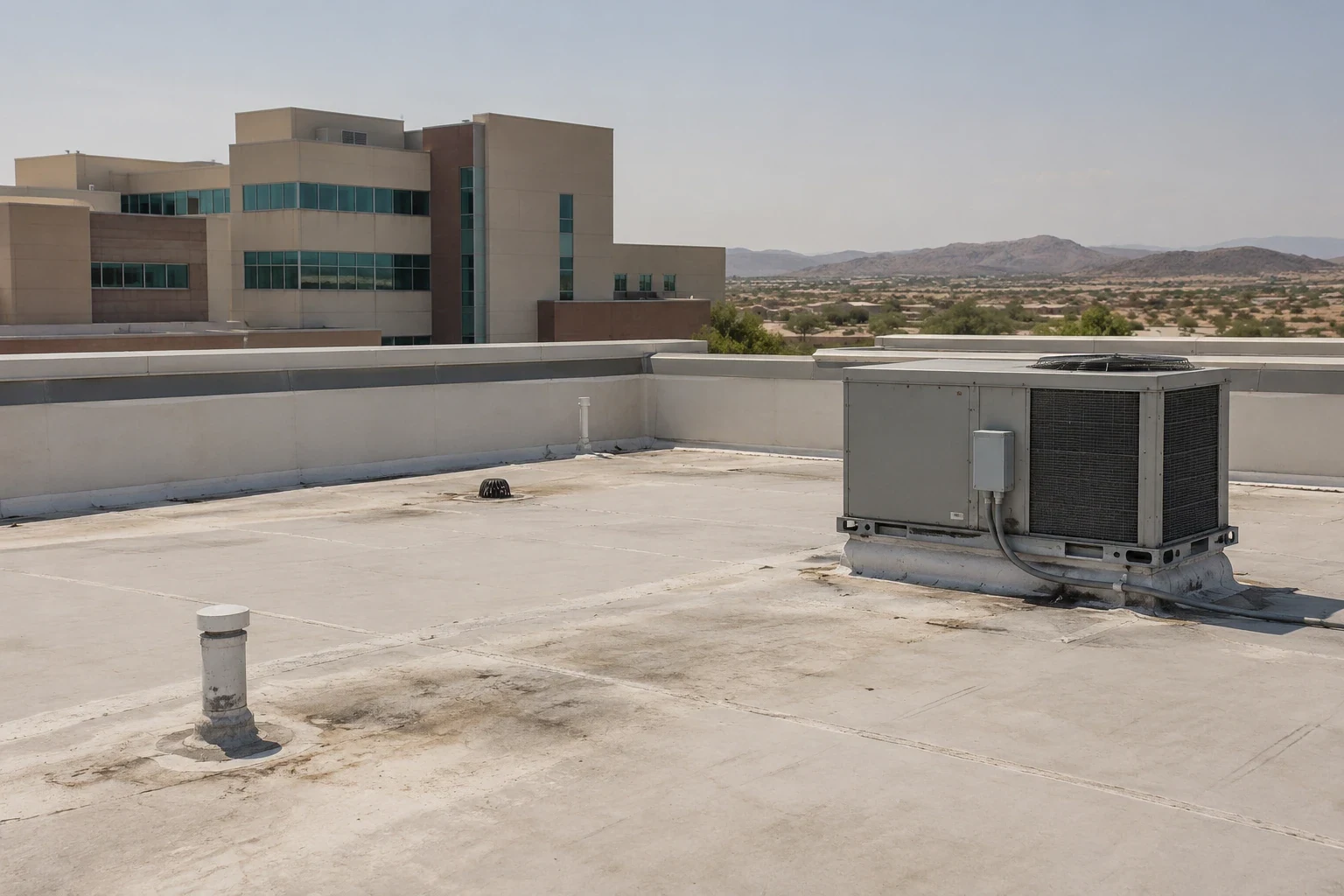
Obtain campus preparations for the construction route
Present the roof stage, material-handling positions and disposal path to the campus representative. Ask which entrances, routes and spaces beneath the work require preparation. Obtain directions for dust, intake locations, odors, noise and interior access relevant to the assignment. The campus supplies its permitted work arrangement, and the contractor assigns the tasks needed to meet it. Confirm readiness before removal and identify the person who reviews changes when the available work area or route differs from the original plan.
For a visit arranged through the Bell Road Commercial Corridor, confirm the specific inspection destination and entrance. Related school roof construction and office roof projects have their own facility instructions. This campus assignment needs its preparations matched to the actual opening and stage. If a route change affects material handling or closure, discuss its effect on the roof package before work proceeds. The turnover conversation should include these physical preparations alongside the permanent construction the crew will supply.
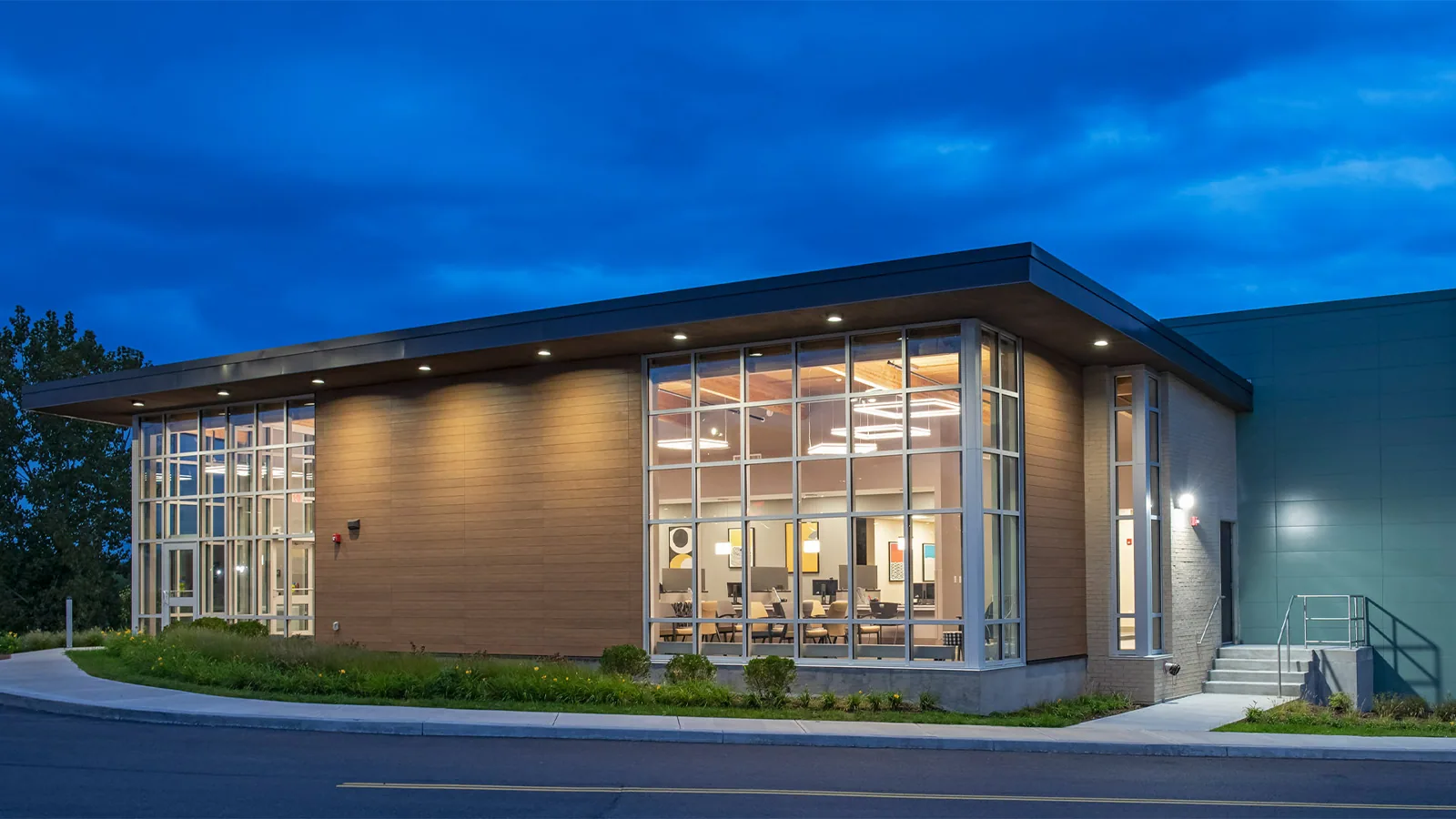
Compare renewal and preserve the junction record
Where the survey identifies broader deterioration, explain how much roof is affected and what further investigation is required. A local repair should have a reason grounded in the condition of adjoining material. A wider project should show why retained construction is unsuitable or what additional review could establish its condition. For college roof replacement, describe the removed assembly, exposed support examination and complete roof supplied, including transitions to retained work. The contractor and owner can then compare options using the construction involved.
At handover, photograph the completed junctions and locate them beside the original observations. Record installed material and any unfinished component task or temporary protection. During the owner walk, compare the roof with the agreed scope and explain recommended further examination. A future survey should be able to distinguish the replaced area from retained construction and follow the repair history at a transition. That record gives the GC a clear roofing closeout and the campus contact useful information for later decisions about the remaining roof.
More on College and University Roofing
Commercial Roofing Questions
Why identify different roof assemblies in the survey?
The material and attachment at a junction affect compatible repair construction. Describe the observed assembly and any further examination needed before choosing what remains or is removed.
What should a transition repair show?
Locate the connection, removal boundary, preparation and finished junction. Include any supporting wall or component task required before roofing attachment.
Who sets campus work routes and preparations?
The campus representative supplies directions for the assigned area. The contractor reviews handling and disposal positions, assigns preparations and confirms readiness.
What supports a wider renewal recommendation?
The survey should locate deterioration and explain the condition of retained construction. Required investigation should clarify why a local repair is sufficient or which broader assembly is needed.
How is the retained roof documented at closeout?
Show the completed junction and the construction remaining beside it. Keep located photographs, installed material and outstanding recommendations with the original findings.
Review the campus roof connections
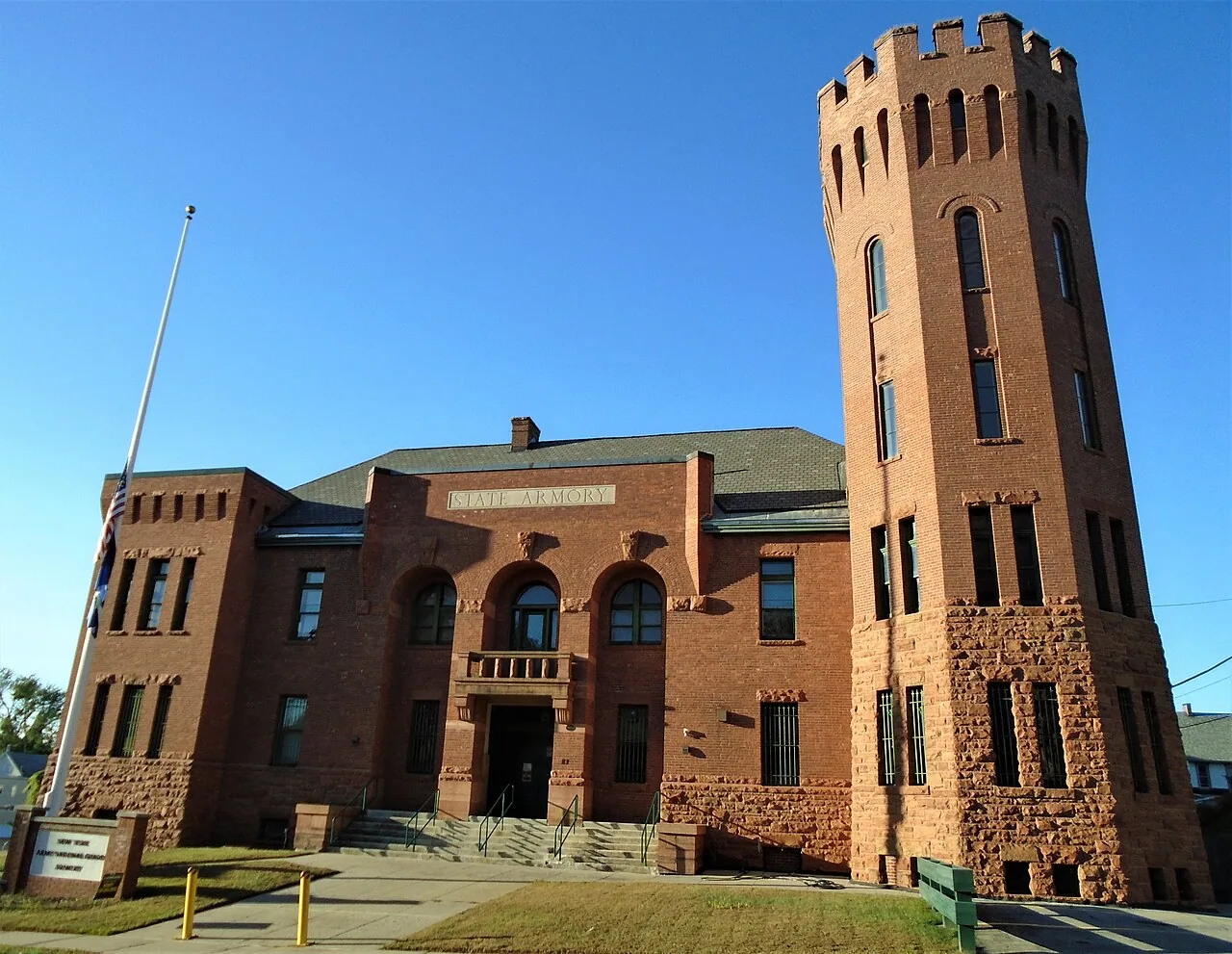
Bring the roof plan and available condition records. We can discuss assembly transitions, construction stages and campus preparations with the general contractor.
Next steps for your building:
Related Roofing Work
More commercial roofing work for Glendale and West Valley properties.