Auto Dealership Roofing in Glendale, AZ
Home / Property Types We Roof / Auto Dealership Roofing
Request A
Roof Assessment
Tell us about the building and the roof. We reply with the next practical step for your property.
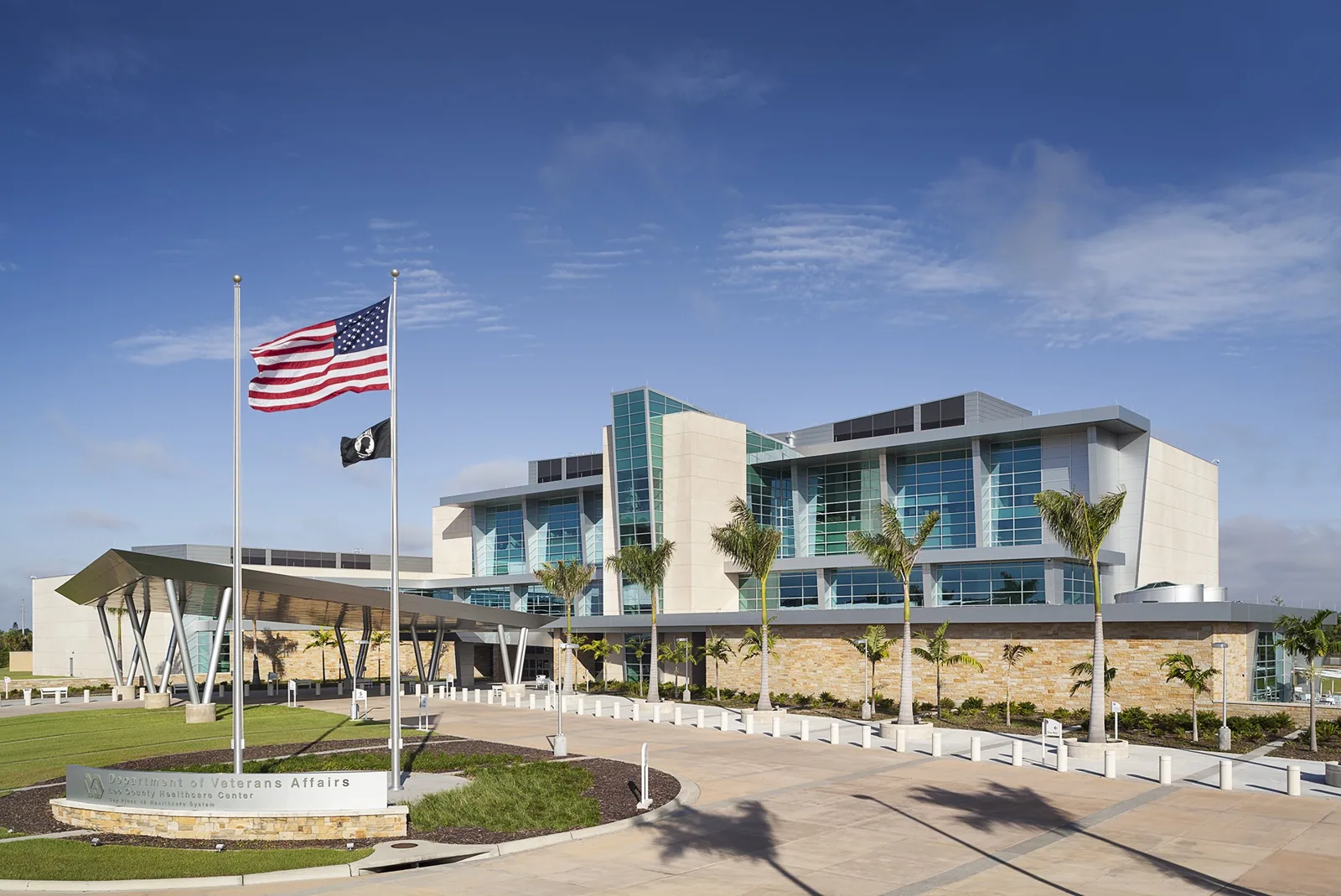
Auto dealership roofing in Glendale, AZ: leak tracing, edge metal and HVAC curb repairs, scheduled around showroom traffic and vehicle inventory.
Before monsoon season, a dealership manager usually needs two answers about the roof: where the water is coming in, and what has to move before a crew can fix it. Leaks over a showroom or service drive tend to show up right where customers and inventory are. We find the leak on the roof, show you the detail that failed and walk the showroom, service bays and lot with your contact to see what sits below. The estimate spells out how far the repair goes and what prep it needs. That gets settled before anyone talks dates, and it separates a roof leak from a leaking HVAC unit or wall.
Sanderson Ford lists its address as 6400 North 51st Avenue in Glendale, AZ, and Glendale City Hall is at 5850 West Glendale Avenue. Whatever your dealership's address, tell us which building needs the inspection and who will let the crew up. Bring any leak notes, past roof invoices and known HVAC problems to the first meeting. We will tell you what we need to check and what your team should plan for, such as moving inventory, protecting cars or closing a bay before work starts.
Roof leak or HVAC leak?
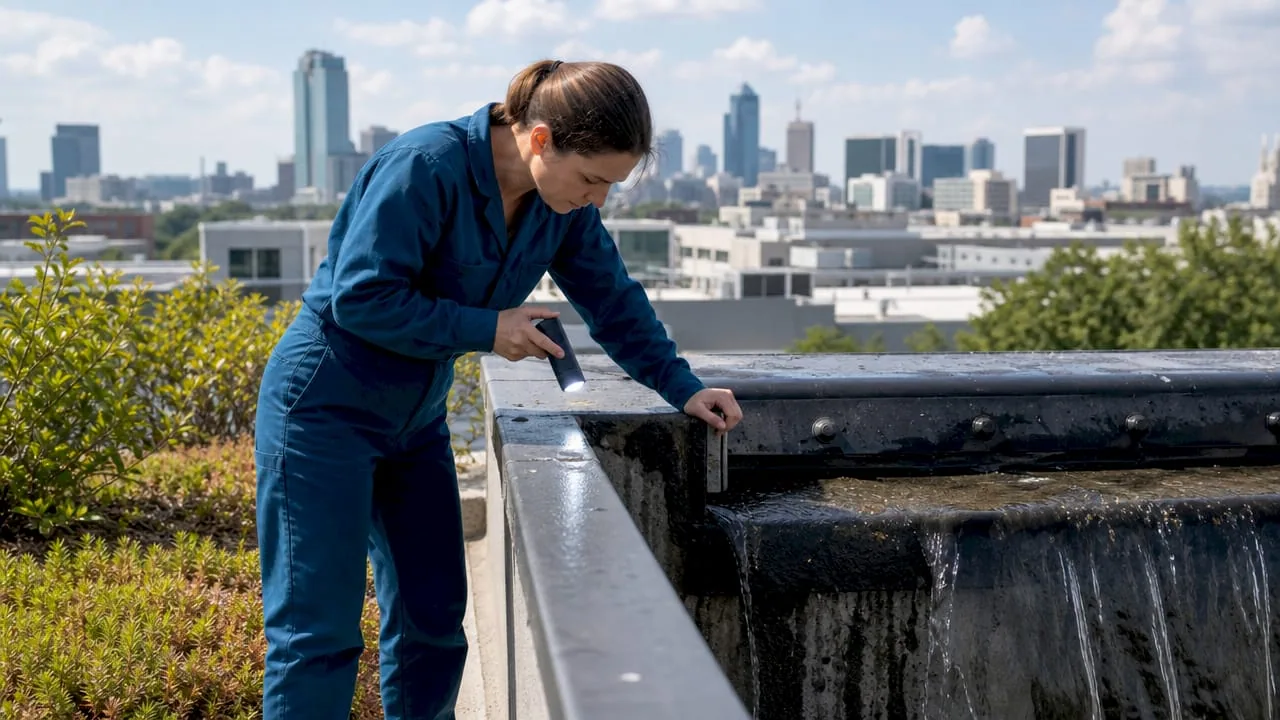
First we ask when the water showed up, where someone first saw it and whether it was raining or the AC was running hard. Then we mark the spot inside and check the roof above it: penetrations, wall flashing, curbs and the nearest drains. Our leak repair work ties every interior leak to a specific spot on the roof. If the evidence points to a clogged condensate line or a cracked unit housing instead, we tell you and name the trade that should look at it. You get a real next step, not a blanket repair line that leaves the source unexplained.
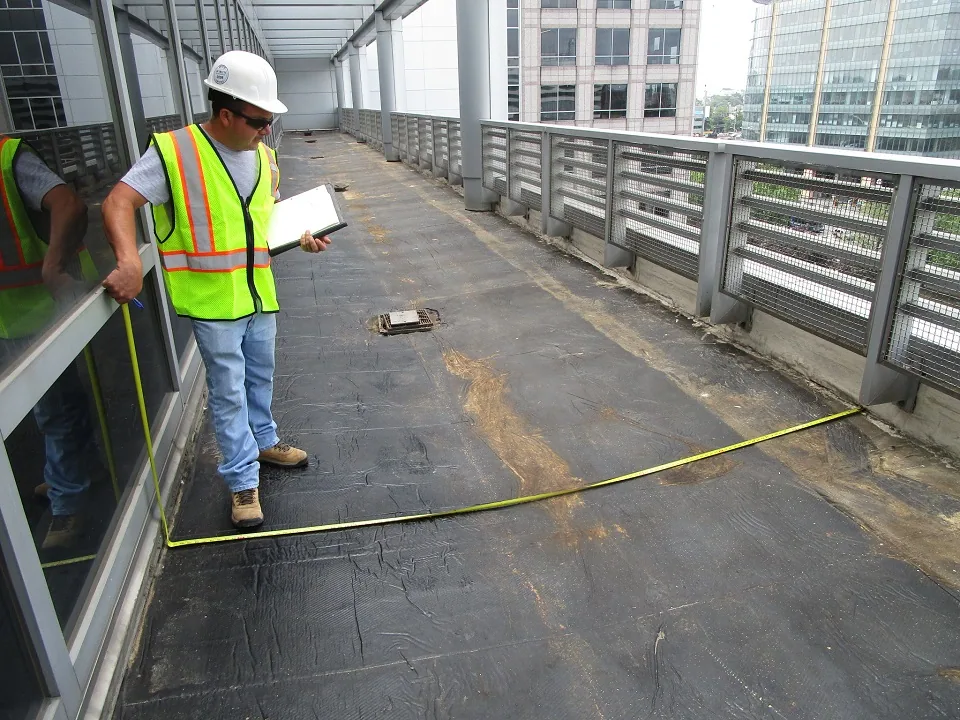
A roof inspection notes the membrane type, visible damage and anything we could not reach. Checking under the membrane may mean a small test cut, which we patch the same day. We photograph what we find and explain how it changes the repair. Water also travels. A leak over the service desk can start well away from the stain, where a lower roof meets the showroom wall. We mark the leak, the findings and open questions on a roof plan your contractor can work from.
Edge metal, coping and wall flashing
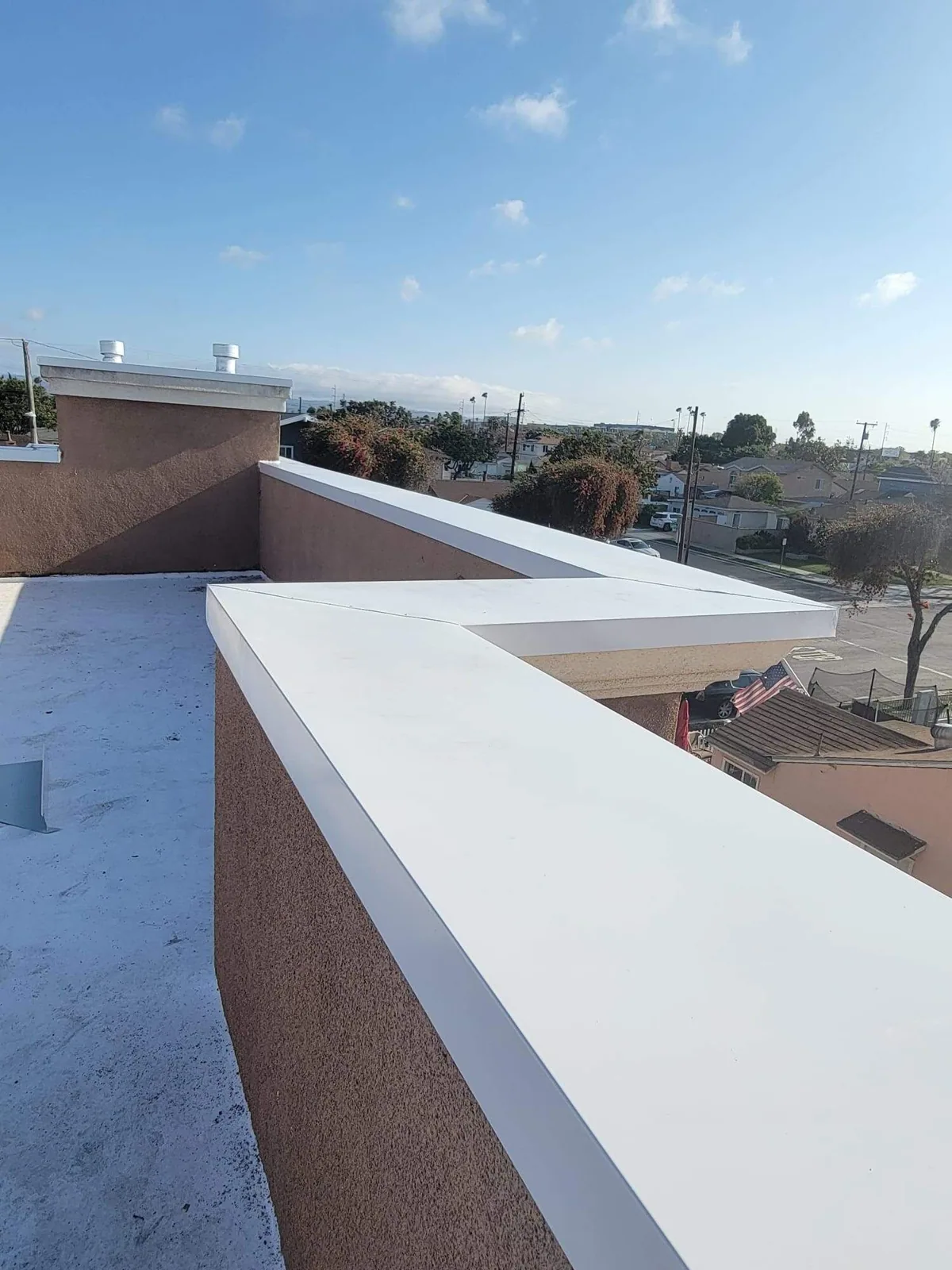
When edge metal or coping comes loose in a monsoon wind, the real problem is usually the wood nailer behind it, not the metal. We check that nailer and the membrane fastened to it. Rotted or loose wood gets replaced before new metal goes on, or the new metal will come off the same way. Our edge metal and coping estimates say where the new section starts and stops and how the corners are handled, so it ties cleanly into the old metal on either side. If the parapet needs masonry or stucco work first, we name it so it is done before our crew needs to fasten there.
At wall flashing, we check the base where it meets the roof and the top where it is terminated and counterflashed. We say how much old flashing has to come off to reach solid wall. Sealant cannot save a flashing with nothing solid behind it. If the stucco, block or metal panel above needs repair, that belongs to whoever handles the wall, and we say so. Hidden damage we uncover is photographed and measured. You can compare a change order with the original quote, and the contractor knows what prep the top of the flashing needs.
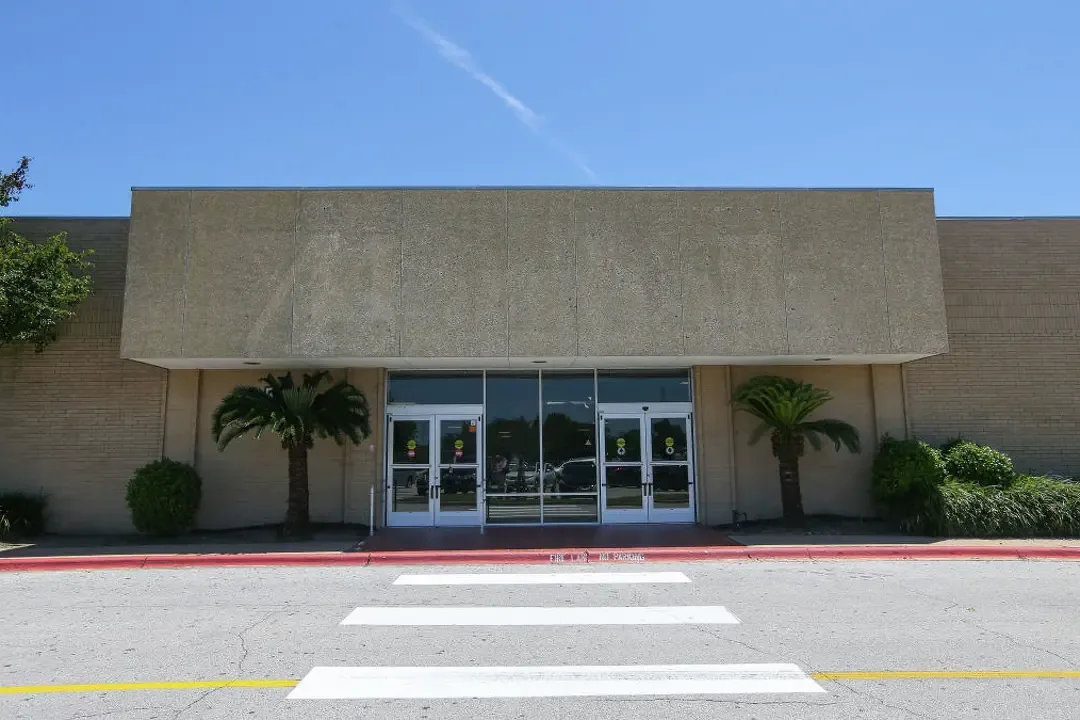
Working around rooftop units
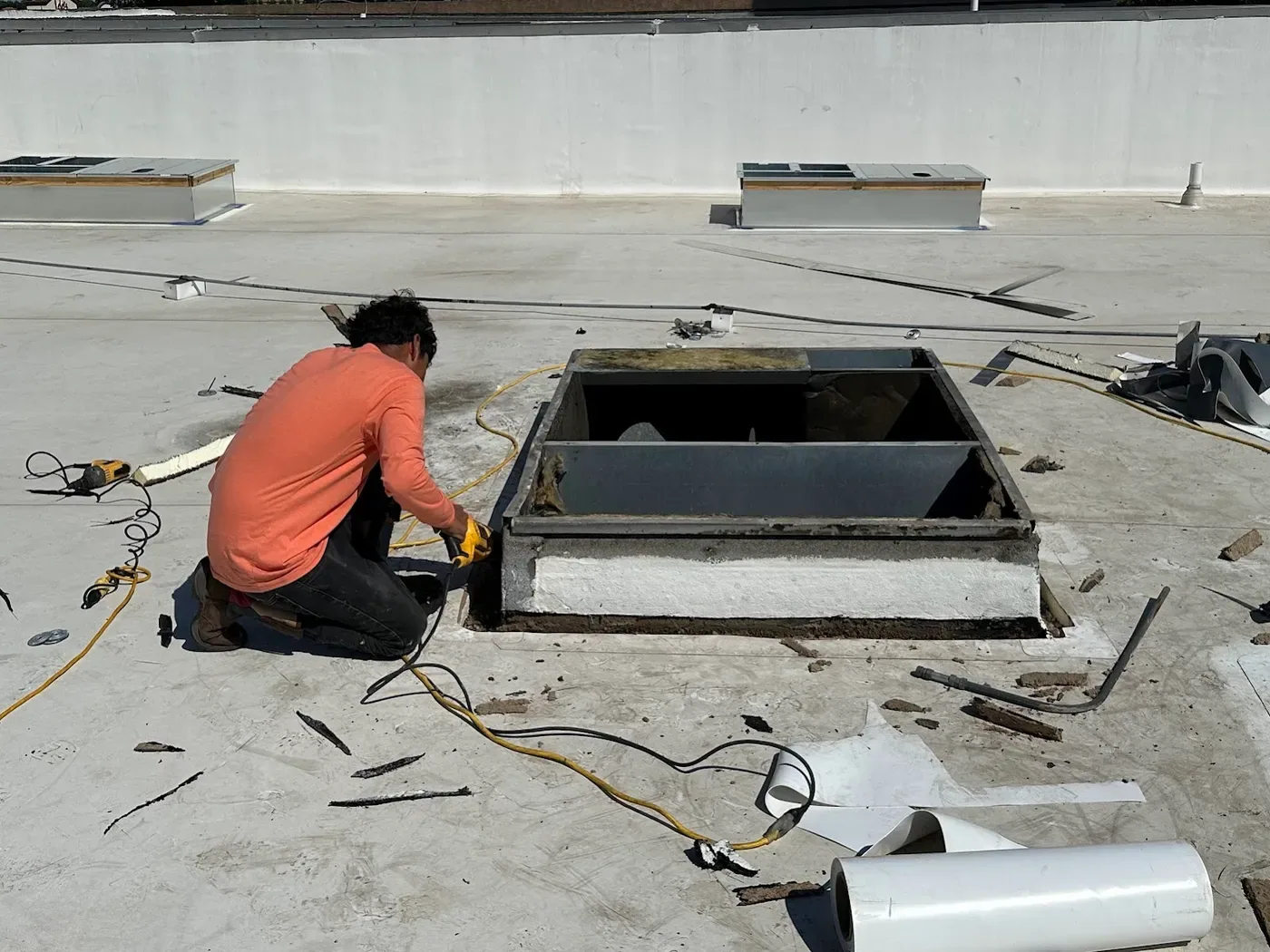
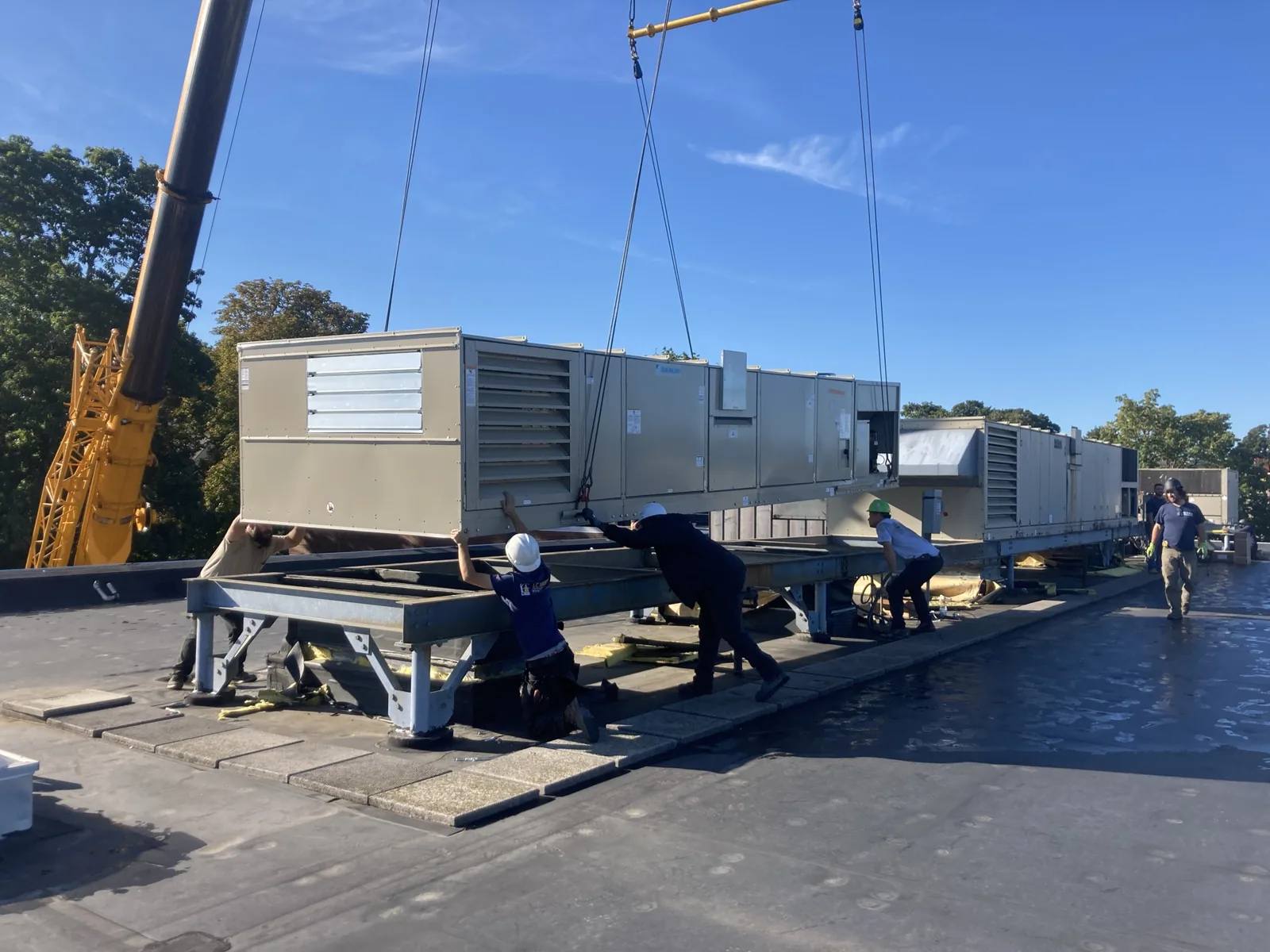
Rooftop units over the showroom and service bays are a common leak point on dealership roofs. If a repair means lifting a unit, someone has to disconnect it, lift it, rebuild or raise the curb and reconnect it. That is usually HVAC work, not roofing. Our curb and equipment support estimates list what we rebuild and what the mechanical contractor handles. The general contractor confirms who does what before we cut the roof open around the unit. If the HVAC crew runs late, the opening gets a weather-tight temporary seal and a named person is responsible for getting it finished.
We also check the drains in each work area, from the strainer and clamp ring to the membrane around the bowl. For drain and scupper repairs, we keep the roof flashing separate from any pipe or drainage design work. Summer heat matters too: adhesives and primers have temperature limits, so crews start early to stay ahead of the afternoon sun. During monsoon season we only open as much roof as the crew can close the same day. Opening more before the other trades are ready leaves the building exposed when a storm rolls in.
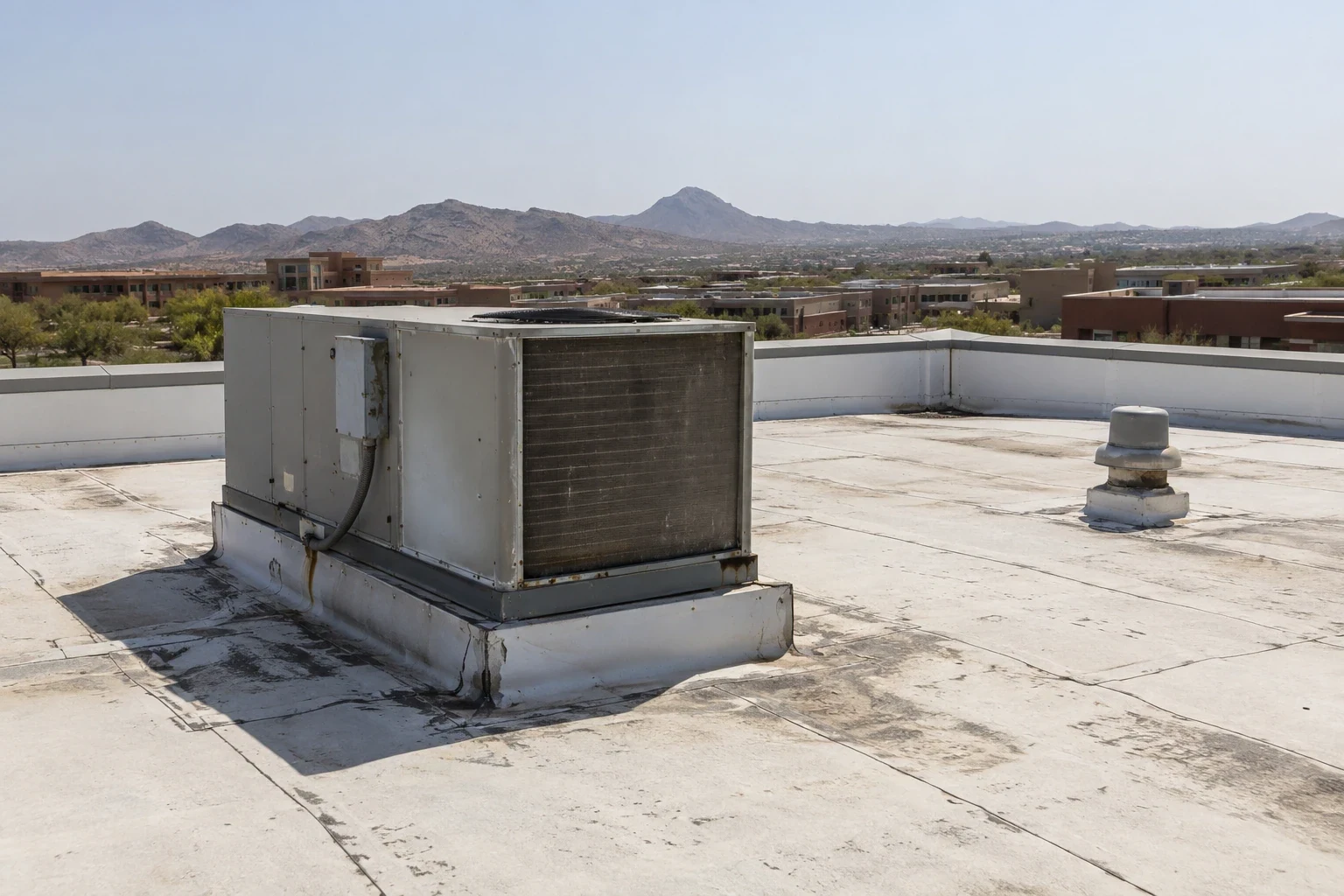
Protecting inventory, customers and the service drive
We show your contact on a site plan where old roofing comes off, where the dumpster and material lift go and where crews will walk. You tell us where cars are parked, which entrances customers use and which bays stay open. The dealership decides how its vehicles get moved or covered. Our crew sets up the protection and confirms it is in place before tear-off starts. Dust, noise, roofing odors and rooftop air intakes get talked through for each area. A marked plan makes it easy to see which areas are ready and which still need something moved.
For reroofing over an open showroom, we agree on what protection goes below the work and who approves it if the work area grows. If you are coming from Arrowhead, confirm the exact building before the visit. Big-box retail roofs and flex industrial roofs bring their own staging and interior protection needs. We keep your dealership's rules with this job's plan, and the schedule reflects the real prep and HVAC coordination involved.
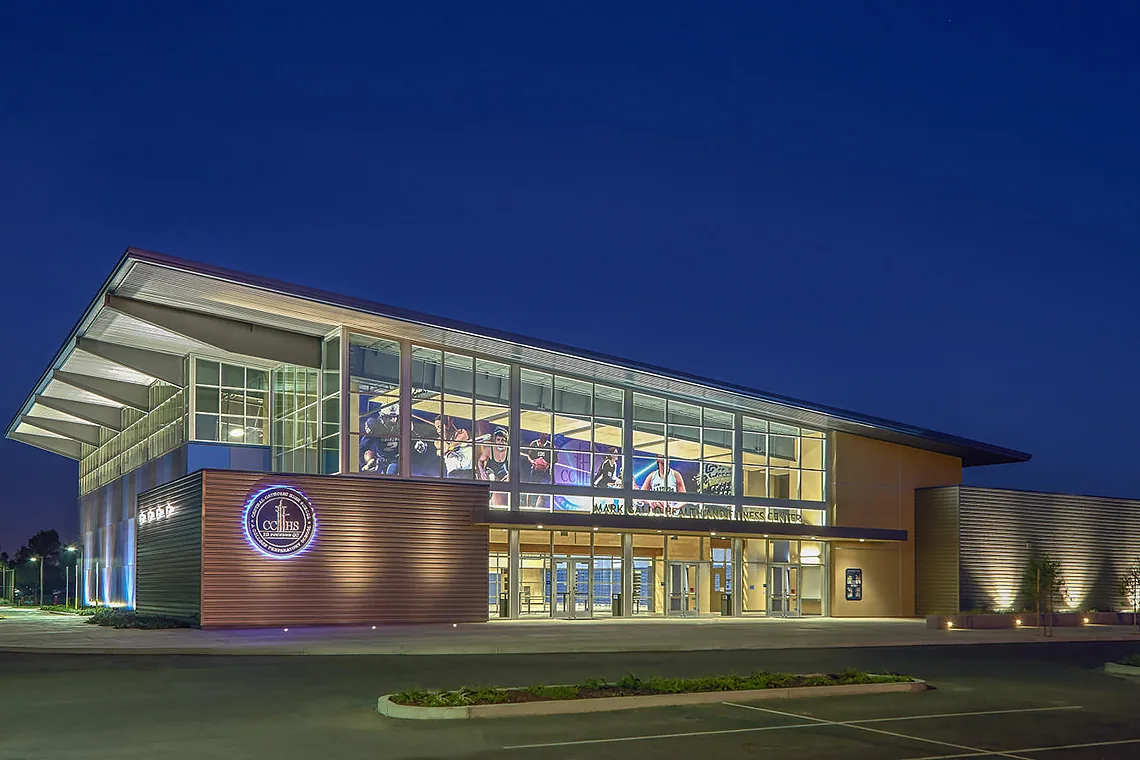
Repair or replace, and what you get at closeout
Sometimes a repair stops making sense because the problems run well past the leak. When that happens, we explain what we found and price a replacement or recover next to the repair. Each option says what stays, what gets torn off and what still needs checking. Changing the roof system may need an engineer or designer to review it first. We show how each option handles walls, roof edges, drains and rooftop units. A bigger number should not hide what it leaves out. We also list the work other trades carry and what has to be ready before the new roof goes on.
At the final walk, we check the finished flashing, seams and edges with you and hand over photos tied to their spots on the roof. The file includes prep photos, approved change orders for hidden damage, the materials installed and the written warranty that applies. Any spot still under a temporary seal is marked, along with the work left to finish it. If a leak shows up later, you can compare it with exactly what was repaired and what was left alone. You and the contractor both know what is finished and what is still open.
More on Auto Dealership Roofing
Commercial Roofing Questions
Why ask about the AC when reporting a leak?
Because rooftop units leak too. If water shows up on dry days or when the AC is running hard, a condensate line or unit housing is a likely cause. We check the roof either way and point you to the HVAC contractor if the unit is to blame.
What should a perimeter repair include?
Sound wood nailer behind the metal, proper fastening and clean tie-ins to the old metal at each end and corner. If the parapet wall needs repair first, the estimate names it so it gets done before new metal goes on.
Who arranges vehicle movement around construction?
The dealership does. Your contact tells us which cars and bays are affected, and our crew confirms the area is cleared, covered or blocked off before tear-off starts.
What can delay roof work around rooftop units?
Usually the HVAC schedule. If a unit has to be disconnected, lifted or reconnected, that crew has to be booked. We agree on the order of work and a temporary seal for any opening before we cut in.
When should we consider replacing instead of repairing?
When the inspection finds problems well beyond the leak, such as widespread wet insulation or failing seams. We price both side by side and explain what replacement fixes and any design review it needs.
Plan your dealership roof repair
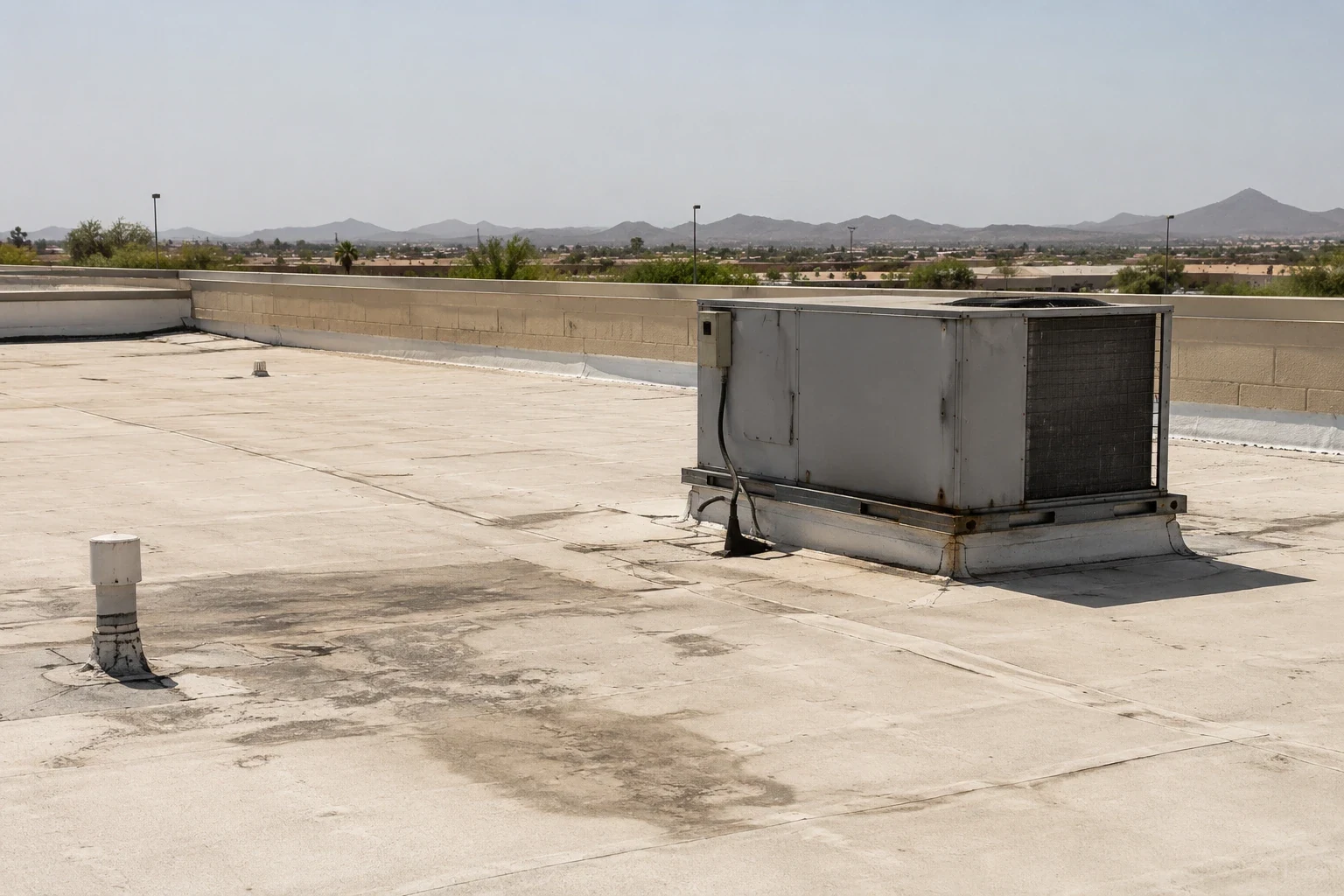
Bring your leak notes and your facility contact to a roof walk. We will go over the repair, who handles the rooftop units and how to protect inventory and customers while we work.
Next steps for your building:
Related Roofing Work
More commercial roofing work for Glendale and West Valley properties.