Big-Box Retail Roofing in Glendale, AZ
Home / Property Types We Roof / Big-Box Retail Roofing
Request A
Roof Assessment
Tell us about the building and the roof. We reply with the next practical step for your property.
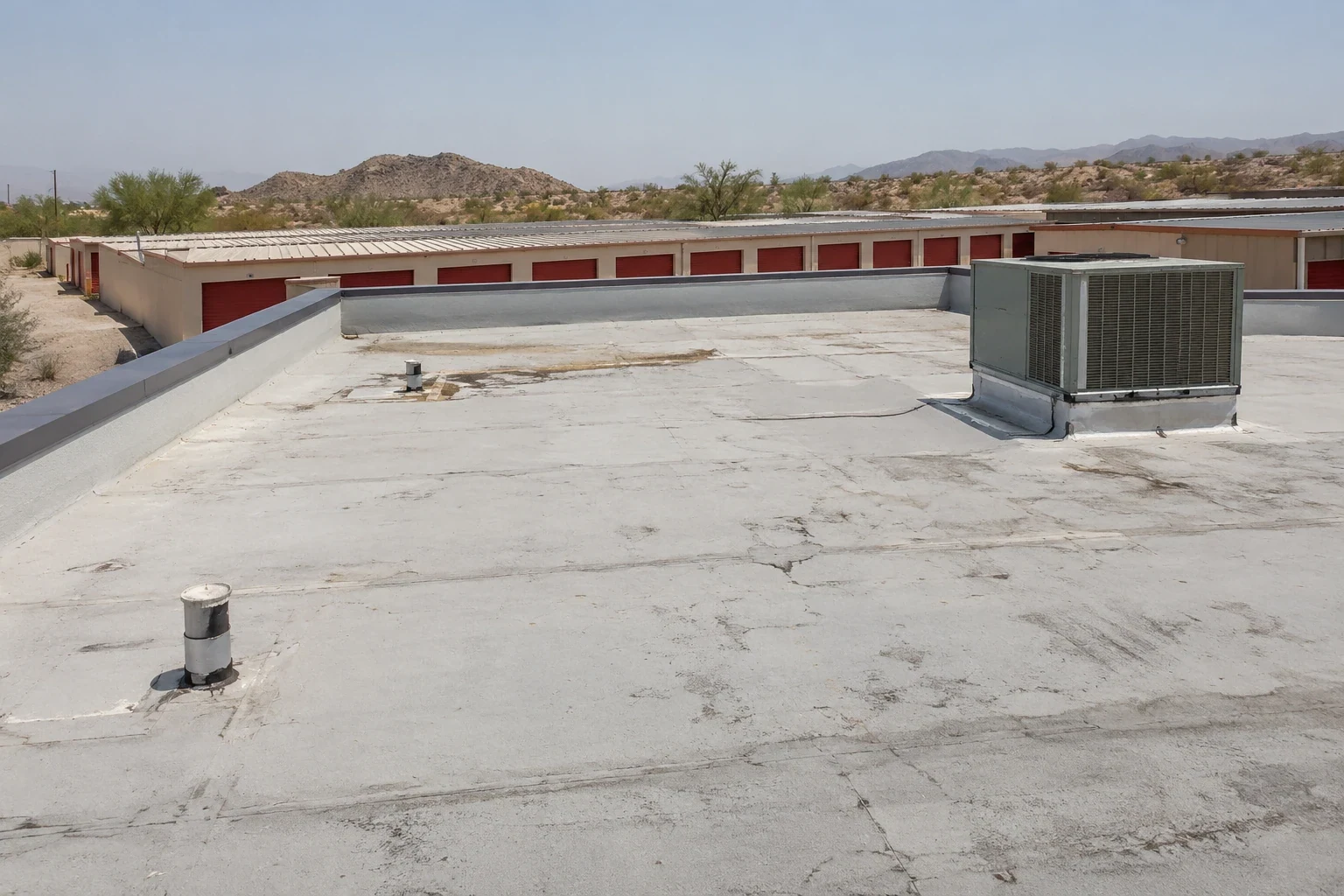
Big-box retail roofing in Glendale, AZ, with roof-area condition maps, equipment and drainage review and construction stages around approved store preparations.
Monsoon planning on a retail roof starts with a work area the crew can finish, rather than a broad removal quantity chosen before the details are examined. We inspect the assembly, locate the roof connections that need repair and ask which supporting tasks could delay closure. The contractor can then discuss the proposed stage with the store representative. Its protection below, handling routes and permanent roof boundary should make sense together before construction begins.
Target Glendale is listed at 10404 North 43rd Avenue in Glendale, AZ. Walmart Supercenter store 3241 is listed at 18551 North 83rd Avenue. For a big-box roofing request, identify the particular store building, roof area and authorized contact arranging inspection. Bring the water reports, available roof plans and prior repair record to the pre-roofing meeting. We can define the condition examination and the questions that affect construction. The resulting roof package should give the GC and owner a clear scope to compare with the facility's approved work arrangements.

Divide the survey into useful roof areas
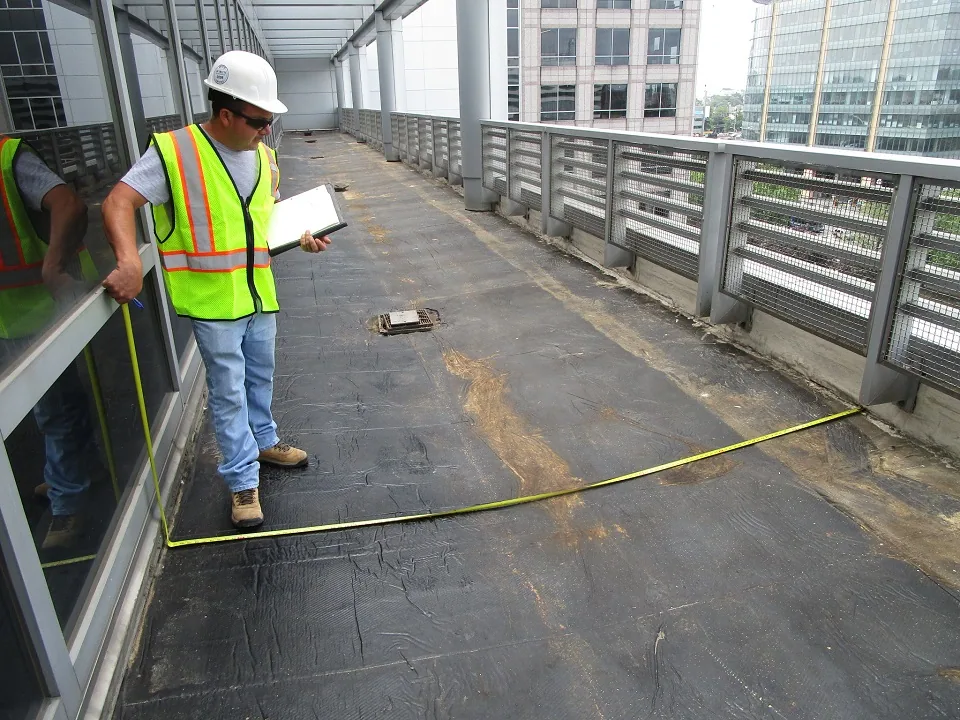
Mark the reported interior position and the roof area serving it. During a big-box roof inspection, document seams, walls, outlets, openings and equipment connections relevant to the report. Where the examination includes several areas, keep their photographs and findings distinguishable on the drawing. Describe the extent of deterioration rather than treating every visible defect as equivalent. The owner should see which position needs a local repair and which area requires more investigation before a recommendation can be made.
Ask when water appeared and compare that observation with the detail under review. An interior mark may guide the survey but still leave an uncertain path through concealed construction. Define any controlled opening needed to resolve that question, including protection and restoration. For retail roof leak repairs, identify the damaged material and the sound retained roofing the repair joins. Record exposed conditions before covering them. The located evidence makes an increase or change in removal understandable to the contractor reviewing the scope.
Review outlets with the surrounding roof
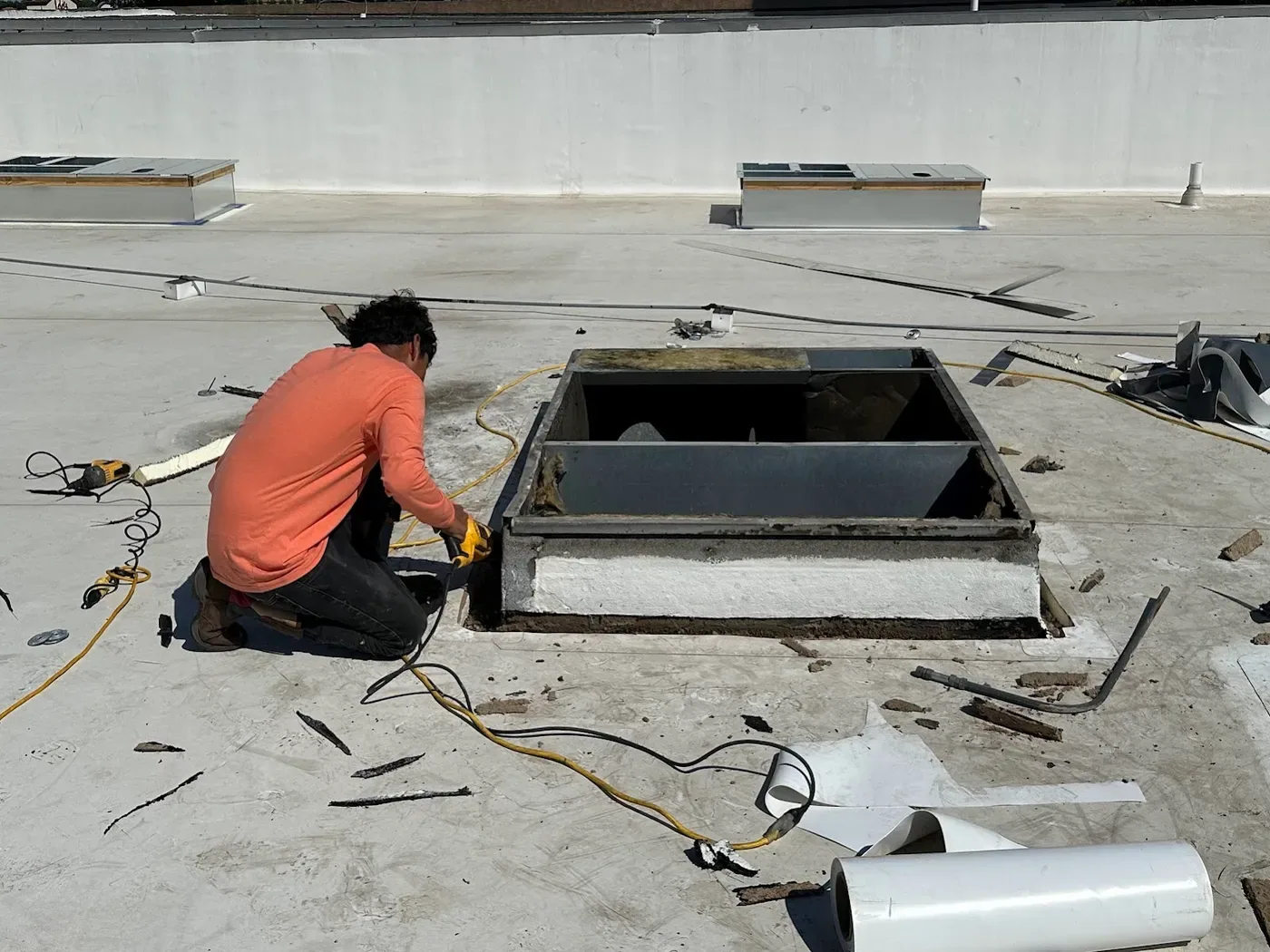
Check the drainage path through the affected area and inspect the roofing connection at each relevant outlet. Separate a visible obstruction from a damaged flashing or another component requiring examination. With retail roof drainage work, the contractor needs the roofing task and the connected plumbing or wall task defined. An outlet replacement should have its required completed position established before the surrounding membrane is installed. Review any design question where a proposed alteration changes the drainage arrangement.
A roof stage must keep a usable water route during construction as well as finish the permanent outlet detail. Show where temporary protection attaches and how the incomplete area closes if a supporting task is delayed. Inspect adjoining backing or retained material before relying on it as the stage boundary. The monsoon contingency should match the work actually opened. Discuss the closing point with the crew and the GC before removal, while the stage can still be adjusted around a component repair or an unresolved supporting surface.
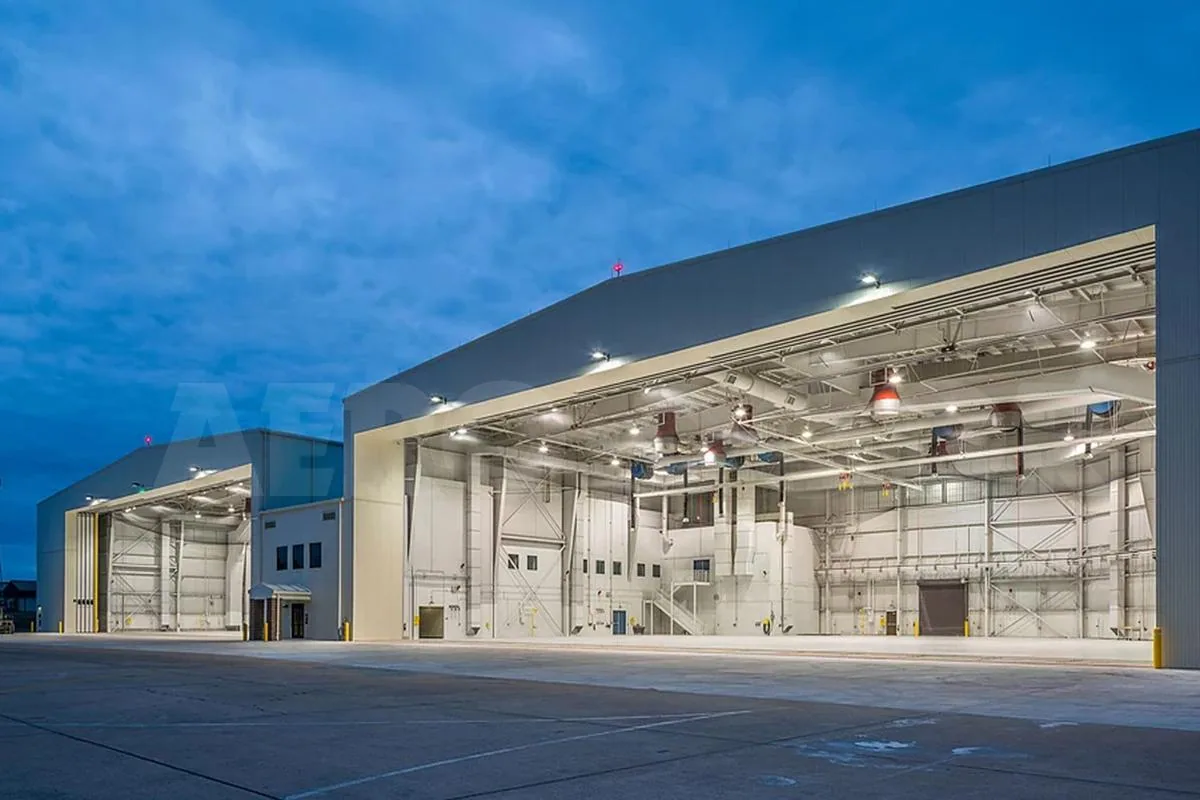
Set handling and protection around the store directions
Present the opening, lifting position, delivery area and disposal path to the store representative. Ask which entrances, merchandise or equipment below need preparation, separation or relocation. Obtain the facility's instructions concerning access, dust, intakes, odors and noise for the assignment. The contractor should assign the necessary tasks and confirm the work area is ready before roofing removal. A route that changes during construction needs to be reviewed with the crew before it affects material handling or the roof footprint.
For retail reroofing above occupied areas, match these arrangements to each stage. Review the roofing material's preparation and application requirements with the heat plan. A visit in the Arrowhead area requires the actual store address and roofing entrance. Related shopping center roof repairs and grocery store roof projects need their own facility instructions. This store's supplied directions should identify its approved work area and the contact who can resolve an unexpected condition affecting that arrangement.
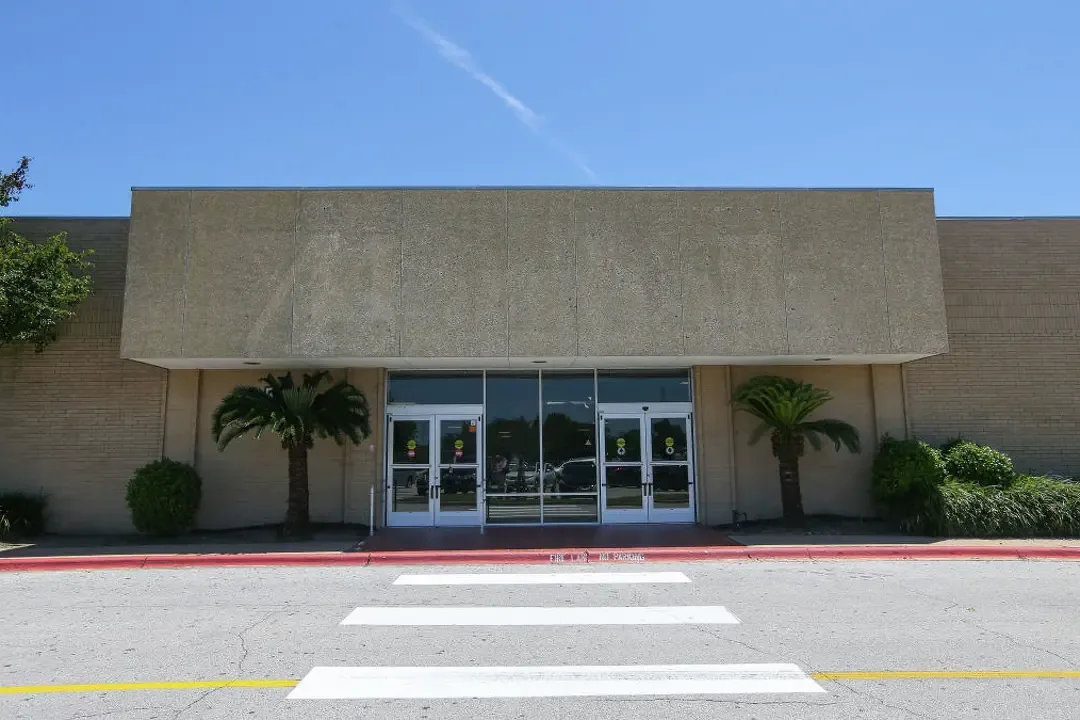
Include equipment details in the renewal comparison
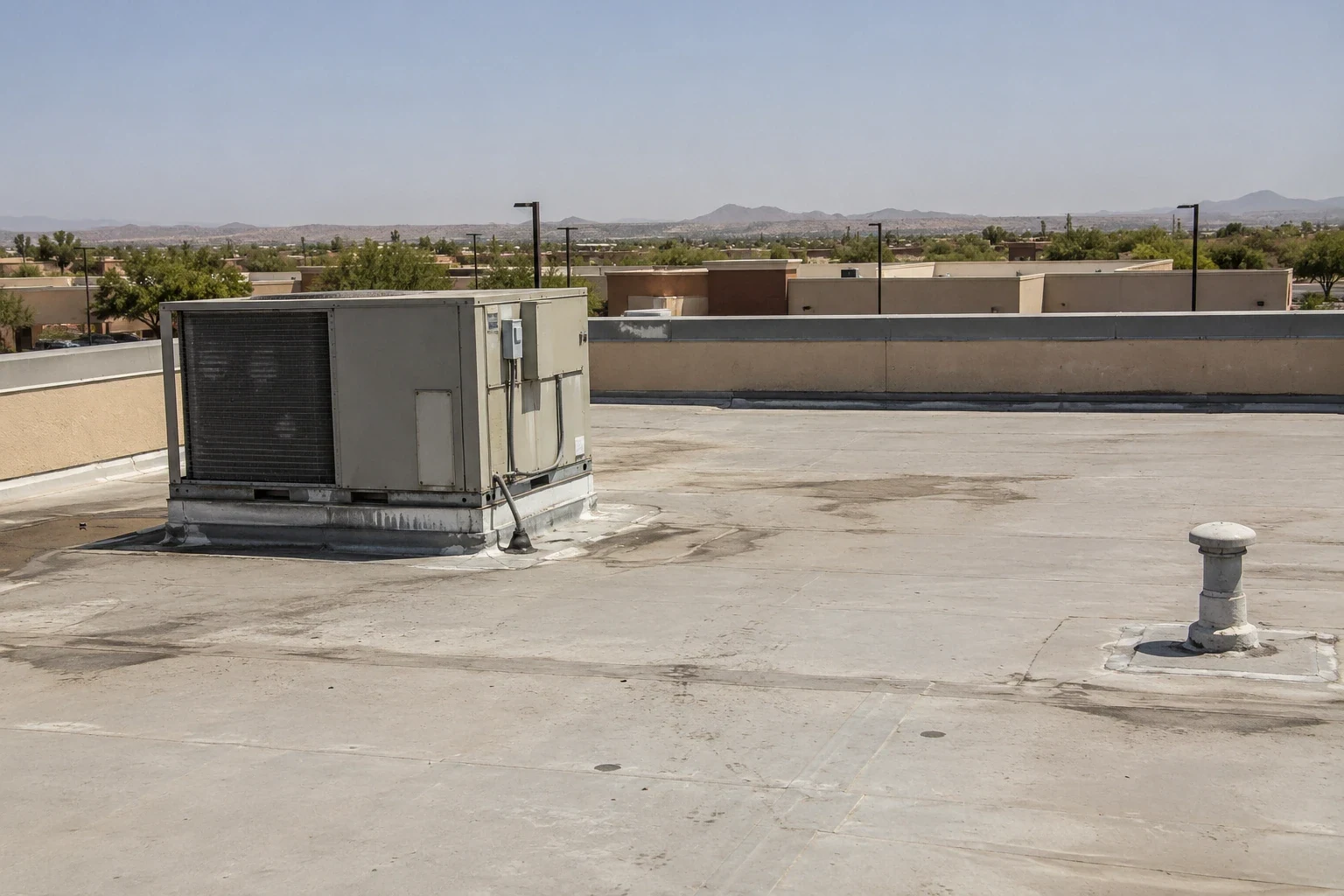
Inspect the curbs, penetrations and adjoining roofing affected by the proposed work. Determine whether a component stays in place, is replaced or needs another contractor's repair. Roof equipment curb and support work should distinguish the roofing connection from equipment modification. A changed component can affect backing, flashing and the roof junction around it. Identify the finished condition required for attachment and the supporting task that supplies it. Those decisions belong in the scope comparison, particularly when they affect the closure of a replacement stage.
When evaluating big-box roof replacement, set out the removed assembly, exposed support review and new construction. Include the affected outlets, walls, edges and equipment details. Explain the condition findings supporting a wider project and any investigation needed for concealed moisture or deterioration. A limited repair should also have a clear basis in the material remaining around it. Put the stages beside their preparation and trade requirements so the contractor can discuss turnover using actual construction handoffs rather than roof area alone.
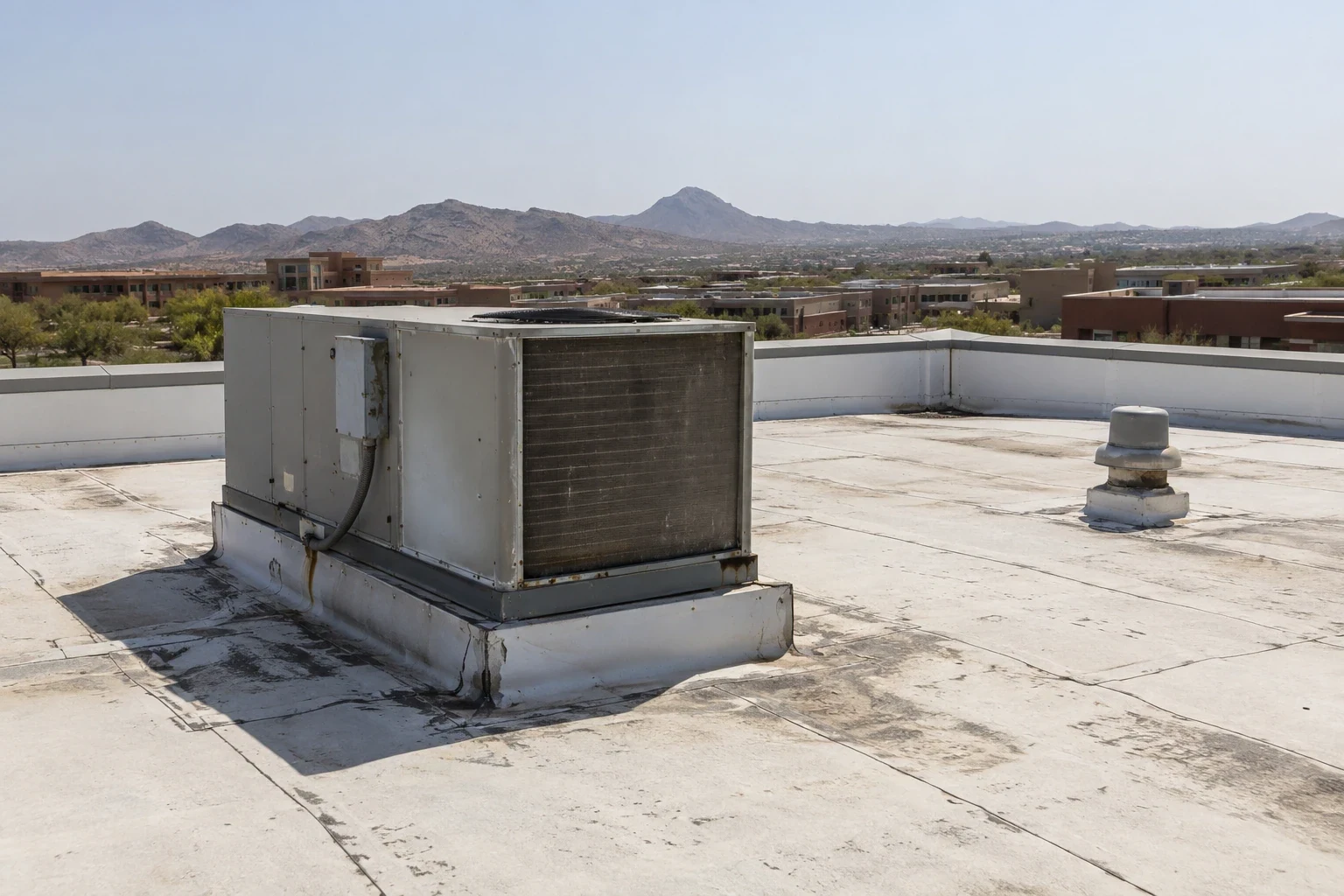
Check each completed area against its findings
At stage handover, examine the finished connections and record the material installed. Locate any outstanding equipment or wall task and identify the next step. Photograph temporary protection separately from completed permanent roofing. The store representative should receive a clear account of which area is finished and which portion still belongs to the construction stage. If further water is observed inside, its position and timing help compare the report with the work supplied and the original investigation.
Keep initial condition photographs, repaired positions and final records organized by the roof areas used in the survey. At the owner walk, compare the installed work with the agreed scope and explain any recommendation for further examination. Identify roof areas outside the inspection or repair so their condition questions remain visible. The GC can use this record to review the roofing handover, and the facility has a practical reference for maintenance. A useful closeout shows the detail completed and its position rather than relying on a general statement that roof work is finished.
More on Big-Box Retail Roofing
Commercial Roofing Questions
What makes a large-roof condition map useful?
Keep findings and photographs tied to identifiable roof areas. Locate deterioration, proposed repairs and unresolved investigation so the owner can compare the scope with the inspected condition.
What should an outlet repair define?
Show the roof flashing and the connected component task separately. Establish the completed outlet position and any review needed for a drainage change before membrane installation.
Who confirms the store work area is ready?
The facility supplies directions and the contractor assigns the resulting preparations. Identify the contact who confirms readiness for the actual opening and handling route.
How do equipment changes affect the roof scope?
A replaced or repaired component may change backing and flashing. Define its finished position and the separate contractor task needed before roofing attachment.
What should distinguish an unfinished area at handover?
Locate temporary protection and record the remaining task with its next step. Keep it separate from permanent completed roof connections in photographs and the work record.
Compare the retail roof stages
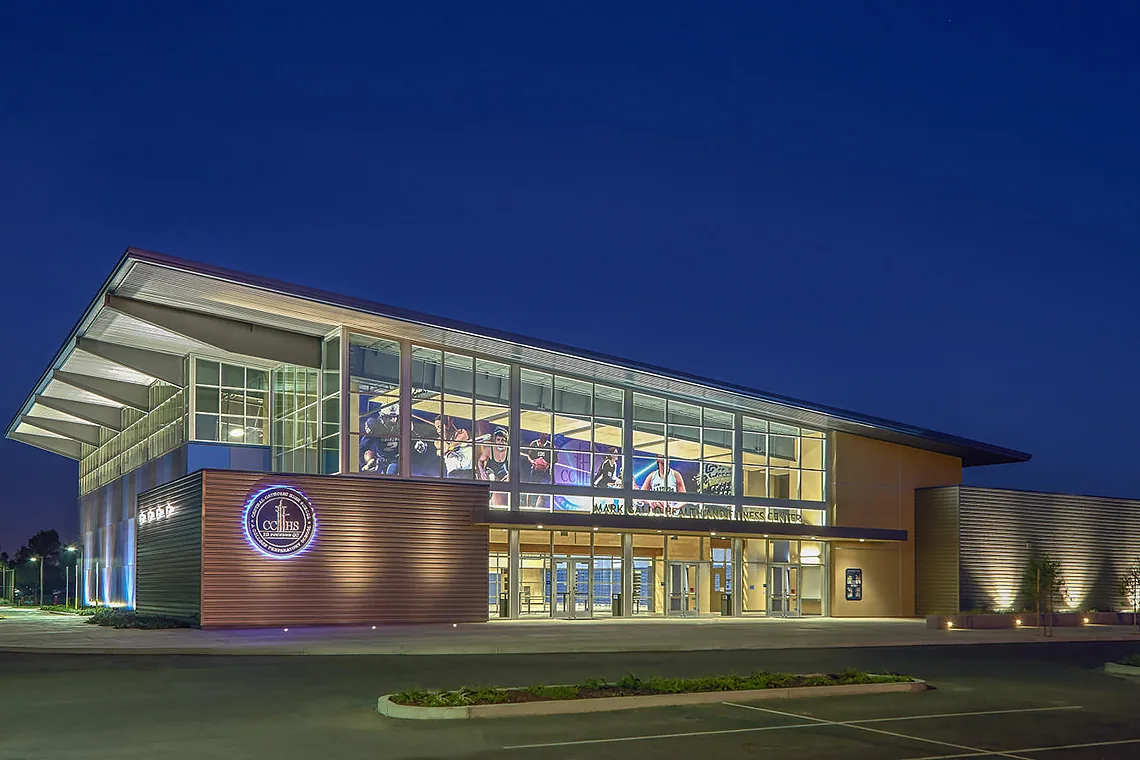
Share the condition map and proposed turnover target. At a pre-roofing meeting, we can compare the planned retail stages with supporting work, store preparations and the interruption plan.
Next steps for your building:
Related Roofing Work
More commercial roofing work for Glendale and West Valley properties.