SOPREMA Commercial Roofing in Glendale, AZ
Home / Roofing Manufacturers / SOPREMA Commercial Roofing
Request A
Roof Assessment
Tell us about the building and the roof. We reply with the next practical step for your property.
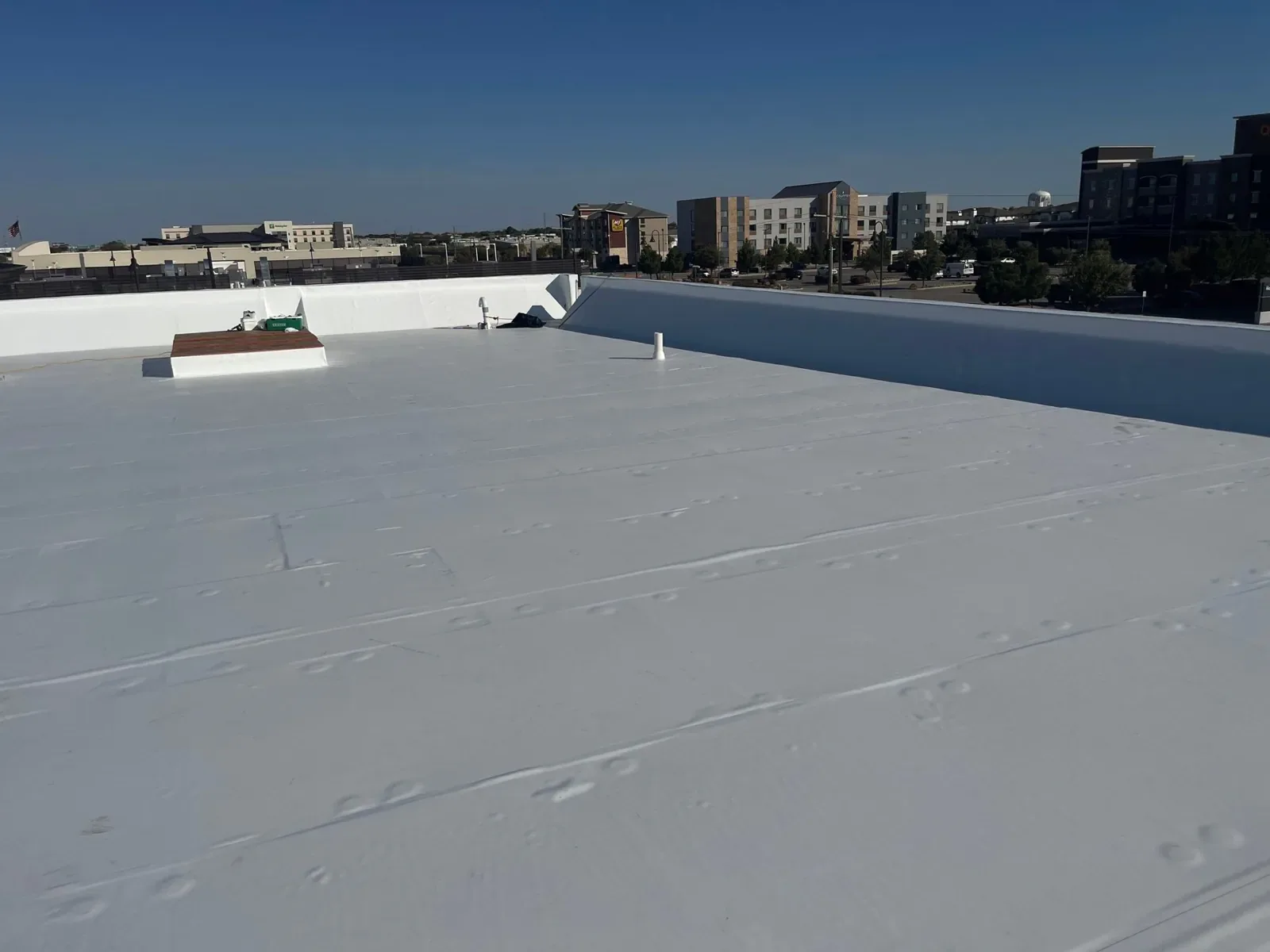
Plan a SOPREMA roof assembly in Glendale around selected membrane plies, flashing transitions, heat limits and the GC’s closeout requirements.
Monsoon interruption is easier to manage when a bitumen roof's open edge and next work stage are decided before material reaches the deck. For a Glendale project specifying SOPREMA, we first identify the product and installation method in the current package. SOPREMA publishes multiple roofing families, including SBS-modified bitumen, liquid-applied materials and PVC. The product name alone does not tell the GC which layers, attachment or flashing detail the roof needs.
We work from the proposed assembly and field condition, then map base plies, cap sheet, insulation, terminations, penetrations and drainage. The industrial activity described along Loop 303 and the sports and entertainment uses at Westgate give context to the market, not evidence about any individual roof. The building's drawings and site review determine the actual roof scope and allowed work windows.
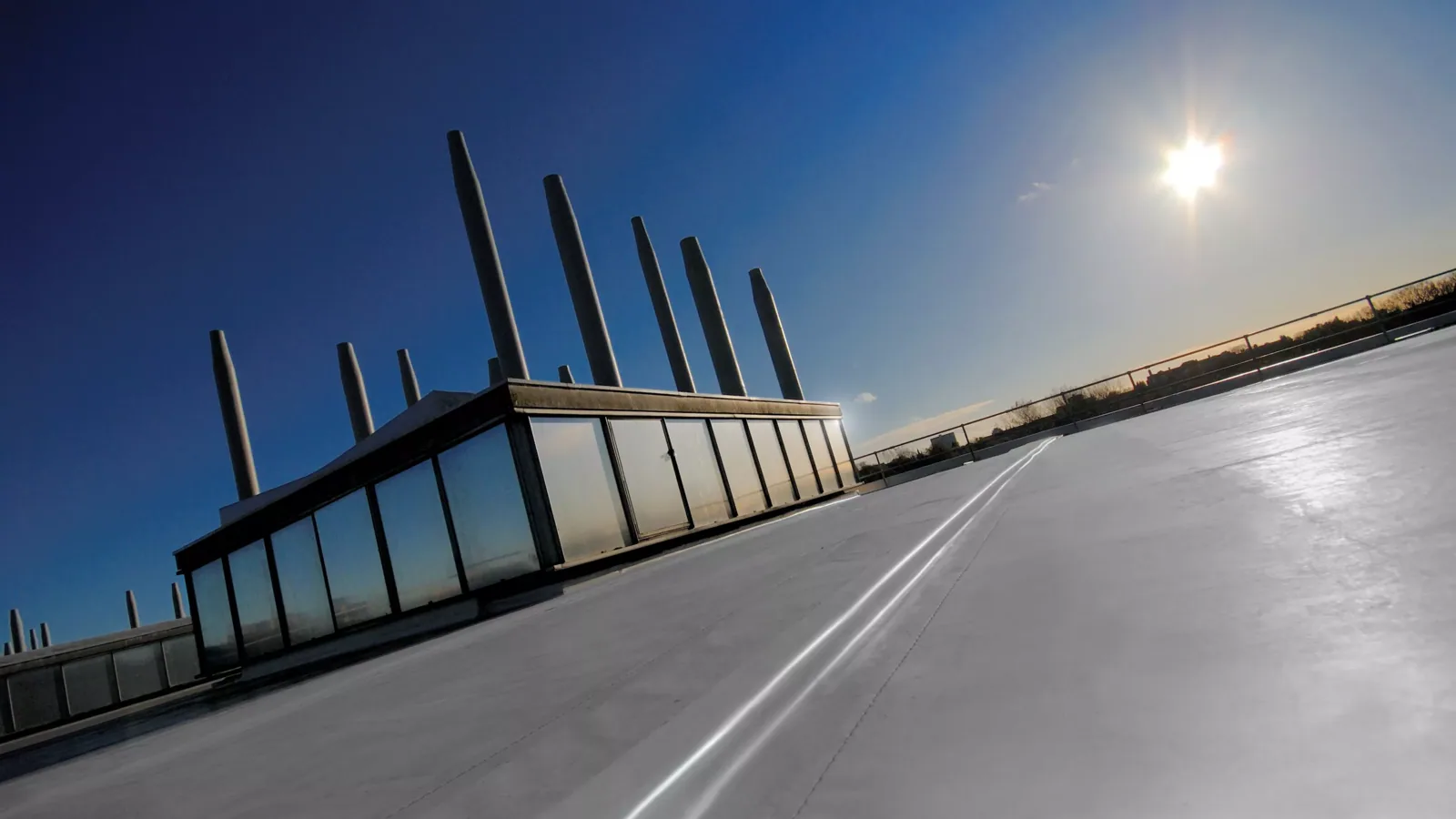
Specify each ply and attachment method
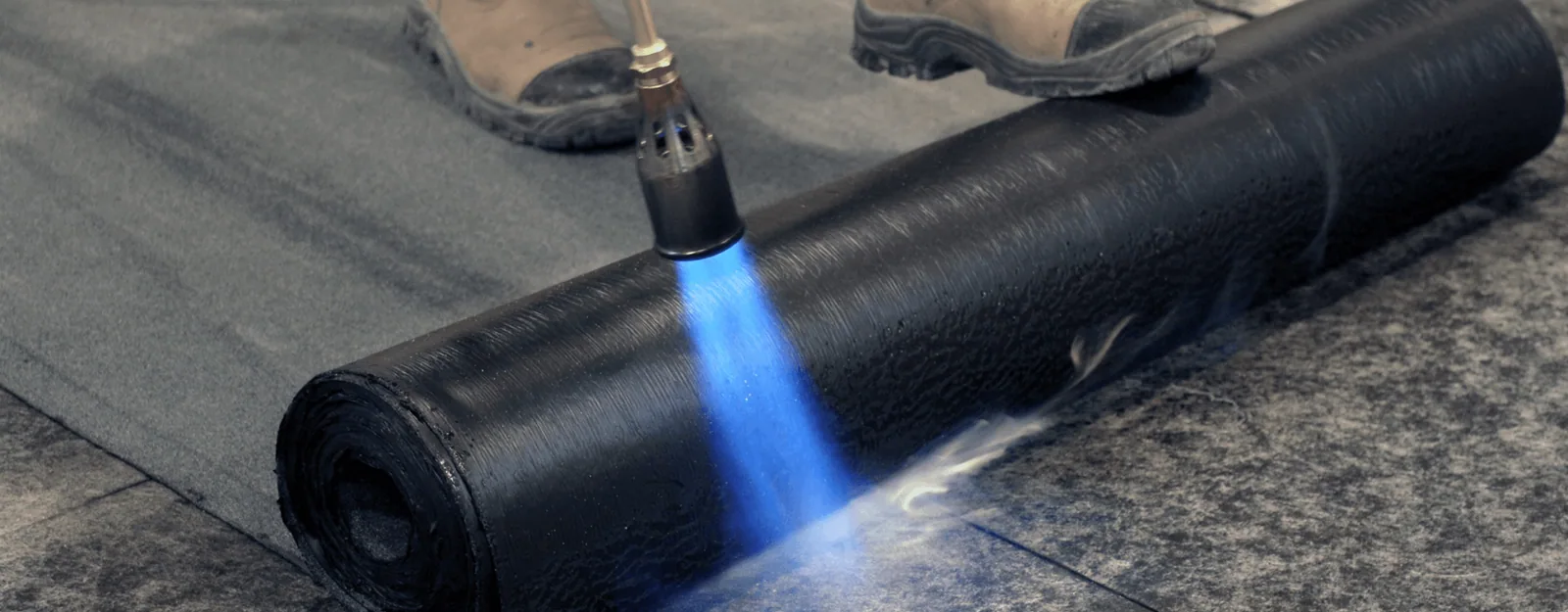
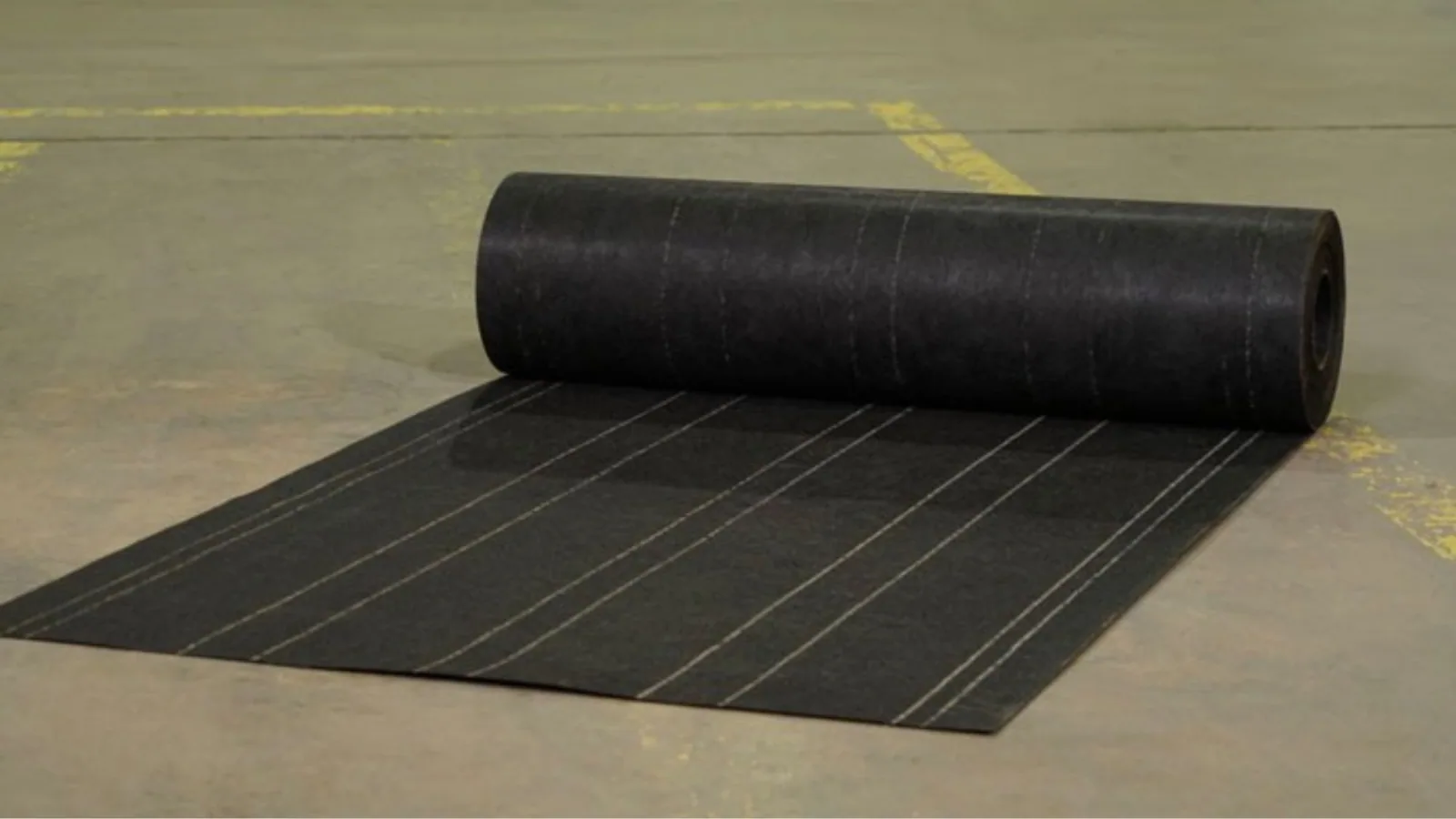
SOPREMA's SBS-modified bitumen catalog includes products with different roles, such as field base ply, cap sheet and flashing membrane. MODIFIED SOPRA G, for example, is described by SOPREMA as an SBS-modified bitumen base sheet reinforced with glass fiber, with hot-asphalt or mechanical attachment listed for that product. Those details do not define a complete roof by themselves. We confirm the selected product data and assembly before estimating the field work.
A multi-ply roof needs a deliberate relationship between substrate, base, interply, cap sheet and flashings. We identify whether the scope calls for hot asphalt, self-adhered, cold adhesive or another method, and check the product instructions for the chosen combination. A proposed modified bitumen roof assembly should state the layers and transitions instead of treating the cap sheet as the entire system.
If the plans call for another membrane family, compare the actual Versico system package rather than assuming its details carry over. A PVC alternative from Duro-Last also needs its own substrate, attachment and transition review.
Resolve penetrations and flashing transitions
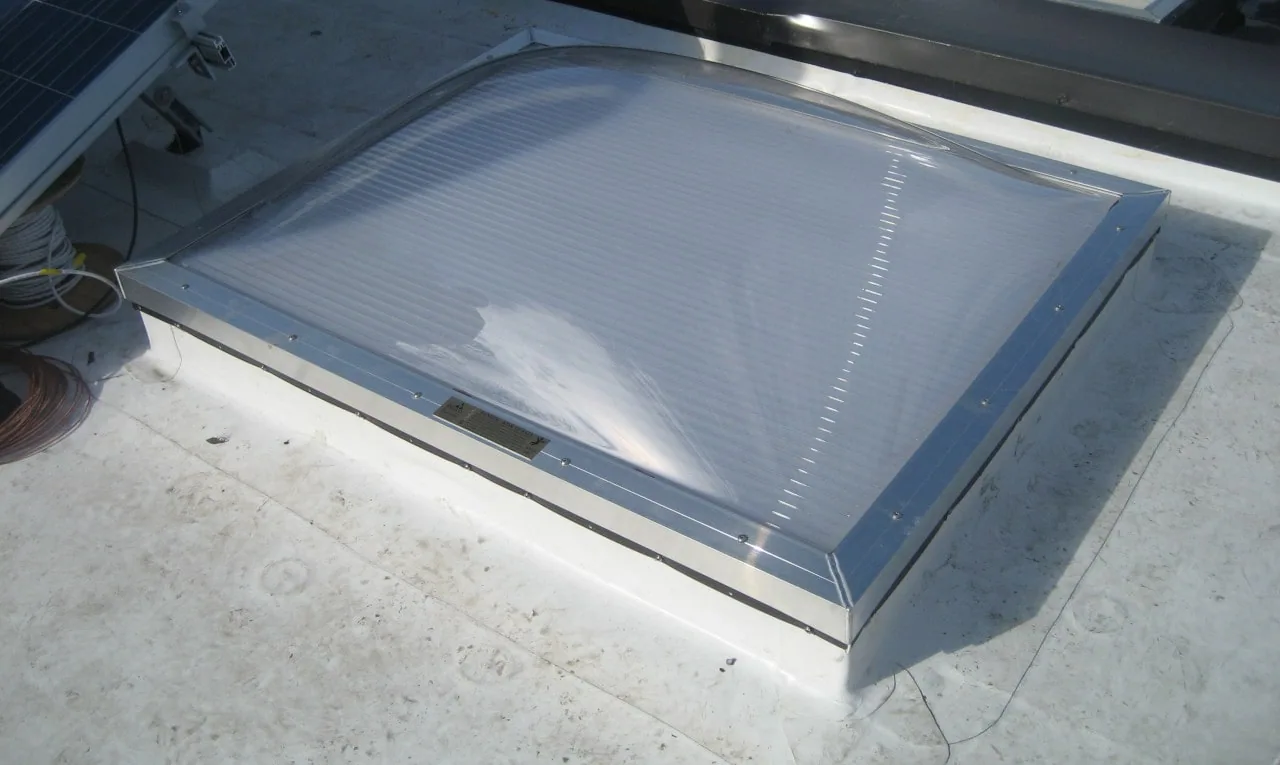
The roof perimeter, drain, scupper, curb and wall termination often require different detailing from the open field. SOPREMA's technical manual describes ALSAN RS reinforced liquid-applied flashing for specified transitions and penetrations in SBS roofing conditions. The chosen flashing must match its substrate, membrane and documented application. We map the detail at each transition and confirm which components are included before the GC coordinates other trades.
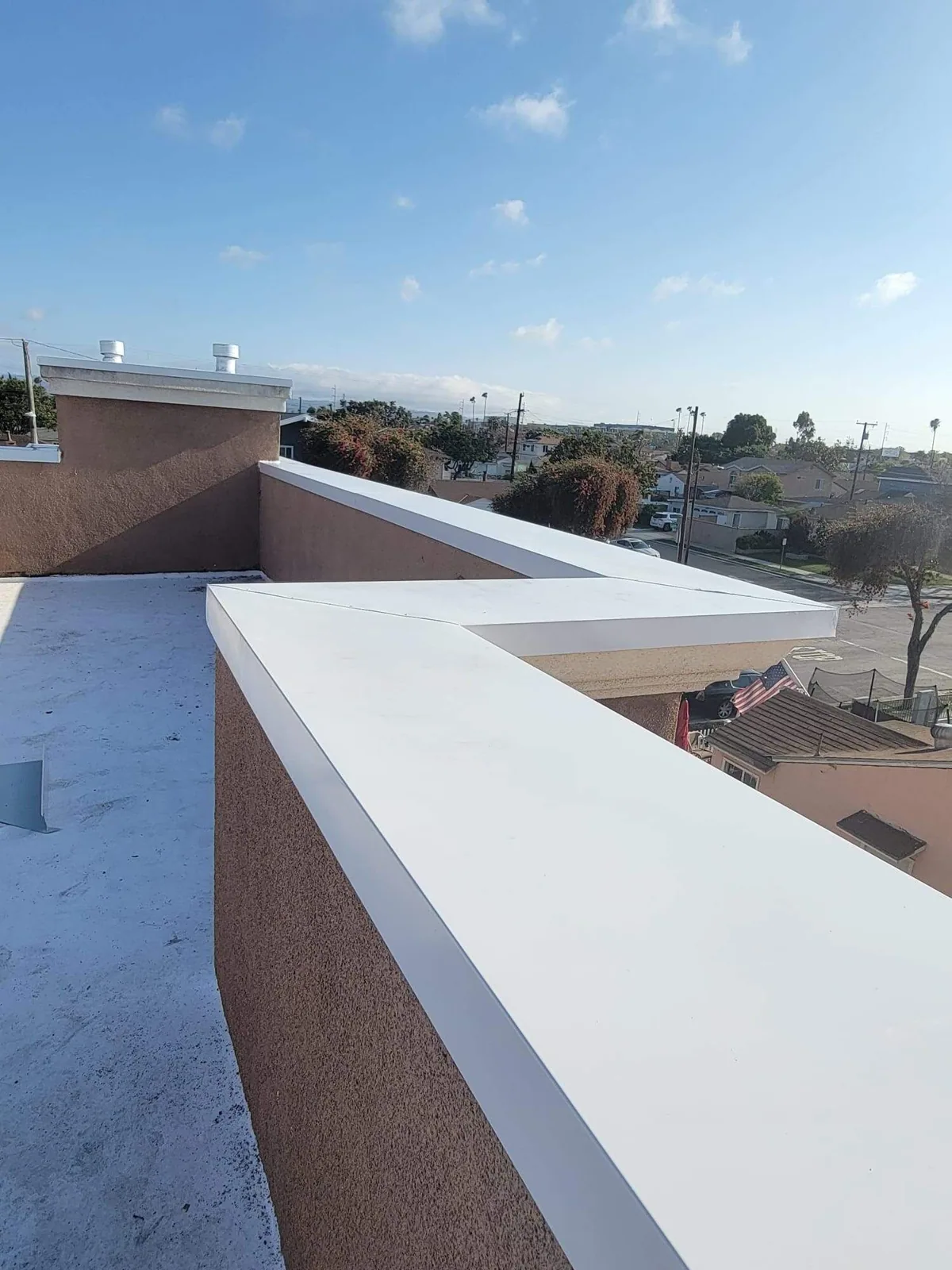
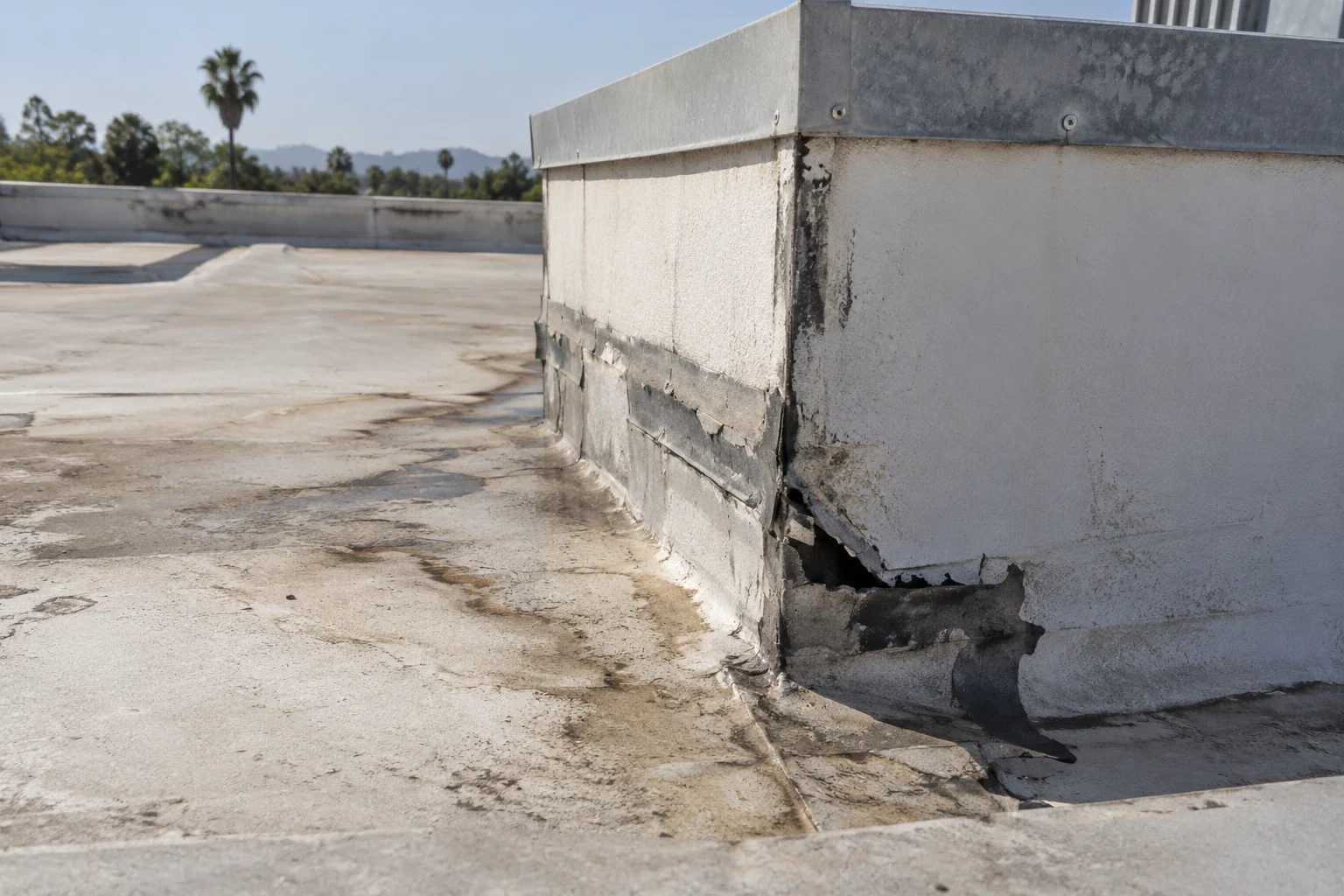
A roof drain with retained water, a curb that another trade is changing, or a parapet with unstable metal requires a field decision before the flashing closes it in. The penetration flashing scope locates the opening, support condition and material interface. At the perimeter, the edge and coping work should identify the attachment and membrane termination that the roof package uses.
We keep a repair to the affected area when the adjacent membrane and substrate remain compatible. Where a transition is part of a broader failure, record the larger correction and its preceding work.
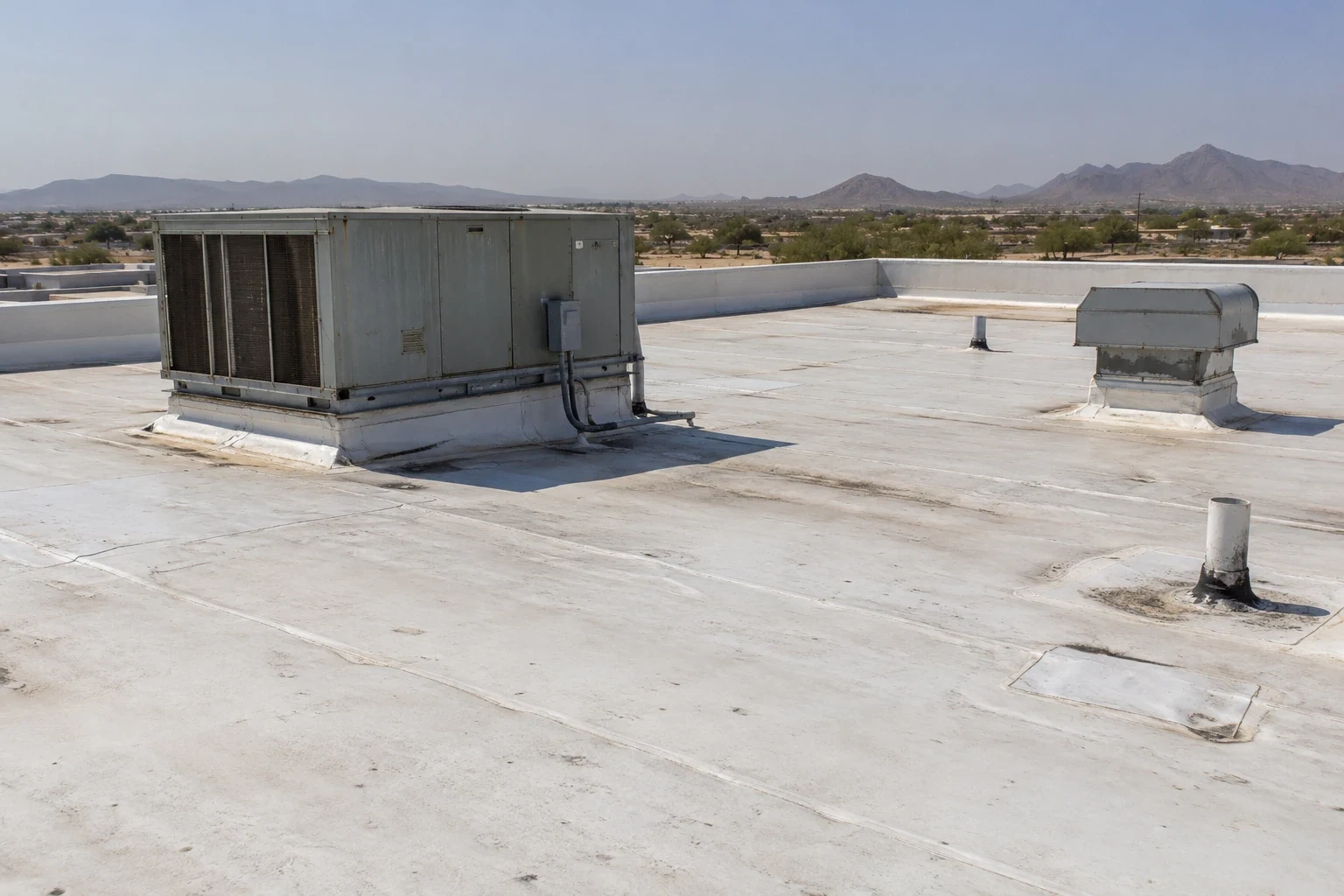
Schedule application for Glendale roof conditions
Summer heat affects how asphalt, adhesive, membrane and liquid flashing are handled. The crew follows the current product instructions for storage, surface preparation, temperature and application. We review the GC's heat plan, material staging and work window before mobilization. Dust or a contaminated surface can interfere with bond and flashing work, so an interruption calls for a surface check and required preparation before the next layer goes down.
A hot surface also changes the safe order of work around equipment, roof edges and openings. We define which area is being prepared and how it will be protected if the stage stops. Glendale's monsoon season adds an interruption risk during summer. Weather planning identifies the boundary, temporary protection and resumption check. It does not replace product instructions or a field decision about whether the surface is ready.
For a roof with localized prior damage, the flashing failure assessment separates the failed interface from unrelated surface wear.
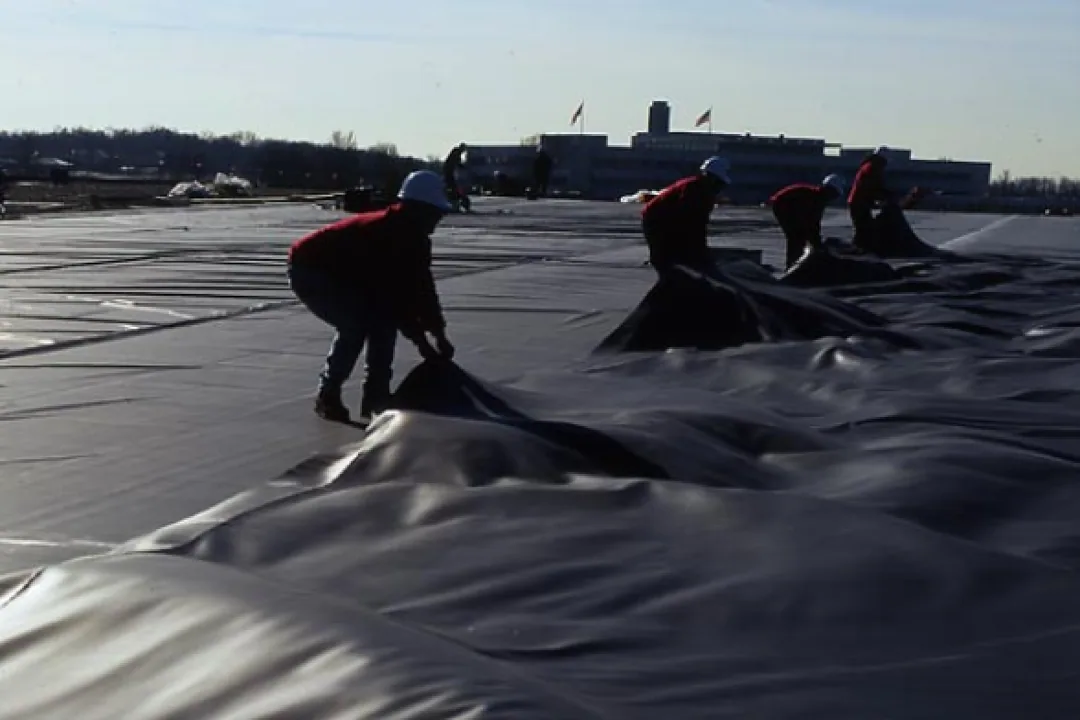
Determine whether the roof is a repair, recover or tear-off
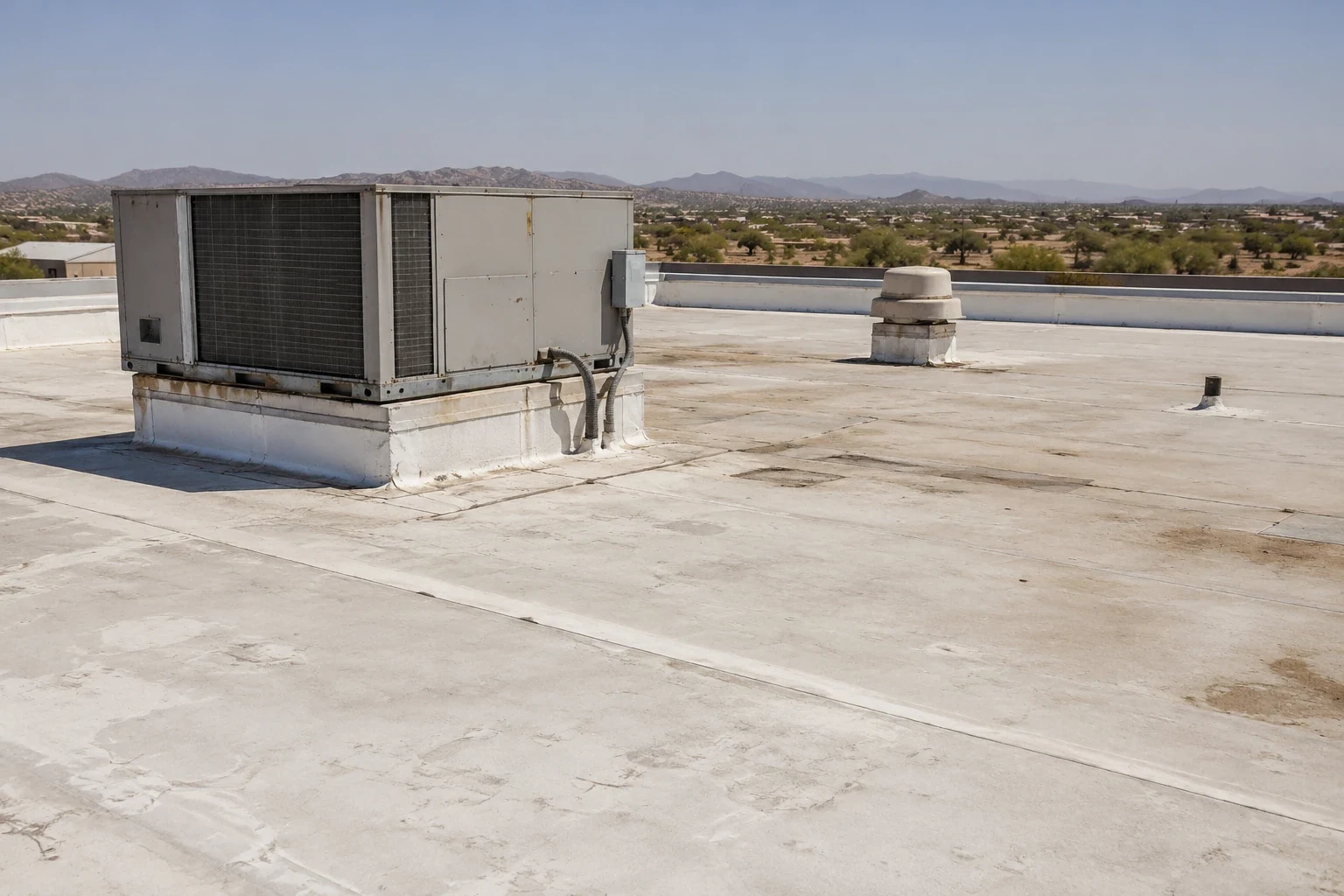
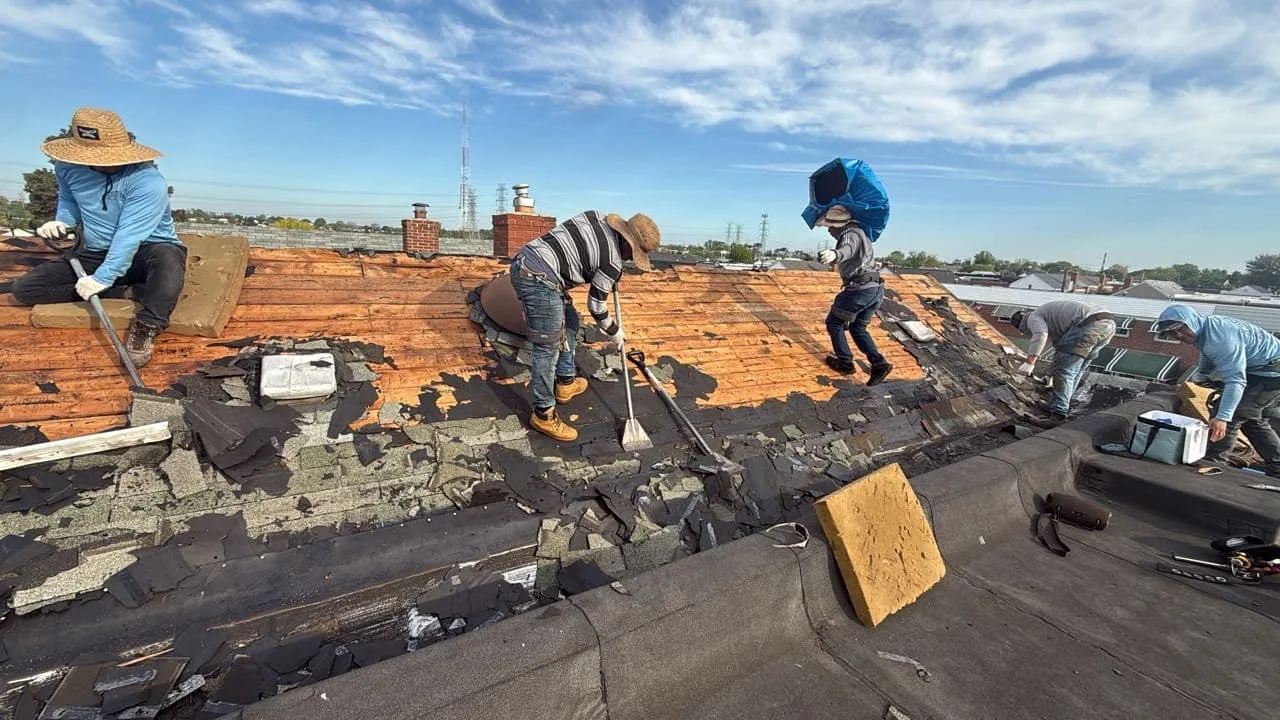
Before pricing a new SBS assembly, we check the existing roof layers, moisture, deck condition, drain path and edge heights. A dry, serviceable substrate may support one scope; wet or unsound material can require selective removal or a full tear-off. Keep test openings at known locations and record what was found. Do not let an unknown layer disappear below insulation before the GC and design team have the information needed to choose the next step.
The recover option must account for retained material, attachment and added height. At scuppers and drains, confirm capacity and transitions after the new assembly is added. Where a decision depends on broader condition, record the damage, remaining serviceable area and limits of what was opened.
For a complex scope near Westgate or Phoenix, the GC confirms the assigned building and operating window. We plan staging and closure by the actual property, without assuming that nearby venues share roof construction.
Keep review documents and substitutions aligned
SOPREMA's technical documentation includes product data sheets, technical manuals, specifications and detail drawings. We use the documents for the selected products and current design conditions. A substitution in base sheet, adhesive or flashing material can change compatibility or application steps. Identify the revised component, affected location and updated instructions before procurement so the roof crew and GC are using the same assembly record.
The warranty document review records the actual project documents, inspection steps and open items. The project document identifies the actual coverage terms and requirements. We keep that document with the installed-work record and note any remaining action. That is useful when future work needs to identify which ply and flashing are present.
More on SOPREMA Commercial Roofing
Close with layer and detail locations
At turnover, identify the installed SBS products and their roles, the roof areas completed, drainage and flashing details, and any remaining recommendations. Photographs should locate the work and show the relevant interface. List items awaiting another trade separately from completed corrections. This allows the owner to understand what the crew installed and lets a later service visit trace the same transitions without relying on a vague memory of the job.
For a proposed job in Westgate, bring the designated roof, current drawings and operating restrictions to a pre-roofing meeting. In the Loop 303 industrial area, the same meeting can align staging with truck and delivery activity after the GC confirms site rules. The final roof package should state the installation sequence, closure plan and turnover date with the selected product instructions.
We leave the GC with a documented assembly and clear follow-up items, so any future change begins from the installed roof rather than an assumption about the product label.
Commercial Roofing Questions
What does the SBS base sheet do in a roof assembly?
Its role depends on the selected assembly. SOPREMA identifies MODIFIED SOPRA G as a base sheet; we confirm the remaining plies, attachment and substrate from the project documents.
Can a liquid flashing product be used at any penetration?
No. Product and substrate compatibility, membrane type, preparation and application instructions govern the transition. We select the detail for the actual roof condition.
When does a recover stop being a practical option?
Wet insulation, weak deck, failing attachment, added height conflicts or widespread deterioration can require removal or broader repair. Field review establishes the extent.
How should the GC handle a product substitution?
Identify the revised sheet or flashing material, compare its current technical documents and update the affected roof details before procurement and installation.
What should be included in SBS roof turnover records?
Record the products and ply roles, completed areas, flashing and drainage details, photographs with locations, documents received and separate remaining recommendations.
Set the SOPREMA layers and flashing details before installation

Bring the specified products, current roof drawings and turnover schedule to a pre-roofing review. We will align the ply sequence, transitions, heat plan and weather closure with the GC.
Next steps for your building:
Related Roofing Work
More commercial roofing work for Glendale and West Valley properties.