Duro-Last Commercial Roofing in Glendale, AZ
Home / Roofing Manufacturers / Duro-Last Commercial Roofing
Request A
Roof Assessment
Tell us about the building and the roof. We reply with the next practical step for your property.
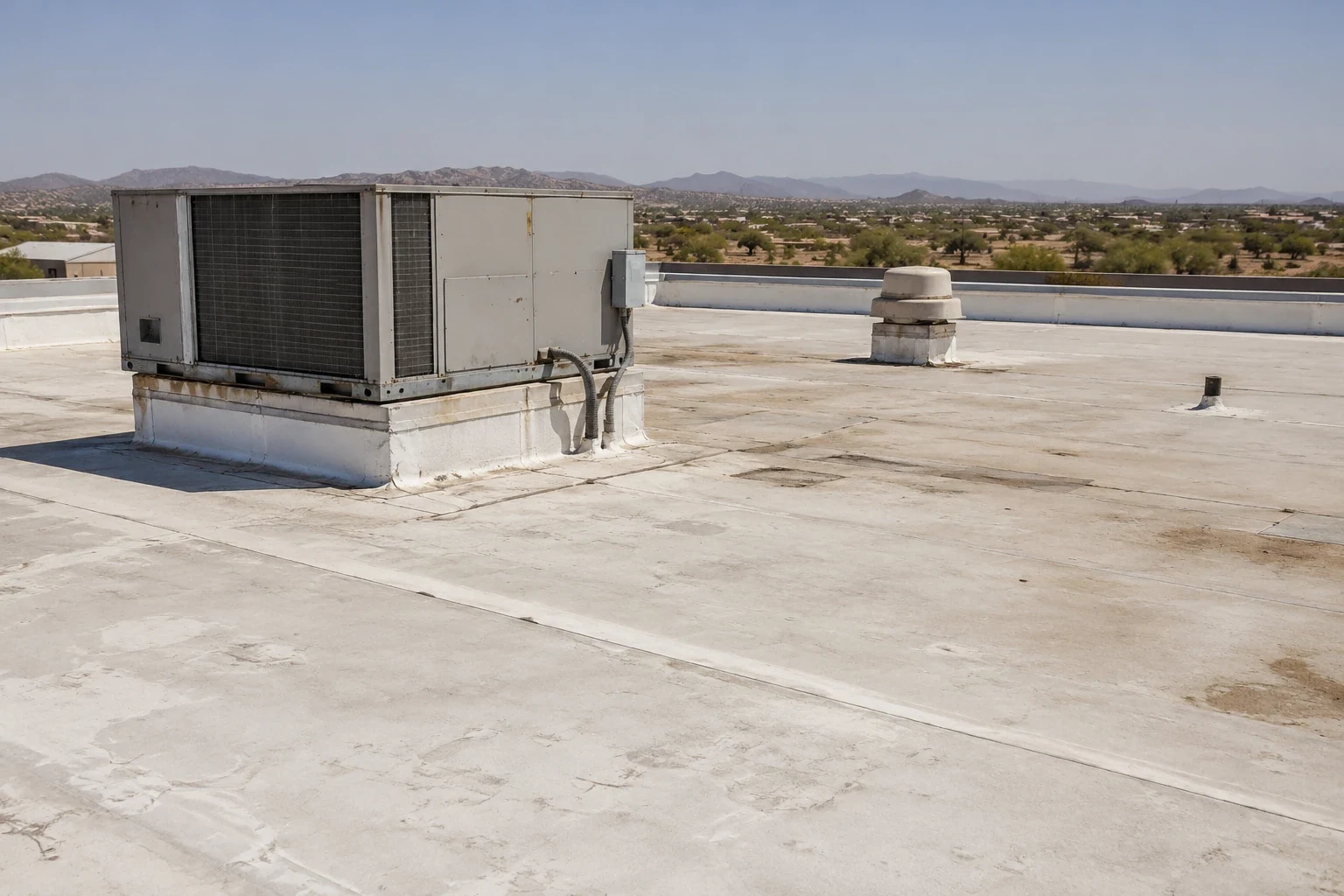
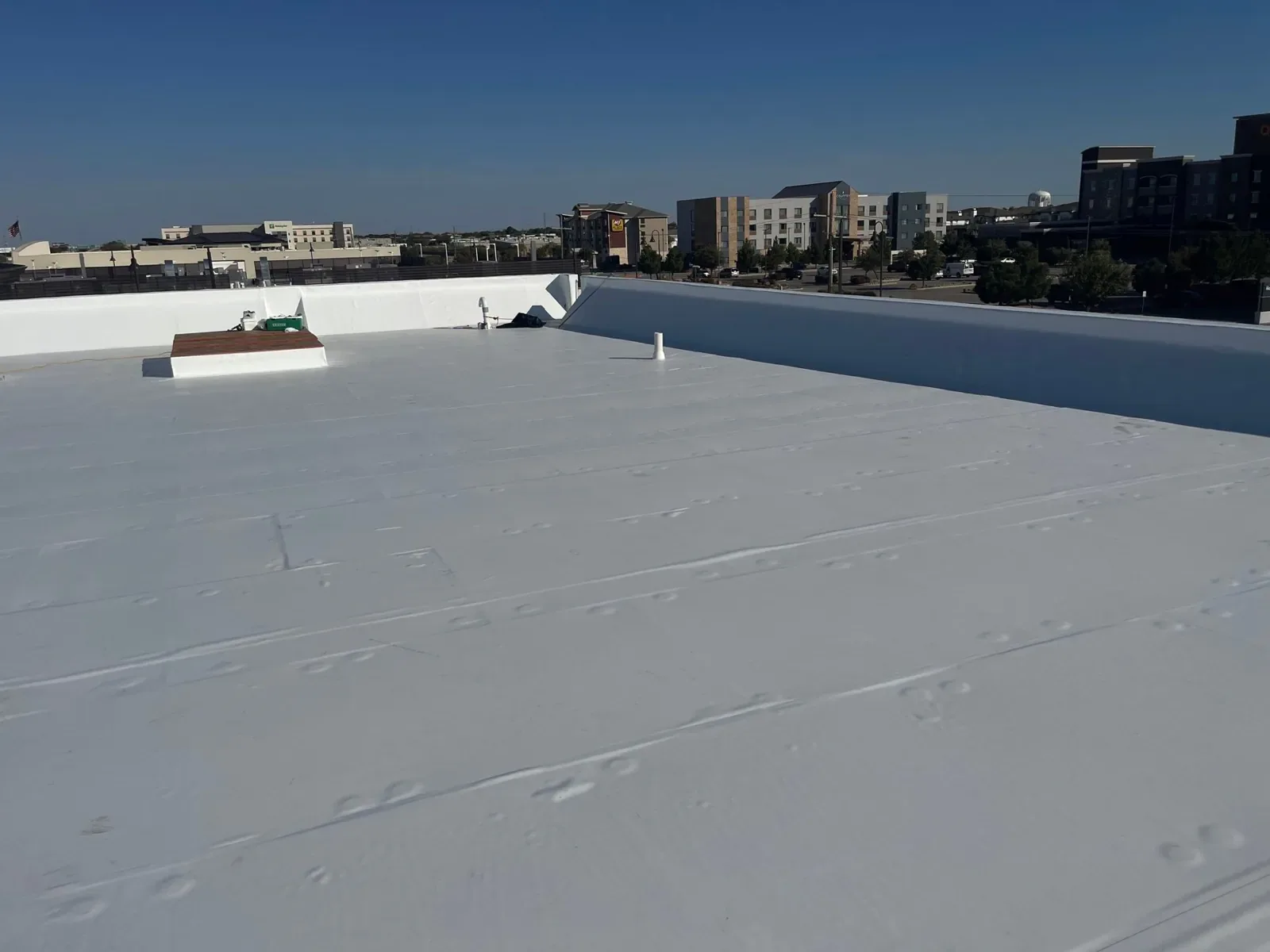
Plan Duro-Last PVC roofing in Glendale around custom-fabricated sheets, field seams, transitions, existing layers and the GC’s turnover sequence.
West Valley summer heat affects when custom sheets and seams can be handled, so the roof package should align field measurements, staging and closure before release. A factory-fabricated roof can reduce the amount of seaming performed on the deck, but it still has to match the building measured in the field. In Glendale, the GC's roof package should identify the designated areas, penetrations, edge details and delivery sequence before custom Duro-Last sheets are released. We compare field dimensions with the drawings, then coordinate the work and heat contingency against the actual turnover date.
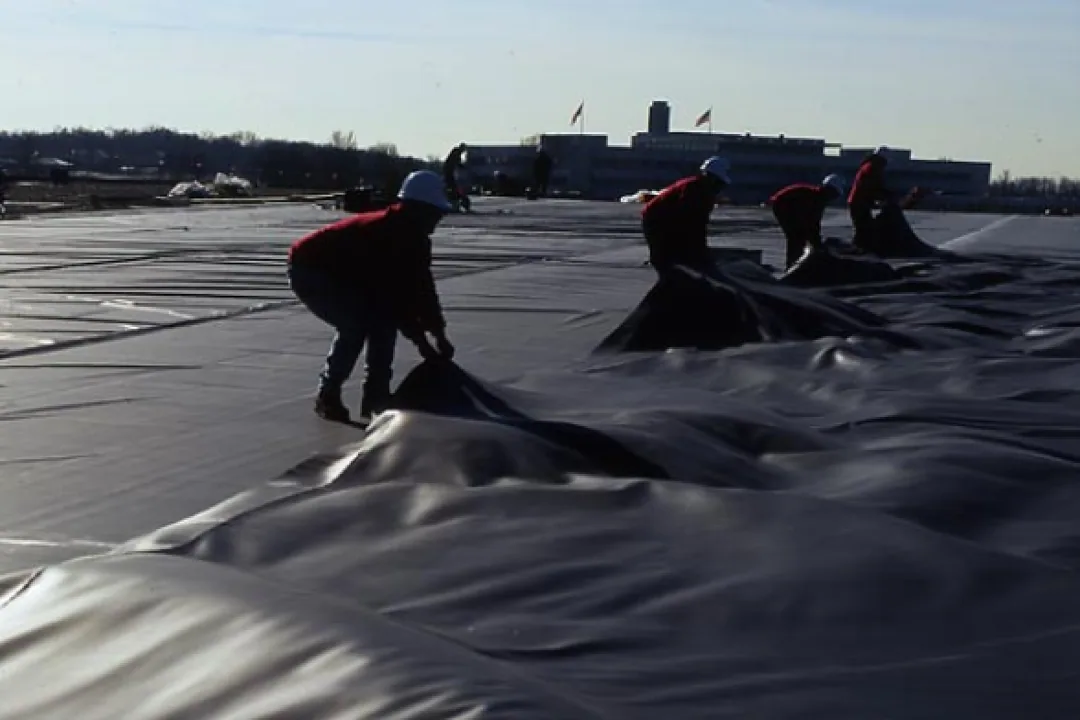
Duro-Last describes its flagship product as a PVC membrane system with custom-fabricated deck sheets and accessories. Its own documents also identify roll-goods and multiple attachment methods. The exact product and assembly matter. We use the current project documents, existing substrate and roof geometry to decide whether custom-fabricated sheets make sense for the assignment.
Measure the building before custom fabrication
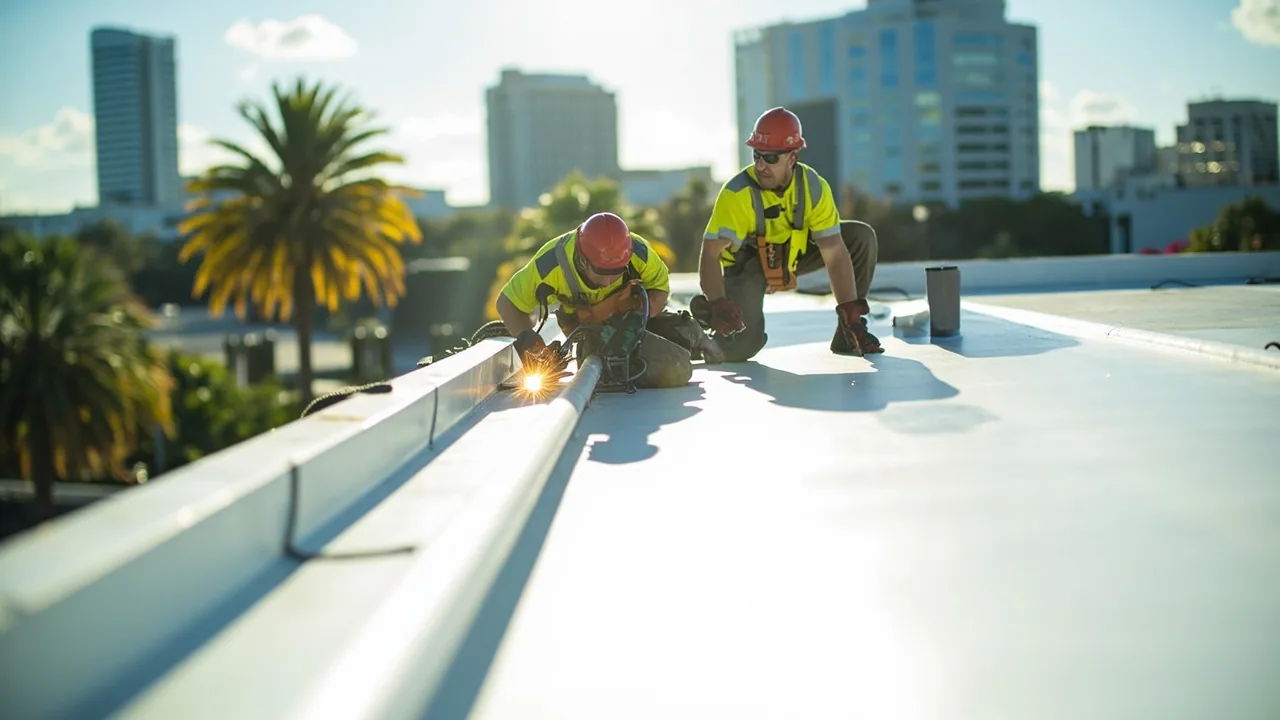
Factory fabrication moves a portion of layout and seaming work off the roof, which makes measurement and detail control more important before release. We verify the roof boundary, sheet direction, width and length, parapets, equipment openings, drains, scuppers and changes in elevation. Record where another trade will alter a curb or support after measurement. That change can affect the fabrication and should return to the package before material ships.
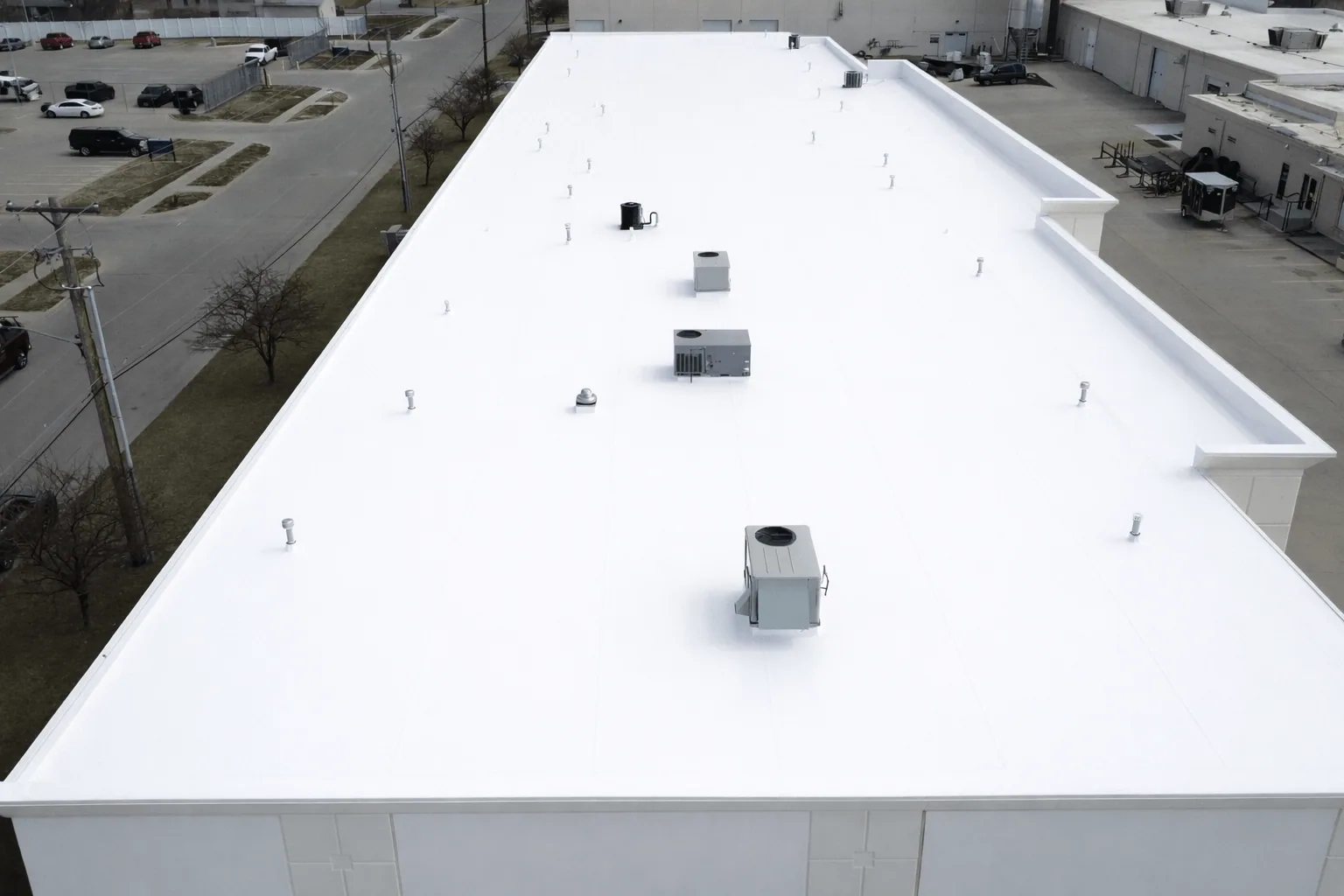
Duro-Last states that its custom-fabricated deck sheets can have up to 85 percent of membrane seams factory-welded. That percentage is a manufacturer description, not a promise for every shape or installation. The field scope still includes the seams and transitions required at the actual roof. A roof survey can help document geometry and visible obstructions, while field measurements and drawings settle dimensions before fabrication. If the project team compares PVC with a different manufacturer, a Versico product review should be based on that system's current specification.
Match the PVC sheet with the attachment plan
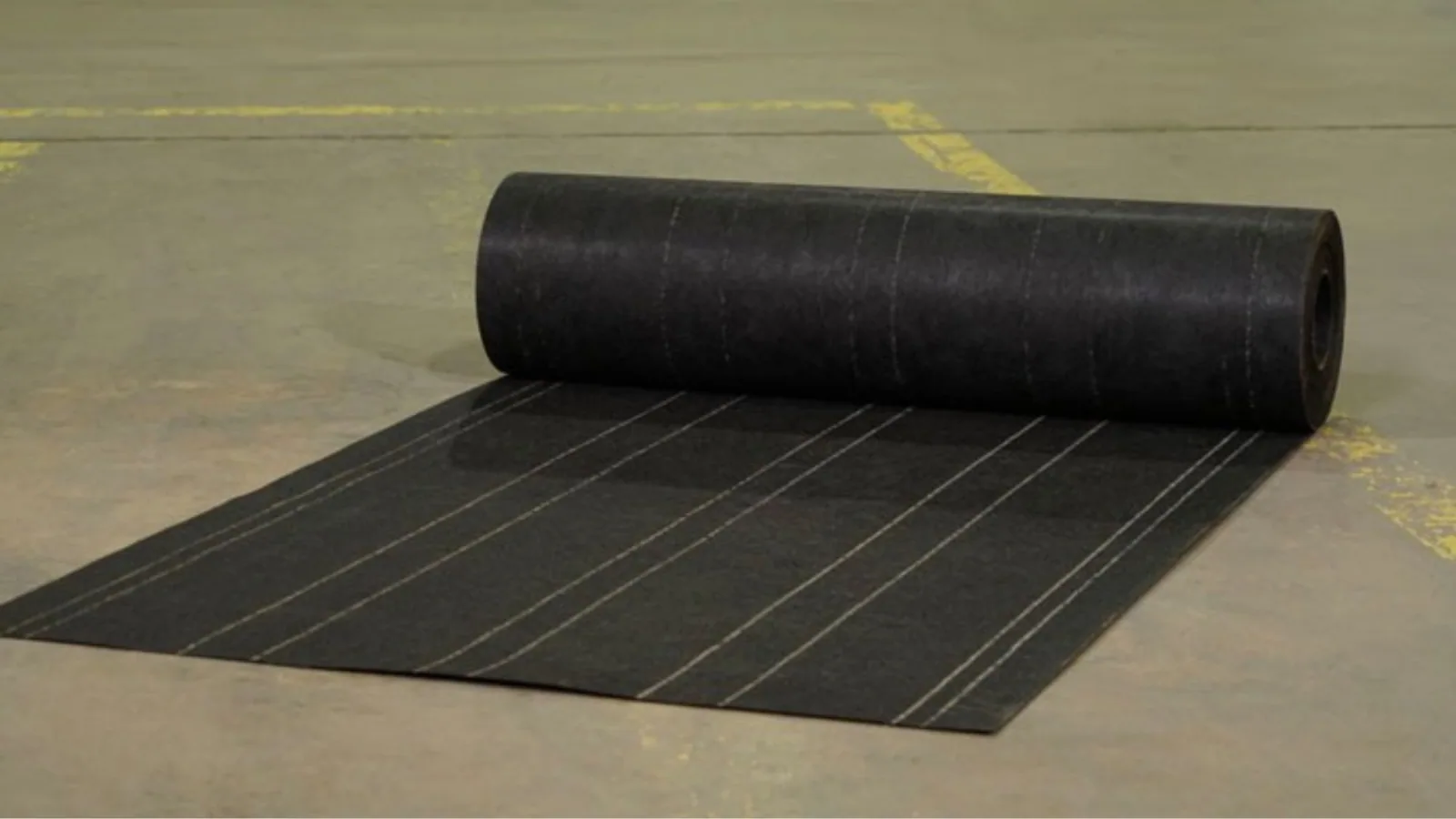
Duro-Last lists mechanically attached, adhered and induction-welded methods for its deck sheets, subject to the selected assembly and substrate. We confirm the actual deck, insulation, cover board, fasteners or adhesive, and existing roofing layers before specifying the method. A membrane roll or custom sheet does not function alone. The package should describe how the assembly transfers loads, accommodates transitions and meets the project's design requirements.
Where a recover is proposed, the retained roof must be examined for moisture, stability, attachment and compatibility. Where removal is necessary, include the deck repair and new insulation details before the field membrane work begins. The PVC roofing system should have its own attachment and perimeter details, while the TPO comparison uses a separate product and documented assembly. We do not treat color or membrane family as a substitute for the specified system. An SBS option from SOPREMA has different plies and application requirements.
Use accessories at the difficult transitions
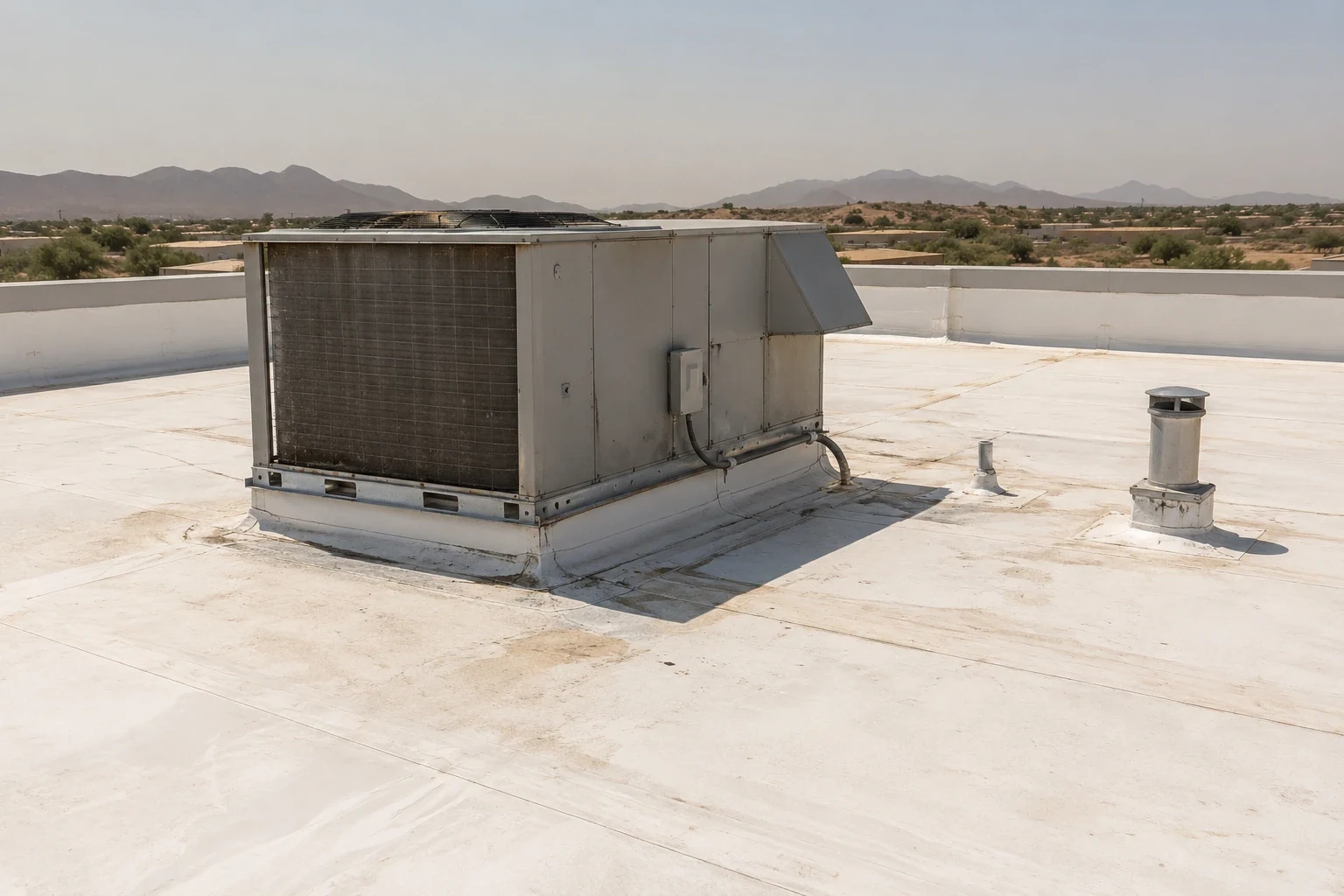
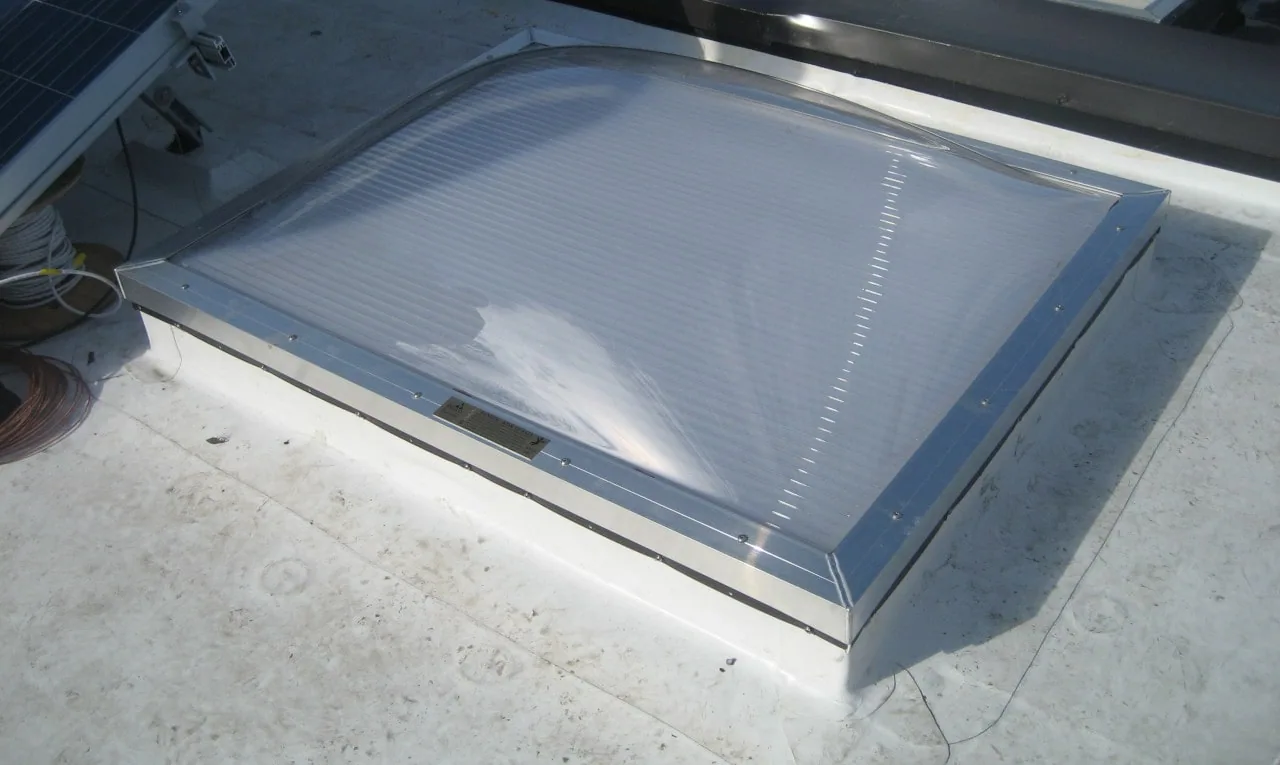
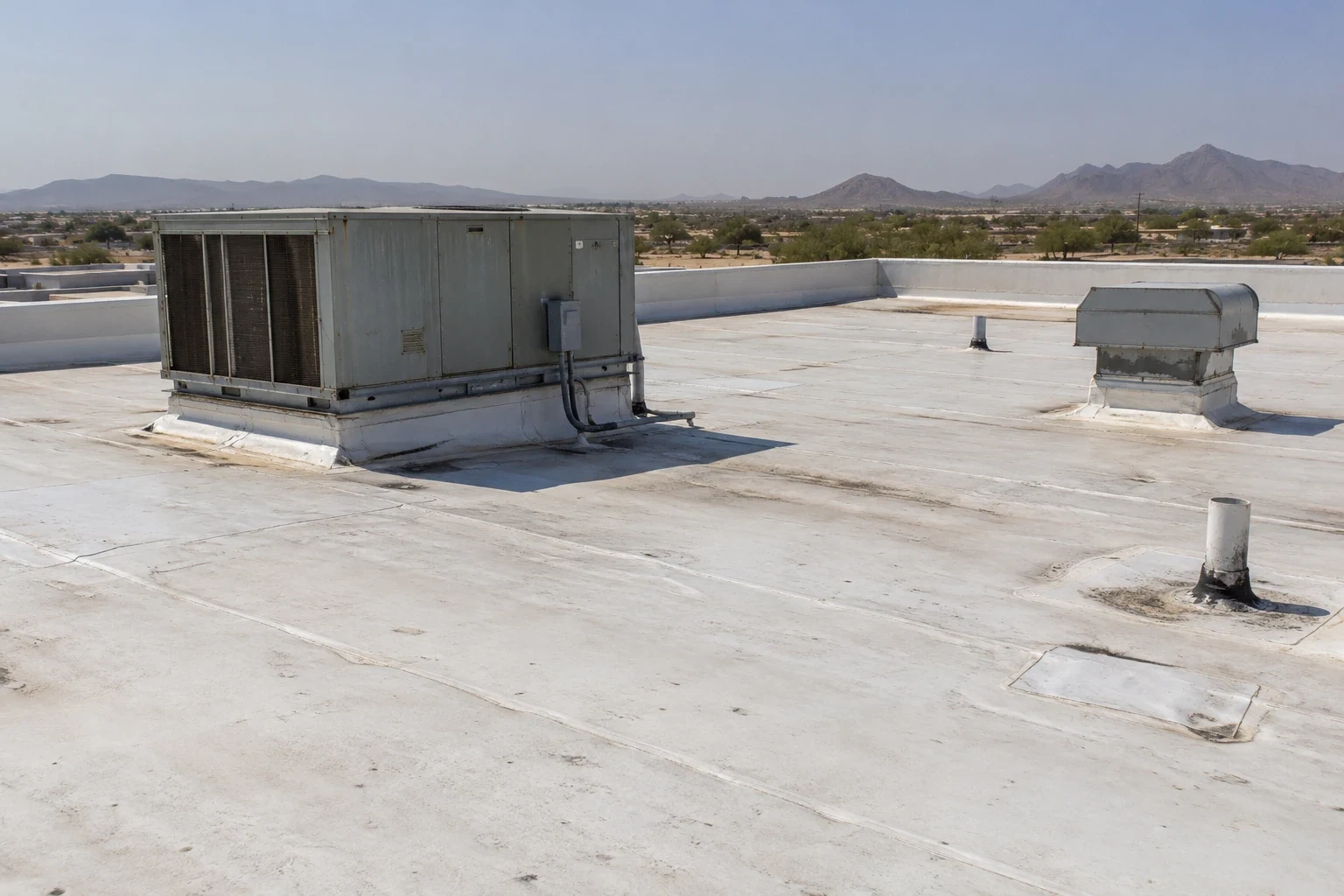
Duro-Last identifies custom-fabricated accessories for critical roof transitions, including penetration and perimeter conditions. We locate each curb, pipe, drain, scupper, parapet and corner, then confirm the accessory and field connection for that detail. Prefabrication does not remove the need to verify the support condition or the interface with another trade's work. If a curb changes after layout, the revised dimension and flashing should be reviewed before the sheet is cut or installed.
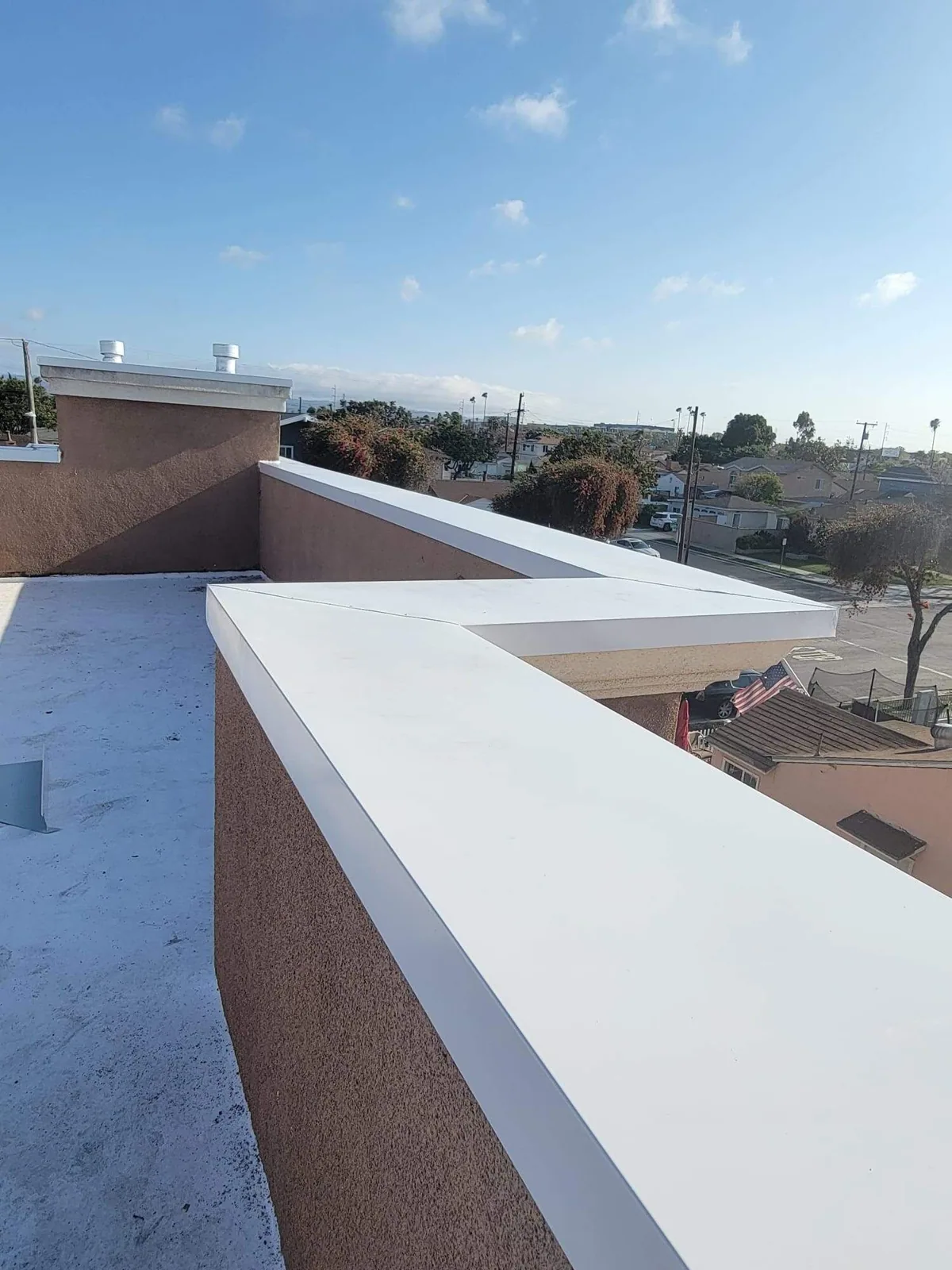
A penetration flashing review records the opening, support and membrane relationship. The edge metal detail identifies the termination and attachment at the perimeter. At drains and scuppers, confirm final height and clear water path after insulation is installed. We separate a roof membrane repair from a correction to the equipment or curb itself so the GC can assign each task and close the boundary in the right order.
Protect seam areas through staging and weather
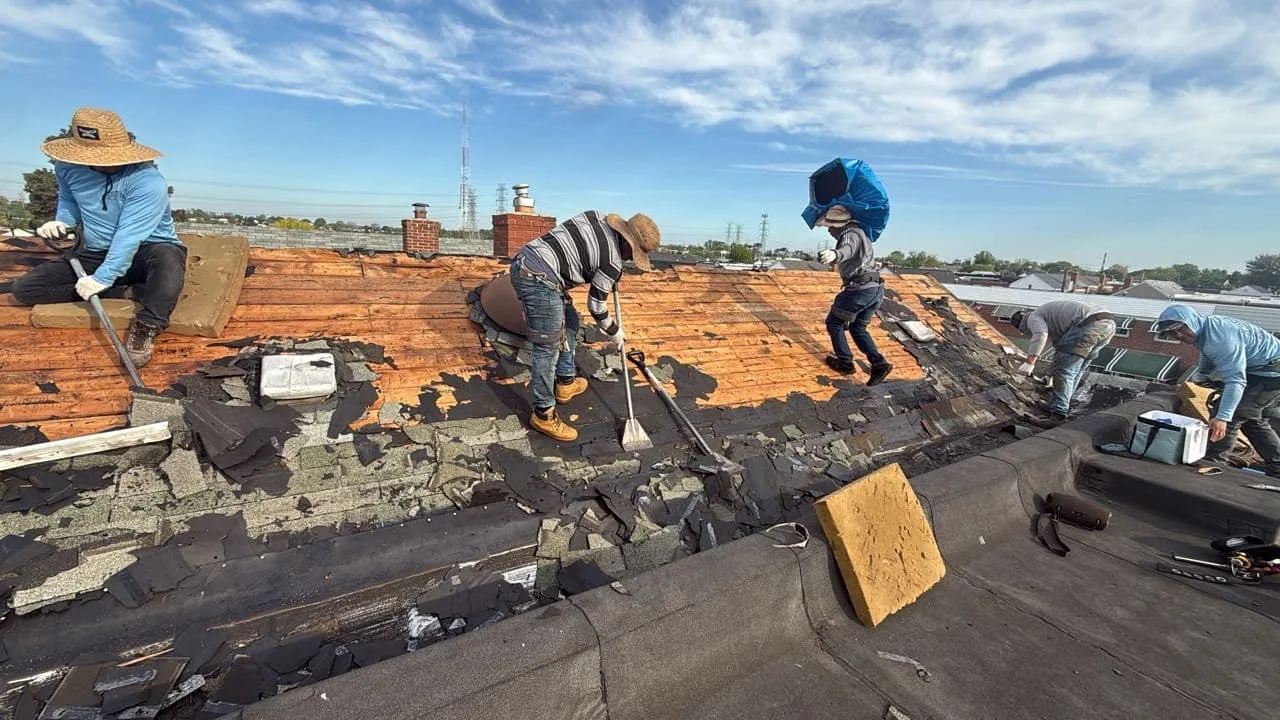
Glendale's summer sun and heat require material storage and work staging that follow product instructions. Keep sheet edges and seam areas clean through placement. Dust, foot traffic or an interruption can change the preparation needed before field welding. We plan how much of the roof is opened, how the day's boundary will be protected and which conditions must be checked before work resumes. A clean factory-fabricated sheet still depends on sound field connections at the edges and penetrations.
The NWS July 2024 account records Phoenix-area microbursts and a warehouse collapse near 47th Avenue and Van Buren Street. For a custom-fabricated roof, set the weather stop point and day-end closure before removing existing material. The GC and roofing crew set a stop point, temporary protection and resumption review for the actual project. After a dust or rain interruption, inspect exposed surfaces and seams and follow the manufacturer's current preparation instructions before proceeding.
A new opening or active leak needs protection while a permanent scope is defined.
Keep product documents and field scope in step
Duro-Last lists PVC membrane products, custom-fabricated details, roll goods, fasteners, adhesives and insulation in its system portfolio. That breadth does not mean every component belongs in one project. We list the specified products, attachment, sheet layout and included accessories, then state any required manufacturer review or inspection shown in the project documents. If the GC changes a component, update the affected detail and product instructions before installation.
Warranty term and eligibility come from the document issued for the installed assembly. The warranty record should identify the document actually issued, the system components it describes, inspection steps and open requirements. This keeps the project proposal separate from a manufacturer's coverage decision and gives the owner a record grounded in the installed assembly.
More on Duro-Last Commercial Roofing
Give the next crew a map of the installed roof
At turnover, record the installed membrane product, attachment, field seam locations, transitions, repairs, drainage observations and any inspection document received. Note where custom pieces or accessories were used and photograph the completed interfaces with roof locations. Separate open recommendations from completed work. If equipment will be added later, preserve the detail and product information needed for a compatible curb or penetration decision.
For a proposed building near Loop 303, confirm the exact property, roof and delivery controls with the GC. At a project near Westgate, confirm operating windows and staging restrictions before sheets arrive. The local district names do not tell us roof age or construction. A measured plan, current site rules and final closeout record do.
That record gives later maintenance a starting point and helps the owner distinguish installed system facts from future recommendations.
Commercial Roofing Questions
How much roof is fabricated before Duro-Last sheets arrive?
Duro-Last states that up to 85 percent of membrane seams may be factory-welded. The actual layout, dimensions and remaining field connections depend on the measured roof and selected system.
Can a custom sheet cover every roof transition?
Custom accessories address selected transitions, but each curb, drain, parapet and edge still needs field measurement and a compatible support and connection detail.
Which attachment method should the GC specify?
The deck, retained roof, assembly design and product documents determine whether mechanical, adhered or induction-welded attachment is appropriate. We confirm the project-specific method before pricing.
What happens if a curb moves after fabrication measurements?
The revised opening needs a field measurement and detail review before cutting or installing the affected sheet. We identify schedule and accessory changes with the GC.
Does a Duro-Last product name establish the roof warranty?
No. The issued project document, system components, applicable inspection and completed requirements determine the actual coverage. We record what the owner receives.
Confirm field measurements before the Duro-Last sheet release
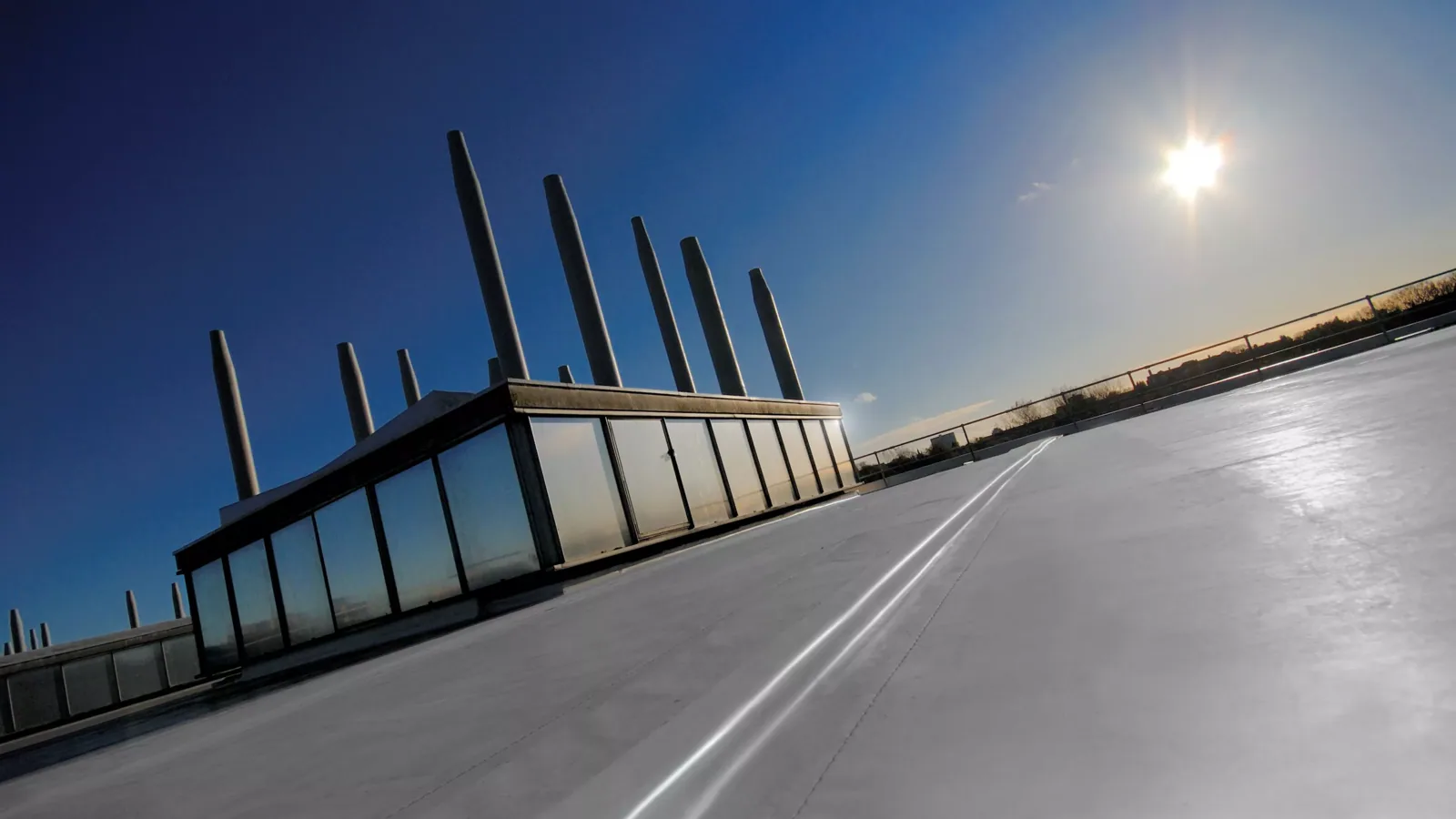
Share the roof dimensions, opening schedule, confirmed sheet layout and next turnover milestone. We will review release conditions, delivery protection and field-seam work with the GC.
Next steps for your building:
Related Roofing Work
More commercial roofing work for Glendale and West Valley properties.