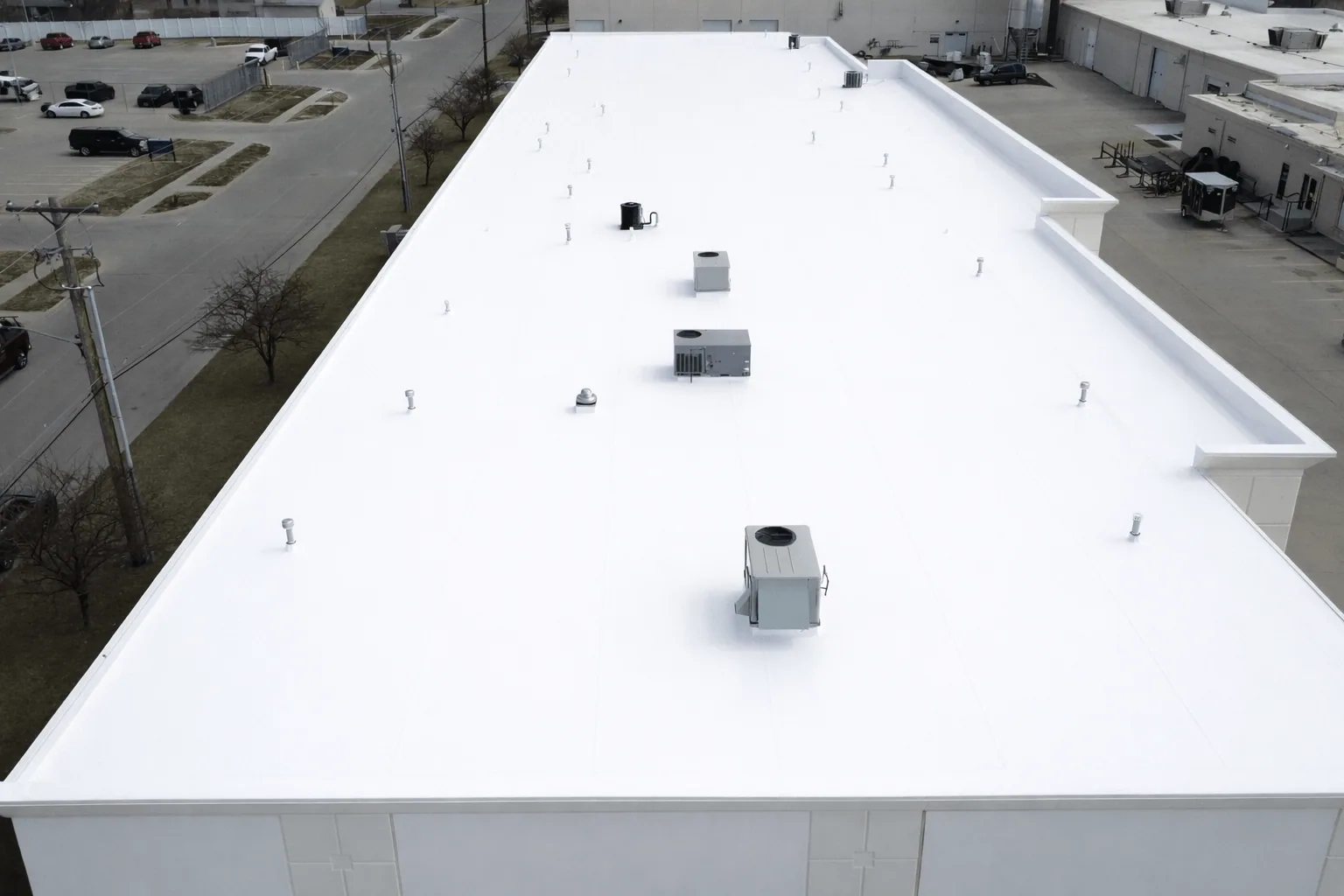
Sika Sarnafil PVC Roofing Systems in Glendale
Home / Roofing Manufacturers / Sika Sarnafil PVC Roofing Systems
Request A
Roof Assessment
Tell us about the building and the roof. We reply with the next practical step for your property.
Compare Sarnafil PVC membrane types, attachment methods, heat-welded details and project review documents before coordinating a Glendale roof package.
For a Glendale general contractor, Sarnafil identifies a product family, while the roof plan still needs to name the membrane and attachment detail proposed for the assigned area. Sika Sarnafil lists multiple PVC membranes and system options. The proposed product must match the substrate, fastening or adhesion plan, perimeter details and turnover sequence shown on the project documents. Resolve those details before rolls are ordered.
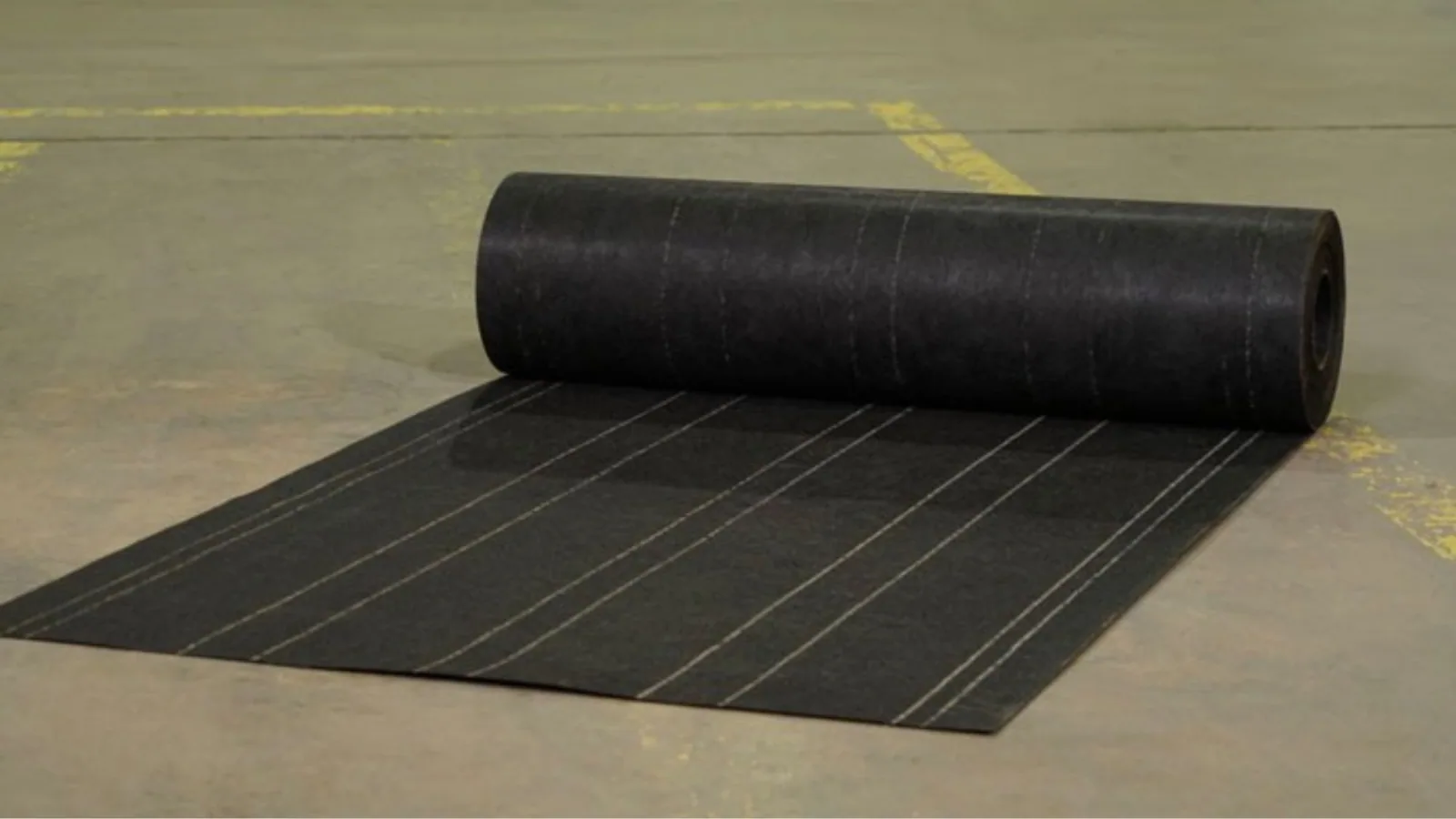
Sarnafil is a product family, not a single sheet configuration. Sika's U.S. product information describes G-series fiberglass-reinforced membranes for adhered applications and S-series polyester-reinforced membranes for mechanically attached systems. The manufacturer also identifies product thicknesses and accessories that vary by membrane. Compare the current product details with the assembly drawing; they do not identify the membrane installed on an existing Glendale roof.
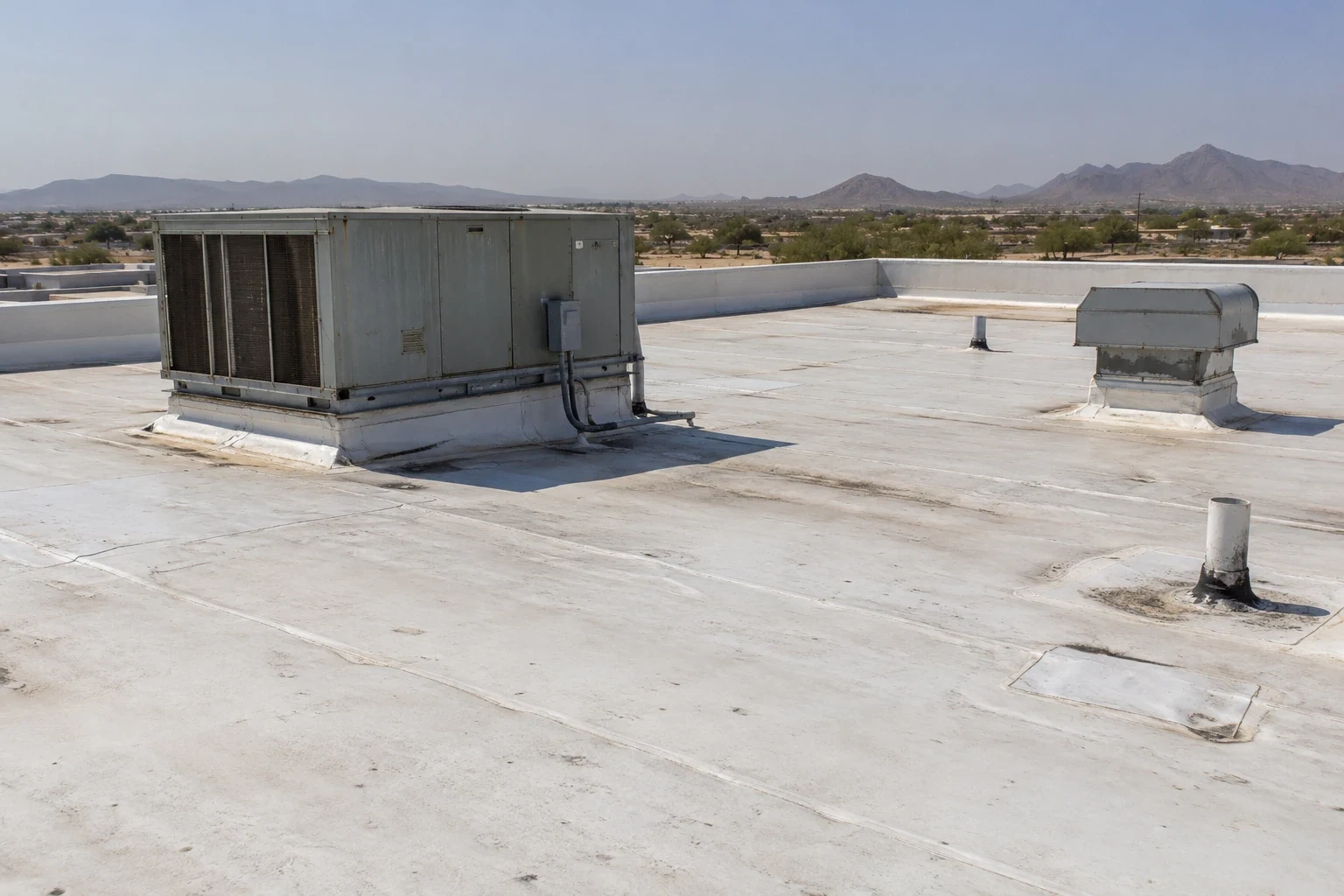
Separate the membrane family from the method
Begin with the assembly drawing and identify the exact membrane designation. Sika describes Sarnafil G 410 products as PVC thermoplastic membranes for adhered systems and S 327 products as polyester-reinforced membranes used in mechanically attached systems. The current product sheet should confirm the exact thickness, reinforcement, backing, color and installation limitations. A roll label that says “PVC” does not contain enough information for a project-level review.
Attachment also belongs to the complete roof assembly. An adhered detail depends on approved substrate and adhesive conditions. A mechanically attached detail requires the deck, fastener and plate configuration to agree with the design. In-seam fastening, batten systems and induction-welded approaches may appear in product information, but the manufacturer instructions and approved project details determine their use. Do not infer wind design, fire assembly or code compliance from the brand alone.
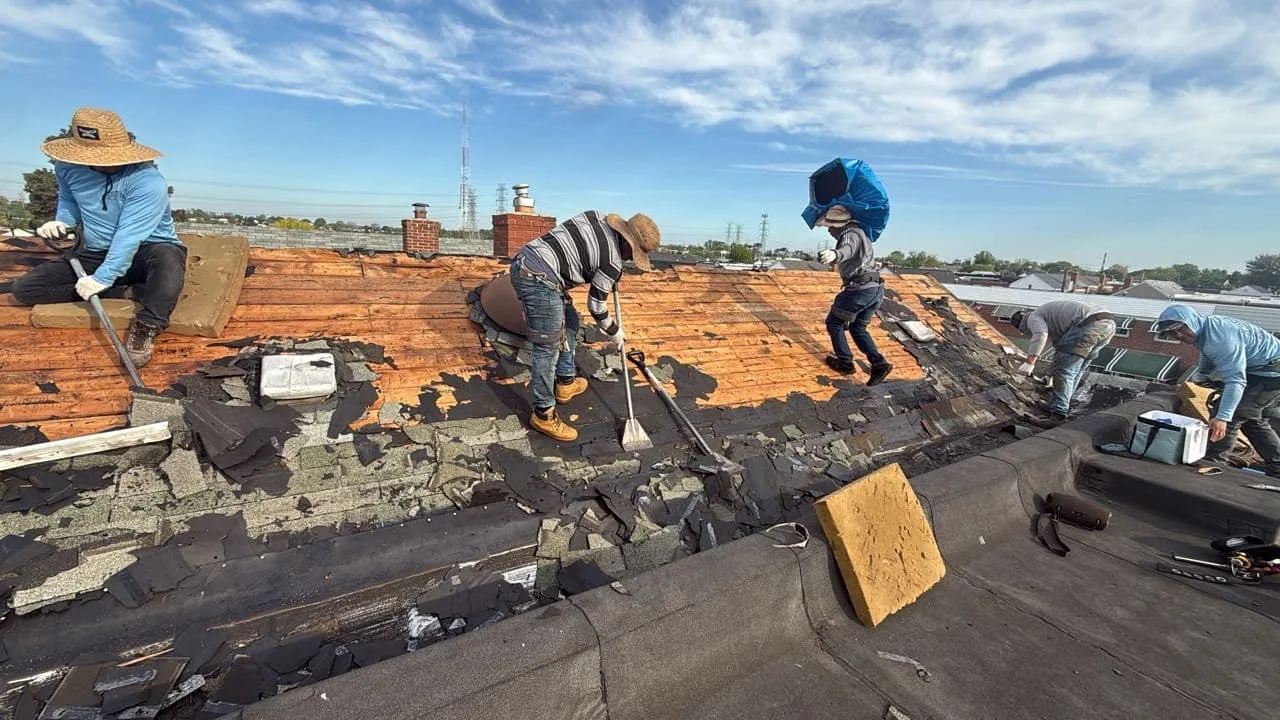
If the project includes recover work, describe the retained layers and the approved cover-board or separation layer. Confirm that the selected sheet and attachment method are designed for the substrate actually found. When the existing roof is uncertain, route the question through the inspection scope and designer review before procurement. That keeps a field assumption from becoming an unreviewed assembly change.
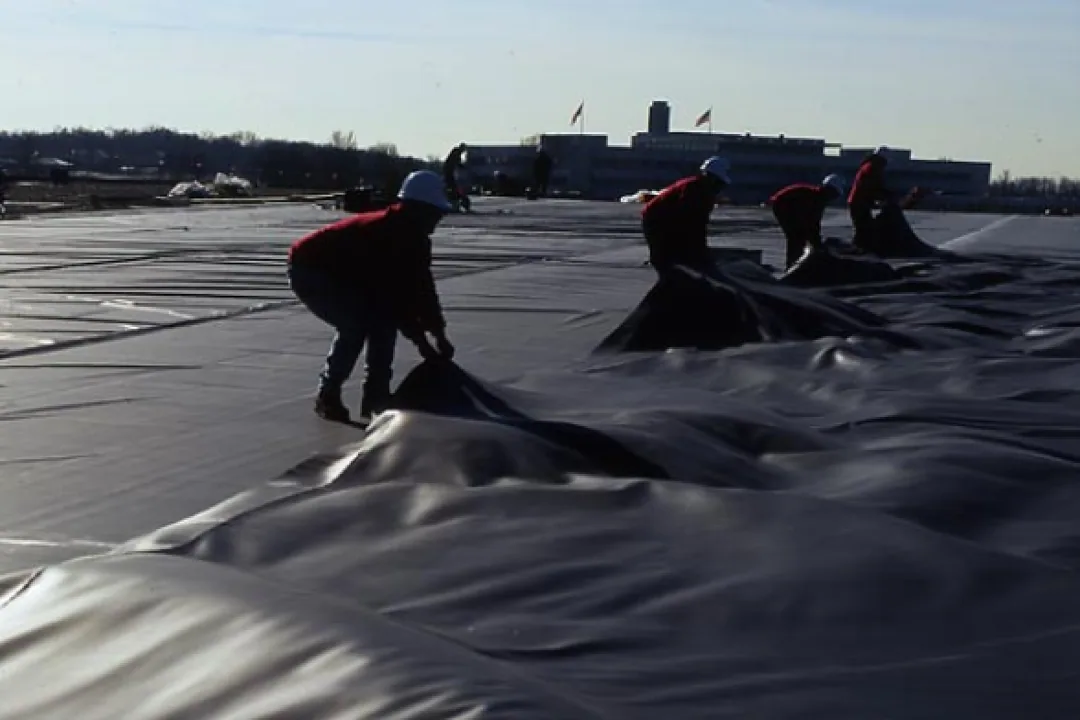
Inspect the welds and transitions
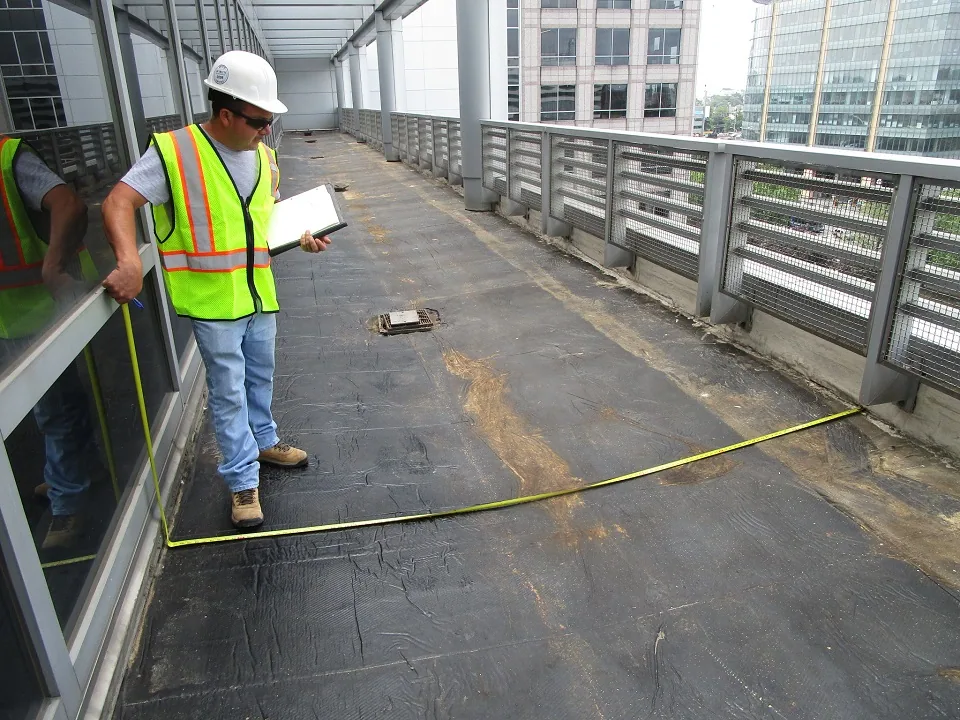
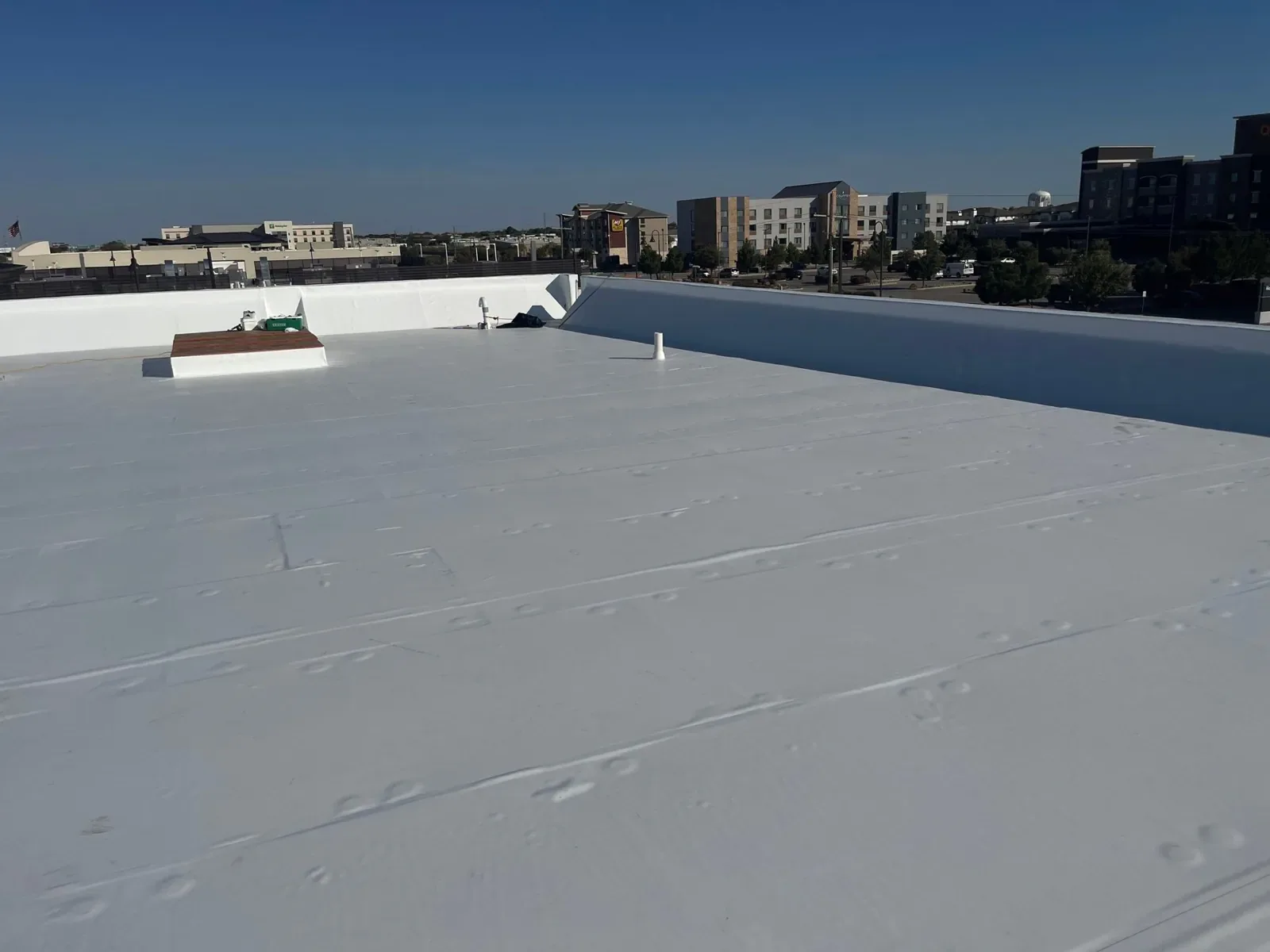
Sika states that Sarnafil membrane seams are joined with hot air. That makes the welding process central to the field quality plan. Specify the trial weld, equipment checks, seam inspection and repair record for the chosen membrane. Keep sheet edges clean before welding and provide enough access to check the finished seam. A record should tie the test and repair to a roof area or detail, not just note that welding occurred.
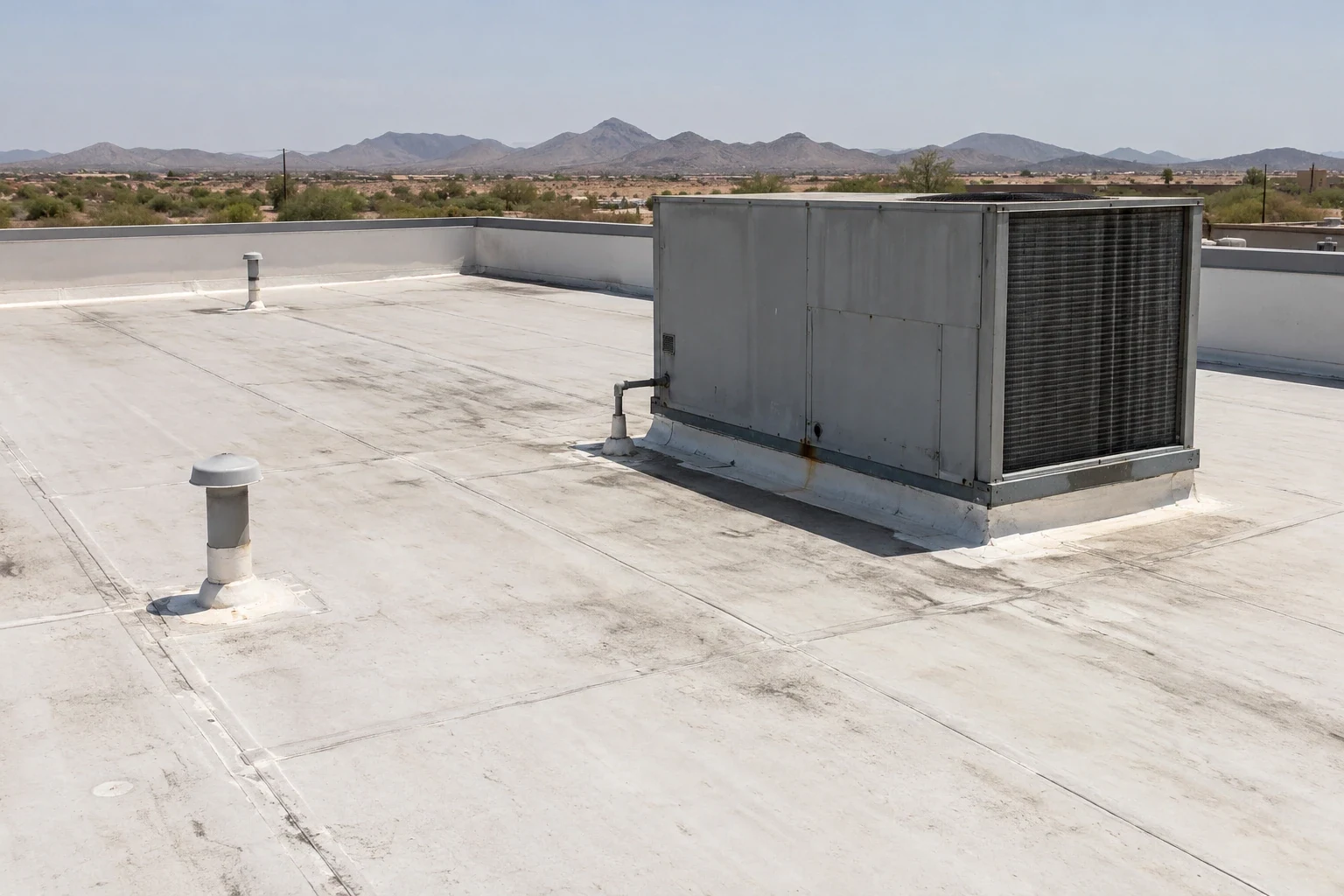
Transitions deserve their own pre-installation review. At a curb, confirm the membrane upturn, securement and counterflashing. At a drain, coordinate the membrane and clamping arrangement with the drain assembly. At an edge, review termination metal, securement and water path. If a roof crosses a change in substrate or use, show how the two conditions meet. Sika’s standard detail library helps identify a starting point, but the project team needs to confirm that a selected detail fits its actual construction.
Glendale heat adds a sequencing constraint. The crew should follow the site heat plan for start times, shade, hydration and breaks, and follow product instructions for storage and welding conditions. The project schedule should leave time for inspection and repairs instead of treating every completed seam as ready to cover. As afternoon monsoon conditions approach, complete the temporary closure and secure loose materials before leaving the roof.
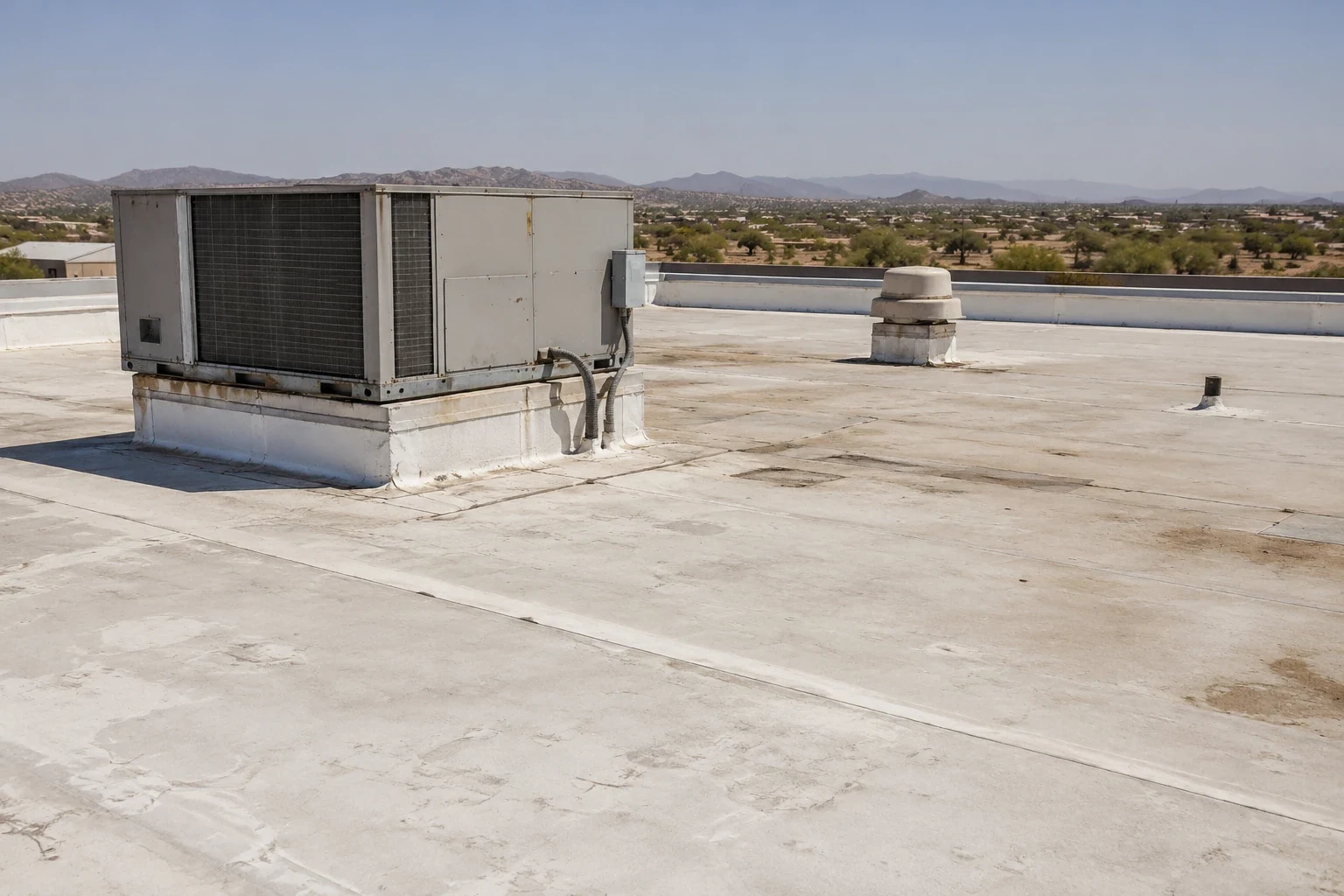
Coordinate attachment with the roof geometry
A mechanically attached layout relates fastener rows, sheet direction and deck support to the roof plan. Review the corners, perimeters and field zones against the approved design. Identify the fastening pattern at transitions and around equipment, then show how the membrane remains secured where the geometry changes. Do not copy an attachment pattern from another roof or use a product page as a substitute for the assembly calculation and project approval.
An adhered configuration requires a different review. Confirm the substrate and preparation requirements, the compatible adhesive and the application coverage specified in current instructions. Determine how the crew will manage material open time, temperature and wind exposure. If the substrate is not ready or a test area does not meet the project criteria, define who can stop work and how the condition is documented. Those steps are easier to agree on before the roof is staged.
Include rooftop equipment in the sequence. Set curbs, supports and openings before the membrane detail is closed, or establish the approved temporary condition and subsequent tie-in. Electrical and mechanical crews should know the no-traffic areas and protection requirements. The general contractor can then line up each trade without asking roofers to work around incomplete supports or seal an unreviewed penetration.

Control product selection and delivery
The manufacturer page may list several thicknesses, widths, colors and backed configurations. The specification should select the one proposed, and the procurement package should preserve that selection. Verify that accessories, flashing membranes and metal interfaces correspond to the field membrane. Confirm roll storage and protection requirements before delivery. If an item has a different lead time or is not stocked in the selected color, resolve it before the membrane crew is on site.
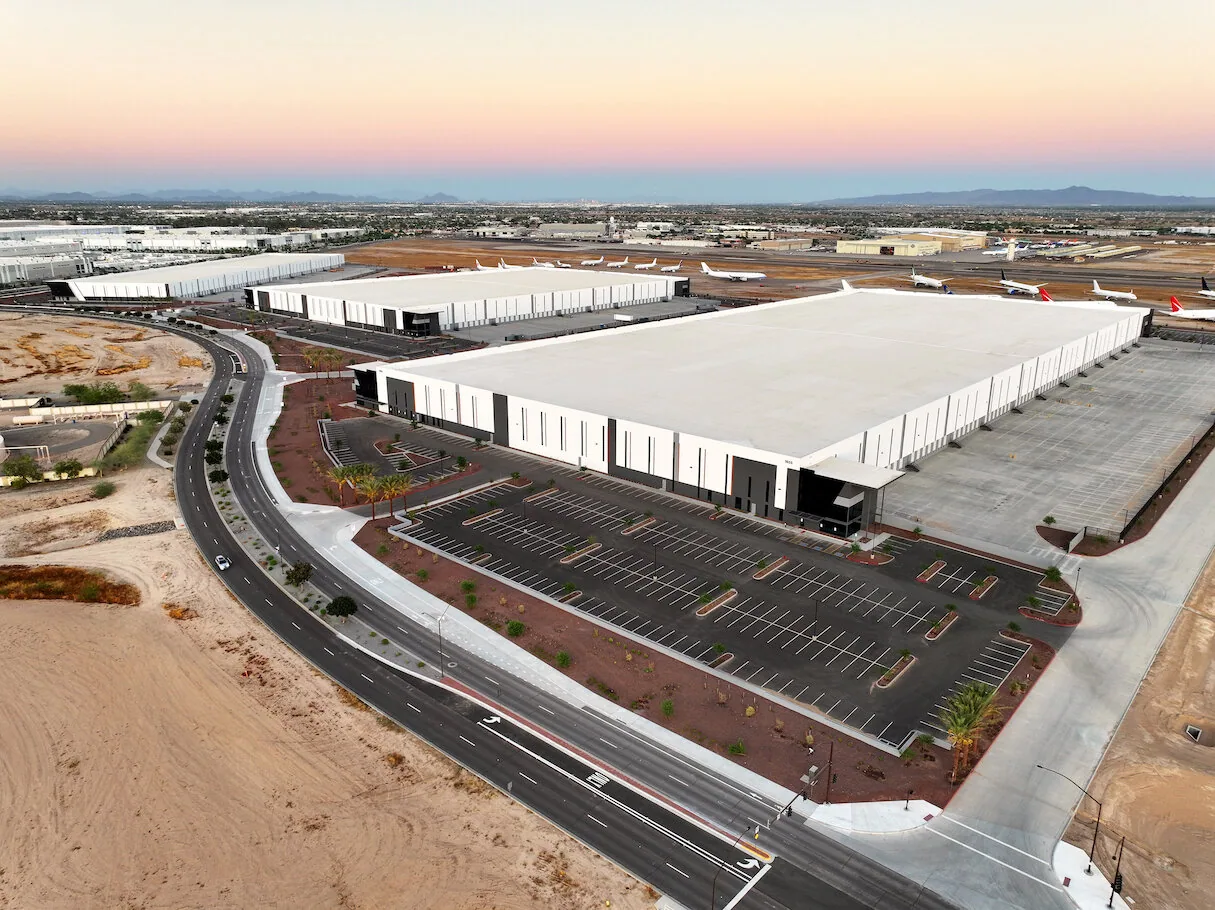
For work near the Loop 303 Industrial Corridor or the Glendale Airpark Business Park, confirm the facility, delivery route and access window with its representative. Use the roof plan, owner records and authorized site walk to confirm substrate and receiving conditions before selecting the membrane.
Finish with a roof record the next team can use
At turnover, identify the installed Sarnafil product, attachment system, approved detail revisions and areas where repair work occurred. Include seam inspection records, photographs where permitted, maintenance instructions and the manufacturer documents actually issued. If the owner expects future penetrations, provide the procedure for review before another trade cuts or fastens through the roof. This record can reduce uncertainty on later work without promising that the roof will never need service.
Sika's current warranty information and product requirements should be checked for the selected assembly. Describe only the terms that the issuer confirms for the project, including maintenance or post-installation alteration requirements. A product brochure is not proof that a particular job received a warranty. Keep the actual paperwork with the as-built drawing and specify who retains it after the GC's closeout.
Compare Sika Sarnafil with an Holcim Elevate KEE roofing assembly or a TPO system only after the alternatives show the same substrate and design conditions. The Holcim Elevate product range includes several distinct families; GAF commercial roofing information describes another manufacturer’s options. Compare complete layers, attachment, edge details, exposure assumptions and project requirements rather than treating brand names as interchangeable.
More on Sika Sarnafil PVC Roofing Systems
Commercial Roofing Questions
What is the difference between Sarnafil G and S membranes?
Sika describes G-series products as fiberglass-reinforced for adhered applications and S-series products as polyester-reinforced for mechanically attached systems. Check the exact product sheet and design.
Are Sarnafil seams glued?
Sika product information describes hot-air-welded seams. The field plan should specify the welding and inspection process for the selected membrane.
Does a Sarnafil product name confirm the attachment design?
No. The approved assembly must identify substrate, attachment, fastener or adhesive details, edges and penetrations for the project.
What should the crew do before a monsoon interruption?
Follow the project closure plan: secure loose materials, protect open edges, make the exposed area watertight and inspect the closure before roofing resumes.
Set the membrane detail before procurement
Bring the roof plan, deck information and selected attachment method to a pre-roofing meeting. We can align review documents, seam checks and turnover records for a Glendale commercial project.
Next steps for your building:

Related Roofing Work
More commercial roofing work for Glendale and West Valley properties.