Holcim Elevate Commercial Roofing in Glendale
Home / Roofing Manufacturers / Holcim Elevate Commercial Roofing
Request A
Roof Assessment
Tell us about the building and the roof. We reply with the next practical step for your property.
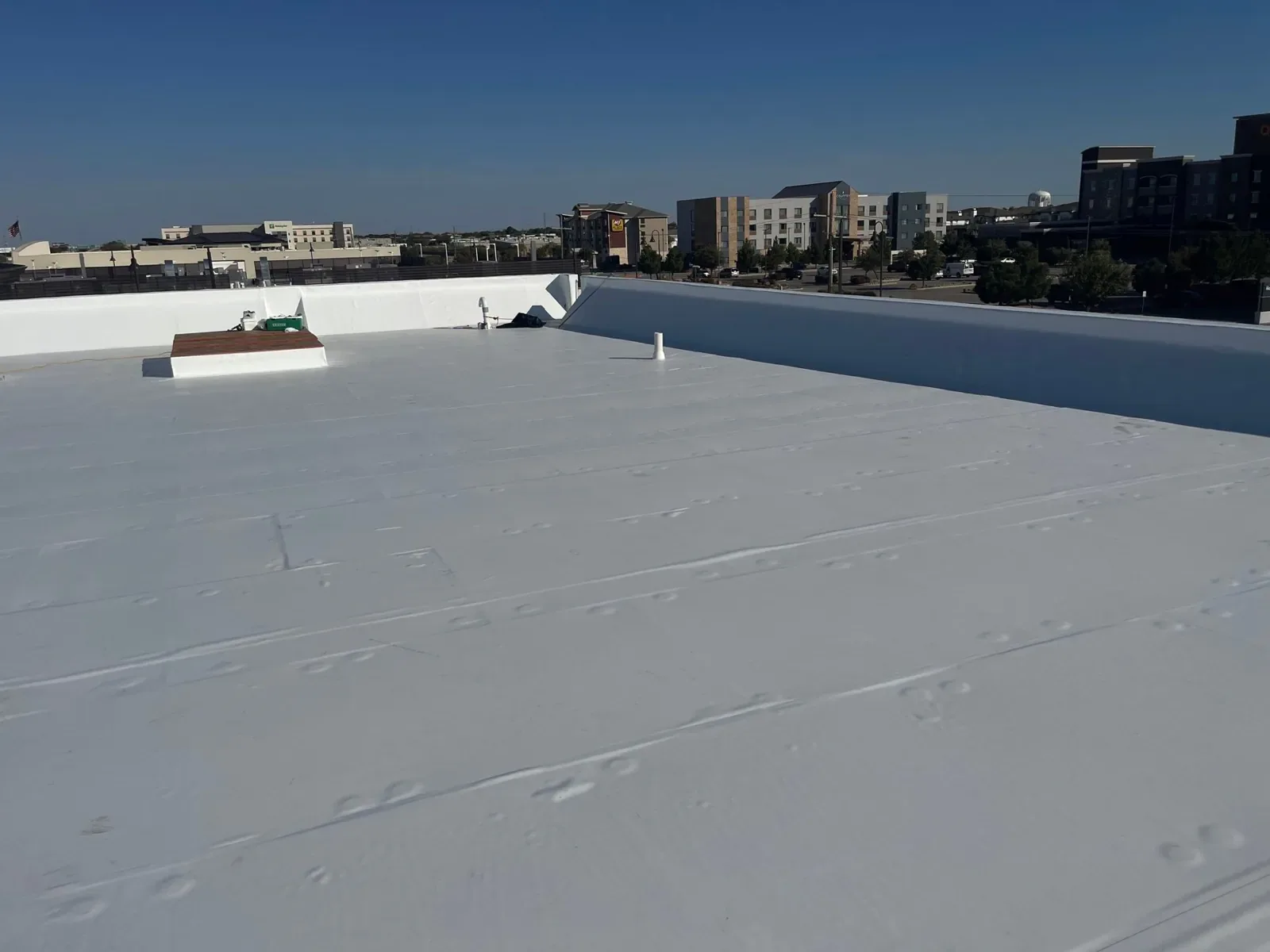
Review Holcim Elevate product families, project review documents, assembly details and manufacturer-issued documents before specifying a Glendale roof package.
Before a roof package reaches the Loop 303 deck, the manufacturer name should lead to a specific product and assembly, not a general assumption about what will be installed. Holcim Elevate offers several commercial roof-system families, including EPDM, TPO, PVC, asphalt and metal products. For a Glendale general contractor, the useful task is to connect the drawing detail, product review package, attachment method and closeout record while the work can still be sequenced around the turnover date.
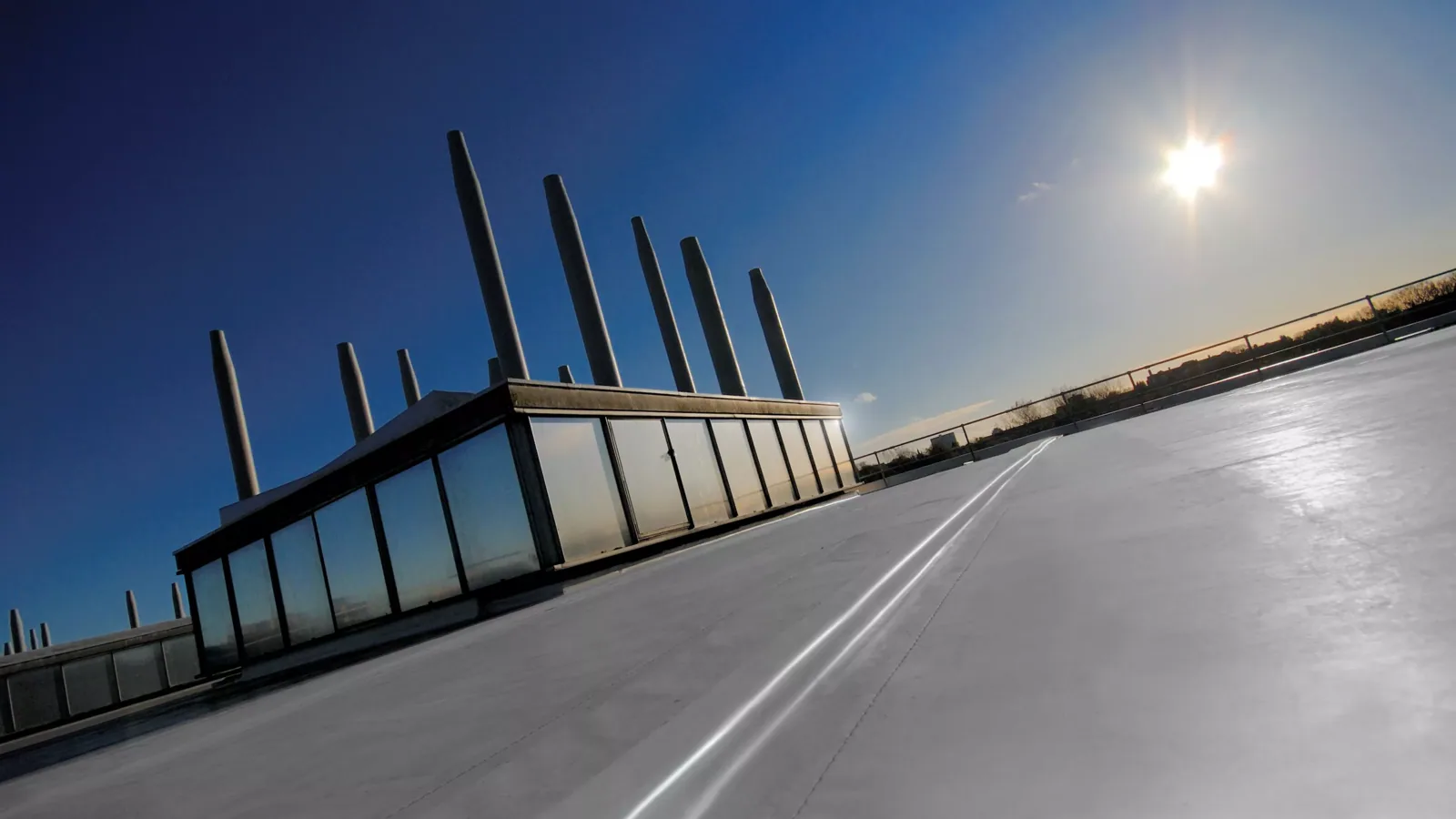
The Holcim Elevate portfolio covers distinct assemblies, so identify the exact product family before setting the roof package. PVC KEE is a reinforced thermoplastic single-ply membrane. UltraPly TPO is another heat-welded thermoplastic system. Asphalt offerings include APP, SBS and built-up roof systems. A metal roof is another product family entirely. Manufacturer literature explains product options; it does not prove which product a project needs, which system is present on a building or whether a contractor holds a particular status. Keep those questions separate in the bid and pre-roofing process.
Start with the product family and exposure
Choose the system family after the project team records its actual constraints. Relevant inputs can include existing roof layers, substrate, slope and drainage, mechanical equipment, traffic, planned use and the type of exposure being addressed. Holcim Elevate describes PVC KEE as a product for low-slope commercial applications and identifies resistance to grease, fuels, air-conditioning coolants and other harsh chemicals. Those details make it a candidate for review when the drawings or owner records identify a matching concern. They do not resolve an unspecified spill, cleaning chemical or exposure duration.
For a roof package under a GC's control, place the product data beside the system detail instead of passing a single brochure around without context. The review package should identify the exact membrane, reinforcement or backing, thickness, attachment method and accessory system. If several options appear in the product family, mark the one proposed for the project and state any substitutions. Procurement can then confirm that the bid, order and field installation all refer to the same configuration.
Convert manufacturer details into project details
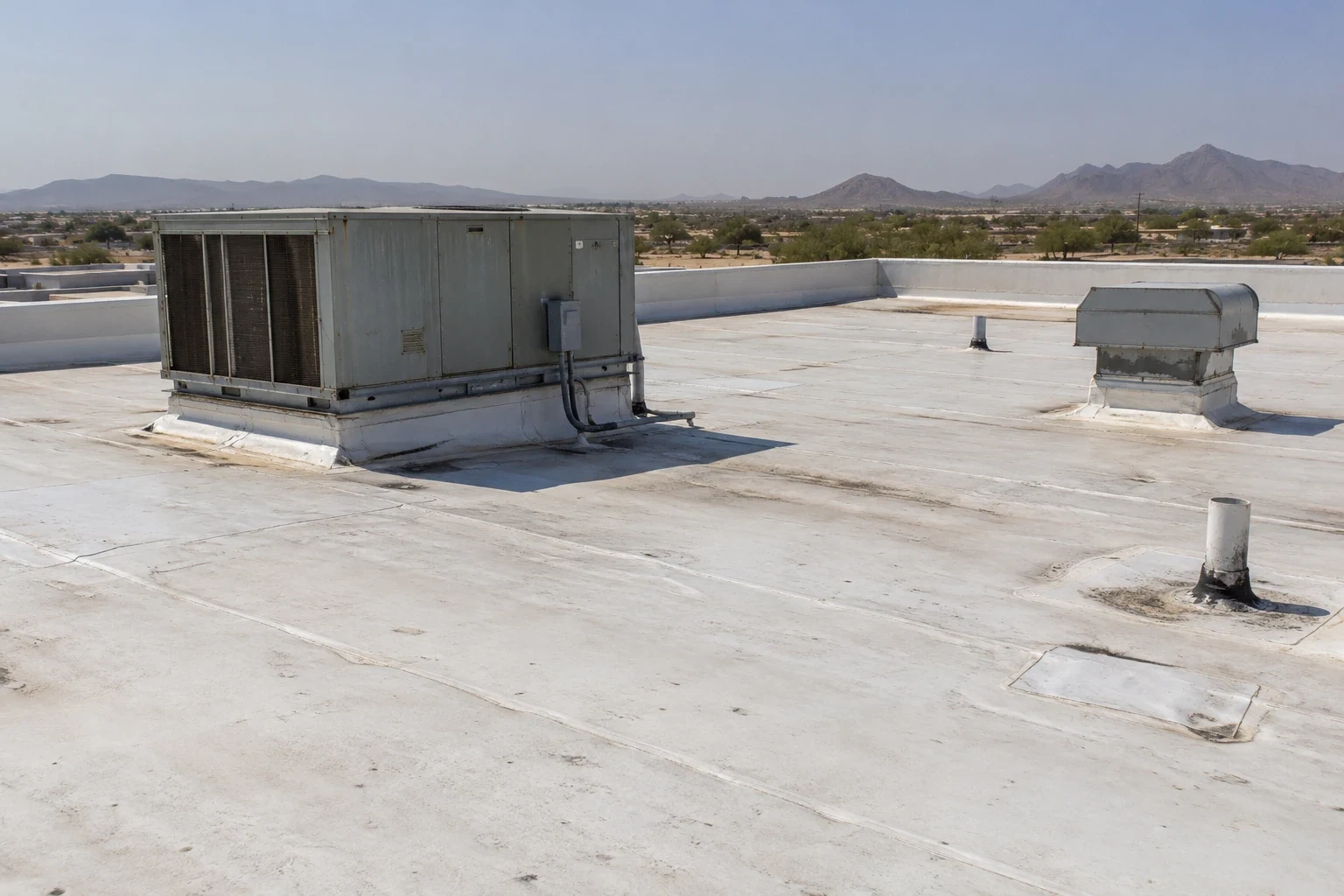
Manufacturer detail libraries are reference material for the design team. Select the detail that matches the product, roof condition and project drawings; do not assume that every standard detail applies to every deck or transition. At a curb, the review package must show the membrane turn-up, corner treatment, securement and counterflashing. At an edge, it must identify the metal, termination and membrane connection. At a drain, it must coordinate the drain body and clamping condition with the roof layers. Those details should be coordinated with adjacent trades before membrane work begins.
Holcim Elevate product pages distinguish application configurations such as adhered, mechanically attached and induction-welded options for selected thermoplastic systems. Each method has project-specific requirements. The deck type, fasteners, plates or bonding materials need to match the current assembly design. If field conditions differ from the drawings, stop at a defined hold point, document the change and obtain the appropriate design response before concealment.
A good review package includes product data, current system details, safety and handling information, and the proposed assembly schedule. It should also show where the manufacturer document has been adapted to a project condition. A generic product sheet is not a substitute for a detail at a complicated transition. Make the reviewer’s task clear by labeling the drawing references and presenting deviations as explicit questions.
Sequence procurement and installation
Coordinate purchase timing with the approved product package. Confirm color, thickness, backing, roll dimensions, accessory needs and delivery constraints before the crew is scheduled. A product may have multiple stocked or made-to-order configurations, and a brochure does not establish local availability. Keep the delivery plan aligned with the job's access route and staging limits. On a busy Glendale site, a roof delivery can conflict with steel, mechanical equipment or paving if the general contractor does not reserve a clear sequence.
Set the roof area boundaries and daily closeout before installation begins. The crew should know which deck areas are approved, where materials can be staged and how the open roof is made watertight if work stops. During summer, use the site heat plan and current product handling instructions to set start times, shade, water and break intervals. In monsoon season, use current weather information and secure loose materials before conditions change. Do not confuse a manufacturer's regional product statement with a weather forecast for the project.
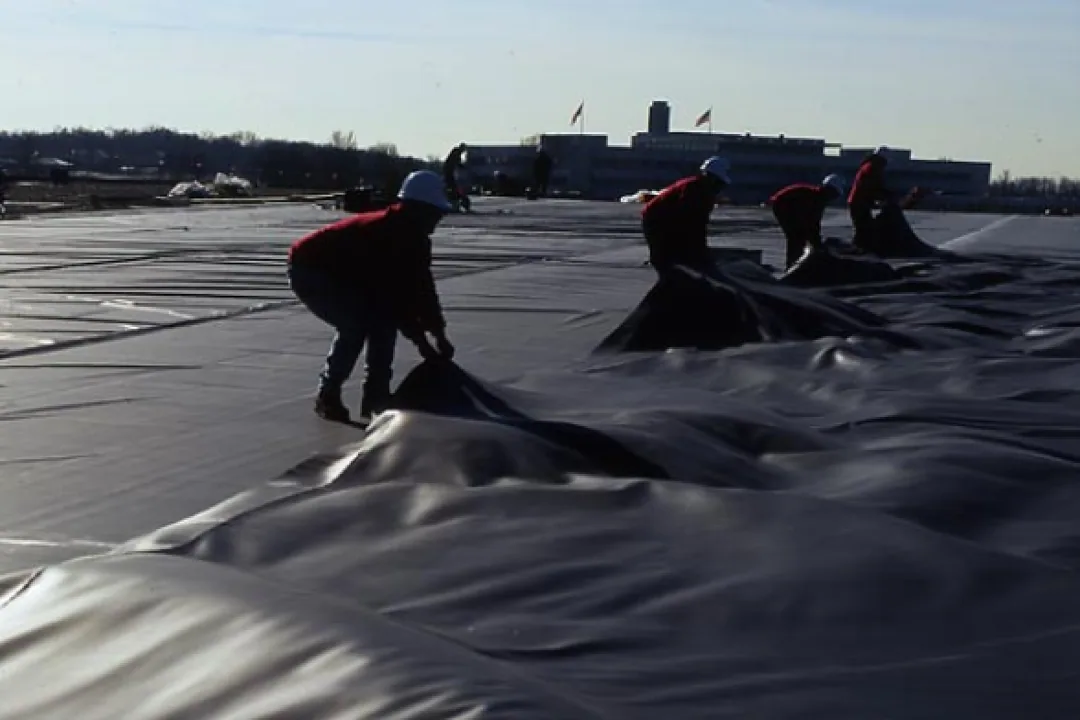
During work, record the installed product and the areas completed each shift. Note substitutions and approved field details while they are fresh. For heat-welded membranes, define seam testing and repair documentation. For asphalt systems, identify the application and layer checkpoints. These records help the GC verify that the installed roof matches the approved package before the next trade covers or loads it.
Verify the issuer and scope of closeout documents
Manufacturer warranty information is specific to product, assembly, installation and issuer review. Holcim Elevate publishes limited warranty options for several systems, with eligibility conditions that vary. The project team should not promise a term from a brochure before the system and requirements are confirmed. At closeout, keep the actual issued document, its coverage description, exclusions, maintenance duties and transfer process in the project file. Make clear who is responsible for submitting the package and following up on missing records.
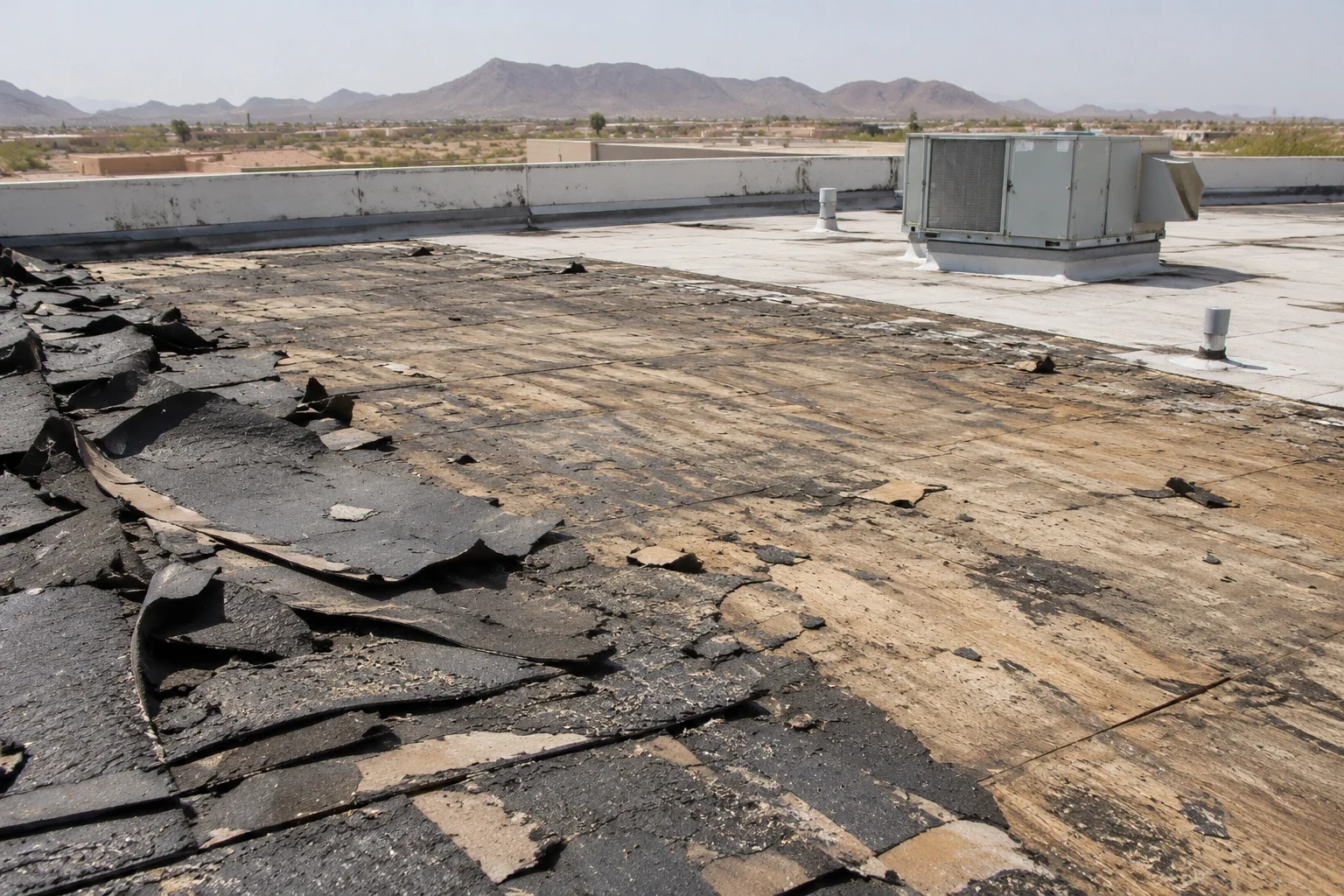
Use a final roof walk to compare the installed details with the accepted document set. Record visible repairs, edge conditions, drain access, equipment supports and unresolved items. If the work is part of a roof replacement, include the removal and substrate disposition. A warranty-management scope can track documents and maintenance obligations after closeout, but it cannot create coverage that the issuer did not provide.
Keep the system comparison grounded
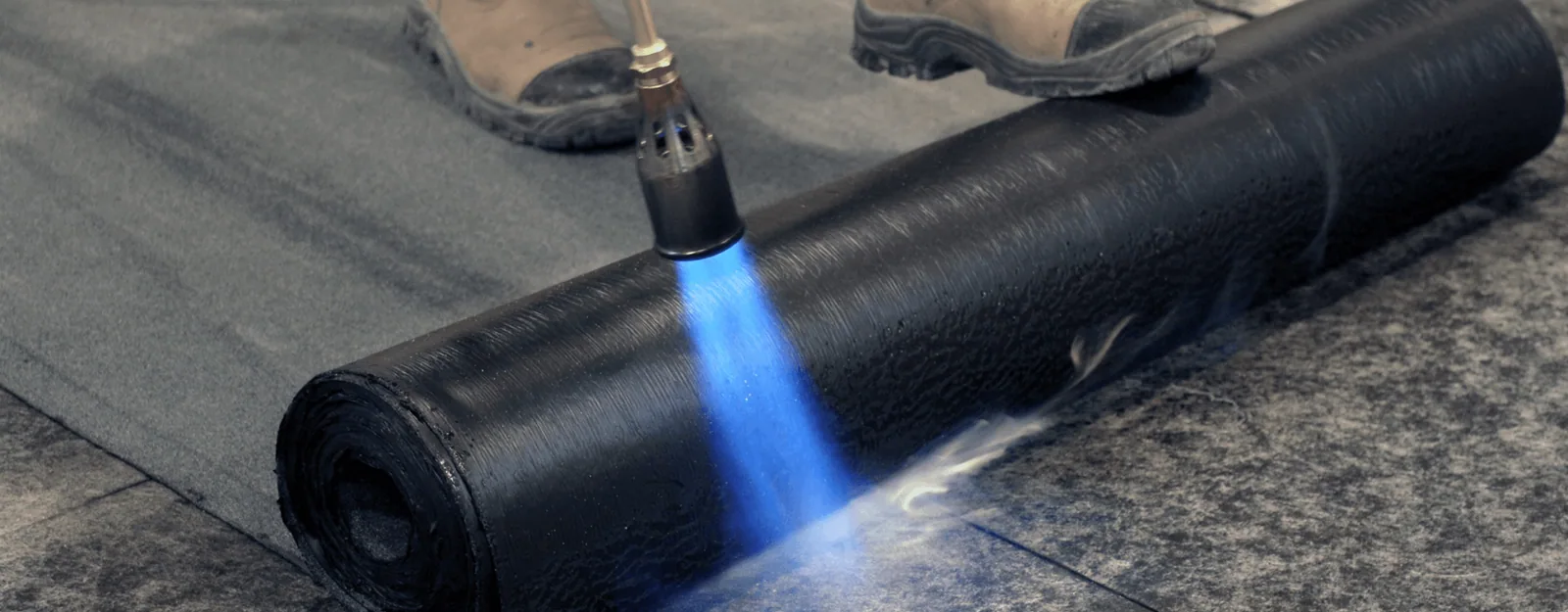
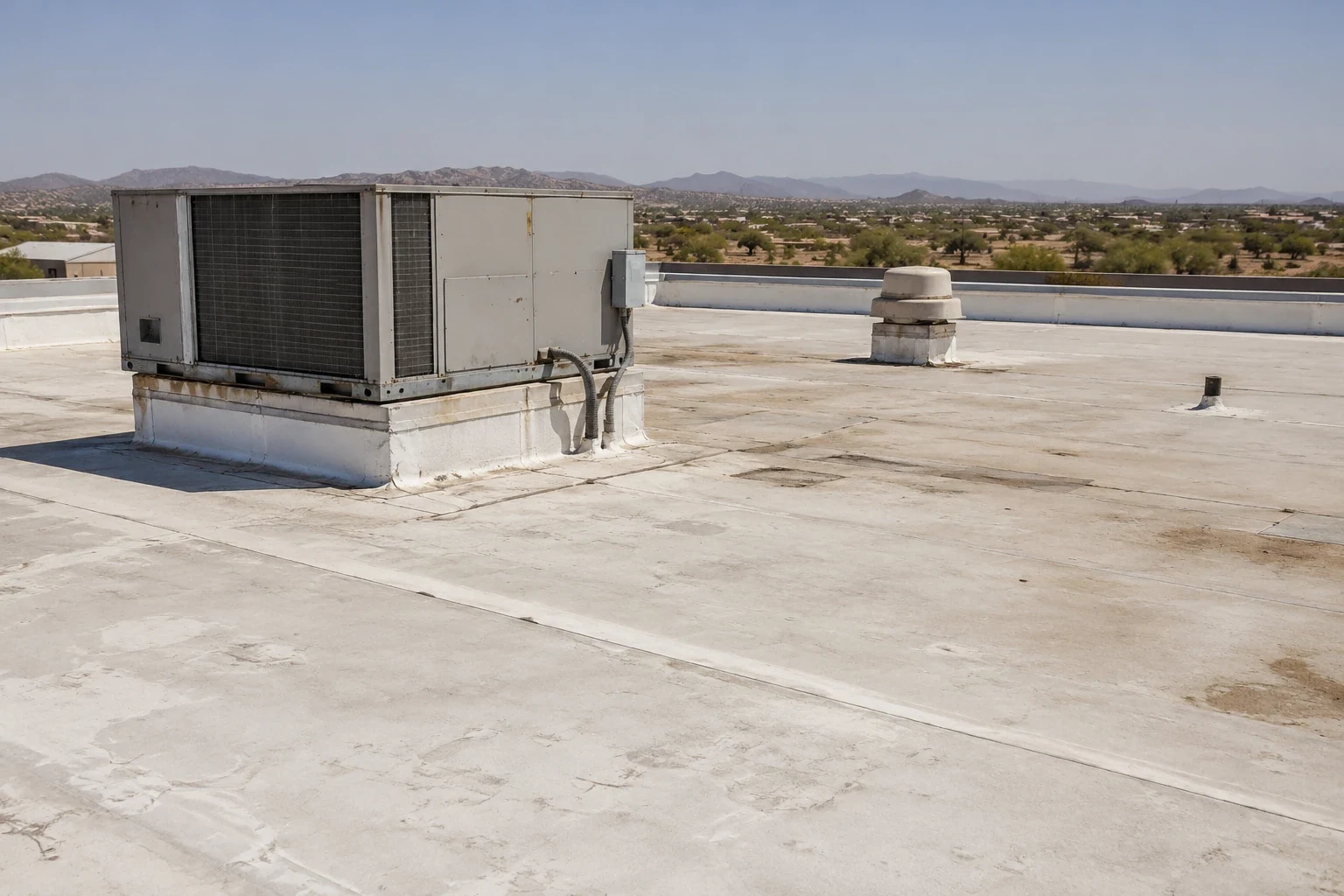
Compare the Holcim Elevate option with other proposed systems on equal assumptions. A KEE membrane should be compared using the known chemical exposure and the assembly details. Modified bitumen should be compared by layers, application method and hot-work controls. The Sika Sarnafil product family has its own membrane types and attachment choices, while GAF commercial roofing information identifies another manufacturer’s product options. Each proposal should identify its complete assembly, not just the top sheet.
For a Glendale project, link procurement decisions to the project record. The inspection scope can establish accessible conditions before design. The Loop 303 corridor is a local geographic reference, not evidence about a particular site's roof or operations. The Westgate Entertainment District is another local geography reference only. Use actual project drawings, owner records and field access to determine the scope.
Before turnover, assemble the approved product data, revisions, inspection notes, maintenance information and manufacturer-issued documents. Make the product name and installation method searchable in the closeout package. That gives the facilities team a reliable record and prevents a future service call from beginning with an uncertain system label.
More on Holcim Elevate Commercial Roofing
Commercial Roofing Questions
Which roof systems does Holcim Elevate offer?
Its commercial product information groups systems across EPDM, TPO, PVC, asphalt and metal families. Exact product and assembly options should be checked in current project documents.
What should the GC confirm before ordering a Holcim Elevate roof?
Confirm the exact product, assembly layers, attachment, edge and penetration details, applicable project design and required manufacturer review before procurement.
What should the project review package include?
Identify the exact product, assembly layers, attachment, accessories, current details and any deviation from the design. Include handling instructions relevant to installation.
Can a brochure establish the roof warranty?
No. Closeout should include the document actually issued for the installed system, with its conditions and maintenance duties.
Match manufacturer documents to the project drawings

Bring the roof schedule, exposure notes and turnover date to a pre-roofing meeting. We can organize the product questions, assembly review package and inspection points for a Glendale project.
Next steps for your building:
Related Roofing Work
More commercial roofing work for Glendale and West Valley properties.