Goodyear AirPark Commercial Roof Repair
Home / Service Areas / Goodyear AirPark
Request A
Roof Assessment
Tell us about the building and the roof. We reply with the next practical step for your property.
Review commercial roof work in Goodyear AirPark with industrial access planning, defined repair scope and a weather-ready closure plan.
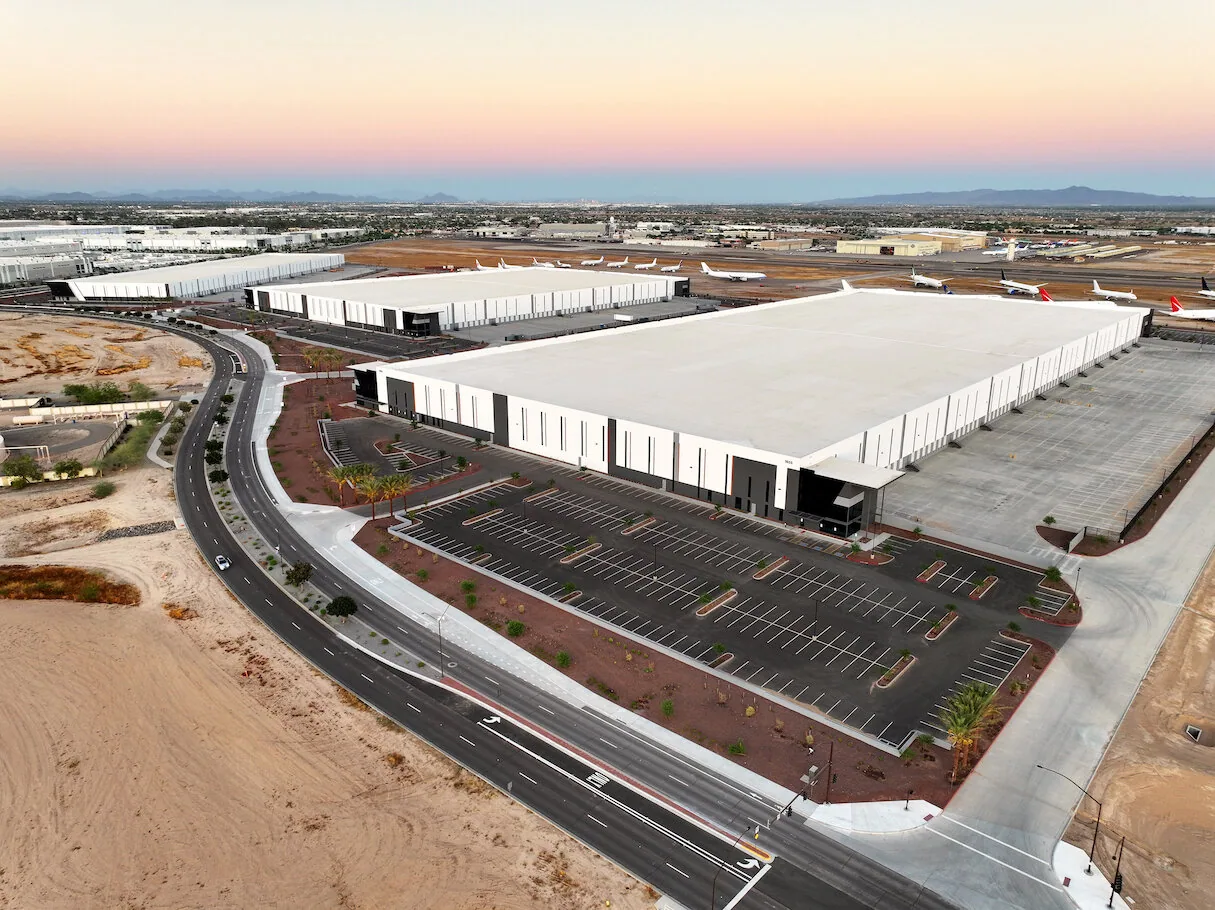
Goodyear AirPark is a multi-building industrial development where roof access, dock activity and material staging can affect the work sequence. The City of Goodyear describes the planned 565-acre park as a build-out of up to 20 buildings. For the assigned facility, its manager identifies the roof route, loading activity and work-hour limits. We inspect the reported detail and explain a suitable correction, including how the assembly will be closed if the operation pauses.
Goodyear AirPark is a large industrial development planned across 565 acres with multiple buildings and truck-oriented access. Roofing work in this business area is tied to the specific facility and roof zone, not the nearby airport. A manager should identify dock activity, safe staging, roof access and operating hours before the crew arrives. We inspect the reported condition and related drainage or equipment details, then set a work sequence that protects the active operation. If the roof spans separate tenants or phases, photographs and closeout notes preserve which area was actually repaired.
Define the inspection task before arranging access
Explain the reported concern, where it appeared and when it occurred. Include recent roof or equipment changes in the history available for the visit. We examine accessible roofing details alongside that account and describe what the findings support. An interior water mark can help focus inquiry without identifying the exterior entry by itself. The owner should understand whether the next step is a located correction or further investigation with a defined purpose, giving the general contractor an actual task to arrange.
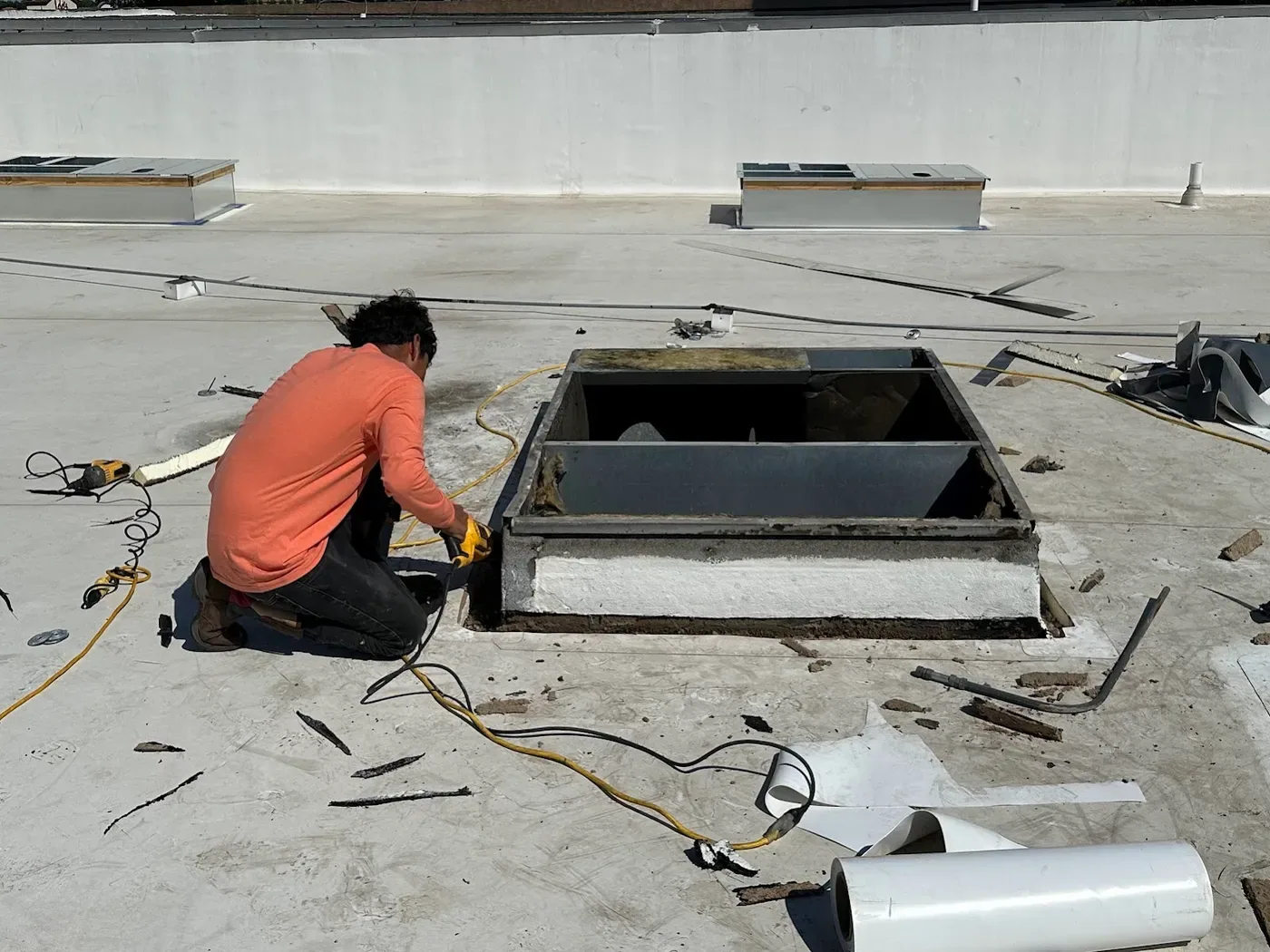
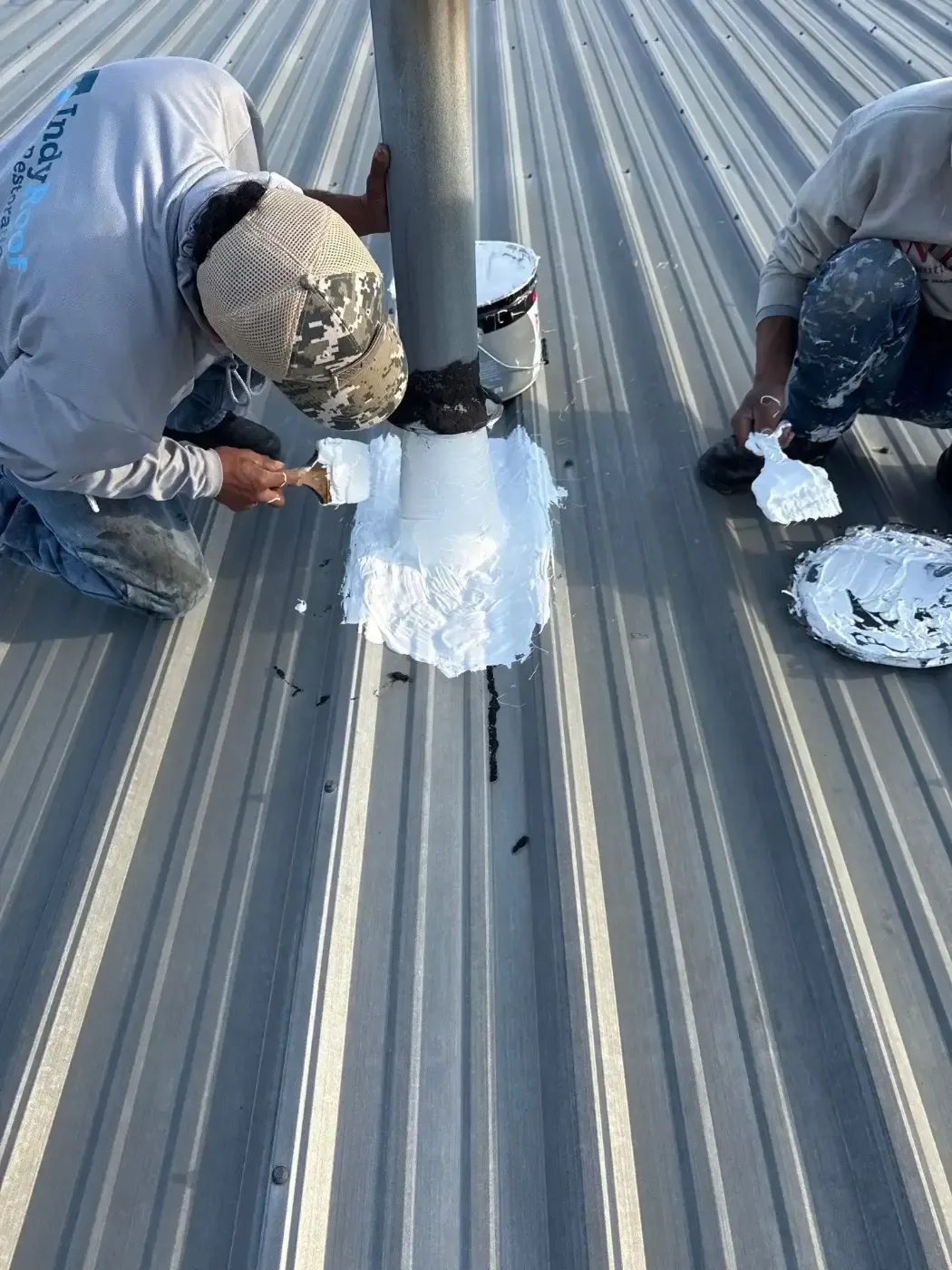
Commercial roof leak repair needs the affected connection and proposed method described. A compatible patch around a puncture differs from rebuilding a seam or correcting flashing at a component transition. Explain the adjoining material and preparation relevant to that operation. If the concern may involve equipment, identify the separate representative needed to examine it. Keep another unresolved water path in the record so a completed local detail does not obscure the reason a further roof examination remains useful.
Match the handling route to the construction footprint
Ask the property representative about unloading, roof access, staging and occupied-area protection. We describe the material and equipment handling the proposed operation requires. A small local correction and removal across a larger area may have different practical footprints. Explain those differences before the owner compares proposals or the general contractor arranges the work period. If an access change affects the equipment or opening that can be managed, bring that consequence into the discussion rather than carry the original arrangement forward unchanged.
Do not infer entry permission or operating instructions from a nearby facility. Get the directions applicable to the actual building and review them with the construction being proposed. Identify who can resolve an access question before arrival and who receives the roof condition afterward. If another component visit must precede final flashing, put that task in the sequence. The pre-roofing meeting can then connect the method, handling and protection around the building to a practical operation that the responsible representatives understand.
Examine the retained roof before choosing a wider method
The proposed connection relies on suitable material around it. Identify the covering and examine relevant layers before selecting the repair. Concealed moisture, deterioration, attachment or support questions may require additional inquiry. We explain which information is missing, the area involved and how a result would alter the choice. The owner can approve a defined examination rather than an indefinite investigation, while the general contractor reviews access and protection appropriate to its footprint.
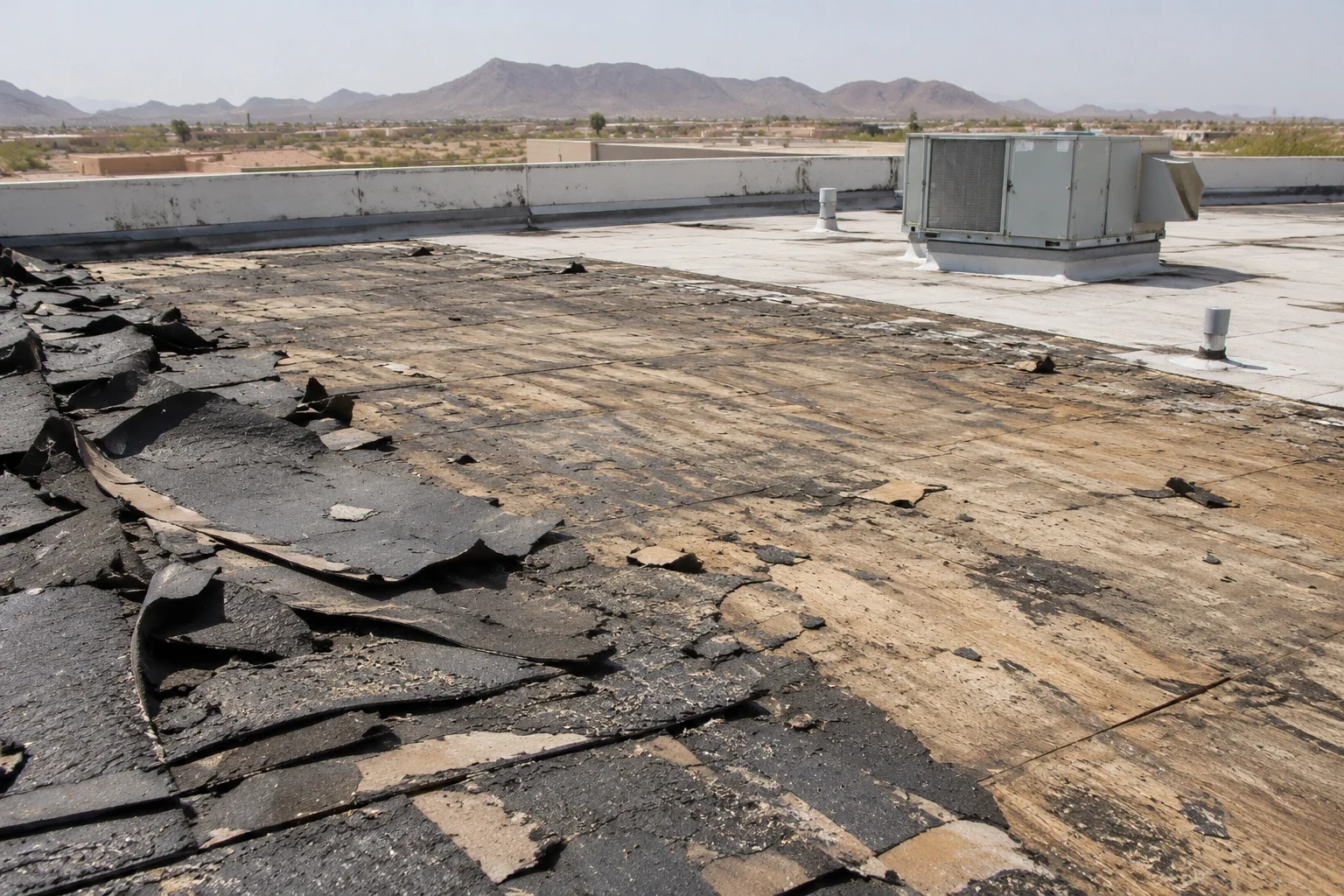
Where broader work needs consideration, compare suitable repair, recover assessment and replacement assessment. Describe the layers and details each method would address and the information still needed to select it. Commercial roof replacement should have an explained removal boundary and reconstruction plan when proposed. A larger operation also needs its handling and closure reviewed. Keep those practical effects beside the construction reason, so the owner can compare a local correction and wider work through their actual roof decisions and building implications.
Put preparation and detail corrections into the treatment scope
A finish proposal should identify the existing membrane and the surface the selected product will receive. Check that relevant retained construction is suitable, correct failed seams and flashing, and describe compatible cleaning and preparation. Surface dust or moisture may require additional preparation before application. We explain the preparation or pause needed and how the roof condition will be received while the operation remains incomplete. The amount should make these tasks visible instead of leaving them implied within the final treatment name.
Roof coating restoration also needs the repair record to survive the finished surface. Locate corrections and retain useful photographs before they are covered. Explain a remaining concealed-material question separately from preparation that can proceed. Compare the method's practical footprint with other suitable choices without using reduced removal as proof of compatibility. The owner and general contractor should understand both the construction being retained and the work required before a final application can be arranged.

Set the stopping point and authorize discovered changes
Discuss suitable weather-tight closure before any roof removal. Name the person receiving the building condition if a forecast change or another visit interrupts the operation. Explain the remaining task and the representative arranging it, with any approval needed before work resumes. A departure time alone does not describe what is left on the roof. We keep that receiving condition connected to the actual opening and unfinished detail so the building contact has useful instructions for a changed report.
If opened material reveals additional damage, locate the finding and describe the correction before extending the agreed area. Explain the changed amount and practical sequence for owner review. A commercial property near Tolleson may need separate handling directions even when the appointments are coordinated. For this roof, preserve suitable closure while the next decision is arranged. Keep any adjoining component responsibility visible so an approval for roofing work does not silently assume another trade's task has already been completed.
More on Goodyear AirPark
Carry useful construction information through the owner walk
Compare the work included in each proposal: detail reconstruction, preparation, affected layers, equipment handling and occupied-space protection. Further examination and component visits should be described as actual tasks. We explain how these differences affect the amount and sequence, allowing the owner to review understood operations. If the scope changes after opening, preserve the approved adjustment with the original repair location. The general contractor and building contact should be able to follow the final construction from the agreed work through the condition received.
Roof asset management keeps that account useful after turnover. Identify the corrected detail and retain photographs relevant to concealed repairs, with applicable written warranty documents and approved scope changes. Explain remaining investigation or construction and assign its follow-through to an identified representative. A later water report can then be compared with the prior operation and its boundary. The owner walk should leave a located roof record and an understood next step wherever the work still requires a return. If the portfolio extends along Loop 303, confirm that building’s dock schedule and roof access in a separate work plan.
Commercial Roofing Questions
What information helps arrange the first site visit?
Provide the property address and reported concern with the responsible access contact. We relate the examination task to that building's directions and explain what the accessible findings support.
Does a nearby airport establish the roof access instructions?
Property directions must come from the responsible representative. Review the actual building entry, delivery and protection arrangements alongside the roofing operation being proposed.
How should a larger construction option be compared?
Describe the affected layers and details with the removal or retention decision. Include handling, suitable closure and further examination needed before selecting the method.
What should be recorded before a treatment covers repairs?
Locate the reconstructed seams or flashing and retain useful photographs. The finish proposal also needs compatible preparation and any unresolved material question kept visible.
How does the owner follow a changed work boundary?
The finding needs a location and an explained correction. Preserve its approved amount and sequence adjustment with the receiving roof condition and remaining task.
Review the Goodyear AirPark roof operation
Arrange a pre-roofing meeting for your commercial property near Goodyear AirPark. Bring its address and current roof concern so we can explain the examined connection, review handling and suitable closure, and identify the receiving contact with the owner and general contractor.
Next steps for your building:
Related Roofing Work
More commercial roofing work for Glendale and West Valley properties.