Roof Asset Management in Glendale, AZ
Home / Roofing Capabilities / Roof Asset Management
Request A
Roof Assessment
Tell us about the building and the roof. We reply with the next practical step for your property.
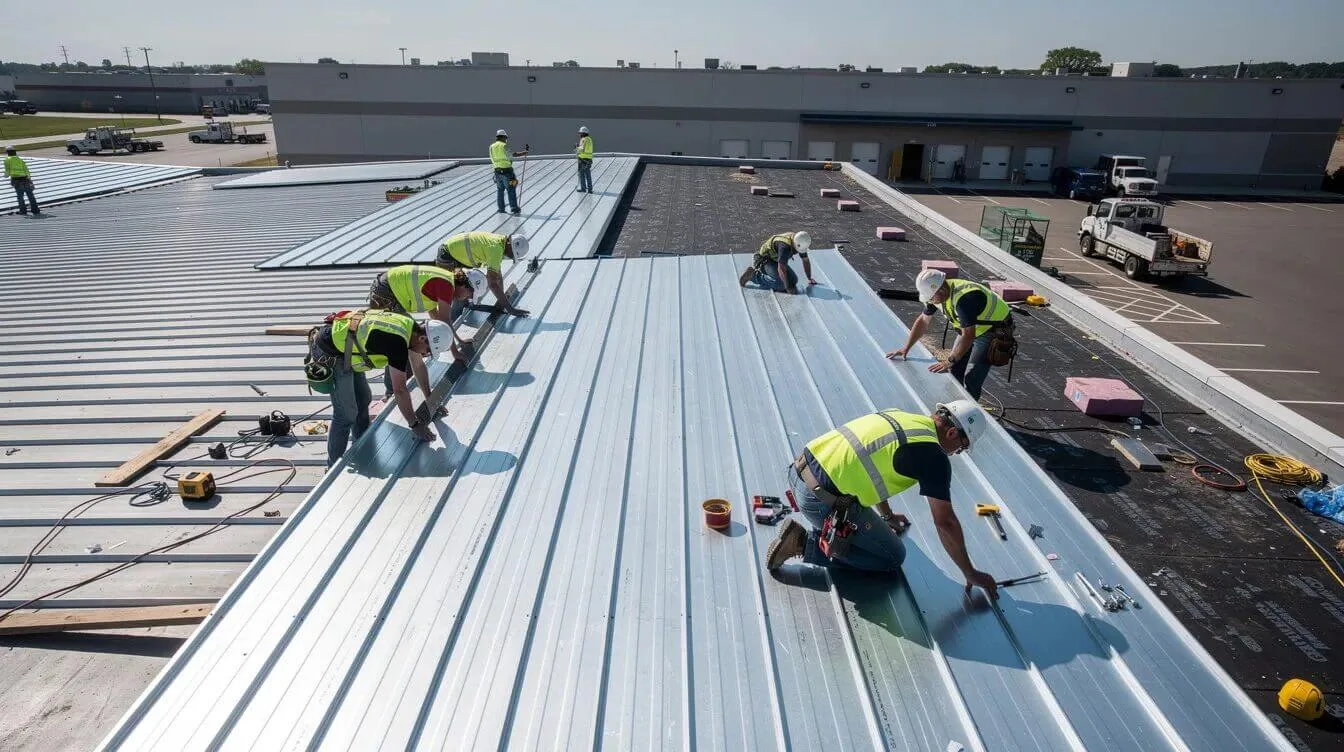
Glendale roof asset management connects located findings, repair priorities and future roof packages. Review maintenance, phased work and closeout with the GC.
Monsoon season runs from June 15 through September 30 in the Desert Southwest. On a roofing schedule in Glendale, AZ, that means planning how an unfinished roof will shed water before discussing its turnover date. Roof asset management gives the owner and general contractor one continuing record of condition, planned work and responsibilities. We inspect the assembly, identify repairs that need attention and explain where further investigation controls a larger decision. The heat plan and rain contingency then belong with the construction being priced.
State Farm Stadium stands at 1 Cardinals Drive. Glendale Main Library is at 5959 West Brown Street. An owner reviewing a building near either location needs a roof record tied to the actual address and assembly. Start with the roof plan, earlier repair information and the reported concerns. We can arrange a pre-roofing meeting to establish the investigation, access and reporting needed for that building. A useful record should help the next person make a decision without reconstructing the history from separate invoices.
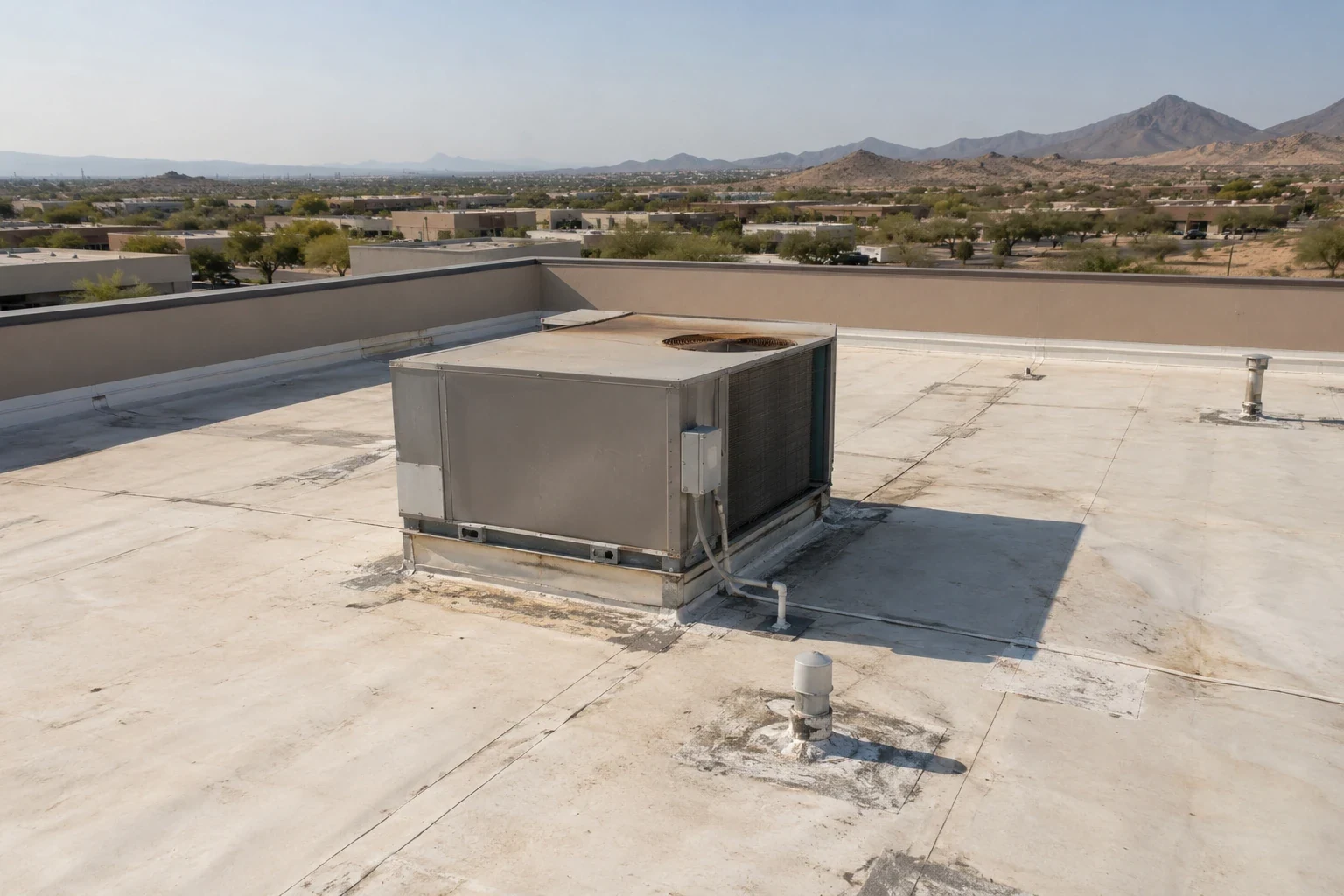
Map the roof before assigning work
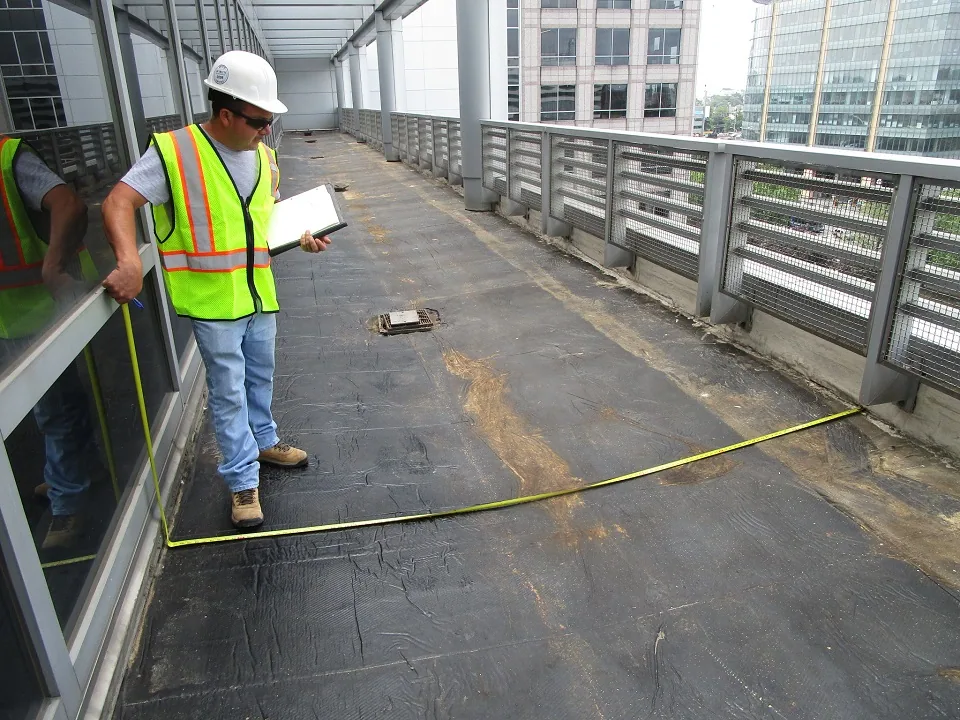
A roof plan with no division between construction areas makes a repair quantity difficult to check. We identify accessible roof sections, changes in elevation, drainage points and significant penetrations. The record distinguishes systems where inspection establishes different materials or construction. Photographs use locations that can be found again, rather than an unexplained collection of close views. A commercial roof inspection with located findings provides the starting condition for that record. Hidden construction stays an investigation item until the relevant opening answers it.
Drawings and invoices can explain an earlier alteration, but the inspection still needs to relate those records to the roof in place. A replaced equipment curb may have changed a drainage route or added a vulnerable transition. We identify the concern and the trade preparation required for its repair. Where the deck or concealed insulation controls a recommendation, we propose the examination needed. The GC can price that inquiry separately from the eventual construction, with restoration of the investigation position included.
Rank actions by consequence and dependency
An active leak above an occupied room and a weathered but functioning detail do not carry the same immediate consequence. We describe the observed condition, the area exposed and the action proposed for each finding. A temporary protective measure gets its own follow-up requirement. Repairs awaiting equipment or wall work retain that dependency beside them. This gives the owner a practical order for action and gives the GC a clearer starting point for scheduling trades. The priority follows the finding rather than a uniform label applied to the whole roof.
A written roof condition account should explain what changes a recommendation. An isolated seam defect may allow a local repair when surrounding material can receive a durable connection. Extensive deterioration can require a wider removal boundary. We show that distinction with the inspection evidence available and identify any additional inquiry needed. The owner can then authorize the next step with an understood purpose. If water entry requires immediate response, we are available during nights, weekends and holidays.
Set maintenance against recurring vulnerabilities
Debris at a drainage opening calls for a different task than movement at a metal transition. The maintenance record names the actual location, the required work and what should be checked after it is completed. We review discharge paths, accessible flashing and previously repaired positions as part of preventive roof maintenance tied to identified concerns. Before seasonal thunderstorms, an owner needs to know which unresolved drainage defects still require construction. Cleaning alone cannot correct a support failure or an outlet set above the surrounding drainage plane.
A roof program covering several buildings can use consistent reporting without forcing the same intervention at each address. Different systems, occupancies and material conditions need different work. We keep the findings specific and use a common way to locate photographs, pending actions and completed repairs. The owner sees where work is waiting for authorization or another trade. For the GC, that record also identifies the roof areas that should be revisited before scheduling a later package.
Compare complete construction options
Repair, recovery and replacement carry different preparation and removal obligations. We explain the assembly that each option retains, the material it removes and the investigations supporting that choice. Retention cannot be decided from the visible covering alone when concealed moisture or deck condition governs the connection. The owner receives a description of construction, access, protection and related trade work. Capital planning for future roof work can then compare complete packages rather than membrane quantities that omit their supporting duties.
For a phased project, each finished portion needs a workable boundary with the roof remaining beside it. We describe interim transitions and the later work needed to complete them. Equipment alterations, occupied-area restrictions and material delivery arrangements belong in the schedule review. The GC can identify which preparations must finish before roofing begins. A proposed turnover date needs those dependencies considered alongside the rain contingency. We explain the repair option that answers the current condition and the circumstances that would change that recommendation.
Control exposure during construction
An open roof section needs a planned way to resist water entry while work proceeds. At the pre-roofing meeting, we review the removal extent, temporary covering and the day's intended closure. The crew needs material-specific application conditions and a heat plan appropriate to the work. Rain in the regional monsoon season also makes an unfinished boundary a scheduling concern. The GC should know what roofing can complete after preceding trades deliver their preparation and what protection remains necessary if that handoff slips.
For roof work at an actual Historic Downtown Glendale address, supply the building location and access arrangements for review. Delivery paths and protection of occupied areas follow the particular building. Roof replacement above occupied rooms needs those arrangements carried into the construction plan. Facility personnel identify affected activities and equipment instructions. We describe the roofing opening and ask the GC to resolve the related preparations before exposure. Daily closure should remain clear even when the wider project continues.
More on Roof Asset Management
Retain the decisions after turnover
A repair invoice without a location leaves the next inspection with a search problem. At closeout, we locate completed construction and separate permanent repairs from temporary measures. Photographs, material information and remaining actions stay with the building record. The owner walk can resolve which item is complete and which still depends on another trade. Relevant warranty documents need their actual terms reviewed, including maintenance obligations applicable to the installed work. Later alterations should be added to the record so future decisions start with the current assembly.
Commercial Roofing Questions
What makes a roof record useful to the next GC?
Located findings and clear construction boundaries make the difference. Keep the roof plan, photographs and completed work together. Identify pending trade preparation so the next package can be scheduled against it.
Can we approve repairs before choosing a replacement date?
We inspect the proposed repair area before recommending that separation. A repair suited to the retained assembly may answer the immediate concern while later work remains under review. A temporary measure retains a separate follow-up action.
What changes the timing of a phased roof package?
Preparation from preceding trades and protection of unfinished boundaries control the sequence. We review those duties with the GC alongside application conditions and regional seasonal rain. The schedule should show the closure expected from each phase.
Should every building receive the same maintenance tasks?
A blocked drain and a damaged flashing joint require different interventions. We can use a consistent reporting format across buildings while keeping repair and inspection requirements specific to each address.
Bring the roof record to a pre-roofing meeting
Share the building address, available drawings and current concerns. We can set the investigation, roof package and seasonal rain contingency against the work you need to schedule.
Next steps for your building:
Related Roofing Work
More commercial roofing work for Glendale and West Valley properties.