Avondale Commercial Roof Repair Follow-Through
Home / Service Areas / Avondale
Request A
Roof Assessment
Tell us about the building and the roof. We reply with the next practical step for your property.
Review Avondale commercial roof work with Glendale roofing support, practical repair-history checks and a clear route from examined defects to project turnover.
A monsoon interruption can turn an unfinished Avondale roof repair into a follow-through problem unless the next task is clear. Commercial Roof Repair Glendale explains the correction and the roof condition left at a pause, with the general contractor and receiving building contact identified. June 15 through September 30 is the regional monsoon season. We review that contingency with the material method and practical work area, so the project package describes the operation beyond the visible finish.
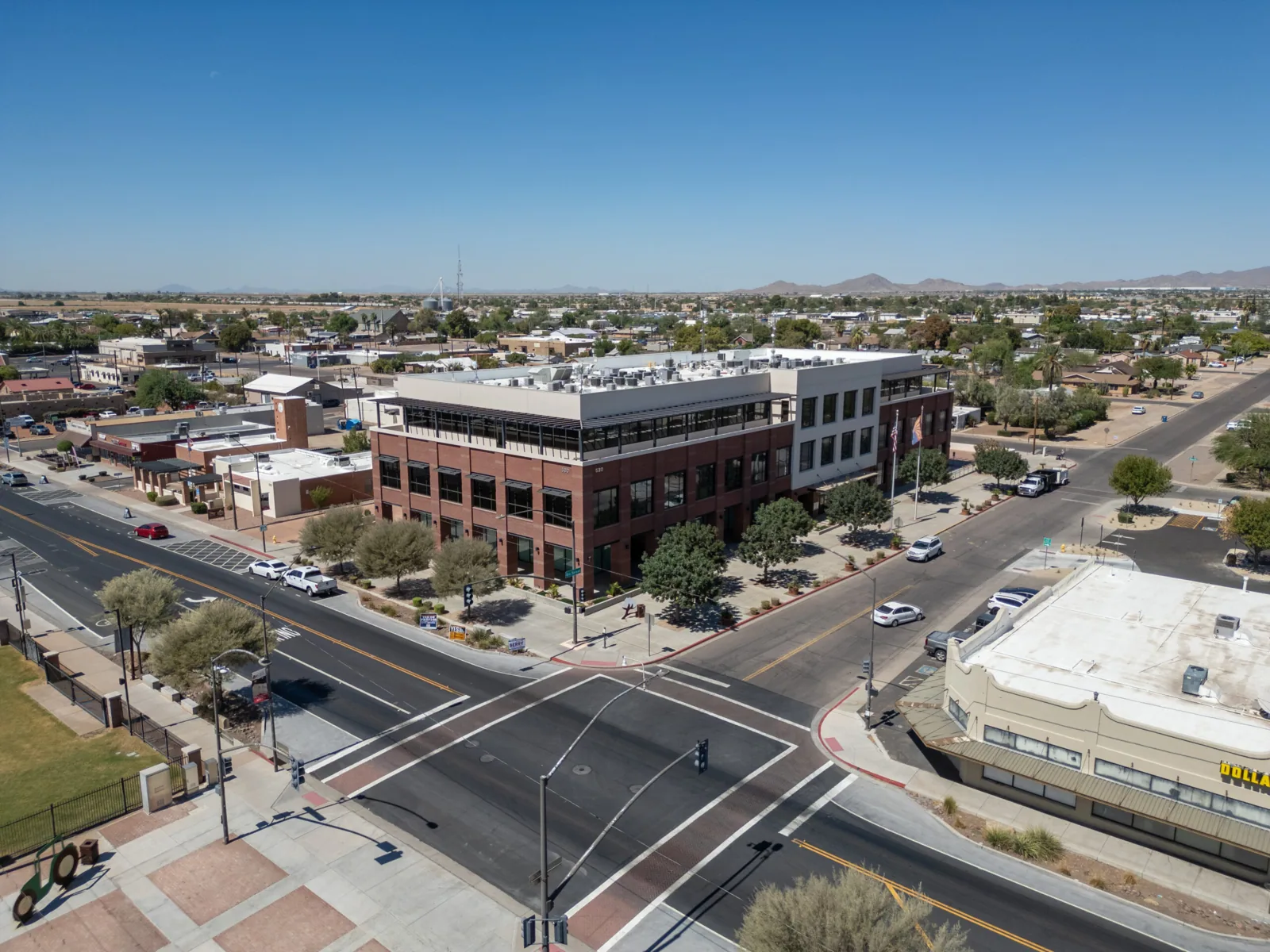
Avondale’s civic core and nearby commercial properties serve different business operations, so a roof visit is arranged with the actual building contact. The owner identifies roof access, business hours and any loading or public-entry routes that need to stay open. We inspect the reported zone and adjacent drainage or flashing details, then set a repair boundary from what the roof evidence supports. Where water may have traveled beneath the surface, we describe the next test rather than assume the visible ceiling mark identifies the opening. Closeout records tie the corrected detail to the assigned property.
Use the earlier repair record to guide the new examination
A recurring water report needs a comparison between the current concern and the earlier work. Locate the previous correction if records are available, then describe the new interior or exterior observation and its timing. We examine the accessible details relevant to it. The same wet room does not establish that the earlier repair detail failed, and a new defect nearby can change the route. Explain what the present findings support rather than automatically expand the last patch.
Commercial roof leak repair may reconstruct a joint, patch a puncture or correct a flashing transition. State the method and the material it connects to. At a seam, prepare suitable membrane for compatible reconstruction. At a curb, examine the termination and any separate equipment question. We identify the roofing operation and further investigation still needed, giving the general contractor a practical task to arrange and the owner a clear reason for the correction.
Make the remaining component task visible before the roof opens
An earlier visit may leave a wall or equipment concern requiring another representative. Confirm that task with the building contact and describe which component correction must precede our final roofing detail. We describe our flashing operation and its relation to the component work. If movement or service is necessary, arrange it before dismantling the detail. A useful handoff names the operation and responsible representative rather than assume a broad exclusion is enough to carry it forward.
Rooftop equipment curbs and supports work needs an explained interim connection if the other task is delayed. Discuss who receives the roof area and who arranges the return. The general contractor can then coordinate the whole operation. A separate component correction and our roofing reconstruction should remain understandable to the owner, who needs to know which concern is finished and which required task is still open when active roofing stops.

Check whether repeated work still suits the assembly
A local method relies on adjoining covering and support able to receive it. Further examination may be needed where underlying moisture or deterioration remains uncertain. We explain how that finding affects material retention, removal and the connection to serviceable construction. The project decision should reflect the roof condition now, rather than repeat a familiar repair merely because it was used before. Record relevant concealed correction so the finished detail can be understood later.
Commercial roof replacement may deserve assessment when deterioration is too extensive for the proposed local approach. Compare that removal with relevant repair or recover choices. Explain the layers retained, attachment, drainage and protection required by each option. The general contractor can review the practical operation and the owner can follow why a wider task is considered. Keep an unresolved material question distinct from a larger project whose method is ready to be approved.
Review the work area with the returning activity in mind
Ask the property contact to identify the roof route, unloading point, staging and occupied-space instructions. We explain the cleaning, reconstruction or removal footprint those directions need to accommodate. A component operation may require another arrangement from the roofing task, so discuss both before scheduling. The general contractor can then coordinate the area released and the condition expected before the next activity. Entrance or loading requirements should come from the responsible building representative.
Preparation also affects that return. Identify the roof material and use a compatible method on a suitable receiving surface. Dust or dampness can change the work period. Correct failed details before applying a treatment that relies on them. We explain why preparation or a material finding may alter the sequence, keeping the next operation informed. A scheduled departure cannot stand in for the actual roof condition being handed back at the end of work.
Preserve the roof state during a delayed decision
Before removal, describe the opening boundary and suitable closure at a stopping point. If the forecast changes or concealed damage expands the task, explain the state returned while the next decision is arranged. We document additional findings with the proposed correction, amount and practical sequence effect. The contact authorized to approve a change should be known in advance. Keep the receiving building representative informed of an adjustment affecting the work area or another component operation.
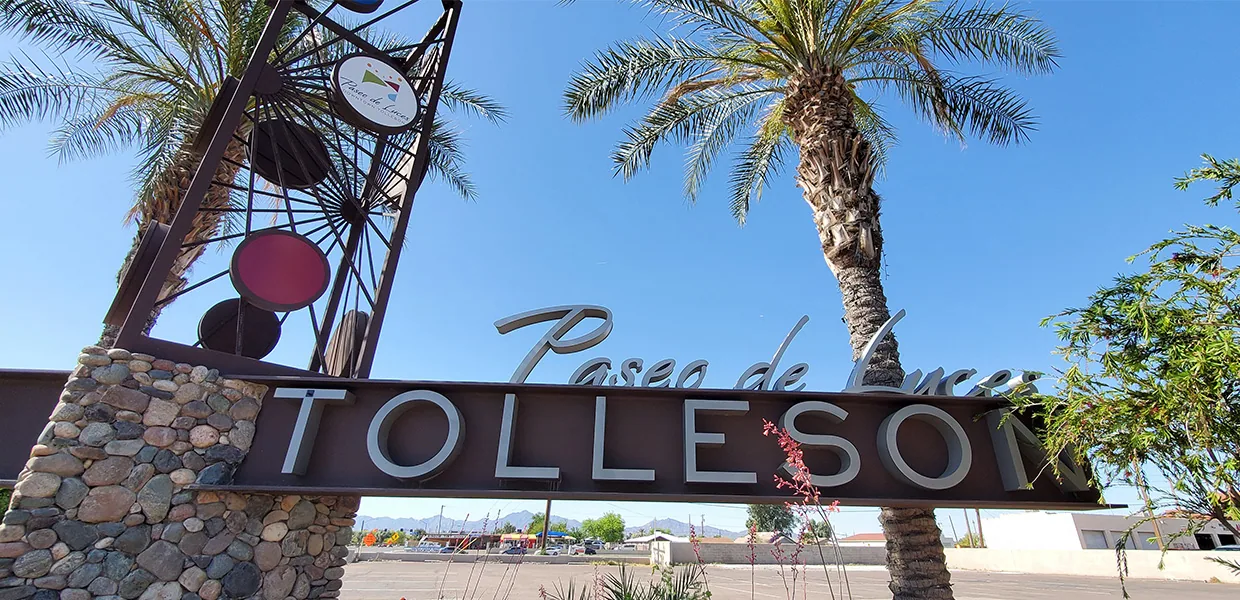
Roof asset management can preserve current concerns and completed work in a useful property record. A roof in Tolleson needs its own history and follow-through tasks recorded. The general contractor can coordinate the review without blending unrelated corrections. Each return should explain the roof condition at that building and the person arranging the next operation, so a change of contact does not lose an unfinished concern.
More on Avondale
Explain cost differences and finish the roofing handoff
Compare the detail reconstruction, preparation, affected layers, access equipment and protection in the proposed work. We explain whether a different amount reflects a smaller boundary or construction another proposal includes. A separate component task should remain visible beside the roofing inclusions. Where a material condition still needs investigation, describe that step before the approval relies on an assumption. The owner can then connect the amount to the operation and the work period the general contractor is arranging.
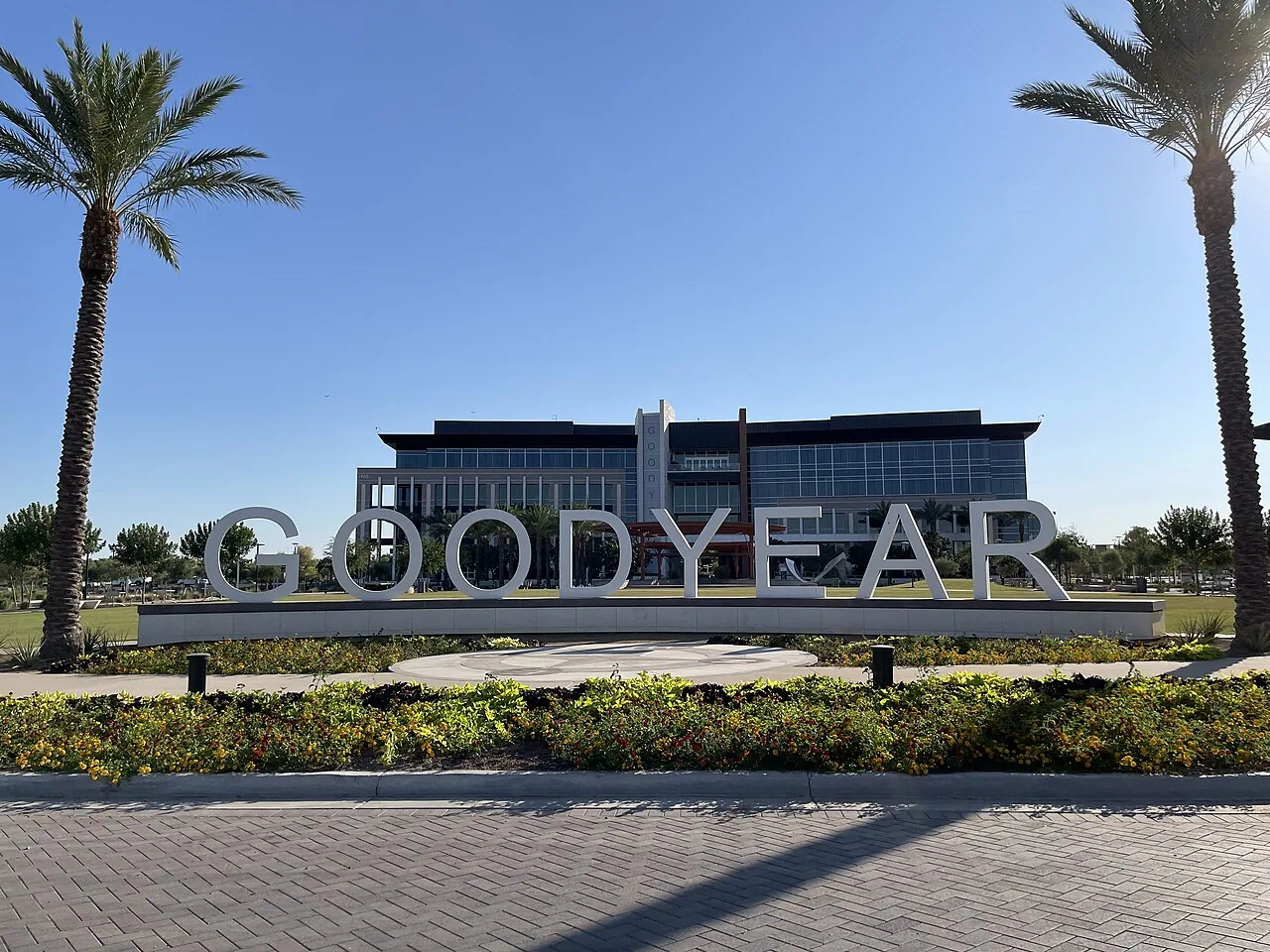
At turnover, locate the finished correction and keep photographs of relevant concealed details. Retain approved changes and applicable written warranty information with the roof account. Identify outstanding wall, component or material questions separately from the completed items. Discuss who receives the record and arranges the remaining follow-through. If water appears again, use the located repair and photographs to begin the new examination. They give us a specific completed detail to compare with the current findings and help the receiving contact arrange the next roof visit. When the same portfolio includes a Goodyear building, confirm that property’s entry contact and staging limits on a separate visit plan.
Commercial Roofing Questions
What helps investigate a report after an earlier repair?
Locate the prior work and describe the new observation and timing. We examine the relevant details now before deciding whether to reconstruct the same connection or address another route.
How should an outstanding equipment concern be carried forward?
Identify the separate operation, representative and condition required for roofing completion. Explain the interim roof connection if that task delays the final handoff.
Can repeated local corrections lead to a wider review?
Extensive deterioration or unsuitable retained construction may justify assessment of another approach. The current material findings should explain the choice, with further investigation distinguished from a ready project.
Who needs a sequence change after additional damage is found?
The approval contact needs the correction, amount and practical effect. Inform the receiving building representative and anyone arranging a component operation affected by the changed roof task.
What makes the repair history usable at turnover?
A located account, relevant photographs and approved adjustments explain the finished detail. Keep applicable written warranty information and unresolved tasks with the person arranging follow-through.
Set the Avondale correction and its follow-through
Arrange a pre-roofing meeting for your Avondale commercial project. We can review the examined detail and monsoon stopping plan with the access contact, component representatives and turnover requirements you provide.
Next steps for your building:
Related Roofing Work
More commercial roofing work for Glendale and West Valley properties.