Military Hangar and Maintenance Facility Roofing in Glendale, AZ
Home / Property Types We Roof / Military Hangar and Maintenance Facility Roofing
Request A
Roof Assessment
Tell us about the building and the roof. We reply with the next practical step for your property.
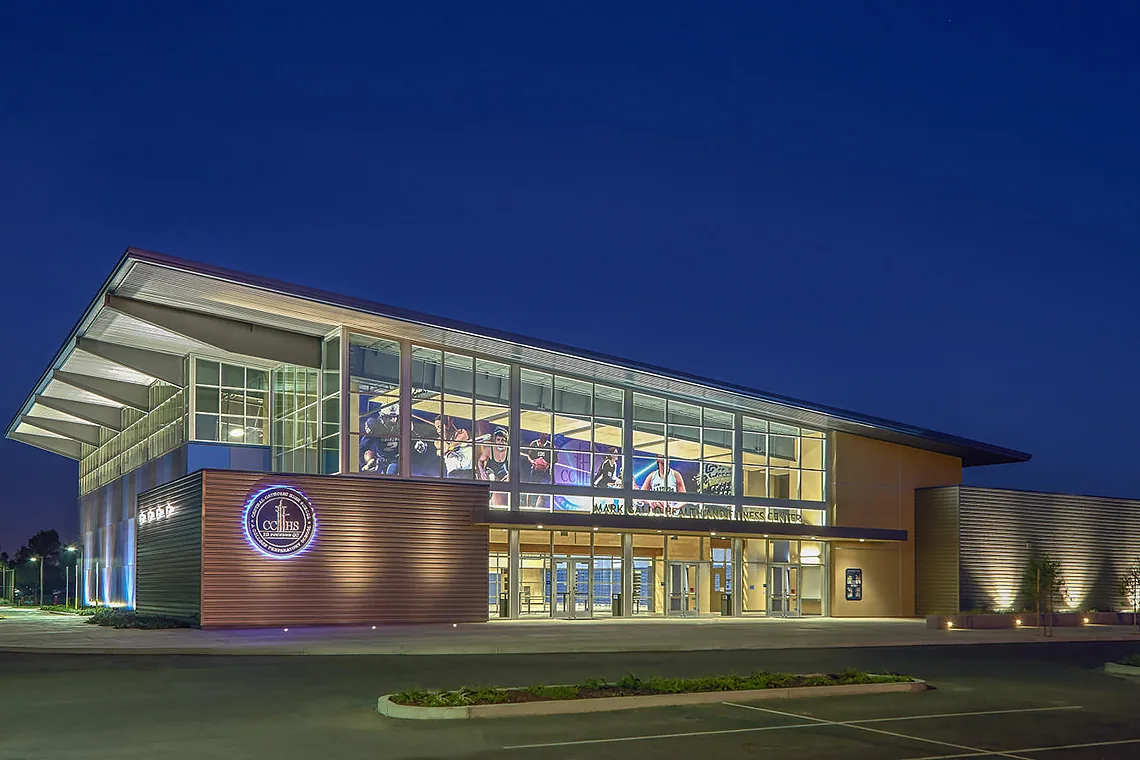
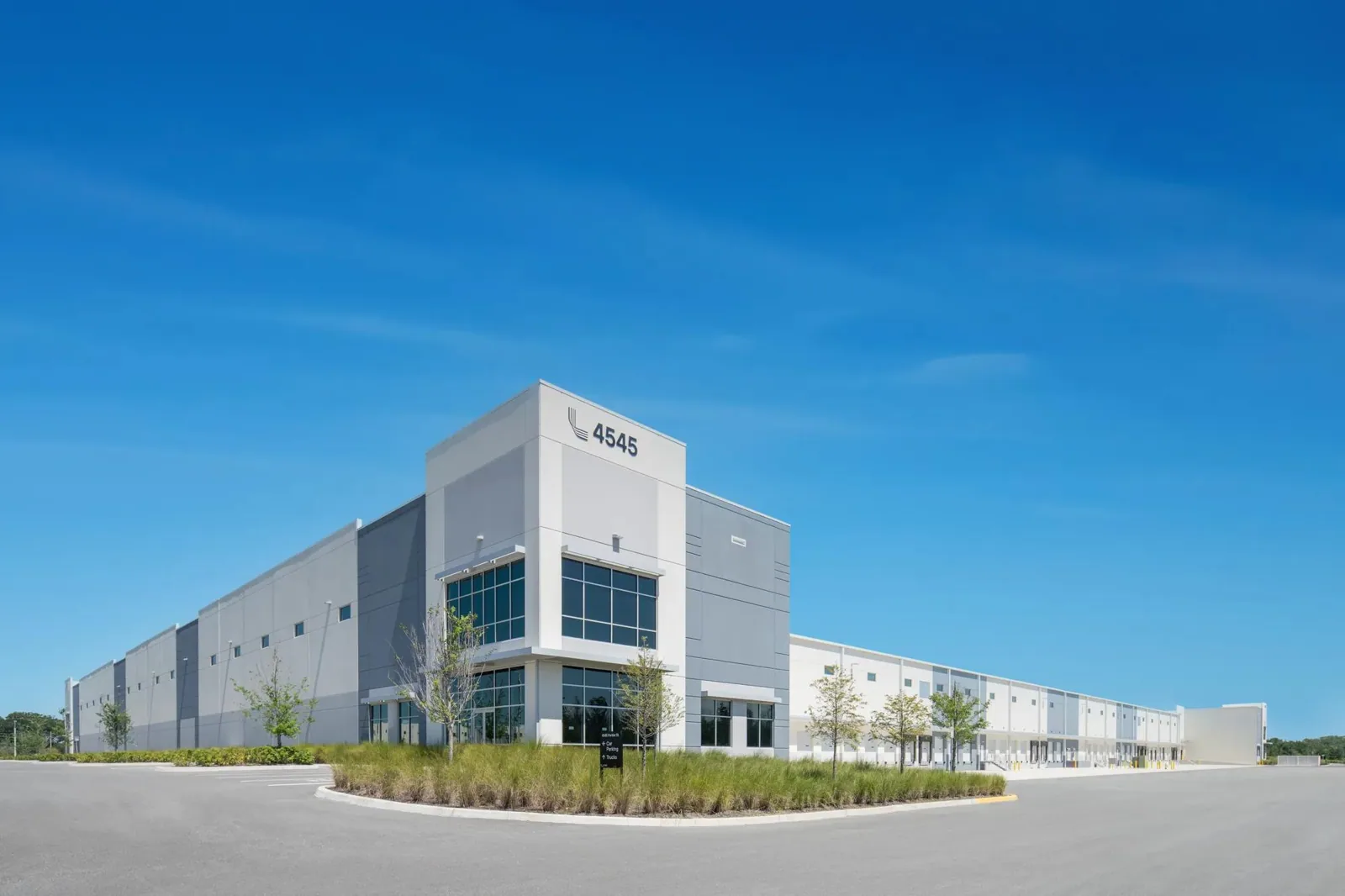
Hangar and maintenance facility roofing near Glendale, AZ: inspections, leak repair and replacement planned around aircraft, equipment and base access.
Hangars and maintenance shops are tough buildings to roof. They have wide clear spans, big door openings, and aircraft and equipment underneath that nobody wants dripped on. After monsoon season, the facility manager needs to know which problems are urgent, which need a closer look, and which can wait for a planned replacement. We inspect the roof, identify the system, find the damage, and tell you what we would fix first and why. You also see which parts of the roof sit outside the scope. Before any crew opens the roof, the facility contact needs to know exactly where we will cut and lift material, so aircraft, tools and people can be moved or covered.
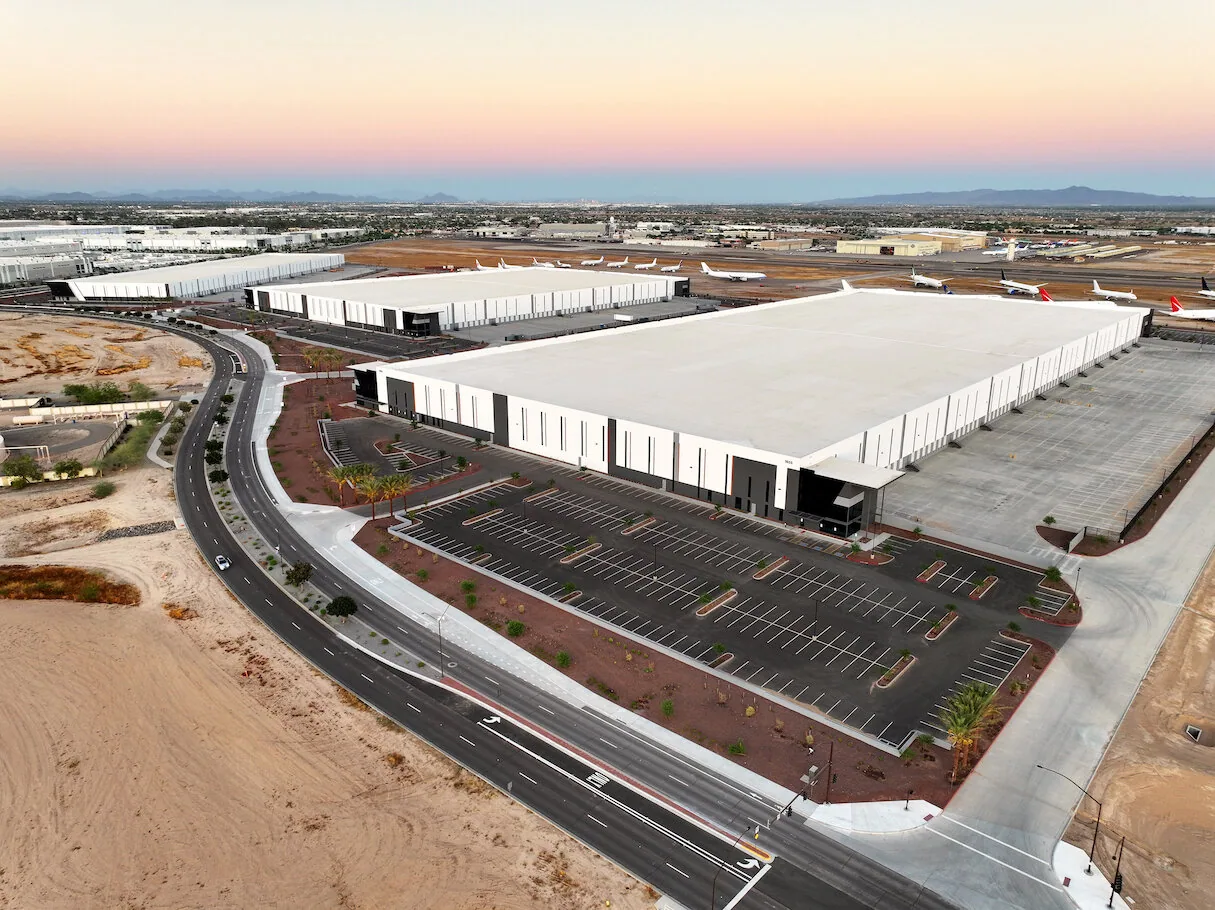
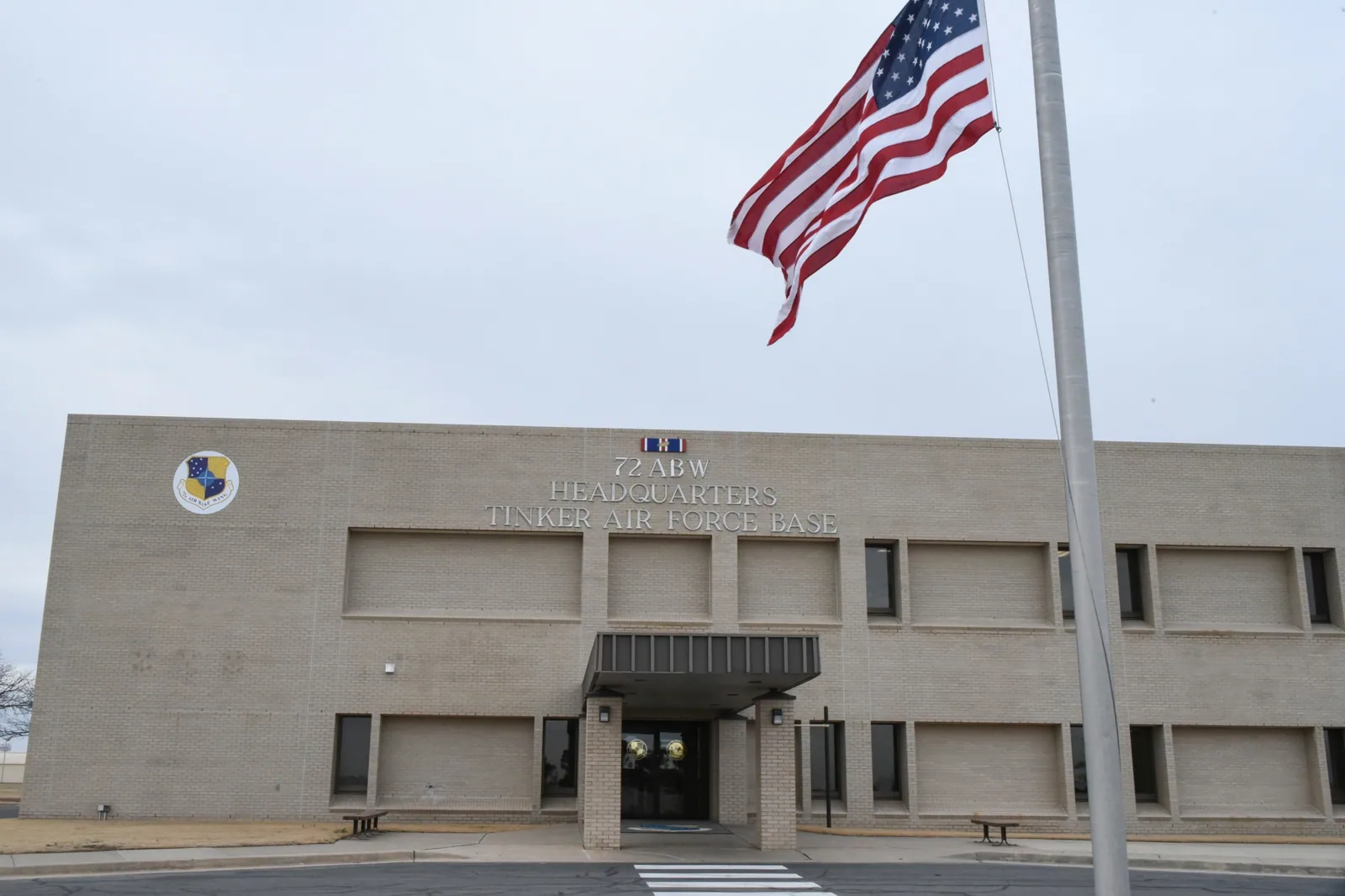
Luke Air Force Base is the major installation near Glendale, AZ, and Papago Park Military Reservation is the Guard site in the Phoenix area. For a hangar or shop on or near a base, tell us the exact building and who our contact is. Gate access, badging or an escort usually has to be set up ahead of time, so that comes first. Send roof plans and past condition reports if you have them, and we will agree on what to inspect.
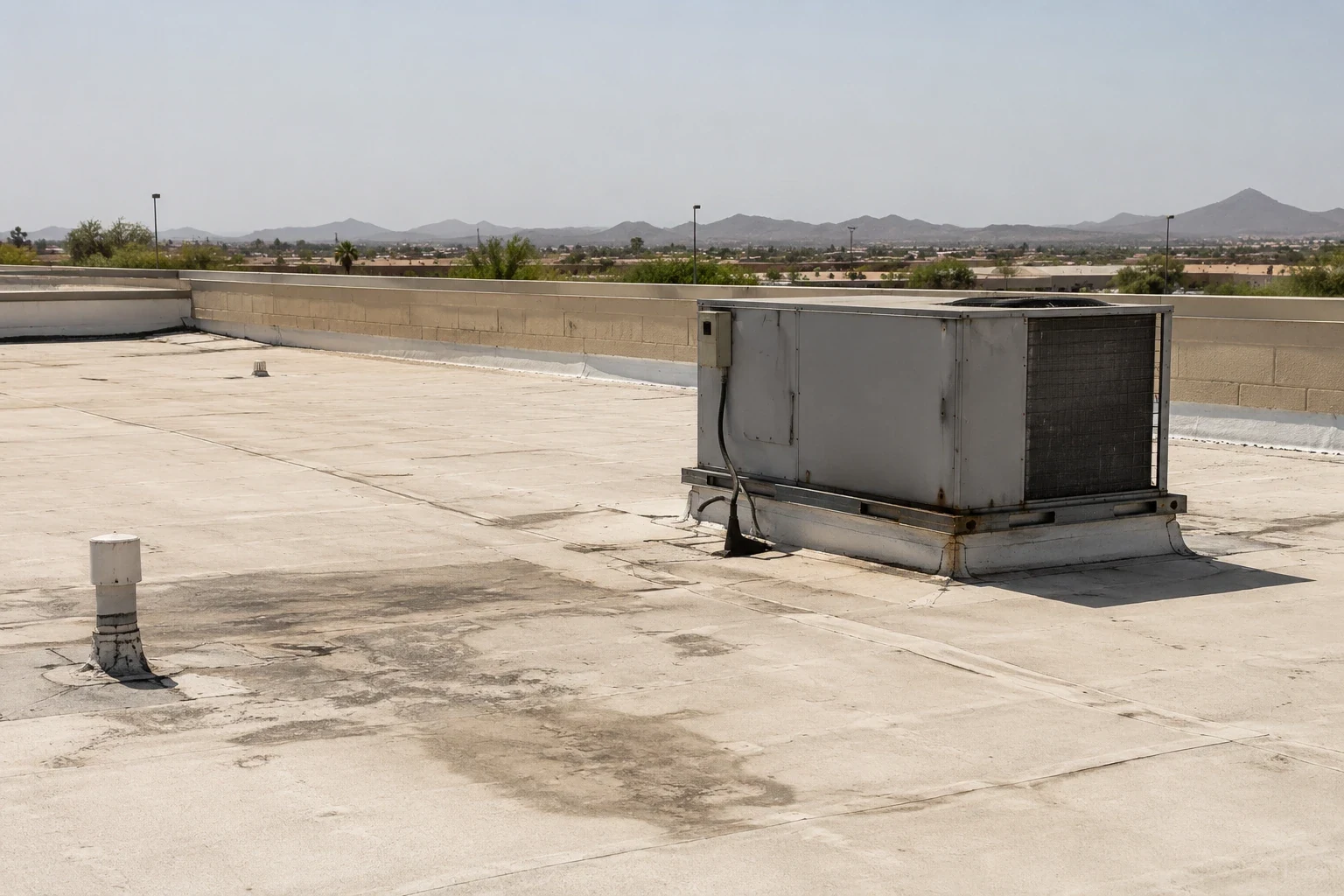
Rank the damage by location and risk
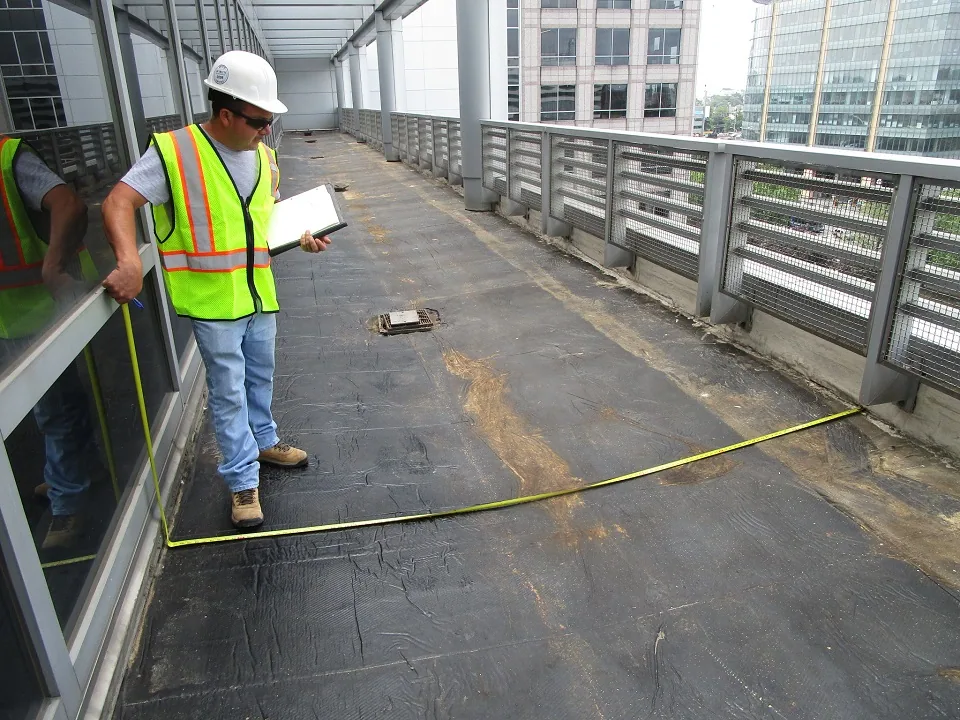
We start where the leak or damage was reported and work outward. Loose, missing, cracked or shifted roofing gets photographed close up and in context, so you can find it again on a plan. A roof inspection on a maintenance building should separate what is plainly damaged from what we suspect but cannot see, like wet insulation or a rusted panel lap under an old patch. At each spot we note the roof system and how it is fastened. That gives you a ranked list of specific problems instead of a general note that the roof is damaged.
Edges, walls and door headers often decide how a repair has to be done. A failed panel at the eave may need new trim or closures before the replacement panel will seal, and we mark those links on the drawing. If a repair would change structural support or add weight, such as extra insulation or a heavier system, an engineer needs to review it before you pick an option. With that settled, you can weigh a spot repair, more investigation or a larger project, knowing each one accounts for the edges and junctions it touches.
Keep roofing work clear of aircraft and shop floors
Before work starts, we walk the facility contact through where we plan to cut, lift and stage material. They tell us which aircraft, ground equipment or parts need to be moved, covered or roped off underneath. We need clear direction on gate access, escorts, crane placement and the work zone inside and outside the building. Dust, noise and roofing odors matter here, especially near air intakes for shops and offices, so we plan around them. The general contractor makes sure the floor below is ready before we remove anything. On a large repair over open bays, the contact should be able to see which floor area sits under each day's work.
When maintenance crews are working below, someone confirms the area is clear each day and approves any change in how much roof we open. Debris removal and dumpster location go on the same plan. If the building is near Glendale Airpark Business Park, confirm the exact address. An aircraft hangar roof and a roof on an Air Force base each come with their own site rules. We never move the work zone into an area that hasn't been cleared.
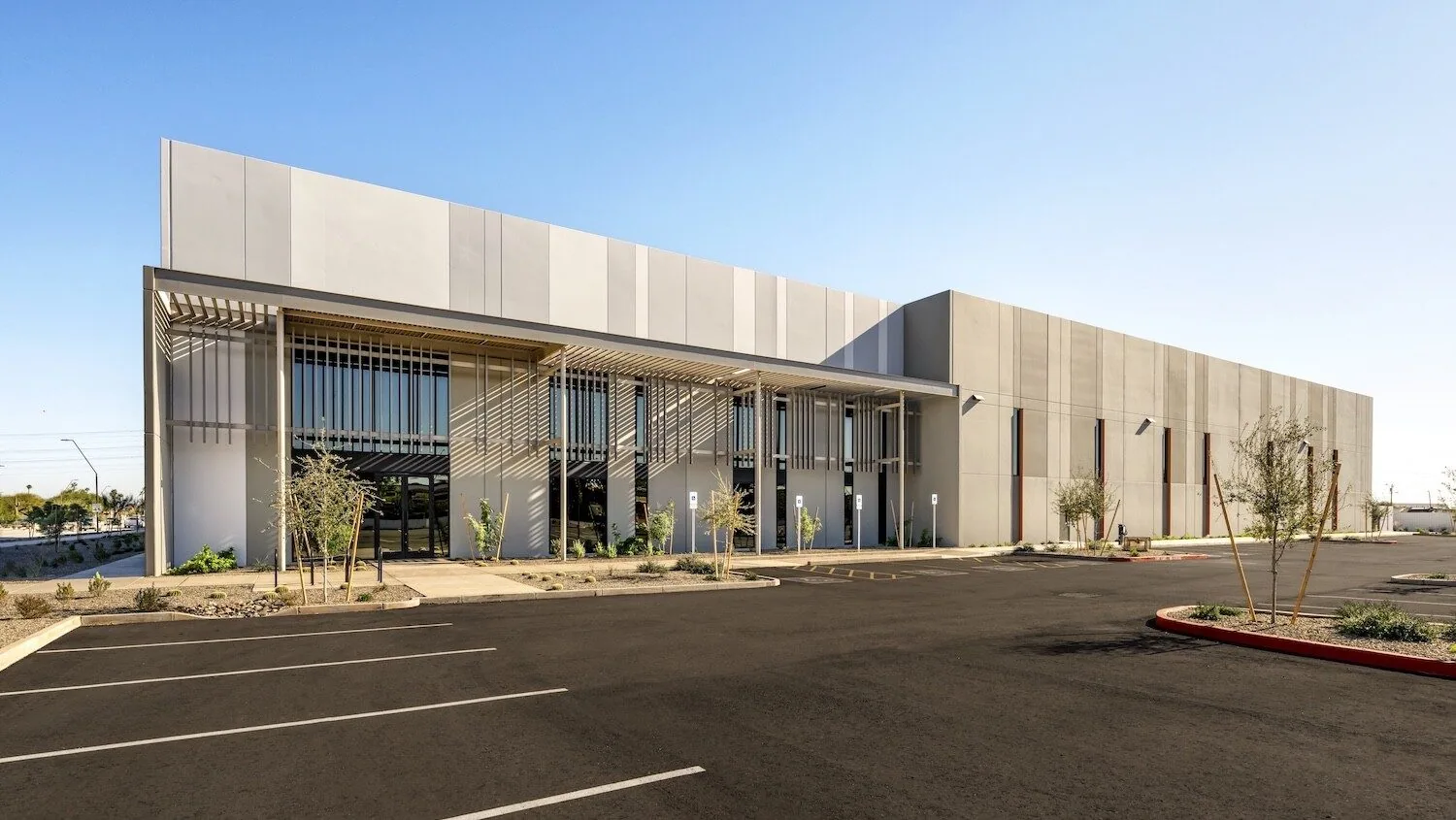
Check the roof over the big hangar doors
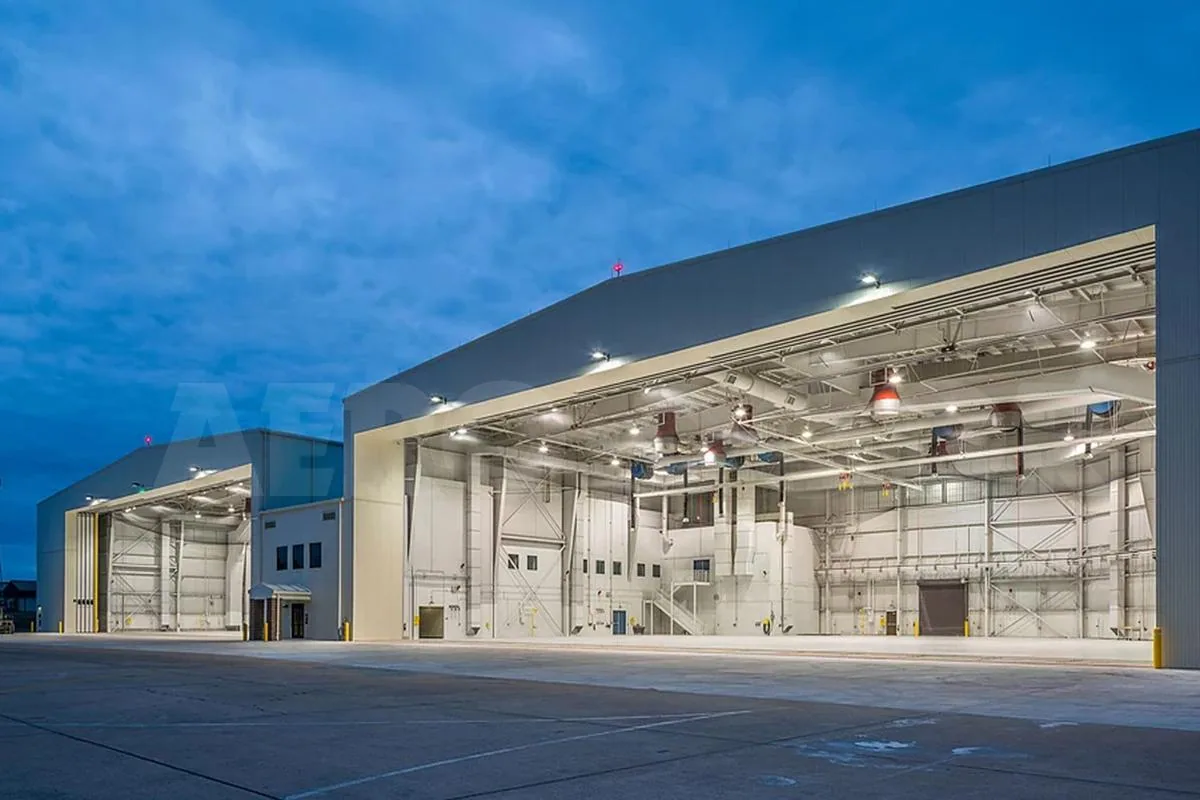
The roof edge over a large hangar door moves more than almost anywhere else on the building, and leaks often start there. We look at the roofing, the fasteners and the wall framing at that header. On a metal roof, a replacement panel has to lap and fasten correctly to the panels that stay. On a membrane roof, the surface underneath has to be clean and solid and the new material has to be compatible with the old. Sometimes trim or flashing has to come off just to see what the repair will fasten to. If that framing is rusted or the attachment is in doubt, it gets checked and fixed before new roofing goes on. A new skin will not fix a bad support underneath.
For a metal roof retrofit on a maintenance building, we look at the purlins and how the new system ties into eaves, walls and door headers. A retrofit usually adds framing and insulation over the old panels, so it needs engineering review whenever loads or attachment change. We compare that with a local repair. A roof replacement estimate should spell out what comes off, what goes on, how the structure was checked, and how the new roof meets any section left in place.
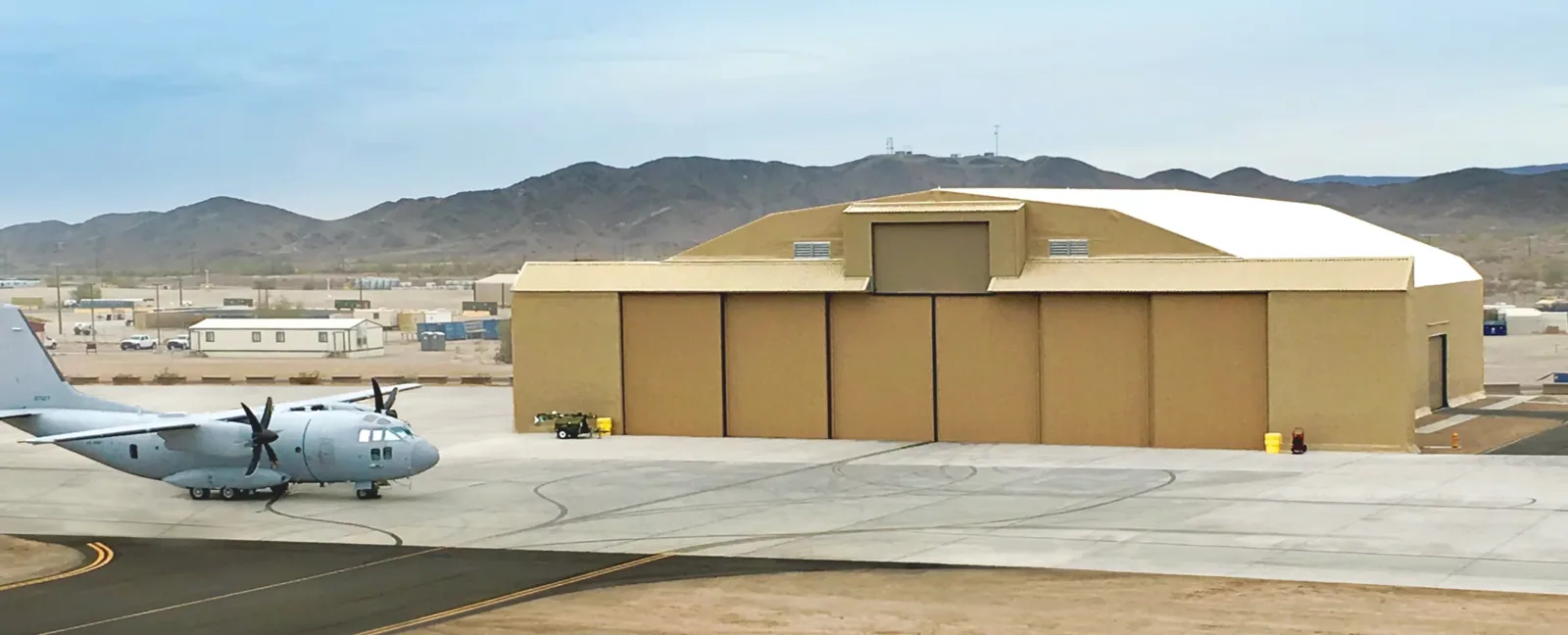
Track down leaks and sort out equipment issues
We ask when the water showed up and whether it followed rain or happened while equipment was running, like an HVAC unit or a wash bay. Then we check seams, flashing, drains and penetrations around the reported spot. A roof leak repair should fix a roofing problem we actually found, not a guess. If the water could be coming from a condensate line or plumbing, we point that out to whoever handles it. If we need to open the roof to find the leak, we agree beforehand on access, how the area below is protected and how the cut gets patched. What we find gets photographed and goes into the repair plan.
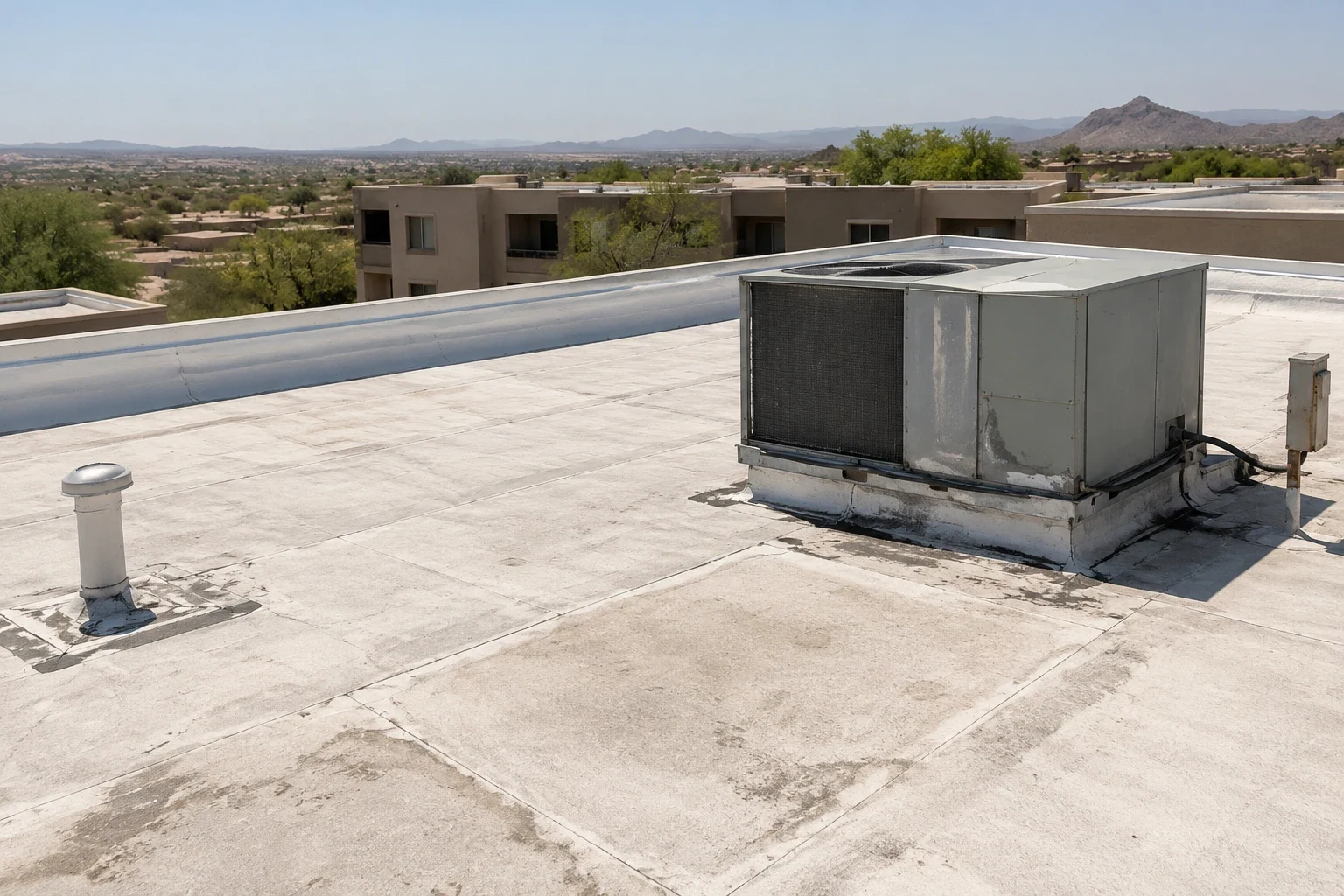
Where a rooftop unit has to be pulled, removing it, building new support framing and reconnecting it are separate jobs from flashing the curb. Curb and equipment support work needs a clear answer on who prepares the opening before anyone makes it bigger. Glendale summer heat means early starts, so we plan how long it takes to set the curb and close the roof within a shift. If another trade runs late, the opening gets temporary protection until we can finish it.

Check the drainage and walk the finished job
We follow the water from the repair area to the drain or scupper. That means checking the drain body, the flashing around it, and whether the pipe below or a change to the layout needs a plumber or an engineer. Drain and scupper repairs on a maintenance building should say who handles what at each outlet. During monsoon season, any area waiting on another trade needs a clear path for water and temporary protection that will hold through a storm. Before we leave each day, we check the edge of the open area. If exposed decking or framing is worse than expected, we note it and go over the change with the contractor.
At the final walk, the owner compares the finished roof with the approved scope and change orders. You get the inspection photos, pictures of what turned up under the old roof, details of the finished work, product information and whatever warranty documents apply. The closeout lists roof areas that were not repaired and anything we recommend checking later. Any spot still under temporary protection is listed with the work needed to finish it. If a leak shows up later, you can check it against what was done.
More on Military Hangar and Maintenance Facility Roofing
Commercial Roofing Questions
How do you decide which roof problems to fix first?
Active leaks over aircraft, equipment or work areas come first, then loose material wind could lift. We mark each problem on the plan, note the roof system there, and separate clear repairs from spots that need more investigation or an engineer's review.
What do you check over a large hangar door?
The roofing, the fasteners and the framing at the door header. That edge moves more than the rest of the building, so the repair has to suit the actual construction and allow for the movement.
Who moves aircraft and equipment out of the way?
The facility does. Your contact tells us what has to be moved or covered and arranges it, and the general contractor confirms the area is ready before we remove any roofing.
Why are equipment removal and roofing priced separately?
Different trades do them, and the roof can't be closed until the equipment work is done. Listing them separately shows who does what and how the opening stays protected while it waits.
What do we get at closeout?
A record tied to the roof plan showing where work was done and what was installed, with product and warranty information. It also lists areas left out of the scope and any spots still under temporary protection.
Get your hangar roof assessed
Send the roof drawings, any condition reports and your facility contact. We'll inspect the roof, rank the problems, and lay out repair or replacement options that work around your operations.
Next steps for your building:
Related Roofing Work
More commercial roofing work for Glendale and West Valley properties.