Downtown Phoenix Commercial Roof Repair Review
Home / Service Areas / Downtown Phoenix
Request A
Roof Assessment
Tell us about the building and the roof. We reply with the next practical step for your property.
Review Downtown Phoenix commercial roofing with Glendale support, clear water investigation, practical repair choices and an occupied-building roof handoff.
A Downtown Phoenix commercial roof review should turn the regional monsoon planning window into an understood correction and work boundary. Commercial Roof Repair Glendale examines the reported concern and explains the practical operation to the general contractor and owner. Regional monsoon planning covers June 15 through September 30. Before material is opened, discuss suitable stopping closure and the building contact receiving it, so an interrupted sequence still has a clear roof state and next task.
Downtown Phoenix combines government, office, cultural and commercial buildings in a dense urban setting. The property contact should confirm which entrance, loading window and roof route are approved before a crew arrives. We protect occupied areas below the work zone, document the roof section tied to the reported water and coordinate material staging so it does not block normal circulation. If a repair needs more than one phase, each shift ends with the opening weather-tight and the next task recorded. City facilities are local context; the investigation and work authorization remain specific to the owner’s building.
Follow the report through the details available to examine
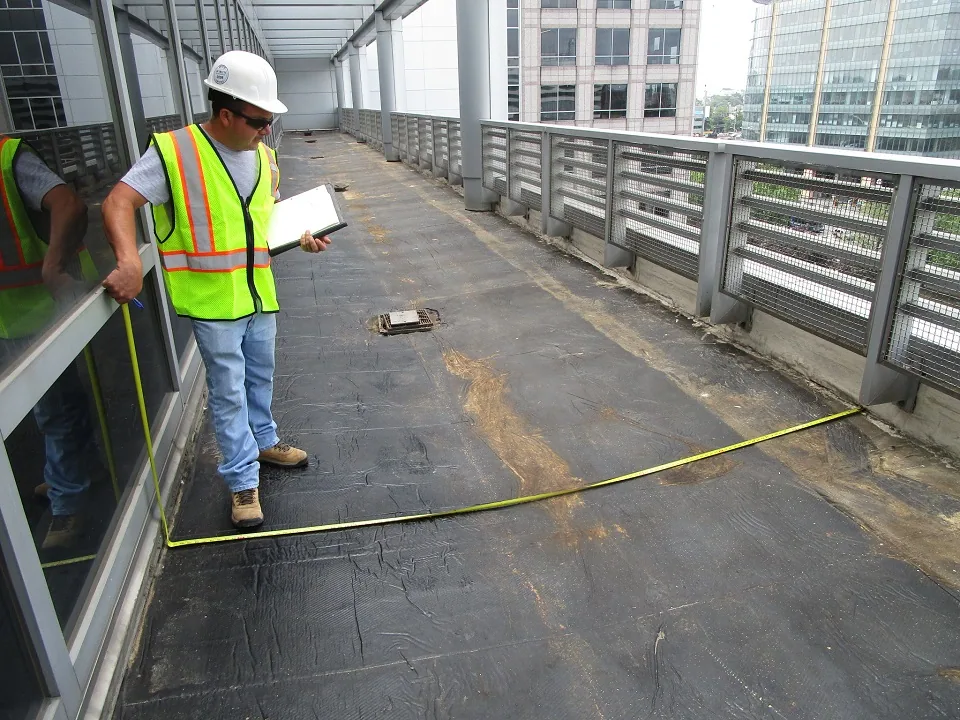
Describe when water was observed, the affected room or area and any preceding roof or component activity. We compare that account with accessible membrane joints, flashing, penetrations and outlets. The point where water appears indoors may differ from its exterior entry. Explain what the findings support before selecting a correction. Where the available examination leaves a water-route question unresolved, explain the additional area to examine and what that visit needs to establish before a correction is selected.
Commercial roof inspection gives the owner useful information for the next task. Locate the accessible condition examined and explain limitations relevant to the method proposed. Compare earlier repair records with the current report when available. We distinguish the observation supporting construction from a concealed-material question still requiring inquiry. The general contractor can then arrange a correction or another examination with its purpose understood and the contact authorized to select it identified.
Describe the repair as a connection to the existing roof
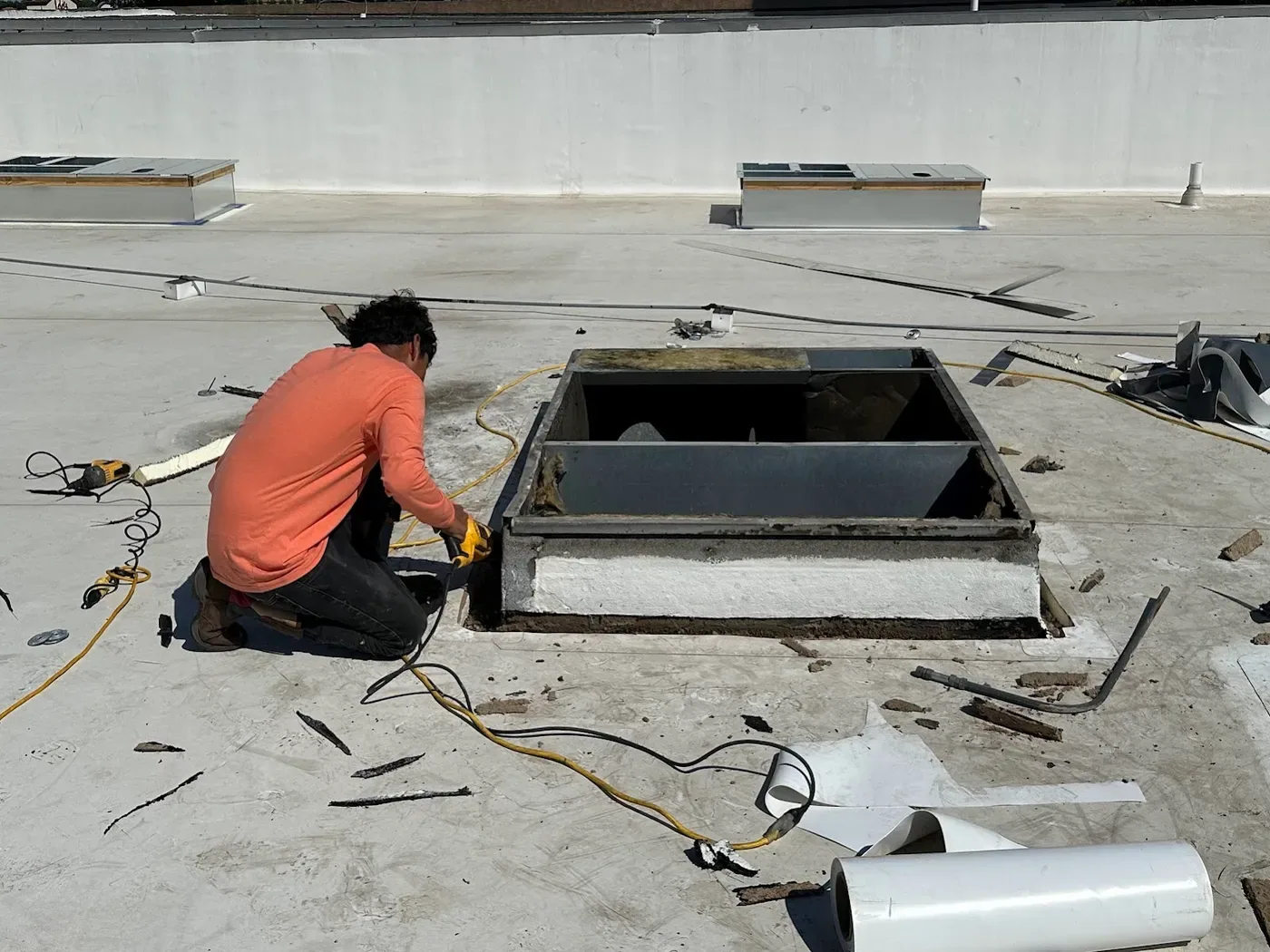
A local correction should explain the defect, compatible method and adjoining material required. A puncture patch needs suitable membrane around it. A failed seam requires the joint prepared and reconstructed appropriately. At a wall termination, examine the attachment and transition the detail uses. We describe those operations with the boundary to be opened, giving the owner an understandable construction choice and the general contractor a practical task to arrange before the work period is committed.
Commercial roof leak repair may require another decision if the surrounding material is unsuitable. Locate that finding and explain whether further investigation or wider reconstruction is needed. An outlet obstruction and a damaged flashing connection also need different work. Distinguish accessible upkeep from the membrane correction it cannot complete. The receiving building contact should know which operation is proposed, what it will finish and the question still open when another visit or approval must be arranged.
Coordinate a component correction before its roofing return
An equipment or wall detail can require another representative before our final connection is reconstructed. Explain the separate operation and the condition needed from it. We describe our membrane and flashing task and discuss the order with the general contractor. Name the component representative before dismantling the roof connection, so a practical dependency does not become an unspecified future visit. The owner needs to understand both the roofing boundary and how the outstanding task will reach completion.
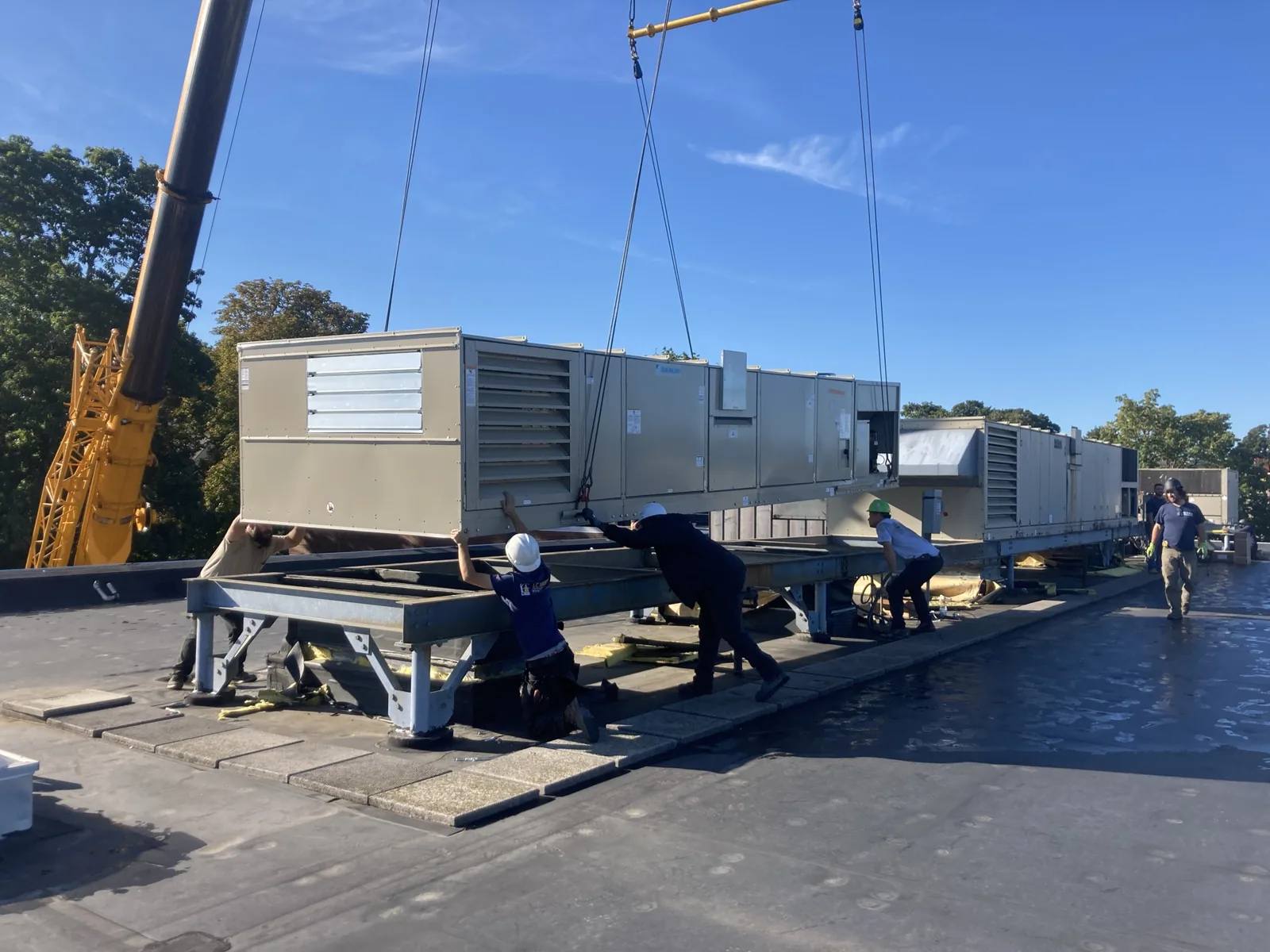
Work on rooftop equipment curbs and supports should include an explained interim condition if another operation delays the final detail. Identify the contact receiving the roof and the representative arranging the return. Keep equipment performance separate from our roofing correction while preserving the sequence between them. At turnover, explain what is finished and what still requires action. A change of building contact should not erase the component task that must precede our completed flashing connection.
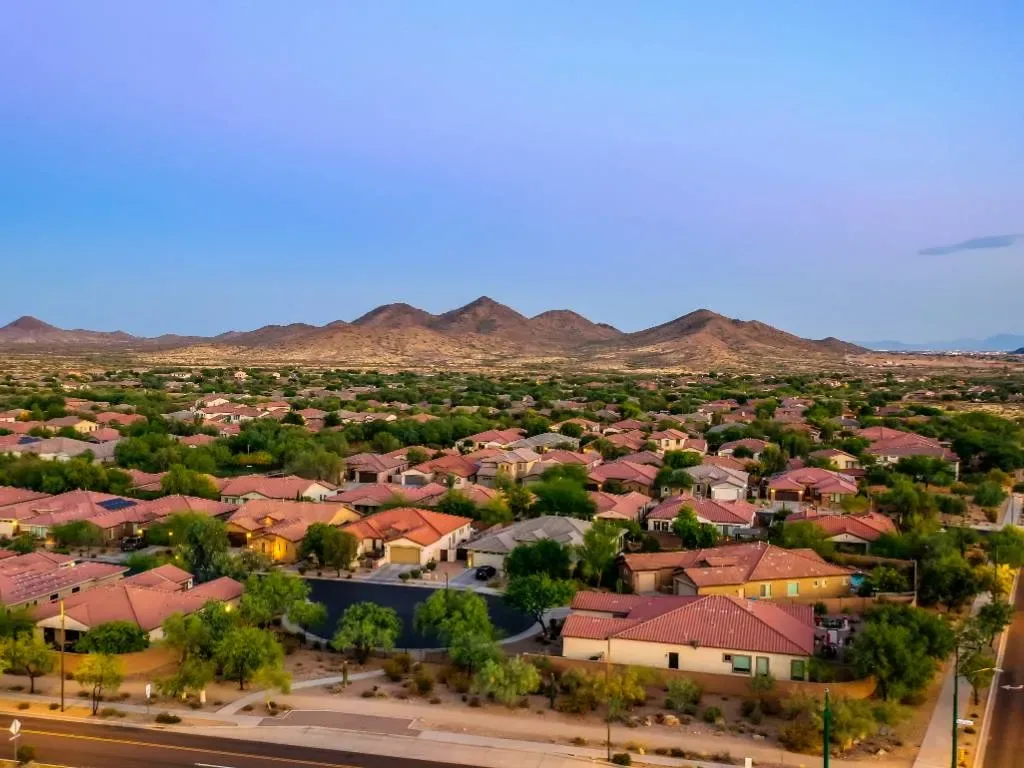
Compare the material retained with the work removed
A local method depends on construction able to receive it. Identify moisture, support or attachment questions relevant to retaining layers, and explain further examination where the available view cannot answer them. We describe the purpose of that inquiry and how findings could change removal or reconstruction. The owner can then authorize another examination with a useful decision in mind. A sound-looking finish does not establish every concealed layer the proposed work would rely upon.
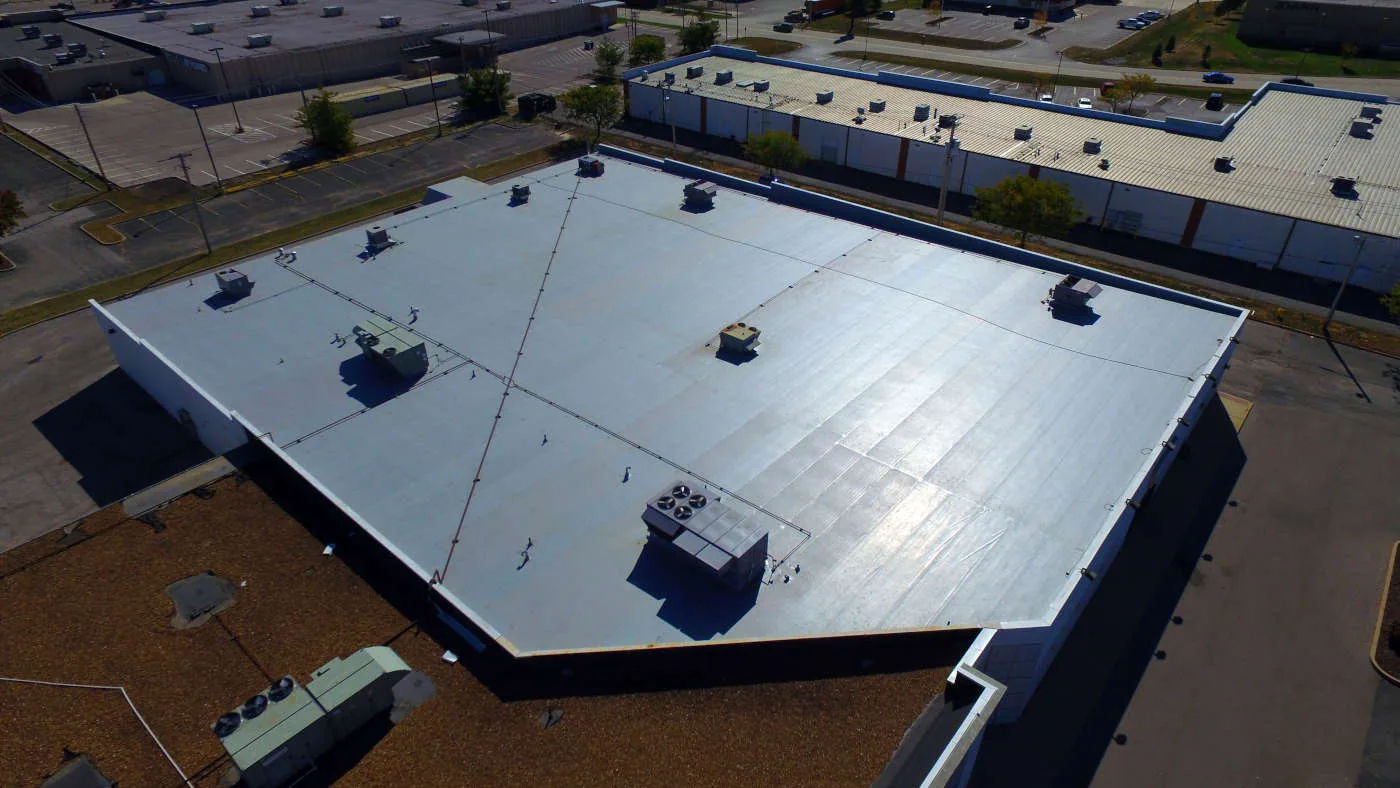
When the condition found makes repeated local work unsuitable, compare appropriate repair, recover assessment and replacement assessment. Explain the retained material, attachment, detail reconstruction and drainage each approach must address. State why a larger review is proposed and the information still needed before selecting it. The general contractor can assess access and occupied-space protection alongside the different footprint. The owner should be able to connect the construction choice to the examined assembly rather than depend on an unexplained label describing a larger project.

Set the work area using the property contact's instructions
Discuss roof entry, unloading, staging and occupied-space protection with the responsible building representative. We explain the task area needed for preparation, reconstruction or removal. If a route restriction changes the equipment or practical opening, review that effect with the general contractor before scheduling. Tie the adjustment to the proposed operation and amount. The owner can then follow the reason for the changed arrangement and the receiving contact can prepare for the roof area being returned.
A project in Tempe should preserve the instructions and opening plan applicable to its own property. Coordinated appointments can organize the work without assuming the same route or receiving contact applies. Identify the membrane and suitable surface required by the selected method. Clean and prepare compatibly, correcting failed details where the finish depends on them. Dust or dampness may alter readiness for application. We explain the pause and actual roof condition left while the next task is arranged.
More on Downtown Phoenix
Explain changes and finish a usable construction account
Before removal, discuss suitable closure and the effect of a forecast change on the work period. If hidden damage expands the correction, locate it and explain the added construction, amount and sequence for approval. We describe the condition returned while the owner decides. Compare cost drivers using the repaired detail, preparation, affected layers, protection and access equipment. Keep separate component work and unresolved investigation visible beside the roofing scope so the general contractor has an understood operation to coordinate.
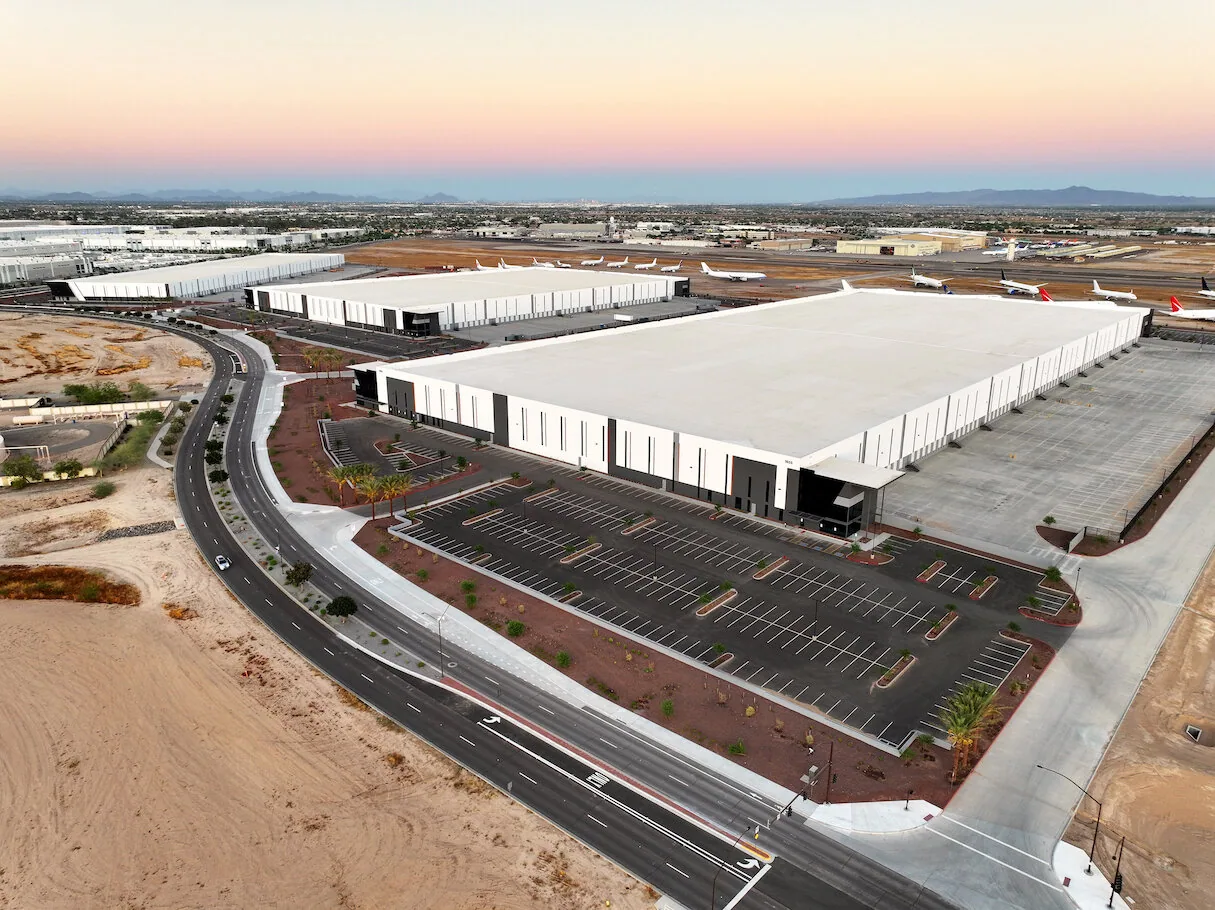
Roof asset management preserves the findings and completed work for another review. At turnover, locate the finished detail and keep photographs relevant to concealed corrections. Retain approved adjustments with applicable written warranty information. Review the final connection with the building contact, and identify any remaining component operation with the representative responsible for arranging it. If another water concern is reported, use the located construction and photographs to begin the new examination. The owner should retain a practical account of the corrected detail and the task still requiring action. For a Sky Harbor Center industrial property, document dock access and the receiving roof condition separately from this downtown sequence.
Commercial Roofing Questions
What should be provided before a water investigation?
Describe the observation, timing and relevant recent roof or component work. We compare that account with accessible details before selecting the correction or further examination.
How should a repair proposal explain its connection?
Identify the failed detail and suitable surrounding membrane. State the compatible method and preparation needed to reconstruct that connection within an understood boundary.
Who arranges another component task preceding flashing?
Name the responsible representative and required operation. Review the order with the general contractor and identify the contact receiving an interim roof condition if needed.
When does a larger material review become useful?
Examined condition can change the suitable approach. Explain retained-layer questions and the further investigation needed before comparing appropriate repair, recover or replacement assessment.
What should remain clear if the work period changes?
The actual stopping condition and remaining operation need explanation. Identify the receiving contact, approval required and person arranging the next roofing return.
Review the Downtown Phoenix roof concern
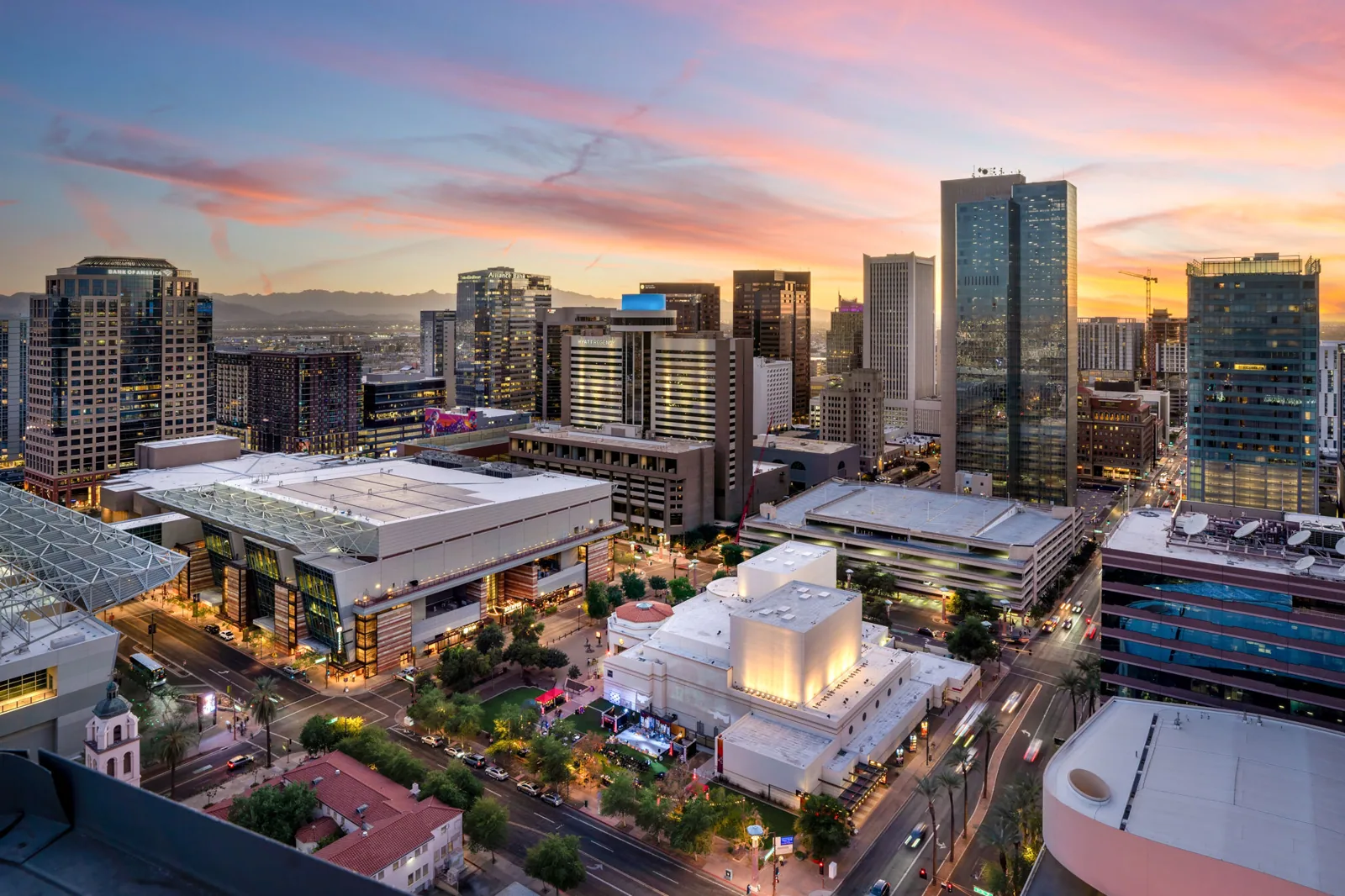
Arrange a pre-roofing meeting for your Downtown Phoenix commercial building. Bring its address and current report so we can explain the examined correction, review the practical task with the general contractor and identify the contact receiving the roof handback.
Next steps for your building:
Related Roofing Work
More commercial roofing work for Glendale and West Valley properties.